
TTO Ribbon for Flexible Packaging: A Factory Buyer’s Selection Guide
Request a solution
- Original TTR manufacturer since 2013
- Automated coating and slitting
- IQC / IPQC / OQC control
- ANSI barcode grade testing
- -20°C to 120°C environmental testing
- Batch-level traceability
- ANSI barcode grade
- Batch traceability
- RoHS / REACH compliance
- SGS and MSDS documents on request
Key Takeaways
- This guide provides a comprehensive framework for factory buyers selecting TTO ribbons for flexible packaging.
- It covers the critical differences between wax-resin and resin ribbons, emphasizing that substrate (PP/PE films), print speed, and handling conditions dictate the choice.
- Key data points include the supplier’s 13+ years of manufacturing experience, annual capacity of 50 million square meters, and monthly output exceeding 200,000 rolls.
Data and Evidence
When sourcing TTO ribbon for flexible packaging, buyers need verifiable data to assess supplier reliability and product performance. The following evidence is drawn from the manufacturer’s stated capabilities and independent industry guidance.
The manufacturer, an original producer since 2013, brings over 13 years of thermal transfer ribbon experience. Its annual production capacity reaches 50 million square meters, with a monthly output exceeding 200,000 rolls, indicating a scale that supports bulk procurement and consistent supply.
Customization is a key factor for packaging lines with varying print formats. The supplier offers custom widths from 30 mm to 220 mm and custom lengths from 70 m to 600 m, allowing buyers to match ribbon dimensions to specific printer models and packaging sizes.
- Manufacturer established in 2013, with 13+ years of thermal transfer ribbon production experience.
- Annual production capacity: 50 million square meters; monthly output exceeds 200,000 rolls.
- Custom ribbon widths available from 30 mm to 220 mm; custom lengths from 70 m to 600 m.
- Quality certifications include ISO 9001:2015, RoHS 2.0, REACH, SGS testing, FDA food-contact compliance, and MSDS reports.
- Source ttr.works recommends near-edge ribbons for flexible packaging films (PP/PE) and cold-environment handling to maintain print density.
- Source global.videojet.com confirms that ribbon portfolios now address smudge resistance and high bar code definition for specific applications.

Understand Ribbon Chemistry: Wax-Resin vs. Resin for Flexible Packaging
TTO ribbons are categorized by their ink formulation: wax, wax-resin (hybrid), and resin. For flexible packaging, wax-resin and resin are the primary choices because they offer better durability and adhesion on non-porous films like polypropylene (PP) and polyethylene (PE).
Wax-resin ribbons are a common default for high-speed coding on flexible packaging. They provide good smudge resistance and print quality at moderate cost, making them suitable for applications where the package will not face extreme abrasion or chemical exposure. Resin ribbons, on the other hand, deliver superior durability and chemical resistance, which is critical for packaging that undergoes sterilization, freezing, or contact with oils and solvents.
The selection between wax-resin and resin should be driven by the packaging surface, print speed, and handling requirements. For example, if your line runs at high speeds and the printed codes must survive cold-chain logistics, a resin or a high-performance hybrid like the WR4U431NE (as noted by ttr.works) may be necessary to maintain density and definition.
- Wax-resin ribbons balance cost and durability for standard flexible packaging applications.
- Resin ribbons provide enhanced chemical resistance and are suited for harsh environments, as noted by onlybarcoderibbon.com for medical and chemical applications.
- For cold environments, ttr.works recommends near-edge ribbons that maintain density and definition on PP/PE films.
- Verify ink melting point and layer thickness from the supplier’s datasheet to ensure compatibility with your printer’s print head energy settings.
Match Ribbon Type to Substrate and Print Speed
Flexible packaging substrates vary widely, from smooth BOPP films to textured PE laminates. The ribbon’s ability to transfer ink evenly depends on the surface energy and roughness of the film. High-speed lines, often exceeding 300 mm/s, require ribbons with fast-drying ink and low smearing tendencies.
For smooth films, a wax-resin ribbon may suffice, but for textured or low-energy surfaces, a resin-rich formulation is often necessary to achieve good adhesion. The print speed also influences the ribbon’s dwell time on the substrate; faster speeds require ribbons with higher sensitivity to heat, ensuring complete ink transfer within milliseconds.
A practical approach is to run a substrate-specific test. Request samples from your supplier and test them on your actual packaging film at your line’s maximum speed. Evaluate print density, edge definition, and smudge resistance after a simulated handling cycle. This test is more reliable than relying solely on generic specifications.
- Test ribbons on your actual film (PP, PE, or laminates) at line speed to verify print quality.
- For high-speed coding, choose ribbons with fast ink transfer; verify by checking print density at speeds above 300 mm/s.
- Custom formulation support enables adjustments to resin content for improved adhesion on low-energy substrates.
- Source ttr.works highlights that near-edge ribbons are designed for in-line packaging printing, ensuring stable density on flexible films.

Evaluate Supplier Manufacturing Capability and Quality Systems
Supplier reliability is as important as ribbon performance. A manufacturer with robust production capacity can meet bulk orders and maintain consistent quality. The supplier in question has an annual capacity of 50 million square meters and monthly output of over 200,000 rolls, which supports large-volume contracts and reduces lead-time risks.
Quality management systems are critical. ISO 9001:2015 certification indicates a structured approach to quality control, while RoHS 2.0 and REACH compliance ensure that the ribbon materials meet environmental and safety standards. For food packaging, FDA compliance for food contact is essential, as the ribbon may indirectly contact food through packaging.
Independent guidance from ronsutech.com emphasizes verifying a supplier’s manufacturing capability, including production capacity and equipment capability, to ensure long-term reliability. This aligns with the need to audit the supplier’s facility or request detailed capacity reports.
- Supplier holds ISO 9001:2015 certification, ensuring a quality management system is in place.
- RoHS 2.0 and REACH compliance confirm restricted substance management for environmental safety.
- FDA compliance for food contact is available, suitable for food packaging applications.
- SGS testing and MSDS reports provide third-party verification of material safety and handling data.
- Ronsutech.com advises checking production capacity and equipment capability when evaluating suppliers for bulk orders.
Optimize Total Cost: Customization, Lead Times, and Order Volume
Cost per roll is a primary metric, but the total cost of ownership includes waste, downtime, and rework. A ribbon that smudges or fades can cause line stoppages and product recalls, outweighing any initial savings. Therefore, evaluate the cost per acceptable print, not just the price per roll.
Customization can reduce waste. By ordering ribbons with widths and lengths tailored to your print formats, you minimize unused ribbon and changeover frequency. The supplier offers widths from 30 mm to 220 mm and lengths from 70 m to 600 m, allowing you to match exactly your printer’s requirements.
Lead times vary by product type, as stated by the manufacturer. For standard wax-resin ribbons, lead times may be shorter, while custom resin formulations might require additional production time. Confirm the current schedule with the sales team to align with your inventory planning.
- Calculate cost per acceptable print by factoring in smudge rate and rework costs.
- Custom widths (30–220 mm) and lengths (70–600 m) reduce waste and changeover time.
- Lead times vary by product type; confirm current schedules with the sales team to avoid stockouts.
- Supplier monthly output exceeds 200,000 rolls, supporting high-volume orders and consistent supply.
Implement a Qualification Protocol for New Ribbon Batches
Once you select a TTO ribbon, establish a qualification protocol to ensure every batch meets your standards. This involves testing incoming ribbons against agreed specifications, such as optical density, print contrast, and adhesion strength.
A simple test is to print a standard barcode or date code on your packaging film using the ribbon sample. Measure the print density with a densitometer; typical values for good readability are above 1.2 OD (optical density). Also, perform a tape pull test to check adhesion—apply adhesive tape over the print and remove it; the print should not lift off.
For cold-chain applications, simulate low-temperature handling by placing printed samples in a freezer at -20°C for 24 hours, then inspect for smudging or cracking. This test aligns with the recommendation from ttr.works for ribbons that perform in colder environments.
- Use a densitometer to verify print density; a typical acceptable value is above 1.2 OD for barcodes.
- Perform a tape pull test to assess ink adhesion on the packaging film.
- For cold-chain applications, test printed samples at -20°C for 24 hours to check for smudging or cracking.
- Establish a batch qualification record and require corrective action reports for any non-conforming shipments.
Frequently Asked Questions
What is the difference between wax-resin and resin TTO ribbons for flexible packaging?
Wax-resin ribbons offer a balance of cost and durability, suitable for standard flexible packaging with moderate handling. Resin ribbons provide superior chemical resistance and withstand harsher conditions like cold storage or exposure to oils. The choice depends on your substrate, print speed, and handling requireme…
How do I determine the correct ribbon width and length for my TTO printer?
Check your printer’s specifications for the maximum ribbon width and core size. Then measure the width of the print area on your packaging film. The ribbon should be slightly wider than the print area to ensure full coverage. The manufacturer offers custom widths from 30 mm to 220 mm and lengths from 70 m to 600 m to …
What quality certifications should a TTO ribbon supplier have for food packaging?
For food packaging, look for FDA compliance for food contact, as well as ISO 9001:2015 for quality management. RoHS 2.0 and REACH compliance ensure environmental safety. SGS test reports and MSDS documents provide third-party verification of material safety.
How can I test TTO ribbon performance before placing a bulk order?
Request samples and run them on your actual packaging line at your typical speed. Evaluate print density, smudge resistance, and adhesion using a tape pull test. For cold-chain applications, freeze printed samples at -20°C for 24 hours and inspect for defects. This ensures the ribbon meets your operational requirement…
Related Products & Guides
Recommended products for this industry
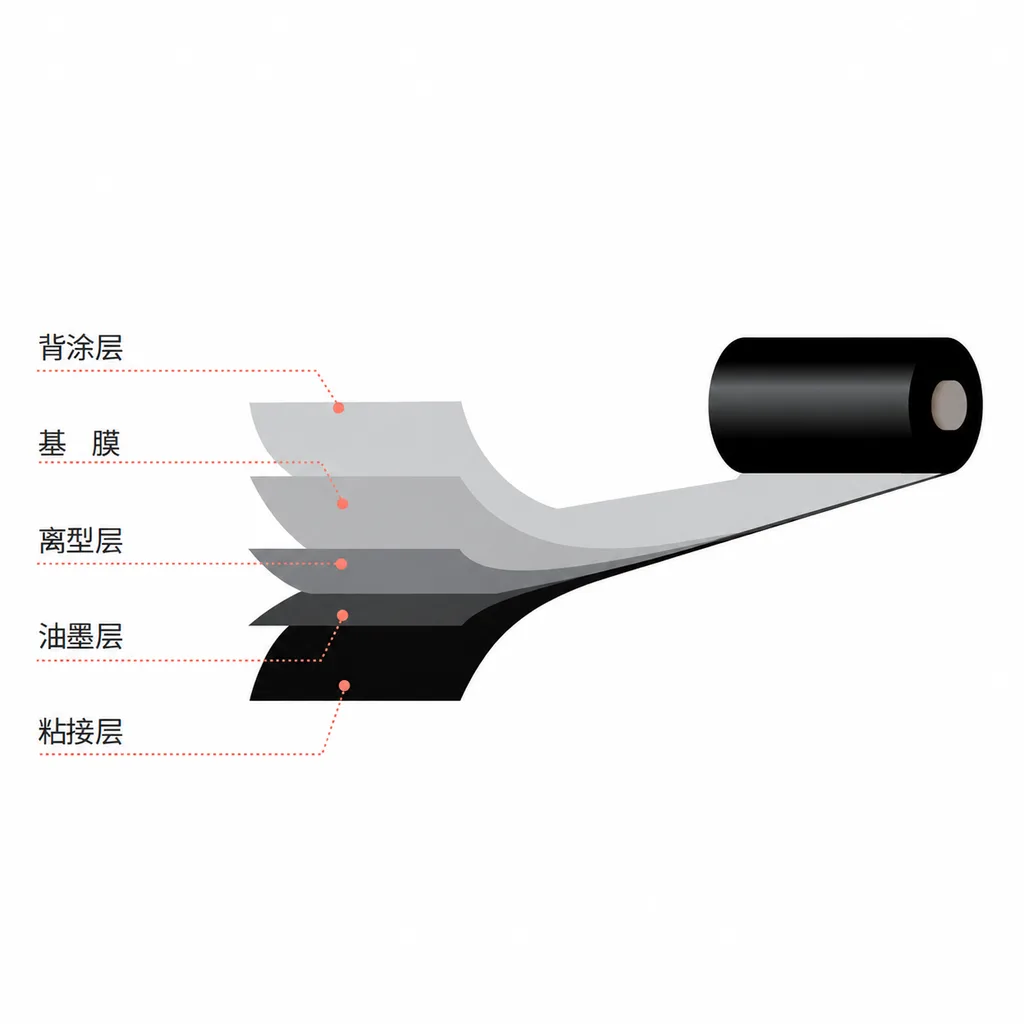
CL-Z312 Resin Thermal Transfer Ribbon for Packaging Printing
CL-Z312 is a black, general-purpose resin ribbon for thermal transfer overprinting (TTO), with packaging and retail label applications listed in the product information. Its abrasion, alcohol and oil resistance data were obtained on polyethylene terephthalate (PET). Select it against your actual packaging material, printer and production speed: print quality and image durability can vary with the printer and substrate, and the material chart percentages are not defined as pass rates.
View details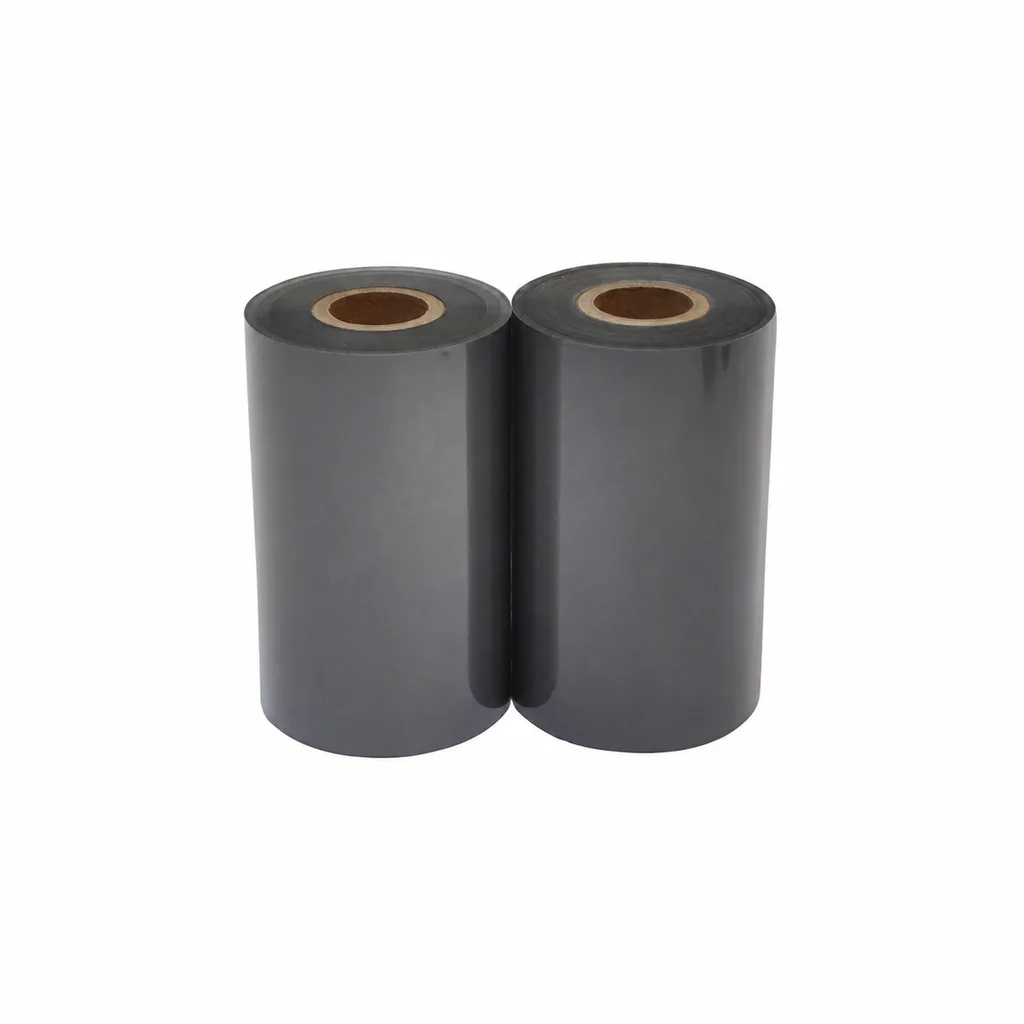
Black Resin Thermal Transfer Ribbon for Label Printing - CL-Z373
CL-Z373 is a black resin thermal transfer ribbon for label printing with desktop or industrial flat-head barcode printers at speeds of ≤6 ips (inches per second). Listed applications include electronics processing, tire identification, automotive manufacturing, pharmaceutical packaging, cosmetic labels and outdoor identification. Selection depends on the actual label material, printer and exposure conditions. Fine-line, small-character and resistance results were obtained on coated paper; print quality and image durability may vary with the printer and print substrate.
View details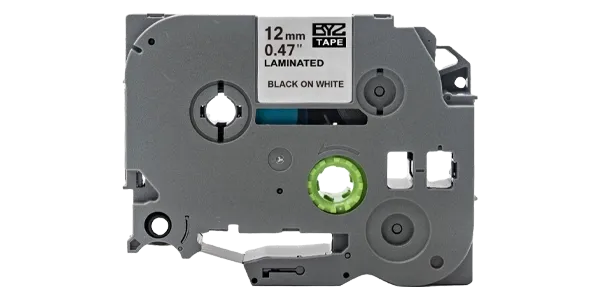
Brother Compatible Label Ribbons (TZe Series)
This Brother-compatible label ribbon (TZe series) is manufactured using high-quality…
View details
CL-Z112 Enhanced Wax Thermal Transfer Ribbon for Paper Labels and Tags
An enhanced wax thermal transfer ribbon with black ink for paper labels and tags used in retail, warehousing and logistics. It is specified for flat-head printing on desktop or industrial barcode printers at ≤8 inches per second (ips). Select it by checking the actual label material, printer configuration and handling conditions: image-quality, rub-resistance and cold-chamber results were obtained on coated paper, and print quality and image durability may vary with the printer and print medium.
View detailsNeed the right ribbon for your label application?
Share the label material, printer and operating environment. Our team will recommend a tested combination.
