
Thermotransfer Farbbänder: How to Select a Ribbon for Your Printer and Material
Request a solution
- Original TTR manufacturer since 2013
- Automated coating and slitting
- IQC / IPQC / OQC control
- ANSI barcode grade testing
- -20°C to 120°C environmental testing
- Batch-level traceability
- ANSI barcode grade
- Batch traceability
- RoHS / REACH compliance
- SGS and MSDS documents on request
Buyers selecting a thermal transfer ribbon should begin with the printer’s head type, the material to be printed and the required performance of the finished mark. Flat-head and near-edge machines need ribbons designed for their respective heads; for flexible packaging, a near-edge wax-resin or resin ribbon is a relevant option to evaluate. Confirm the proposed ribbon and roll specifications for the equipment, then test the actual material and printed codes before ordering in volume.
Key Takeaways
- Flat-head and near-edge printheads use ribbons designed for their different contact and ink-release characteristics.
- Wax-resin and resin are ribbon options described for thermal transfer overprinting on flexible film.
- Some near-edge ribbons use thinner PET film to increase ribbon capacity and reduce changeovers and plastic waste.
- A sample printed on the intended material gives the buyer a basis for checking code readability and resistance against the requirements of the application.

Choose thermotransfer farbbänder for the printhead and material
The printhead type determines which ribbon design to consider, while the material and the conditions the print must withstand determine what to verify in a trial. Start with the printer model and identify whether its head is flat-head or near-edge. DNP explains that each type requires its own ribbon: a flat-head ribbon stays in contact with the label for some distance, whereas a near-edge ribbon separates after a much shorter contact.
Ask the supplier to identify a ribbon intended for that head and to confirm the roll format against the printer specifications. Do not select solely by a familiar printer brand or by the colour of the ink. Record the roll width, length and core required by the machine, along with any other requirements in its documentation, before comparing offers.
Next, provide a sample of the actual label or packaging film and describe the mark: for example, a date, lot code or barcode. Also specify where and how the mark must remain readable, including any handling or rubbing it must withstand. The ribbon, material and printer settings should be assessed together; a ribbon name alone does not establish an acceptable result on a particular surface.
For flexible film packaging, thermal transfer overprinting, or TTO, uses wax-resin or resin ribbon with a thermal printhead, according to Wolfbarco. A wax-resin (Wachs/Harz) option is therefore a starting point for a TTO trial, not a promise that every wax-resin ribbon will adhere to every film. Obtain the proposed product’s material compatibility information and test it on the film used in production.
If the application uses paper labels or another surface, request a product recommendation and supporting compatibility information for that exact material. Compare candidate ribbons using the same printer, material and acceptance criteria. The available evidence does not establish a general material-to-formulation rule for all paper and synthetic labels, so the choice should be confirmed with product-specific information and a sample.
Compare near-edge and TTO options before ordering
Near-edge ribbons release ink quickly because the ribbon contacts the material only briefly before separation, according to DNP. This makes printhead compatibility an essential first filter for a high-speed line. A ribbon selected for another head type should not be assumed suitable simply because the roll fits.
Some near-edge ribbons use a thinner PET carrier, allowing more ribbon capacity and reducing changeover time and plastic waste, as described by DNP. Compare actual roll length and the machine’s permitted roll format when evaluating this advantage; do not assume that a thinner carrier gives every machine the same increase in capacity. Longer rolls are useful only when the printer accepts them and the printed result meets the application’s requirements.
For flexible packaging, check the film and the printed information together with the machine type. DNP describes a floating near-edge head that accommodates different media thicknesses, while Wolfbarco describes a head adjustable to the thickness of the printed material. Confirm the arrangement on the particular printer rather than assuming that every machine has the same adjustment procedure.
Colour is another purchasing specification. Graphic Controls lists black wax-resin as well as white and silver resin near-edge ribbons in its range; this establishes examples of available colours, not their suitability for a particular film. If a package needs a non-black mark, include the desired colour and the film sample in the compatibility request and evaluate the printed result.

Validate the print and complete the purchase specification
A useful purchasing trial checks the finished mark on the buyer’s own material under the intended printing conditions. Agree on what must be legible and durable before comparing samples. For a barcode, include the required scanning or verification criterion; for a date or lot code, include the smallest text and the intended handling conditions.
- Identify the printer model and head type, then obtain candidate ribbons specified for that equipment and roll format.
- Supply the actual label or film and the artwork or codes to be printed, including any colour requirement.
- Print samples using the intended operating setup and record the ribbon, material and printer settings so the comparison can be repeated.
- Inspect the marks for consistent coverage and clear characters; check barcodes against the agreed scanning or verification requirement and assess resistance using the buyer’s agreed handling test.
- If a sample fails, review the material, ribbon specification and printer setup with the supplier, then test a suitable alternative or revised setup before committing to volume.
Evaluate the whole roll specification along with the sample result. A long roll has little purchasing value if it does not fit the machine or if the mark fails the agreed acceptance checks. Keep an accepted sample and the corresponding specifications with the purchase record so subsequent orders can be checked against the same requirements.
Data and Evidence
The following evidence supports the selection boundaries and examples in this guide; product-specific performance must be checked for the proposed ribbon and application.
| Decision | Evidence and applicable condition | Buyer’s check |
|---|---|---|
| Printhead | DNP describes different contact and release characteristics for flat-head and near-edge ribbons and says each head type requires its own ribbon. | Confirm head type and the candidate ribbon’s compatibility with the printer. |
| Flexible film | Wolfbarco describes TTO on flexible film using wax-resin or resin ribbon. | Ask for compatibility information for the actual film and test the proposed ribbon. |
| Carrier and roll capacity | DNP describes thinner PET film as a feature of some near-edge ribbons, with more capacity and less changeover time and plastic waste. | Compare the actual roll specifications with the printer’s limits. |
| Ink colour | Graphic Controls lists black wax-resin and white and silver resin near-edge ribbons. | Confirm the required colour and check its result on the actual packaging. |
Frequently Asked Questions
Can I use the same ribbon in a flat-head and a near-edge printer?
Choose a ribbon specified for the printer’s head type. DNP describes different ribbon designs for the two head types, so check the proposed product against each machine before ordering.
Is wax-resin suitable for TTO printing on flexible packaging?
Wax-resin is an option described for TTO on flexible film. Confirm the particular ribbon’s compatibility with the actual film and printer, then test the printed mark against your acceptance requirements.
Does a thinner PET carrier guarantee a longer roll for my printer?
No. Some near-edge ribbons use thinner PET to increase capacity, but the actual length and fit depend on the offered roll and the printer’s specifications. Compare both before purchasing.
What should I send a supplier before ordering ribbon for a barcode?
Provide the printer model and head type, roll specifications, the actual label or film, the barcode to be printed and the required verification and durability criteria. Use these details to arrange a sample trial before a bulk order.
Recommended products for this industry
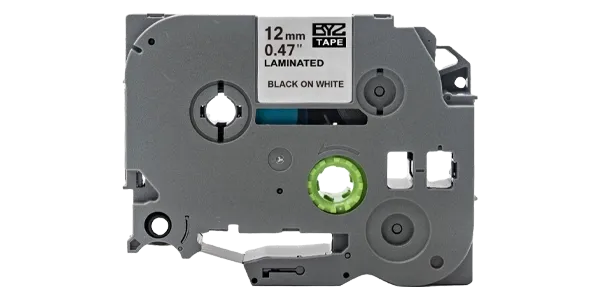
Brother Compatible Label Ribbons (TZe Series)
This Brother-compatible label ribbon (TZe series) is manufactured using high-quality…
View details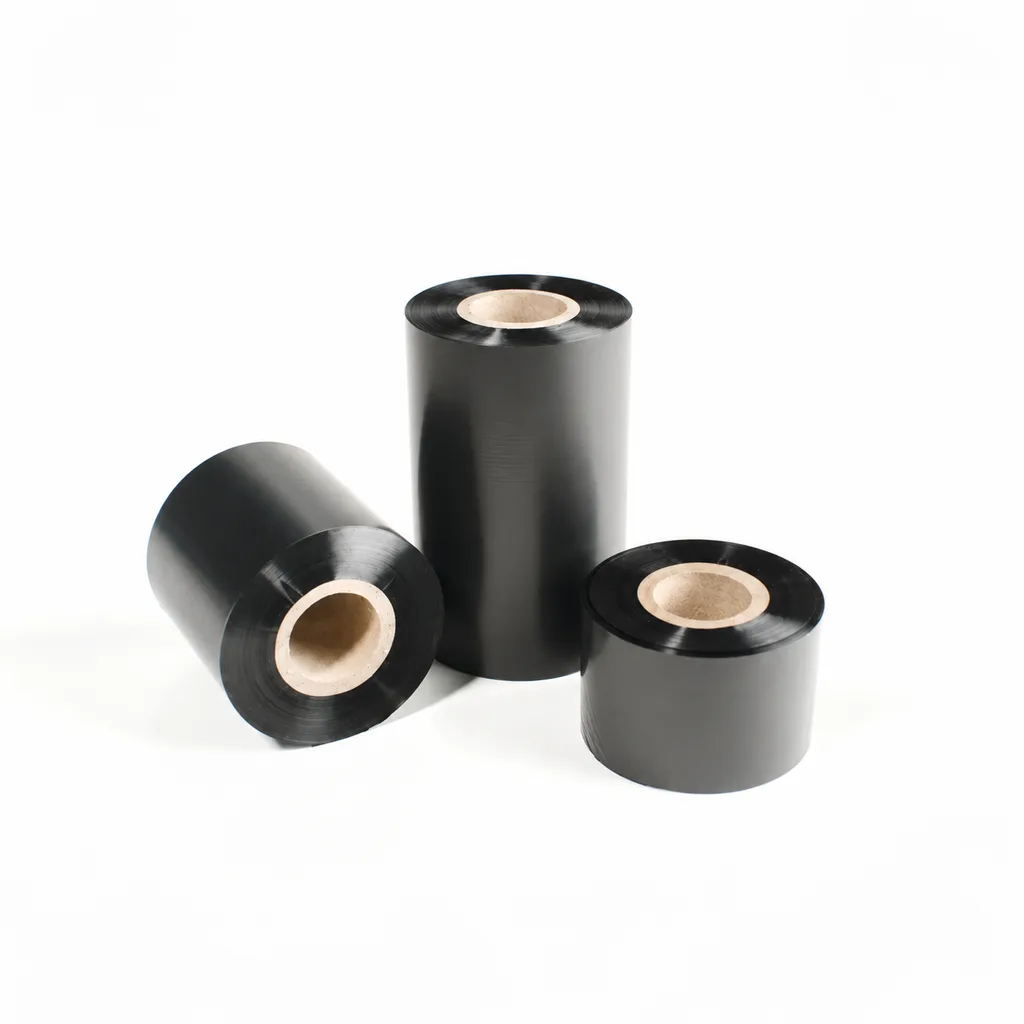
CL-Z364 Thermal Transfer Ribbon for Wash-Care Labels
An economical black thermal transfer ribbon for wash-care label printing on flat-head desktop or industrial barcode printers at ≤4 ips (inches per second). The documented materials include satin ribbon, nylon-coated ribbon and thermoplastic polyurethane (TPU). Select it against your actual label material, printer and washing process: print quality and image durability can vary with the printer and printing substrate.
View details
Full-colour card printer ribbon YMCKO
Compatible with Seaory S20/S21/S22/S22K card printers, supporting high-definition…
View details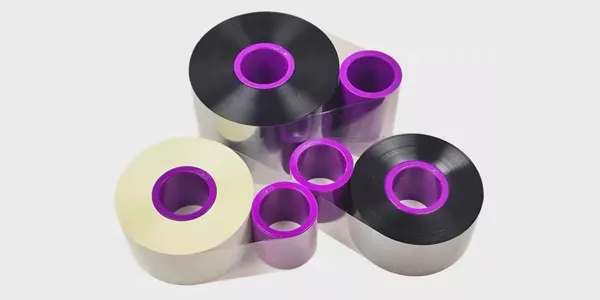
TTO Barcode Printer Thermal Transfer Colour Ribbon High-Speed Customisation
This TTO thermal transfer ribbon is suitable for a variety of label materials across…
View detailsNeed the right ribbon for your label application?
Share the label material, printer and operating environment. Our team will recommend a tested combination.
