- Original TTR manufacturer since 2013
- Automated coating and slitting
- IQC / IPQC / OQC control
- ANSI barcode grade testing
- -20°C to 120°C environmental testing
- Batch-level traceability
- ANSI barcode grade
- Batch traceability
- RoHS / REACH compliance
- SGS and MSDS documents on request
The thermal transfer ribbon market offers wax, wax-resin and resin formulations for different printing needs. Choose by matching the ribbon to the printer, label material and service conditions. Test the complete combination before ordering.
Key Takeaways
- Start with the actual label material and printer.
- Specify the exposures and required life of the print.
- Compare ribbon types using samples under identical conditions.
- Confirm roll dimensions and supply terms before purchase.
What Is the Thermal Transfer Ribbon Market?
Buyers select ribbons for labels and packaging according to material, printer and durability requirements. Formulation names provide a starting point, but do not guarantee performance on every surface. This guide addresses selection rather than market-size forecasts.
How Thermal Transfer Ribbons Work
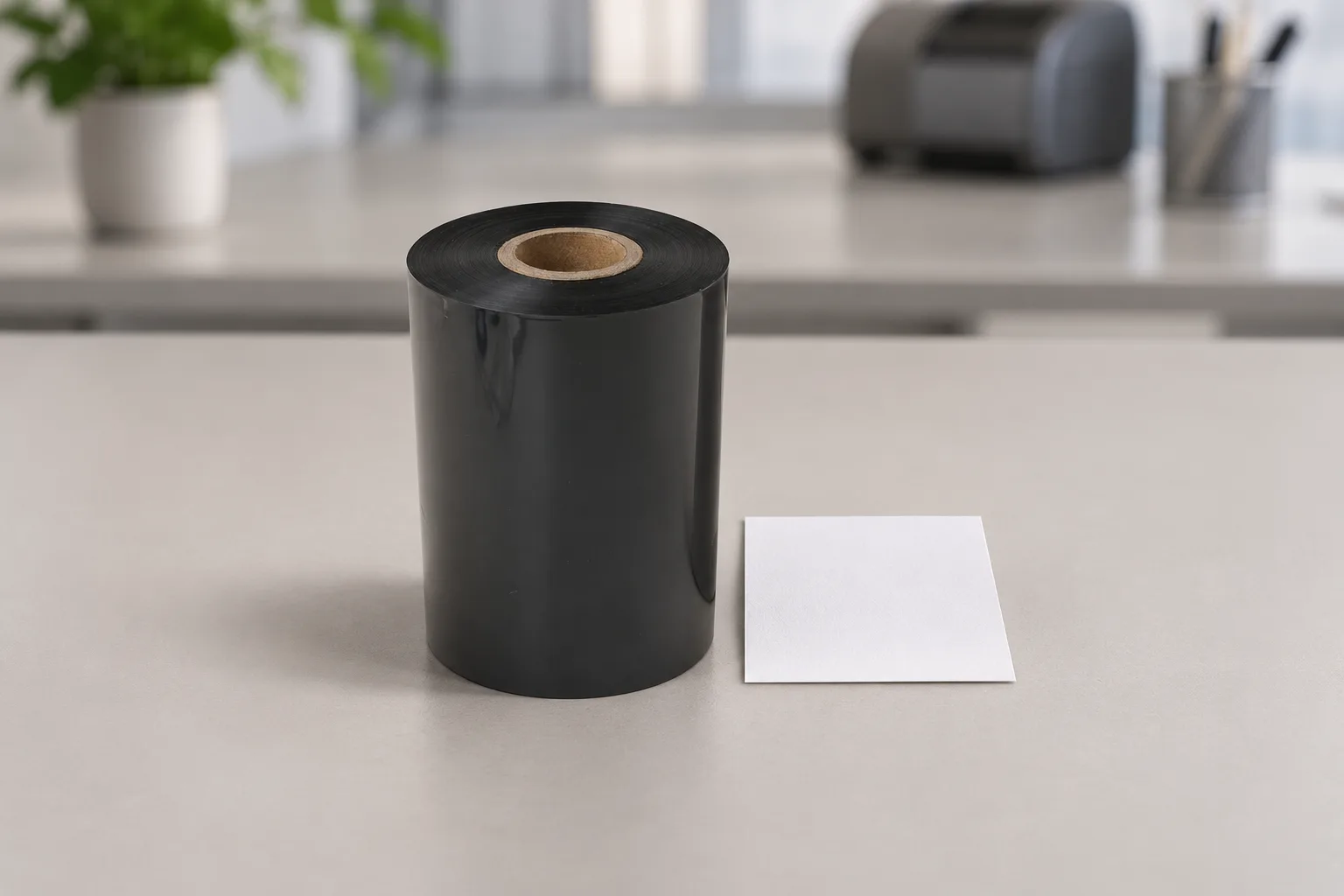
The printhead applies heat to a ribbon to transfer ink onto the receiving material. Print quality and durability depend on the ribbon and substrate together. A combination that works on one label may behave differently on another.
Wax, Wax Resin and Resin Ribbons Compared
For coated, uncoated or synthetic paper on a compatible flat-head printer at up to 6 ips, consider CL-Z109 wax as a candidate. If scratch resistance is a priority, consider the listed standard wax-resin hybrid, which its manufacturer compares favorably with wax-based ribbons. For resin, obtain a product matched to the material; the available evidence does not establish a general performance ranking against the other types. Compare candidates on actual stock under the same conditions.
Colorfulttr lists CL-Z109 enhanced wax for coated, uncoated and synthetic paper, using flat-head desktop or industrial printers at up to 6 inches per second. Print quality and durability vary with printer and medium. Its standard wax-resin hybrid is described as having better scratch resistance than wax-based ribbons. These statements apply to the listed products. See the CL-Z109 product information and standard wax-resin product information.
How to Choose a Ribbon for Your Application

Identify the surface
Specify the exact face material and coating, whether coated or uncoated paper, a particular synthetic film or another material. Send a sample or specification to the supplier. Test the actual stock.
Define durability
Specify how long information must remain readable and what it will encounter: rubbing during packing, moisture, temperature changes, sunlight, oils or cleaning chemicals. State the substance, exposure time and conditions when known. Include barcode readability after exposure in acceptance criteria.
Check the printer
Provide the printer make and model, printhead type, resolution and intended speed. Confirm flat-head or near-edge compatibility, ink-side orientation, ribbon width, roll length, core and winding against the printer instructions. A roll must fit the machine and transfer well at the intended settings. Record speed and darkness during the trial.
Compare operating cost
Request prices for comparable dimensions and quantities. Consider usable output, changeovers, rejected labels and testing effort alongside purchase price. Evaluate candidates under the same conditions.
How to Evaluate Suppliers and Purchase Requirements
Include printer model, head type, resolution, operating speed, ribbon dimensions, winding and ink-side orientation in the inquiry. Describe the label or film, surface treatment, text and barcode requirements, service conditions, order quantity, destination and required delivery date.
Ask for a technical data sheet, substrate guidance, available sizes, sample terms, lead time and quotation for the exact item. Agree how batches will be identified and discrepancies handled.
Data and Evidence
CL-Z109 is listed for flat-head printing at up to 6 inches per second; its suitability for a specific job still requires checking the material and handling conditions. Record printer settings, ribbon and label batches, print speed, exposure method and results for each sample.
Print on the production printer and actual stock at the intended speed. Include small text and representative barcodes, and check them with the scanner used in the operation. Expose samples to relevant handling and environmental conditions, then scan again. Agree on a pass threshold before ordering and apply the same procedure to each candidate. If a sample fails, select another candidate and repeat the test before ordering.
For packaging, test on the actual film at line speed. Keep an approved printed reference and record the combination that passed for future orders.
Frequently Asked Questions
What is the difference between wax, wax resin and resin ribbons?
For compatible paper and flat-head printers, CL-Z109 wax is one candidate; where scratch resistance matters, consider the listed standard wax-resin hybrid, described by its manufacturer as more scratch resistant than wax-based ribbons. For resin, request a product matched to the material. Test each candidate under the same conditions; if it fails, change the candidate and test again.
How do I match a ribbon to my label material?
Identify the face material and coating, obtain recommendations and print samples on actual stock. Check appearance, adhesion and barcode readability before and after relevant exposure.
What printer specifications should I check?
Check model, head type, ribbon dimensions, core, winding and ink-side orientation. Confirm speed and settings with the supplier and printer documentation.
How can I test durability?
Print representative samples and subject them to the handling and exposures expected in service. Compare results with agreed visual and scanning criteria and record the conditions.
Recommended products for this industry
Black Resin Thermal Transfer Ribbon for Label Printing - CL-Z373
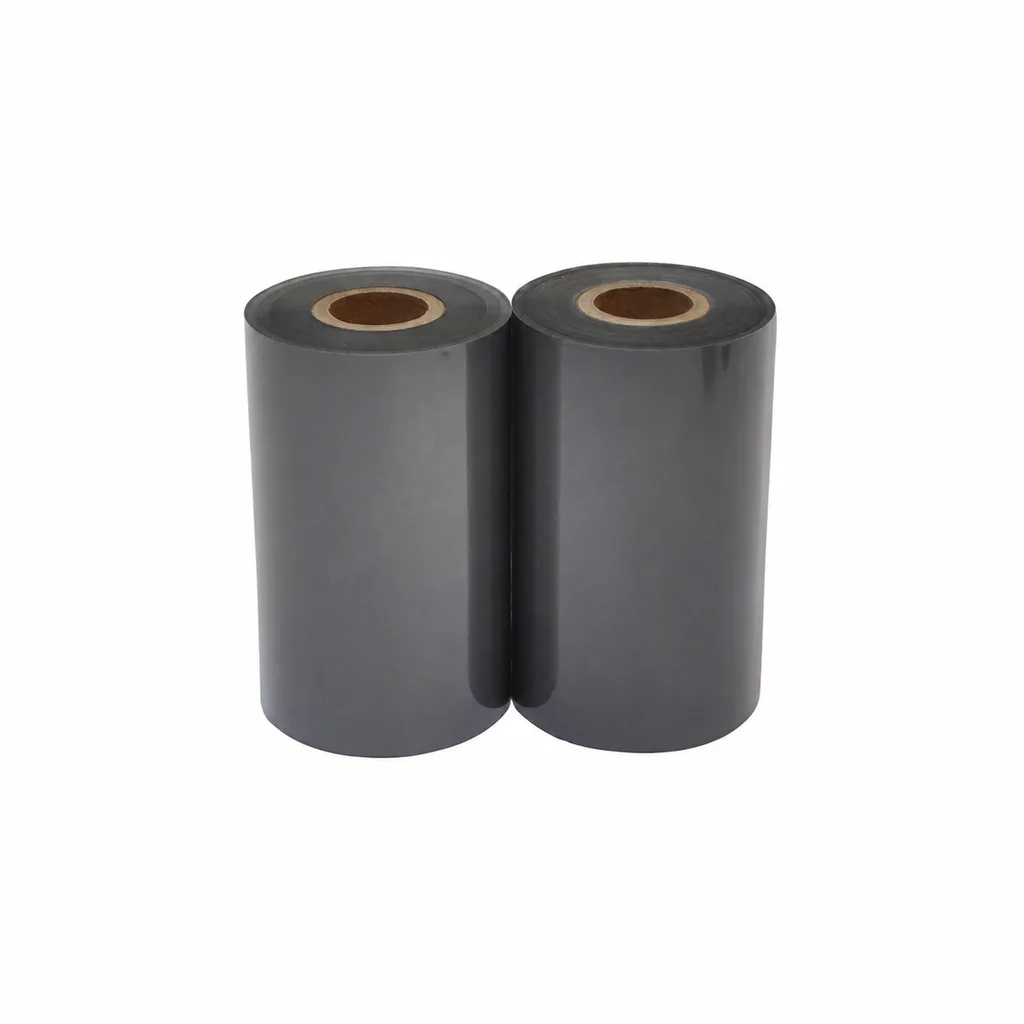
CL-Z373 is a black resin thermal transfer ribbon for label printing with desktop or industrial flat-head barcode printers at speeds of ≤6 ips (inches per second). Listed applications include electronics processing, tire identification, automotive manufacturing, pharmaceutical packaging, cosmetic labels and outdoor identification. Selection depends on the actual label material, printer and exposure conditions. Fine-line, small-character and resistance results were obtained on coated paper; print quality and image durability may vary with the printer and print substrate.
View details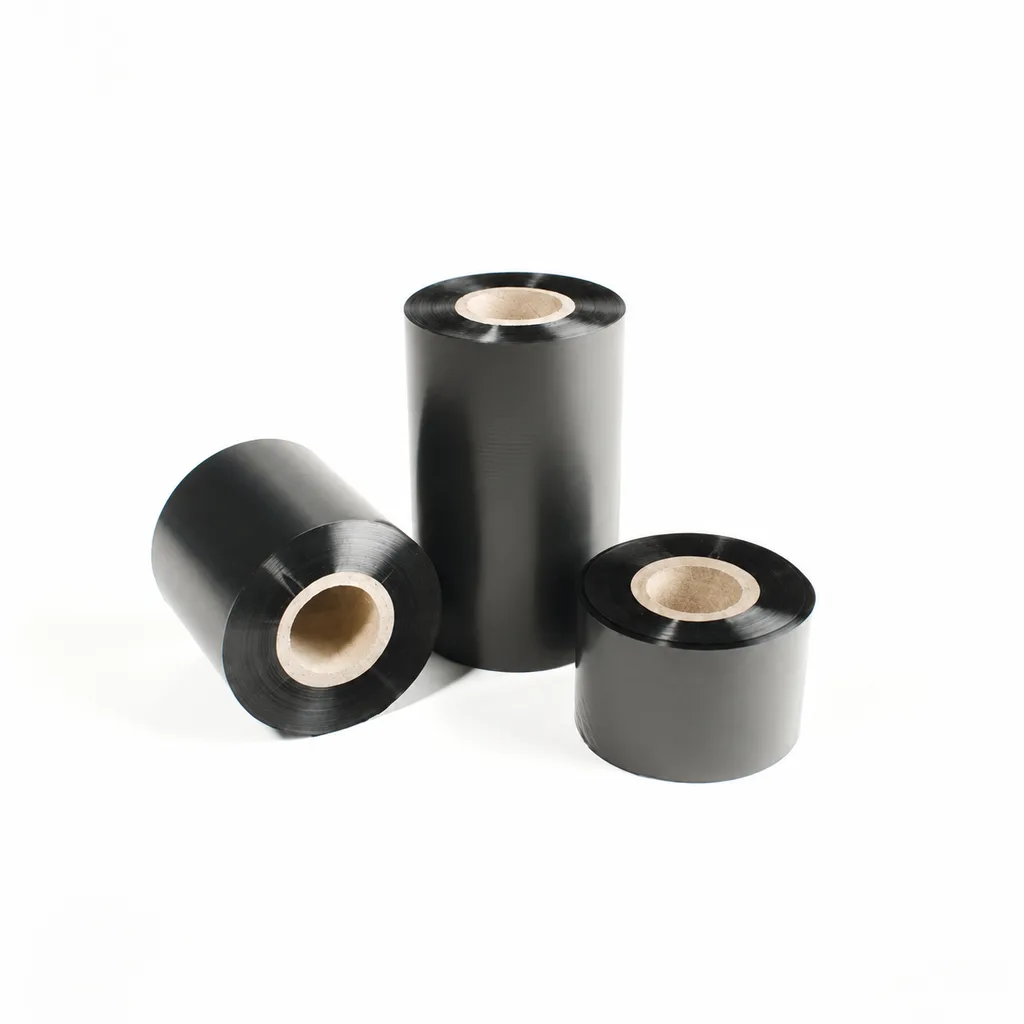
CL-Z112 Enhanced Wax Thermal Transfer Ribbon for Paper Labels and Tags
An enhanced wax thermal transfer ribbon with black ink for paper labels and tags used in retail, warehousing and logistics. It is specified for flat-head printing on desktop or industrial barcode printers at ≤8 inches per second (ips). Select it by checking the actual label material, printer configuration and handling conditions: image-quality, rub-resistance and cold-chamber results were obtained on coated paper, and print quality and image durability may vary with the printer and print medium.
View details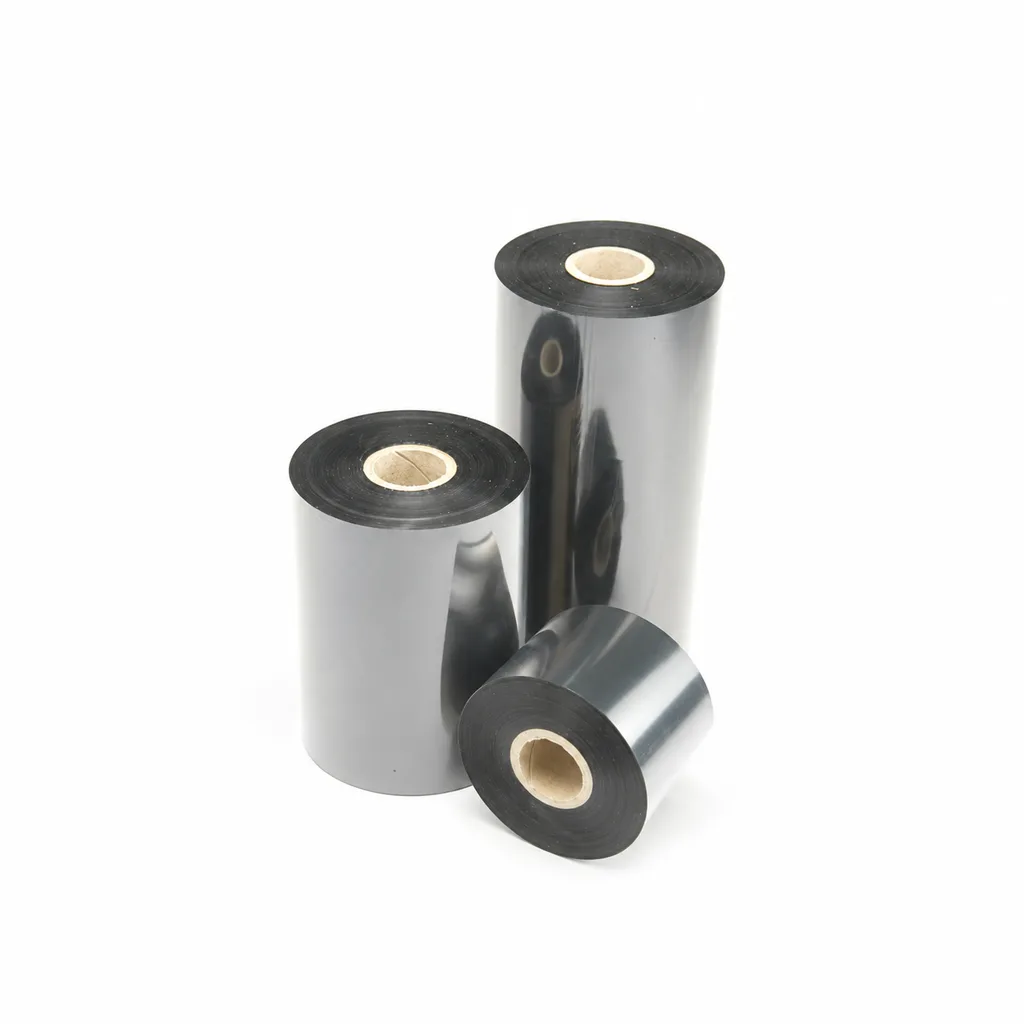
CL-Z203 Wax-Resin Thermal Transfer Ribbon for Barcode Labels
A black wax-resin thermal transfer ribbon for flat-head printing, with listed applications including retail, warehousing, logistics and garment tags. Select it against your actual label material and desktop or industrial barcode printer at speeds ≤6 ips (inches per second). Fine-line, small-text and durability results were obtained on coated paper; print quality and image durability may vary with the printer and printing substrate.
View details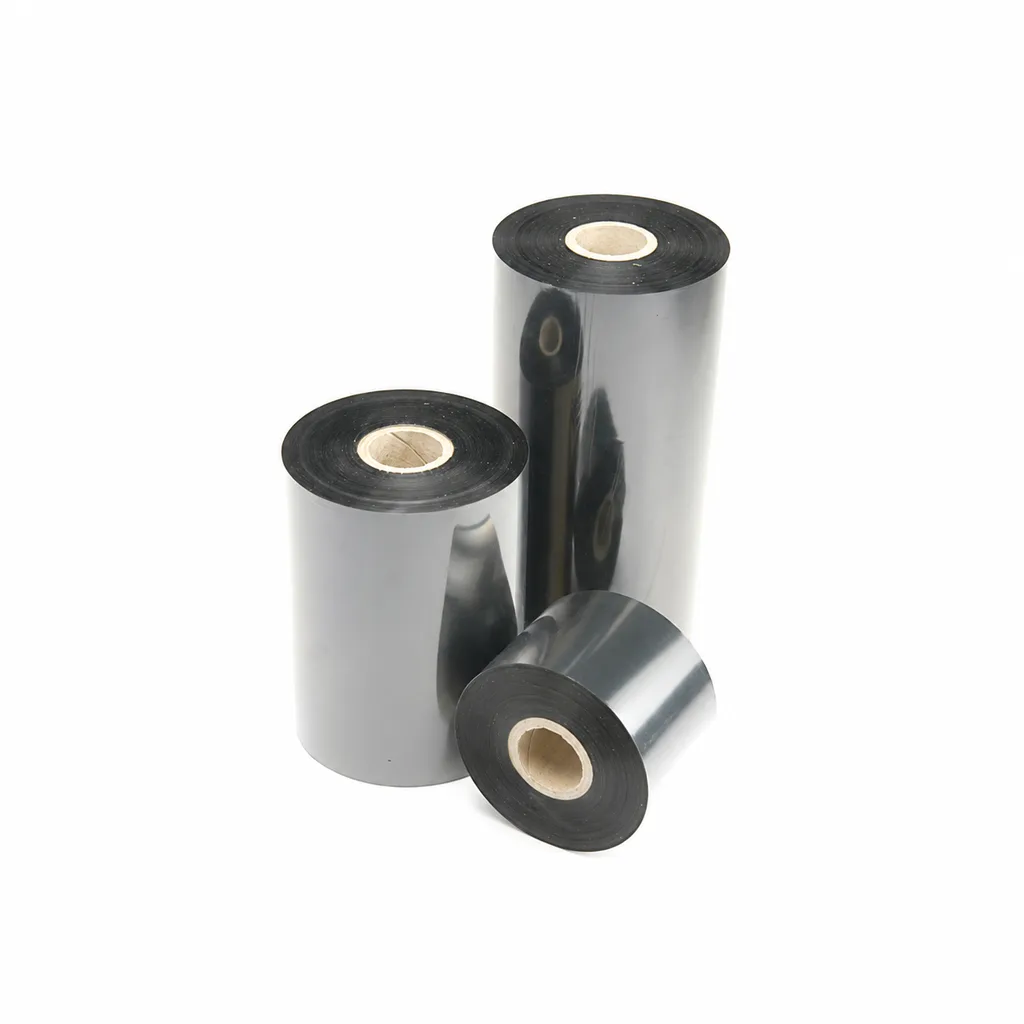
CL-Z213 Near-Edge Wax-Resin Thermal Transfer Ribbon for Barcode Labels
An enhanced black near-edge wax-resin thermal transfer ribbon for near-edge barcode printers and low- to medium-speed thermal transfer overprinting (TTO). Listed applications include retail labels, warehousing, garment tags and packaging identification. Match the printer, actual print medium and operating speed before selection: print quality and image durability can vary with the printer and substrate.
View detailsNeed the right ribbon for your label application?
Share the label material, printer and operating environment. Our team will recommend a tested combination.
