
Thermal Printer vs. Ribbon Printer: Choose by Label Life and Material
Request a solution
- Original TTR manufacturer since 2013
- Automated coating and slitting
- IQC / IPQC / OQC control
- ANSI barcode grade testing
- -20°C to 120°C environmental testing
- Batch-level traceability
- ANSI barcode grade
- Batch traceability
- RoHS / REACH compliance
- SGS and MSDS documents on request
For short-life receipts and shipping labels, direct thermal printing avoids ribbon handling; for labels that must remain readable through abrasion, chemicals, heat or extended use, choose thermal transfer with a compatible ribbon and label. Buyers using the phrase “thermal printer vs ribbon printer” are generally comparing these two methods. Compare the complete printer-and-consumables cost, match the print method to the label material and environment, then qualify the choice with a sample printed on the intended stock.
Key Takeaways
- Direct thermal creates an image on heat-sensitive label stock without a ribbon.
- Thermal transfer uses a heated printhead to transfer ink from a ribbon to a substrate.
- Label life, exposure, material and printhead type should drive the selection.
- Compare twelve months of printer and consumable costs rather than purchase price alone.
- Test the complete printer, ribbon and label combination under real handling conditions.
What Does “Thermal Printer vs. Ribbon Printer” Mean?
The practical comparison is usually direct thermal versus thermal transfer, also called ribbon printing. “Thermal printer” is a broad equipment term; a direct thermal printer uses heat-sensitive media, while a thermal transfer printer uses a consumable ribbon. Check the model specification before ordering supplies: some printers support only one mode, while a compatible dual-mode model can be configured for either method.
Choose direct thermal when the printed information has a short service life and avoiding a ribbon change is valuable. Choose ribbon printing when the image must withstand longer storage or more demanding handling, provided the selected ribbon, label face and printer work together. The decision is not simply about whether one technology is “better”: start with what the label must identify, what surface it will be printed on and what conditions it will encounter.
For example, a parcel label scanned during delivery has a different durability requirement from an asset label expected to remain legible in a plant. A cold-chain label may face condensation and cold handling; a chemical drum label may encounter moisture or chemical contact. For either case, assess the finished label system rather than assuming the printer method alone guarantees performance.

How Do Running Cost, Maintenance and Print Life Compare?
Direct thermal removes ribbon purchasing and ribbon loading from the workflow, but it still requires compatible heat-sensitive labels. Thermal transfer adds a second consumable line, the ribbon, and a ribbon-capable setup; it can also let a buyer consider a broader range of label materials. Which method costs less over a year depends on actual equipment prices, media prices, ribbon consumption, print volume and the cost of production stops.
Use a twelve-month total-cost comparison with your supplier quotes and forecast volume. For direct thermal, calculate: printer purchase price + (direct thermal label unit cost × labels printed per month × 12). For thermal transfer, calculate: printer purchase price + (thermal transfer label unit cost × labels printed per month × 12) + (ribbon unit cost × ribbons used per month × 12). Add any documented service or changeover cost if it applies to your operation. Direct thermal has no ribbon spend; thermal transfer adds ribbon expense. Compare actual supplier quotes and your expected consumption over twelve months to determine which setup costs less. Compare equivalent label sizes, adhesives, print coverage and roll quantities, or the arithmetic will mislead.
Maintenance has a workflow cost as well as a parts cost. Direct thermal avoids the ribbon reel and the task of threading and tensioning ribbon. Thermal transfer operators need to keep the correct ribbon in stock, replace it as consumed, and confirm the printer configuration after a material or ribbon change. Estimate change frequency from your measured print volume and roll yield, then multiply planned stop time by the line’s cost per stopped minute. Do not assume a universal downtime figure; it varies with line design and staffing.
Print life is the deciding constraint when labels must remain scannable. Direct thermal relies on a heat-sensitive surface, so its suitability depends on the label stock and exposure conditions. Thermal transfer can produce a more durable image when the ribbon and substrate are correctly matched, but the grade alone does not prove that a label will survive a particular chemical, temperature or outdoor exposure. If a barcode supports traceability or safety, test scan quality after representative storage and handling.
Which Printing Method Fits Your Application?
Use the shortest-life method that still meets the label’s readability requirement. The matrix gives a starting point, not a substitute for checking the printer model, material and exposure. “Ribbon grade” applies only where thermal transfer is recommended.
| Application | Starting recommendation | Material or ribbon direction | What to verify |
|---|---|---|---|
| Receipts and short-life parcel labels | Direct thermal | Heat-sensitive paper or label stock | Expected time to scan, heat, sunlight and abrasion exposure |
| Warehouse barcodes scanned soon after printing | Direct thermal can fit short-duration use | Select stock for the actual handling conditions | Scan after storage and movement through the warehouse |
| Industrial identification and long-lived asset labels | Thermal transfer | Wax-resin for intermediate durability; resin for demanding exposure, subject to material compatibility | Label surface, abrasion, chemicals and required service life |
| Chemical drums, outdoor labels and tire marking | Thermal transfer | Evaluate resin or a purpose-matched coding ribbon and compatible substrate | Actual chemical, weather, surface and handling; qualify by sample |
| Flexible packaging with variable dates or codes | Thermal transfer overprinting (TTO) | Near-edge ribbon formulated for the TTO printer and packaging surface | Machine, print speed, film and ribbon release compatibility |
For a chemical drum, the label face, adhesive, ribbon and any protective layer work as one system; a film label by itself does not establish chemical resistance. For a tire marking application, Colorfulttr’s listed CL-0080D and CL-UFGQ2 products are specifically described for tire position marking. Their pages advise checking the ink, printer, marking material and operating conditions, and say print quality and durability may vary with the printer and substrate. Treat these as candidates for evaluation, not as universal recommendations.
Flexible packaging is a distinct in-line use case. TTO prints variable information on packaging film or labels using ribbon, and the printer architecture determines which ribbon formulation is appropriate. Colorfulttr lists a near-edge wax-resin ribbon for barcode and TTO applications, with conditions requiring a match to the printer, medium and speed. For short-use packages, distinguish the durability needed for the code during distribution from the permanence required of a long-term identification label.

How Should You Choose a Ribbon and Verify the Match?
When thermal transfer is the right method, select the ribbon by considering the printer head, label surface and conditions the image must survive. Wax is a starting point for paper labels in lighter-duty applications. Wax-resin provides an intermediate option when more resistance to rubbing or handling is required. Resin is used for demanding durability needs, including chemical or harsh-environment exposure, but still requires a compatible label material and printer setup. Do not choose from grade name alone.
Flat-head and near-edge printers use different ribbon-release behavior. Confirm the equipment’s printhead type and its stated ribbon requirements before comparing formulations. Also check the roll dimensions, core and ink-side orientation against the model instructions. A ribbon can have the right chemistry and still be unsuitable if its physical format or printhead compatibility is wrong.
Qualify the combination before committing production volume. First, record the printer model and printhead type, label face material, ribbon grade and the real exposure the label will face. Next, print a representative sample using the intended settings and inspect barcode readability, fine text and edge definition. Apply and handle the label as it will be used; for a chemical, outdoor, cold-chain or sterilization application, expose samples to the relevant actual condition and check adhesion, smearing and scan performance afterward. Agree on acceptance criteria with the party responsible for the label before running the test.
Colorfulttr’s catalog includes wax, wax-resin and TTO ribbon examples, including a paper-label wax option and near-edge/TTO wax-resin options. Buyers can use those product pages to narrow a candidate by stated printhead and application, then share the printer model, label material and operating conditions when requesting a match. Catalog descriptions are starting points; they do not establish that a combination has been validated on your equipment. For further selection, see the thermal transfer ribbon selection guide and the TTO ribbon selection guide.
Data and Evidence
The comparison below separates what the technology description establishes from what a buyer must verify on a real setup. Thermal transfer performance depends on the printer, ribbon and substrate together, so treat durability recommendations as testable starting points.
| Decision factor | Direct thermal | Thermal transfer / ribbon | Buyer check |
|---|---|---|---|
| Image creation | Heat darkens heat-sensitive media | Heat transfers ribbon ink to a substrate | Confirm printer mode and media specification |
| Consumables | Labels; no ribbon | Labels plus compatible ribbon | Use quoted prices and actual monthly consumption |
| Label material | Heat-sensitive stock required | Paper and selected film or specialty materials may be used | Test the exact face stock and settings |
| Durability choice | Depends on stock and exposure | Depends on ribbon grade, stock, printer and exposure | Assess after the real handling or environmental condition |
| Printer compatibility | Direct thermal capable | Thermal transfer capable; ribbon must match printhead and model | Check model documentation before buying |
Evidence for this guide supports the printing mechanisms, the need to match ribbon and printer head, and the product-specific application descriptions linked below. It does not supply market-wide printer prices, label prices, ribbon yield, a universal direct-thermal scan life, or guaranteed resistance for every film and chemical. Therefore, the cost formulas use buyer-specific quoted inputs, and the application matrix calls for sample verification wherever exposure or label life matters.
Frequently Asked Questions
Is a direct thermal printer cheaper to run than a ribbon printer?
It avoids ribbon purchases, while thermal transfer adds ribbon to the label cost. Compare twelve-month printer and consumable totals using your quoted prices and actual monthly label and ribbon use; the label stock price and print volume can change which option costs less.
Which method should I use for chemical drum or outdoor labels?
Start with thermal transfer and a compatible durable ribbon and substrate, then test the complete label against the actual chemical or weather exposure. A resin grade is a candidate for demanding conditions, but grade alone does not establish performance on every label face or printer.
Can one printer use both direct thermal and ribbon printing?
Some models support both modes, but capability is model-specific. Check the printer documentation for direct thermal and thermal transfer support, then confirm the media path and ribbon requirements before standardizing on one printer family.
Which ribbon grade should I choose for paper, film or TTO packaging?
Use wax as a starting point for lighter-duty paper labels, wax-resin for added handling resistance, and resin where demanding durability is needed. For film or TTO, confirm the specific printhead and substrate compatibility; print a sample under actual production conditions before ordering volume.
Recommended products for this industry
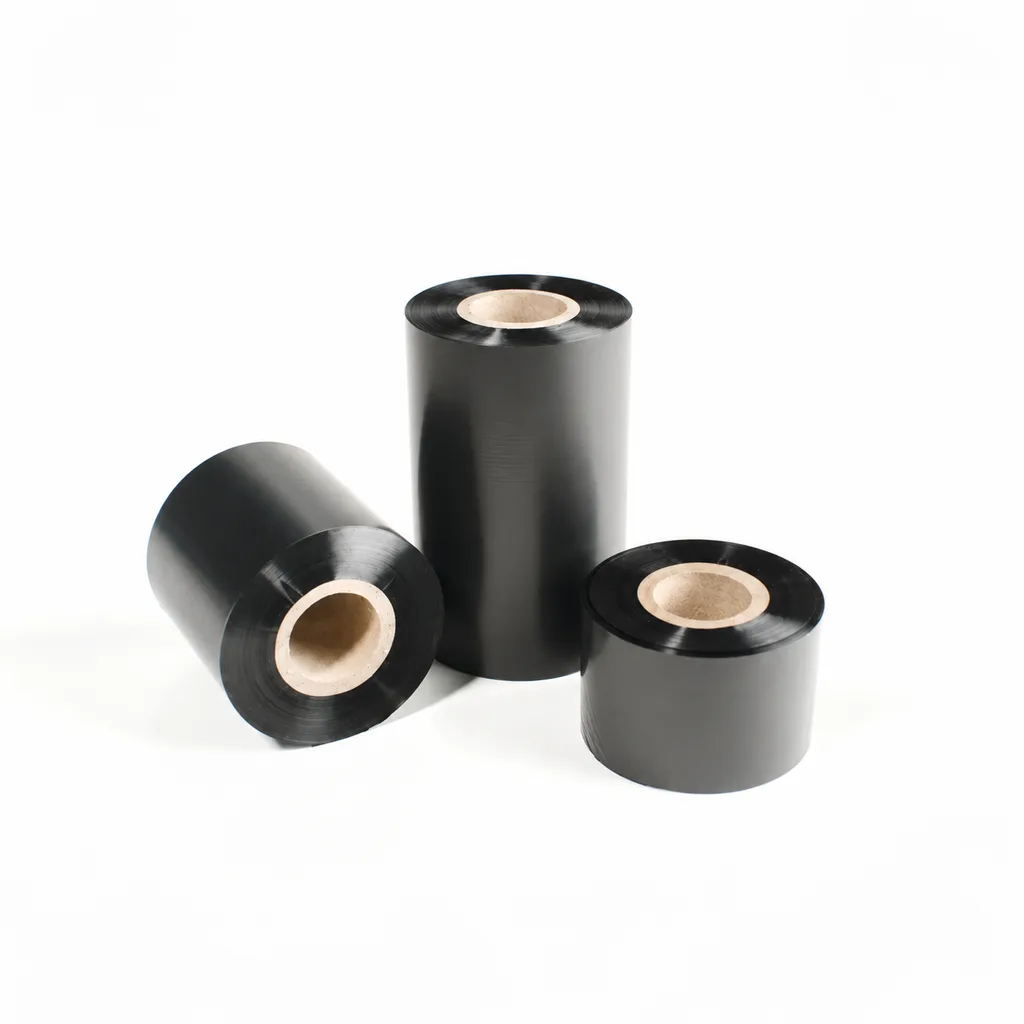
CL-Z364 Thermal Transfer Ribbon for Wash-Care Labels
An economical black thermal transfer ribbon for wash-care label printing on flat-head desktop or industrial barcode printers at ≤4 ips (inches per second). The documented materials include satin ribbon, nylon-coated ribbon and thermoplastic polyurethane (TPU). Select it against your actual label material, printer and washing process: print quality and image durability can vary with the printer and printing substrate.
View details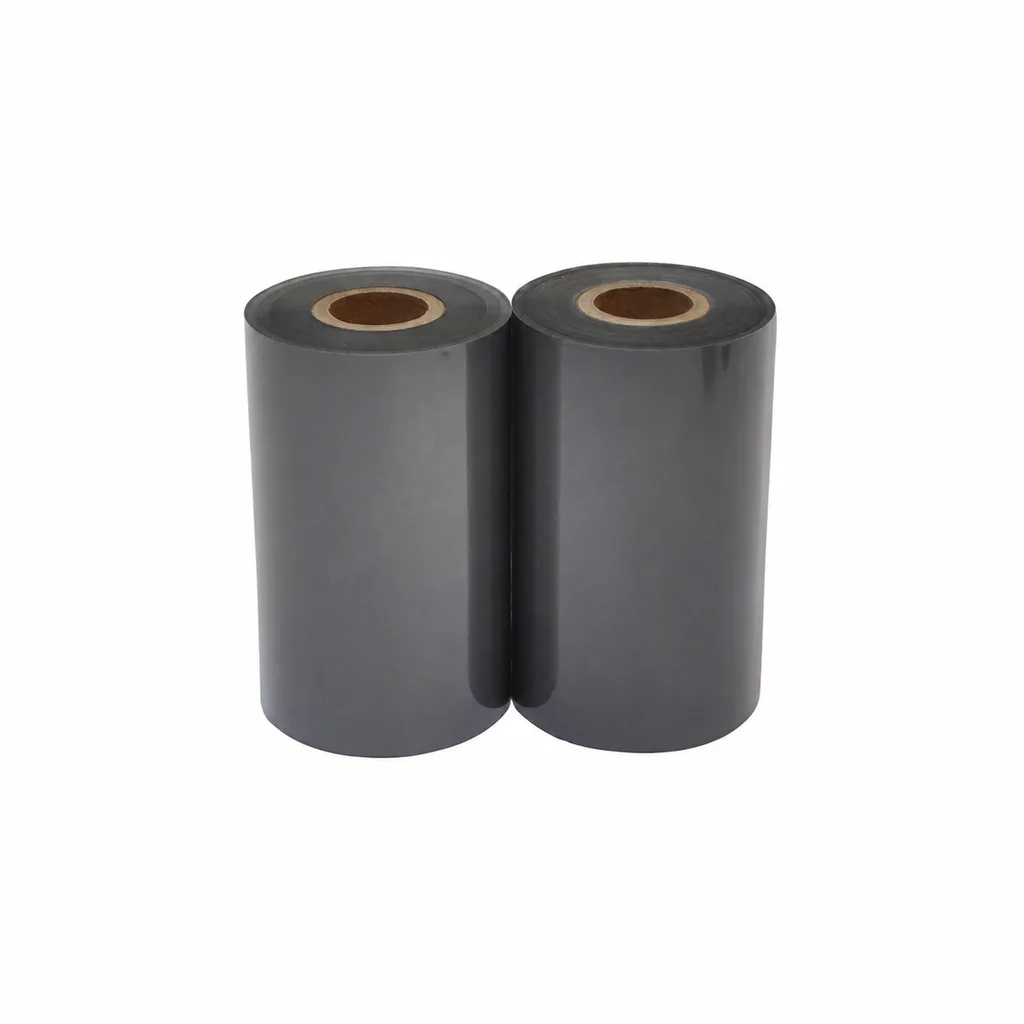
Black Resin Thermal Transfer Ribbon for Label Printing - CL-Z373
CL-Z373 is a black resin thermal transfer ribbon for label printing with desktop or industrial flat-head barcode printers at speeds of ≤6 ips (inches per second). Listed applications include electronics processing, tire identification, automotive manufacturing, pharmaceutical packaging, cosmetic labels and outdoor identification. Selection depends on the actual label material, printer and exposure conditions. Fine-line, small-character and resistance results were obtained on coated paper; print quality and image durability may vary with the printer and print substrate.
View details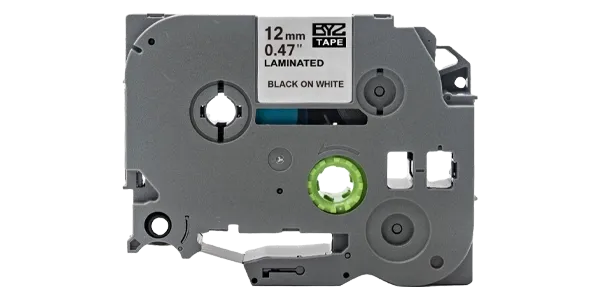
Brother Compatible Label Ribbons (TZe Series)
This Brother-compatible label ribbon (TZe series) is manufactured using high-quality…
View details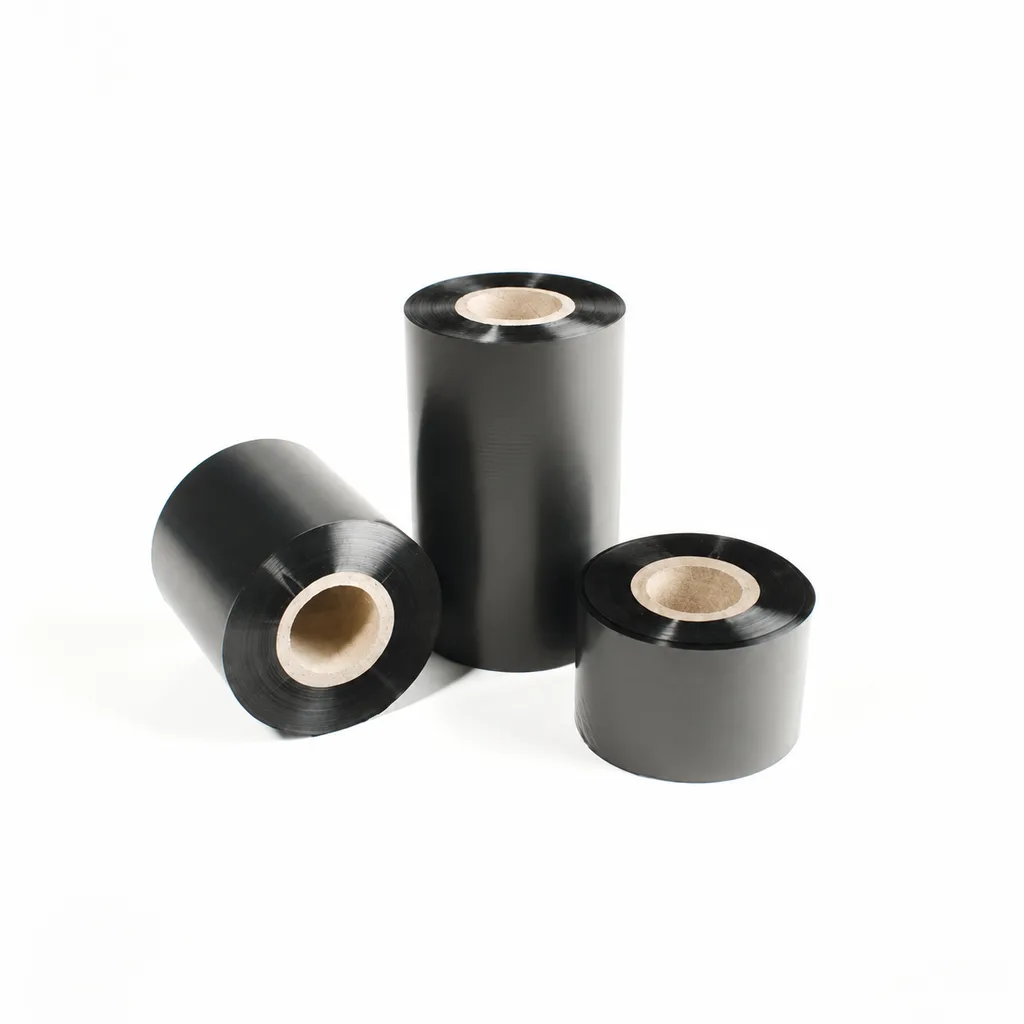
CL-Z112 Enhanced Wax Thermal Transfer Ribbon for Paper Labels and Tags
An enhanced wax thermal transfer ribbon with black ink for paper labels and tags used in retail, warehousing and logistics. It is specified for flat-head printing on desktop or industrial barcode printers at ≤8 inches per second (ips). Select it by checking the actual label material, printer configuration and handling conditions: image-quality, rub-resistance and cold-chamber results were obtained on coated paper, and print quality and image durability may vary with the printer and print medium.
View detailsNeed the right ribbon for your label application?
Share the label material, printer and operating environment. Our team will recommend a tested combination.
