
Retail Sector Labels (Perakende Sektörü Etiketleri): What They Are and How They Differ From Hang Tags and Wash Labels
Request a solution
- Original TTR manufacturer since 2013
- Automated coating and slitting
- IQC / IPQC / OQC control
- ANSI barcode grade testing
- -20°C to 120°C environmental testing
- Batch-level traceability
- ANSI barcode grade
- Batch traceability
- RoHS / REACH compliance
- SGS and MSDS documents on request
Key Takeaways
- Retail sector labels are applied to goods, packaging and store fixtures and carry scannable barcodes, prices and stock data; hang tags and sewn-in wash labels are separate label families with different attachment and different jobs.
- On-demand retail labels are printed by thermal transfer: the print head applies heat and pressure to a ribbon and transfers ink onto the label.
- A thermal transfer ribbon (TTR) combines a thin, durable polyester (PET) base film with a wax, resin or wax-resin ink layer, plus a lubricating backcoat that protects the print head.
- Documented test items — seawater immersion for up to three months, abrasion with sand and salt, adhesion on container materials — describe tested conditions, not a guarantee for every printer and material combination.
- Ribbons are specified for storage at -5°C to 40°C and 20–85% relative humidity for up to one year, and for use at 5–35°C and 45–85% relative humidity.
What Counts as a Retail Sector Label
Retail sector labels are the printed labels a store uses to price, identify and track merchandise: barcode and price labels scanned at the checkout, price and product information at the shelf edge, and carton or item labels that follow goods from the stockroom to the sales floor. The Turkish term perakende sektörü etiketleri names this same family. What puts a label in this category is its job rather than its material — it is applied to the product, its packaging or a store fixture, and it must stay scannable and legible from the moment it is printed until the item is sold.
In day-to-day retail operations the family usually includes:
- barcode and price labels applied at the point of packing or the checkout;
- shelf-edge labels that present price and product details to shoppers;
- product information labels on packaged goods;
- carton and logistics labels that track replenishment between warehouse and shop.
All of these are variable-data labels: their content changes with prices, article numbers and batch data, so they are printed in short runs or on demand rather than preprinted in bulk. That is why the printing method — and the ribbon it depends on — decides how a retail label performs in the store.
How Retail Labels Differ From Hang Tags and Wash Labels
Retail labels, hang tags and wash labels meet in the same store but answer different questions, and they are attached and printed differently. A retail sector label is applied to the product, its packaging or a fixture and carries transaction data. A hang tag (asma tag etiketleri) is a card fastened to the product with a string or clip; it presents brand and price information to shoppers and is removed at or after purchase. A wash label is sewn into a garment and carries care information that must survive repeated laundering. Specifying the wrong family puts the right data in the wrong place, on the wrong material.
| Label family | How it is attached | What it carries | Where it does its job |
|---|---|---|---|
| Retail sector label | Applied to the product, packaging or store fixture | Barcode, price, stock and product data | Checkout, shelf edge, stockroom |
| Hang tag (asma tag) | Fastened with a string or clip | Brand, price and display information | On the product until purchase |
| Wash label | Sewn into the garment | Care, fiber and size information | Through the garment's laundering life |
The wash-label family is documented in Colorfulttr's product list: sewn-in clothing washing labels in nylon and in satin polyester, made for thermal transfer printing of barcodes and care text. For the card side of the comparison, the companion guide asma tag etiketleri: what hang tags are and how to specify them covers hang tag construction and specification in detail.
How Thermal Transfer Produces Retail Labels
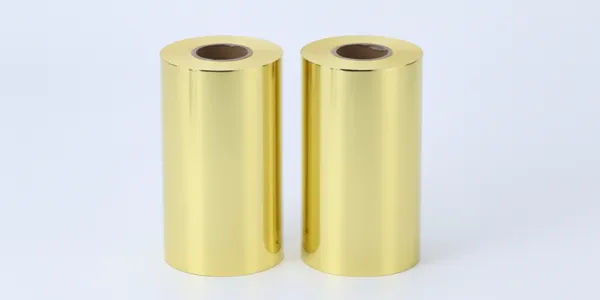
On-demand retail labels are typically printed by thermal transfer, in which the printer's thermal head applies heat and pressure to a ribbon and transfers ink from that ribbon onto the label. The ribbon is a layered consumable: a thin, durable base film of polyester (PET) or another high-density material, an ink layer of wax, resin or a wax-resin blend on one face, and a lubricating coating on the opposite face that protects the print head.
- Load the thermal transfer ribbon and the label stock into the barcode printer.
- The print head applies heat and pressure along the print line.
- Text, barcodes and graphics transfer from the ribbon's ink layer onto the label.
- Check the printed labels for print density and clarity before releasing them to the shop floor.
The ink formulation is the main durability lever. Wax, wax-resin and resin sit in one ribbon range alongside wash-resistant resin, TTO and card ribbons, and the same range serves packaging, logistics, food, apparel and other fields that retail supply chains draw on. The supplier's quality checks cover print density and clarity, abrasion, scratch and chemical resistance, and anti-static backcoating — the properties a price or barcode label needs to survive handling, shelving and transport.
Data and Evidence
The table below collects the verifiable figures behind this explainer. They come from Colorfulttr's company profile (公司简介-2025), its production and quality documentation (生产工艺与品质-2025), the wash-label product list (洗水唛产品清单 20260811), and verified test fact records for the seawater, abrasion and adhesion items.
| Item | Documented value or scope |
|---|---|
| Ribbon base film | Thin, durable film of polyester (PET) or other high-density materials |
| Ink layer | Wax, resin, or a wax-resin blend |
| Ribbon range | Wax, mixed, resin, wash-resistant resin, TTO and card ribbons |
| Documented test items | Seawater immersion for up to three months; abrasion testing with sand and salt exposure; adhesion testing on various container materials |
| Storage | -5°C to 40°C, 20–85% relative humidity, no more than one year |
| Transport | -5°C to 40°C, 20–85% relative humidity, no more than one month |
| Use environment | 5–35°C, 45–85% relative humidity |
Read these figures with their limits in mind. The test items document performance under the tested conditions — seawater immersion of up to three months, abrasion with sand and salt, adhesion on container materials — and they do not by themselves establish how a specific printer, ribbon and facestock combination will behave on your line. Treat catalog values as starting points rather than universal printer settings or acceptance thresholds for a whole label batch. The storage and transport ranges govern the ribbon reels, not the finished printed labels. Because ribbons can be customized in color, width, length and packaging, and produced under OEM or ODM arrangements, catalog figures differ between suppliers, so compare like with like. The practical next step is to print samples on your own printer with the ribbon and facestock you plan to standardize on, and check density, clarity and rub resistance before committing a full batch.
Frequently Asked Questions
What types of labels does the retail sector use?
Retail operations use barcode and price labels scanned at the checkout, shelf-edge price and product labels, product information labels on packaging, and carton labels that track stock between the stockroom, warehouse and sales floor.
What is the difference between perakende sektörü etiketleri and asma tag (hang tags)?
Retail sector labels are applied to the product, packaging or store fixture and carry scannable transaction data such as barcodes and prices. Hang tags are cards fastened to the product with a string or clip to display brand and price information, and they are removed at or after purchase.
Can thermal transfer print wash labels as well as retail labels?
Yes. Wash labels are sewn-in nylon or satin polyester clothing labels printed by thermal transfer, and the same supplier range includes a wash-resistant resin ribbon category alongside wax, mixed and resin formulations.
What does a seawater immersion test of up to three months prove about a label?
It documents ink and print performance under that tested condition only. It does not by itself guarantee results for your printer, ribbon and facestock combination, so run sample prints before standardizing a batch.
How should thermal transfer ribbons for retail labeling be stored?
Store ribbons at -5°C to 40°C and 20–85% relative humidity for no more than one year, keep transport within the same temperature and humidity band for no more than one month, and print within a use environment of 5–35°C and 45–85% relative humidity.
Recommended products for this industry
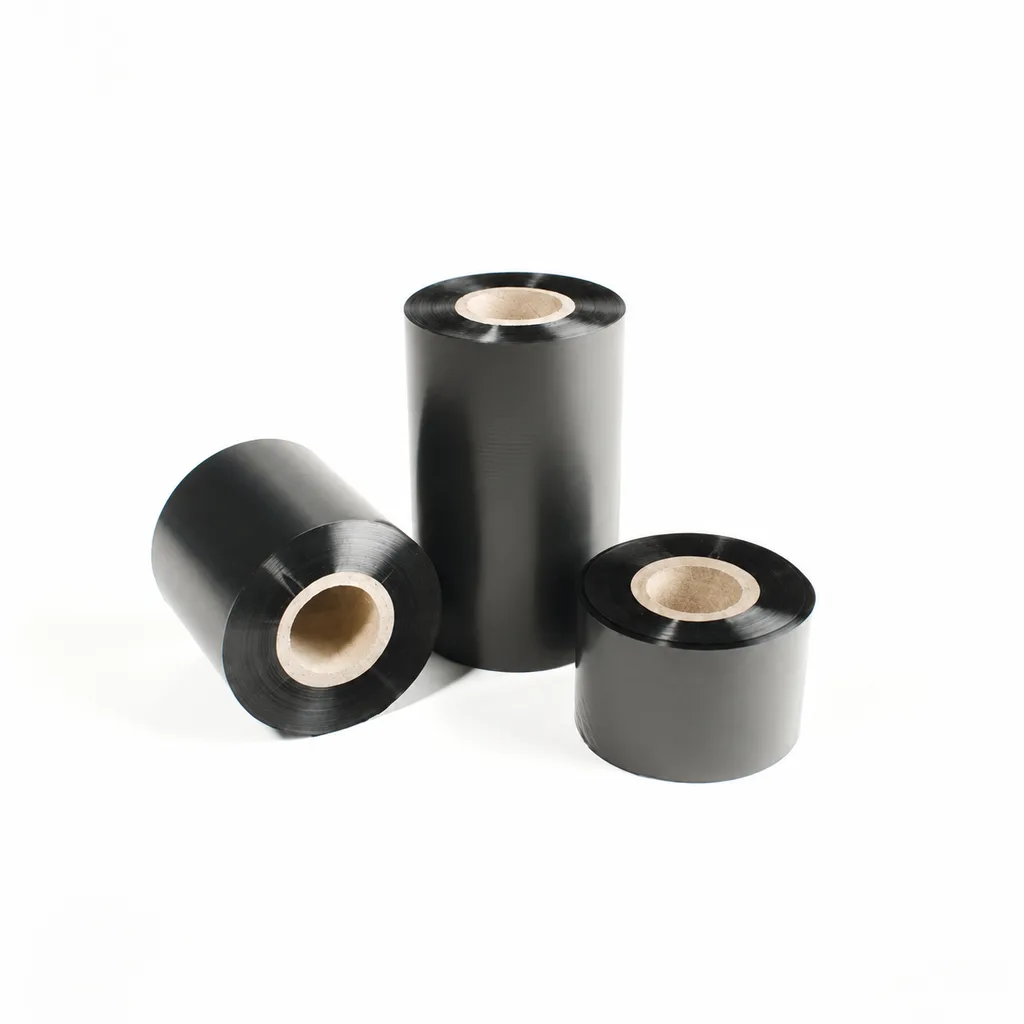
CL-Z112 Enhanced Wax Thermal Transfer Ribbon for Paper Labels and Tags
An enhanced wax thermal transfer ribbon with black ink for paper labels and tags used in retail, warehousing and logistics. It is specified for flat-head printing on desktop or industrial barcode printers at ≤8 inches per second (ips). Select it by checking the actual label material, printer configuration and handling conditions: image-quality, rub-resistance and cold-chamber results were obtained on coated paper, and print quality and image durability may vary with the printer and print medium.
View details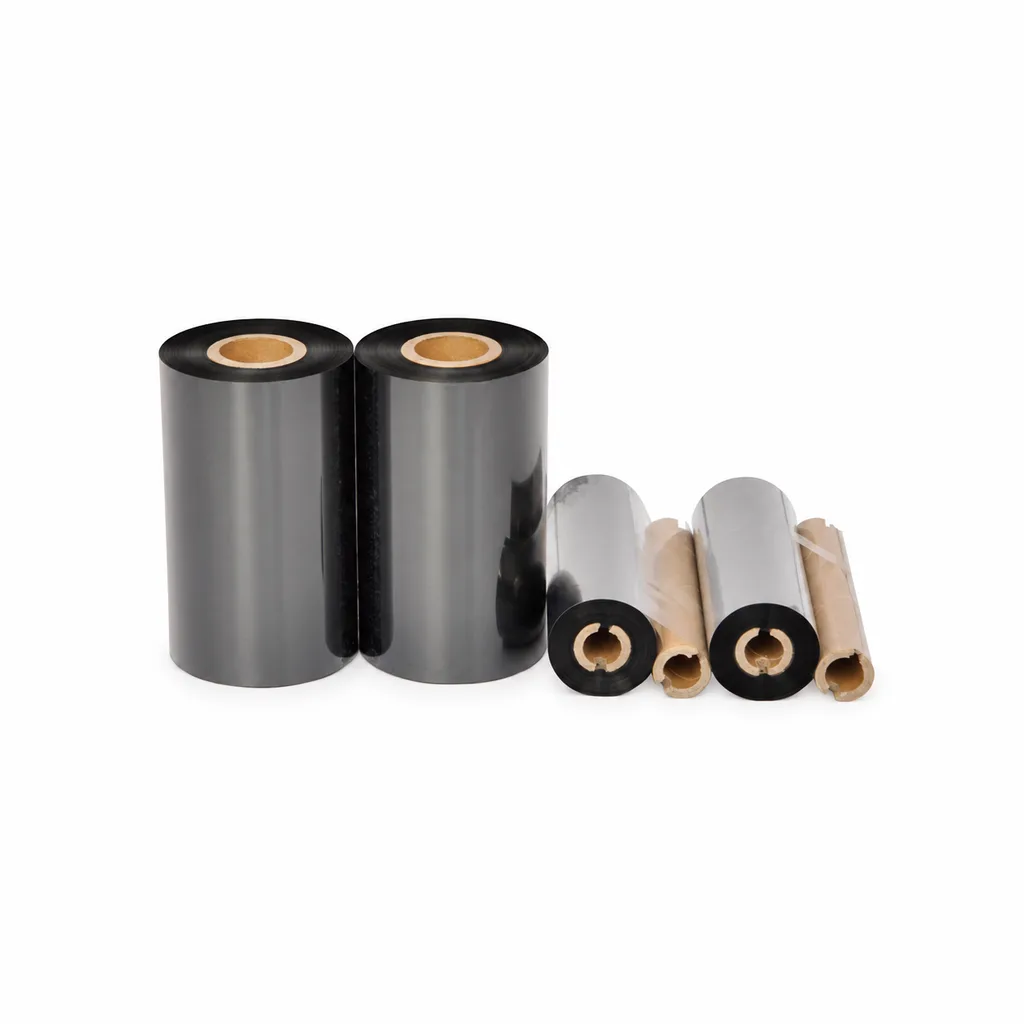
CL-Z908 Wax Thermal Transfer Ribbon for Barcode Labels and Tags
CL-Z908 is an economical black wax thermal transfer ribbon for label and tag printing. Listed applications include retail, warehousing, logistics, clothing tags, simple packaging and production line identification. It is intended for flat-head printing on desktop or industrial barcode printers at speeds of ≤6 inches per second (ips). Select it against your actual paper stock, printer and required image durability: print quality and image durability may vary with the printer and printing substrate.
View details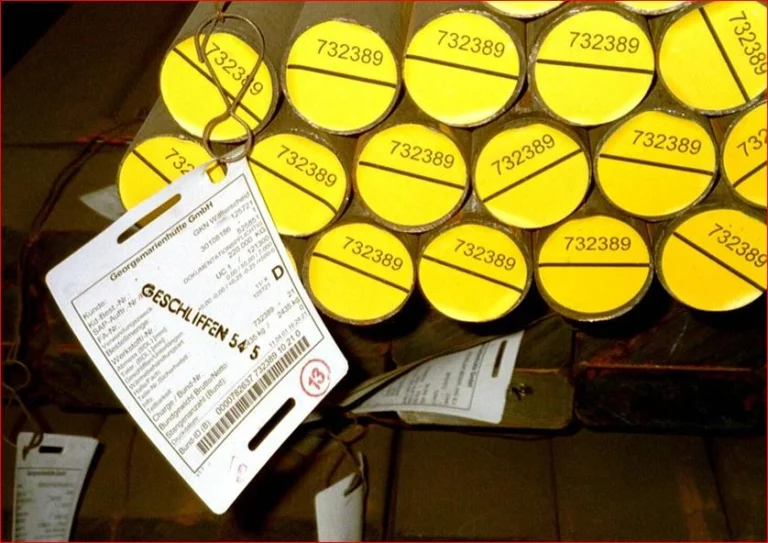
Economical Paper and PET Hang Tag
Cost-efficient paper or PET hang tag for general industrial identification up to moderate…
View details
Metal High-Temperature Hang Tag
Metal foil hang tag for steel, galvanized and high-temperature metal processing…
View detailsNeed the right ribbon for your label application?
Share the label material, printer and operating environment. Our team will recommend a tested combination.
