
Étiquette polyimide explained: what the term means and how it differs from PET labels and thermal transfer ribbons
Request a solution
- Original TTR manufacturer since 2013
- Automated coating and slitting
- IQC / IPQC / OQC control
- ANSI barcode grade testing
- -20°C to 120°C environmental testing
- Batch-level traceability
- ANSI barcode grade
- Batch traceability
- RoHS / REACH compliance
- SGS and MSDS documents on request
Étiquette polyimide is the French term for a polyimide label: a label built on polyimide face film, which the COLORFULTTR resin, TTO and color ribbon product catalog lists under high-temperature label materials for its full resin ribbons. The word names the label, not the ink — in thermal transfer printing, polyimide sits on the label side, and the ribbon is a separate item selected by ink chemistry. This explainer covers what the wording guarantees, how the concept differs from PET labels and from the ribbon itself, and which decisions the term alone cannot make for you.
Key Takeaways
- Étiquette polyimide is French for polyimide label and refers to the label's face film, not to the ribbon that prints it.
- The COLORFULTTR catalog groups polyimide (Kapton) with high-temperature label materials and electronics PCB marking.
- Printing on polyimide labels is a job for full resin ribbons; the catalog's wax-base option is listed for paper labels and indoor use.
- The premium full resin grade is catalog-listed to survive wave solder and reflow, with 280°C short term, on materials including PI (Kapton).
- Catalog figures are listed specifications for the ribbon grade, not results measured on your printer, labels, or production line.

What the term étiquette polyimide actually names
Étiquette polyimide is the French phrase for a polyimide label, and in a printing specification it refers to the label's face film — the layer that receives the printed image — rather than to any ribbon or ink product. Étiquette is the everyday French word for a label, and polyimide is the polymer usually abbreviated PI; the COLORFULTTR catalog writes the material as polyimide (Kapton) and files it among high-temperature label materials recommended for its full resin ribbons. A French-speaking buyer searching for étiquette polyimide is looking for the same article an English-speaking engineer calls a polyimide label or a Kapton label: a thin-film label bought for high-temperature electronics marking.
In practice, the finished item is a system of three parts. The face film is the polyimide layer the term names. The adhesive holds the film to the board or the part, and its limits are set by the label maker rather than by the word polyimide. The printed image is transferred onto the film by a thermal transfer ribbon, which is ordered separately and selected by ink chemistry — for this substrate, a full resin grade. Keeping these three parts separate is what makes the rest of the term's boundaries easy to check.
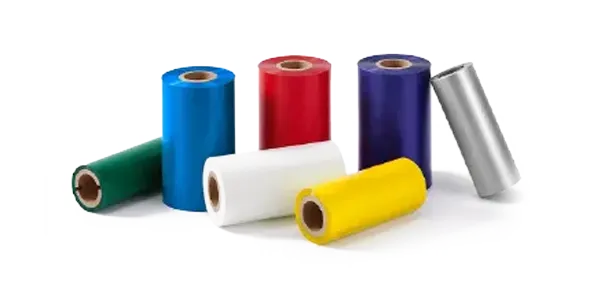
How a polyimide label differs from a PET label and from the ribbon
Polyimide and PET are both synthetic face materials that appear in the same resin-ribbon compatibility lists, but the high-temperature wording in the catalog belongs to polyimide, and the solder-process listings belong to the premium grade. The standard full resin grade is listed to bond permanently to PET, PP, PVC, and other synthetics, while polyimide (Kapton) appears separately under high-temperature label materials. The premium grade lists both together — PET, PI (Kapton), high gloss PP, PVC, metalized labels — as compatible materials. What separates them is the described exposure: the premium grade's recommended electronics application is PCB tracking through wave solder, and its prints are listed to survive wave solder and reflow processes. Solder survival is a listing of that ribbon grade on those materials, not a property the words PET or polyimide carry by themselves.
The second distinction matters at ordering time: polyimide never describes the ribbon. Thermal transfer ribbons are classified by ink chemistry, and the catalog organizes its range as wax, wax/resin, and full resin. Its base-option guidance assigns wax to paper labels and indoor use, and resin to synthetic materials where maximum durability is needed. Resin ribbons are made with 100% resin-based ink and resist scratching, chemicals, high temperatures, and outdoor exposure, which suits them for permanent identification on synthetics. The polyimide label receives the image; the full resin ribbon delivers it. They are two line items, and asking a ribbon supplier for a polyimide ribbon mislabels the need, because the polyimide belongs to the label side of the order.
On the printer side, the catalog lists all flat head thermal transfer printers — including Zebra, SATO, Honeywell, TSC, Datamax, cab, and Brady — as compatible with these grades, and recommends printers capable of higher energy settings for best results.
What the term by itself does not tell you
The words étiquette polyimide specify the face film, so they carry no information about the adhesive, the ribbon grade, or how the printed code will behave in your specific process. Three gaps come up most often, and each one closes with a check rather than an assumption.
First, the term does not select the ribbon. Nothing in the phrase says wax or resin; the choice still has to be made by ink chemistry, and the catalog's guidance points to full resin for polyimide and other synthetics, and to wax for paper labels indoors. If a quotation covers only the label side, the ribbon remains an open line item on the order.
Second, the term carries no temperature rating. The figures that matter in this context — the catalog lists -50°C to 150°C continuous and 280°C short term for the premium full resin grade — are listed values for that grade's printed image, not properties of the phrase polyimide label and not measurements of your batches. Adhesive limits sit in a separate specification that the term never touches, so ask the label supplier for that data sheet in its own right.
Third, listed values are not verification. They describe the grade as published in the catalog; before you set process limits or acceptance criteria, confirm current values with the supplier's technical data sheet and run a trial print through your own printer, label batch, and solder or cleaning step. When you specify the pairing, state three things explicitly: the polyimide label with its adhesive, the full resin ribbon grade, and the process the pair must survive together.
Data and Evidence
The values below are catalog-listed specifications taken from the COLORFULTTR resin, TTO and color ribbon product catalog, the single source used for this article.
| Catalog-listed item | Standard full resin grade | Premium full resin grade |
|---|---|---|
| Label materials | Polyimide (Kapton) high-temperature labels; PET, PP, PVC and other synthetics | PET, PI (Kapton), high gloss PP, PVC, metalized labels |
| Temperature range | -40°C to 120°C (short term 180°C) | -50°C to 150°C continuous; 280°C short term |
| Solder processes | Not listed | Survives wave solder and reflow processes |
| Chemical resistance | Alcohols, oils, gasoline, mild chemicals | MEK, acetone, xylene, fuels, oils, brake fluid, strong cleaners |
| Electronics use | PCB and component marking | PCB tracking through wave solder |
Listed values describe the ribbon grade's printed image as published in the catalog. They are not test results from your printer or production line, the label's adhesive is specified separately by the label supplier, and figures should be confirmed against the current technical data sheet before use as process limits.
Frequently Asked Questions
What does étiquette polyimide mean in English?
It means polyimide label: étiquette is the French word for label, and polyimide (PI, written as Kapton in the catalog) is the face film. The term refers to the label, not to any ribbon or ink product.
Is polyimide a ribbon or a label material?
A label material. The catalog organizes ribbons by ink chemistry — wax, wax/resin, and full resin — and polyimide appears among label materials, in the high-temperature group recommended for full resin ribbons.
Can a printed polyimide label survive wave solder and reflow?
The catalog lists its premium full resin grade as surviving wave solder and reflow processes on compatible materials that include PI (Kapton), with 280°C short term listed for wave solder. Survival in your own process should be confirmed with a trial before you set acceptance limits.
Which ribbon do I need for printing on polyimide labels?
A full resin ribbon. The catalog lists polyimide (Kapton) high-temperature labels among recommended materials for its full resin grades, and its base-option guidance points resin to synthetic materials while wax serves paper labels and indoor use.
Do the catalog temperature figures apply to my own labels?
No. They are catalog-listed values for the ribbon grade's printed image, not measurements of your label batches or process. Confirm current values with the supplier's technical data sheet and validate with your own trial print.
Related Products & Guides
Recommended products for this industry
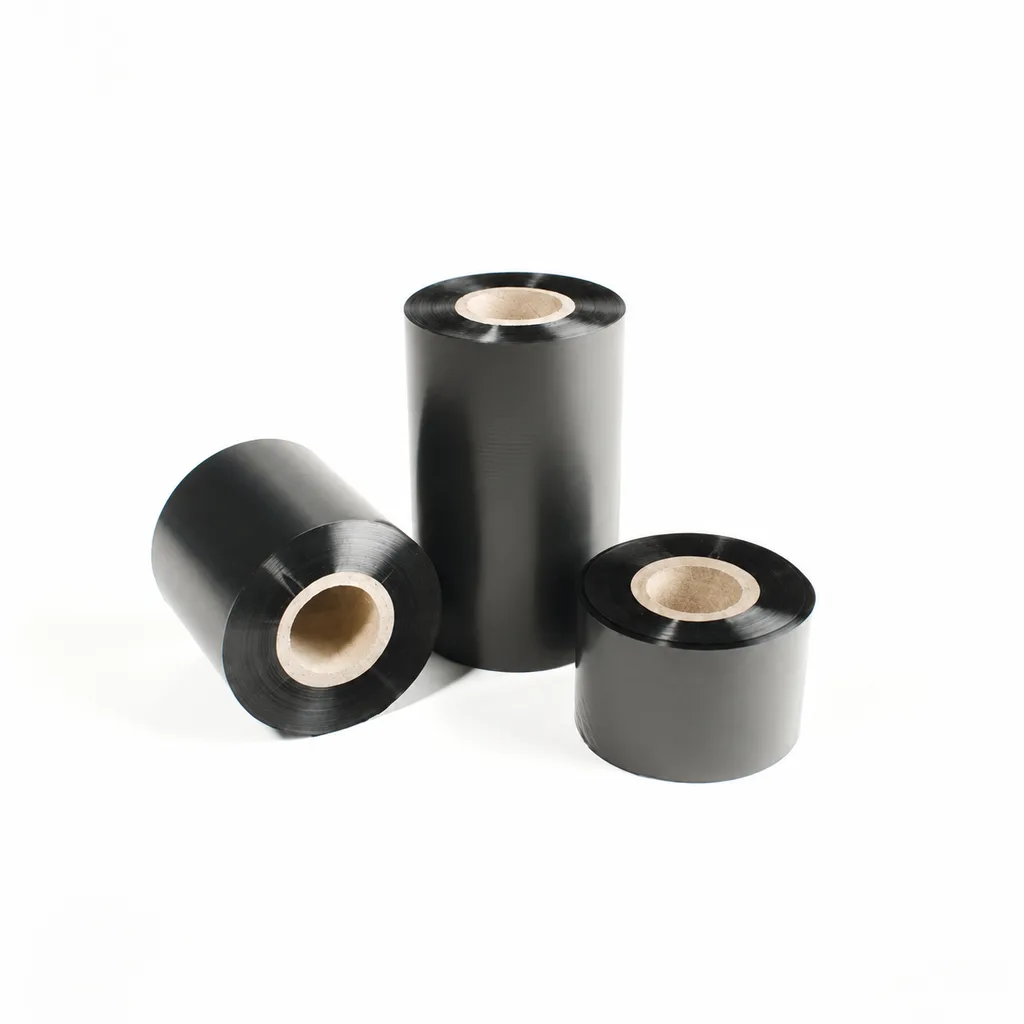
CL-Z112 Enhanced Wax Thermal Transfer Ribbon for Paper Labels and Tags
An enhanced wax thermal transfer ribbon with black ink for paper labels and tags used in retail, warehousing and logistics. It is specified for flat-head printing on desktop or industrial barcode printers at ≤8 inches per second (ips). Select it by checking the actual label material, printer configuration and handling conditions: image-quality, rub-resistance and cold-chamber results were obtained on coated paper, and print quality and image durability may vary with the printer and print medium.
View details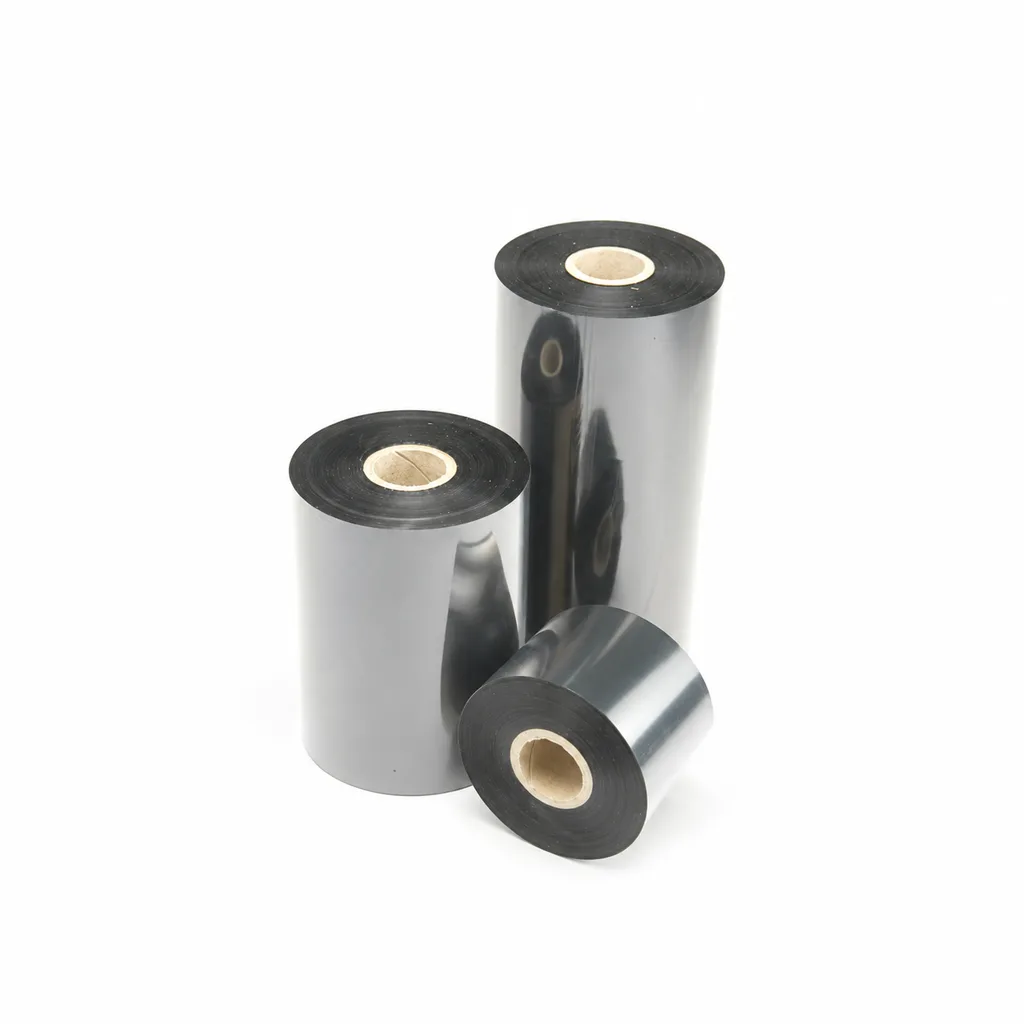
CL-Z203 Wax-Resin Thermal Transfer Ribbon for Barcode Labels
A black wax-resin thermal transfer ribbon for flat-head printing, with listed applications including retail, warehousing, logistics and garment tags. Select it against your actual label material and desktop or industrial barcode printer at speeds ≤6 ips (inches per second). Fine-line, small-text and durability results were obtained on coated paper; print quality and image durability may vary with the printer and printing substrate.
View details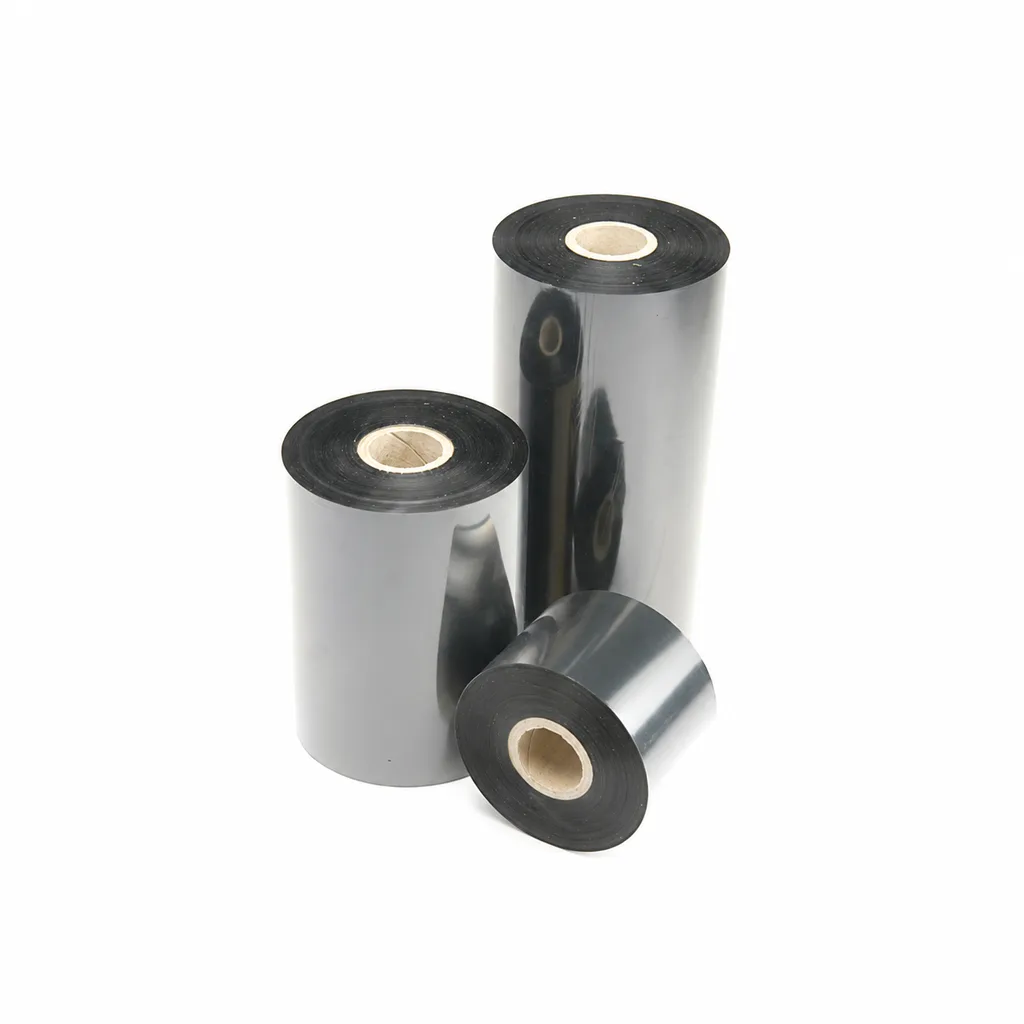
CL-Z213 Near-Edge Wax-Resin Thermal Transfer Ribbon for Barcode Labels
An enhanced black near-edge wax-resin thermal transfer ribbon for near-edge barcode printers and low- to medium-speed thermal transfer overprinting (TTO). Listed applications include retail labels, warehousing, garment tags and packaging identification. Match the printer, actual print medium and operating speed before selection: print quality and image durability can vary with the printer and substrate.
View details
CL-Z908 Wax Thermal Transfer Ribbon for Barcode Labels and Tags
CL-Z908 is an economical black wax thermal transfer ribbon for label and tag printing. Listed applications include retail, warehousing, logistics, clothing tags, simple packaging and production line identification. It is intended for flat-head printing on desktop or industrial barcode printers at speeds of ≤6 inches per second (ips). Select it against your actual paper stock, printer and required image durability: print quality and image durability may vary with the printer and printing substrate.
View detailsNeed the right ribbon for your label application?
Share the label material, printer and operating environment. Our team will recommend a tested combination.
