Pharmaceutical Labelling Solutions: How to Choose the Label, Ribbon and Print Process
Request a solution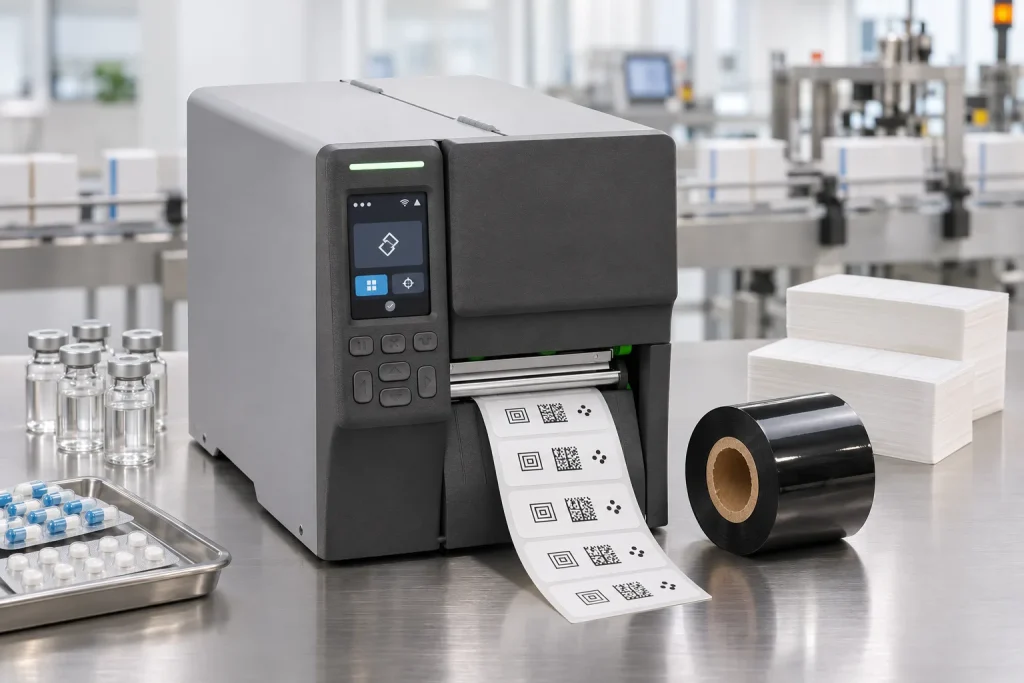
- Original TTR manufacturer since 2013
- Automated coating and slitting
- IQC / IPQC / OQC control
- ANSI barcode grade testing
- -20°C to 120°C environmental testing
- Batch-level traceability
- ANSI barcode grade
- Batch traceability
- RoHS / REACH compliance
- SGS and MSDS documents on request
This guide is written for pharmaceutical packaging and procurement teams who need a labelling solution that keeps batch numbers, expiry dates and 2D traceability codes scannable on every pack format. The core answer is a three-way match: the label facestock and adhesive, the thermal transfer ribbon chemistry, and the print process must each fit the substrate and the exposures the pack will face. The sections below cover the data requirements, the solution layers, the choices per substrate, and a validation protocol you can run before committing to production.
Key Takeaways
- Pharmaceutical printing must keep lot numbers, expiry dates and serialised 2D codes scannable from the first label to the last, including after friction, alcohol wipe-downs and cold-chain handling.
- A labelling solution is three nested choices: label facestock and adhesive, ribbon chemistry (wax, wax-resin or resin), and print process (flat-head, near-edge or thermal transfer overprinting).
- The ribbon grade follows the substrate and its exposures first; price per roll comes last.
- The thermal transfer ribbon market is projected to reach USD 5.7 Billion by 2033 at a 7.1% CAGR, with medical-field demand named as a growth driver.
- Validate any shortlist with prints on the real substrate, rub and alcohol tests, and 2D scan-quality checks before production release.
What Pharmaceutical Printing Must Guarantee: Lots, Expiry Dates and Traceability
Every pharmaceutical pack — blister, vial, pouch or carton — carries variable data that must stay legible and machine-readable for the full shelf life of the product: the batch number, the expiry date and, in serialised markets, a compact 2D code such as GS1 DataMatrix. Each pack format imposes its own printing and scanning constraints, which is why a structured selection method beats picking components one by one.
The economics behind this decision keep growing. The thermal transfer ribbon market is projected to surge to USD 5.7 Billion by 2033 at a CAGR of 7.1%, and published reporting attributes the increased demand to strong and high-quality labels, particularly in e-commerce and the medical field. On the packaging side, the pharmaceutical blister packaging market is forecast to reach USD 46.65 Billion by 2034 at a 7.72% CAGR, so a large share of pharma printing volume will involve blister formats.
Blister packs earn their place by protecting the dose: published market analysis notes they offer superior protection from moisture, oxygen and contamination for drugs such as pills and capsules, provide tamper evidence, comply with strict regulations, and allow precise dosage tracking for patients. Your printing step must not compromise those barrier functions. A compact 2D code printed on a small surface leaves no room for inconsistent contrast, so image quality has to hold from the first impression to the last, and the print must survive rubbing, alcohol-based cleaning and moisture during distribution.
Build the Solution in Three Layers, Then Match Them to the Substrate
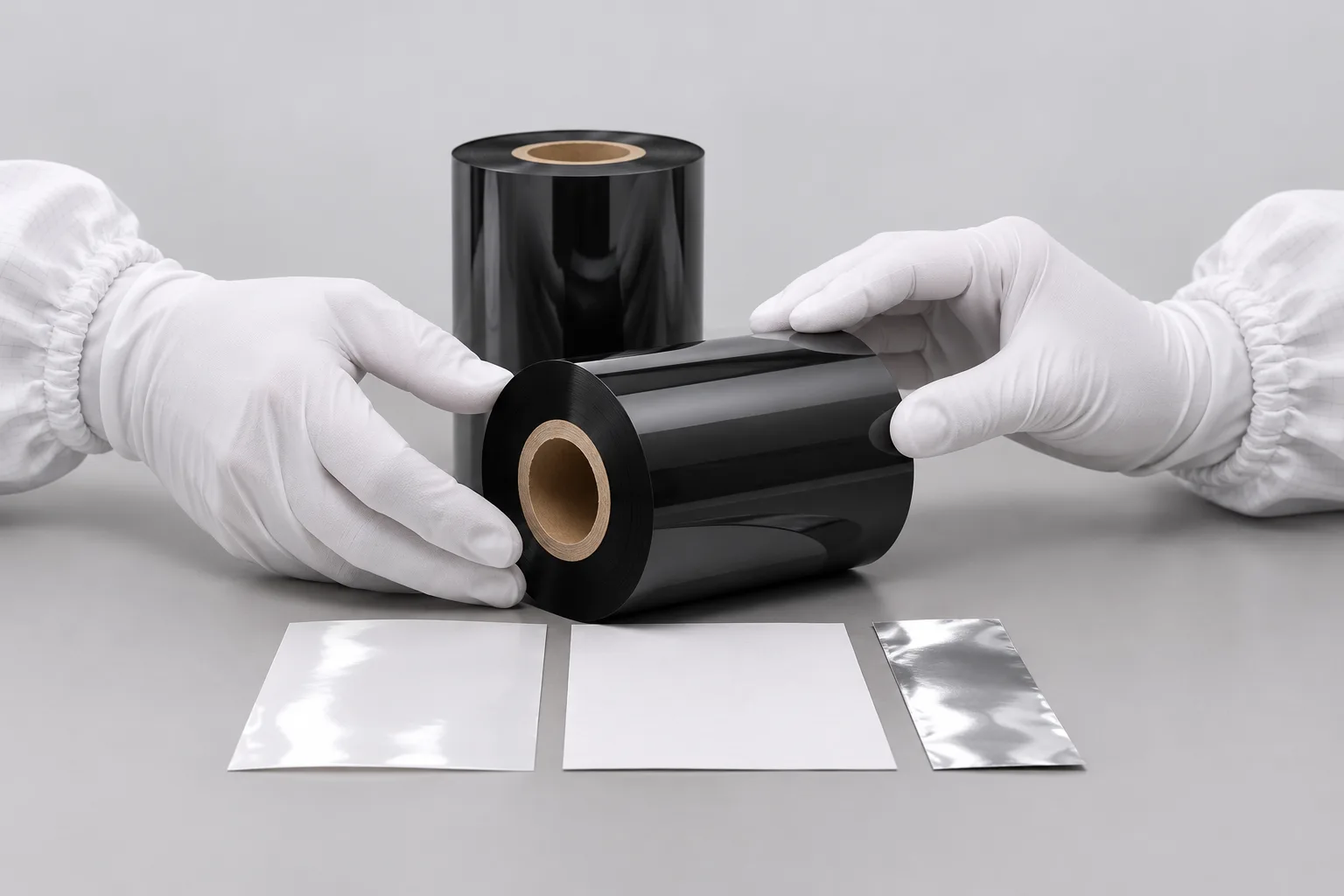
A workable pharmaceutical labelling solution stacks three nested choices: the label itself (facestock plus adhesive), the thermal transfer ribbon, and the printing process. Industry reporting describes thermal transfer ribbons as wax, resin, or a mixture applied to a polyester sheet; at the print head the ink layer transfers onto the label to produce long-lasting and durable images on a wide variety of materials. The process family ranges from flat-head thermal transfer for cut labels, to near-edge heads on packaging lines, to thermal transfer overprinting (TTO), which prints variable data directly onto flexible film inside the packaging machine.
One rule keeps the layers honest: choose the ribbon grade by the substrate and the exposures it will face, not by unit price. A cheap grade that smears on film and an over-specified grade wasted on a simple carton both cost more after rejections and reprints.
Blister aluminium foil: print variable data in line
Thermoformed and cold-formed blisters carry the dose itself, so the batch number and expiry date are usually printed directly on the foil or lidding film with a TTO printer and a ribbon grade specified for flexible film. Because the print sits on the primary barrier, verify that ribbon, foil and machine settings together deliver a code that still scans on the finished, transported pack.
Films and laminated labels: choose a resistant chemistry
Synthetic film and laminated labels face solvents, abrasion and repeated handling, so treat a resistant chemistry as the requirement rather than an upgrade. Thermal transfer printing is reported to produce long-lasting results by resisting environmental elements like moisture, oil, and UV light; confirm the specific grade with prints on your actual film before ordering volume.
Vials, ampoules and curved glass: manage curvature and small codes
Small-diameter vials and ampoules curve the label and shrink the printable area exactly where a DataMatrix code must stay readable. Size the label so the code sits on the flattest available zone, and include real vials in your print tests so the scan check reflects the finished pack rather than a flat sample.
Pouches, sachets and low-energy surfaces: validate the pairing
Pouches and some flexible laminates present low surface energy or wet environments that stress both the adhesive and the printed image. Treat label, ribbon and process as one candidate pair, and validate the combination with rub, alcohol and moisture exposure on the actual pouch film.
Decision Criteria and Pre-Production Tests Before You Sign Off
A ribbon that prints cleanly in a supplier demo can still fail at full line speed, so close every selection with a fixed checklist and a physical test protocol.
Checklist before ordering:
- Ribbon-to-printer compatibility: width, core, ink-side orientation, and the head type your line actually uses — flat-head, near-edge or TTO.
- Volume of variable data per print (batch, expiry, serial number, 2D code) and the cadence of the line.
- Substrate list: every facestock, film and foil the ribbon must print on during the campaign.
Test protocol on real substrates:
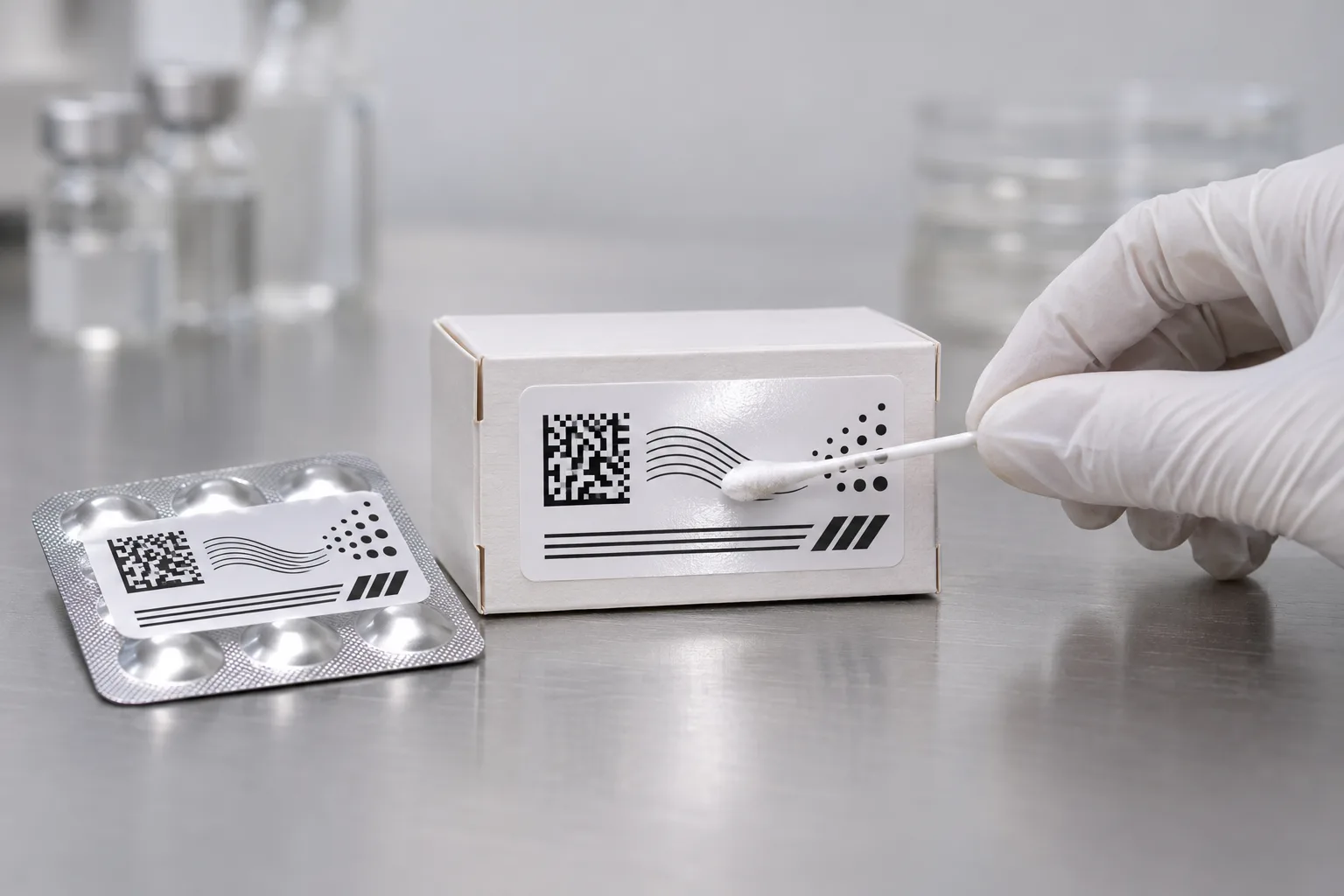
- Print at production speed on the actual label, film or foil, then check the image after a rub test and an alcohol wipe.
- Scan the 2D codes with your verification equipment and record the reported grade before and after those tests.
- Repeat with a ribbon from a different manufacturing batch to see batch-to-batch consistency.
Judge suppliers on consistency between ribbon batches, availability of the widths you need, technical support and test samples. Compare total cost of ownership rather than price per roll, because rejections, reprints and line stops dominate the real cost of a wrong grade. Colorfulttr, a thermal transfer ribbon manufacturer, supports buyers at exactly this step: send your substrate, printer model and usage conditions, and you receive a ribbon grade recommendation matched to that combination rather than a generic catalogue page.
Data and Evidence
The market figures and performance statements used in this guide come from published market reporting, and each figure below is quoted as the source headline states it. Use this table to separate market data from process guidance when you circulate the decision internally.
| Statement used in this guide | Published basis |
|---|---|
| Thermal transfer ribbon market projected at USD 5.7 Billion by 2033 at a 7.1% CAGR | Thermal transfer ribbon market report headline |
| Ribbons are made by applying wax, resin, or a mixture to a polyester sheet | Same thermal transfer ribbon market report |
| Thermal transfer printing produces long-lasting results by resisting moisture, oil, and UV light | Same thermal transfer ribbon market report |
| Pharmaceutical blister packaging market worth USD 46.65 Billion by 2034 at a 7.72% CAGR | Pharmaceutical blister packaging market report headline |
| Blister packs protect from moisture, oxygen and contamination, provide tamper evidence and allow dosage tracking | Plastic blister packs market analysis 2025-2035 |
Where this guide gives process guidance — layer matching, test order, supplier criteria — it reflects standard buyer practice for selecting printing consumables and does not replace validation on your own line.
Frequently Asked Questions
What thermal transfer ribbon do I need for pharmaceutical labels on synthetic film?
Plan for a higher-durability chemistry such as resin or a premium wax-resin grade, because film labels must resist abrasion and solvents throughout handling. The exact grade depends on your film and printer, so confirm it with prints on the actual material followed by rub and alcohol tests, as set out in the decision-criteria section.
Can I print lot numbers and expiry dates directly on blister aluminium?
Yes — on a blister line this is normally done with a thermal transfer overprinter (TTO) using a ribbon grade specified for flexible film and foil. Keep the print away from the sealing zone, and verify the code still scans on the finished, transported pack before releasing production.
What is the difference between direct thermal and thermal transfer printing for medicine packaging?
Direct thermal prints on heat-sensitive material without a ribbon, while thermal transfer moves ink from a ribbon onto the substrate at the print head. Industry reporting describes thermal transfer as producing long-lasting and durable images on a wide variety of materials, which is why long-shelf-life pharmaceutical packs usually rely on it.
How do I verify DataMatrix print quality on a pharmaceutical label?
Scan the codes with your verification equipment and record the reported grade, then repeat the scan after rub and alcohol tests on the real substrate. If the grade drops after those tests, move to a more durable ribbon chemistry or adjust the process before production, following the test protocol section.
Recommended products for this industry
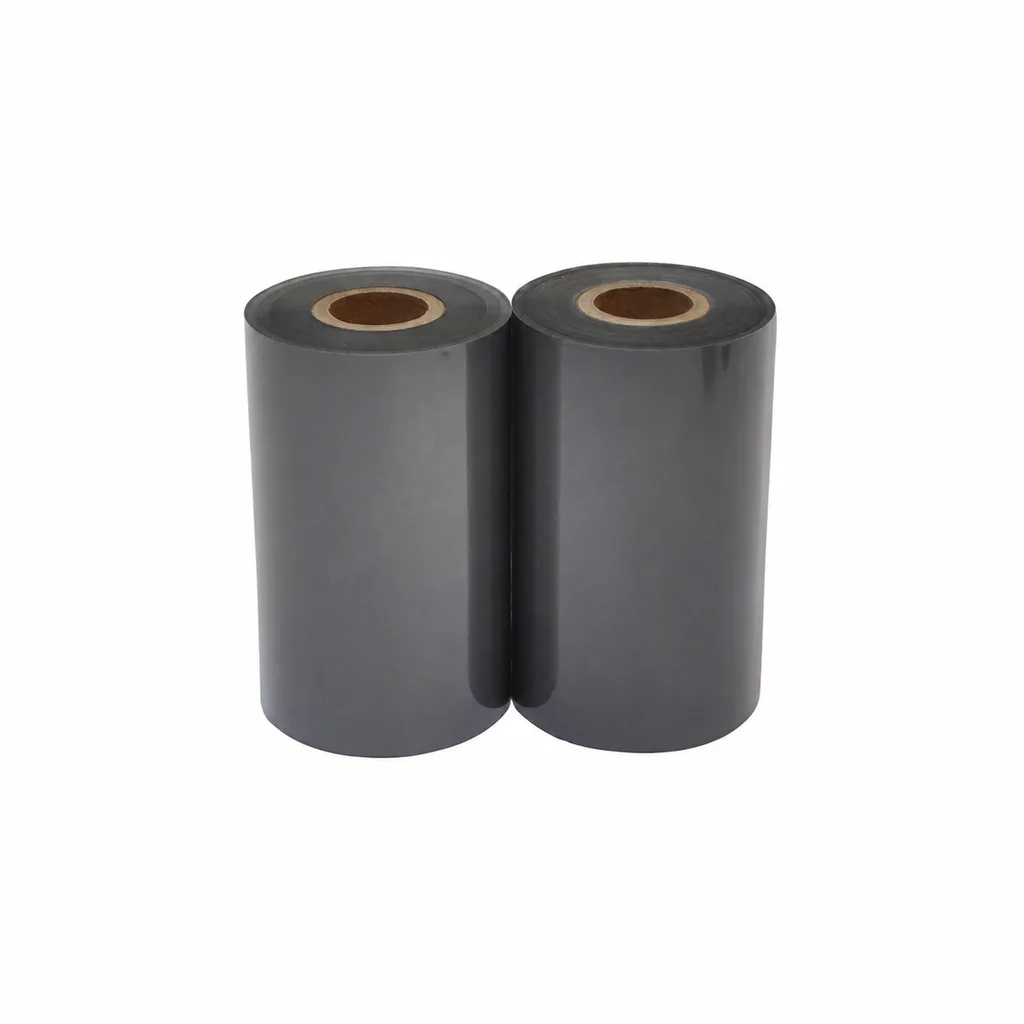
Black Resin Thermal Transfer Ribbon for Label Printing - CL-Z373
CL-Z373 is a black resin thermal transfer ribbon for label printing with desktop or industrial flat-head barcode printers at speeds of ≤6 ips (inches per second). Listed applications include electronics processing, tire identification, automotive manufacturing, pharmaceutical packaging, cosmetic labels and outdoor identification. Selection depends on the actual label material, printer and exposure conditions. Fine-line, small-character and resistance results were obtained on coated paper; print quality and image durability may vary with the printer and print substrate.
View details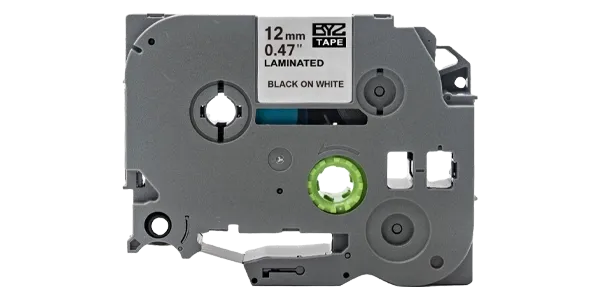
Brother Compatible Label Ribbons (TZe Series)
This Brother-compatible label ribbon (TZe series) is manufactured using high-quality…
View details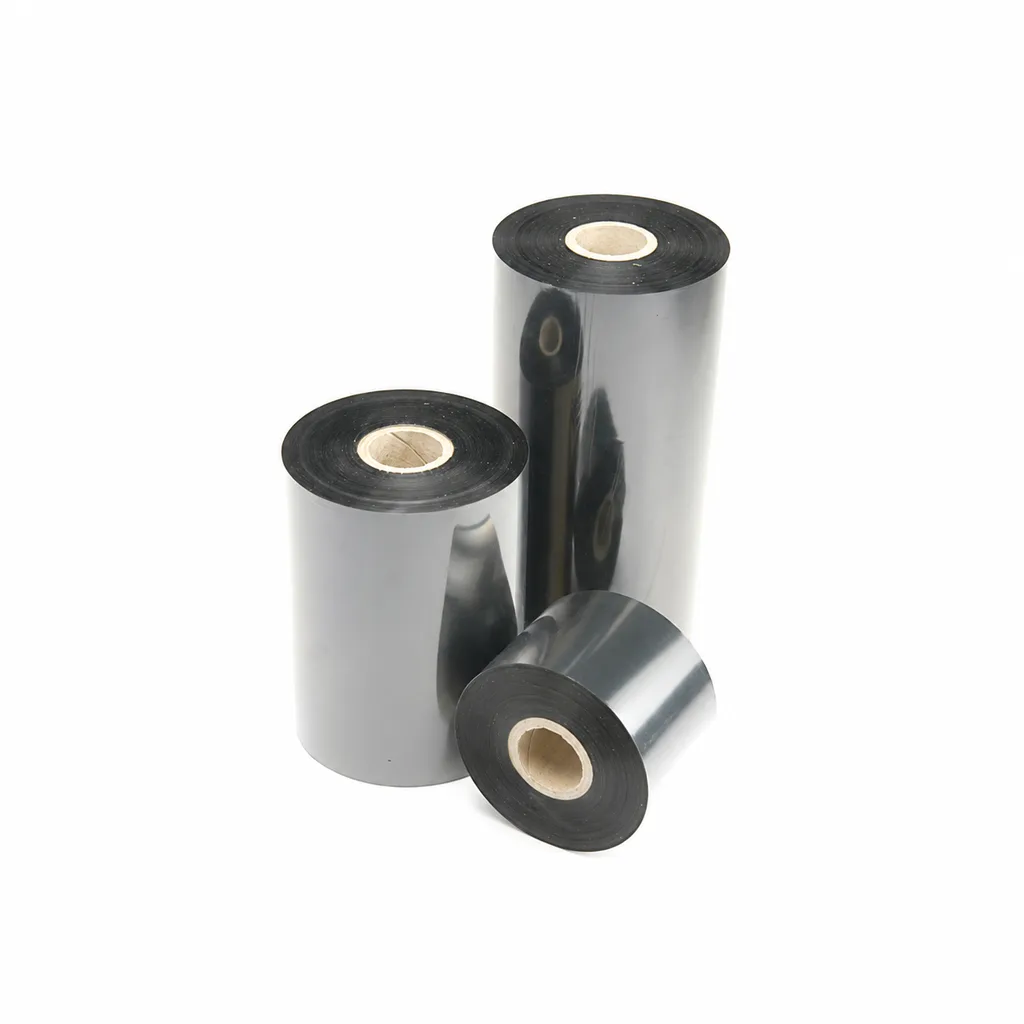
CL-Z213 Near-Edge Wax-Resin Thermal Transfer Ribbon for Barcode Labels
An enhanced black near-edge wax-resin thermal transfer ribbon for near-edge barcode printers and low- to medium-speed thermal transfer overprinting (TTO). Listed applications include retail labels, warehousing, garment tags and packaging identification. Match the printer, actual print medium and operating speed before selection: print quality and image durability can vary with the printer and substrate.
View details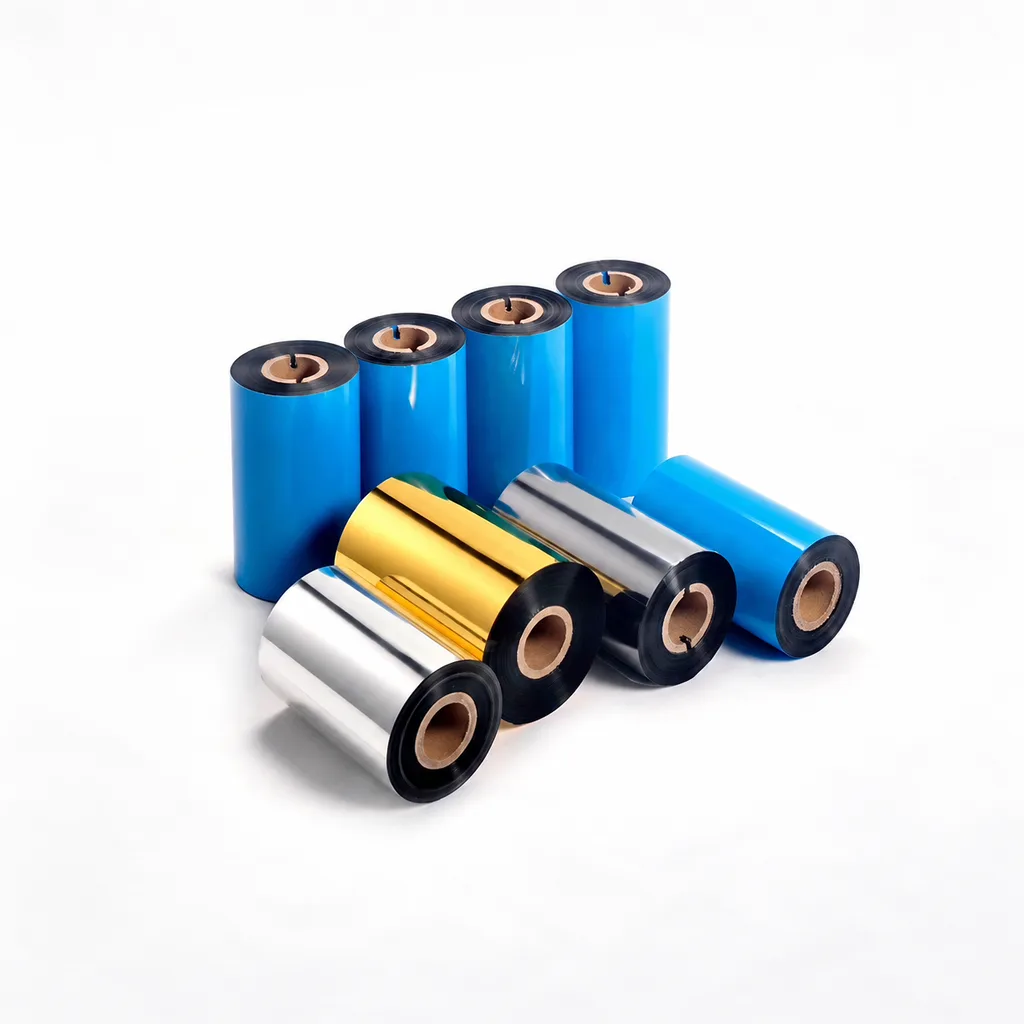
CL-Z302 Enhanced Resin Thermal Transfer Ribbon for Label Printing
A black enhanced resin thermal transfer ribbon for label printing with flat-head desktop or industrial barcode printers at ≤6 ips (inches per second). Listed applications include cosmetics labels, pharmaceutical packaging, electronics processing and automotive identification. Select it against your actual label material and exposure conditions: the reported abrasion, alcohol, water-immersion and low-temperature results were obtained on coated paper, and print quality and image durability may vary with the printer and printing substrate.
View detailsNeed the right ribbon for your label application?
Share the label material, printer and operating environment. Our team will recommend a tested combination.
