
Manufacturier Rubans Transfert Thermique Clé: What the Term Means and What It Does Not Tell You
Request a solution
- Original TTR manufacturer since 2013
- Automated coating and slitting
- IQC / IPQC / OQC control
- ANSI barcode grade testing
- -20°C to 120°C environmental testing
- Batch-level traceability
- ANSI barcode grade
- Batch traceability
- RoHS / REACH compliance
- SGS and MSDS documents on request
Key Takeaways
- Manufacturier rubans transfert thermique translates as "thermal transfer ribbon manufacturer", and clé (key) marks the buyer's real question: which factory qualifies.
- The manufacturer's defining work is formulation and converting: custom ribbon widths to 220 mm, custom lengths to 600 m, 0.5-inch or 1-inch cores, and ink wound inside (CSI) or outside (CSO).
- Ribbon family follows the label stock: wax serves coated paper, wax/resin hybrids serve synthetic stocks, and the wash-care formulation is designed specifically for nylon taffeta and polyester satin.
- The catalog states flat-head coverage and lists Zebra, SATO, Honeywell/Intermec, TSC and Datamax-O'Neil models, plus Godex, Argox, Postek, Brady and cab.
- The manufacturer label by itself proves nothing about fit or durability, so confirm with the technical data sheet and a trial print on your own label stock.
What Manufacturier Rubans Transfert Thermique Clé Means
Manufacturier rubans transfert thermique is the French phrase for a thermal transfer ribbon manufacturer — the company that produces the ink-coated film rolls a thermal transfer printer uses to image labels. Read it part by part: rubans are the ribbons, transfert thermique is thermal transfer printing, and manufacturier is the manufacturer. French search phrases use several near-synonyms for the same buying task, including fabricant and fournisseur, and clé — the French word for key — works as a qualifier: buyers add it when they want the key manufacturer or the key criteria, not another directory listing.
In thermal transfer printing, a heated print head transfers ink from the ribbon's coating onto the label, so the manufacturer's decisions run deeper than packaging. They cover ink formulation in wax or wax/resin blends, back-coating, slitting width, roll length, core size, and whether the ink is wound inside (CSI) or outside (CSO). The COLORFULTTR catalog shows this converting scope directly: standard widths from 40 mm to 110 mm with custom 30–220 mm options, standard lengths of 74 m, 90 m, 300 m and 450 m with custom 70–600 m options, 0.5-inch (12.7 mm) or 1-inch (25.4 mm) cores, and neutral, white-label or custom private-label packaging with pre-printed cores and cartons for OEM clients.
Keep the two halves of the phrase separate when you source. "Thermal transfer ribbon" describes the product family, while "manufacturer" describes who controls formulation and converting. A reseller can hold stock without coating film, and a factory can coat film without offering custom slitting, so the term only earns its weight when you match it against the supplier's own services list.

How a Ribbon Manufacturer Differs from Adjacent Roles and Ribbon Families
A ribbon manufacturer sits upstream of the printer brands and the print shops: it supplies the ribbon and often the blank label stock, while the printer hardware and the printed labels belong to other suppliers. COLORFULTTR expresses printer fit as compatibility lists rather than printer sales: the catalog states coverage of all flat head thermal transfer printers and names Zebra, SATO, Honeywell/Intermec, TSC and Datamax-O'Neil models, with Godex, Argox, Postek, Brady and cab among other flat head brands.
The role also differs from a print service. COLORFULTTR's scope is ribbon and consumables manufacturing, so buyers print the labels themselves, and the washed care label list shows the paired consumables: blank nylon washed-mark stock for thermal transfer clothing care labels sold factory direct, single-sided satin polyester blank washed marks described as skin-friendly for sewn-in labels, double-sided nylon cloth labels for home textiles, and hot-melt adhesive tongue labels for mattresses and carpets.
Inside the product range, the families buyers most often confuse are wax, wax/resin hybrid and wash-care. The catalog describes wax ribbons as the most economical thermal transfer option with high sensitivity and excellent print density on paper labels, and hybrid ribbons as combining the best properties of wax and resin for balanced print quality and durability. A separate near-edge variant is optimized for near-edge print head technology, and the wash-care family is the one designed specifically for nylon taffeta and polyester satin. Choosing by family first, rather than by brand name, is what keeps labels legible and scannable at their end use.
What the Manufacturer Label Does Not Tell You — and How to Verify
The word manufacturer tells you who coats the film; it does not tell you whether a specific roll will image cleanly on your printer, survive your application, or arrive in a format your printer accepts. Four gaps matter most when you switch suppliers, and each has a direct check.
- Print head type. The catalog's compatibility statements cover "all flat head thermal transfer printers", and it separately lists a near-edge variant optimized for near-edge print head technology. Confirm which head your printer model uses before you match a ribbon.
- Label material. Family choice is material-bound: in the catalog's compatibility chart, nylon taffeta and polyester satin are marked Excellent only for the wash-care ribbon and No for the five wax and hybrid models listed. Wax on satin or a standard hybrid on nylon taffeta is not a tune-and-try case, because the chart rules it out.
- Durability and compliance. Catalog figures are vendor specifications, not independent test results. Treat wash-resistance, scratch and chemical numbers as starting points, and ask for the technical data sheet of the exact product you would receive.
- Format and winding. Width, length, core and ink-side orientation (CSI or CSO) must match your printer's ribbon path; the catalog publishes standard and custom options, so compare them against your printer's maximum print width before ordering.
Next step: send the manufacturer your printer model, head type and label material, request the matching technical data sheet and a sample roll, then print on your own stock and check density, barcode scan grade, smudge behavior and, for care labels, wash durability on a sewn-in sample before you move volume. A two-roll trial costs far less than a mis-printed production batch.
Data and Evidence
The table below condenses the catalog evidence behind this guide: what each ribbon family does and which label materials the catalog links to it. All entries are catalog specifications, not independent test results.
| Ribbon family | Catalog description | Catalog-listed label materials |
|---|---|---|
| Wax | Most economical thermal transfer option; high sensitivity; excellent print density on paper labels | Coated and uncoated paper labels and tag stock |
| Wax/resin hybrid | Combines wax and resin properties for balanced print quality and durability; a near-edge variant is optimized for near-edge print head technology | Paper, synthetic paper and light films |
| Wash-care hybrid | Wash-resistant formulation designed specifically for nylon taffeta and polyester satin; black and navy blue standard ink colors | Nylon taffeta, polyester satin, acetate, coated fabrics |
Printer compatibility in the catalog is stated family-wide for flat head machines, with these brand lists:
| Printer brand | Catalog-listed series |
|---|---|
| Zebra | ZT200, ZT400, ZT600 series; ZD420; ZD620; GK/GX series |
| SATO | CL4NX, CL6NX, CT4LX, WS4 series |
| Honeywell/Intermec | PM42, PM43, PC43, PD43 series |
| TSC | TTP-244 Pro, TTP-342 Pro, MA2400, MH240 series |
| Datamax-O'Neil | E-Class, M-Class, I-Class series |
| Other flat head brands | Godex, Argox, Postek, Brady, cab |
How to use this data: match your label material to a family first, then your printer to the compatibility list, then request the data sheet and a sample roll. Sources: COLORFULTTR wax and wax-resin product catalog; 洗水唛产品清单 20260811 for the blank washed-mark label stock.
Frequently Asked Questions
What does manufacturier rubans transfert thermique mean in English?
Literally "manufacturer of thermal transfer ribbons". It names the factory that formulates and converts the ribbon — the ink-coated roll a thermal transfer printer uses to image labels — rather than a distributor or a print service.
Is a manufacturier the same supplier as a fabricant de ruban transfert thermique?
Yes. Both are French wording for the ribbon-manufacturer role, and search phrases mix them freely. Judge the supplier by what it controls — formulation, coating, slitting and ink-side winding — not by which spelling it ranks for.
Which ribbon prints nylon taffeta and polyester satin wash care labels?
The wash-care family. The catalog describes its wash-resistant formulation as designed specifically for nylon taffeta and polyester satin, and the compatibility chart rules out the wax and standard hybrid models for those materials. Ask for the width you need; the catalog lists custom slitting for special label sizes.
Will these ribbons work in my Zebra ZD420 flat head printer?
Per the catalog, yes: the ZD420 appears in the compatible-printer list within flat-head coverage that also includes the ZT200, ZT400 and ZT600 series. Match the ribbon to your label material first, then confirm width, core and ink-side orientation against your printer's ribbon path.
Does buying from a manufacturier rubans transfert thermique guarantee the ribbons are made in France?
No. The phrase is French for thermal transfer ribbon manufacturer and says nothing about where production happens or which certifications apply. Judge the supplier by its data sheet, material compatibility list and a sample print on your own stock.
Recommended products for this industry

Thermal Transfer Intelligent Coding Machine
This series of thermal transfer coders represents a cost-effective intelligent coding…
View details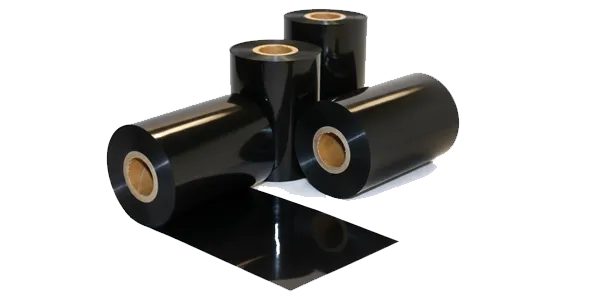
Universal thermal transfer ribbon suitable for all labelling applications
The standard wax-resin hybrid ribbon in this series: highly versatile, proven in practice…
View details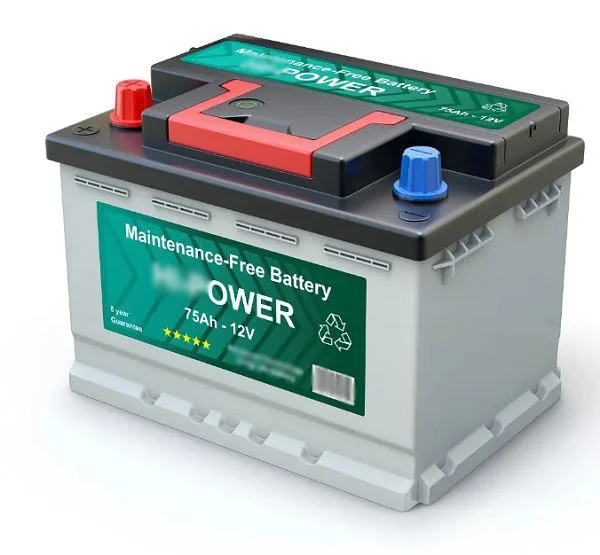
Vehicle Battery Electrolyte Label
Solvent and electrolyte resistant battery label for passenger car and commercial vehicle…
View details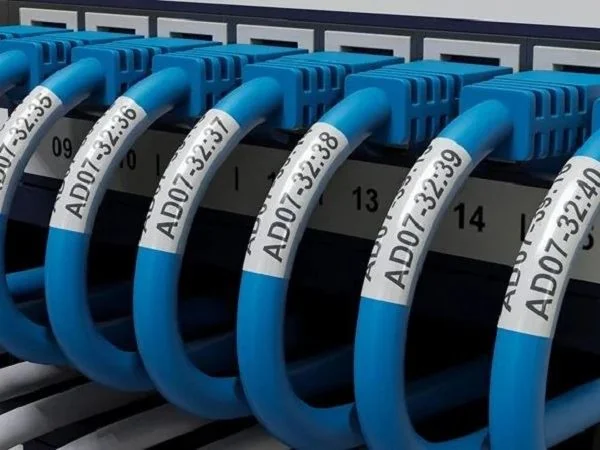
Vinyl Wrap-Around Cable Label
Flexible vinyl label that wraps around electrical, network and industrial cables while…
View detailsNeed the right ribbon for your label application?
Share the label material, printer and operating environment. Our team will recommend a tested combination.
