
Lojistik Etiketleri Explained: Labels, Print Methods and Ribbons
Request a solution
- Original TTR manufacturer since 2013
- Automated coating and slitting
- IQC / IPQC / OQC control
- ANSI barcode grade testing
- -20°C to 120°C environmental testing
- Batch-level traceability
- ANSI barcode grade
- Batch traceability
- RoHS / REACH compliance
- SGS and MSDS documents on request
For buyers printing logistics labels in-house, “lojistik etiketleri” identifies the application rather than a single ribbon or printing method. Separate the label’s information from the stock and print process before specifying consumables. Match thermal transfer ribbon to the actual label surface and printer, then check the final printed sample against the receiving operation’s requirements.
Key Takeaways
- Thermal transfer printing transfers ink from a ribbon, while direct thermal printing heats specially treated label material.
- Wax, wax-resin and resin describe ribbon formulations rather than logistics label formats.
- Ribbon selection depends on label material, required durability and environmental exposure.
- Barcode verification assesses print quality beyond a successful scan on one scanner.
Understand what the logistics label name tells you
Logistics labels belong to a transport and handling application, while their printing method and consumables require a separate specification. In this article, “lojistik etiketleri” refers to logistics labels that buyers print for their own operation. The useful starting question is therefore what the label must communicate and survive, rather than which ribbon carries the same application name.
The supplied material identifies transportation and logistics as applications for ribbon marking on products and packaging. It also describes manufacturing and warehousing labels as identifying parts, tracking inventory or warning about hazardous equipment. These examples explain the connection between logistics and industrial identification without making every label in those settings the same product.
Keep three questions separate in your specification. What information needs to appear? What material will carry that information? How will your equipment print it? A label’s use in shipping answers the application question, but leaves the other questions open. Calling a roll a shipping label does not establish its surface treatment or the ribbon dimensions your printer accepts.
For a supplier discussion, describe the intended use in ordinary terms and provide the exact stock reference where available. Ask the supplier to identify the proposed print process and consumable combination separately. This makes the term useful as context while preventing it from becoming a substitute for a complete printing specification.
Separate the print process from the ribbon formulation
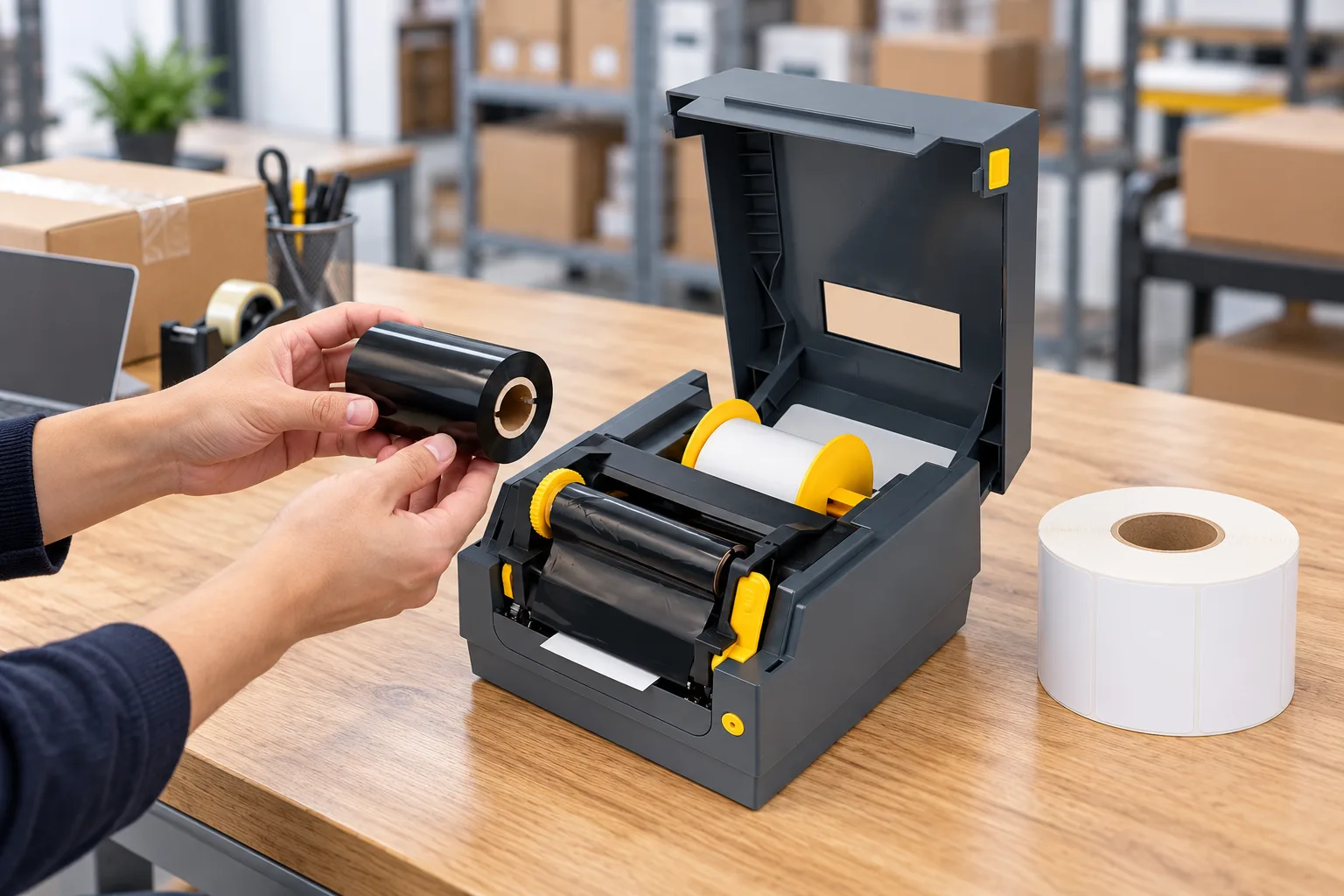
Direct thermal printing heats specially treated label material, whereas thermal transfer printing uses heat to move ribbon ink onto the label. This difference explains why a thermal transfer setup needs a ribbon and a direct thermal setup does not. The general name “thermal printer” can describe either method, so it does not settle the consumables question.
Check the selected printer mode before discussing wax, wax-resin or resin. Those names become relevant when you are using thermal transfer. They describe the ink formulation carried by the ribbon, not the label’s business purpose. A request for logistics labels and a request for wax-resin ribbon therefore describe different parts of the same printing job.
For thermal transfer, the supplied guidance links wax with porous and coated paper, wax-resin with coated paper and selected synthetics, and full resin with demanding synthetic films. The explanation is partly about the receiving surface: wax inks generally anchor into porous paper fibres, while resin formulations are designed to adhere to compatible synthetic surfaces. Compatibility remains part of that statement.
Do not convert these material groups into a universal purchase rule. A paper description should lead to a candidate combination, and a synthetic description should lead to a more specific surface check. The exact roll still needs to match the printer. Ink formulation, ribbon width, core size and roll length are separate matching points in the supplied selection guidance.

Judge the complete combination rather than the category name
A thermal transfer result depends on the printer, the label’s surface layer and the ribbon ink working together for the application. That relationship explains why changing a ribbon alone is not enough information to predict the result. When comparing a replacement supply, keep the current label reference and printer details alongside the proposed ribbon specification.
Durability is also a requirement to describe, rather than a conclusion to draw from “logistics.” The supplied guidance asks buyers to consider the substrate, required printed-label durability and environmental conditions. Wax-resin offers enhanced durability compared with wax in the general guidance, but that comparison does not establish the service life of a particular printed label.
Use the following sequence to turn the concept into a reviewable in-house printing decision:
- Identify the required label information and obtain the current artwork or template.
- Confirm whether the job uses direct thermal or thermal transfer printing.
- Record the exact stock and, for thermal transfer, compare formulation, width, core and roll length with the printer requirements.
- Describe the actual handling and exposure that the printed sample should represent.
- Print the final artwork on the intended stock and review its readability against the agreed receiving requirement.
These are preparation and comparison steps, not a universal acceptance test. If a sample is unclear or smears, retain the combination details and ask for a targeted review. The supplied material identifies pressure, temperature, ribbon–substrate compatibility and print speed as interacting factors; it does not supply one setting that resolves every logistics application.
Data and Evidence
The supplied evidence supports conditional material matching and sample verification, rather than one standard consumable for all logistics labels. The table distinguishes a useful starting point from a conclusion that still needs checking.
| Evidence in the supplied material | What it supports | What to verify for your job |
|---|---|---|
| Uncoated and vellum paper: wax. | Wax is a candidate for these paper surfaces. | The actual stock and printer combination. |
| Coated paper, cartons and shipping labels: wax or wax-resin. | A shipping application does not identify a single ribbon formulation. | The surface and required print durability. |
| Matte PP and matte PET: wax-resin. | Some matte synthetic surfaces are included in wax-resin guidance. | The exact coating rather than the polymer name alone. |
| Full resin is associated with demanding synthetic films. | Resin is a candidate where the synthetic application calls for it. | Compatibility and performance of the proposed combination. |
| Final artwork should be printed on the intended stock for code-resolution verification. | A representative printed sample is the relevant object to inspect. | The final layout and agreed receiving requirement. |
Source notes: the material rows draw on “Uncoated and vellum paper,” “Coated paper, cartons, shipping labels,” “Matte synthetics such as matte PP and matte PET,” and “Wax ribbons.” The sample check follows “label or package artwork.” These references describe selection scope; they do not report a test result for your shipment.
Barcode readability needs a separate distinction. “A barcode verification grade” describes assessment against an ISO readability standard, rather than whether one scanner reads the code today. A successful trial scan is useful operational feedback, but it should not be presented as a verification grade. Request the receiving partner’s requirement instead of inventing a pass threshold.
Your next step is to assemble one sample request containing the printer mode, stock reference, proposed ribbon specification and receiving requirement. For more detailed preparation, use the guide to matching and testing logistics label consumables.
Frequently Asked Questions
Do logistics labels always need a thermal transfer ribbon?
No. Direct thermal printing uses specially treated label material without a ribbon. Thermal transfer printing uses a ribbon, so confirm the printer mode and stock before ordering consumables.
Can I use wax-resin ribbon on every PET logistics label?
Do not assume universal compatibility. The supplied guidance includes matte PET among wax-resin applications, while broader guidance places demanding synthetic films with full resin. Confirm the exact surface and test the proposed combination.
Does a successful warehouse scan prove barcode print quality?
A successful scan is different from barcode verification. A verification grade assesses printed barcode quality against a standard; agree the receiving partner’s requirement and check the final artwork on the intended stock.
Related Products & Guides
Recommended products for this industry
Brother Compatible Label Ribbons (TZe Series)
This Brother-compatible label ribbon (TZe series) is manufactured using high-quality…
View details
CL-582 High-Temperature Polyimide Labels for Printed Circuit Board Traceability
CL-582 is a high-temperature polyimide (PI) label material for printed circuit board (PCB) and sensitive electronic component process control and product traceability. It has a gloss white coating, a listed thickness of 2mil and an acrylic adhesive. The source identifies wave soldering and reflow soldering as applications. Selection requires confirmation of the actual heat exposure and chemical conditions: the listed temperature range has no specified exposure duration, and solvent resistance is qualitative.
View details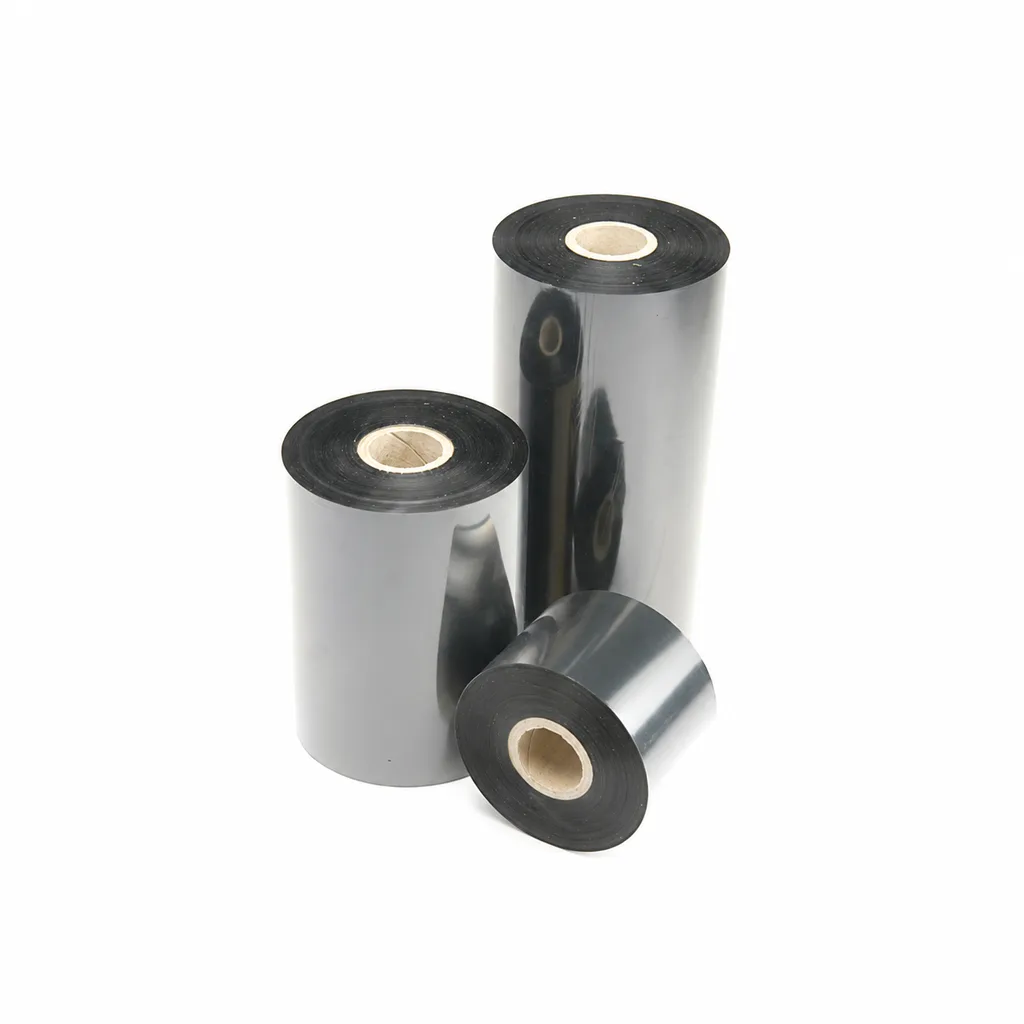
CL-Z213 Near-Edge Wax-Resin Thermal Transfer Ribbon for Barcode Labels
An enhanced black near-edge wax-resin thermal transfer ribbon for near-edge barcode printers and low- to medium-speed thermal transfer overprinting (TTO). Listed applications include retail labels, warehousing, garment tags and packaging identification. Match the printer, actual print medium and operating speed before selection: print quality and image durability can vary with the printer and substrate.
View details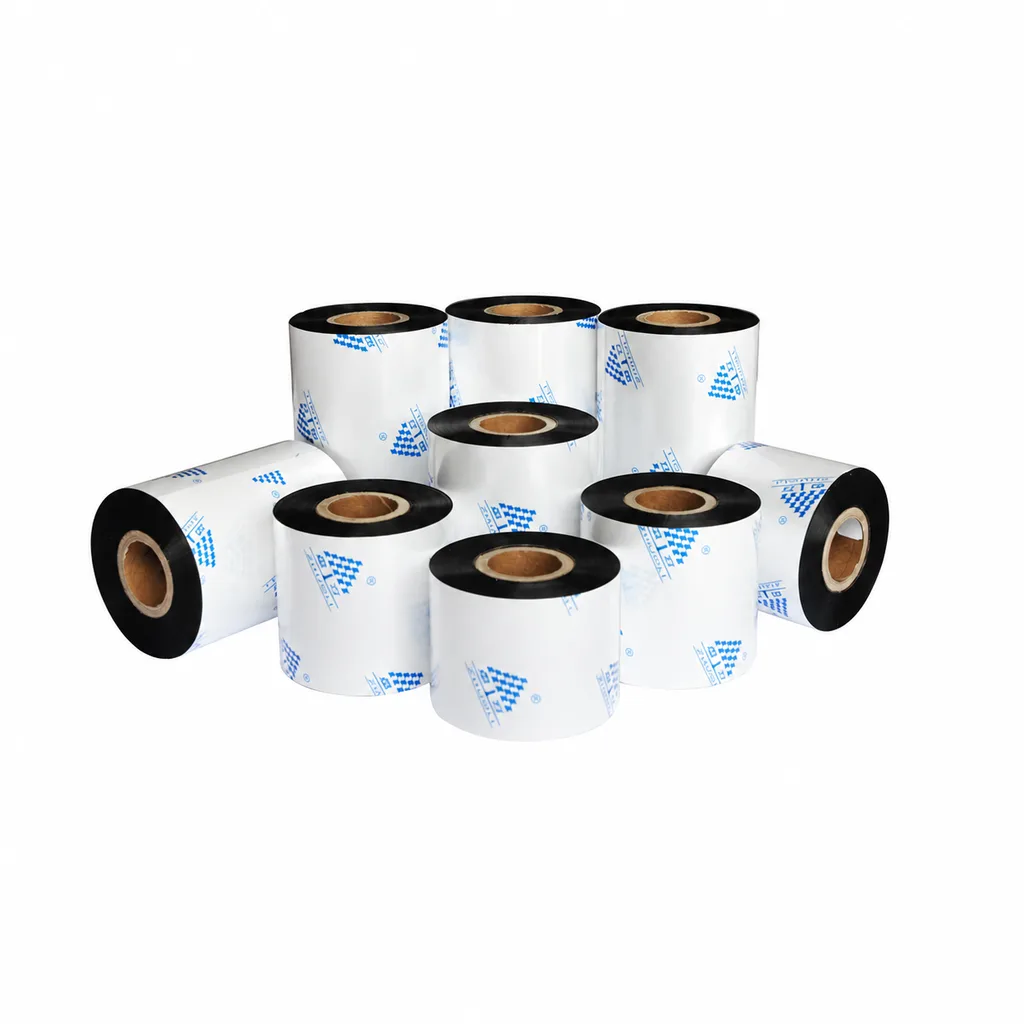
Near-Edge Wax-Resin Thermal Transfer Ribbon CL-Z212 for Barcode Labels
CL-Z212 is a general-purpose black wax-resin thermal transfer ribbon primarily for near-edge barcode printers, with use also described for low- to medium-speed thermal transfer overprinting (TTO). Listed applications include retail labels, garment tags, warehouse identification and packaging printing. Select according to printer type, actual printing speed and substrate: recommended conditions list near-edge printing at ≤10 inches per second (ips) and TTO at ≤20 ips. Print quality and image durability can vary with the printer and printing material, so trial printing on the intended substrate is necessary for selection.
View detailsNeed the right ribbon for your label application?
Share the label material, printer and operating environment. Our team will recommend a tested combination.
