

- Original TTR manufacturer since 2013
- Automated coating and slitting
- IQC / IPQC / OQC control
- ANSI barcode grade testing
- -20°C to 120°C environmental testing
- Batch-level traceability
- ANSI barcode grade
- Batch traceability
- RoHS / REACH compliance
- SGS and MSDS documents on request
Choose vulcanization resistant labels for the rubber surface and the complete curing process, then test the printed label through your own cycle. Compare the bond, label condition and barcode readability after curing, rather than selecting on a temperature claim alone. A matched ribbon and a practical sample trial help establish whether the complete system fits your process.
Key Takeaways
- Pre-cure identification and post-cure tread labeling address different stages of tire production.
- Vulcanized label systems can be applied to green rubber before curing.
- Check the printed image as well as the label bond after the actual curing cycle.
- Colorfulttr lists a white PET tire vulcanization label for barcode tracking through molding, heat and pressure.
Choose the label for its place in the process
Vulcanization resistant labels are intended for identification that must remain useful through a rubber curing operation. Start by defining when the label is applied and when the identifier must be read. In tire production, a vulcanization barcode label is applied before curing, while a tread label is applied after the tire is made, according to Only Imaging’s description of these applications.
For a pre-cure requirement, ask for a construction intended for the rubber and the curing process, including its face material, coating and bonding system. Vizlent describes vulcanized label systems placed in a mold or on green rubber before curing. Its description is useful for understanding one class of construction; it does not establish that every label uses the same bonding mechanism.
Record the actual rubber compound, label position and application conditions before requesting samples. Explain whether the barcode must be read immediately after molding, later in handling, or both. Those details give the supplier a meaningful basis for proposing a candidate and give your team a way to judge the sample against the intended job.

Compare the complete label and print combination
A useful tire identification system includes the label, printed image and application surface. A label that remains attached but has an unreadable code does not meet a barcode tracking requirement. Likewise, a clear image on a label that has moved or lifted needs further investigation before purchase approval.
Ask the supplier to identify the intended label construction and the ribbon grade to test with it. Provide the printer model, available label width, ribbon dimensions and required barcode format. Check the printer’s own requirements for core and ink-side orientation before ordering a trial roll; matching the physical format helps ensure the consumables can be loaded for the trial.
Only Imaging describes a specialized vulcanization resin for its tire-label application. Treat that as a product-specific example, not a universal rating for every resin ribbon. Request the recommended pairing for the candidate label and verify its printed result in your process rather than assuming that a ribbon name alone establishes suitability.
Colorfulttr lists a white PET tire vulcanization label for tire barcode tracking through molding, heat and pressure. For a buyer seeking that application, the listing is a relevant starting point for a sample request. The listing does not establish a universal curing limit or prove compatibility with a particular rubber compound, ribbon or machine; confirm those details and evaluate the proposed combination on your line.

Run a representative trial before ordering
A representative trial checks the printed label through the same sequence that the finished identification must withstand. Agree internally on the required barcode content and readability, acceptable label appearance and bond, and the points at which operators will inspect the samples. Record the criteria before the trial so that a later purchasing decision can be compared with the original requirement.
- Identify the rubber compound, surface condition, label location and application stage. Record the curing cycle and any subsequent handling or exposure relevant to the finished product.
- Obtain candidate labels and a compatible ribbon recommendation. Record the exact label and ribbon grades, printer model and settings used to make each sample.
- Print representative barcodes and check that the codes can be read before applying them. Keep a record linking each sample to its consumables and process conditions.
- Apply the samples as planned and run them through the intended production sequence. Inspect the bond, face material and printed image after curing and at the required later checkpoints.
- Compare the observations with your agreed criteria. If a sample fails, retain its identification and discuss the specific failure with the supplier before changing a material or repeating the trial.
If the barcode reads before curing but fails afterward, document the change in the image and the condition of the label. If the label lifts or moves, record where it occurred and the surface and application conditions. These observations help separate the print question from the bonding question without assuming a cause that has not been tested.
When a candidate passes, keep the approved label and ribbon identification together with the test conditions and sample record. If the rubber, curing conditions, printer or consumables change, assess whether the existing trial still represents the new combination. This preserves the connection between the result and the conditions that produced it.
Data and Evidence
The available descriptions establish intended applications, not a substitute for your own qualification. Ask for the candidate’s product data and compare it with the actual process before deciding what to trial.
| Decision | Evidence or condition | What to verify |
|---|---|---|
| Application stage | Only Imaging distinguishes pre-cure barcode labels from post-cure tread labels. | Confirm when the label is applied and when it must be scanned. |
| Bonding approach | Vizlent describes systems placed in a mold or on green rubber before curing. | Check the proposed construction against your rubber and application method. |
| Product candidate | Colorfulttr lists a white PET tire vulcanization label for barcode tracking through molding, heat and pressure. | Request relevant product data and test the proposed sample in your cycle. |
| Printed image | Only Imaging describes a specialized resin ribbon for its vulcanization application. | Test the exact ribbon and label pairing, including barcode readability after curing. |
For a quotation or sample request, send the process details and your required inspection points together. This allows the candidate to be evaluated against a defined use rather than against a generic heat claim.
Frequently Asked Questions
Can a tread label be used before tire curing?
Choose a label specified for the pre-cure process and verify it on your rubber and curing cycle. Tread labels are applied after the tire is made, so their intended stage differs.
Does a heat rating alone qualify a tire label for vulcanization?
No. Confirm the complete label and printed barcode under the actual combination of rubber, mold, pressure and cycle, then check the result against your own acceptance criteria.
What should I send a supplier when requesting a tire label sample?
Share the rubber surface, application stage, curing cycle, label dimensions, printer and ribbon details, barcode requirements and the conditions the finished tire must face.
Related Products & Guides
Recommended products for this industry
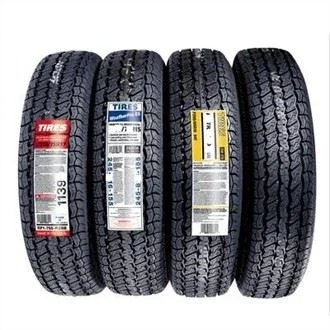
Tire Vulcanization Barcode Label
Rubber-compatible barcode label for green tires, casing tracking and vulcanized tire…
View details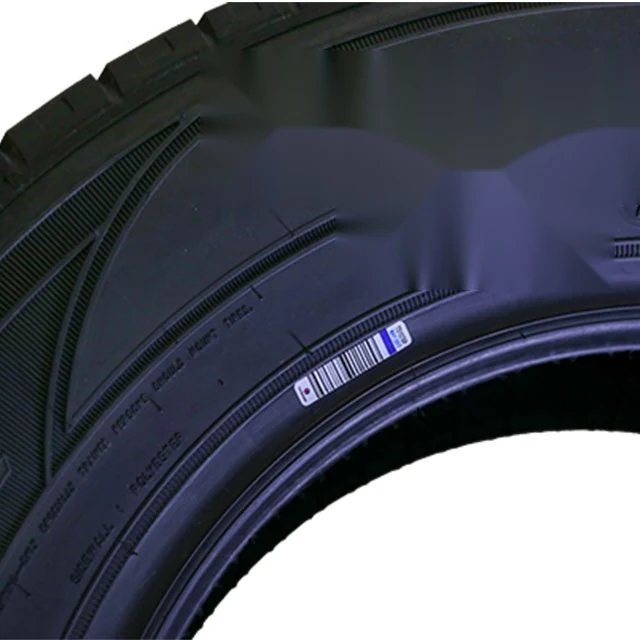
Tire Vulcanization Label
White PET vulcanization label for tire barcode tracking through molding, heat and…
View details
Acid and Alkali Resistant Label
Chemical-resistant label construction for acid baths, paint-stripping solutions, alkali…
View details
Antistatic Polyimide Labels for PCB Process Tracking — CL-782
CL-782 is a white gloss polyimide (PI) label material for printed circuit board (PCB) and sensitive-component process control and product traceability in electronics manufacturing. It is described for wave soldering and reflow soldering applications, with a listed temperature range of -40-300℃, an antistatic value of ≥10^(8)Ω and ≤10^(11)Ω, and a peel voltage below 100 volts. Selection should account for the actual thermal cycle and chemical exposure; the supplied information does not specify exposure durations or chemical test conditions.
View detailsNeed the right ribbon for your label application?
Share the label material, printer and operating environment. Our team will recommend a tested combination.
