
How to Choose the Right Ribbon for Your Thermal Transfer Overprinter (TTO)
Request a solution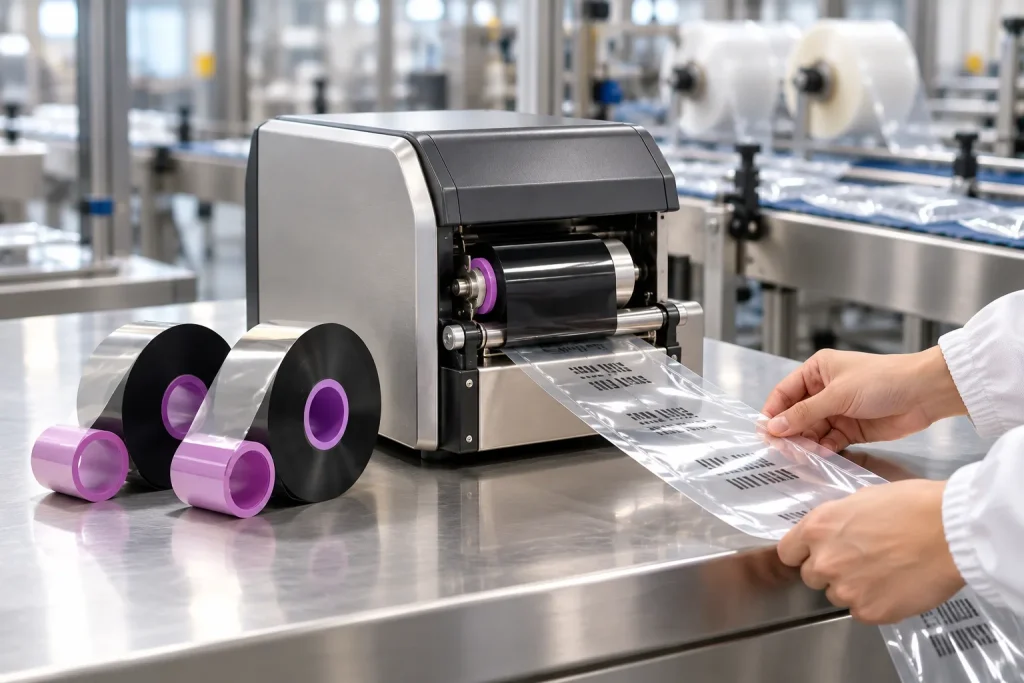
- Original TTR manufacturer since 2013
- Automated coating and slitting
- IQC / IPQC / OQC control
- ANSI barcode grade testing
- -20°C to 120°C environmental testing
- Batch-level traceability
- ANSI barcode grade
- Batch traceability
- RoHS / REACH compliance
- SGS and MSDS documents on request
Key Takeaways
- Thermal transfer ribbons come in three ink types — wax, wax/resin, and resin — and substrate compatibility is the first filter in any TTO ribbon purchase.
- Wax/resin ribbons are compatible with many paper and filmic substrates and resist scratching and smudging better than wax ribbons.
- In label printing, the ribbon should be wider than the label, because the ribbon also shields the printhead from direct contact with the media; for TTO, confirm the width your printer model and media require.
- Grade names such as standard, rough texture, and extreme temperature describe one maker's own range — compare by application, not by grade number.
- Confirm width, core, winding, and header sheet format with the supplier, then sample-print on your production substrate before ordering in volume.

Match the Ink Type to Your Substrate First
A thermal transfer ribbon is typically a thin polyester film carrying a coating of ink, and that ink type decides where the ribbon will print well. In thermal transfer printing, heat from the printhead transfers ink from the ribbon onto the label or film beneath it, so two questions drive the whole selection: what surface are you printing on, and how must the finished code survive?
Zebra's ribbon primer and a ribbon guide from DLS land on the same shortlist: the main types of thermal transfer ribbons are wax, wax/resin, and resin. A compatibility guide published by Avery Dennison describes wax/resin ribbons as compatible with many different paper and filmic substrates, giving excellent print resolution on picket fence and ladder barcodes and suiting both flat head and corner-edge print heads. Those are class-level descriptions of the wax/resin category, not guarantees for any individual product: shortlist candidate grades with your supplier against your specific printer model and substrate, and prove the fit with a sample before you commit.
The same guide credits wax/resin with higher abrasion resistance than wax ribbons, which is what you want when codes must survive rubbing, stacking, or transport without smudging; full wax sits below wax/resin on that measure. Guides note that wax ribbons typically need a lower melting temperature than resin, and full resin is named as the third of the main types. Because ink formulations vary with the intended application, do not assume any of these class-level properties transfer to your substrate: ask what the supplier's grade is qualified for on a substrate like yours and prove it with a sample.

Size the Roll and Confirm the Header Sheet Format
Width matters twice over: the ribbon carries the image, and it also protects the printhead by preventing direct contact with the thermal transfer media. The rule you will see most often — a ribbon wider than the label to provide full coverage — is stated for label printing. Much TTO work runs on flexible packaging film instead, so confirm the width your specific printer model accepts and your actual media requires with the supplier before ordering, rather than deriving it from code height.
Width is only one of the physical details that must match your printer. Pin down the rest in the same order conversation: core size, winding direction (ink side in or ink side out), and the header sheet format. Ask the supplier to confirm the header sheet format your printer model expects, and keep the coating decision — which ink type matches your substrate — as a separate step driven by your substrate.
These details belong in the order, not in the loading bay. A roll that will not thread cleanly stalls a packaging line, and chasing the right format afterward costs changeovers. If your operators load ribbon under production pressure, ask the supplier to confirm the full roll format — width, core, winding, header sheet — against your printer model, in writing, before the order ships.
Compare Grades by Application, Then Prove the Choice on Your Line
Ribbon makers grade their TTO range by the job the ribbon does, and each grade description belongs to the maker that published it. Videojet's TTO range for flexible packaging shows the pattern: a standard grade, 15-S, described as a general purpose ribbon available in 10 colors; a rough texture grade, 15-Z, for substrates such as Tyvek and Kraft paper, listed in black; and an extreme temperature grade, 15-X, described for flexible film used in hot fill processing.
Those three labels are one maker's mapping, not an industry standard. Another supplier will slice similar problems differently, so compare candidates by stated application rather than by grade number. Read each description against your substrate and your worst processing condition, shortlist the grade whose stated use matches, and treat the catalog claim as unproven until your line says otherwise.
Verification prevents expensive full-roll mistakes:
- Print a sample code with the shortlisted ribbon on your actual production substrate, not a blank test sheet.
- Check barcode quality in the print orientation you will run, and scan it with the readers your customers actually use.
- Stress the sample the way the package will be treated: rubbing, scratching, stacking, and any hot-fill or temperature exposure the grade claims to cover.
- Judge the result against your application's readability and durability requirements: the code must scan reliably in the readers your customers use and survive the stresses in step 3. A comparison against your current ribbon for print darkness and scan reliability is reference, not the pass bar — if the sample falls short, adjust the candidate with your supplier and re-verify.
If the sample meets your application's readability and durability requirements, ask the supplier to quote the grade in your required widths and confirm the roll format — core, winding, and header sheet — on the purchase order. If it falls short of those requirements, return the failed sample, ask which grade they would substitute instead, and re-verify the substitute with the same steps; that recommendation is worth more than any catalog table.
Data and Evidence
The table below collects the grade examples cited in this guide, stated the way the manufacturer's own range states them. Treat each row as that maker's description of that grade, not a transferable industry rating.
| Grade | Technology | Stated application | Stated performance | Stated colors |
|---|---|---|---|---|
| 15-S | TTO | Standard, general purpose | General purpose ribbon | 10 colors: Black, Cyan, Green, Blue, Orange, Red, Yellow, Magenta, Brown, Brilliant White |
| 15-Z | TTO | Rough texture | Excellent print quality on rough texture substrates such as Tyvek and Kraft paper | Black |
| 15-X | TTO | Extreme temperature | Excellent transfer resistance on flexible film used in hot fill processing | Not stated in the cited excerpt |
The ink-type comparison behind the substrate decision looks like this:
| Ink type | What the cited guides state | How to qualify it on your line |
|---|---|---|
| Full wax | Typically needs a lower melting temperature than resin | Ask the supplier which substrates a wax grade is qualified for, then sample it on your line |
| Wax/resin | Compatible with many paper and filmic substrates; excellent print resolution on picket fence and ladder barcodes; suits flat head and corner-edge print heads; higher abrasion resistance than wax | Class-level description, not a per-product guarantee — trial grades the supplier has confirmed for your printer model and substrate |
| Full resin | Named as one of the three main ribbon types; ink formulations vary by intended application | Qualify on your own film; ask what the grade is qualified for before trialing |
Two sourced rules anchor the rest of the decision. First, for label work the guidance is that the ribbon should be wider than the label: it provides full coverage and keeps the media off the printhead — a rule stated for labels, so confirm the width your TTO printer model and media require rather than assuming it transfers. Second, compatibility statements carry conditions — wax/resin's substrate range is many paper and filmic substrates, not all of them, which is why the sample print above is not optional. Confirm the physical format with your supplier against your printer model, and keep every grade claim tied to the maker that published it.
Frequently Asked Questions
How do I handle the header sheet when I order TTO ribbon?
Treat it as one of the roll-format details to confirm rather than a performance specification: ask the supplier to confirm the header sheet format against your printer model, alongside width, core, and winding, before the order ships. Which ink type matches your substrate is a separate decision, driven by your substrate and confirmed with a sample.
Which TTO ribbon should I use on flexible packaging film?
Shortlist by stated application: compatibility guides describe the wax/resin class for many paper and filmic substrates; Videojet lists a rough-texture grade for rough texture substrates such as Tyvek and Kraft paper; and an extreme-temperature grade for flexible film used in hot fill. Ask your supplier which candidate grades fit your printer model and your film, then sample-print on the actual film before ordering volume.
How do I choose the width of my TTO ribbon?
The width rule you will see — a ribbon wider than the label for full coverage — is stated for label printing, where the ribbon also keeps the media from touching the printhead directly. For TTO, confirm the width your specific printer model accepts and your actual media requires with the supplier rather than deriving it from code height.
Do wax/resin ribbons work in both flat head and corner-edge TTO printers?
Avery Dennison's compatibility guide describes the wax/resin class as suiting both flat head and corner-edge print heads — a class-level description, not a per-product guarantee. Confirm the specific grade with your supplier for each printer model you run, and check width, core, winding, and header sheet format at the same time.
How do I qualify a new TTO ribbon before a full production order?
Ask for a sample roll of the grade recommended for your substrate, run the trial print and durability checks on your line, and judge the sample against your application's readability and durability requirements; a comparison against your current ribbon is reference only. If the sample falls short, adjust the candidate with your supplier and re-verify. Approve volume only after the sample meets the requirements, and get the roll format — core, winding, header sheet — confirmed in writing.
Recommended products for this industry
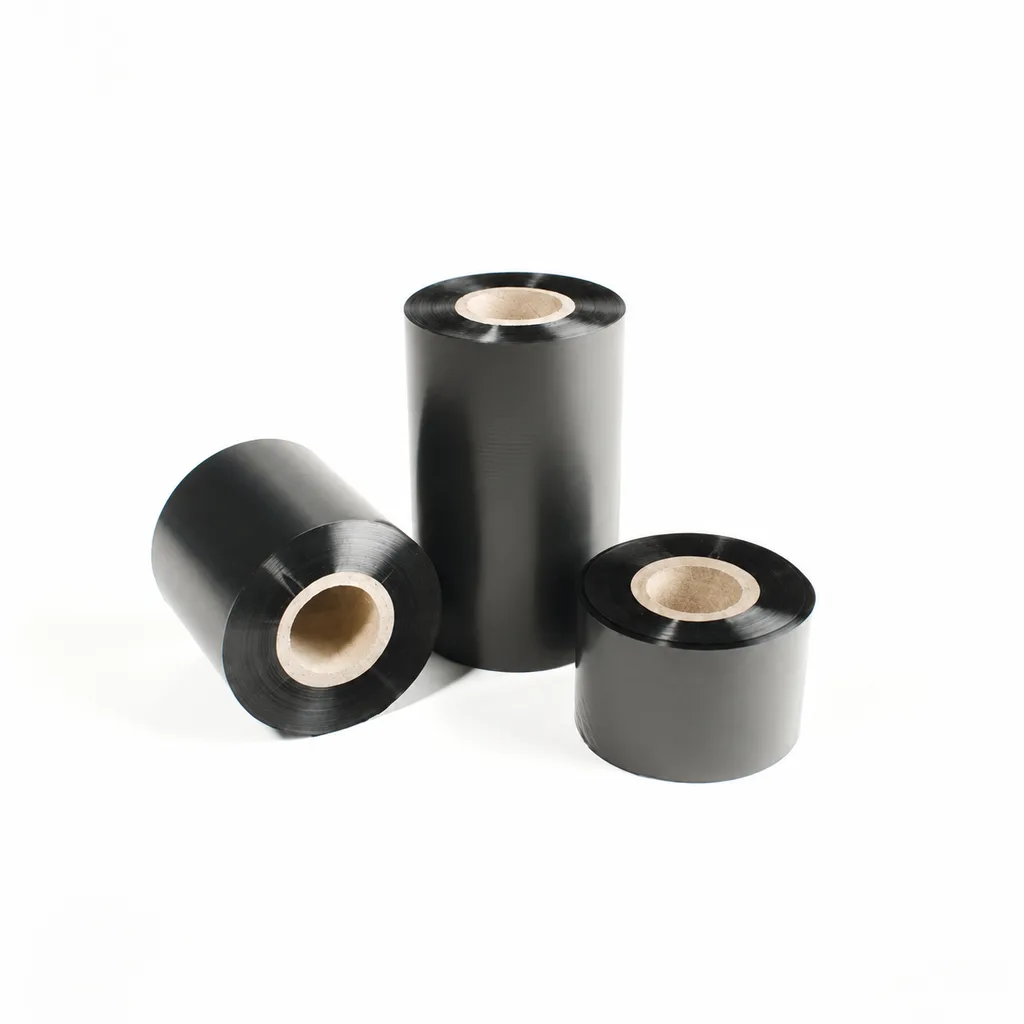
CL-Z112 Enhanced Wax Thermal Transfer Ribbon for Paper Labels and Tags
An enhanced wax thermal transfer ribbon with black ink for paper labels and tags used in retail, warehousing and logistics. It is specified for flat-head printing on desktop or industrial barcode printers at ≤8 inches per second (ips). Select it by checking the actual label material, printer configuration and handling conditions: image-quality, rub-resistance and cold-chamber results were obtained on coated paper, and print quality and image durability may vary with the printer and print medium.
View details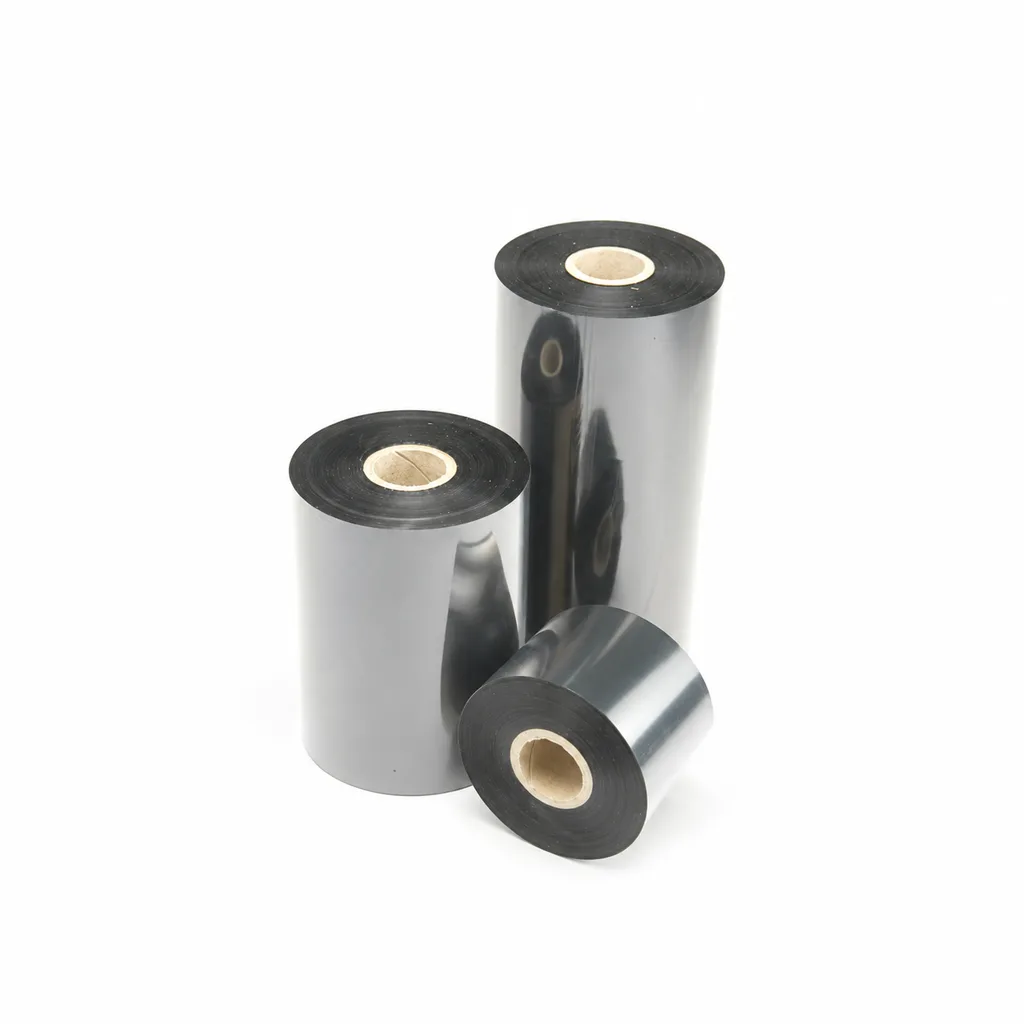
CL-Z203 Wax-Resin Thermal Transfer Ribbon for Barcode Labels
A black wax-resin thermal transfer ribbon for flat-head printing, with listed applications including retail, warehousing, logistics and garment tags. Select it against your actual label material and desktop or industrial barcode printer at speeds ≤6 ips (inches per second). Fine-line, small-text and durability results were obtained on coated paper; print quality and image durability may vary with the printer and printing substrate.
View details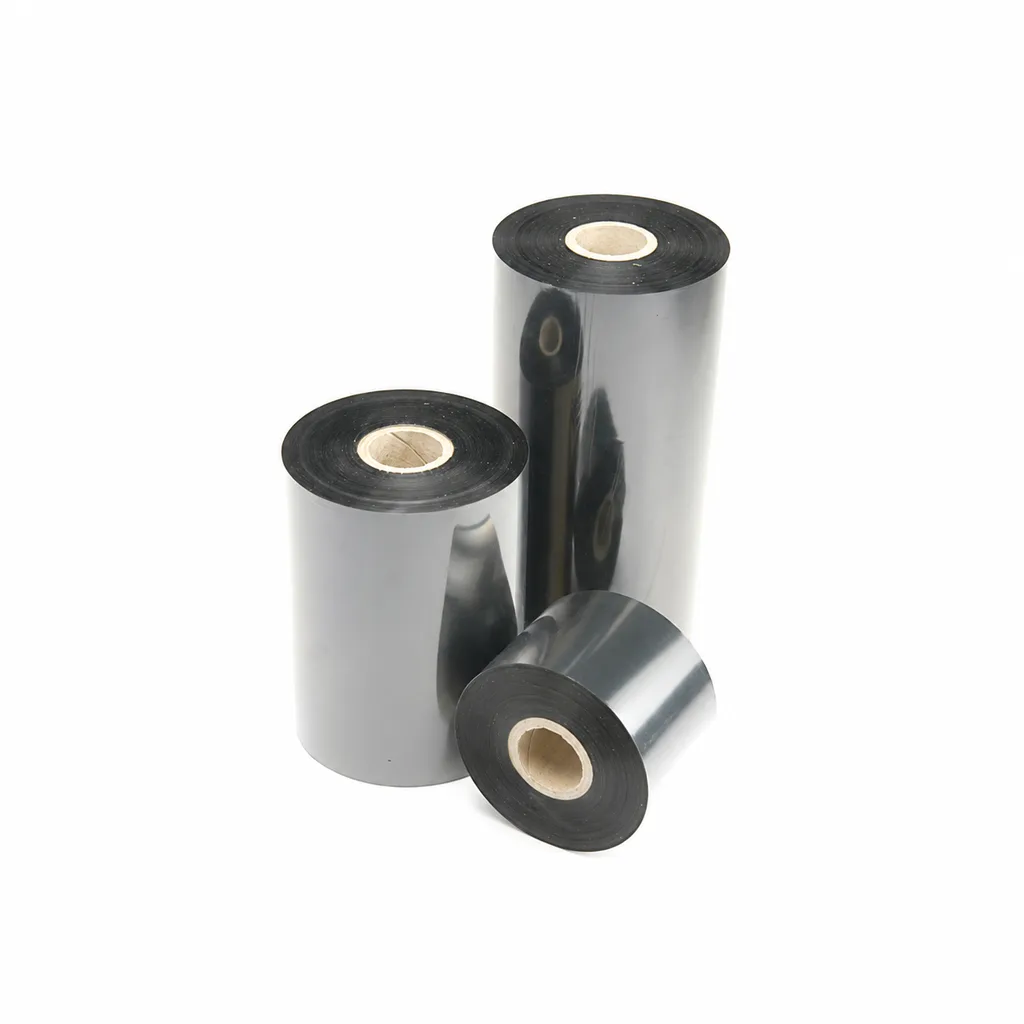
CL-Z213 Near-Edge Wax-Resin Thermal Transfer Ribbon for Barcode Labels
An enhanced black near-edge wax-resin thermal transfer ribbon for near-edge barcode printers and low- to medium-speed thermal transfer overprinting (TTO). Listed applications include retail labels, warehousing, garment tags and packaging identification. Match the printer, actual print medium and operating speed before selection: print quality and image durability can vary with the printer and substrate.
View details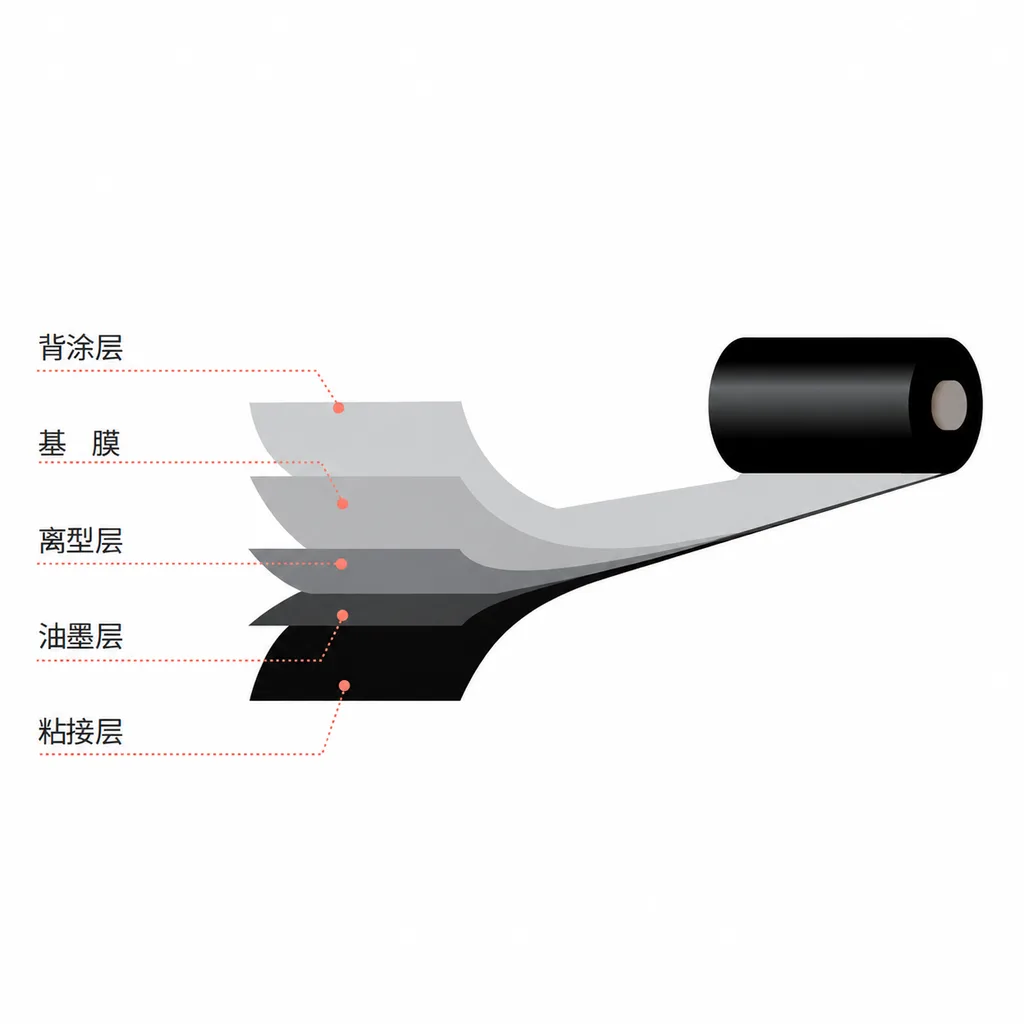
CL-Z312 Resin Thermal Transfer Ribbon for Packaging Printing
CL-Z312 is a black, general-purpose resin ribbon for thermal transfer overprinting (TTO), with packaging and retail label applications listed in the product information. Its abrasion, alcohol and oil resistance data were obtained on polyethylene terephthalate (PET). Select it against your actual packaging material, printer and production speed: print quality and image durability can vary with the printer and substrate, and the material chart percentages are not defined as pass rates.
View detailsNeed the right ribbon for your label application?
Share the label material, printer and operating environment. Our team will recommend a tested combination.
