
- Original TTR manufacturer since 2013
- Automated coating and slitting
- IQC / IPQC / OQC control
- ANSI barcode grade testing
- -20°C to 120°C environmental testing
- Batch-level traceability
- ANSI barcode grade
- Batch traceability
- RoHS / REACH compliance
- SGS and MSDS documents on request
Buyers choosing automotive label suppliers should compare the complete label and ribbon combination against the part, exposure and printer they will use. Ask each supplier for the relevant material and documentation, then print and assess samples against the customer's requirements before placing a production order.
Key Takeaways
- Define the part surface and expected exposure before comparing label materials.
- Match ribbon formulation, width, core size and roll length to the printer and label material.
- A label's adhesion and the legibility of its printed information need separate checks on the intended application.
- Where UL 969 recognition is specified, request documentation for the complete recognized label system.
Choose the label for the part and exposure
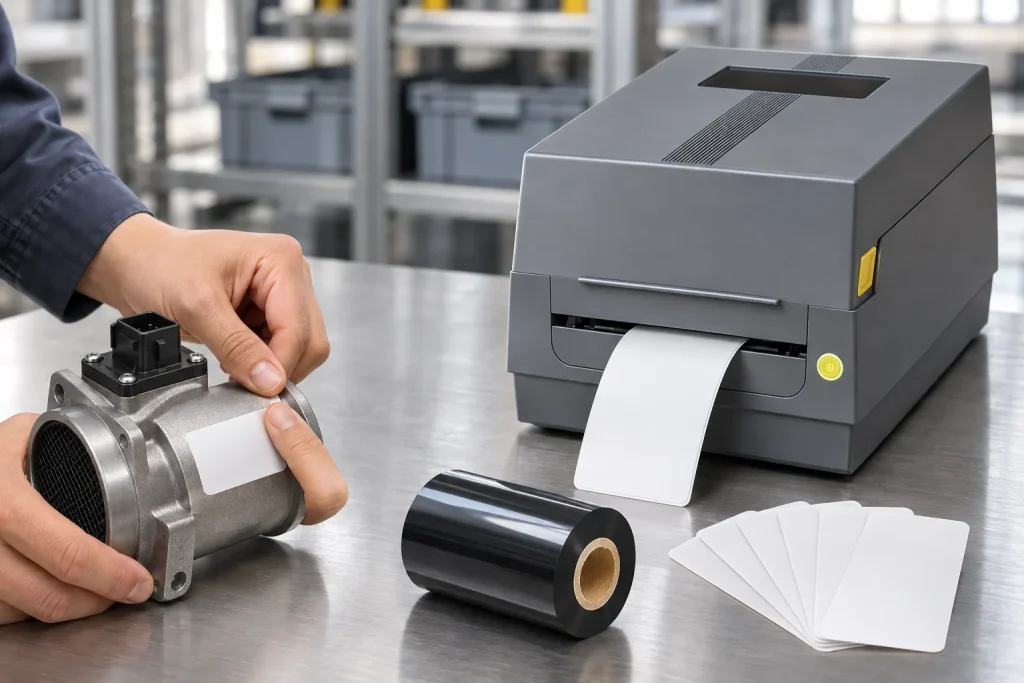
The intended automotive part and its exposure provide the starting point for comparing label stock. Record the surface, label shape and available space, along with the fluids, moisture, heat or abrasion specified for the application. Give each supplier the same description so that the proposed materials can be compared against the same need.
For an under-hood component, Colorfulttr lists a polyester label for exposure to brake fluid, fuels, oils, coolants and cleaning solvents. For safety components and automotive parts exposed to chemicals and moisture, its catalog also describes a silicone-adhesive PET label. These are different product descriptions: identify the relevant exposure and request a sample of the proposed material for the actual part rather than assuming either listing establishes suitability for your process.
Ask for the label construction and the supplier's documentation for the proposed combination. A material name alone does not identify the adhesive or demonstrate that the printed information will remain readable. If the application requires UL 969 recognition, ask the supplier to identify the valid PGDQ2 file and the recognized facestock, adhesive and print system for the proposed construction.
Match the ribbon and printer to the label
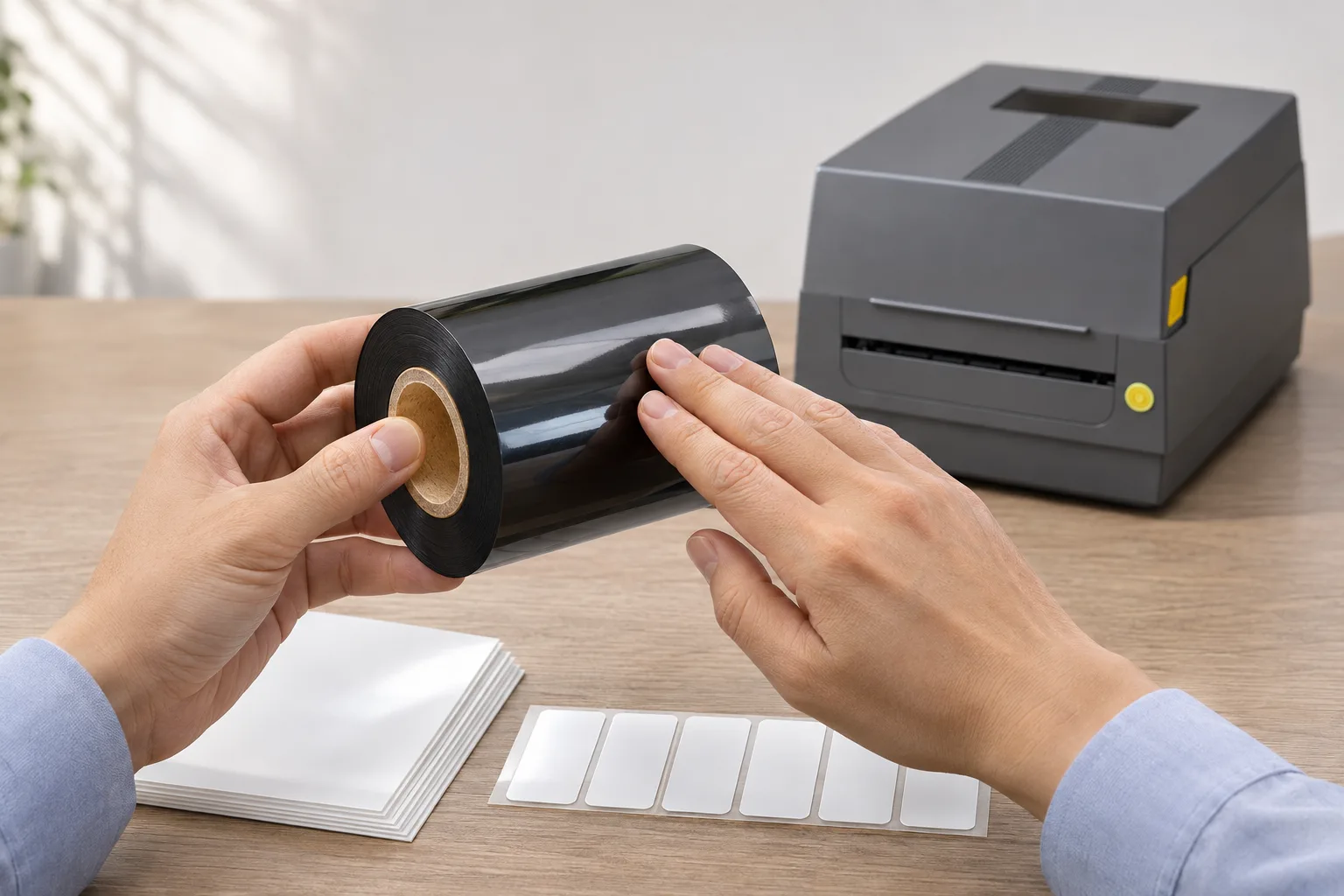
A thermal transfer ribbon selection depends on the ink formulation, ribbon width, core size and roll length as well as the printer and label material. Supply the printer model and the proposed label specification when requesting a recommendation; compare the complete combination rather than choosing on label price alone.
For each quotation, ask what ribbon is proposed, what label stock it is intended to print on and how the roll dimensions fit your equipment. If a supplier proposes a different construction, treat it as a separate candidate and print it on your own equipment. Keep the proposed label and ribbon identified together when comparing the samples.
Compare the cost of the label and ribbon together with the quantity, quotation terms and the work needed to verify each option. A lower unit quote is useful only after the proposed combination meets the same acceptance requirements as the alternatives. Request the missing roll dimensions or documentation before treating an incomplete quote as comparable.
Qualify samples before selecting a supplier
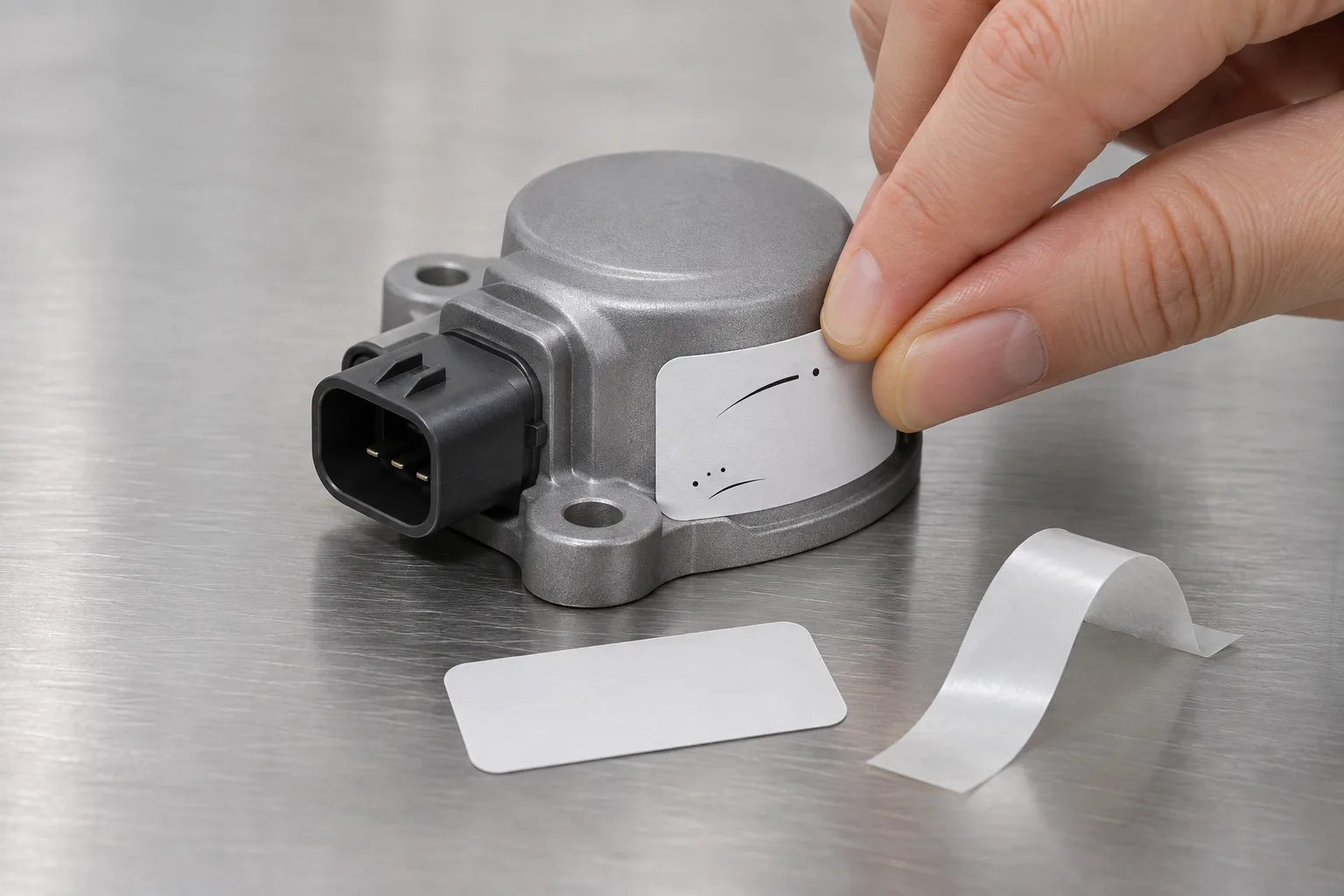
A useful supplier comparison applies the same customer requirements to each proposed label and ribbon combination. Prepare the part, printer, required label content and acceptance criteria before requesting samples; include the actual exposure conditions and any customer approval process in the request.
- Ask suppliers to identify the label construction, ribbon and relevant documentation for each sample.
- Print the required text and codes on the proposed stock with your production printer, then apply the labels to representative parts.
- Assess attachment and printed legibility after the relevant processing and exposure, and check the label content and format against the customer's specification.
- If a sample fails, record whether attachment, print legibility or the specified content failed, share the result with the supplier and request a revised combination or documentation. Repeat the assessment before approving it.
Keep the accepted sample and its construction details with the purchase specification. When comparing suppliers, ask how each will identify the same label and ribbon on a subsequent order, and agree on the details to review if the proposed construction changes.
Data and Evidence
The following comparisons distinguish catalog descriptions from verification on your own part and printer.
| Decision | Evidence or information to request | How to use it |
|---|---|---|
| Under-hood label | Colorfulttr describes its fluid-resistant polyester label for components exposed to brake fluid, fuels, oils, coolants and cleaning solvents. | Compare the named exposures with the application and assess a printed sample on the part. |
| Safety component or automotive part | Colorfulttr describes its silicone-adhesive PET label for exposure to chemicals and moisture. | Identify the actual chemicals and moisture conditions and assess the proposed construction. |
| Ribbon fit | Obtain formulation, width, core size and roll length for the printer and label material. | Confirm the dimensions and print a sample with the proposed stock. |
| UL 969 requirement | Request the valid PGDQ2 file and the recognized facestock, adhesive and print system. | Check that the documented system corresponds to the proposed construction and customer requirement. |
For the next supplier request, send the part and surface description, exposures, label content, printer model, required roll dimensions and applicable customer specification. Ask for the construction details and a sample of each proposed label and ribbon combination.
Frequently Asked Questions
What should I send a supplier for an under-hood label quote?
Send the component and surface details, the fluids and other exposures, required label content, printer model and customer specification. Ask for the proposed construction and a printable sample to assess on the component.
Does a UL 969 request cover any label and ribbon combination?
Check the specific combination against the supplier's documentation. The recognized system identifies the facestock, adhesive and print system under a valid PGDQ2 file.
What should I compare when suppliers quote different ribbon rolls?
Compare formulation, width, core size and roll length against your printer and label material. Print each proposed combination and assess it against the same requirements before comparing the complete costs.
Related Products & Guides
Recommended products for this industry
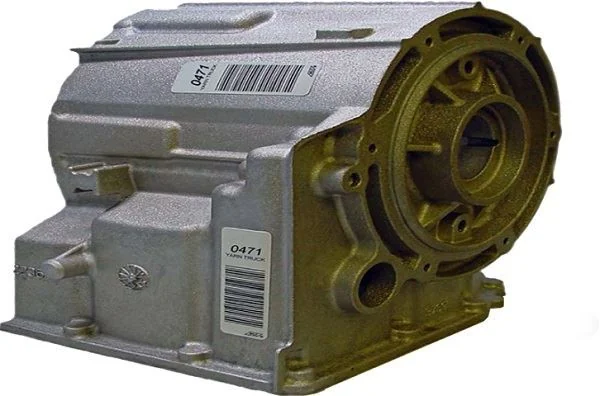
Automotive Fluid Resistant Polyester Label
Polyester label for under-hood components exposed to brake fluid, fuels, oils, coolants…
View details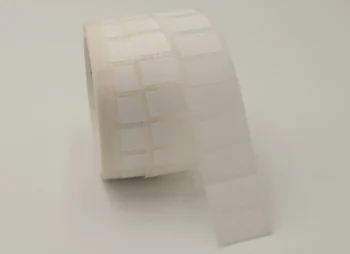
Automotive Vinyl Round Label Roll
Durable vinyl roll labels with round die-cut options for automotive spare parts and…
View details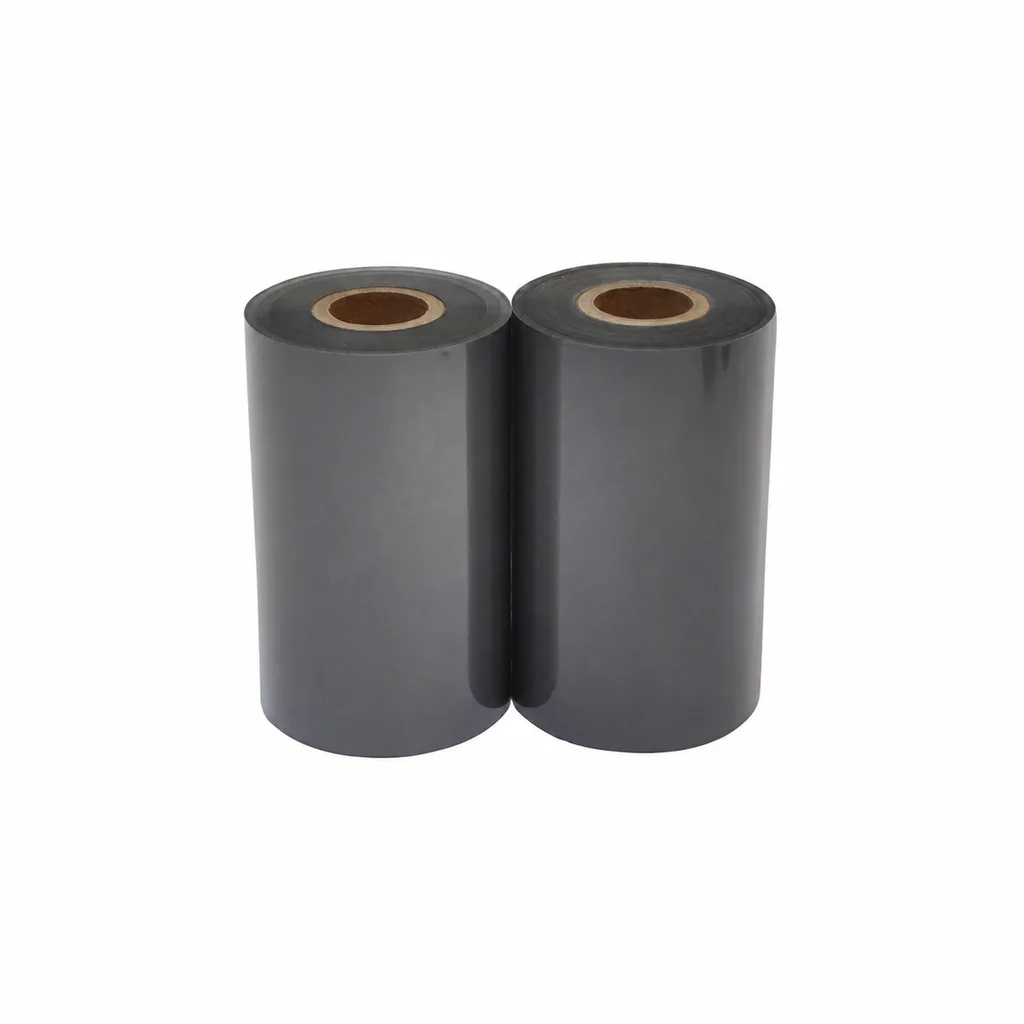
Black Resin Thermal Transfer Ribbon for Label Printing - CL-Z373
CL-Z373 is a black resin thermal transfer ribbon for label printing with desktop or industrial flat-head barcode printers at speeds of ≤6 ips (inches per second). Listed applications include electronics processing, tire identification, automotive manufacturing, pharmaceutical packaging, cosmetic labels and outdoor identification. Selection depends on the actual label material, printer and exposure conditions. Fine-line, small-character and resistance results were obtained on coated paper; print quality and image durability may vary with the printer and print substrate.
View details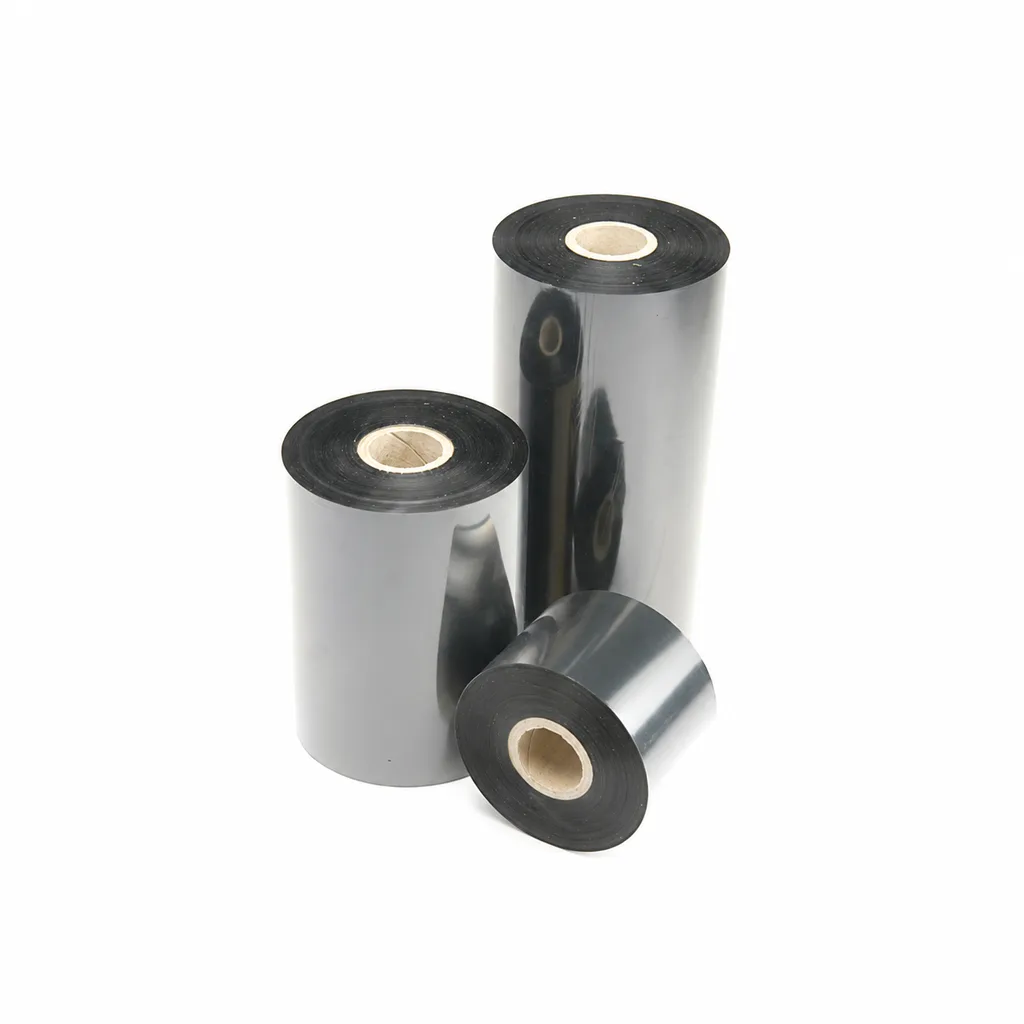
CL-Z213 Near-Edge Wax-Resin Thermal Transfer Ribbon for Barcode Labels
An enhanced black near-edge wax-resin thermal transfer ribbon for near-edge barcode printers and low- to medium-speed thermal transfer overprinting (TTO). Listed applications include retail labels, warehousing, garment tags and packaging identification. Match the printer, actual print medium and operating speed before selection: print quality and image durability can vary with the printer and substrate.
View detailsNeed the right ribbon for your label application?
Share the label material, printer and operating environment. Our team will recommend a tested combination.
