
How to Choose a Thermal Transfer Ribbon Manufacturer for Your Printer and Labels
Request a solution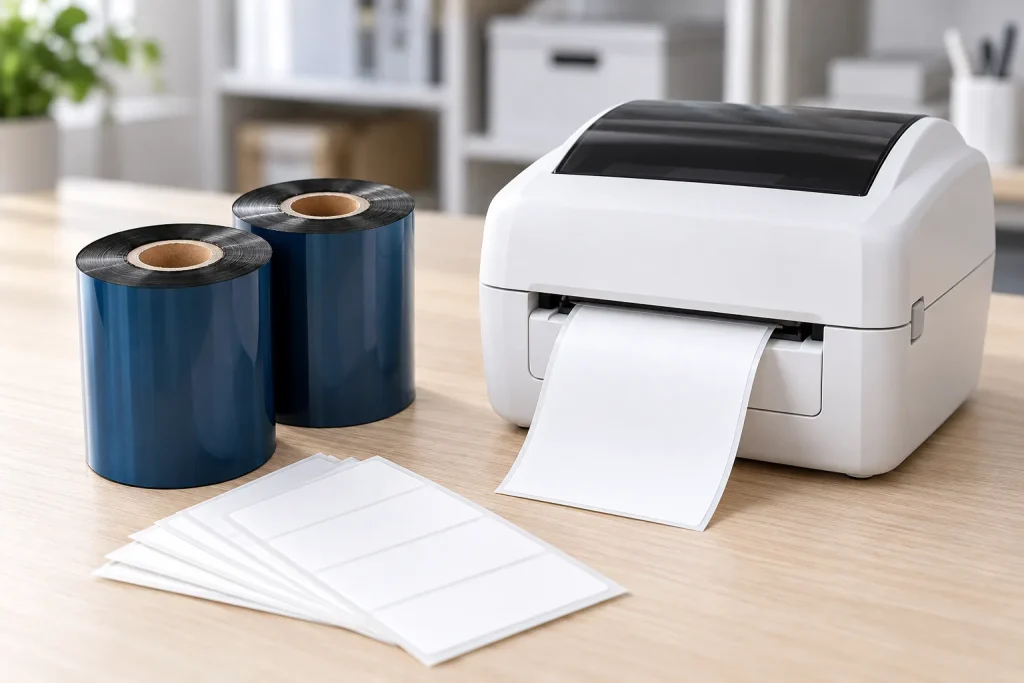
- Original TTR manufacturer since 2013
- Automated coating and slitting
- IQC / IPQC / OQC control
- ANSI barcode grade testing
- -20°C to 120°C environmental testing
- Batch-level traceability
- ANSI barcode grade
- Batch traceability
- RoHS / REACH compliance
- SGS and MSDS documents on request
Key Takeaways
- Transfer ribbons are made by applying wax, resin, or a mixture to a polyester sheet, and that formulation choice shapes how the finished label performs.
- At the point of the print head, a layer of ribbon is placed on top of the label, which is how the printer produces long-lasting images on a wide variety of materials.
- Thermal transfer printing resists environmental elements like moisture, oil, and UV light, which suits price tags, barcode labels, and demanding e-commerce or medical work.
- Ribbon width, core size, and ink-side orientation have to match your printer before you commit to an order.
- Sample prints on your own label stock settle formulation questions faster than any datasheet.
What a Thermal Transfer Ribbon Manufacturer Supplies
A thermal transfer ribbon manufacturer supplies the consumable that makes thermal transfer printing work — a film carrier coated with ink, not a finished printed label. These transfer ribbons are made by applying wax, resin, or a mixture to a polyester sheet, so what you are really buying is a formulation, a backing, and a set of physical dimensions. Inside the printer, at the point of the print head, a layer of ribbon is placed on top of the label, and the heat from the print head transfers the coating onto the surface. That process is what lets thermal transfer labels produce long-lasting and durable images on a wide variety of materials, from paper tags to synthetic stock.
This construction defines the supplier relationship. A ribbon manufacturer controls the formulation recipe, the coating quality, and the winding dimensions — the variables that decide whether a ribbon runs cleanly on your printer and survives on your product. The printing itself happens on your equipment, so the manufacturer's job is to help you select the right consumable and prove it before you order in volume. You bring the printer, the label stock, and the application conditions; the manufacturer brings the chemistry and the dimensional fit.
How to Match Ribbon Formulation to Your Labels and Environment
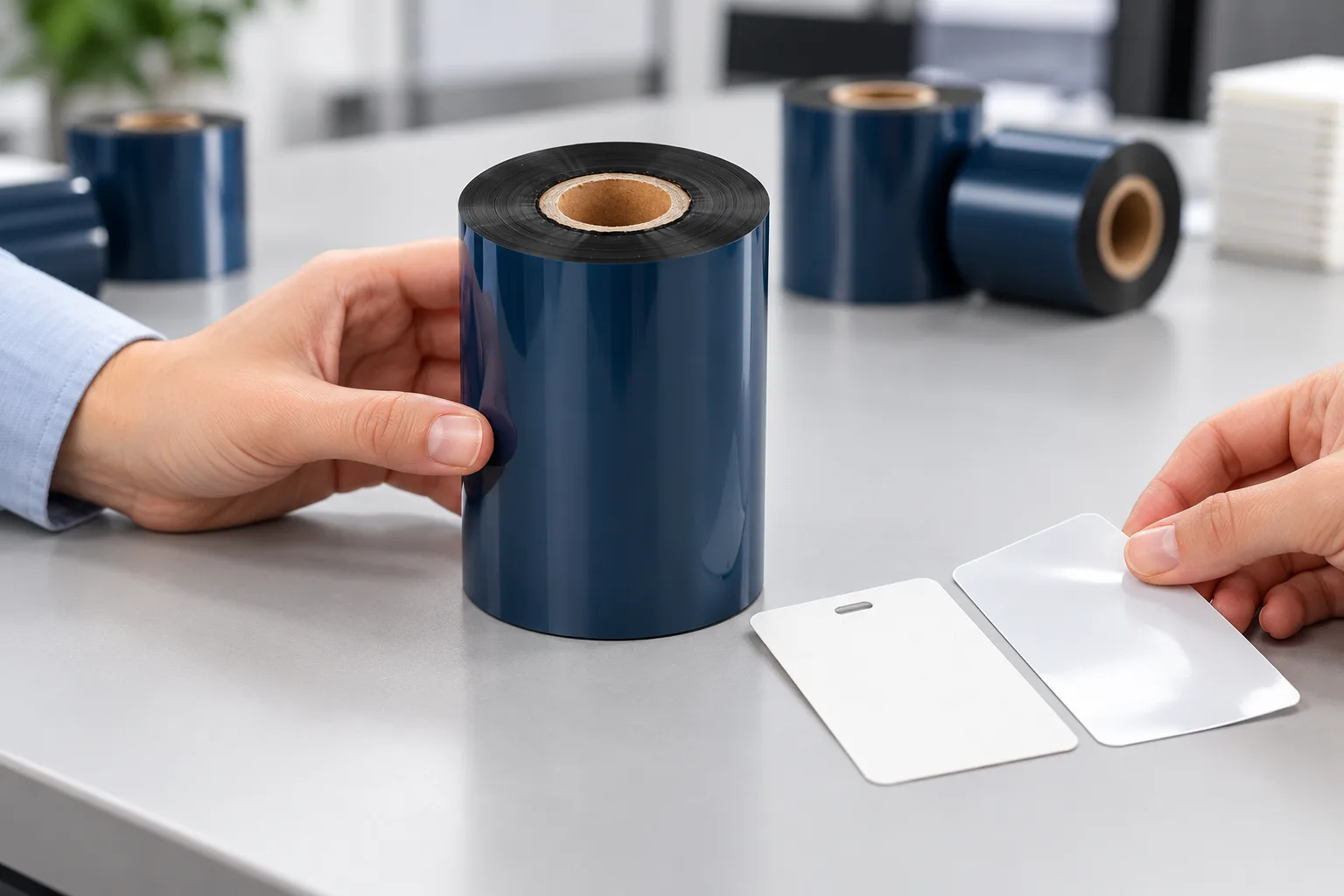
Formulation is the first decision in ribbon selection: manufacturers coat the polyester backing with wax, resin, or a mixture of the two, and each chemistry serves different label jobs. Work through three inputs before you ask for a quote. First, the label material — paper, film, or synthetic — because the bond between coating and surface is where durability is decided. Second, the conditions the label must survive: thermal transfer printing produces long-lasting results by resisting environmental elements like moisture, oil, and UV light, and which of those matters most depends on where the label travels. Third, the application's expectations — retail price tags and barcode labels remain the classic thermal transfer jobs, while demand for strong and high-quality labels has increased particularly in e-commerce and the medical field, where a failed print costs far more than the ribbon.
Bring those three inputs to the manufacturer and ask one direct question: which formulation do you recommend for this substrate and these conditions, and why? A supplier who answers with a specific recommendation and a sample is worth shortlisting; a supplier who answers with a product code alone is a risk. Do not treat a datasheet as the final word on your labels either — the combination of your printer, your stock, and your environment is exactly what the sample step exists to test.
How to Qualify a Ribbon Manufacturer Before You Order
A qualified ribbon manufacturer answers application questions, confirms dimensional compatibility, and backs the quote with printed samples on your stock.
- Send the application profile: printer model, label material and dimensions, and the conditions the labels face in storage, transit, and end use.
- Ask which formulation family the supplier recommends for that profile — wax, wax-resin mixture, or resin — and request the reasoning tied to your substrate and exposure.
- Confirm the physical fit: ribbon width, core size, and ink-side winding orientation must match the printer, and the supplier should verify them against the model rather than assume.
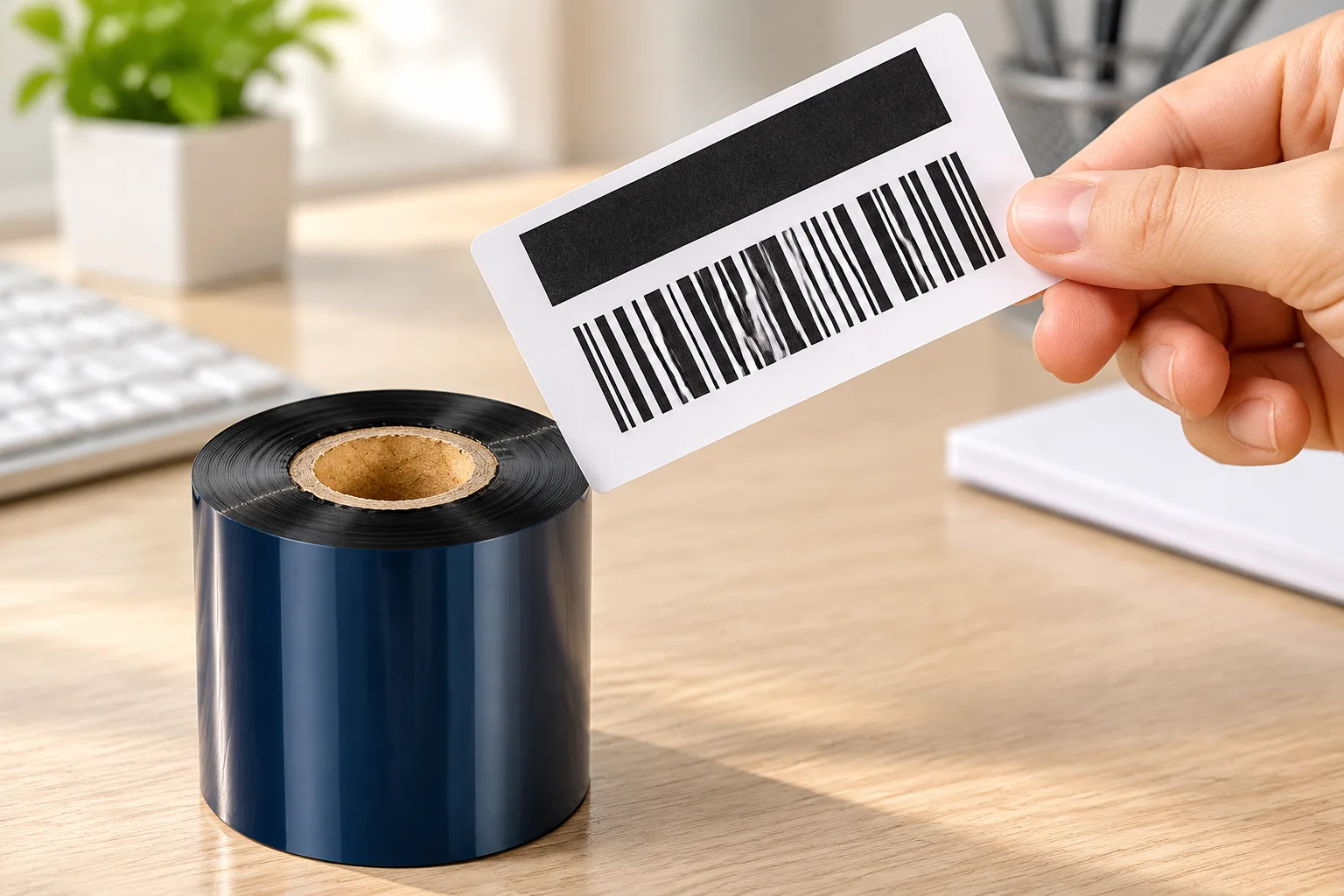
- Request sample rolls or printed samples on your actual label stock, then test the way the label will be used: scan the barcode, wipe it, chill it, and expose it to the light and moisture it will meet in the field.
- Compare at least two manufacturers on the same test, and weigh how precisely each one asked about your application before quoting.
The qualification conversation also reveals scope. COLORFULTTR, for example, manufactures thermal transfer ribbons and printing consumables and does not print finished labels for customers — a supplier who stays in that lane and spends the conversation on your print result is showing you where its expertise lives. Whatever brand you shortlist, the pattern holds: the more specific the questions about your printer and labels, the more reliable the formulation recommendation will be.
Data and Evidence
The table below gathers the verified construction facts behind this guide, alongside the check that confirms each one on your own line.
| Selection factor | What the evidence establishes | How to verify it on your line |
|---|---|---|
| Ribbon construction | Transfer ribbons are made by applying wax, resin, or a mixture to a polyester sheet | Ask the manufacturer to state the base formulation of the quoted ribbon |
| Imaging method | At the point of the print head, a layer of ribbon is placed on top of the label | Confirm ribbon width, core, and ink-side orientation against your printer model |
| Print durability | The printing process produces long-lasting results by resisting environmental elements like moisture, oil, and UV light | Trial-print on your label stock and check the result under real storage and handling conditions |
| Material range | Thermal transfer labels produce long-lasting and durable images on a wide variety of materials | Run the sample on the exact label material you use, not a substitute |
| Proven applications | Retail price tags and barcode labels are established uses, and demand for strong, high-quality labels has increased in e-commerce and the medical field | State your application explicitly and ask for comparable use cases |
Treat the middle column as the boundary of what a manufacturer can promise before seeing your application. Anything beyond it — exact service life, scan success on your artwork, resistance to chemicals used in your process — has to come from the sample test on your materials with your printer. That is the whole loop in five moves: profile, recommendation, sample, field check, volume. To start it, send your printer model, label stock, and exposure conditions to a manufacturer such as COLORFULTTR and ask for printed samples on your own labels.
Frequently Asked Questions
What is the difference between wax, wax-resin, and resin thermal transfer ribbons?
The difference is the coating chemistry applied to the polyester backing: pure wax, pure resin, or a mixture of the two. Each formulation suits different label materials and exposure conditions, so the practical answer comes from matching the chemistry to your substrate and then confirming it with printed samples rather than choosing from a catalog.
How do I know if a thermal transfer ribbon will fit my label printer?
Check three physical details: the ribbon width your printer accepts, the core diameter, and the ink-side winding orientation. Send your printer model to the manufacturer and ask them to confirm the correct ribbon dimensions and winding for that specific model before you order.
Can thermal transfer labels survive moisture, oil, and sunlight?
Thermal transfer printing is designed for durable output: the process produces long-lasting results by resisting environmental elements like moisture, oil, and UV light. How that translates to your labels depends on the formulation and the label stock, so test a sample under the actual conditions the label will face.
Do thermal transfer ribbons work on both paper labels and synthetic films?
Thermal transfer printing produces durable images on a wide variety of materials, which is why manufacturers offer more than one coating chemistry — wax, wax-resin mixture, and resin — on the same polyester backing. Which formulation matches your specific stock is exactly what the sample test confirms.
Why do e-commerce and medical labels rely on thermal transfer printing?
Both sectors have driven increased demand for strong and high-quality labels, and thermal transfer fits that requirement because it produces long-lasting, durable images on a wide variety of materials while resisting moisture, oil, and UV light.
Recommended products for this industry
CL-Z364 Thermal Transfer Ribbon for Wash-Care Labels
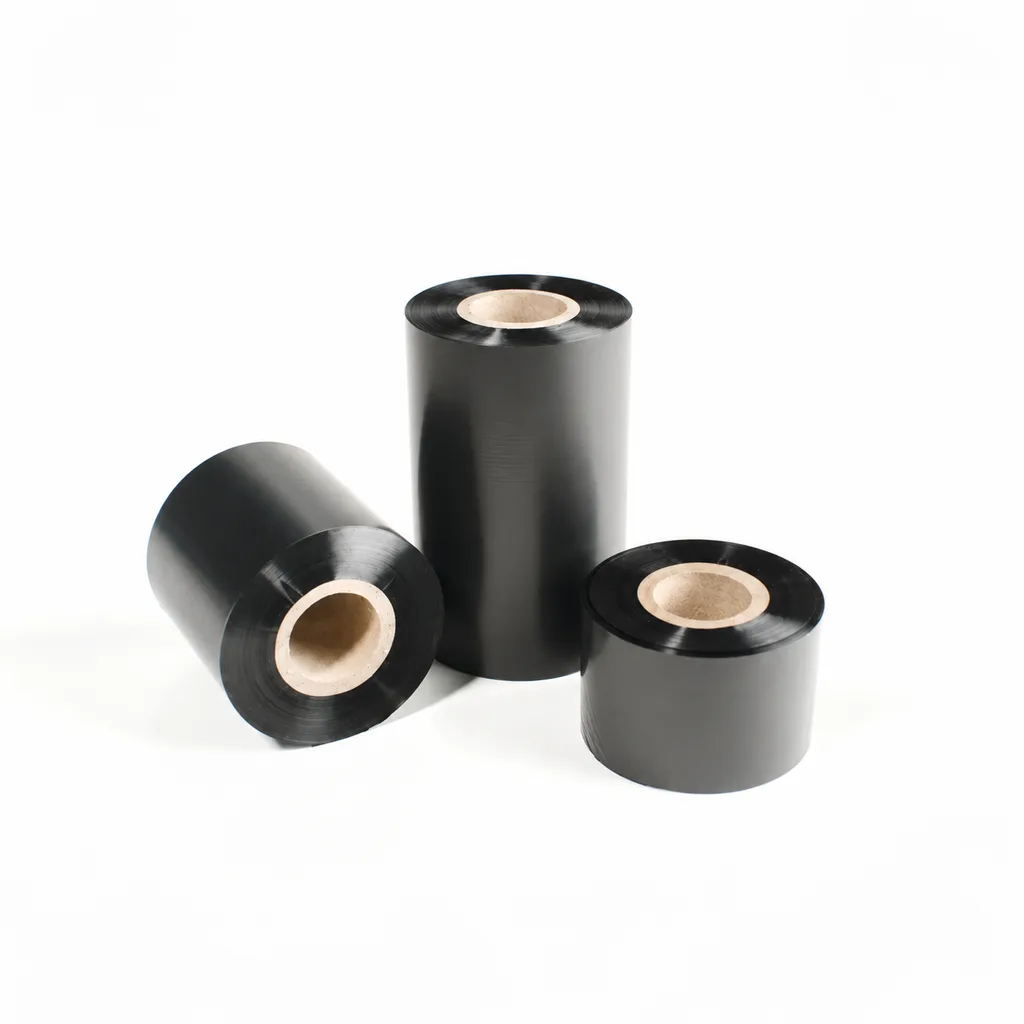
An economical black thermal transfer ribbon for wash-care label printing on flat-head desktop or industrial barcode printers at ≤4 ips (inches per second). The documented materials include satin ribbon, nylon-coated ribbon and thermoplastic polyurethane (TPU). Select it against your actual label material, printer and washing process: print quality and image durability can vary with the printer and printing substrate.
View details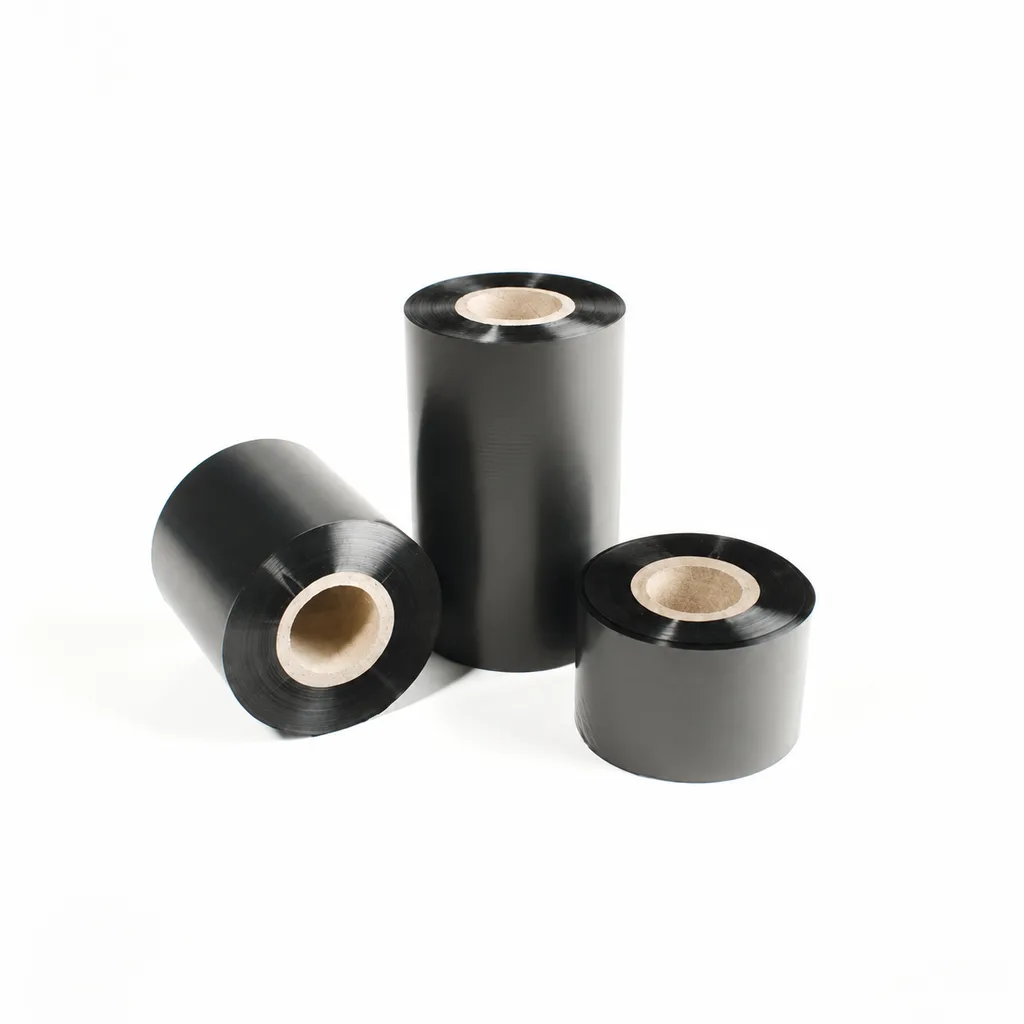
CL-Z112 Enhanced Wax Thermal Transfer Ribbon for Paper Labels and Tags
An enhanced wax thermal transfer ribbon with black ink for paper labels and tags used in retail, warehousing and logistics. It is specified for flat-head printing on desktop or industrial barcode printers at ≤8 inches per second (ips). Select it by checking the actual label material, printer configuration and handling conditions: image-quality, rub-resistance and cold-chamber results were obtained on coated paper, and print quality and image durability may vary with the printer and print medium.
View details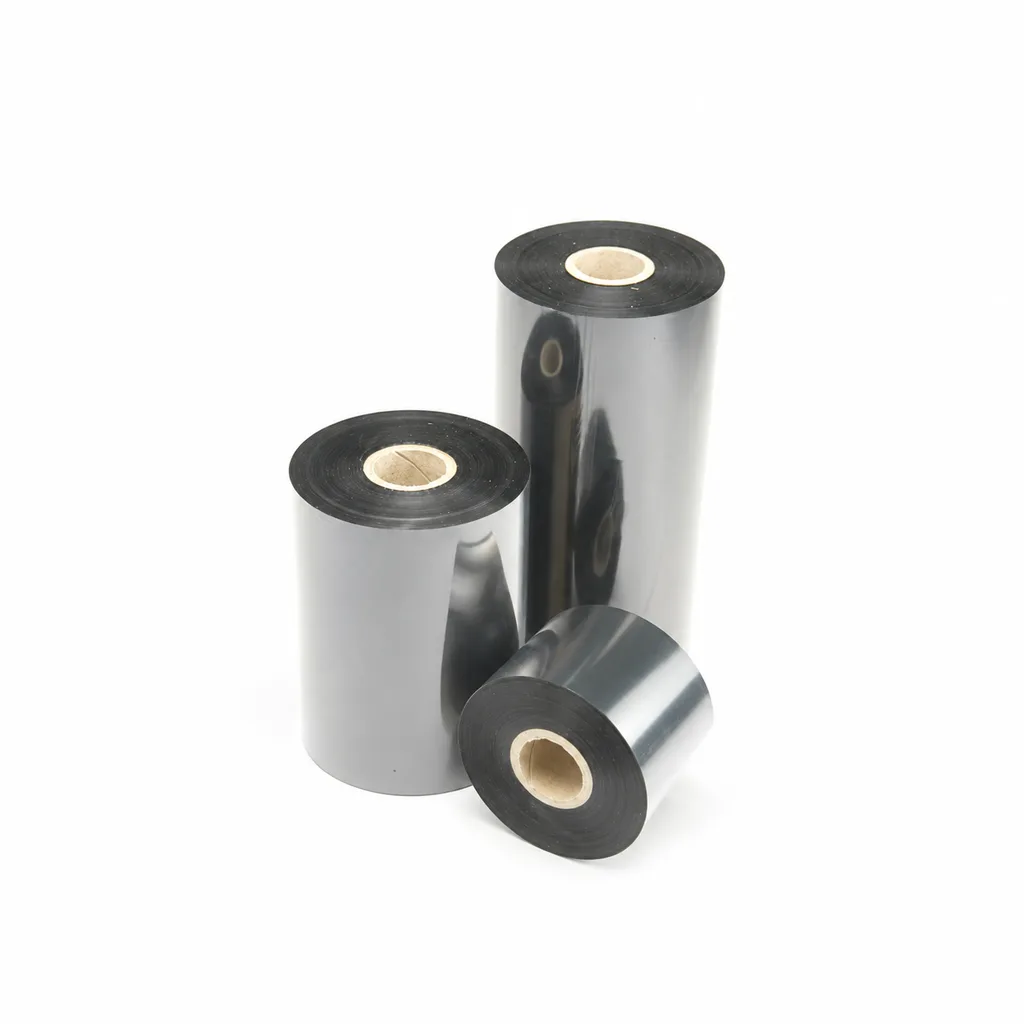
CL-Z203 Wax-Resin Thermal Transfer Ribbon for Barcode Labels
A black wax-resin thermal transfer ribbon for flat-head printing, with listed applications including retail, warehousing, logistics and garment tags. Select it against your actual label material and desktop or industrial barcode printer at speeds ≤6 ips (inches per second). Fine-line, small-text and durability results were obtained on coated paper; print quality and image durability may vary with the printer and printing substrate.
View details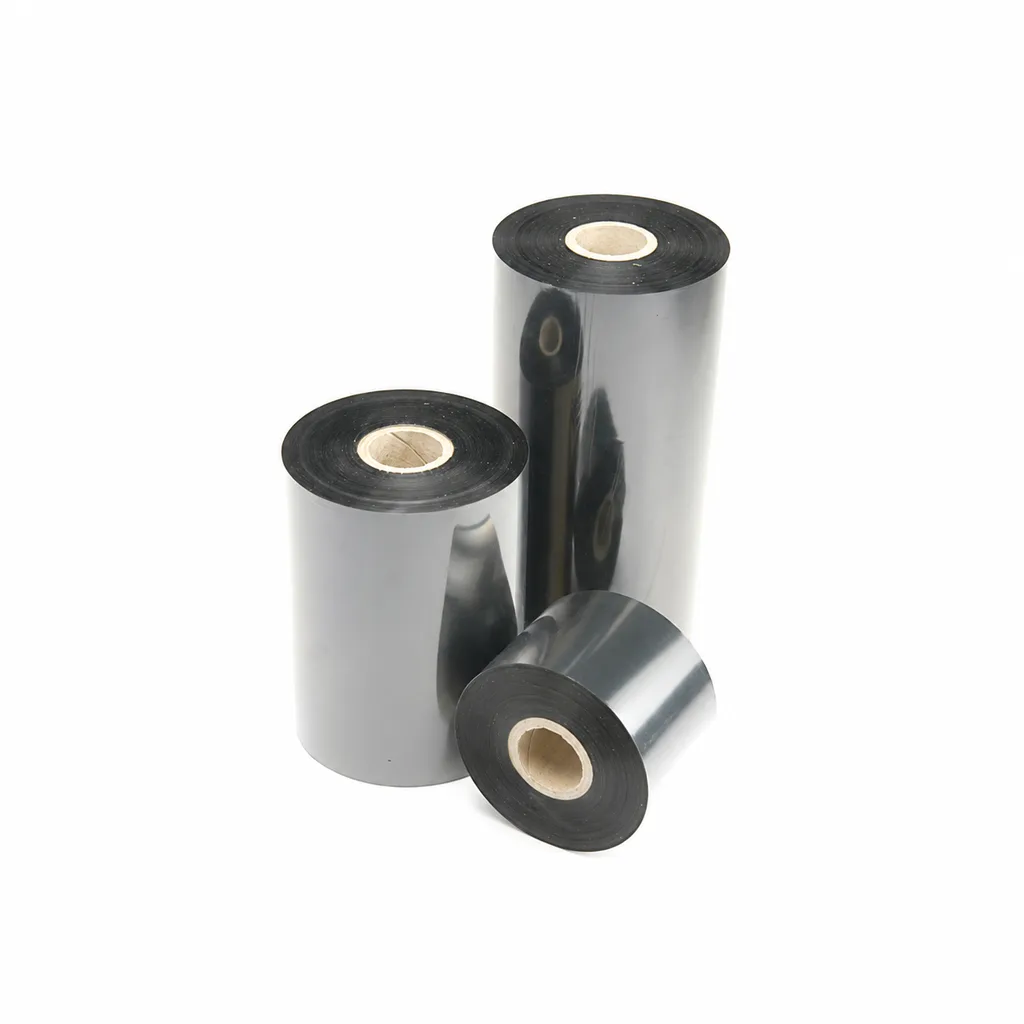
CL-Z213 Near-Edge Wax-Resin Thermal Transfer Ribbon for Barcode Labels
An enhanced black near-edge wax-resin thermal transfer ribbon for near-edge barcode printers and low- to medium-speed thermal transfer overprinting (TTO). Listed applications include retail labels, warehousing, garment tags and packaging identification. Match the printer, actual print medium and operating speed before selection: print quality and image durability can vary with the printer and substrate.
View detailsNeed the right ribbon for your label application?
Share the label material, printer and operating environment. Our team will recommend a tested combination.
