

- Original TTR manufacturer since 2013
- Automated coating and slitting
- IQC / IPQC / OQC control
- ANSI barcode grade testing
- -20°C to 120°C environmental testing
- Batch-level traceability
- ANSI barcode grade
- Batch traceability
- RoHS / REACH compliance
- SGS and MSDS documents on request
Choose a thermal transfer ribbon by matching it to the label face stock and required service life, then confirm the combination on your printer. BIS lists wax as a lower-cost option for paper labels and wax-resin for coated paper and some synthetic stocks where more smudge or scratch resistance is needed. Resin recommendations and printer dimensions are not universal, so verify the exact media and ribbon combination with a sample.
Key Takeaways
- BIS lists wax for uncoated or coated paper with short-to-moderate label life.
- BIS lists wax-resin for coated or gloss paper when better smudge and scratch resistance is needed.
- Successful thermal transfer printing depends on compatibility among printer, ribbon, and substrate.
- Check the printed sample on the intended label before ordering in volume.
Match the Ribbon to the Label and Its Use
Start with the label face material and how long its printed information must remain usable. For uncoated or coated paper labels with short-to-moderate life requirements, the BIS comparison lists wax as the lowest-cost choice and says it provides sufficient durability for that stated range. Wax is therefore a reasonable starting point when the stock is paper and ribbon cost matters.
For coated paper or gloss stock, the comparison identifies wax-resin as an option with better smudge and scratch resistance than wax at moderate cost. It also lists polyester and polypropylene with moderate durability as materials for which wax-resin can bridge paper and synthetic use without full resin cost. Treat these as starting matches, not guarantees for every coating or environment.
Before selecting, record the face stock, expected handling, and required label life. The cited sources do not specify a ribbon grade or performance result for chemical exposure, heat, outdoor use, or textile washing. For those conditions, do not infer suitability from a material name; obtain a sample on the intended stock and assess it in the actual application.
Decide Whether Direct Thermal or Thermal Transfer Fits
Direct thermal printing forms an image on heat-sensitive label material, while thermal transfer uses a ribbon between printhead and label. SATO describes the ribbon as a buffer between printhead elements and label material; it also says many ribbons have a back coating intended to reduce static and friction and increase printhead life. This is a design purpose, not a guaranteed result for every printer or ribbon.
Choose by checking the printer and label stock already in use. Direct thermal does not use a ribbon as a consumable, while thermal transfer requires a ribbon compatible with both printer and substrate. There is no universal cost winner between the two methods. Compare the actual media costs against the useful life your application requires.

Check Printer Compatibility Before Ordering
A ribbon must work with both the printer and label substrate. Avery Dennison’s compatibility guide says many product, ribbon, and printer combinations exist and successful results depend on mutual compatibility. Confirm the exact printer model and label material using printer documentation or supplier specifications before purchase.
Check the printer’s specified ribbon width, core, roll length, and ink-side orientation. Ribbon dimensions and winding rules are not universal, so use requirements for the exact printer model. The Zebra glossary excerpt says that if ribbon is narrower than media, printhead areas are left unprotected and subject to premature wear. Follow the printer specification so ribbon width protects the printhead across the media width.
Where resolution or operating settings may affect a proposed ribbon, verify the match with the printer manual or a sample. For a useful sample or quote request, provide the printer model, label face material, media width, core requirement, and conditions the printed label must withstand.
Data and Evidence
The table lists only the starting matches and trade-offs from the sources cited above. They do not establish precise prices, temperature ranges, chemical resistance, or service-life guarantees.
| Stock or requirement | Starting point | Trade-off or check |
|---|---|---|
| Uncoated or coated paper; short-to-moderate life | Wax | Lowest cost, with sufficient durability for the stated label-life range. |
| Coated paper or gloss stock | Wax-resin | Better smudge and scratch resistance than wax at moderate cost. |
| Polyester or polypropylene; moderate durability | Wax-resin | Described as bridging paper and synthetic use without full resin cost; confirm exact stock. |
| Printer, ribbon, and substrate | Confirm all three together | Compatibility is mutual; check the printer specifications and test the intended label. |
Validate a candidate by printing the intended stock on the target printer, inspecting legibility, and handling the sample as the finished label will be used. Record the ribbon and media details so a successful combination can be reordered.
Frequently Asked Questions
Which thermal transfer ribbon should I try first for coated paper labels?
BIS lists wax-resin for coated paper or gloss stock when better smudge and scratch resistance than wax is needed. Test it on the exact label stock before ordering.
Can I use a wax-resin ribbon on polyester or polypropylene labels?
The comparison lists wax-resin for polyester and polypropylene where moderate durability is needed. Confirm compatibility with the exact substrate and printer, then check a sample.
How do I check ribbon width and core compatibility with my printer?
Use specifications for the exact printer model to confirm width, core, roll length, and ink-side orientation. A ribbon narrower than the media can leave printhead areas unprotected and subject to premature wear.
Is direct thermal or thermal transfer cheaper for my labels?
There is no universal lower-cost method. Compare actual media costs and required label life, and verify the choice on the intended stock.
Recommended products for this industry
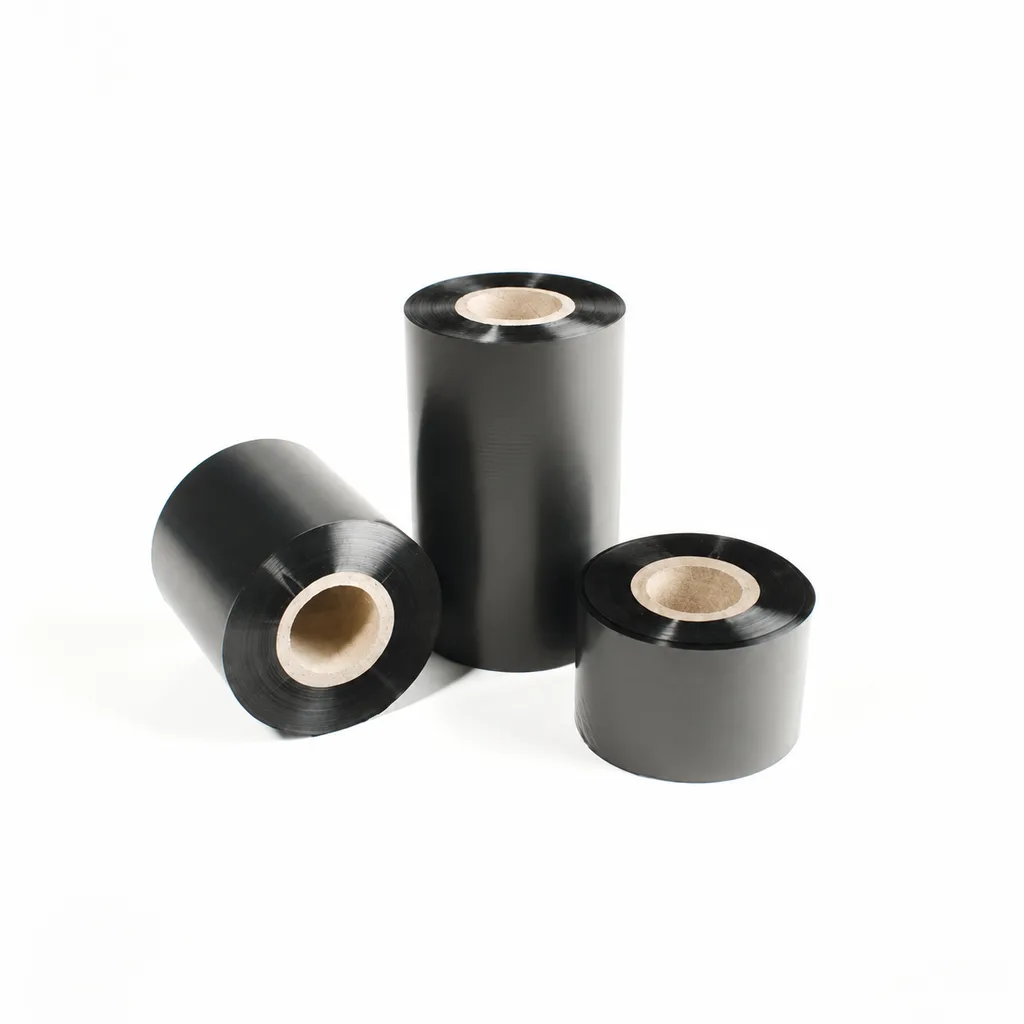
CL-Z112 Enhanced Wax Thermal Transfer Ribbon for Paper Labels and Tags
An enhanced wax thermal transfer ribbon with black ink for paper labels and tags used in retail, warehousing and logistics. It is specified for flat-head printing on desktop or industrial barcode printers at ≤8 inches per second (ips). Select it by checking the actual label material, printer configuration and handling conditions: image-quality, rub-resistance and cold-chamber results were obtained on coated paper, and print quality and image durability may vary with the printer and print medium.
View details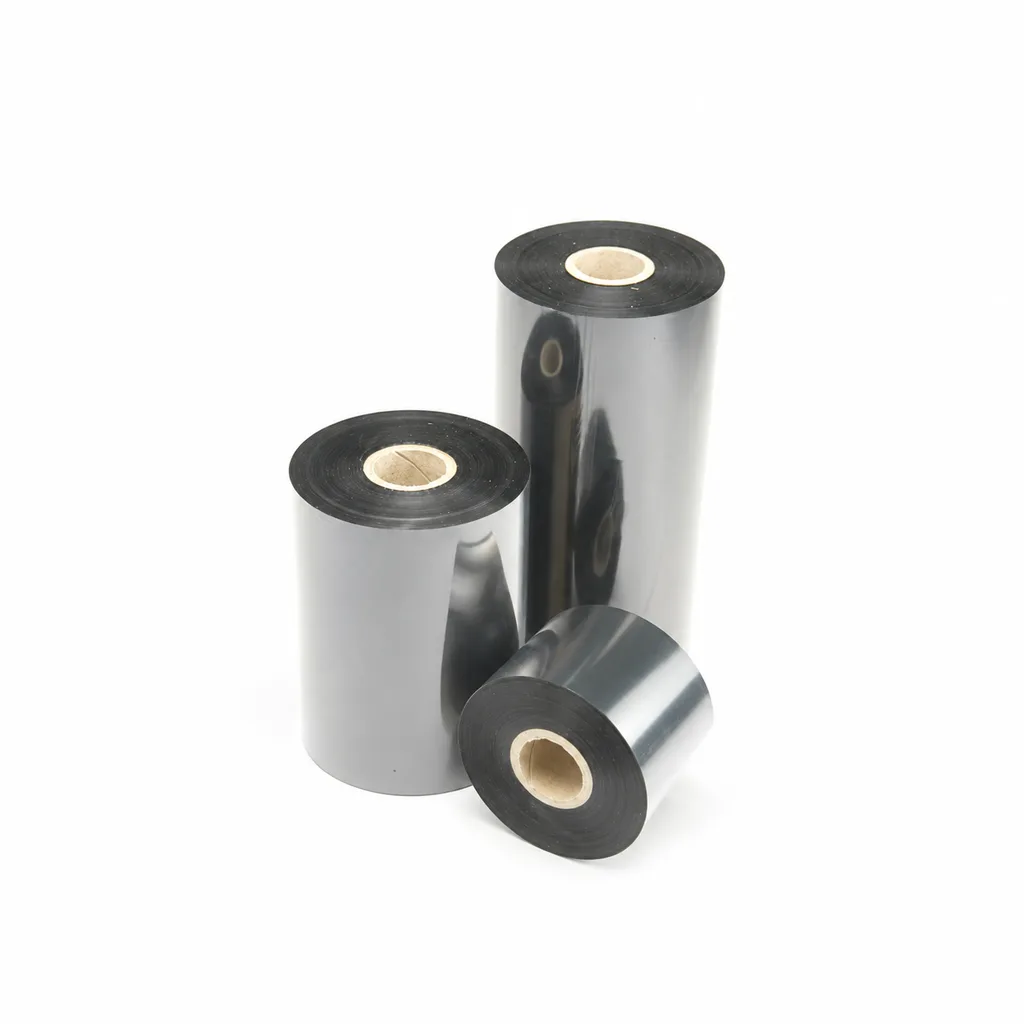
CL-Z203 Wax-Resin Thermal Transfer Ribbon for Barcode Labels
A black wax-resin thermal transfer ribbon for flat-head printing, with listed applications including retail, warehousing, logistics and garment tags. Select it against your actual label material and desktop or industrial barcode printer at speeds ≤6 ips (inches per second). Fine-line, small-text and durability results were obtained on coated paper; print quality and image durability may vary with the printer and printing substrate.
View details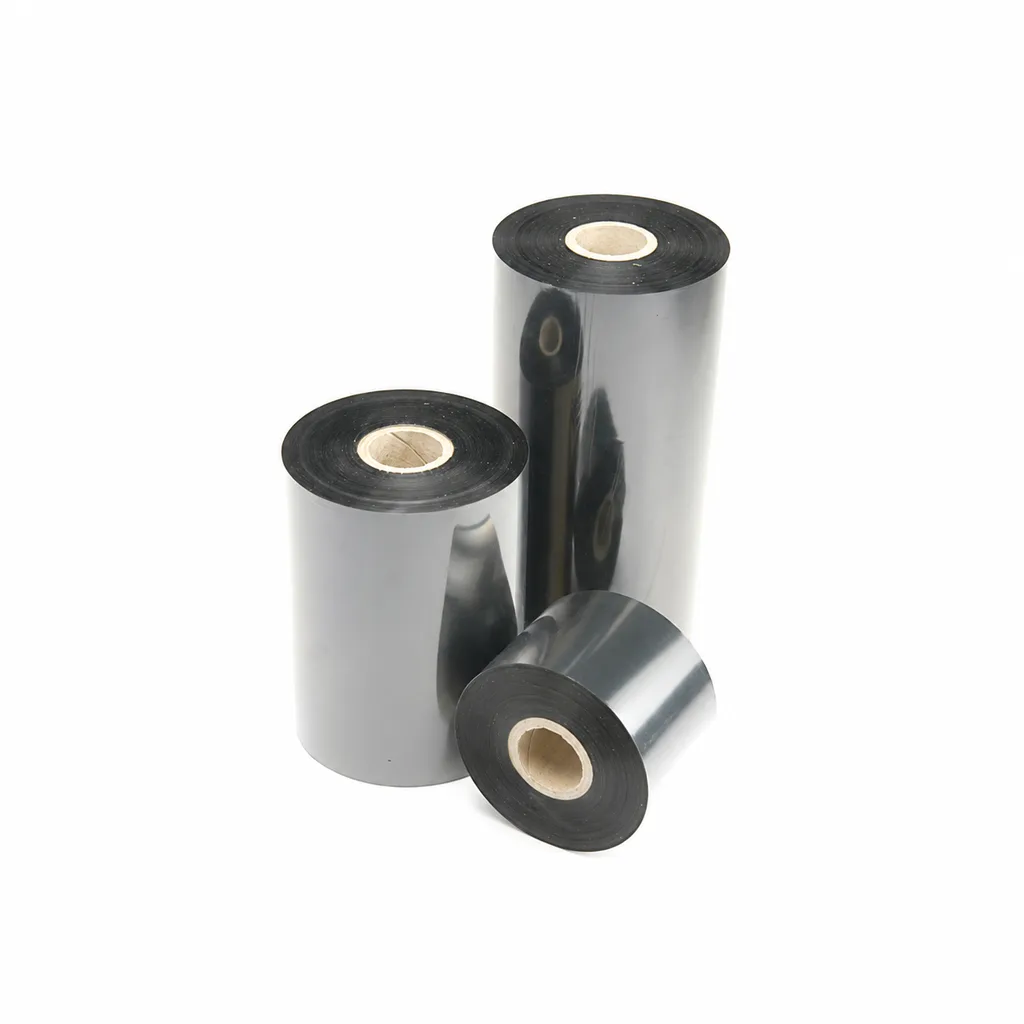
CL-Z213 Near-Edge Wax-Resin Thermal Transfer Ribbon for Barcode Labels
An enhanced black near-edge wax-resin thermal transfer ribbon for near-edge barcode printers and low- to medium-speed thermal transfer overprinting (TTO). Listed applications include retail labels, warehousing, garment tags and packaging identification. Match the printer, actual print medium and operating speed before selection: print quality and image durability can vary with the printer and substrate.
View details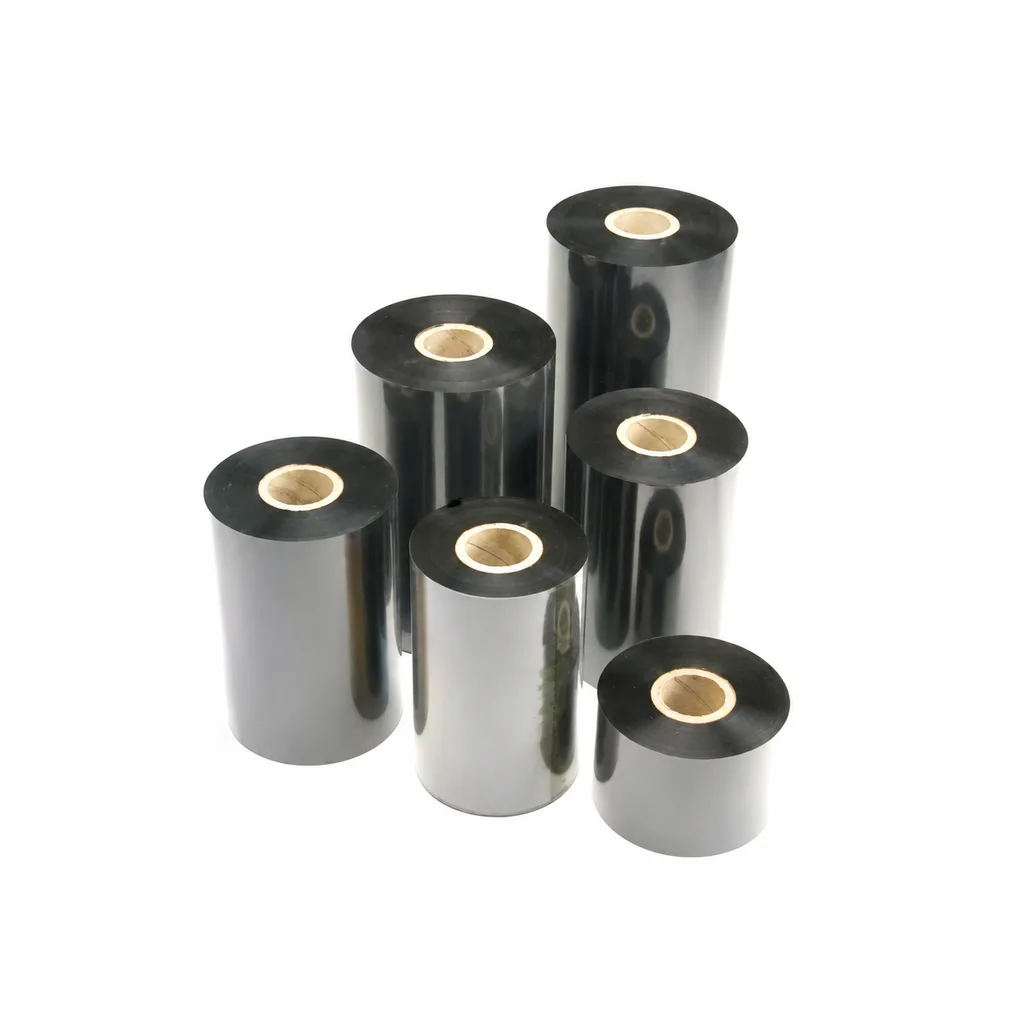
CL-Z308 Resin Thermal Transfer Ribbon for Film and Paper Labels
A black resin thermal transfer ribbon for printing film and paper labels with flat-head printers. Listed applications include retail labels, warehousing, logistics transport, garment hang tags and food packaging. The recommended printing speed is ≤8 inches per second (IPS). Select it by printer type and actual label material, and confirm the required ribbon width, length, core and ink-side orientation before ordering; these dimensions are not specified in the available product data.
View detailsNeed the right ribbon for your label application?
Share the label material, printer and operating environment. Our team will recommend a tested combination.
