
How to Choose a Product Identification Label: A B2B Buyer's Guide
Request a solution
- Original TTR manufacturer since 2013
- Automated coating and slitting
- IQC / IPQC / OQC control
- ANSI barcode grade testing
- -20°C to 120°C environmental testing
- Batch-level traceability
- ANSI barcode grade
- Batch traceability
- RoHS / REACH compliance
- SGS and MSDS documents on request
Key Takeaways
- A product identification label must stay scannable through the same chemicals, heat, weathering, or cold that the product itself endures.
- Durable PET labels serve asset, rating-plate and component identification exposed to oils and cleaning chemicals.
- Heat-applied aluminum labels attach to hot metal surfaces where pressure-sensitive adhesion is insufficient.
- Vinyl cable-wrap labels mark outdoor cables, harnesses and power infrastructure exposed to weathering.
- Label stock and consumables must match the installed machine.
What a Product Identification Label Must Do
A product identification label can carry identification data such as barcode, serial number, batch or lot code, model, and origin details. That data must stay attached and readable from the production line through storage, shipping, and after-sales service.
Buyers depend on this label for three jobs. Traceability: batch and serial codes tie a shipped unit back to its production record. Efficiency: a scannable code replaces manual reading and re-typing. Compliance: many destination markets have marking requirements for origin, content, or warnings, so the printed information has to survive the same journey as the goods.

Match the Label Material to Surface, Environment, and Service Life
The label material and its attachment method must match the surface, the chemicals, and the temperatures the product will actually face in service. Work through four checks before comparing prices:
- Identify the surface — flat metal, textured plastic, cable jacket, or flexible packaging — because face material and adhesive behave differently on each.
- List the exposures — oils, cleaning chemicals, heat, outdoor weathering, or cold storage — and include routine cleaning, not just the operating condition.
- Decide how long the code must stay readable, because a shipping label and a rating plate have very different service lives.
- Choose the attachment method last, because hot metal surfaces and some processes leave pressure-sensitive adhesion insufficient.
Four application cases from Colorfulttr's Special Industrial Labels range show how these checks resolve into concrete choices. For asset, rating-plate and component identification exposed to oils and cleaning chemicals, a durable PET identification label is made for that exposure. For hot metal surfaces and processes where pressure-sensitive adhesion is insufficient, a heat-applied aluminum identification label is an option.
Outdoor installations add weathering to the list. A vinyl cable-wrap label wraps around outdoor cables, harnesses and power infrastructure and is made for exposure to weathering. At the cold end of the range, a cold-storage label marks blood bags and transfusion containers where traceability remains critical, so the printed code has to stay readable at low temperature.

Match Label Stock and Consumables to Your Printing Equipment
Printing equipment varies; the label stock and consumables you order must match the technology installed on your line.
Before ordering, confirm that the printable face material suits your printer type, and check the label roll dimensions, core, and ribbon pairing your machine requires.
Validate with Printed Samples Before Volume Ordering
Print on candidate labels, apply them to the actual product surface, and check them against the intended service conditions before full production. Run the check in four steps:
- Print your actual layout — barcode, serial format, and fixed text — on the candidate label with your own printer and consumables.
- Apply the label to the real surface with the attachment method you will use in production.
- Expose the applied samples to the conditions the product will meet: the same oils and cleaning agents, heat, outdoor exposure, or cold storage.
- Scan the code with the equipment your warehouse or customer will use, and re-check after the exposure period.
Two shortcuts create avoidable rework. Choosing on unit price alone ignores the environment. Assuming one label fits every surface in the plant ignores the attachment limits above. If the samples do not meet your actual requirements, pause selection and confirm the conditions and alternatives with the supplier. When you contact Colorfulttr about an identification label, state the surface, the exposures, the required service life, and your installed printer, and ask for the option that matches your scenario — the linked product pages state the condition each label is designed for.
Data and Evidence
The table below collects the label options cited in this guide together with the application conditions stated on Colorfulttr's product pages.
| Label option | Designed to identify | Stated application condition |
|---|---|---|
| Chemical-Resistant PET Identification Label | Assets, rating plates, components | Exposure to oils and cleaning chemicals |
| Heat-Applied Aluminum Identification Label | Hot metal surfaces and processes | Where pressure-sensitive adhesion is insufficient |
| Cable Wrap and Outdoor Identification Label | Outdoor cables, harnesses, power infrastructure | Exposure to weathering |
| Blood Bag Identification Label | Blood bags, transfusion containers | Cold storage where traceability remains critical |
To verify a choice against this evidence, compare your own surface, exposure, and service-life list with the stated condition in the table, then confirm the combination with printed samples as described above. Where a condition does not match your case, ask the supplier before substituting another label, because the stated suitability of each entry belongs to that entry alone.
Frequently Asked Questions
How do I choose a product identification label for a harsh environment?
Start from the environment, not the price. Match the label's stated resistance to the oils, cleaning chemicals, heat, weathering, or cold your product will actually face, then confirm the choice with printed samples on the real surface.
When should I use a heat-applied aluminum label instead of a pressure-sensitive label?
Use a heat-applied aluminum identification label on hot metal surfaces and processes where pressure-sensitive adhesion is insufficient.
Which label suits outdoor cables and power infrastructure?
A vinyl cable-wrap identification label is made for outdoor cables, harnesses and power infrastructure exposed to weathering.
What printing equipment do product identification labels require?
Choose label stock and consumables that match the technology installed on your line.
Recommended products for this industry
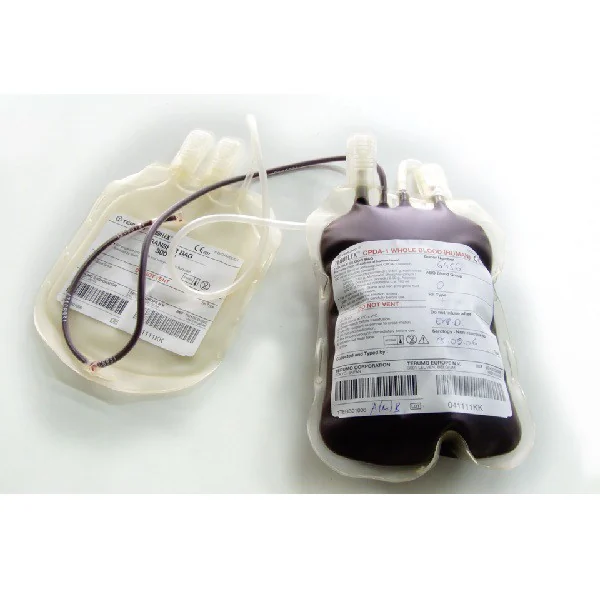
Blood Bag Identification Label
Cold-storage label for blood bags and transfusion containers where traceability remains…
View details
Cable Wrap and Outdoor Identification Label
Vinyl cable-wrap label for outdoor cables, harnesses and power infrastructure exposed to…
View details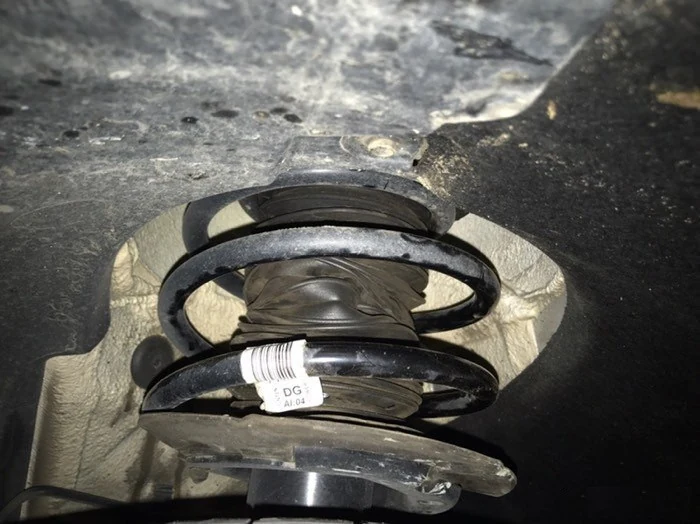
Chemical-Resistant PET Identification Label
Durable PET label for asset, rating-plate and component identification exposed to oils…
View details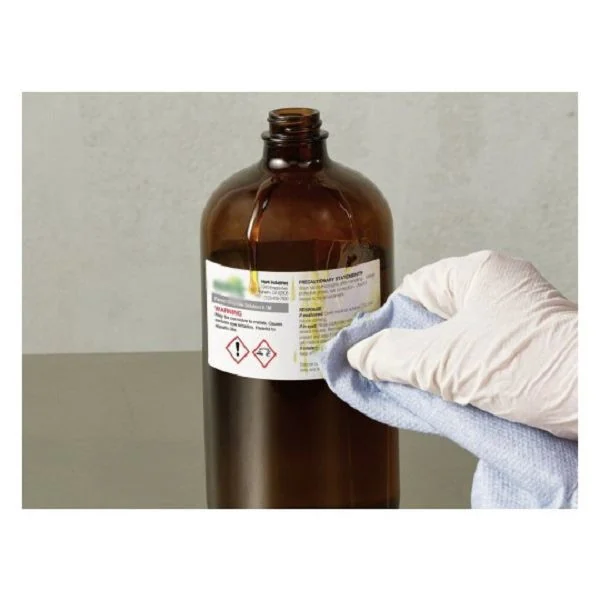
GHS Chemical Identification Label
Chemical-resistant label facestock for GHS hazard communication on containers, drums and…
View detailsNeed the right ribbon for your label application?
Share the label material, printer and operating environment. Our team will recommend a tested combination.
