
How to Choose a Hologram Label: Security Features, Shape, and Code Printing Options
Request a solution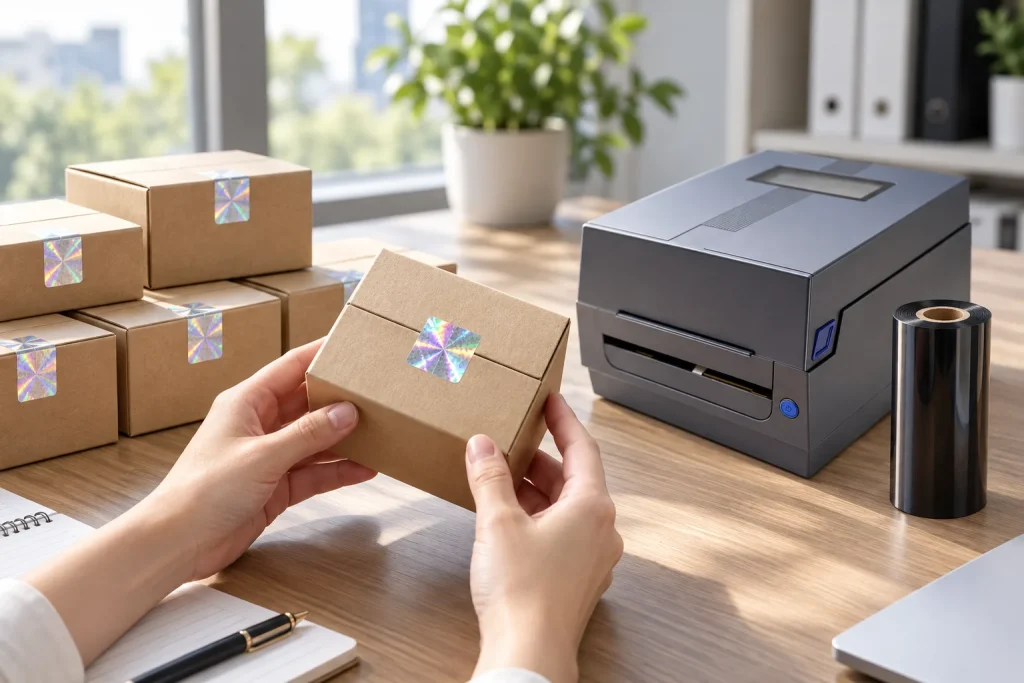
- Original TTR manufacturer since 2013
- Automated coating and slitting
- IQC / IPQC / OQC control
- ANSI barcode grade testing
- -20°C to 120°C environmental testing
- Batch-level traceability
- ANSI barcode grade
- Batch traceability
- RoHS / REACH compliance
- SGS and MSDS documents on request
This guide is for buyers who need to source a hologram label for physical goods and must choose between security features, shapes, facestock materials, and code-printing routes. The short answer: select the label for the counterfeiting or tampering risk you actually face and the surface it must adhere to, then decide whether serial numbers and QR codes arrive pre-printed or are applied with your own printing setup. Confirm every choice with samples on the real product before releasing a volume order.
Key Takeaways
- A hologram security label supports physical inspection through defined optical features, so order only the features your team can actually check.
- Covert options — micro text, hidden images, and UV or infrared printing — add a security layer that makes the label harder for counterfeiters to replicate.
- Tamper-evident hologram labels leave a residue once they are removed; specify this option and test it if your risk is labels being moved between products.
- One label supplier recommends an oval shape for the contoured surfaces it lists, such as baseballs and footballs — treat it as an option to sample on your own product.
- A market report describes the category combining overt visual cues with covert digital verification; decide whether to add a serialized code layer based on your own traceability needs.
Decide Which Security Features the Label Must Carry
A hologram security label supports physical inspection through defined optical features, which makes the feature list the first thing to fix in a hologram label purchase. Historically, security labels were designed to offer visual tamper evidence-VOID patterns, holograms, or destructible films. The visible hologram is still the base layer of that tradition; your decision is how much protection to add on top of it.
Covert features are the main upgrade path. Examples of covert features include micro text, hidden images, and UV or infrared printing, and these features provide an additional layer of security and make it more difficult for counterfeiters to replicate the label. Match every covert feature you order to an inspection method your staff, distributors, or customs inspectors can actually run, because a feature nobody checks adds cost without adding protection.
Tamper evidence is a separate decision from authentication. Holograms can also be tamper evident, leaving a residue once they're removed. If your real risk is labels being moved between products rather than outright counterfeiting, put tamper evidence high on the specification and test it first.
Match the Shape and Size to the Surface You Label
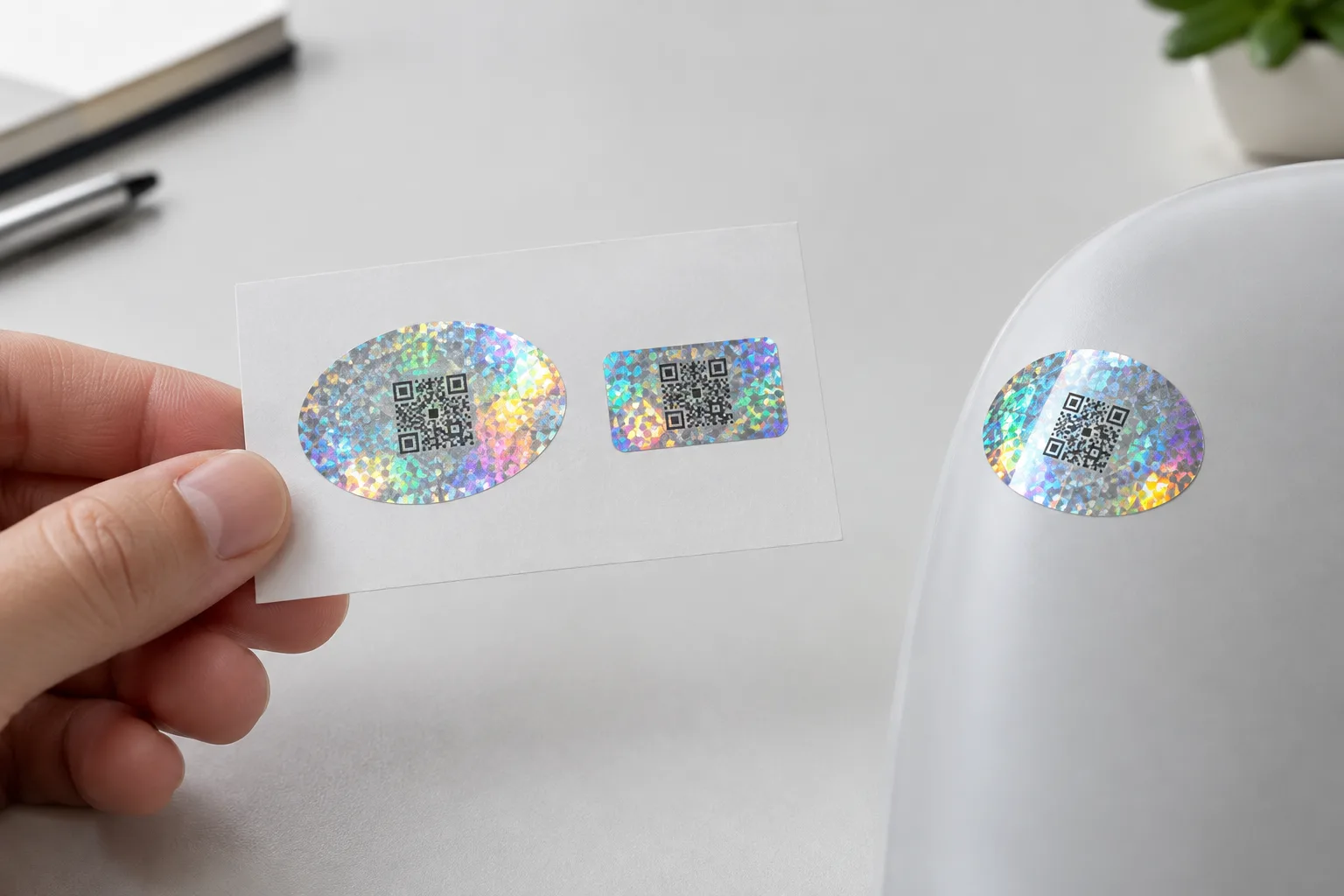
Shape guidance depends on the surface. One label supplier, NovaVision, recommends an oval shape for the contoured surfaces it lists, such as baseballs and football; treat that as a supplier recommendation for those items and an option to sample on your own product body, not a universal rule for every curve. Ask each supplier which shapes they recommend for your specific surface. Fix the surface type first, the shape second, and the size last.
Size and material complete the shortlist. One retail stock example — seller-stated specifications, not an independent test — shows how the variables combine: a silver hologram seal carrying a QR code and a unique random serial number, 18mm x 26mm in size, built on Polyethylene Terephthalate, finished glossy, and packaged as 480pcs. Use a format like that as your benchmark for seal-and-tag applications, and treat any larger panel as a separate size decision: work out the area your code and serial number need to stay readable and scannable, then check that requirement against the sizes each supplier offers.
Choose Pre-Printed Codes or Print the Data Layer Yourself
A 2026 market report describes the category as a hybrid security architecture, combining overt visual cues with covert digital verification. Whether your program adds a serialized data layer — typically a QR code plus a unique random serial number — should follow your own traceability and verification requirements, not the trend itself. If you do add that layer, it can reach the label in two ways, and the choice shapes your cost structure.
The first route is buying labels with the codes already printed, as the stock example above does. You need no printing equipment, and the label arrives ready to apply. Note the distinction between a printed code and a working verification process: the code is on the label, but verification only works once you also have the scanning workflow and the data behind the codes in place. The trade-off is control: the codes are fixed at purchase, so confirm with each supplier how reorders and numbering changes are handled before you commit.
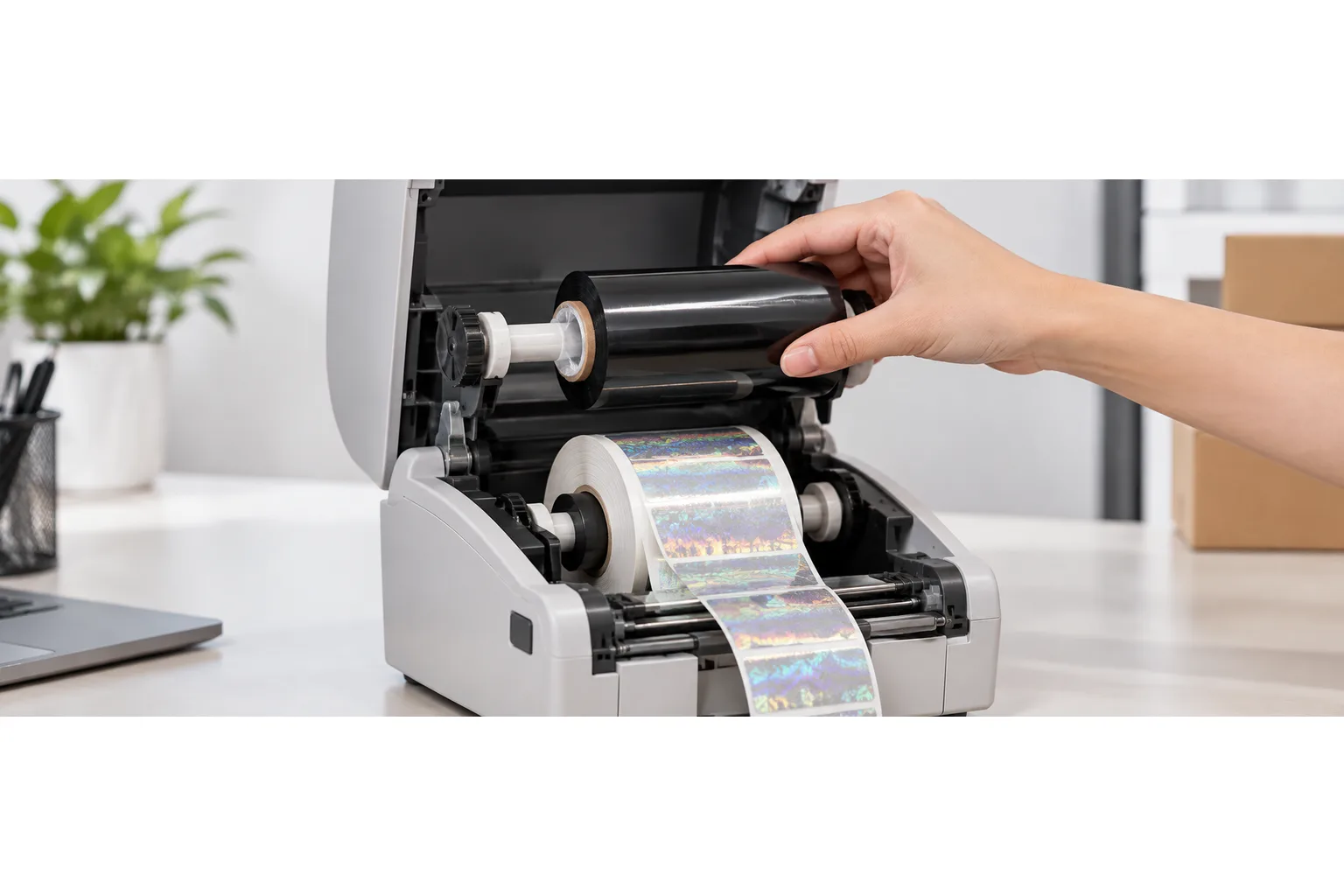
The second route is applying the data layer yourself with your own label printers and consumables. This route fits buyers whose serial schemes change per batch or per production site, or who need code generation to stay inside their own traceability system. It is conditional on printability: the hologram facestock must accept your printer and consumables, so treat the label and the consumables as one matched set and prove the pairing on samples before committing. You then invest in equipment, and you own the quality checks — scannability of the printed code, durability of the print on the hologram facestock, and consistency across batches.
Verify Samples Before You Commit to a Volume Order
Run the removal test on your own packaging, because tamper-evidence performance depends on the surface the label actually ships on. Four checks cover the main risks. Apply the label to the real product surface, and for contoured items test the supplier-recommended oval sample on the actual curve. Attempt removal and inspect the result: the residue behavior should match what you specified. Check each covert feature with its matching tool, such as a UV source for UV-printed features. Finally, scan the QR code or serial number end to end through your own verification workflow, exactly the way an inspector or an end customer would.
If a check fails, rule out process causes before you change the specification: check how the label was actually applied, the printer settings and consumables used, and each step of the verification workflow. Only when application, printing, and verification are confirmed working should you treat the failure as a specification problem — a feature your team cannot inspect, a shape that will not sit on the surface, or a code your system cannot scan — and adjust the selection. As a concrete next step, shortlist one stock format and one custom quotation, run all four checks on samples of each, and compare the results against your per-label budget before releasing the volume order.
Data and Evidence
The table below consolidates the selection factors in this guide, the documented specifics behind them, and what each one means for your order.
| Selection factor | Documented specifics | What it means for your order |
|---|---|---|
| Authentication basis | Physical inspection through defined optical features | Specify only features your inspectors can check on the spot |
| Covert layer | Micro text, hidden images, UV or infrared printing | Pair each covert feature with a matching inspection tool |
| Tamper evidence | Residue left on removal (listed tamper-evident option) | Run a removal test on your packaging before volume |
| Shape guidance | Supplier recommendation: oval for the contoured surfaces it lists, such as baseballs or a football | Sample the recommended oval shape on your curved product |
| Stock seal benchmark | Seller-stated: silver; QR code with unique random serial number; 18mm x 26mm; Polyethylene Terephthalate; glossy finish; 480pcs | Use as the baseline when comparing stock seals with custom quotations |
Sources: Holostik technical selection guide (host-af7b5119ad550e559f2a2bec); "Using Hologram Labels for Product Security" transcript (se-5347591d28bb0e19); NovaVision label guidance (se-ead116f5210f4064); Amazon retail listing, seller-stated (se-857206892c947822).
Frequently Asked Questions
What covert features can a hologram label include beyond the visible hologram?
Documented covert features include micro text, hidden images, and UV or infrared printing. They add a security layer that makes the label harder for counterfeiters to replicate, and each one needs a matching inspection tool to be useful.
How does a hologram label show that a product has been tampered with?
Tamper-evident hologram labels can leave a residue once they're removed. Test this behavior on your own packaging with a sample before ordering in volume.
What shape of hologram label works on curved or contoured products?
One label supplier recommends an oval shape for the contoured surfaces it lists, such as baseballs and footballs. Treat it as an option to sample on your own product, and fix the surface type first and the shape second.
Should I buy hologram labels with pre-printed serial numbers or print the codes myself?
If your numbering scheme is stable and you want labels ready to apply, buy codes pre-printed, as stock QR-plus-serial seals come, and confirm with the supplier how reorders and numbering changes are handled. If serials change per batch or must stay inside your own system, print the data layer yourself with your own printers and consumables, and prove printability and scannability on samples first.
What size and material do stock hologram security labels come in?
One retail stock example, per its seller-stated specifications, measures 18mm x 26mm in Polyethylene Terephthalate with a silver, glossy finish, packaged as 480pcs. Treat it as a benchmark for seal-sized labels, and request each supplier's full size and material list before shortlisting.
Recommended products for this industry
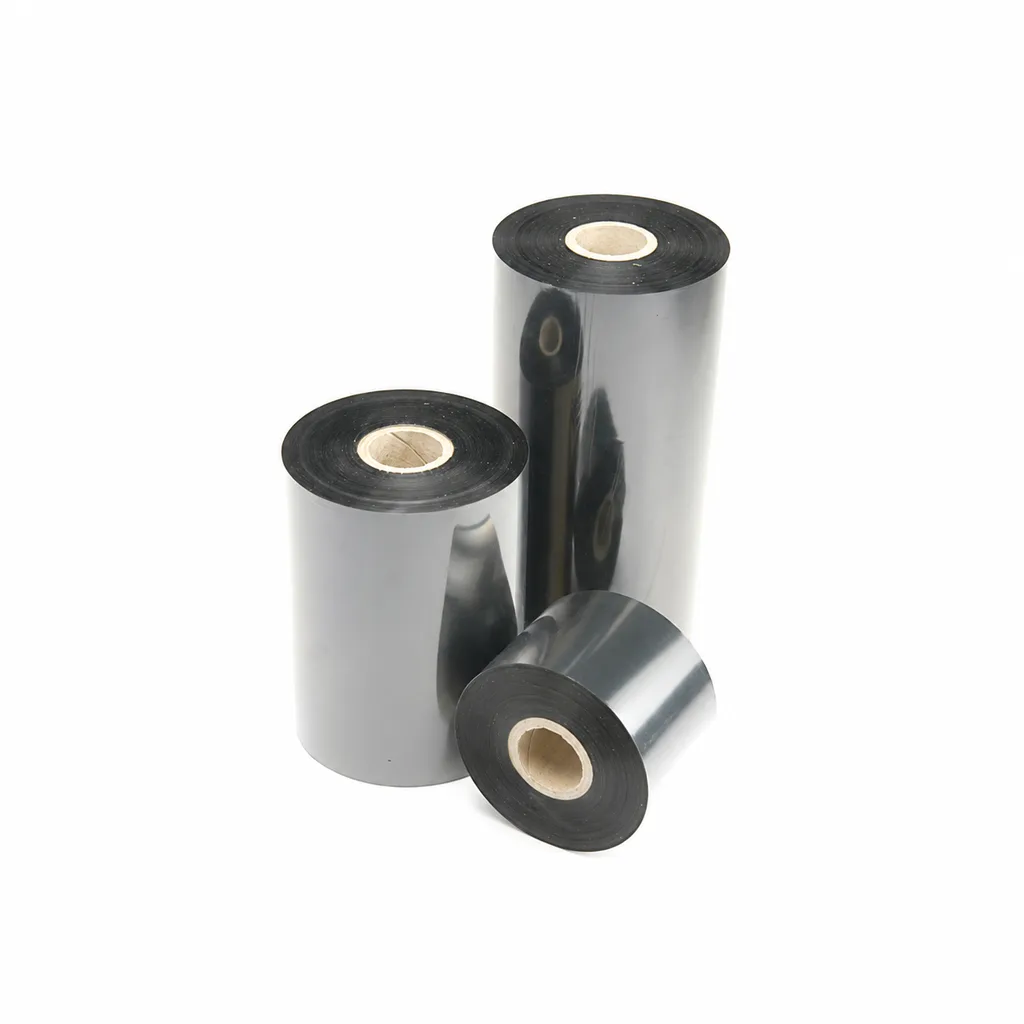
CL-Z213 Near-Edge Wax-Resin Thermal Transfer Ribbon for Barcode Labels
An enhanced black near-edge wax-resin thermal transfer ribbon for near-edge barcode printers and low- to medium-speed thermal transfer overprinting (TTO). Listed applications include retail labels, warehousing, garment tags and packaging identification. Match the printer, actual print medium and operating speed before selection: print quality and image durability can vary with the printer and substrate.
View details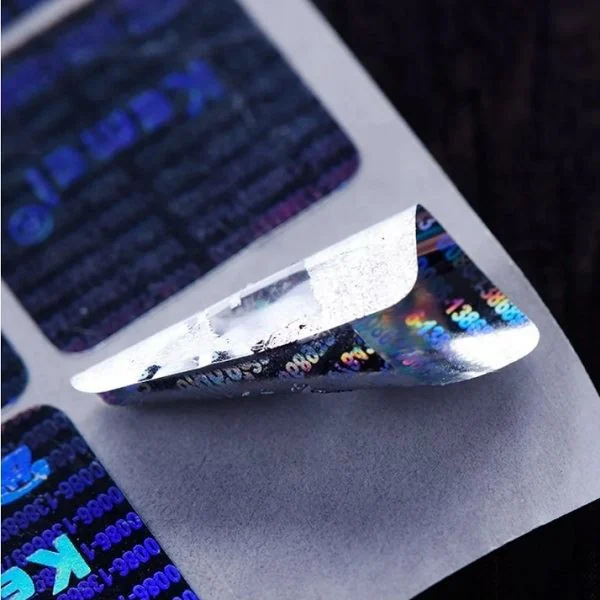
Hologram Security Label
Reflective holographic security label with visual authentication for brand protection and…
View details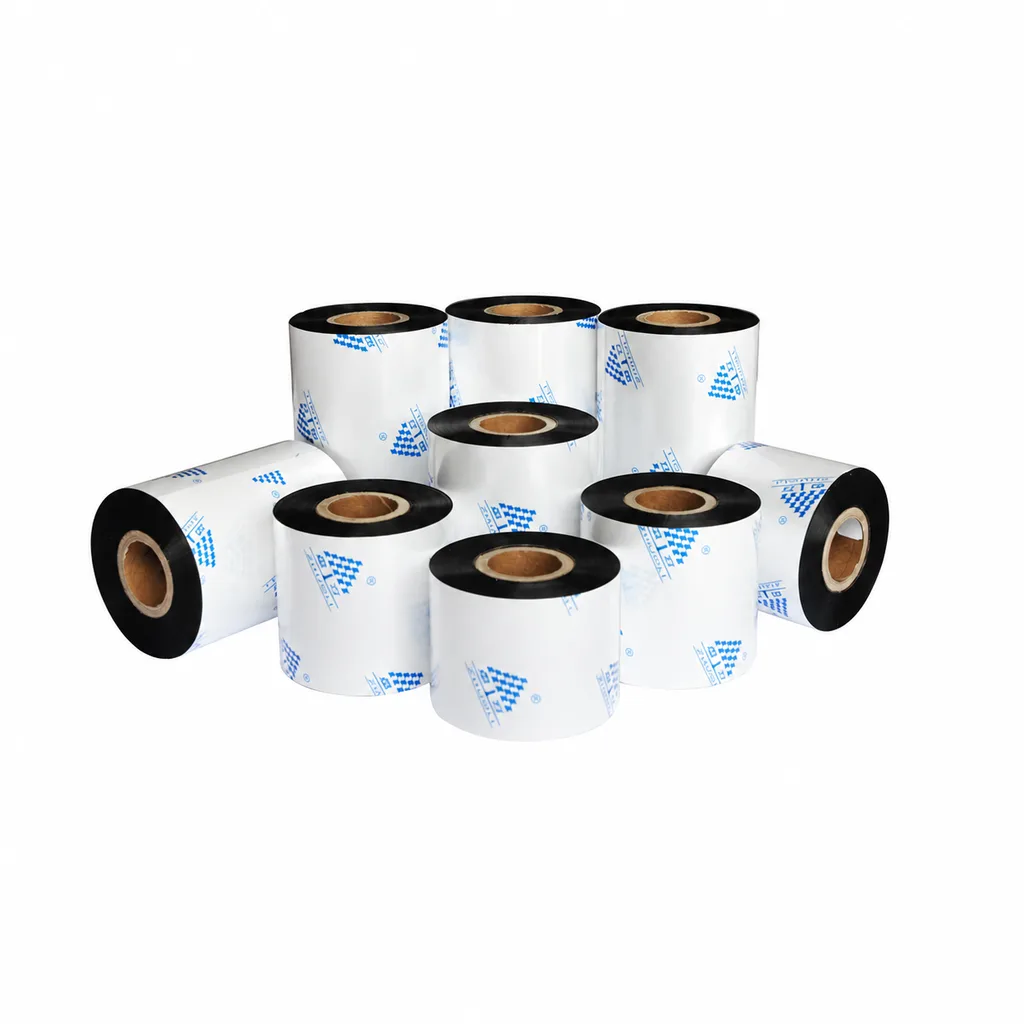
Near-Edge Wax-Resin Thermal Transfer Ribbon CL-Z212 for Barcode Labels
CL-Z212 is a general-purpose black wax-resin thermal transfer ribbon primarily for near-edge barcode printers, with use also described for low- to medium-speed thermal transfer overprinting (TTO). Listed applications include retail labels, garment tags, warehouse identification and packaging printing. Select according to printer type, actual printing speed and substrate: recommended conditions list near-edge printing at ≤10 inches per second (ips) and TTO at ≤20 ips. Print quality and image durability can vary with the printer and printing material, so trial printing on the intended substrate is necessary for selection.
View details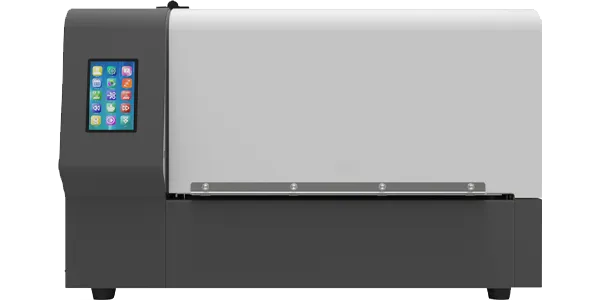
AL10-D Dual-Colour Label Printer
It can enhance industry productivity, optimise supply chain management, reduce…
View detailsNeed the right ribbon for your label application?
Share the label material, printer and operating environment. Our team will recommend a tested combination.
