
- Original TTR manufacturer since 2013
- Automated coating and slitting
- IQC / IPQC / OQC control
- ANSI barcode grade testing
- -20°C to 120°C environmental testing
- Batch-level traceability
- ANSI barcode grade
- Batch traceability
- RoHS / REACH compliance
- SGS and MSDS documents on request
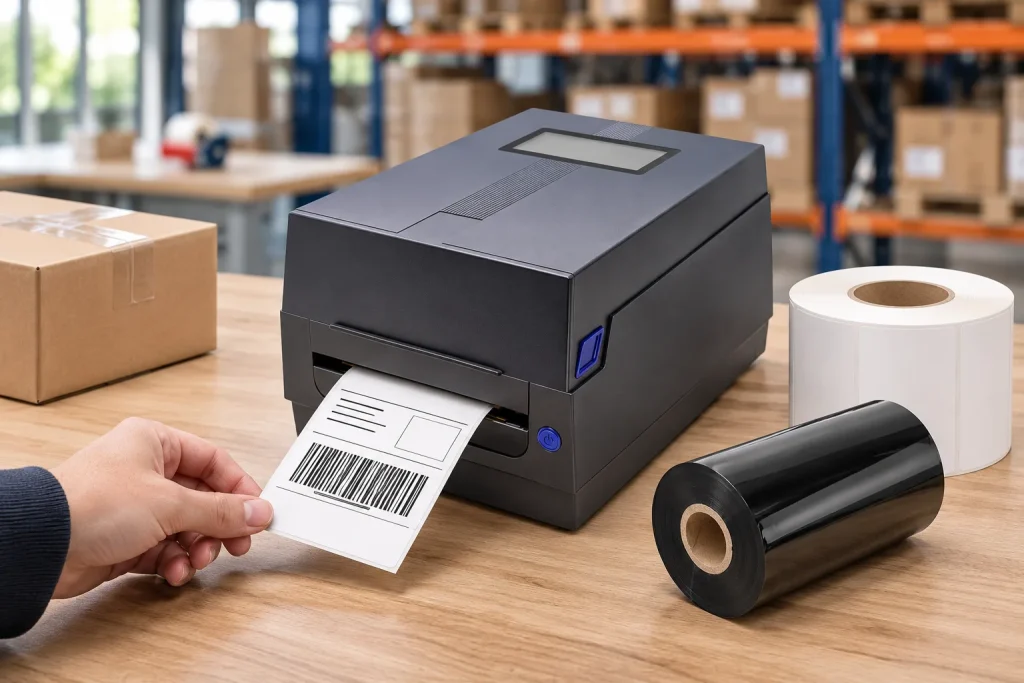
Buyers choosing ribbon for a flat head printer should match the printhead, roll format and label material before comparing grades. Paper labels can be a starting point for wax or wax-resin; more demanding use calls for a durability trial with a suitable grade. Validate the complete combination on the actual printer and stock before placing a volume order.
Key Takeaways
- A flat head printer needs a ribbon specified for its printhead and roll configuration.
- Coated paper can be a starting point for wax or wax-resin, subject to testing.
- Label material and exposure conditions determine which ribbon grades deserve a trial.
- A sample print and handling test help buyers compare the whole printer, ribbon and label combination.
1. Match the ribbon to your flat head printer
A flat head thermal transfer ribbon is a consumable selected for a flat head thermal transfer printer and the material being printed. Start by identifying the printer model, the label stock and the conditions the finished label must survive. The printhead heats the ribbon so its ink transfers to the material; the result depends on the combination rather than on the ribbon name alone.
Flat head printers keep the ribbon and label together for a short distance after the heating point. A near-edge printer uses a different printhead arrangement, so tell the supplier which technology your machine uses and ask for a compatible ribbon. Do not assume that a roll intended for another head type will be suitable simply because its width looks right.
Find the model on the printer or its documentation. If a fleet contains several models, make a separate compatibility check for each one. A purchasing description such as “barcode printer ribbon” does not establish head type, roll fit or ink orientation. Ask the printer or ribbon supplier to confirm the required format if the manual is unavailable.
Check the ribbon width against the label and the printer's supported width. Also confirm the total roll length, outside diameter, core size and whether the ink faces in or out. These details describe different aspects of fit: a suitable ink grade still needs to load and feed in the intended machine. Compare the proposed roll with the printer specification, not merely with a photograph of the current roll.
2. Choose a grade for the label and its journey
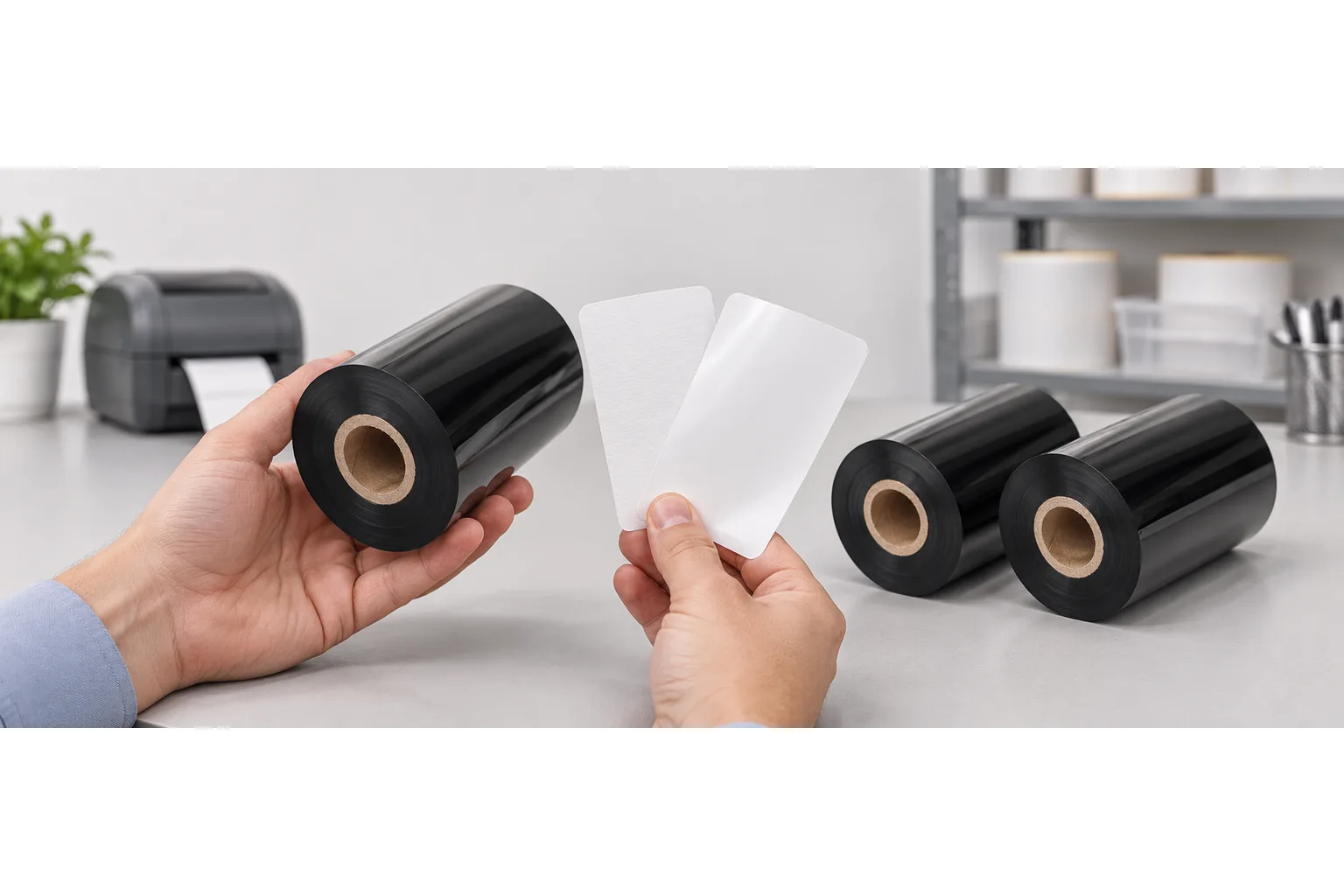
The label material and the handling it will face are the practical starting points for choosing a flat head ribbon grade. For coated paper, wax or wax-resin is a useful first comparison. If the label must remain readable through frequent handling or harsher conditions, discuss a more resistant grade and verify it on the actual material.
Wax, wax-resin and resin are broad families, not complete purchase specifications. Grades within a family can differ, and a family name alone does not prove that a particular roll will work on every paper or film. Ask for the proposed grade's material and printer compatibility, then compare the printed result with your own requirements.
For warehouse or shipping labels, describe whether cartons are handled repeatedly, stored in damp areas or exposed to rubbing during transport. A low initial ribbon price has less value if labels need reprinting or cannot be scanned when they arrive. For retail labels, identify the surface, expected handling and how long the information needs to remain readable.
For synthetic labels, name the exact film rather than requesting a ribbon for “plastic.” Resin is a candidate for compatible synthetic materials and demanding environments, but the final choice still needs a trial. Explain any contact with chemicals, moisture, heat or outdoor conditions to the supplier; a claim for one grade or substrate should not be assumed for another combination.
For textile care labels, provide the actual label material and intended care conditions when requesting a suitable grade. For laboratory identification, include the label supplier's ribbon recommendation and the handling or exposure the label must withstand. These are distinct buying scenarios: define the job first, then test the proposed combination rather than relying on the application name alone.
For paper labels and tags in retail, warehousing or logistics, Colorfulttr lists CL-Z112 enhanced wax ribbon for flat-head desktop or industrial barcode printers at ≤8 inches per second (ips). Its listed image-quality, rub-resistance and cold-chamber results were obtained on coated paper, so use that scope to decide whether to request a trial and check your own printer configuration and stock.
3. Turn a trial into a repeatable order
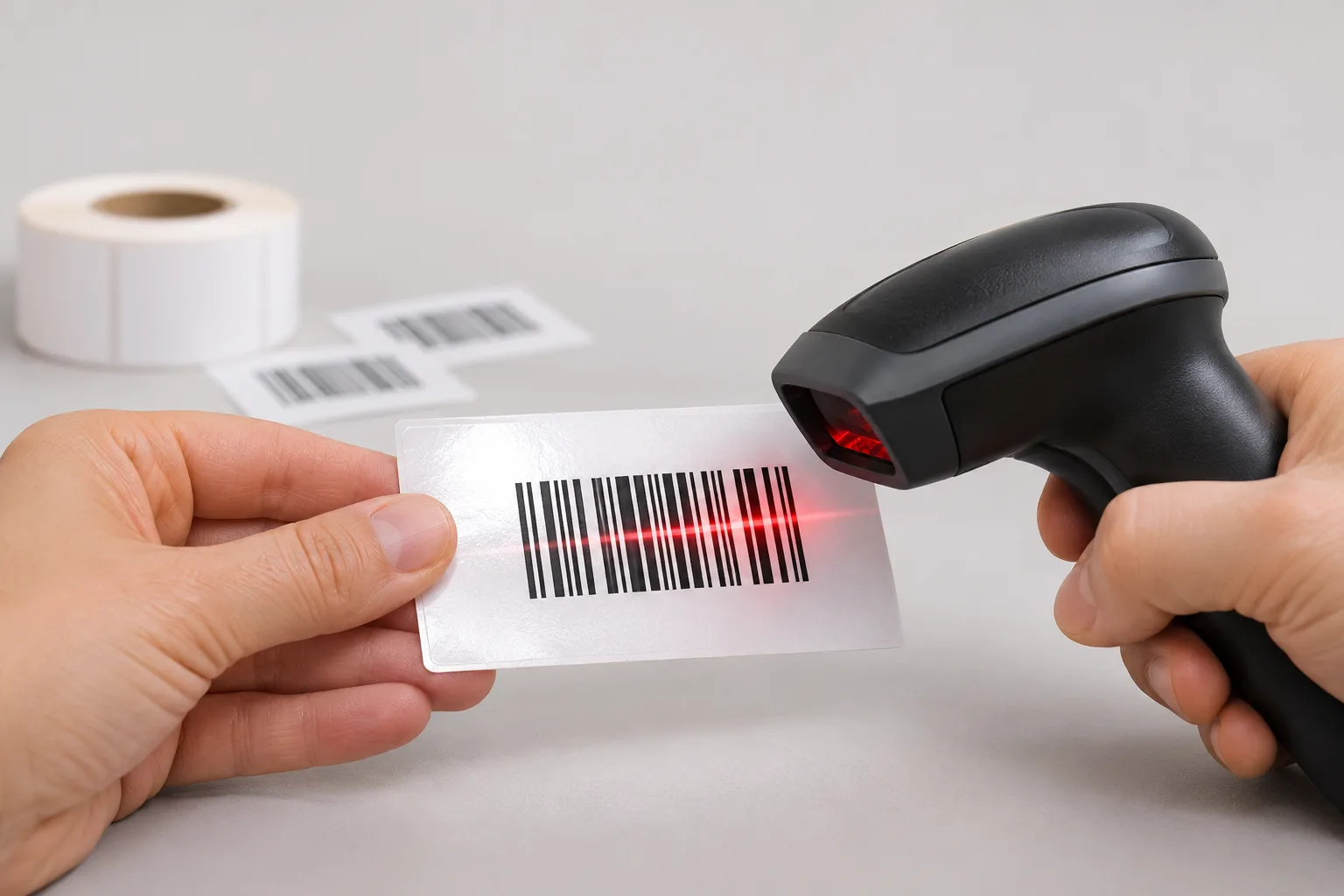
A sample trial should use the printer, label stock and operating conditions intended for the order. Give the supplier the exact model and application, then request the proposed flat head grade in the roll configuration your printer accepts. Record the grade and roll details so that the successful sample can be identified in the quotation.
- Load the sample according to the printer instructions and print representative text and barcodes on the actual label stock.
- Check print clarity and scan the codes using the equipment and workflow that will receive them.
- Handle sample labels as the real application requires, including relevant rubbing, storage and exposure conditions.
- Compare the results with acceptance criteria agreed for the job before committing to a bulk order.
If the result is unclear, first verify the ribbon orientation, material and printer settings against the relevant instructions. Check that the proposed ribbon is intended for the head type and that the sample matches the quoted grade. Print quality depends on the balance of ribbon and substrate compatibility, print speed, temperature and printhead pressure; change settings within the equipment guidance and repeat the trial.
If the print looks clear initially but does not survive handling, review the label material and exposure requirements with the supplier and trial another suitable grade. If it looks satisfactory but scans poorly, inspect the actual barcode and test it in the receiving workflow. Record what was tested and what failed so the next sample addresses the specific issue.
Before confirming a larger order, agree the exact roll specification, grade, color and delivery timing. Ask what documentation is available for the proposed batch and how the sample reference will appear on the order. Compare the cost of the ribbon together with wasted labels, reprints and interruptions, using your own trial results rather than an assumed saving.
Data and Evidence
The following evidence helps narrow the selection, but the buyer's test determines whether the proposed combination meets the application requirements.
| Decision | Evidence and scope | Buyer check |
|---|---|---|
| Head type | DNP states that printer types have specific ribbon requirements. | Confirm the model and flat head specification. |
| Coated paper | iDPRT recommends wax or wax-resin as options for coated paper labels. | Trial the proposed grade on the exact stock. |
| Paper label example | Colorfulttr lists CL-Z112 for flat-head desktop or industrial printers, with its stated results obtained on coated paper. | Check the printer configuration and handling conditions. |
| Print settings | Print quality depends on material compatibility and the balance of operating settings. | Follow printer guidance and check sample output. |
Frequently Asked Questions
How can I tell if my printer needs a flat head ribbon?
Check the printer manual or ask the printer supplier for its printhead type and compatible ribbon specification. Give the ribbon supplier the exact printer model before ordering.
Which flat head ribbon should I trial on coated paper?
Wax or wax-resin is a starting point for coated paper. Test the proposed grade on your actual stock and printer against the handling conditions.
What should I specify for a synthetic label?
Describe the exact synthetic material and exposure conditions, then request a compatible flat head grade. Test the printed label in its intended environment before ordering in volume.
What information should accompany a ribbon quotation?
Provide the printer model, label material and dimensions, ribbon width and length, core size, winding direction, ink color and intended use. Ask the supplier to confirm the specification before ordering.
Related Products & Guides
Recommended products for this industry
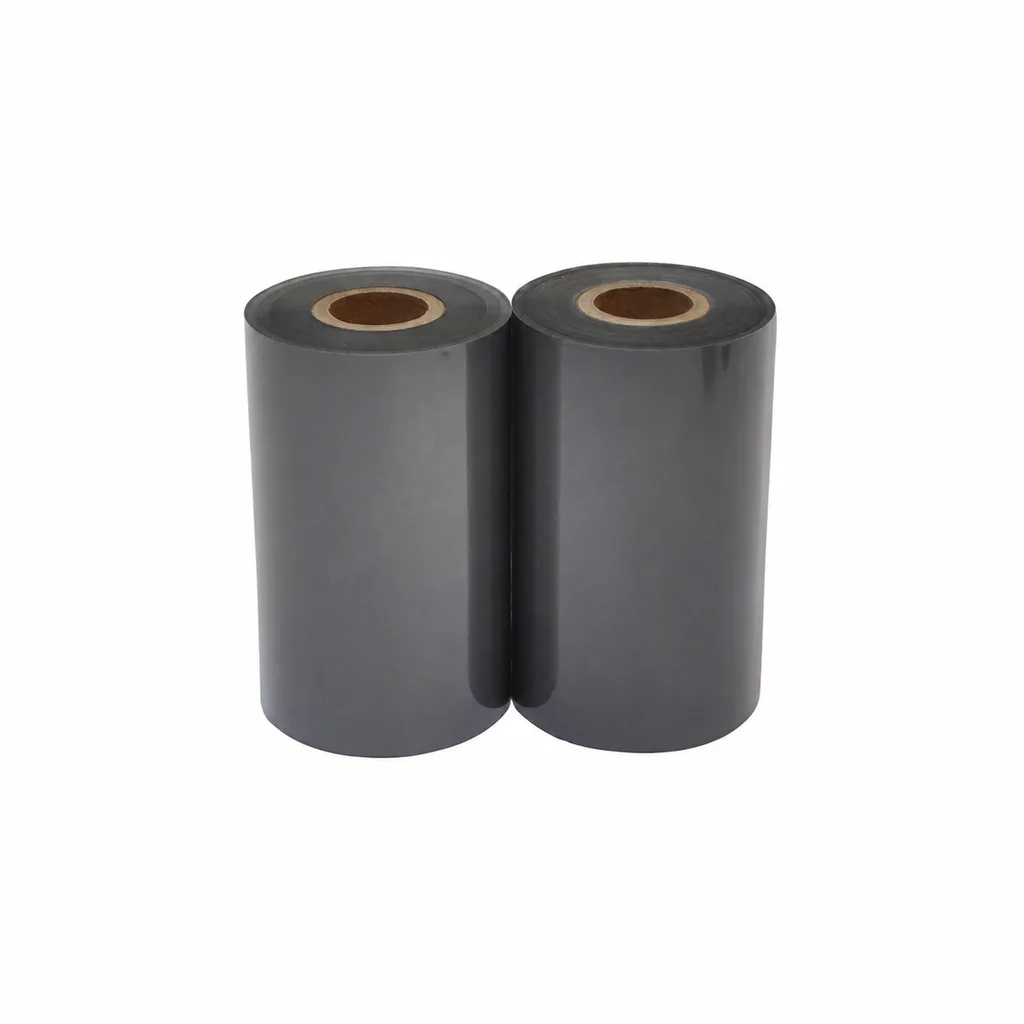
Black Resin Thermal Transfer Ribbon for Label Printing - CL-Z373
CL-Z373 is a black resin thermal transfer ribbon for label printing with desktop or industrial flat-head barcode printers at speeds of ≤6 ips (inches per second). Listed applications include electronics processing, tire identification, automotive manufacturing, pharmaceutical packaging, cosmetic labels and outdoor identification. Selection depends on the actual label material, printer and exposure conditions. Fine-line, small-character and resistance results were obtained on coated paper; print quality and image durability may vary with the printer and print substrate.
View details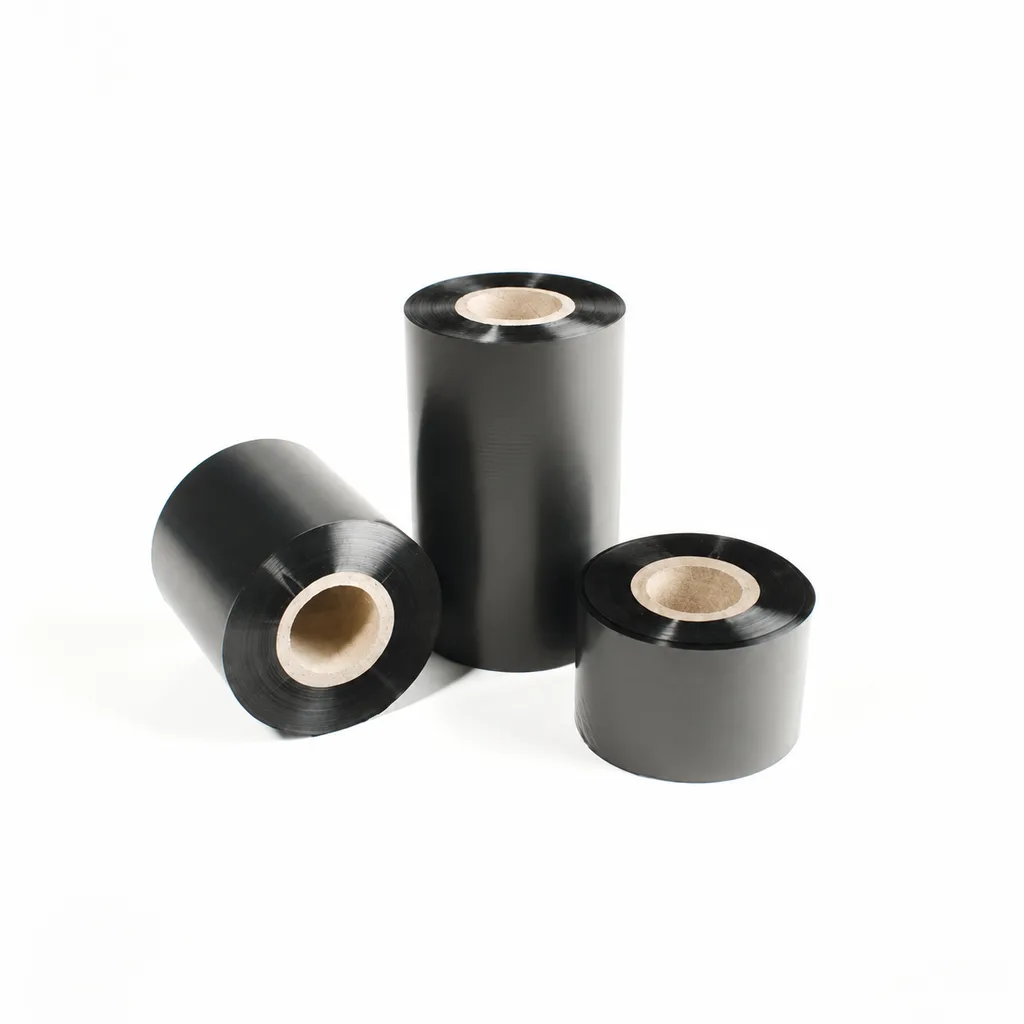
CL-Z112 Enhanced Wax Thermal Transfer Ribbon for Paper Labels and Tags
An enhanced wax thermal transfer ribbon with black ink for paper labels and tags used in retail, warehousing and logistics. It is specified for flat-head printing on desktop or industrial barcode printers at ≤8 inches per second (ips). Select it by checking the actual label material, printer configuration and handling conditions: image-quality, rub-resistance and cold-chamber results were obtained on coated paper, and print quality and image durability may vary with the printer and print medium.
View details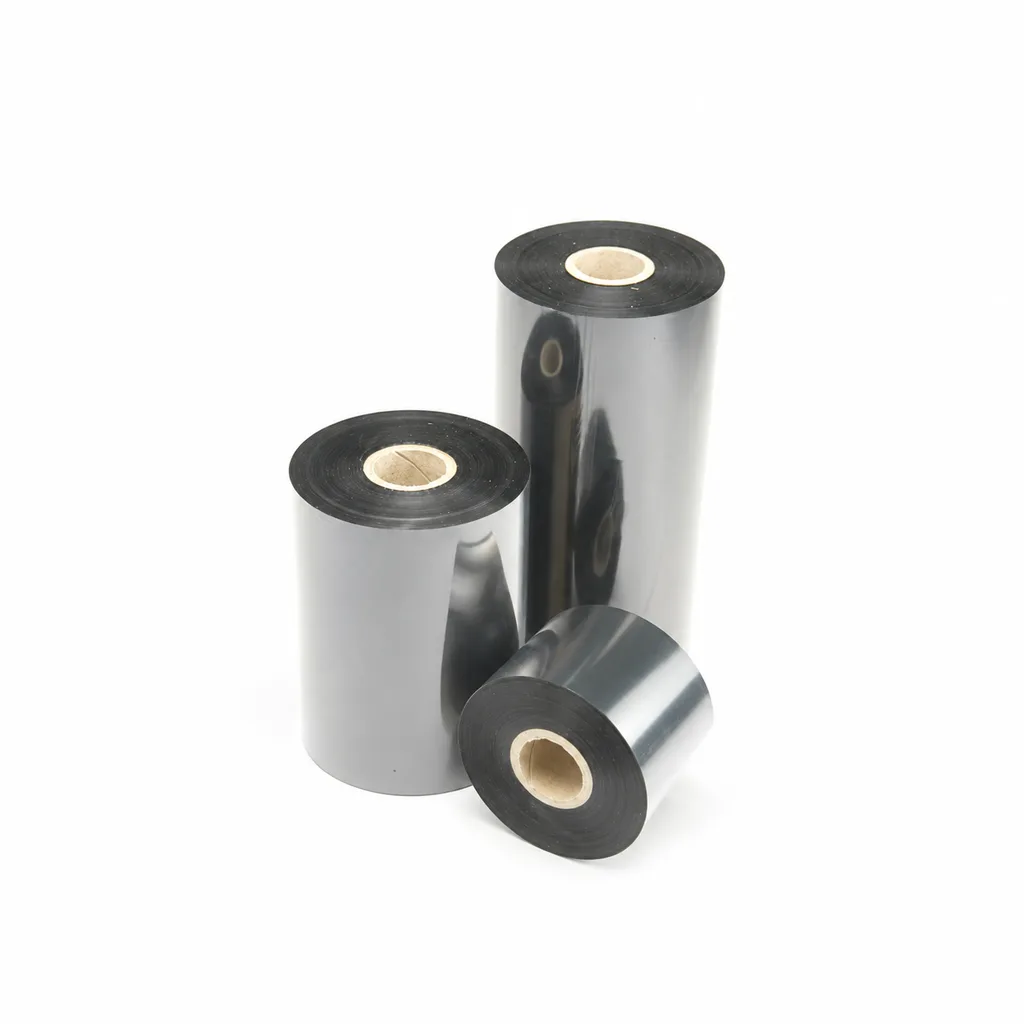
CL-Z203 Wax-Resin Thermal Transfer Ribbon for Barcode Labels
A black wax-resin thermal transfer ribbon for flat-head printing, with listed applications including retail, warehousing, logistics and garment tags. Select it against your actual label material and desktop or industrial barcode printer at speeds ≤6 ips (inches per second). Fine-line, small-text and durability results were obtained on coated paper; print quality and image durability may vary with the printer and printing substrate.
View details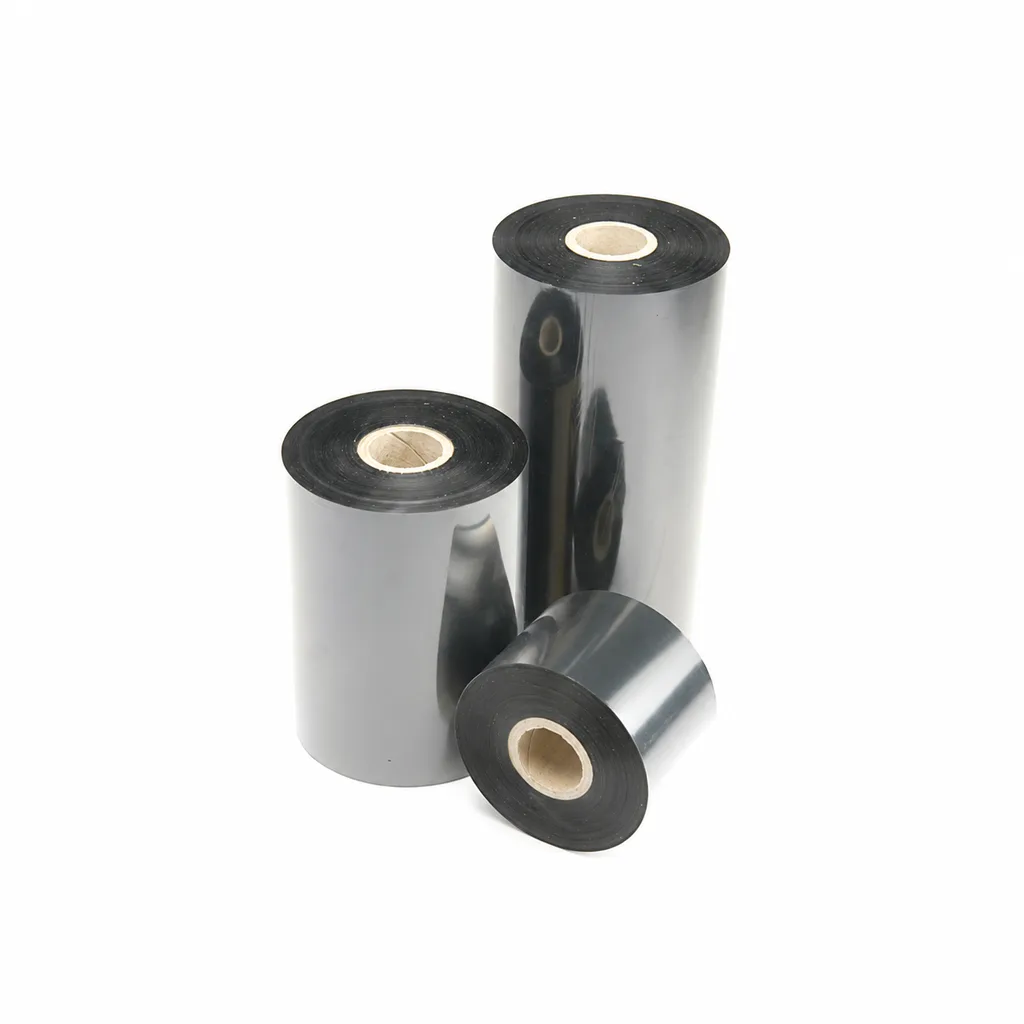
CL-Z213 Near-Edge Wax-Resin Thermal Transfer Ribbon for Barcode Labels
An enhanced black near-edge wax-resin thermal transfer ribbon for near-edge barcode printers and low- to medium-speed thermal transfer overprinting (TTO). Listed applications include retail labels, warehousing, garment tags and packaging identification. Match the printer, actual print medium and operating speed before selection: print quality and image durability can vary with the printer and substrate.
View detailsNeed the right ribbon for your label application?
Share the label material, printer and operating environment. Our team will recommend a tested combination.
