
Hologram Etiket Explained: Appearance, Security and Verification
Request a solution
- Original TTR manufacturer since 2013
- Automated coating and slitting
- IQC / IPQC / OQC control
- ANSI barcode grade testing
- -20°C to 120°C environmental testing
- Batch-level traceability
- ANSI barcode grade
- Batch traceability
- RoHS / REACH compliance
- SGS and MSDS documents on request
Key Takeaways
- A hologram security label supports physical inspection through defined optical features.
- A decorative holographic appearance is distinct from a controlled verification process.
- A QR code or serial number is a separate identity feature, not an automatic consequence of a hologram.
- Colorfulttr lists a reflective hologram security label for visual authentication and brand protection.
What does hologram etiket mean?
A hologram etiket is a holographic label, and the term can describe a label's appearance without establishing every detail of its purpose. In a security context, the relevant distinction is that defined optical features support a physical inspection. Holostik describes a hologram security label in those terms. The word “etiket” identifies the label; the word “hologram” identifies the holographic element being discussed.
Think of the term as a starting point for describing an item rather than a complete specification. A reader can ask whether the item is intended as a visual feature, as part of a security check, or for both. Those questions refer to different aspects of the same label: what can be seen, why it is there, and how someone is expected to use it. A name alone does not supply all three answers.
For example, a label on a package can have a holographic appearance and still require a separate explanation of its intended inspection. Calling the label a security label expresses its intended role, but the actual features and the way they are checked need to be identified for that specific label. It is therefore useful to distinguish the visible label from the wider process in which it is used.
Colorfulttr lists a reflective hologram security label for visual authentication, brand protection and sealed products. That listing describes a particular product and its intended use; it should not be treated as a statement that every holographic label has the same design or verification method. A reader can compare the product description with the features specified for the label under discussion.
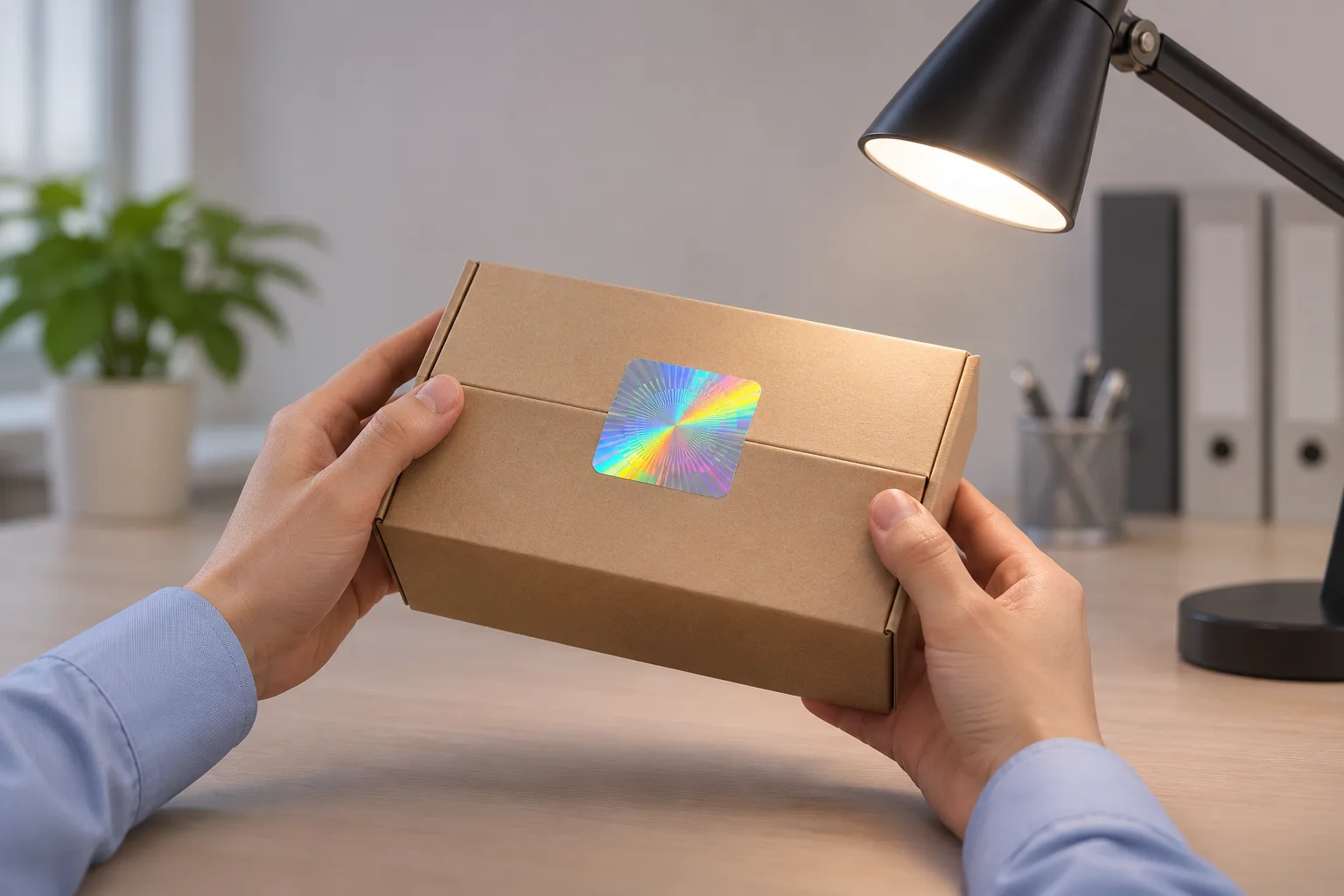
How does the visual security concept work?
A hologram security label supports inspection through defined optical features. In practical terms, a person inspecting the label needs to know which feature belongs to the intended design and what they are looking for. The visual feature is the object of the check; the decision made after the check belongs to the verification process.
This distinction matters because a visible effect can be described without explaining a procedure. The description “holographic” tells the reader something about the label's appearance, while a security description adds an intended purpose. Neither description by itself tells an inspector which particular feature to examine or what conclusion follows from a match.
A controlled process is different from decorative holographic appearance, as Holostik's material notes. That distinction does not mean that every decorative label is deceptive, or that every security design works in the same way. It means that appearance and verification answer different questions. The first concerns what the label looks like; the second concerns how an identified feature is used in an inspection.
When discussing a specific label, keep the feature and the inspection together. A statement such as “this label is holographic” describes a category. A statement about a defined optical feature describes what the inspection concerns. A statement that an item has passed a check would require information about the actual check and its result. These are separate levels of information and should not be collapsed into a single claim.
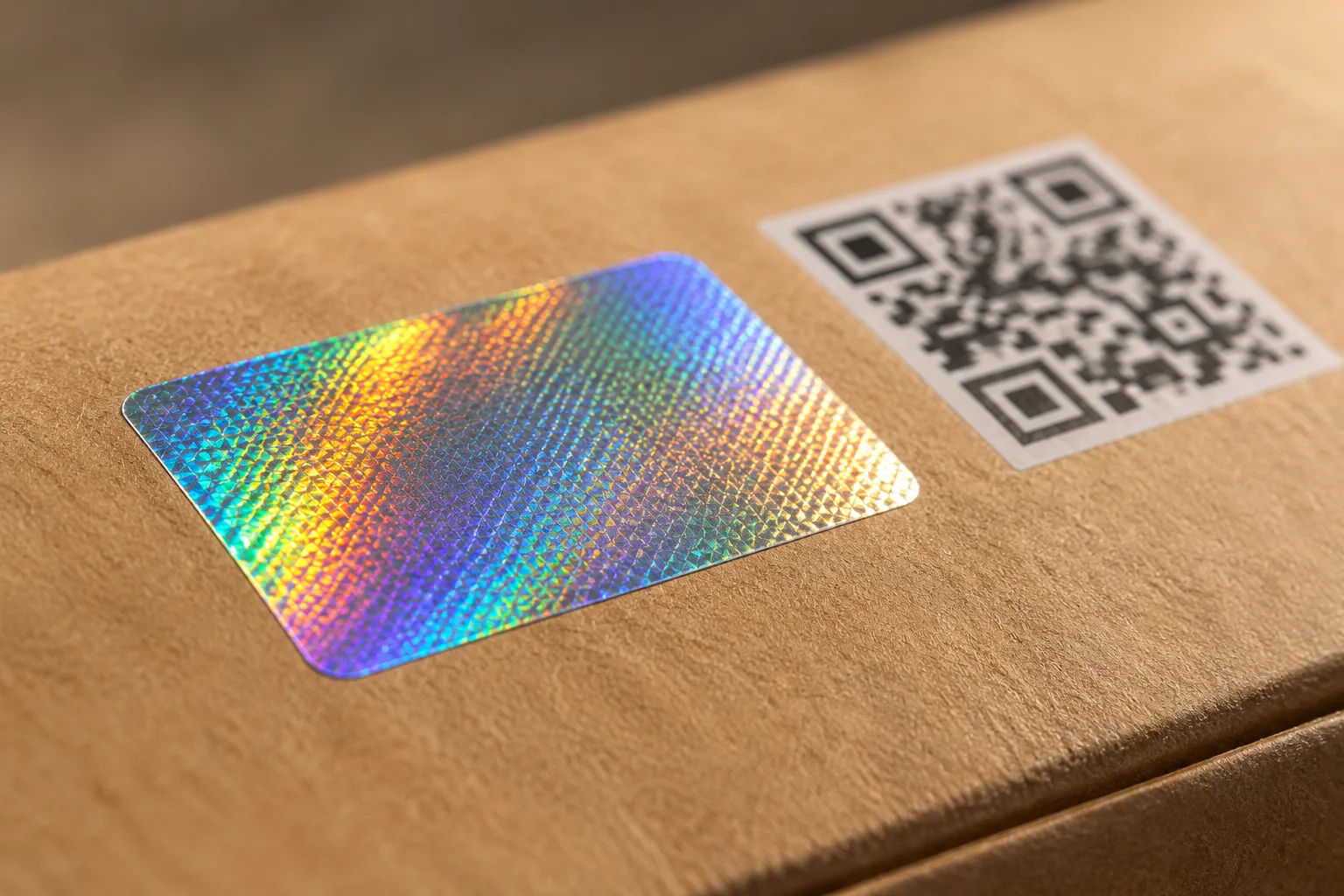
How is a hologram different from a code or proof of authenticity?
A hologram, a QR code and a serial number describe different kinds of features. Holostik describes QR and serial-number options alongside holographic security. Their mention together does not make them interchangeable, and the word hologram does not establish that a particular label has either option.
A visual feature can support a physical inspection, while an identity feature is a separate part of the description. If a label has more than one feature, identify each one on its own terms. This makes it possible to discuss the holographic element without assuming that a printed code exists, or to discuss a code without assuming that the label has a particular optical design.
A hologram also does not settle every question about a product or package. Holostik identifies reuse of original packaging, copying of a valid code and unauthorised supply-chain movement as situations requiring different controls. The point is not that a particular label has failed; it is that the presence of a visual feature does not answer each of those separate questions.
For a sealed product, distinguish the product, its packaging and the label attached to it. A holographic security label may be intended to help with visual authentication, but a label's description alone does not document the history of the product or packaging. A claim that a particular item is genuine requires the relevant verification and evidence for that item, rather than an inference from a shiny appearance.
This is also why a label name should not be read as a universal performance claim. It does not state the exact features in a design, whether a code is present, or which checks have been completed. Those details belong to the description and evidence for the specific label and its use.
Data and Evidence
The available descriptions support a limited comparison of appearance, inspection and identity features. The table separates what the sources describe from conclusions that the name alone cannot establish.
| Item | Evidence | What to distinguish |
|---|---|---|
| Hologram security label | Holostik describes defined optical features supporting physical inspection. | The named features and inspection for a particular design. |
| Decorative appearance | Holostik distinguishes appearance from a controlled process. | Looking holographic does not identify the process used. |
| QR or serial number | Holostik describes these as options alongside holographic security. | The presence and verification of each feature are separate questions. |
| Colorfulttr label | The product listing describes a reflective label for visual authentication and brand protection on sealed products. | The listing concerns that product, not all holographic labels. |
These descriptions are sources for the meaning and intended application, not records of a test on a particular package. To interpret a specific label, identify its described optical feature and the applicable inspection information, then distinguish the result of that inspection from broader claims about the product. Where a QR code or serial number is mentioned, establish whether it is actually present before treating it as part of the label.
Frequently Asked Questions
Does a hologram etiket prove that a product is genuine?
No. A hologram can support visual inspection, but its presence alone does not establish product authenticity.
Is a holographic appearance the same as a security verification process?
No. Decorative appearance and a controlled verification process are different concepts.
Does a hologram label automatically include a QR code?
No. QR codes and serial numbers are separate options described alongside holographic security, not features established by the word hologram.
Related Products & Guides
Recommended products for this industry
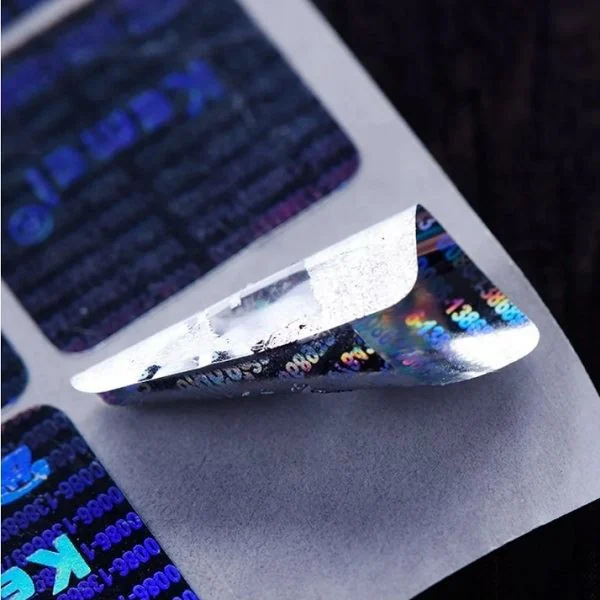
Hologram Security Label
Reflective holographic security label with visual authentication for brand protection and…
View details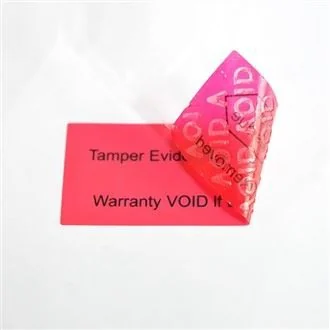
VOID Tamper Evident Security Label
Security label that reveals a tamper message when lifted, helping protect equipment…
View details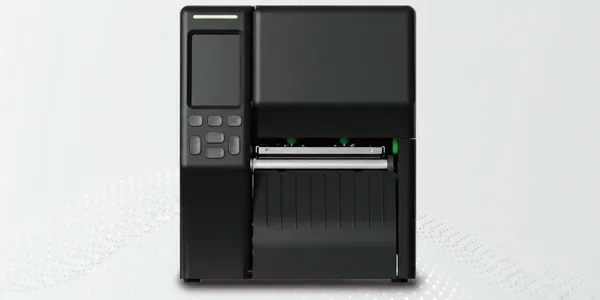
Q430 4-inch thermal transfer printer
Multiple print resolutions are available, with the higher 600dpi resolution offering…
View details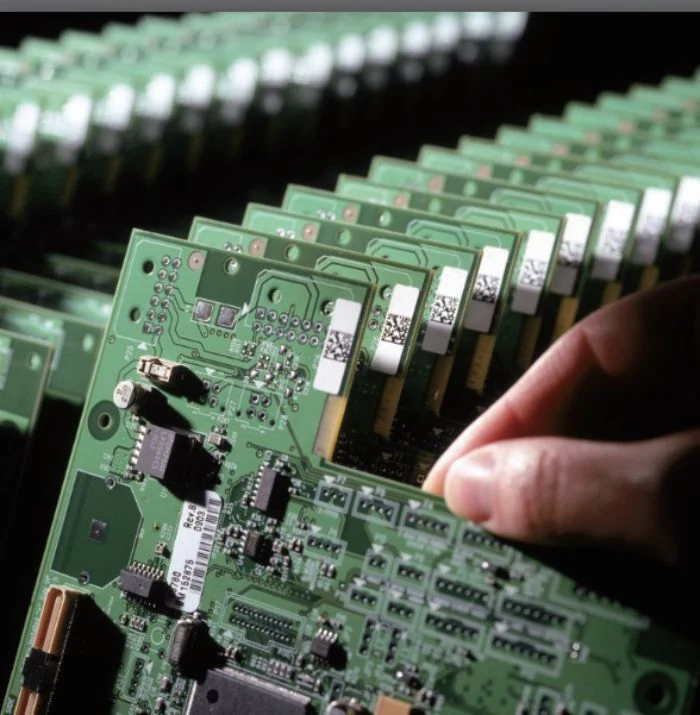
Removable High-Temperature Polyimide Label
Removable polyimide label for temporary process control where clean removal after…
View detailsNeed the right ribbon for your label application?
Share the label material, printer and operating environment. Our team will recommend a tested combination.
