
Different Zebra Resin Grades: How to Choose Wax, Wax/Resin or Resin
Request a solution
- Original TTR manufacturer since 2013
- Automated coating and slitting
- IQC / IPQC / OQC control
- ANSI barcode grade testing
- -20°C to 120°C environmental testing
- Batch-level traceability
- ANSI barcode grade
- Batch traceability
- RoHS / REACH compliance
- SGS and MSDS documents on request
Buyers comparing Zebra resin grades are comparing thermal transfer ribbon classes: wax, wax/resin and resin, with each class sold in more than one quality tier. The class is set by the label material and by what the print must survive, while the Zebra printer model only fixes the roll format of width, length, core and ink side out. Wax suits paper labels, wax/resin adds scratch and smudge resistance on coated paper and selected synthetics, and resin serves polyester, polypropylene and exposure to heat, moisture or chemicals. Confirm the choice with a test print on your own labels before placing a production order.
Key Takeaways
- Zebra names three main ribbon types, wax, wax/resin and resin, so a grade label first identifies the ink class.
- The ribbon type a Zebra printer needs depends on the label material and application requirements, not on the printer model.
- Grades differ inside one class: Zebra positions its 3200 High-Performance ribbon above conventional wax/resin ribbons for scratches, smears, everyday chemicals and higher temperatures.
- Resin is not one formula, because manufacturers prepare separate resin ribbons for flat-head, near-edge and TTO printers.
- Zebra printers require ribbons wound with the ink side out, known as coated side out (CSO).
What Zebra Resin Grades Actually Mean
A grade name on a Zebra printer ribbon tells you two things: the ink class (wax, wax/resin or resin) and the quality tier inside that class. Zebra itself names wax, wax/resin and resin as the main ribbon types, each a thin polyester film coated with an ink chosen for the intended application. The printer model does not narrow that choice; the label material and the application requirements do.
How Grades Differ Inside One Class
Two ribbons can share a class name and still perform differently. Zebra's supplies page lists a 3200 High-Performance ribbon for industrial and desktop printers that resists scratches, smears, everyday chemicals and higher temperatures better than conventional wax/resin ribbons. Resellers such as BIS Labels stock wax, wax-resin and resin in multiple grades, from basic to premium.
Resin splits further by printer and by application. DNP develops separate resin ribbons for flat-head, near-edge/corner-edge and TTO printers, and it notes that resin has more limits on substrate compatibility. Textile resin, also called wash care ribbon, is a different product again, made for polyester satin, nylon woven labels and textile care tags.
Names are not standardized either: one supplier says its wax ribbons contain some resin for moderate durability, and another sells a Resin Enhanced Wax product. Read the grade as a starting point, then judge the specific ribbon by its tested evidence on your own label.
Choose the Grade by Label Material First, Then by Environment
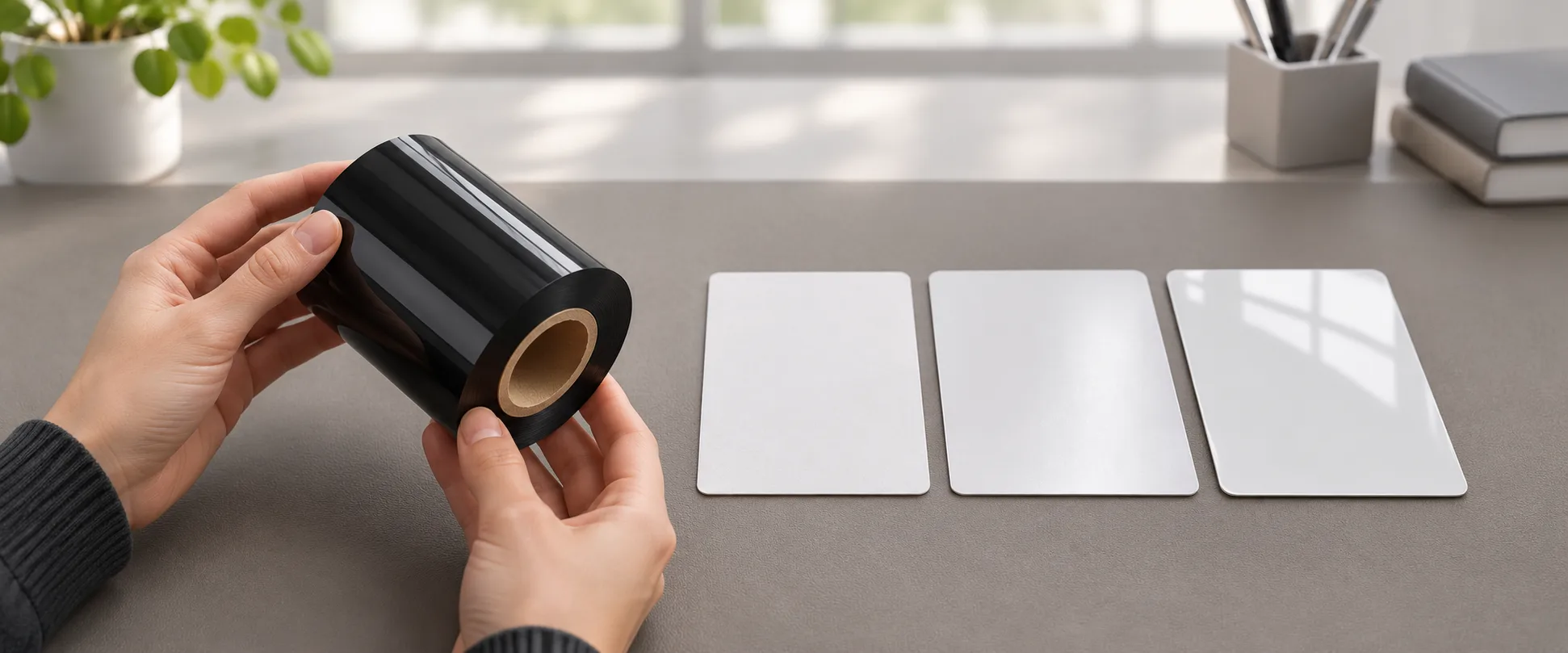
Label material sets the starting grade: wax for paper, wax/resin for coated paper and some synthetic labels, and full resin for polyester and polypropylene. Run through the three checks below in order and stop at the lowest grade that passes all of them.
- Identify the label facestock. Wax ribbons are made for paper facestocks, labels and tags, and coated paper takes wax or wax/resin. Synthetic materials such as polyester and polypropylene call for resin.
- Add the conditions the print must survive. Move up a grade when the label faces heat, moisture, chemicals, abrasion or outdoor exposure. Labels that must stay readable long term in high temperature and humidity or frequent friction, such as fixed asset labels, outdoor equipment labels and chemical barcode labels, call for resin.
- Weigh cost against the need. Wax is the economical choice for paper labels in dry indoor use. Wax/resin balances cost and performance and already resists scratching, moisture and moderate chemicals better than wax. Resin gives the strongest resistance to abrasion, heat, chemicals and outdoor exposure on compatible synthetic labels.
The common pairings follow the same logic. Paper labels in general applications are a wax job. A wax/resin ribbon is the step up when coated paper or a selected synthetic label needs more durability. Resin covers nameplates, warning labels, laboratory labels and tags, and clothing care labels take a textile resin ribbon.
Check Zebra Printer Compatibility Before You Order
The Zebra printer model does not choose the grade, but it decides which rolls the printer can load and print with.
Match the Print Head Type
Flat-head printers, used in most desktop and industrial label printers, press the ribbon and label against a flat printhead with the platen roller. Near-edge printers, common in TTO coders for flexible packaging, drag the ribbon across a sharp edge of the printhead while the label moves beneath at high speed, and they require specialized ribbons. Zebra label printers sit in the flat-head group: Colorfulttr lists its flat-head CL507, CL508, CL609 and CL807A ribbons for Zebra and Sato printers. Compare flat-head formulations for them, because the near-edge versions exist for TTO coders.
Confirm the Roll Specification
- Ink side: Zebra printers require ribbons wound with the ink side out, called coated side out (CSO), and the wrong winding prints blank labels.
- Width, length and core: these parameters must match your printer and label specifications, and the ribbon must be equal to or wider than the label. Roll lengths differ between Zebra desktop and industrial models, as the Data and Evidence table shows.
- Heat setting: it is adjusted for each ribbon and label stock combination, so reset it whenever you change ribbon or label.
Validate the Grade With Samples Before a Bulk Order
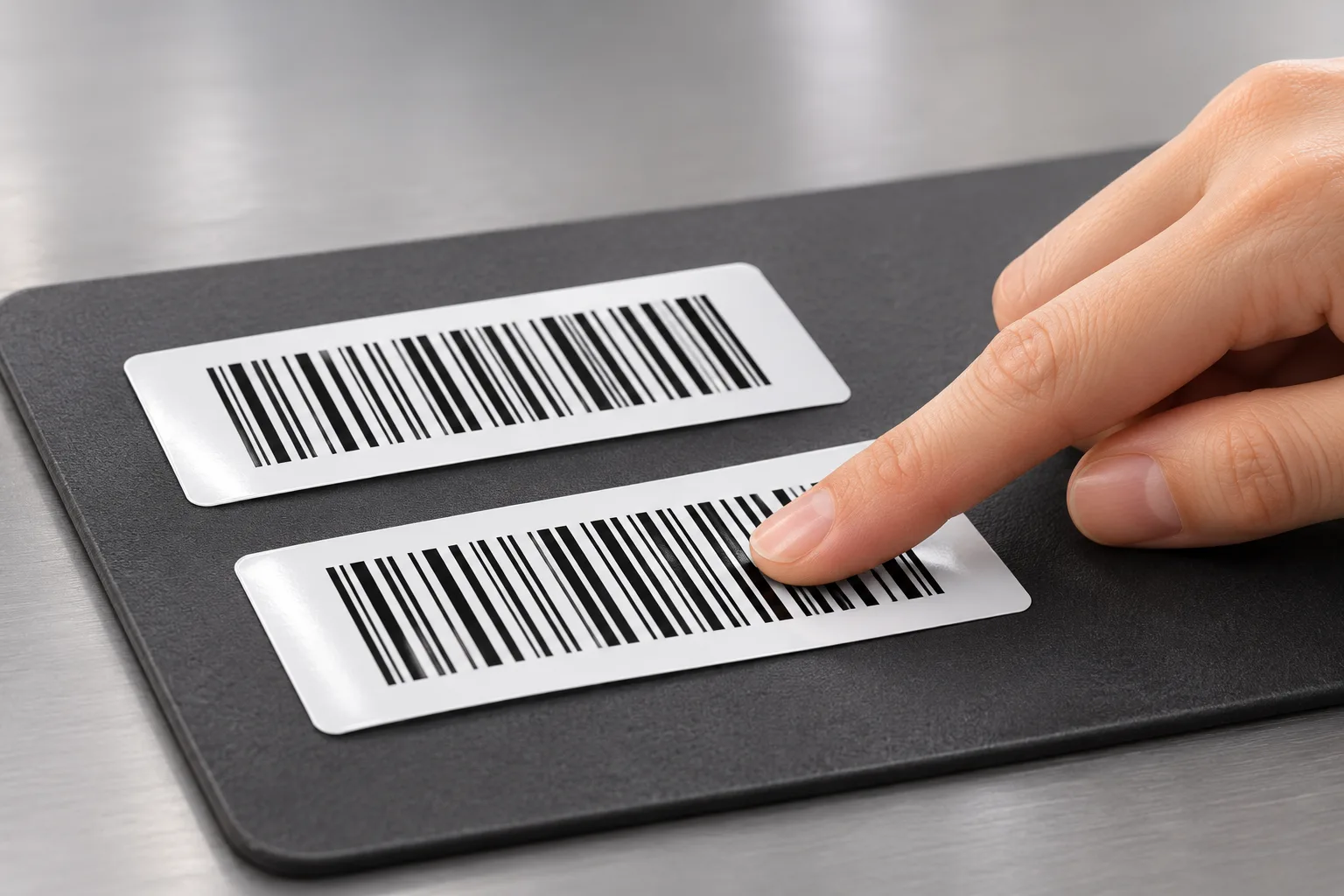
A grade name cannot prove durability on your label, so test the candidate ribbon on your own labels and printer before you order a production quantity. Ribbon suppliers say the same, because coatings vary from product to product.
Sample Test Steps
- Ask for the data sheet of the exact grade and check that it names your label material and the resistance you need.
- Print samples on your own labels with the settings you use in production.
- Rub the print and expose it to the real condition it will meet, such as the chemical, heat or moisture.
- Release the production order only after the sample stays readable.
Colorfulttr's buyer guide for thermal transfer overprinting gives the same rule: confirm every ribbon choice with a sample printed and rub-tested on the actual material before a full batch.
What a Failed Print Tells You
Smudging or fading points to a mismatch between ribbon type and label material, so switch to the class the material calls for and reprint. Blank labels point to the wrong winding direction.
What Colorfulttr Can Check for You
Colorfulttr manufactures thermal transfer ribbons and draws the same distinctions in its own range: CL507 and CL807A are flat-head resin ribbons for Zebra, Sato and similar printers, while CL926 is a near-edge TTO ribbon for Videojet, Domino and Markem-Imaje coders. Its high-grade wax-resin thermal transfer ribbon covers coated and uncoated paper labels. The company checks ribbon model, width, length, core and winding direction against your equipment, so send the Zebra model, the label material, the conditions the print must survive and the roll you use today.
Data and Evidence
The table below maps each grade to the label materials and conditions named by its sources; treat it as a starting point that your own sample test must confirm.
| Grade | Label material | Conditions it handles | Limit to watch | Public source |
|---|---|---|---|---|
| Wax | Paper labels, tags and paper facestocks | Environments with little to no chemical exposure and moderate abrasion | Scratching, moisture and moderate chemicals call for a higher grade | Weber Packaging; Barcode Printer Supply; DuraFast Label |
| Wax/resin | Coated paper and some or selected synthetic labels | Scratching, moisture and moderate chemicals at a balanced cost | Heat, chemicals or outdoor exposure on synthetics call for resin | DuraFast Label; Labelmatch; LabelsOnline |
| Resin | Polyester, polypropylene and other synthetic materials | Heat, moisture, chemicals, abrasion and outdoor exposure | Narrower substrate range; separate formulas for flat-head, near-edge and TTO printers | LabelsOnline; Labelmatch; GMP Labeling; DNP |
| Textile (wash care) resin | Polyester satin, nylon woven labels and textile care tags | Washing, high-temperature ironing and friction | Developed for textile labels, not as a general resin ribbon | Bomy Group |
Roll specifications that must match a Zebra printer:
| Check | Rule from the sources | Public source |
|---|---|---|
| Ink side | Zebra printers require ribbons wound ink side out (CSO); the wrong winding prints blank labels | Weber Packaging; Paper Roll Products |
| Width | The ribbon must be equal to or wider than the label | Termedia Labels |
| Roll length | Desktop printers (Zebra ZD) accept 74 m or 110 m rolls; industrial printers (Zebra ZT) accept 300, 360, or 450 m rolls | Termedia Labels |
Frequently Asked Questions
Can I use non-Zebra brand ribbons in a Zebra printer?
You can, provided the roll meets the printer's specification. Resellers such as Able Label carry OEM compatible ribbons for Zebra, and the grade still has to match the label material. Check that the roll is wound ink side out (CSO) and has the right width, length and core, then confirm it with a sample print on your labels.
Do all synthetic labels need a full resin ribbon?
Polyester and polypropylene labels do: suppliers describe full resin as required for these materials and for any label that must withstand heat, moisture, chemicals or outdoor exposure. Several suppliers also note that wax-resin works on some or selected synthetic labels, so it is an option on the synthetics a supplier names. Test the candidate when your label is synthetic.
What happens if I use a wax ribbon on polyester labels?
The ribbon and the label material are mismatched, which can lead to smudging or fading. Wax ribbons are made for paper facestocks, so for polyester switch to a resin ribbon, adjust the heat setting for the new ribbon and label stock, and reprint the affected labels.
What should I tell a supplier to get the right Zebra ribbon grade?
Send the Zebra printer model, the label material, the conditions the print must survive and the roll you use today, including its width, length, core and ink side. Printer, ribbon and label have to be mutually compatible, so this is what a grade recommendation needs.
Recommended products for this industry
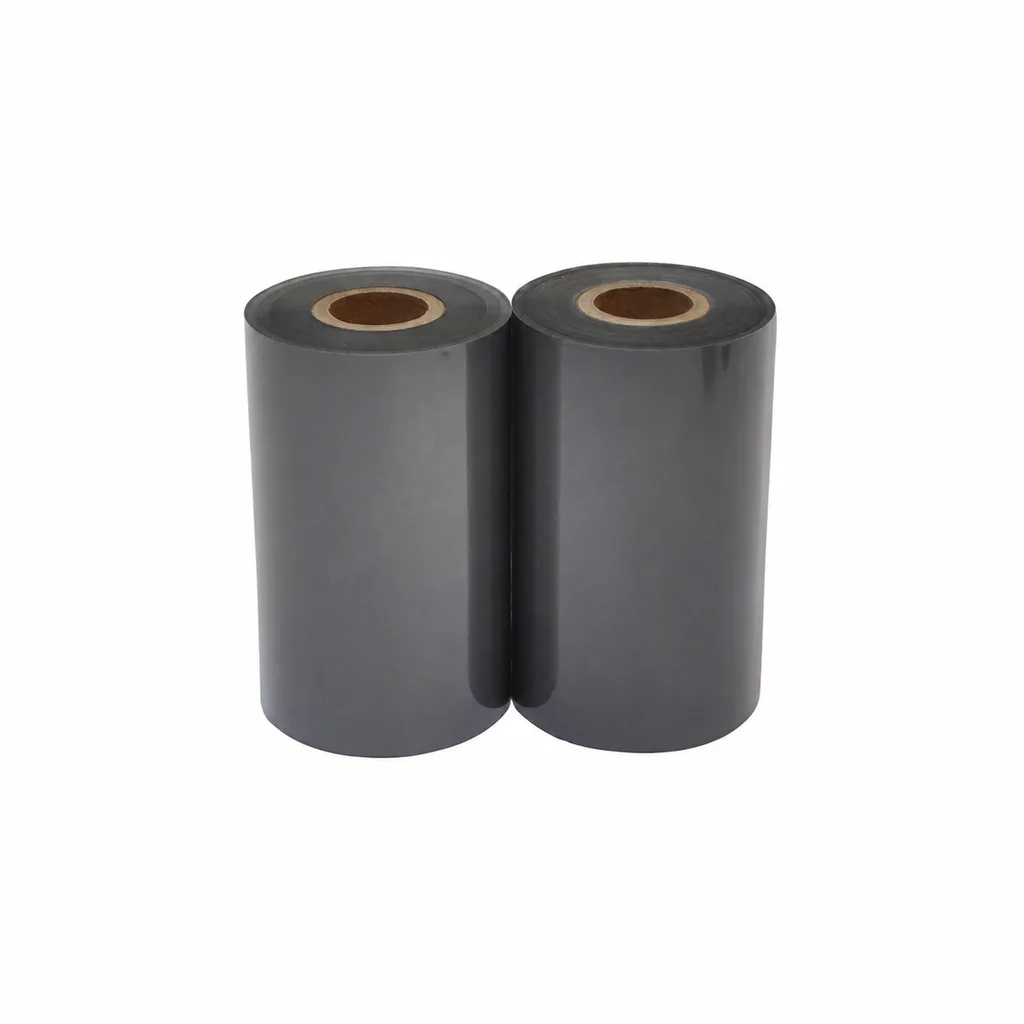
Black Resin Thermal Transfer Ribbon for Label Printing - CL-Z373
CL-Z373 is a black resin thermal transfer ribbon for label printing with desktop or industrial flat-head barcode printers at speeds of ≤6 ips (inches per second). Listed applications include electronics processing, tire identification, automotive manufacturing, pharmaceutical packaging, cosmetic labels and outdoor identification. Selection depends on the actual label material, printer and exposure conditions. Fine-line, small-character and resistance results were obtained on coated paper; print quality and image durability may vary with the printer and print substrate.
View details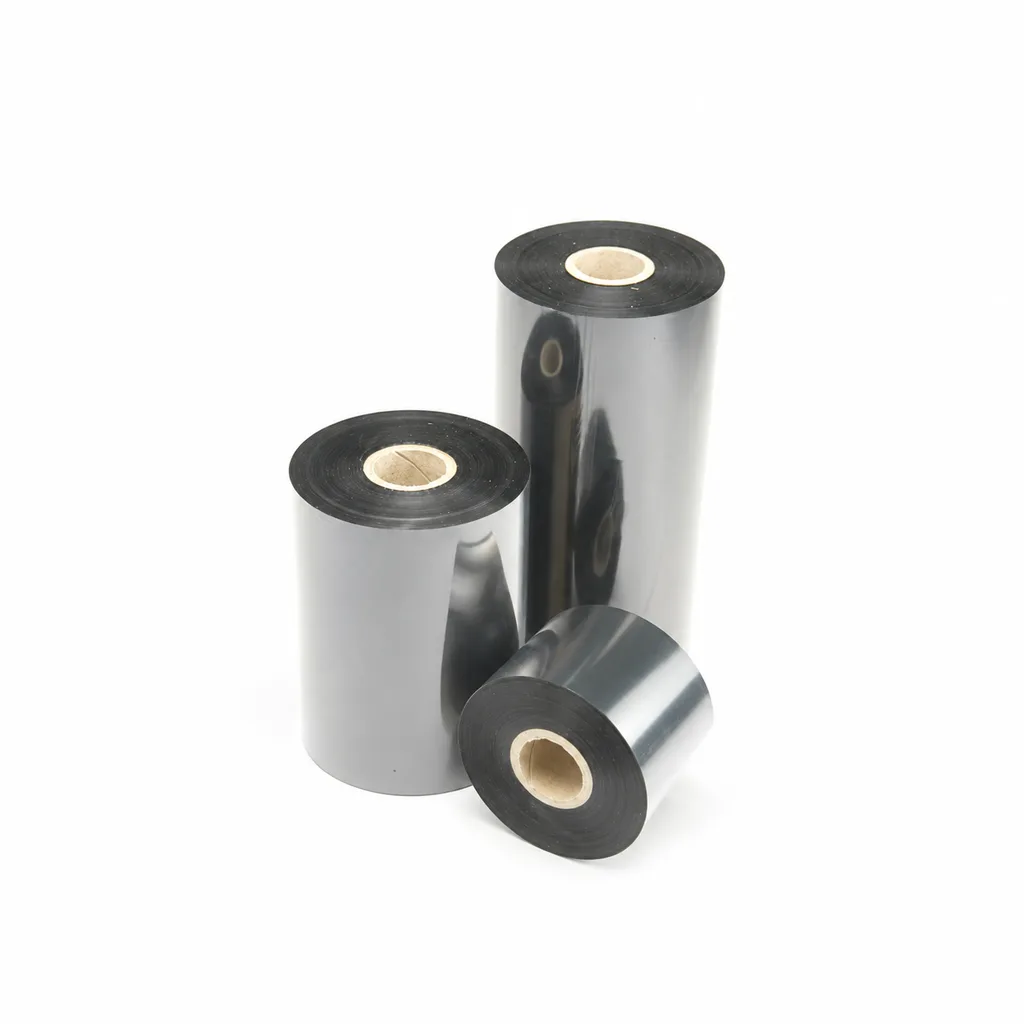
CL-Z203 Wax-Resin Thermal Transfer Ribbon for Barcode Labels
A black wax-resin thermal transfer ribbon for flat-head printing, with listed applications including retail, warehousing, logistics and garment tags. Select it against your actual label material and desktop or industrial barcode printer at speeds ≤6 ips (inches per second). Fine-line, small-text and durability results were obtained on coated paper; print quality and image durability may vary with the printer and printing substrate.
View details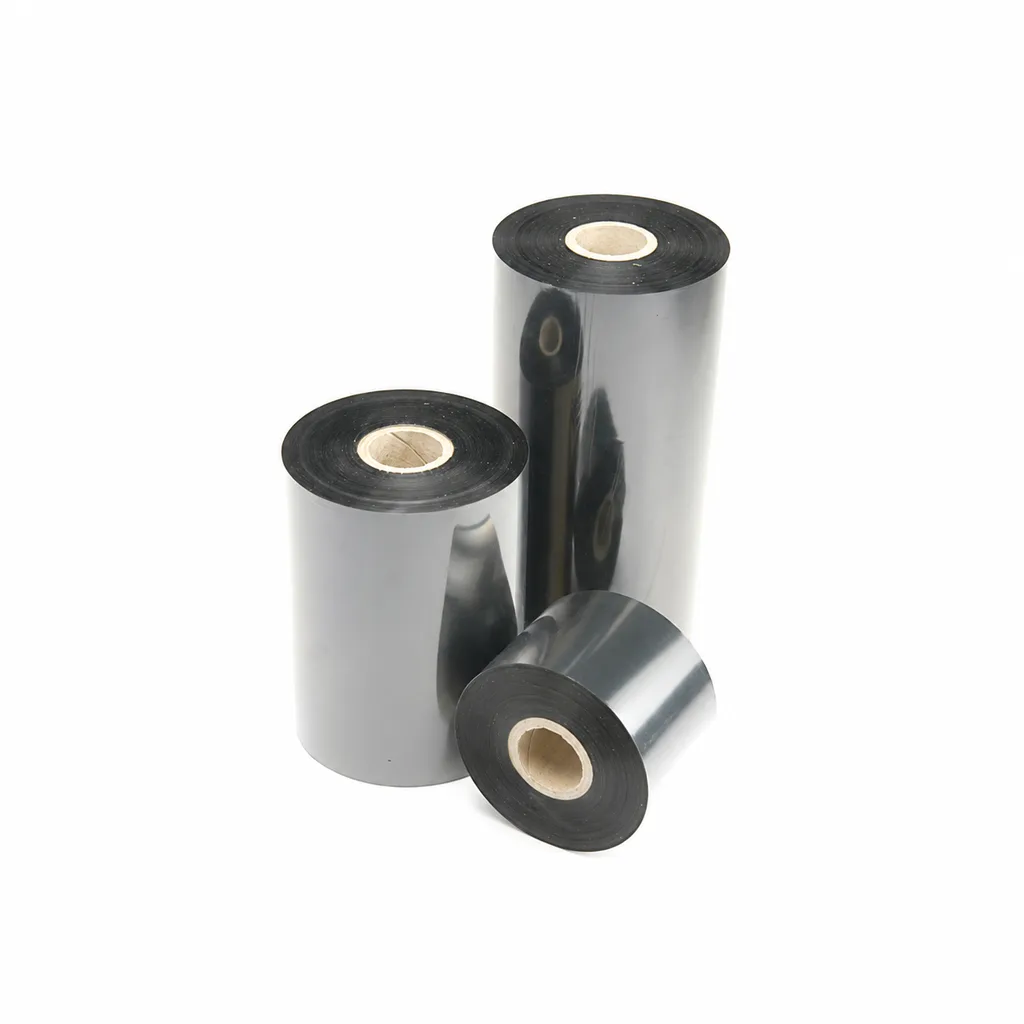
CL-Z213 Near-Edge Wax-Resin Thermal Transfer Ribbon for Barcode Labels
An enhanced black near-edge wax-resin thermal transfer ribbon for near-edge barcode printers and low- to medium-speed thermal transfer overprinting (TTO). Listed applications include retail labels, warehousing, garment tags and packaging identification. Match the printer, actual print medium and operating speed before selection: print quality and image durability can vary with the printer and substrate.
View details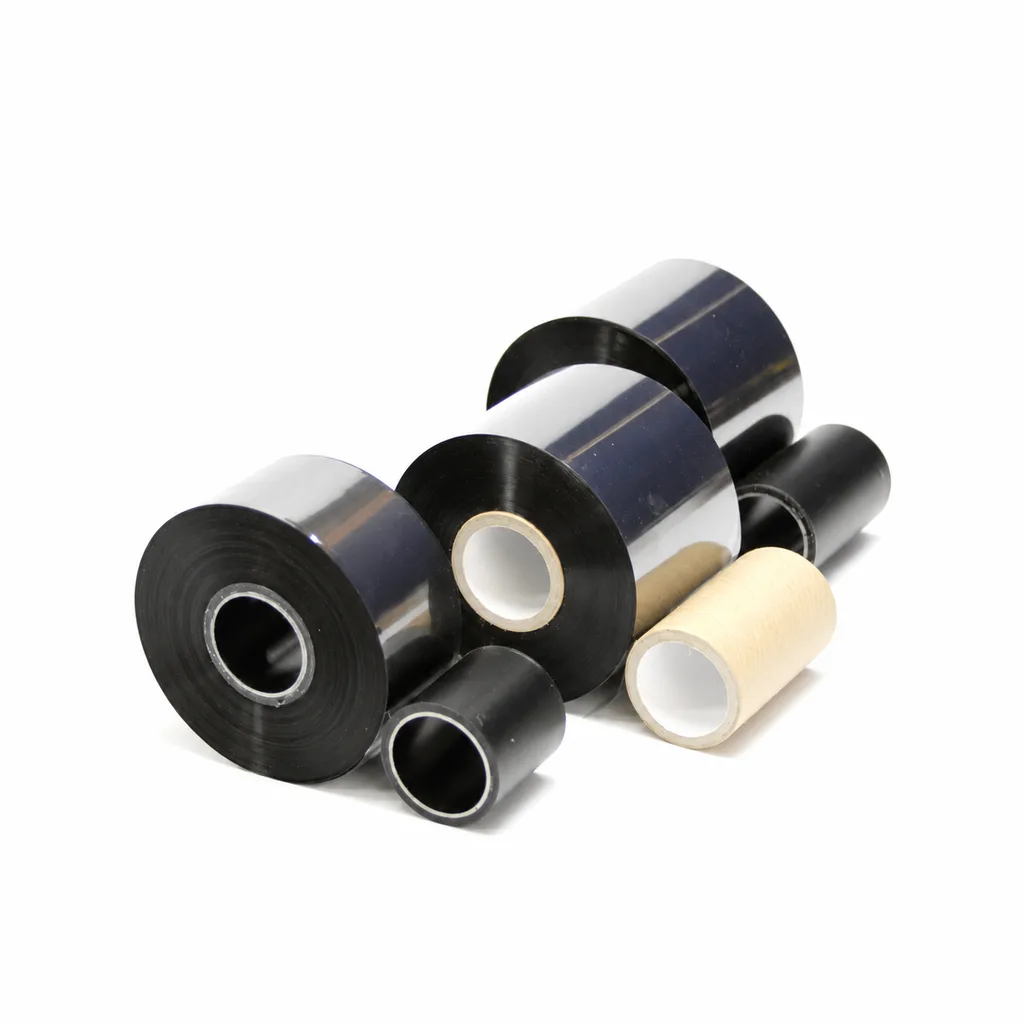
CL-Z215 Wax-Resin Thermal Transfer Ribbon for Packaging and Barcode Printing
CL-Z215 is a black, general-purpose wax-resin thermal transfer ribbon for thermal transfer overprinting (TTO) and near-edge barcode printers. Listed applications include retail labels, prepackaging, food packaging, pharmaceutical packaging, hot packaging and the frozen-food sector. Select it against your actual printer, printing material and required speed, then confirm print quality and image durability on that combination. The stated speed limits and durability results apply only within the documented conditions; they are not universal compatibility or long-term temperature guarantees.
View detailsNeed the right ribbon for your label application?
Share the label material, printer and operating environment. Our team will recommend a tested combination.
