
Color Thermal Transfer Ribbon for Labels: A Factory Buyer's Guide
Request a solution
- Original TTR manufacturer since 2013
- Automated coating and slitting
- IQC / IPQC / OQC control
- ANSI barcode grade testing
- -20°C to 120°C environmental testing
- Batch-level traceability
- ANSI barcode grade
- Batch traceability
- RoHS / REACH compliance
- SGS and MSDS documents on request
Key Takeaways
- This guide helps industrial buyers select color thermal transfer ribbons for labels.
- It explains ribbon types (wax, wax-resin, resin) and their suitability for different label materials and environments.
- Color ribbons, including red, green, yellow, and blue, are used for coding, branding, and safety differentiation.
Understanding Color Thermal Transfer Ribbons
Thermal transfer ribbons are consumables used in thermal transfer printers to produce durable barcodes, text, and graphics on labels. The ribbon consists of a carrier film coated with ink that melts or transfers onto the label material when heated by the printhead. While black is the most common color, color thermal transfer ribbons are increasingly used for coding, branding, and safety applications.
Color ribbons are available in wax, wax-resin, and resin formulations. Wax ribbons are cost-effective for paper labels in general logistics. Wax-resin offers better scratch resistance and is suitable for more demanding applications. Resin ribbons provide the highest resistance to chemicals, heat, and abrasion, making them ideal for synthetic labels and harsh environments.
For color coding, manufacturers often use red, green, yellow, and blue ribbons to differentiate product variants, batches, or safety warnings. For example, red ribbons can indicate hazardous materials, while green may denote eco-friendly products. Color thermal transfer ribbons also enhance brand identity when printing logos or decorative elements.
- Ribbon types: wax, wax-resin, resin
- Common colors: black, red, green, yellow, blue
- Applications: barcodes, labels, packaging, branding
- Durability varies by ribbon formulation
Key Selection Criteria for Color Ribbons
Selecting the right color thermal transfer ribbon involves several factors. First, match the ribbon type to the label material. Wax ribbons work best with paper labels, while resin ribbons are required for synthetic materials like polyester or polypropylene. Using the wrong ribbon can lead to smudging or poor adhesion.
Second, consider the printing environment. If labels will be exposed to sunlight, heat, oils, or chemicals, choose a ribbon with higher durability, such as wax-resin or resin. For indoor, short-term use, wax may suffice. Color fastness is also critical; ensure the ribbon's color remains stable over time and under exposure.
Third, verify printer compatibility. Different printers have specific ribbon width and length requirements. Most thermal transfer printers accept ribbons with a width range of 30 mm to 220 mm and lengths from 70 m to 600 m. Check your printer's specifications to avoid jams or poor print quality.
- Match ribbon type to label material (paper vs. synthetic)
- Assess environmental exposure: heat, chemicals, abrasion
- Verify printer ribbon width and length compatibility
- Consider color fastness and contrast for barcode scanning
Factory Capabilities to Look For
When sourcing color thermal transfer ribbons, evaluate the manufacturer's production capacity and customization options. A reliable supplier should have consistent output to meet your demand. For example, an original manufacturer with an annual production capacity of 50 million square meters and monthly output of over 200,000 rolls can ensure stable supply.
Customization is often necessary for specific applications. Look for suppliers that offer custom widths (30 mm to 220 mm) and lengths (70 m to 600 m). Additionally, custom Pantone color matching ensures your brand colors are accurately reproduced. Some manufacturers also provide OEM and private label packaging, allowing you to sell under your own brand.
Quality certifications are essential. ISO 9001:2015 indicates a quality management system. RoHS 2.0 and REACH compliance ensure environmental and safety standards. SGS testing and FDA compliance for food contact are critical if labels will be used in food packaging. MSDS reports provide safety information for handling and shipping.
- Production capacity: 50 million sqm/year, 200,000+ rolls/month
- Custom widths and lengths available
- OEM/private label packaging and Pantone matching
- Certifications: ISO 9001, RoHS, REACH, SGS, FDA
Supplier Verification and Quality Assurance
Before committing to a supplier, request samples to test print quality and durability. Conduct tests under your actual operating conditions, including temperature, humidity, and handling. Verify that the ribbon produces crisp, scannable barcodes and that colors match your specifications.
Ask for test reports and certificates. Reputable suppliers will provide SGS test results, RoHS and REACH declarations, and FDA compliance documentation if applicable. Check that the supplier's claims align with the provided documents. If possible, visit the factory or request a virtual tour to assess production processes.
Confirm lead times for samples and production. Lead times vary by product type, so discuss your timeline with the sales team. A transparent supplier will provide realistic schedules and keep you informed of any delays.
- Request samples and conduct real-world tests
- Review test reports and certifications
- Confirm lead times and production schedules
- Consider factory audits or virtual tours
Common Mistakes to Avoid
One common mistake is using wax ribbons on synthetic labels, leading to poor adhesion and smudging. Always match ribbon type to label material. Another error is ignoring durability requirements; if labels face harsh conditions, choose a more resistant ribbon.
Overlooking printer specifications can cause operational issues. Ensure the ribbon width and length fit your printer. Also, avoid assuming that all color ribbons have the same durability as black ribbons; color formulations may differ, so test accordingly.
Finally, don't neglect supplier verification. Skipping sample testing or ignoring certifications can lead to costly failures. Always validate the supplier's capabilities and quality systems.
- Mismatching ribbon type and label material
- Ignoring environmental durability needs
- Overlooking printer compatibility
- Skipping sample testing and certification review
Making the Final Decision
After evaluating your requirements and potential suppliers, create a shortlist and compare their offerings. Consider factors such as price, quality, customization options, and lead times. Remember that the lowest price may not always be the best value if quality is compromised.
Establish a long-term partnership with a supplier that demonstrates reliability and responsiveness. A manufacturer with 10+ years of experience and a strong track record can provide consistent quality and support. Confirm all specifications in writing, including ribbon type, color, dimensions, and packaging.
Finally, plan for ongoing quality monitoring. Regularly test incoming batches to ensure they meet your standards. Maintain open communication with your supplier to address any issues promptly.
- Compare suppliers based on quality, price, and service
- Choose a partner with proven experience
- Document all specifications and agreements
- Implement regular quality checks
Frequently Asked Questions
What is the difference between wax, wax-resin, and resin thermal transfer ribbons?
Wax ribbons are cost-effective and suitable for paper labels in general logistics. Wax-resin offers better scratch resistance and durability for moderate environments. Resin ribbons provide the highest resistance to chemicals, heat, and abrasion, making them ideal for synthetic labels and harsh conditions.
Can I use color thermal transfer ribbons on any label material?
No, you must match the ribbon type to the label material. Wax ribbons work best on paper, while resin ribbons are required for synthetic materials like polyester. Using the wrong combination can result in poor print quality, smudging, or fading.
How do I verify the quality of a thermal transfer ribbon supplier?
Request samples and test them under your operating conditions. Review certifications such as ISO 9001, RoHS, REACH, and SGS test reports. Confirm lead times and production capabilities. Consider visiting the factory or requesting a virtual tour.
What customization options are available for color thermal transfer ribbons?
Suppliers may offer custom widths (30 mm to 220 mm), lengths (70 m to 600 m), Pantone color matching, and OEM/private label packaging. Custom formulations can also be developed for specific durability or color requirements.
Related Products & Guides
Recommended products for this industry
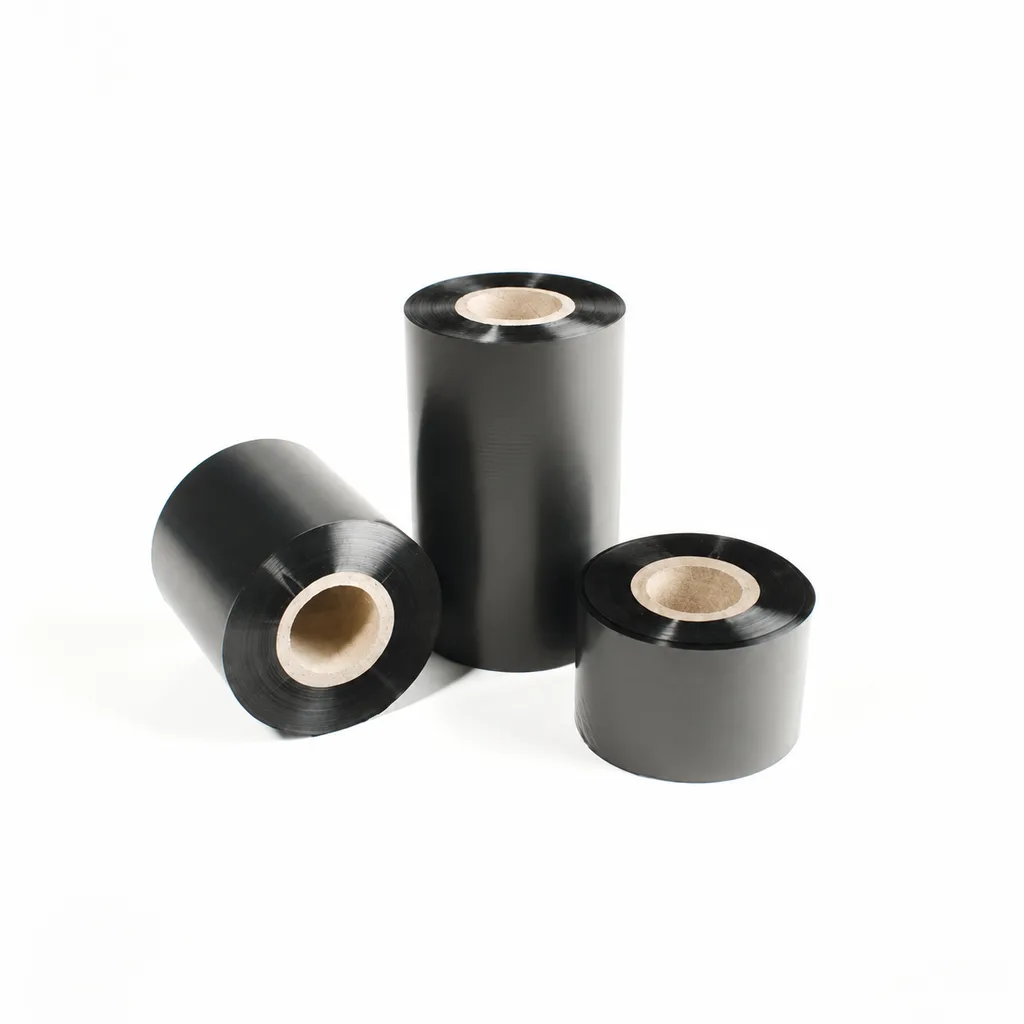
CL-Z112 Enhanced Wax Thermal Transfer Ribbon for Paper Labels and Tags
An enhanced wax thermal transfer ribbon with black ink for paper labels and tags used in retail, warehousing and logistics. It is specified for flat-head printing on desktop or industrial barcode printers at ≤8 inches per second (ips). Select it by checking the actual label material, printer configuration and handling conditions: image-quality, rub-resistance and cold-chamber results were obtained on coated paper, and print quality and image durability may vary with the printer and print medium.
View details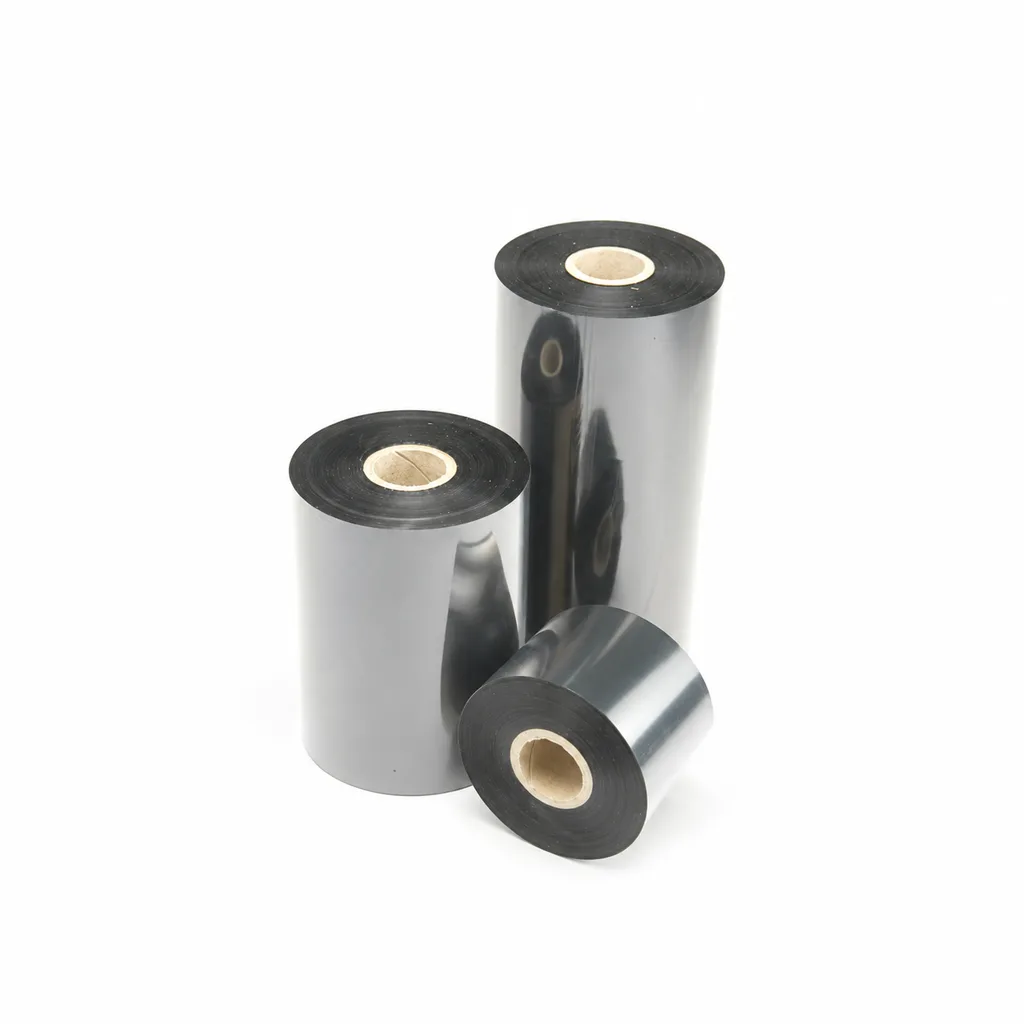
CL-Z203 Wax-Resin Thermal Transfer Ribbon for Barcode Labels
A black wax-resin thermal transfer ribbon for flat-head printing, with listed applications including retail, warehousing, logistics and garment tags. Select it against your actual label material and desktop or industrial barcode printer at speeds ≤6 ips (inches per second). Fine-line, small-text and durability results were obtained on coated paper; print quality and image durability may vary with the printer and printing substrate.
View details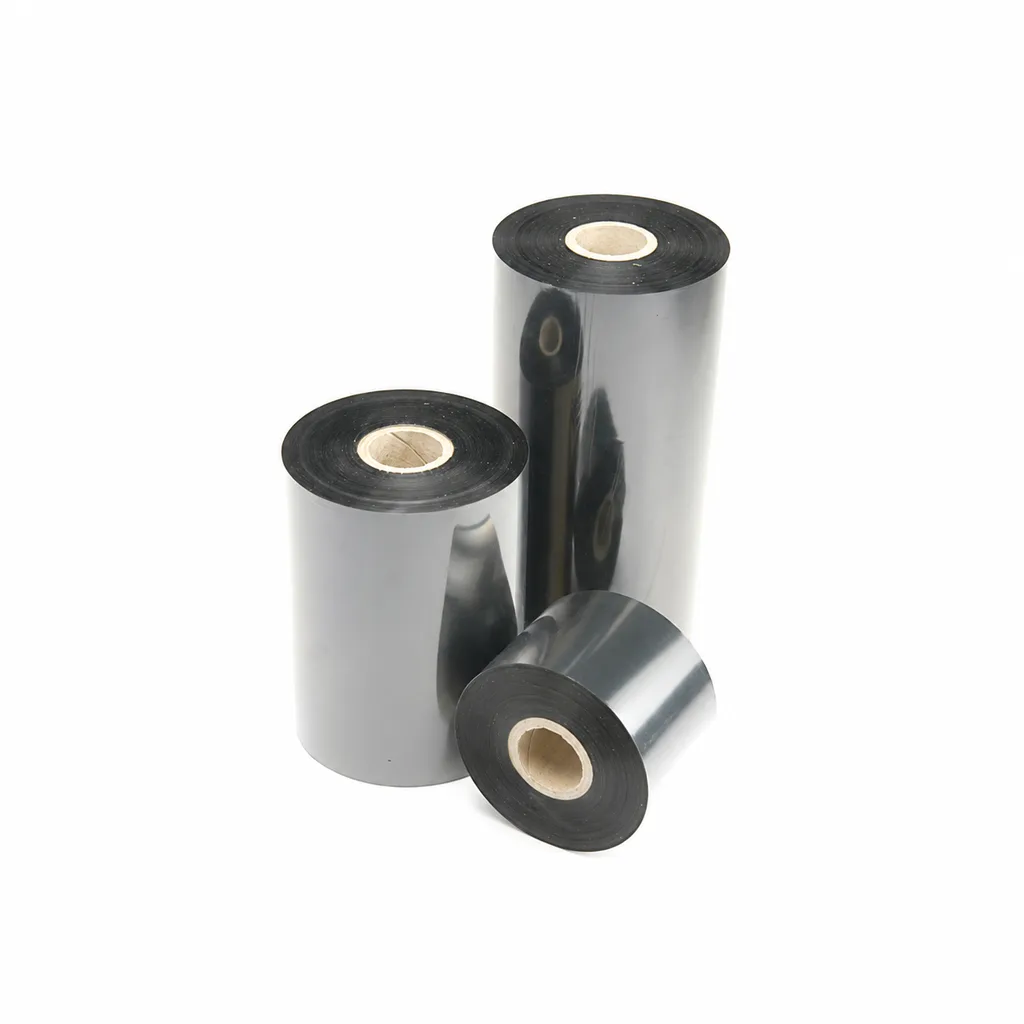
CL-Z213 Near-Edge Wax-Resin Thermal Transfer Ribbon for Barcode Labels
An enhanced black near-edge wax-resin thermal transfer ribbon for near-edge barcode printers and low- to medium-speed thermal transfer overprinting (TTO). Listed applications include retail labels, warehousing, garment tags and packaging identification. Match the printer, actual print medium and operating speed before selection: print quality and image durability can vary with the printer and substrate.
View details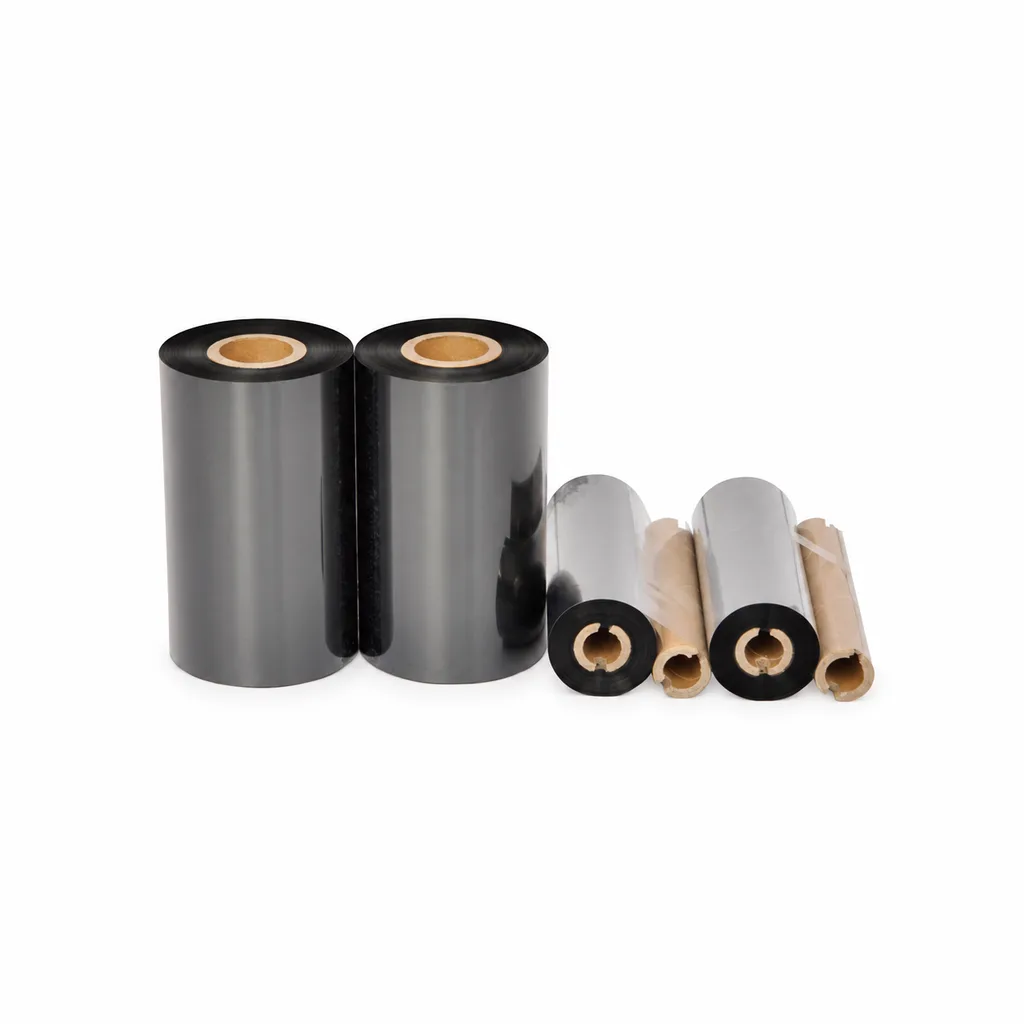
CL-Z908 Wax Thermal Transfer Ribbon for Barcode Labels and Tags
CL-Z908 is an economical black wax thermal transfer ribbon for label and tag printing. Listed applications include retail, warehousing, logistics, clothing tags, simple packaging and production line identification. It is intended for flat-head printing on desktop or industrial barcode printers at speeds of ≤6 inches per second (ips). Select it against your actual paper stock, printer and required image durability: print quality and image durability may vary with the printer and printing substrate.
View detailsNeed the right ribbon for your label application?
Share the label material, printer and operating environment. Our team will recommend a tested combination.
