

- Original TTR manufacturer since 2013
- Automated coating and slitting
- IQC / IPQC / OQC control
- ANSI barcode grade testing
- -20°C to 120°C environmental testing
- Batch-level traceability
- ANSI barcode grade
- Batch traceability
- RoHS / REACH compliance
- SGS and MSDS documents on request
For buyers asking “ano ang ribbon,” a thermal transfer ribbon is an ink-bearing film used to print labels or other materials through heat transfer. Wax, wax/resin and resin are the main types, but a type name alone does not establish the right choice for a printer or surface. Start with your equipment and material, shortlist a supported grade, and evaluate a sample before purchasing a production quantity.
Key Takeaways
- Thermal transfer printing uses heat to move ink from a ribbon onto a label or other material.
- Thermal transfer ribbons typically use a thin polyester film coated with ink.
- Wax, wax/resin and resin are the main thermal transfer ribbon types.
- General Data describes wax/resin labels as more durable and smudge resistant than labels printed with full wax ribbon.
Understand what ribbon does before choosing a type
A thermal transfer ribbon carries ink that heat transfers onto a label or another material. In this printing context, the answer to “ano ang ribbon” concerns the printing consumable you buy for your own operation. Zebra describes its usual construction as a thin polyester film coated with ink, with the ink varying according to the intended application.
Use that distinction when preparing a purchase request: describe the printing job rather than asking only for “ribbon.” Write down the printer you intend to use, the material you intend to print, and what the printed information must withstand during actual handling. Ask the supplier to connect its proposed grade to those requirements.
Zebra identifies wax, wax/resin and resin as the main types. That gives you a useful vocabulary for comparing quotations, but it does not supply a complete ranking for every job. Avoid making a buying decision from the category name alone. Request a specific grade recommendation with its supported application, then keep that recommendation alongside the sample and quotation so you can compare like with like.
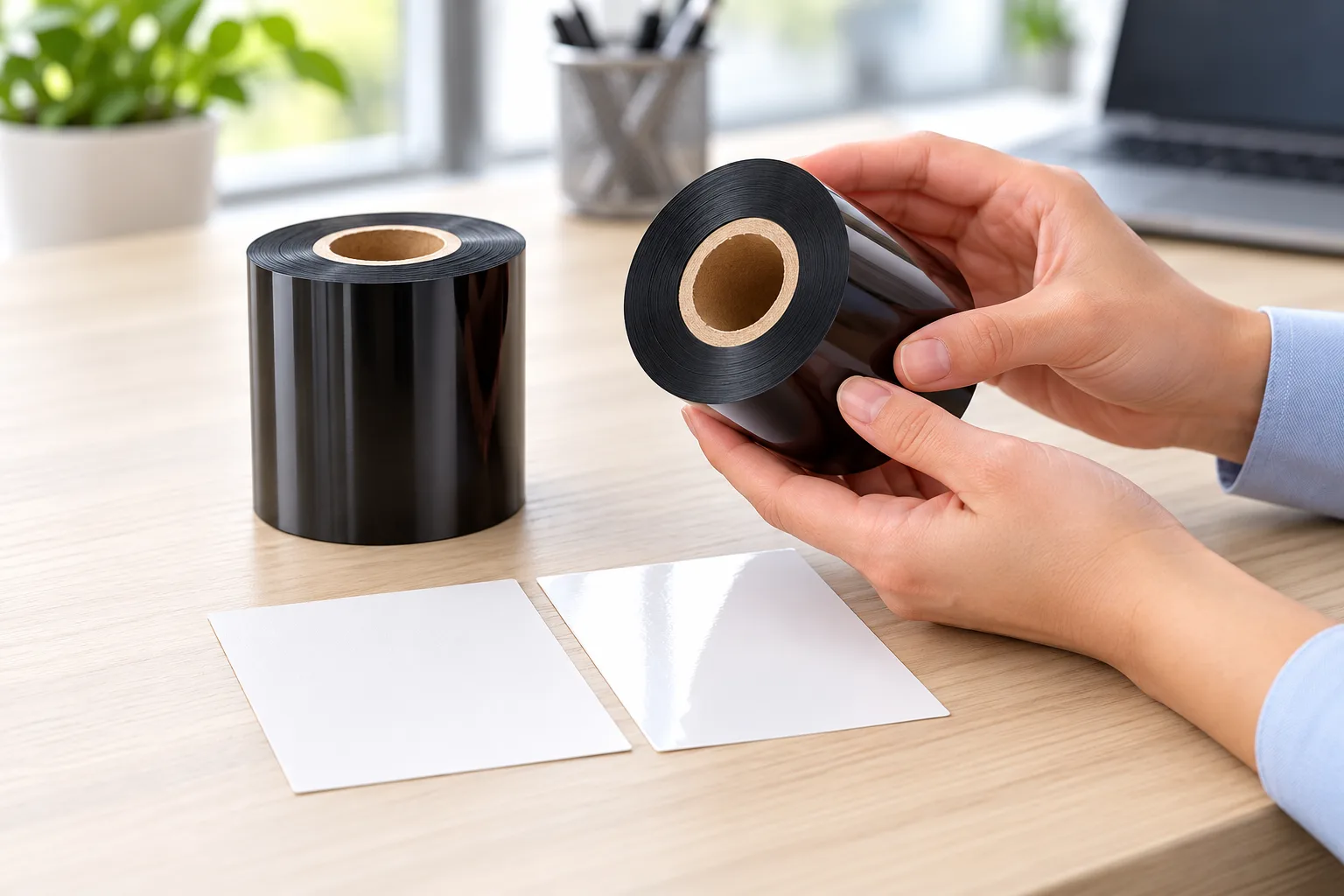
Compare ink types against the material you will print
Wax/resin ribbon combines wax and resin inks, according to General Data. Its description gives buyers a concrete reason to investigate that category: it describes the resulting labels as more durable and smudge resistant than labels printed with full wax ribbon. It also includes synthetics and glossy paper among the substrates supported by the blended ink.
If your shortlist includes full wax and wax/resin, use that comparison to frame a sample request. Ask whether the proposed wax/resin grade is recommended for your specific label stock and handling conditions. The published category comparison supports considering wax/resin; it does not establish a measured service life or guarantee a result for your own label.
For wax and resin candidates, request the same application information before comparing them with the blend. The available Zebra description identifies those categories but does not provide their individual substrate limits or performance specifications. Keep the choice open until a supplier can explain why its proposed grade fits your task.
Make the trade-off explicit in your purchasing notes. If better resistance to smudging is the reason for considering the blend, assess that outcome in the sample review. If your current result already meets your needs, ask what practical benefit a proposed change would deliver before accepting a different grade.
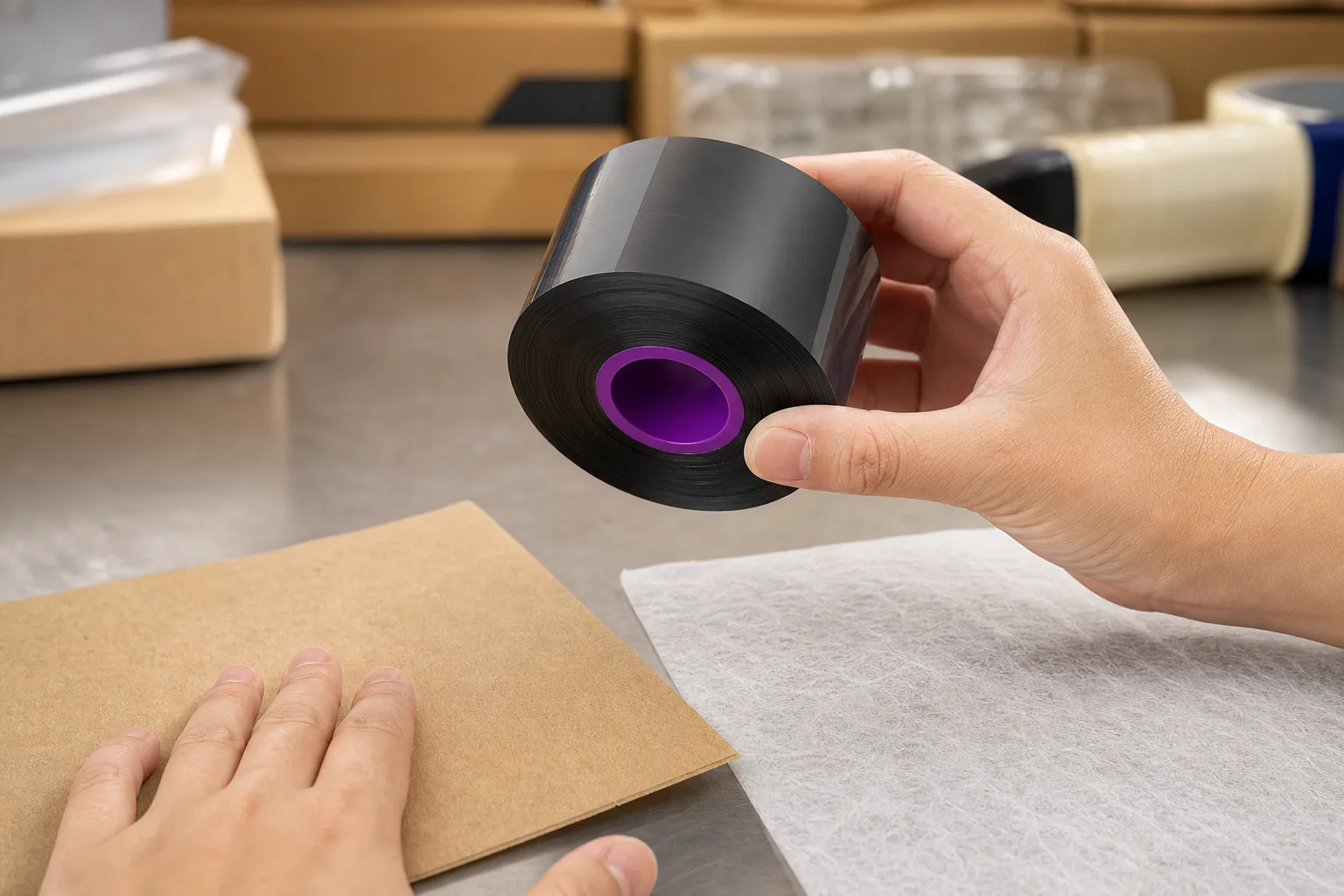
Separate packaging examples from a printer approval
Videojet describes its TTO 15-Z ribbon as delivering print quality on rough substrates such as Tyvek and Kraft paper. That is a product-specific application statement, useful when your packaging has a similar surface. It is a reason to investigate that named candidate, rather than evidence for the performance of every TTO ribbon.
When discussing a packaging application, give the supplier the actual material description and printer identity together. Ask it to identify the proposed ribbon grade and confirm the intended equipment application in writing. Keep the substrate recommendation and equipment confirmation as separate questions; an answer about surface suitability leaves the equipment question unresolved.
Do the same when reviewing a ribbon family advertised for a printer brand. A family description is a starting point for a conversation, so request confirmation for the exact equipment you operate rather than treating the brand name as a complete purchasing specification.
A useful shortlist can remain small. Retain candidates with an explained connection to your surface and an equipment recommendation you can check. Put candidates with unanswered questions aside until those answers arrive. This keeps the decision focused on the printing task rather than a long catalogue of names, colors or unrelated packaging applications.
Data and Evidence
The available descriptions support a basic ribbon explanation and a limited application comparison, rather than exact printer settings or universal durability thresholds. Use the following evidence to decide which questions to ask and which samples to request.
| Decision point | Supported information | Buyer verification |
|---|---|---|
| Printing process | Zebra describes heat transferring ink from ribbon onto labels or other materials. | Confirm the intended printing process for your equipment. |
| Ink category | Zebra lists wax, wax/resin and resin as the main types. | Request the proposed grade and its application recommendation. |
| Wax/resin comparison | General Data describes greater durability and smudge resistance than full wax, and includes synthetics and glossy paper. | Compare samples on the label stock you will purchase. |
| Rough packaging | Videojet identifies Tyvek and Kraft paper in its TTO 15-Z description. | Check the named grade against your surface and equipment separately. |
For a practical sample review, prepare the label or packaging stock you intend to use and a representative print layout. Agree on what acceptable output means for your operation before reviewing the samples. Include the information your team must read and the handling conditions that matter to the job; use your actual requirements instead of inventing a universal pass mark.
Record the candidate grade, equipment, material and observed result together. If a sample does not meet your requirement, send that record back with a description of the visible problem and request a revised recommendation. Avoid approving the production order while the material or equipment question remains unanswered. Your next step is to prepare that application brief and request a sample of the proposed grade.
Frequently Asked Questions
Does a wax/resin ribbon contain both wax and resin ink?
Yes. General Data describes wax/resin thermal transfer ribbons as a blend of wax and resin inks. Treat that composition as a starting point, then request a sample for your intended material.
Should I consider wax/resin ribbon for glossy paper labels?
Yes. General Data includes glossy paper among the substrates for wax/resin ribbons. Ask for a grade recommendation and verify the sample on your actual glossy paper before ordering.
Does a ribbon listed for rough packaging prove compatibility with my printer?
No compatibility conclusion follows from that description alone. Videojet describes its TTO 15-Z ribbon for rough substrates such as Tyvek and Kraft paper; ask separately for confirmation against your printer and application.
Recommended products for this industry
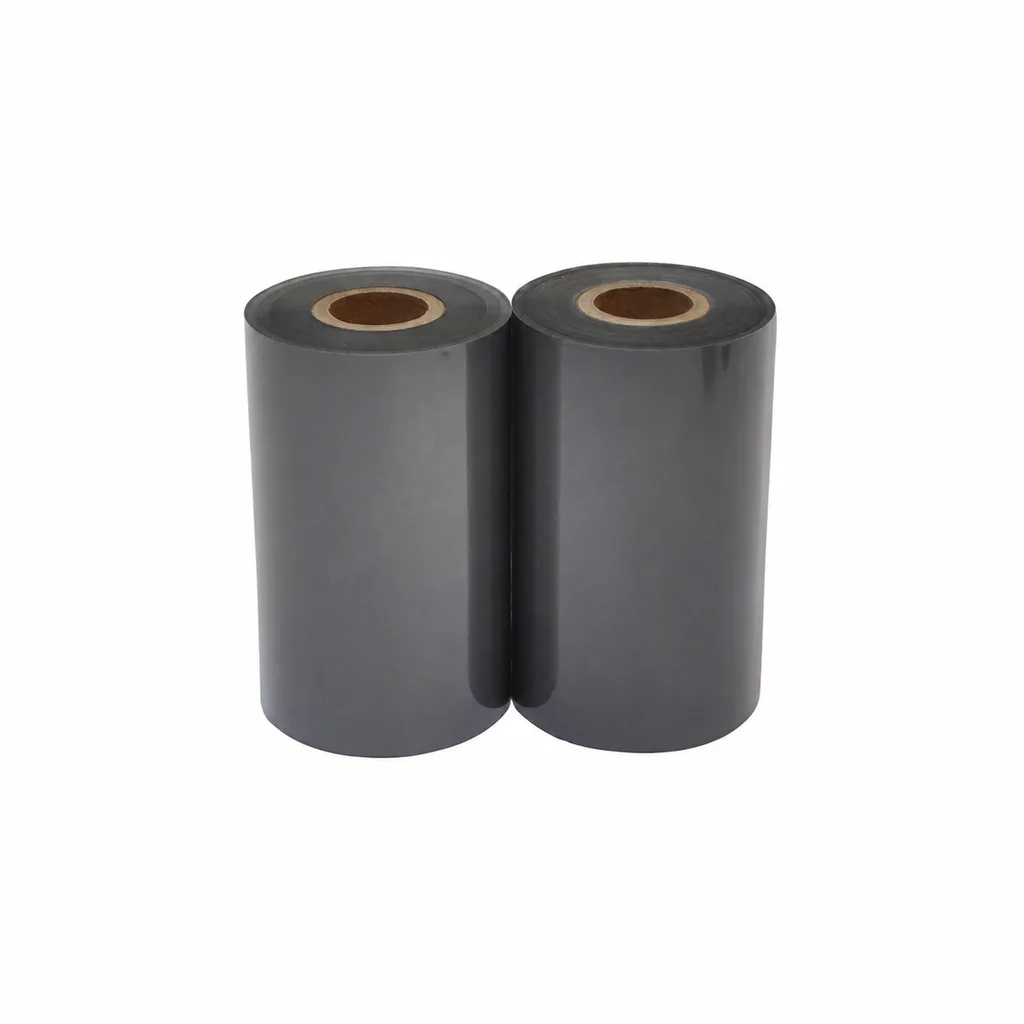
Black Resin Thermal Transfer Ribbon for Label Printing - CL-Z373
CL-Z373 is a black resin thermal transfer ribbon for label printing with desktop or industrial flat-head barcode printers at speeds of ≤6 ips (inches per second). Listed applications include electronics processing, tire identification, automotive manufacturing, pharmaceutical packaging, cosmetic labels and outdoor identification. Selection depends on the actual label material, printer and exposure conditions. Fine-line, small-character and resistance results were obtained on coated paper; print quality and image durability may vary with the printer and print substrate.
View details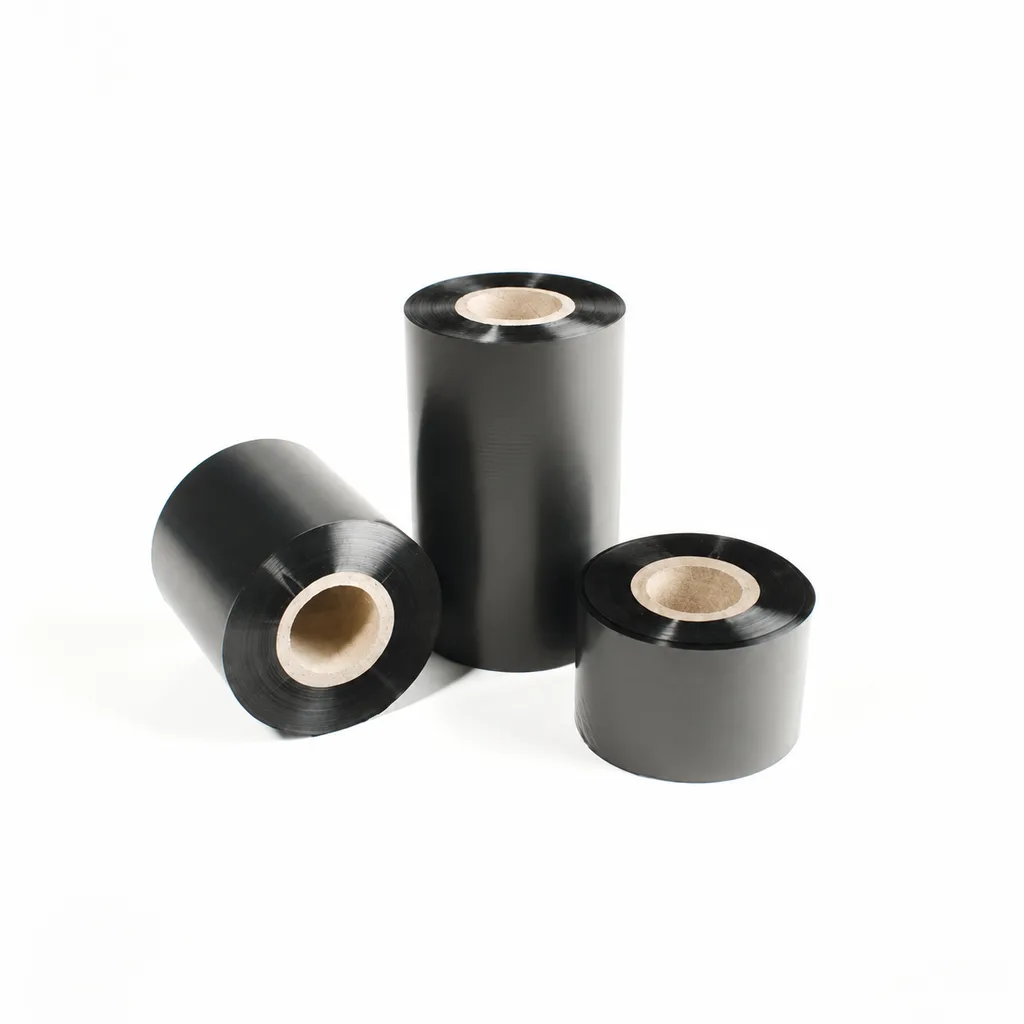
CL-Z112 Enhanced Wax Thermal Transfer Ribbon for Paper Labels and Tags
An enhanced wax thermal transfer ribbon with black ink for paper labels and tags used in retail, warehousing and logistics. It is specified for flat-head printing on desktop or industrial barcode printers at ≤8 inches per second (ips). Select it by checking the actual label material, printer configuration and handling conditions: image-quality, rub-resistance and cold-chamber results were obtained on coated paper, and print quality and image durability may vary with the printer and print medium.
View details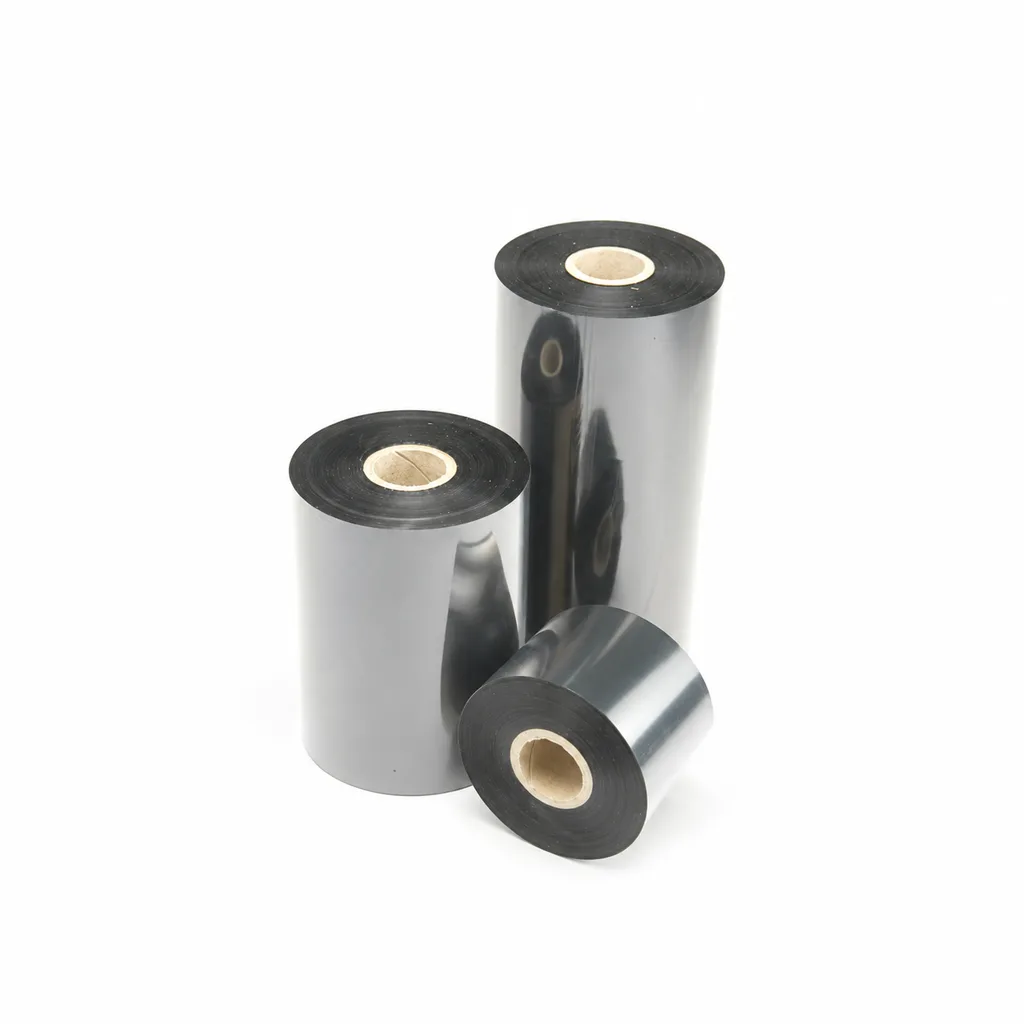
CL-Z203 Wax-Resin Thermal Transfer Ribbon for Barcode Labels
A black wax-resin thermal transfer ribbon for flat-head printing, with listed applications including retail, warehousing, logistics and garment tags. Select it against your actual label material and desktop or industrial barcode printer at speeds ≤6 ips (inches per second). Fine-line, small-text and durability results were obtained on coated paper; print quality and image durability may vary with the printer and printing substrate.
View details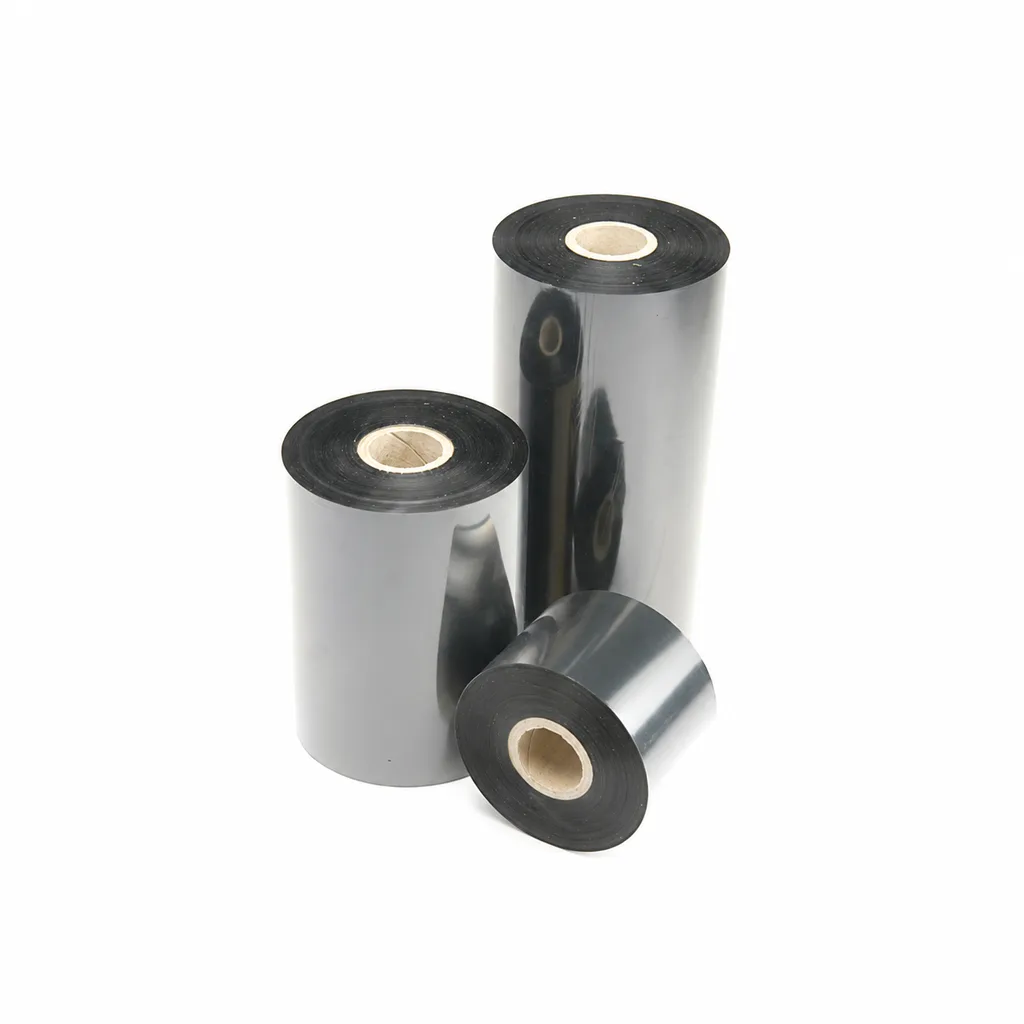
CL-Z213 Near-Edge Wax-Resin Thermal Transfer Ribbon for Barcode Labels
An enhanced black near-edge wax-resin thermal transfer ribbon for near-edge barcode printers and low- to medium-speed thermal transfer overprinting (TTO). Listed applications include retail labels, warehousing, garment tags and packaging identification. Match the printer, actual print medium and operating speed before selection: print quality and image durability can vary with the printer and substrate.
View detailsNeed the right ribbon for your label application?
Share the label material, printer and operating environment. Our team will recommend a tested combination.
