
Blood Labels: How to Choose Labels and Ribbons for Blood Bag Printing
Request a solution
- Original TTR manufacturer since 2013
- Automated coating and slitting
- IQC / IPQC / OQC control
- ANSI barcode grade testing
- -20°C to 120°C environmental testing
- Batch-level traceability
- ANSI barcode grade
- Batch traceability
- RoHS / REACH compliance
- SGS and MSDS documents on request
This guide is for blood banks, donation centres, and hospital laboratories that print their own blood labels in-house. The combination that holds up is a label designed for blood or plasma bags — non-migrating glue and a temperature rating matched to your storage — printed with a wax-resin or resin thermal transfer ribbon that suits the facestock. Whatever you shortlist, validate it by printing samples and running them through your real centrifugation and cold-storage steps before ordering in volume.
Key Takeaways
- Blood bag labels must survive centrifugation and refrigeration without ink migration, and blood products are stored in refrigerators (1°C to 6°C) or freezers.
- Labels for blood or plasma bags face very low temperatures; one blood donation centre supplier specifies a span from -50°C to +80°C with non-migrating glue.
- A four-quadrant ISBT 128 blood bank label is rated serviceable from 200°F (93°C) down to cryogenic temperatures starting at -65°F (-54°C).
- Wax-resin ribbons provide enhanced durability over wax and handle moderate moisture, chemical, and abrasion exposure on coated paper and synthetic labels.
- Print and test samples on your own printer and bags before committing to a production quantity.
What Conditions Must Blood Labels Survive?
Blood bag labels must survive centrifugation and refrigeration without ink migration. That requirement drives every specification in this guide, because a label or print that fails during processing puts a blood unit's traceability at risk. Blood products are stored in refrigerators (1°C to 6°C) or freezers, so both the printed face and the adhesive have to hold up through cold storage and the handling around it.
Suppliers that build labels for this sector state the environment plainly. A label goes onto a blood or plasma bag, faces very low temperatures, and needs non-migrating glue; one blood donation centre label supplier specifies a temperature span from -50°C to +80°C and pairs its labels with an appropriately selected thermal transfer ribbon. At the cold extreme, a four-quadrant ISBT 128 blood bank label from another supplier is specified to remain serviceable from 200°F (93°C) to cryogenic temperatures starting at -65°F (-54°C). Use these documented figures as benchmarks, and expect the same specificity in writing from whichever supplier you buy from.
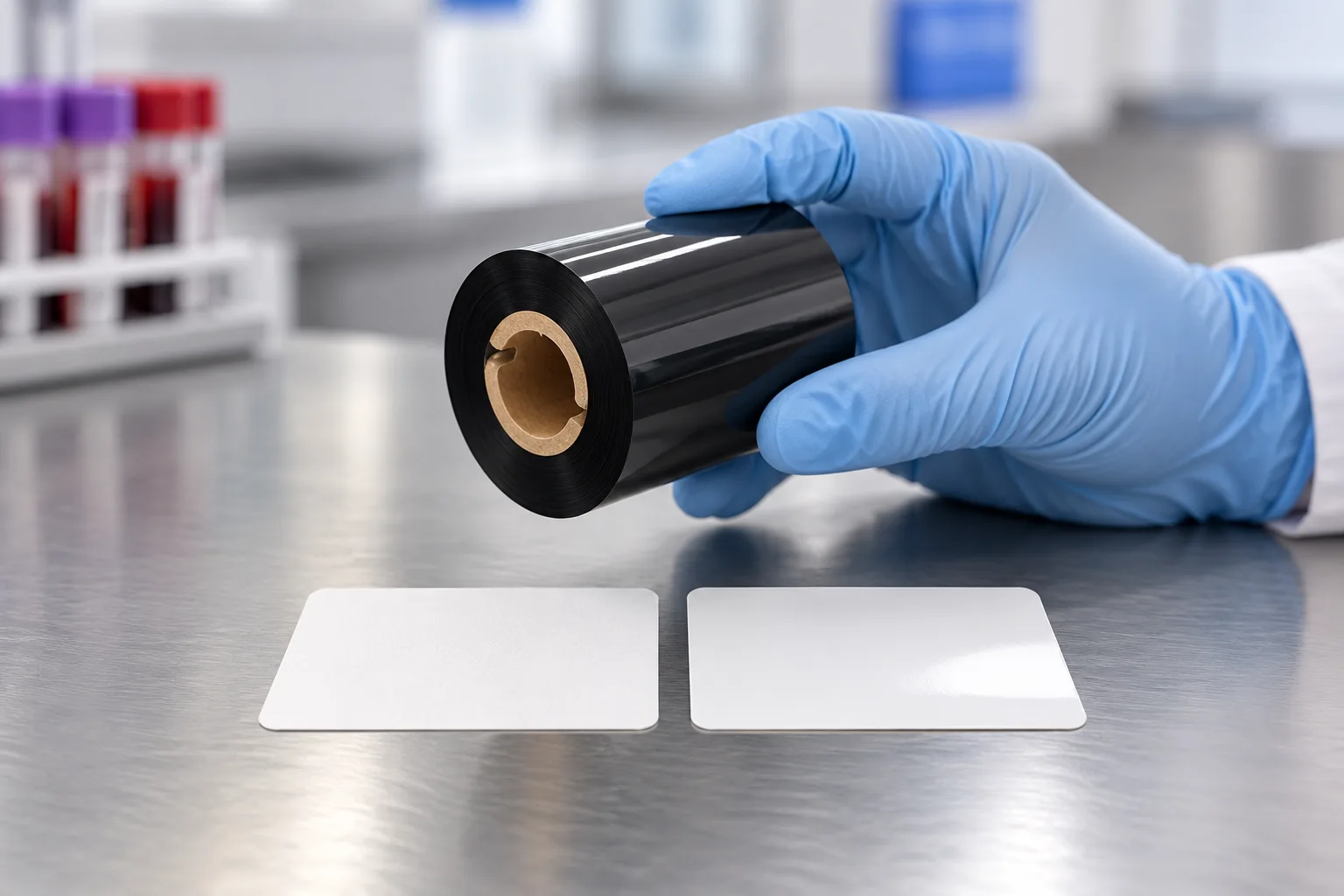
How to Specify the Label Facestock and Glue
A blood or plasma bag label must carry non-migrating glue and a temperature rating that covers every stage your units pass through, from centrifugation to storage at 1°C to 6°C or in a freezer. Before comparing prices, ask each label supplier for two things in writing: the rated temperature span and confirmation that the glue is non-migrating. The donation-centre example above — very low temperatures, a span from -50°C to +80°C, non-migrating glue — is the level of detail a serious datasheet should reach.
Then match the facestock to the ribbon you will run. Ribbon selection guidance names coated paper and synthetic labels as the surfaces where durable wax-resin printing works best, so treat those two stocks as the default candidates for blood bag printing. If your workflow uses four-quadrant ISBT 128 labels, ask the supplier which ribbon was used when the serviceable range was documented, because a temperature rating applies to the exact label and ribbon that were tested.
Choosing the Thermal Transfer Ribbon
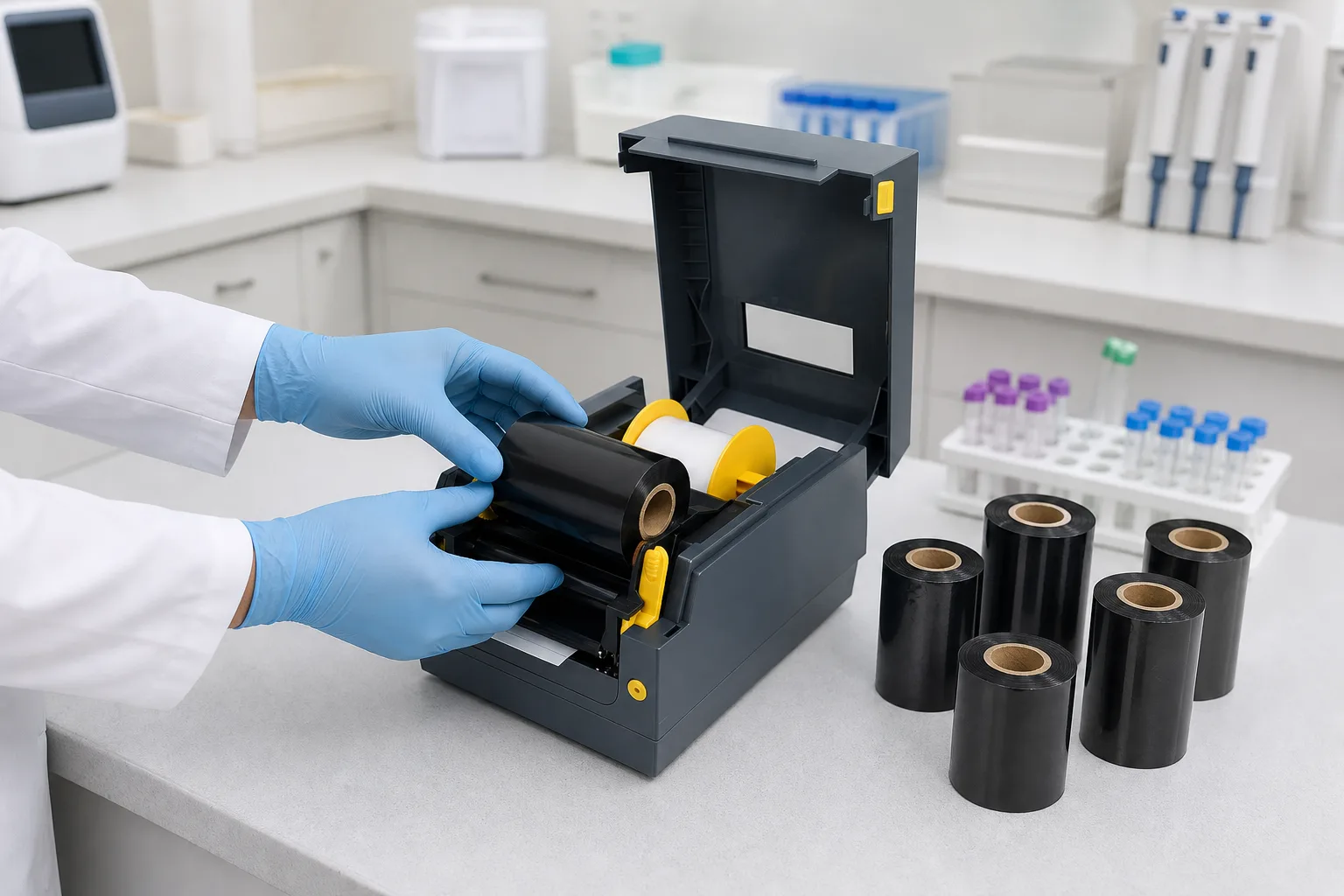
In thermal transfer printing, the ribbon is heated by the printhead and the color layer of the ribbon melts and transfers into the surface of the label, so the ribbon grade sets how durable the print becomes. Ribbons come in wax, resin, and combined wax-and-resin grades, and ribbon guidance also describes a special back coating that better dissipates residual heat and avoids static electrification. For blood labels, weigh the grade against two questions: what the print must survive physically, and how cold your storage gets.
Start one grade above the cheapest option. Wax-resin ribbons provide enhanced durability compared to wax ribbons, and they can handle moderate exposure to moisture, chemicals, and abrasion, making them ideal for coated paper and synthetic labels — a profile that matches the spinning, cold storage, and handling in a blood bank. When labels must go into freezers or cryogenic storage, do not rely on the grade name alone: ask the supplier to document print performance at your target temperature, in the way one blood bank label supplier published a serviceable range from 200°F (93°C) down to cryogenic temperatures starting at -65°F (-54°C).
| Ribbon grade | What documented guidance supports | Where it fits for blood labels |
|---|---|---|
| Wax | The baseline grade that wax-resin durability is measured against. | Step up when units are centrifuged and refrigerated. |
| Wax-resin | Enhanced durability versus wax; moderate exposure to moisture, chemicals, and abrasion; ideal for coated paper and synthetic labels. | The practical starting grade for in-house blood bag printing. |
| Resin | A distinct grade in the standard ribbon range; durability and temperature limits are supplier-specific. | Ask for documented test data when labels face freezer or cryogenic storage. |
Before ordering, check the printer's required ribbon width, core size, and ink-side orientation so the ribbon actually loads, and request sample rolls to print on your own label stock. A ribbon that will not load, or a print that underperforms on your facestock, outweighs any number on a datasheet.
Data and Evidence
The table below collects the documented numbers behind this guide so you can check any supplier datasheet against them directly.
| Requirement | Documented value | Context |
|---|---|---|
| Blood product storage | Refrigerators (1°C to 6°C) or freezers | Blood bag labeling guidance |
| Environment and span for blood or plasma bag labels | Very low temperatures; from -50°C to +80°C; non-migrating glue | Blood donation centre label supplier |
| Serviceable range, four-quadrant ISBT 128 label | 200°F (93°C) to cryogenic temperatures starting at -65°F (-54°C) | Blood bank label supplier |
| Wax-resin ribbon performance | Enhanced durability versus wax; moderate moisture, chemicals, and abrasion; coated paper and synthetic labels | Ribbon selection guidance |
| Ribbon grades and construction | Wax, resin, wax and resin; special back coating for residual heat and static | Ribbon manufacturer guidance |
To verify a candidate pairing, print samples on your own printer with the exact label and ribbon you intend to buy, send them through your centrifugation step, and hold them at your refrigerator or freezer setpoint for the time your process uses. Release the production order only after the barcodes still scan and the label edges stay adhered. No published range — including the -50°C to +80°C span and the -65°F (-54°C) cryogenic figure above — carries over automatically to a different label, ribbon, or printer.
Frequently Asked Questions
What ribbon grade should I use for blood bag labels stored at 1°C to 6°C?
Start with a wax-resin ribbon: it provides enhanced durability compared to wax ribbons and handles moderate exposure to moisture, chemicals, and abrasion on coated paper and synthetic labels. Confirm the pairing by printing samples and holding them at your actual storage setpoint before ordering in volume.
Can blood labels survive cryogenic temperatures starting at -65°F (-54°C)?
One supplier's four-quadrant ISBT 128 blood bank label is rated serviceable from 200°F (93°C) to cryogenic temperatures starting at -65°F (-54°C). Treat that as that product's specification, and require an equivalent written rating for the label and ribbon you actually buy.
Why does ink migration matter on blood bag labels?
Blood bag labels must survive centrifugation and refrigeration without ink migration, and the label glue should be non-migrating as well. A barcode that fades or bleeds puts traceability at risk, so specify both the ribbon print and the adhesive accordingly.
Is a wax ribbon suitable for printing blood labels?
Wax is the baseline grade that wax-resin is measured against, and wax-resin ribbons provide enhanced durability compared to wax ribbons. Because blood units are centrifuged and refrigerated, in-house blood bank printing usually steps up to wax-resin or resin instead of plain wax.
How do I test blood labels before ordering a full batch?
Print samples with your chosen label and ribbon on your own printer, run them through your centrifugation step and your cold-storage conditions, then check that barcodes still scan and edges stay adhered. Release the volume order only after samples pass in your own process.
Recommended products for this industry

Blood Bag and Medical Storage Label
Medical-grade family for blood bags, sample tubes and clinical storage requiring…
View details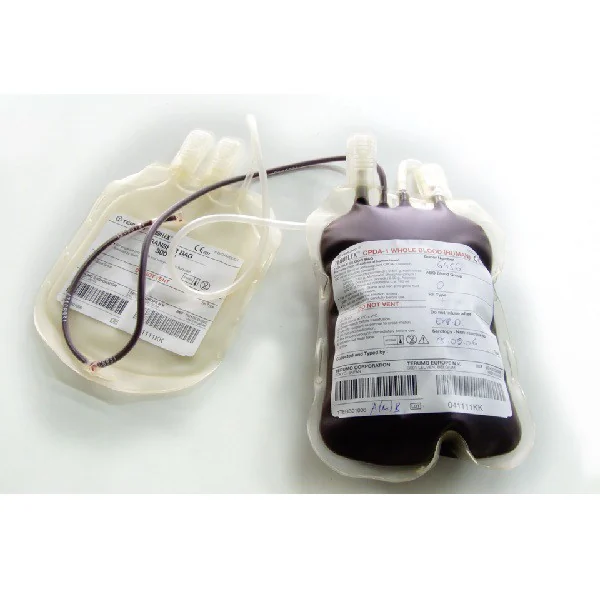
Blood Bag Identification Label
Cold-storage label for blood bags and transfusion containers where traceability remains…
View details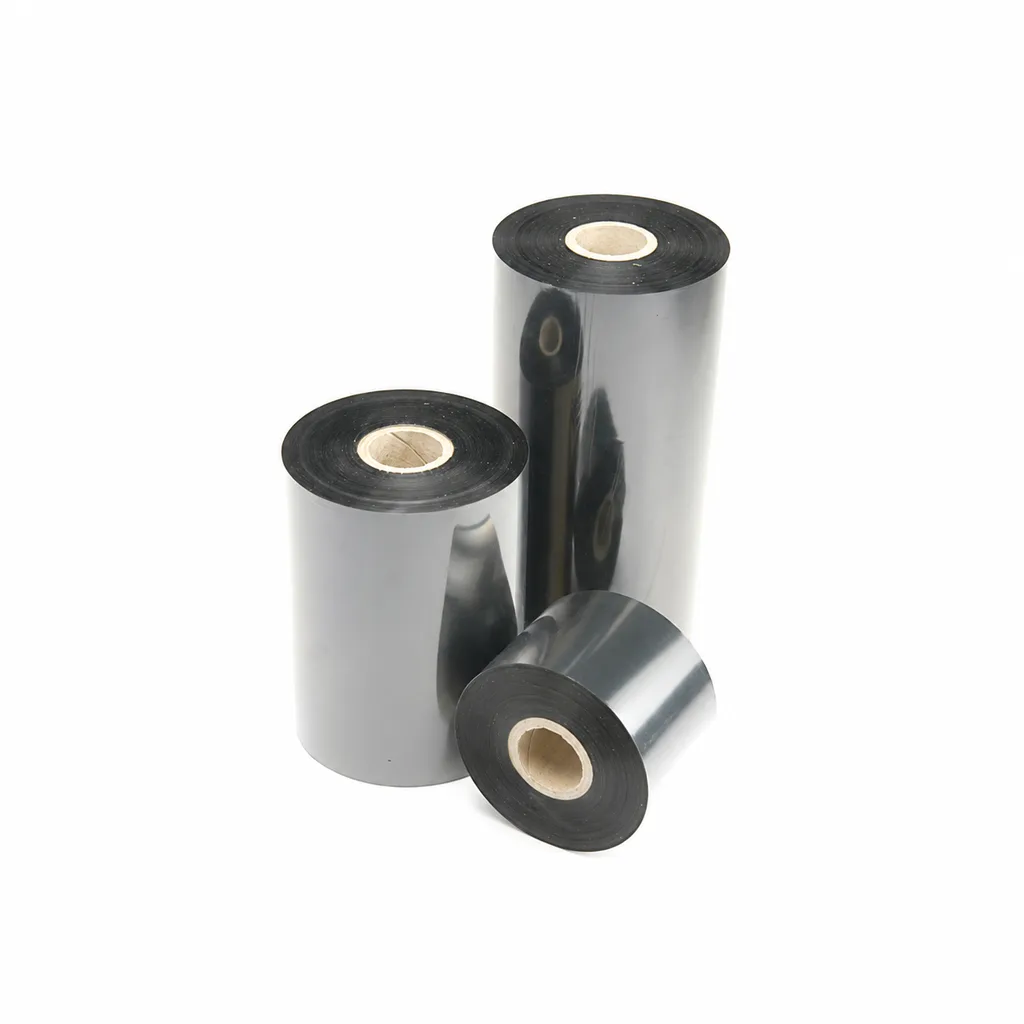
CL-Z213 Near-Edge Wax-Resin Thermal Transfer Ribbon for Barcode Labels
An enhanced black near-edge wax-resin thermal transfer ribbon for near-edge barcode printers and low- to medium-speed thermal transfer overprinting (TTO). Listed applications include retail labels, warehousing, garment tags and packaging identification. Match the printer, actual print medium and operating speed before selection: print quality and image durability can vary with the printer and substrate.
View details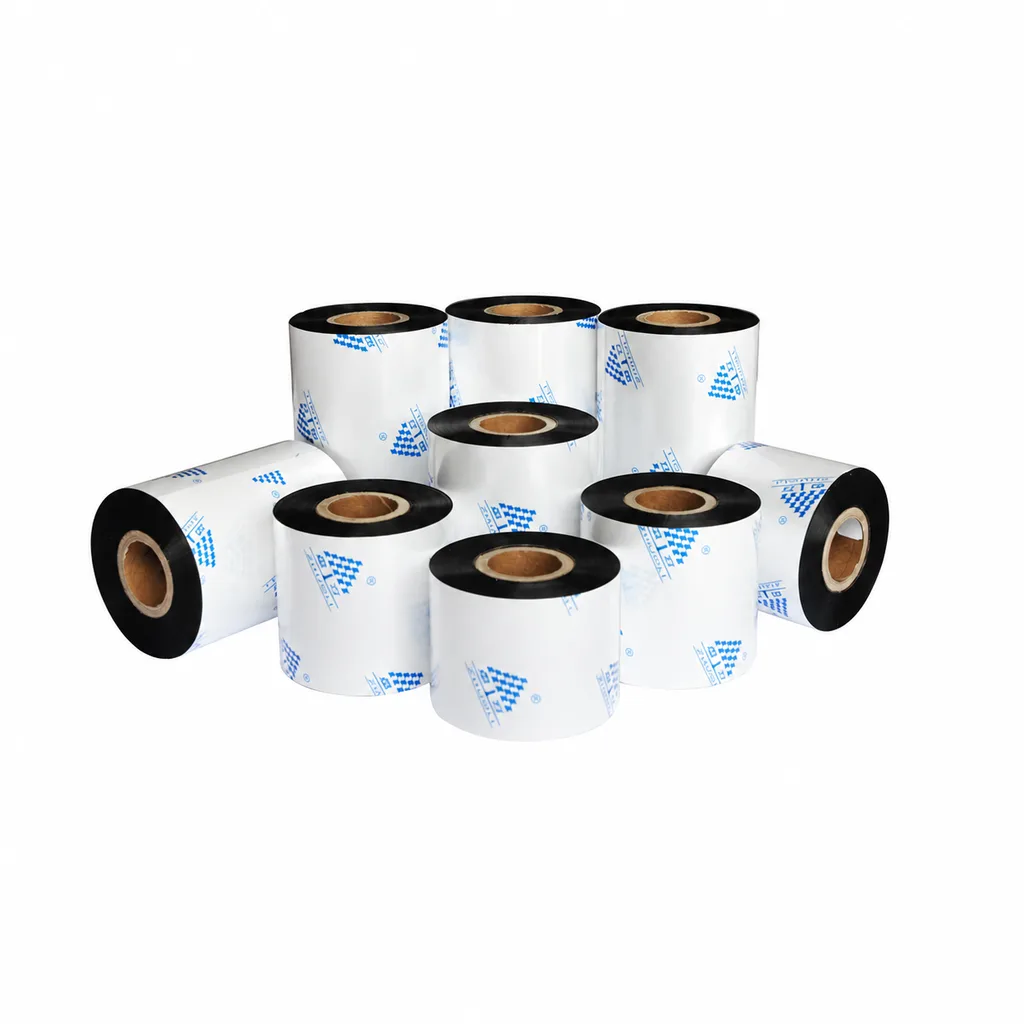
Near-Edge Wax-Resin Thermal Transfer Ribbon CL-Z212 for Barcode Labels
CL-Z212 is a general-purpose black wax-resin thermal transfer ribbon primarily for near-edge barcode printers, with use also described for low- to medium-speed thermal transfer overprinting (TTO). Listed applications include retail labels, garment tags, warehouse identification and packaging printing. Select according to printer type, actual printing speed and substrate: recommended conditions list near-edge printing at ≤10 inches per second (ips) and TTO at ≤20 ips. Print quality and image durability can vary with the printer and printing material, so trial printing on the intended substrate is necessary for selection.
View detailsNeed the right ribbon for your label application?
Share the label material, printer and operating environment. Our team will recommend a tested combination.
