
- Original TTR manufacturer since 2013
- Automated coating and slitting
- IQC / IPQC / OQC control
- ANSI barcode grade testing
- -20°C to 120°C environmental testing
- Batch-level traceability
- ANSI barcode grade
- Batch traceability
- RoHS / REACH compliance
- SGS and MSDS documents on request
For label buyers and print technicians, a TTR label should be understood through its printing process: thermal transfer uses a separate ribbon to put an image onto label material. TTR expands to Thermal Transfer Ribbon, so the term alone leaves the label stock and supplied items unspecified. Confirm the media, ribbon, and printer combination, then verify a printed sample under the intended conditions.
Key Takeaways
- TTR stands for Thermal Transfer Ribbon, a printer consumable separate from the receiving label material.
- Thermal transfer printing moves ink from a ribbon onto a label through heat from the printhead.
- Direct thermal printing uses specially treated media and does not require a ribbon.
- Wax, wax-resin, and resin describe ribbon formulations rather than a complete label specification.
- Printed durability requires validation of the actual ribbon, label surface, printer, and settings.
What does TTR label actually describe?
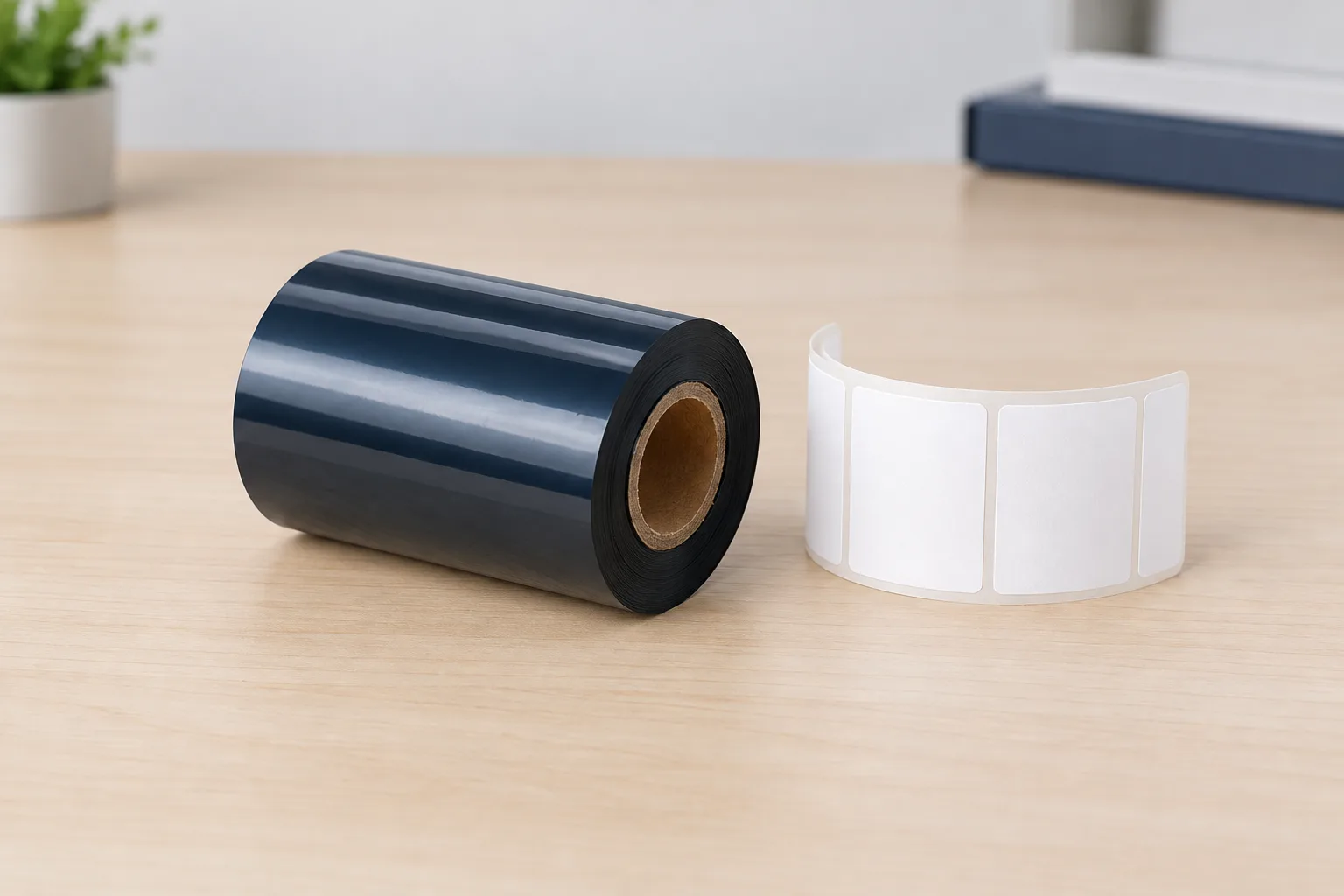
TTR stands for Thermal Transfer Ribbon, and thermal transfer label printing uses that ribbon to transfer an image onto a receiving material. When you encounter “TTR label” in an enquiry or product description, clarify whether the writer means stock intended for thermal transfer printing, a printed label, or the ribbon consumable. Treat the phrase as the start of a specification discussion rather than a complete material description.
The physical distinction is straightforward: the ribbon carries ink, while the label receives the printed information. The ribbon is typically a polyester film coated with wax-based, resin-based, or mixed ink. During printing, heat and pressure transfer the image onto the label. The printed label and the used ribbon therefore have different roles, even though they belong to the same printing process.
This also explains why the name does not identify one label material. Company printer specifications include coated paper and silver PET among the media for the JT452/JT453 desktop series. Thermal transfer nylon and satin care-label materials also appear in the company product records. A reference to thermal transfer can therefore describe how information is applied without specifying the receiving surface.
For an existing print job, rewrite the description into separate lines for the label stock and ribbon. Record the printer model beside them. This gives a supplier something concrete to match and helps you distinguish a change of ribbon from a change of label material.
How does thermal transfer differ from direct thermal and TTO?
Thermal transfer uses ribbon ink, whereas direct thermal printing applies heat to specially treated label material without a separate ribbon. Both involve heat, so “thermal label” by itself leaves the printing method unclear. Ask for the actual process name before treating two rolls as equivalent.
The image source is the useful distinction. In thermal transfer, the printhead heats the ribbon and transfers its ink onto the receiving surface. In direct thermal, the heat acts directly on the treated media. A photograph of a finished label does not supply the missing process specification; request the media designation and printer mode instead.
A printer can support both processes. The company specifications list thermal transfer and direct thermal modes for the JT and Q series. That makes the selected mode and consumables relevant even when the machine name stays the same. Do not infer the current process merely from a printer being described as a thermal printer.
TTO means Thermal Transfer Overprinting. It uses a thermal printhead and wax-resin or resin ribbon to apply codes to flexible packaging, including film or labels. It shares the transfer principle, but that relationship does not establish ribbon interchangeability. The company specifies its TTO near-edge ribbons separately and excludes them from its flathead JT and Q label printers. If a requirement concerns a packaging coder, identify that equipment before comparing it with a conventional label-printer ribbon.
What can the ribbon category tell you about the label?
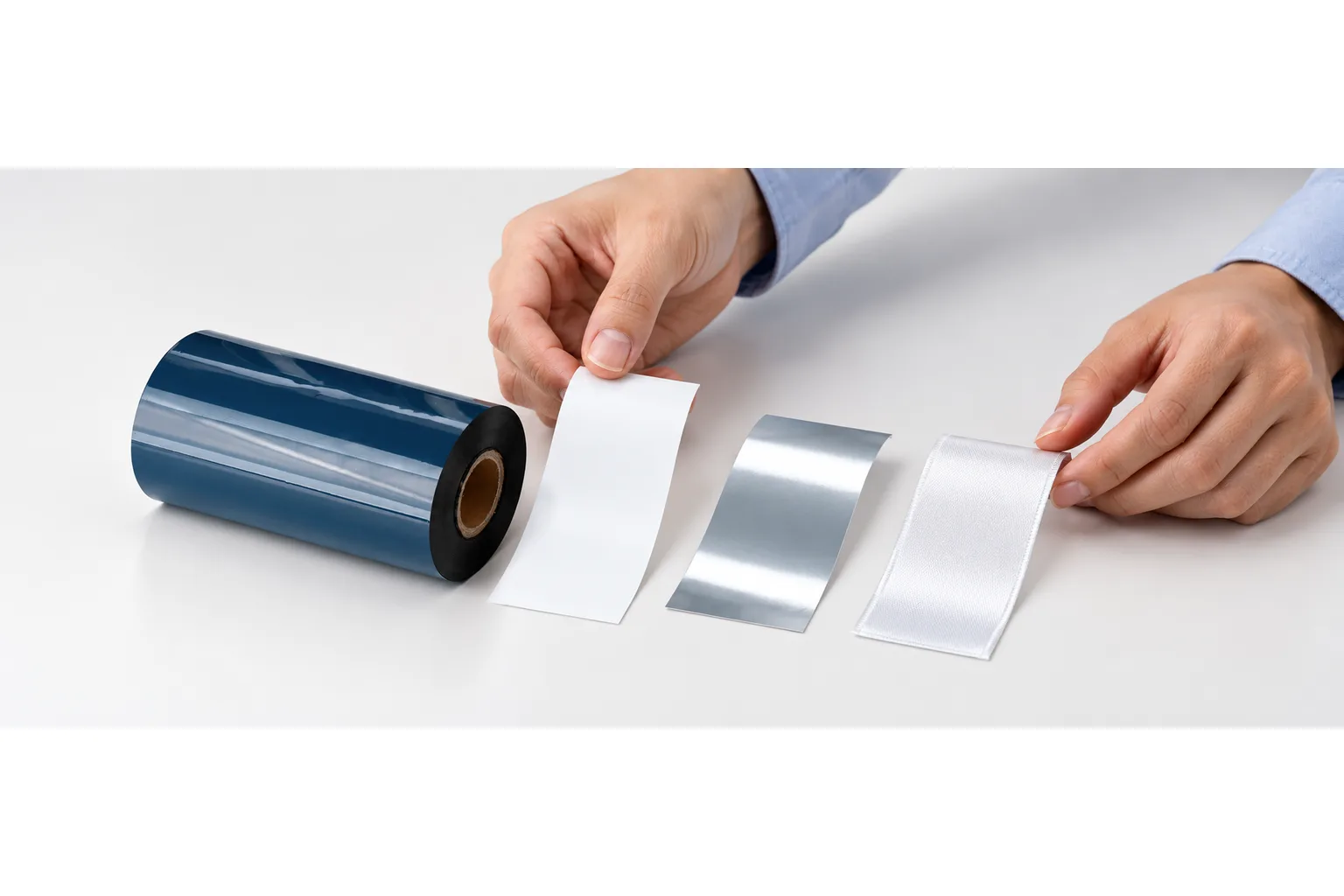
Wax, wax-resin, and full resin are the three main thermal transfer ribbon categories, with different material and durability applications. These names identify the ink formulation; they do not finish the specification of the label receiving that ink.
As a starting point, wax ribbons are generally suited to porous and coated paper. Wax-resin formulations cover coated paper and selected synthetic materials, while full resin formulations serve demanding synthetic-film applications. The overlap matters: a material name does not always lead to one mandatory ribbon category. Use these categories to narrow candidates, then check the selected grade against the actual surface.
The company product matrix also separates wash-care resin from general resin products. That distinction is relevant when the requirement involves printed textile care labels. A general reference to resin should not replace an application-specific match between ribbon and fabric stock. Likewise, a description such as PET identifies a material family without proving the performance of every printed combination.
For a supplier change, ask for the proposed formulation and its intended receiving materials, then compare those with your existing stock. Include the printer head type and ribbon dimensions in the comparison. Matching width, core size, and roll length addresses fit; matching formulation and the receiving surface addresses the printing combination. Neither comparison should be replaced by an assurance that both products are simply “TTR.”
Data and Evidence
Thermal transfer performance depends on the printer, the receiving surface, and the ribbon ink, so a useful comparison records all three together. The table separates supported process facts from details that still need confirmation for your print job.
| Term or description | What it establishes | What to confirm separately |
|---|---|---|
| TTR | Thermal Transfer Ribbon is a printer consumable. | Whether the offer supplies ribbon, label stock, or both. |
| Thermal transfer label printing | Ribbon ink transfers to the receiving material. | The actual label surface and matched ribbon grade. |
| Direct thermal | Treated media receives heat without a ribbon. | Printer mode and the offered media designation. |
| Wax, wax-resin, or resin | A ribbon formulation category. | The grade's suitability for the surface and required exposure. |
| TTO | Thermal transfer coding of flexible packaging. | The coder and its required ribbon specification. |
The process description follows 公司生产资料 “生产工艺与品质-2025” and the mode distinction follows 公司打印机介质兼容性与材质规格(已审第一方来源). The formulation examples follow 公司现行产品矩阵(2026-10-02校订) and the supplied material-matching evidence. These are process and product descriptions, not results from your own production run.
For verification, keep the proposed stock, ribbon grade, printer model, and settings together in your sample record. Define the intended exposure and the visible result you need before assessing the sample. Validate the printed combination on your own equipment before release; do not turn a ribbon category into a guaranteed service life or a universal chemical-resistance claim.
Your next step is to replace the phrase “TTR label” in the enquiry with separate descriptions of the label material, ribbon, and printer, followed by the performance you need to verify.
Frequently Asked Questions
Does a TTR label need a separate ribbon roll?
Thermal transfer printing uses a separate ink ribbon. Ask whether an offer includes blank label stock, ribbon, or both; the phrase TTR label alone does not specify the supplied items.
Can I use direct thermal labels without a ribbon?
Direct thermal printing uses specially treated media without a ribbon. Confirm that your printer supports direct thermal mode and that the offered stock is direct thermal media.
Does resin ribbon make every TTR label suitable for chemical exposure?
No universal chemical resistance follows from the resin category alone. Validate the selected ribbon on the actual label surface, printer, and settings against the exposure required by your application.
Recommended products for this industry
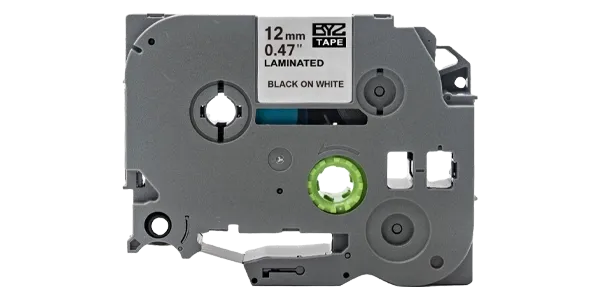
Brother Compatible Label Ribbons (TZe Series)
This Brother-compatible label ribbon (TZe series) is manufactured using high-quality…
View details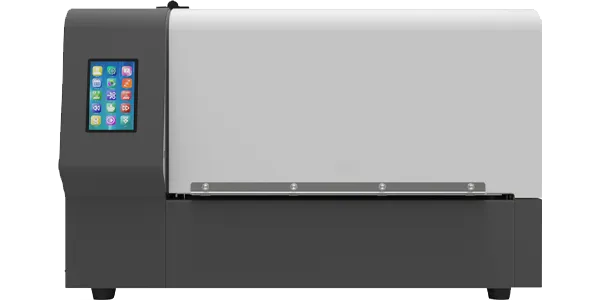
AL10-D Dual-Colour Label Printer
It can enhance industry productivity, optimise supply chain management, reduce…
View details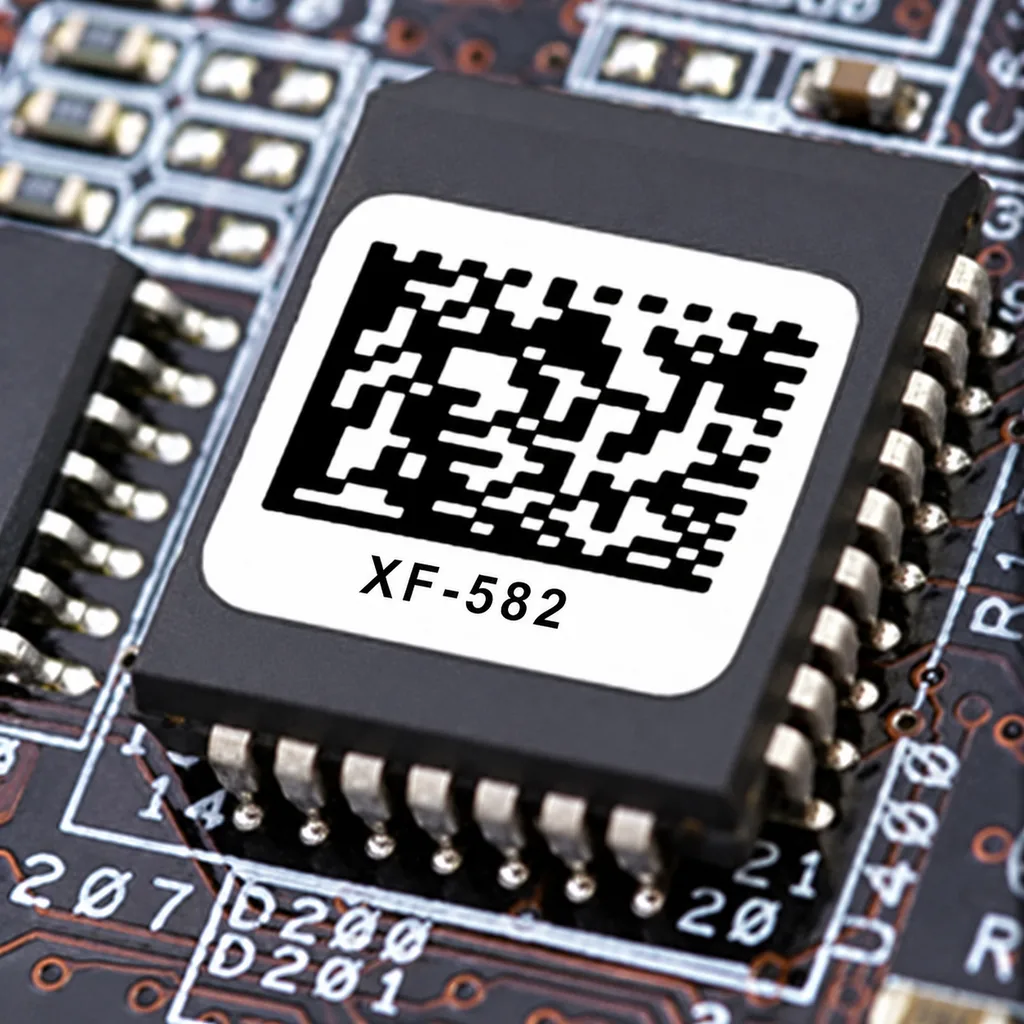
CL-582 High-Temperature Polyimide Labels for Printed Circuit Board Traceability
CL-582 is a high-temperature polyimide (PI) label material for printed circuit board (PCB) and sensitive electronic component process control and product traceability. It has a gloss white coating, a listed thickness of 2mil and an acrylic adhesive. The source identifies wave soldering and reflow soldering as applications. Selection requires confirmation of the actual heat exposure and chemical conditions: the listed temperature range has no specified exposure duration, and solvent resistance is qualitative.
View details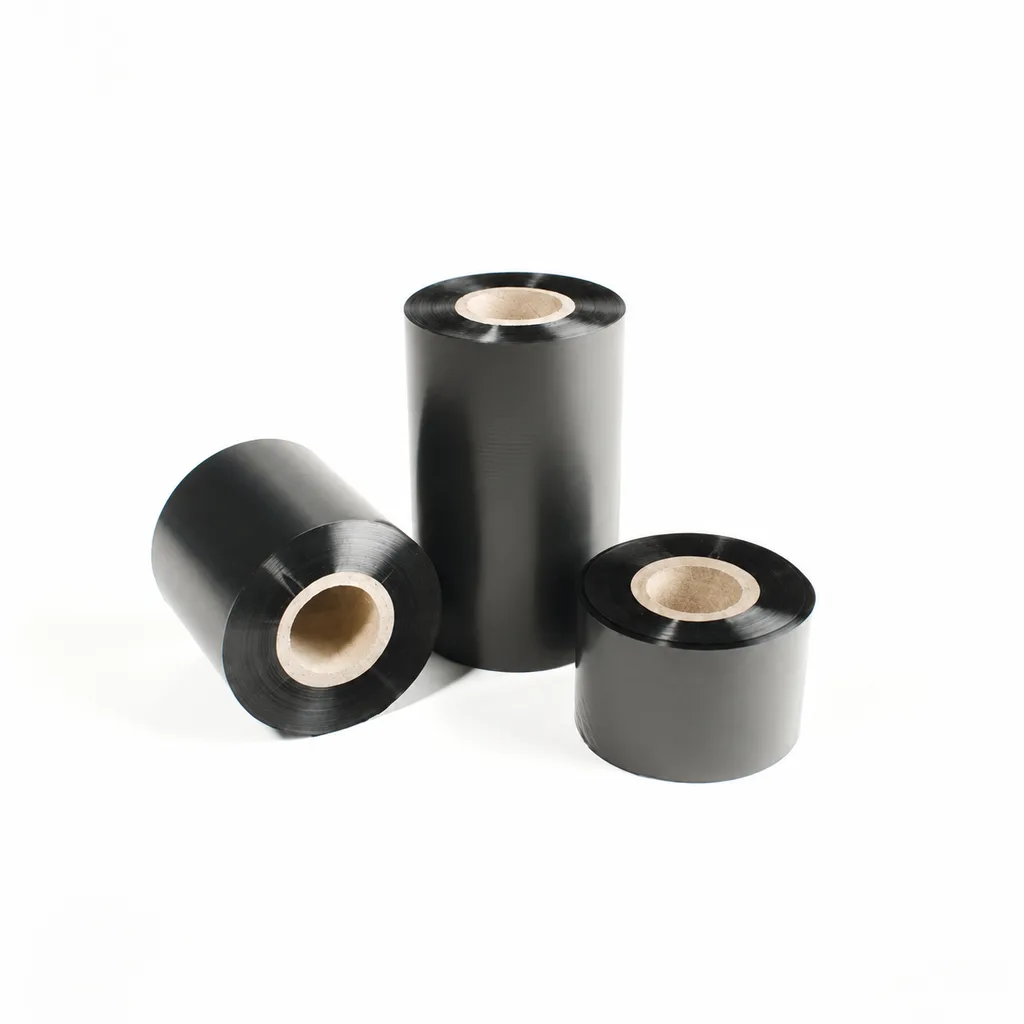
CL-Z112 Enhanced Wax Thermal Transfer Ribbon for Paper Labels and Tags
An enhanced wax thermal transfer ribbon with black ink for paper labels and tags used in retail, warehousing and logistics. It is specified for flat-head printing on desktop or industrial barcode printers at ≤8 inches per second (ips). Select it by checking the actual label material, printer configuration and handling conditions: image-quality, rub-resistance and cold-chamber results were obtained on coated paper, and print quality and image durability may vary with the printer and print medium.
View detailsNeed the right ribbon for your label application?
Share the label material, printer and operating environment. Our team will recommend a tested combination.
