

- Original TTR manufacturer since 2013
- Automated coating and slitting
- IQC / IPQC / OQC control
- ANSI barcode grade testing
- -20°C to 120°C environmental testing
- Batch-level traceability
- ANSI barcode grade
- Batch traceability
- RoHS / REACH compliance
- SGS and MSDS documents on request
A thermal transfer ribbon manufacturer makes the consumable that supplies ink for printing labels or packaging; the French phrase “fabricant ruban transfert thermique” describes this production role. Buyers and print managers should distinguish coating the ribbon, converting it into finished rolls, and selling it under a brand. Establish those responsibilities, then verify the proposed ribbon on your printer and production material.
Key Takeaways
- Ribbon production includes formulation, coating and slitting, so a supplier's stated production scope deserves a closer look.
- Wax, wax-resin and resin describe ink families, while colour describes a separate product characteristic.
- COLORFULTTR documents a production chain from raw materials through coating and slitting to finished ribbons.
- A manufacturer's identity does not establish compatibility with every printer or label material.
What a thermal transfer ribbon manufacturer actually makes
A thermal transfer ribbon manufacturer makes the ink-bearing consumable used to transfer text and barcodes onto labels. The ribbon normally carries wax, resin or mixed ink on a polyester film, with a lubricating coating on the reverse side to protect the printhead. During printing, heat and pressure transfer the information onto the label.
This explains the wording behind “fabricant ruban transfert thermique”: the object being manufactured is the ribbon. The phrase does not specify a finished printed label, a printing service or a particular printer. For a business printing its own identification, it describes the source of one component in the printing system.
The production role also needs a more precise description than “factory.” COLORFULTTR's production document describes formulation, development, coating, slitting and print assembly as stages requiring technical support. When interpreting a supplier profile, ask which of these stages the supplier performs and which product the description covers.
For example, “we coat the ribbon and cut it into finished rolls” answers a different question from “we supply rolls in your packaging.” Both statements can be useful, but record them separately. A clear description of responsibility gives you a starting point for understanding the source without treating a company label as proof of print performance.
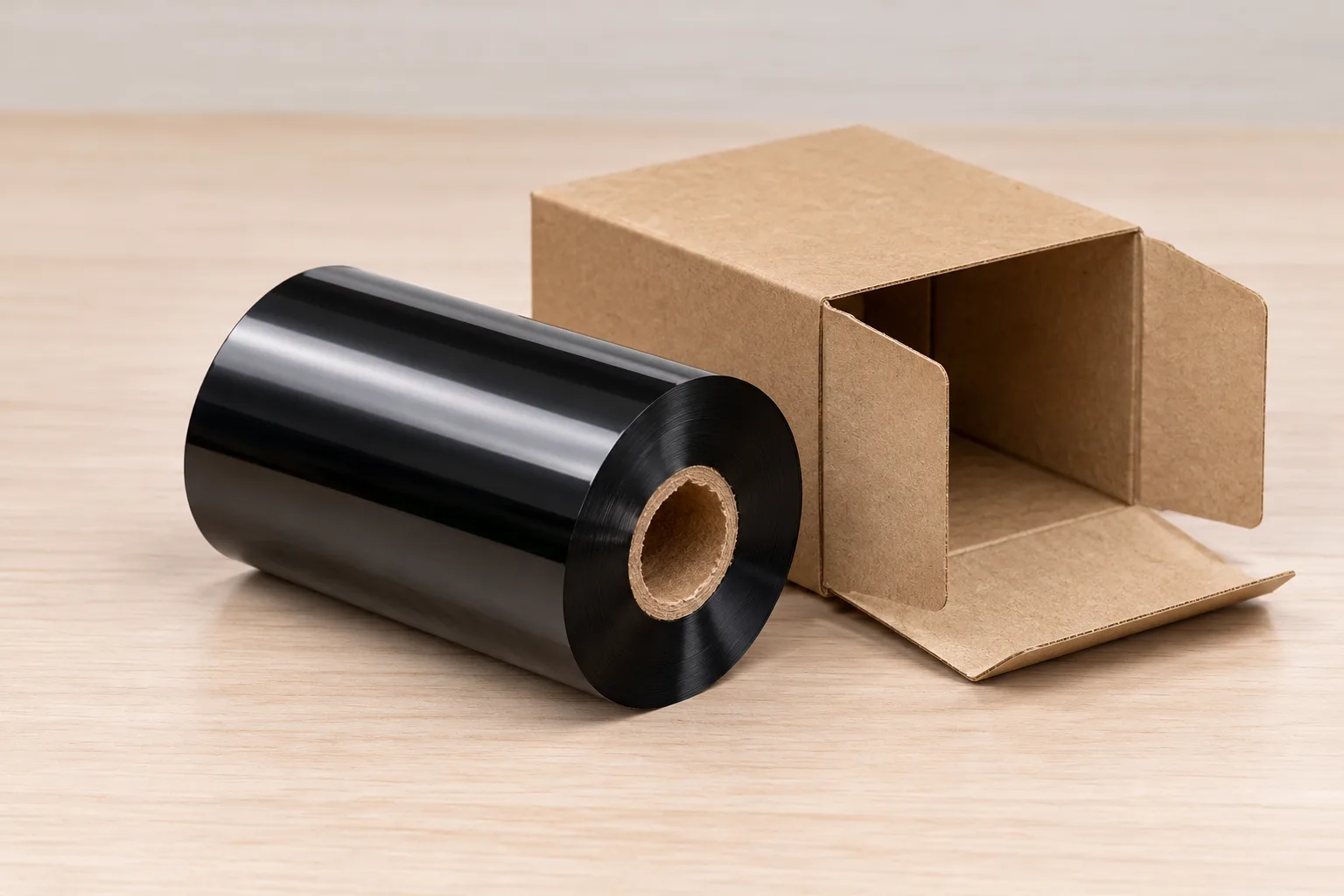
Separate production scope from branding and packaging
COLORFULTTR's company profile identifies research, production and sales of thermal transfer ribbons as its business and lists a complete chain from raw materials to finished products. That is a specific statement about manufacturing scope. It is more informative than a logo or a photograph of a packaged roll.
Use coating, conversion and branding as separate questions. Coating concerns the ink-bearing material; conversion concerns the finished roll specification; branding concerns how the product is presented. Ask for a written account of those responsibilities before using the word “manufacturer” to compare two suppliers.
Private-label packaging needs particular care in this comparison. COLORFULTTR documents OEM/ODM support, while its production document lists neutral packaging with a product model on the core, blank packaging without a logo or model, and customer-specific packaging. The visible brand therefore cannot, by itself, settle who performed the production stages.
Customisation also needs a defined scope. The company profile lists colour, width, length and packaging as customisable characteristics. If you are changing suppliers, distinguish the characteristics you need to retain from those you want to change. Keep the ribbon grade identifiable even when the outer packaging changes, and ask the supplier to connect the proposed finished roll to its product specification.
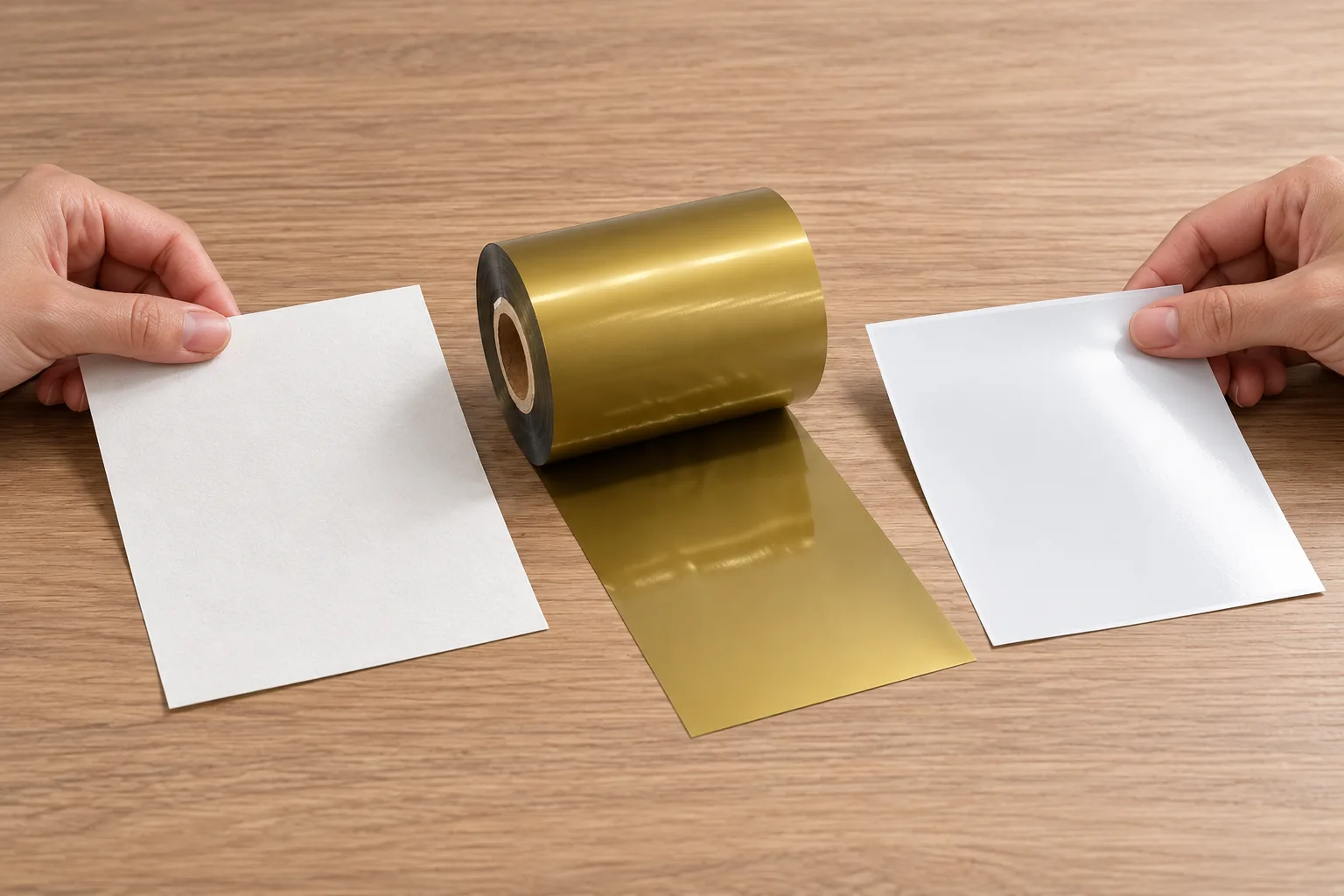
Keep ink family, colour and printer fit separate
COLORFULTTR's product range includes wax, wax-resin, resin, wash-care resin and TTO ribbons, but those category names answer different questions. Wax, wax-resin and resin identify the ink family. A colour name identifies the requested appearance, and a printer reference identifies the intended equipment context.
For a first comparison, use the intended printing surface and durability requirement. The product matrix lists wax for paper applications and describes it as economical but lacking scratch resistance. It describes wax-resin as combining print quality and durability, while full resin is positioned for friction, heat and corrosion resistance. These are category descriptions rather than a tested result for your particular label.
Colour does not replace that comparison. The matrix includes black and coloured ribbons across its product offering. For instance, its gold entries include wax, wax-resin and resin options. A request for “gold ribbon” therefore leaves the ink family unresolved; specify the surface and use conditions alongside the colour.
Printer fit remains a separate check. Match ribbon formulation, width, core size and roll length to the exact printer and label material, and confirm whether the ink faces inward or outward. The current specification list distinguishes TTO near-edge ribbons from flat-head barcode ribbons and excludes its TTO range from flat-head use.
A brand-level compatibility list helps frame the question, but ask for confirmation of the proposed roll against your exact model. This keeps a statement about the manufacturer's range separate from a decision about the consumable you will load.
Understand what manufacturing claims cannot prove
Ribbon performance depends on the complete printed combination, including the label surface, printer and settings. Manufacturing scope explains where the consumable comes from; application validation establishes what that consumable does in your printing process. Keep both kinds of evidence when assessing a supplier change.
For a practical review, separate three decisions:
- Identify the source: record the stated coating, slitting and finishing responsibilities for the proposed ribbon.
- Define the replacement: record the exact printer, production label material, ink family, colour and finished roll requirements.
- Validate the combination: print on your own production material with the intended printer and record the settings and observed result.
Do not interpret a general durability description as a guaranteed lifetime for your labels. Likewise, do not use a private-label package as evidence that a roll matches the previous supplier's formulation. Those conclusions require information about the proposed product and its application, beyond the manufacturer's name.
If confirmation is incomplete, identify the unresolved question before proceeding. An unclear production role calls for a clearer process description; an unclear printer match calls for the exact roll specification; an uncertain print result calls for an application trial. This keeps the discussion focused on the missing evidence without assuming that every uncertainty requires a different supplier.
Data and Evidence
COLORFULTTR's company profile, product matrix and production document support different parts of the manufacturer description. Read the evidence according to what it establishes: company scope, product range or a finished roll characteristic. The following distinctions help prevent a supported statement from becoming a broader performance promise.
| Question | Documented information | How to verify its relevance |
|---|---|---|
| Does the company describe manufacturing? | Raw materials, coating, slitting and finished ribbons are included in the company profile. | Ask which stages apply to the proposed product. |
| Does the range cover different ink families? | Wax, wax-resin, resin and wash-care resin appear in the product matrix. | Identify the actual grade proposed for your material. |
| Does colour identify a formulation? | The gold range contains wax, wax-resin and resin entries. | Record colour and ink family separately. |
| What sample formats are documented? | Regular ribbon: 110 mm × 10 m; TTO: 33 mm × 50 m; widths can be slit to requirements. | Confirm sample fit for the intended printer before testing. |
Source documents: 公司简介-2025; 公司现行产品矩阵(2026-10-02校订); 公司现行数字系型号规格清单; 生产工艺与品质-2025. The sample dimensions describe supplied sample formats, not universal printer requirements.
Your next step is to make a one-page record for the ribbon already in use: exact printer, label material, grade, colour and roll requirements. Add the proposed replacement beside it, mark unanswered fields, and validate that named combination before approving a change.
Frequently Asked Questions
Does OEM packaging prove who manufactured a thermal transfer ribbon?
No. COLORFULTTR documents private-label production and several packaging formats, including blank packaging. Ask who performs coating, slitting and finishing for the proposed ribbon.
Does COLORFULTTR supply both black and coloured thermal transfer ribbons?
Yes. Its product matrix lists black and coloured ribbons, with gold options in wax, wax-resin and resin. Specify the ink family as well as the colour.
Can I use a TTO ribbon in a flat-head barcode printer?
The current COLORFULTTR specification list excludes its TTO near-edge ribbon range from flat-head barcode printers. Confirm the ribbon category against your exact printer model.
Is a 110 mm × 10 m ribbon sample proof of printer compatibility?
No. That is a documented regular sample format, with width adjustable by slitting. Confirm the finished roll requirements and validate the ribbon on your own printer and label material.
Related Products & Guides
Recommended products for this industry
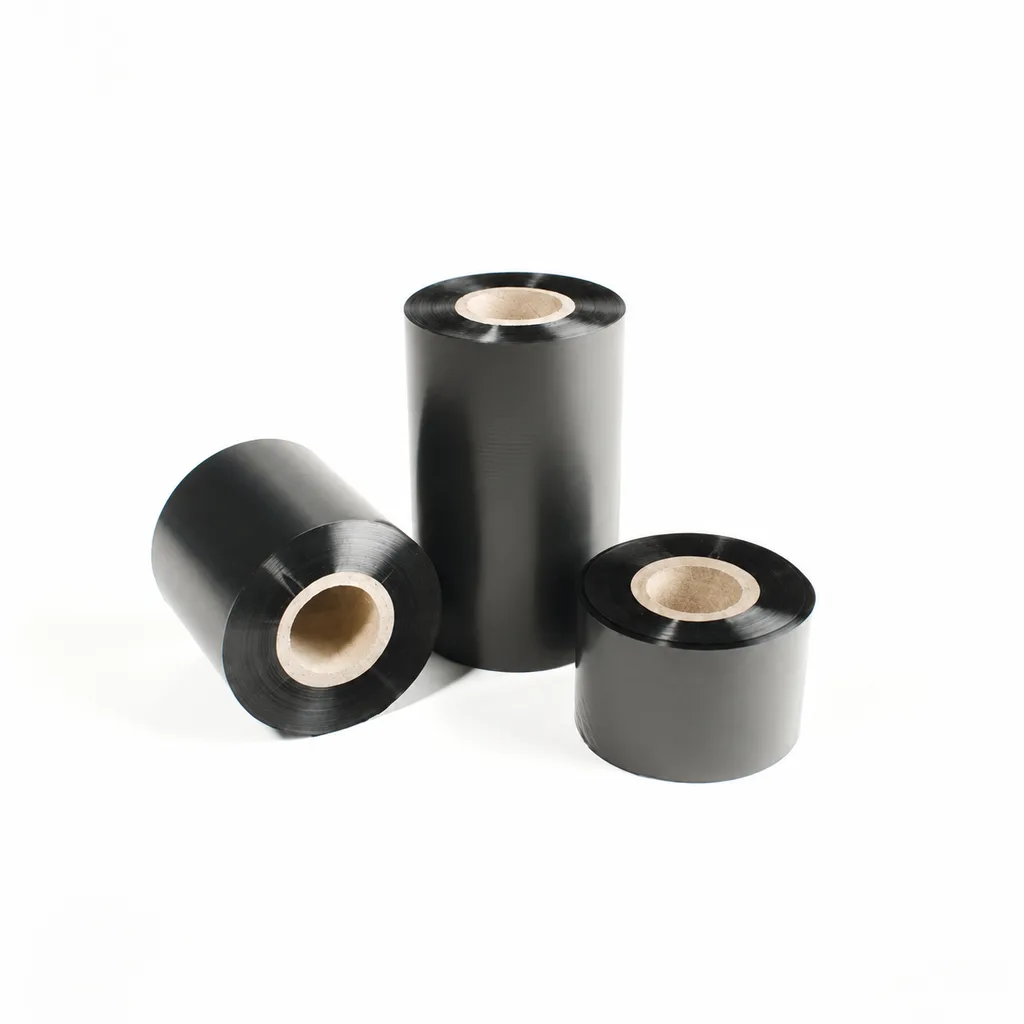
CL-Z112 Enhanced Wax Thermal Transfer Ribbon for Paper Labels and Tags
An enhanced wax thermal transfer ribbon with black ink for paper labels and tags used in retail, warehousing and logistics. It is specified for flat-head printing on desktop or industrial barcode printers at ≤8 inches per second (ips). Select it by checking the actual label material, printer configuration and handling conditions: image-quality, rub-resistance and cold-chamber results were obtained on coated paper, and print quality and image durability may vary with the printer and print medium.
View details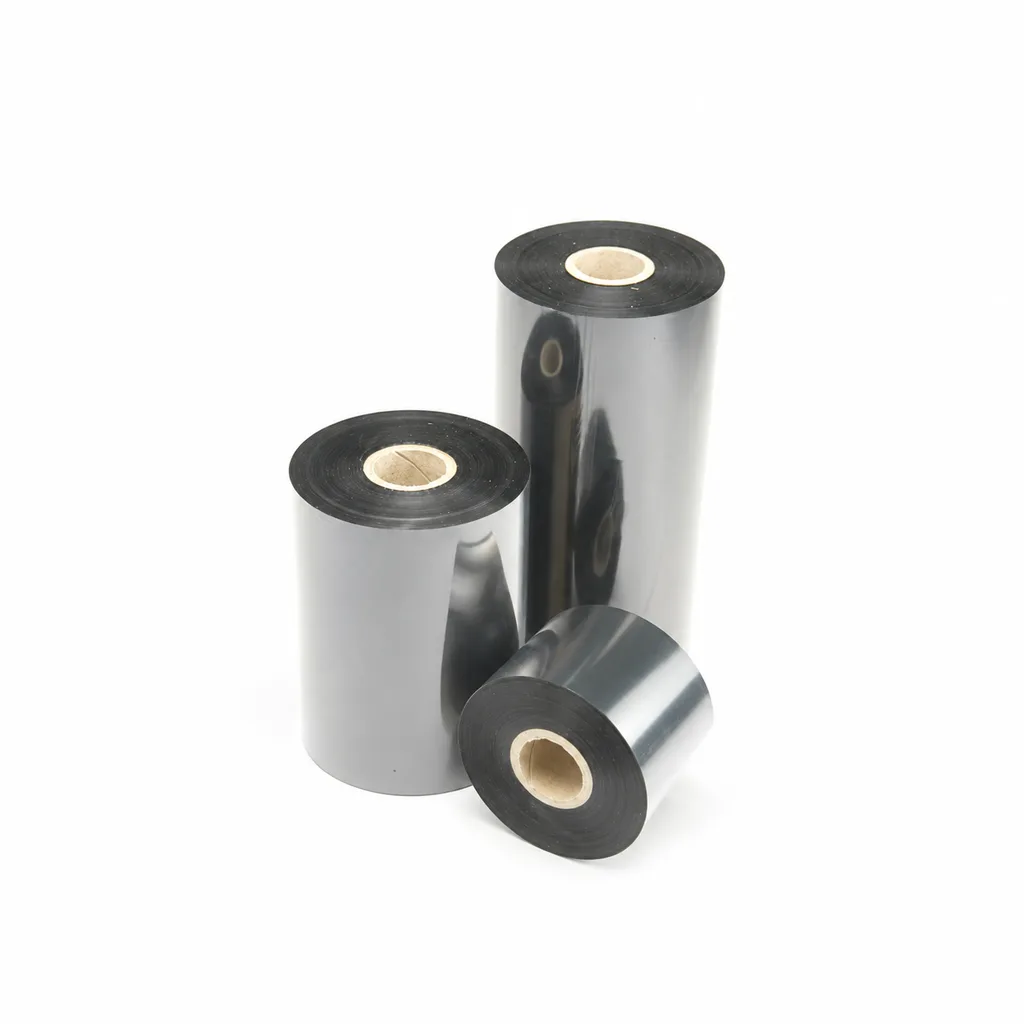
CL-Z203 Wax-Resin Thermal Transfer Ribbon for Barcode Labels
A black wax-resin thermal transfer ribbon for flat-head printing, with listed applications including retail, warehousing, logistics and garment tags. Select it against your actual label material and desktop or industrial barcode printer at speeds ≤6 ips (inches per second). Fine-line, small-text and durability results were obtained on coated paper; print quality and image durability may vary with the printer and printing substrate.
View details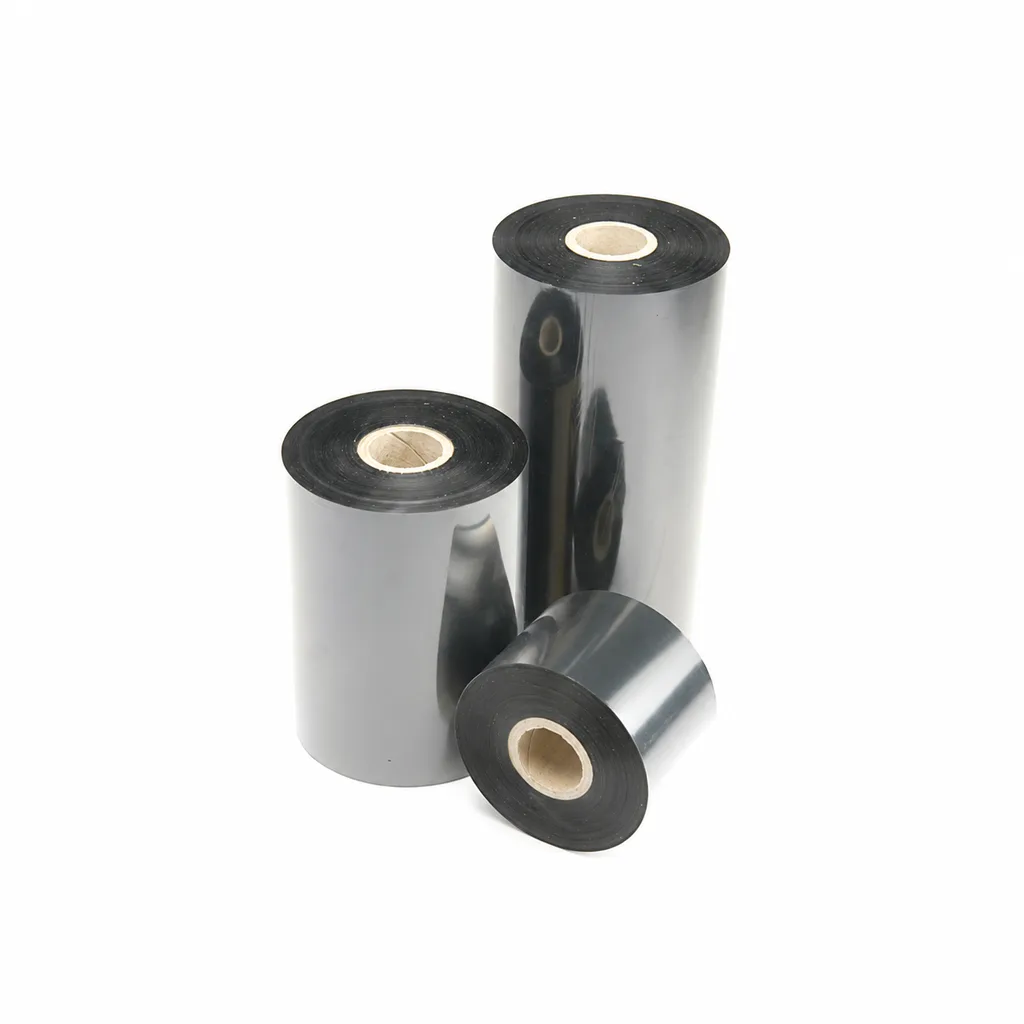
CL-Z213 Near-Edge Wax-Resin Thermal Transfer Ribbon for Barcode Labels
An enhanced black near-edge wax-resin thermal transfer ribbon for near-edge barcode printers and low- to medium-speed thermal transfer overprinting (TTO). Listed applications include retail labels, warehousing, garment tags and packaging identification. Match the printer, actual print medium and operating speed before selection: print quality and image durability can vary with the printer and substrate.
View details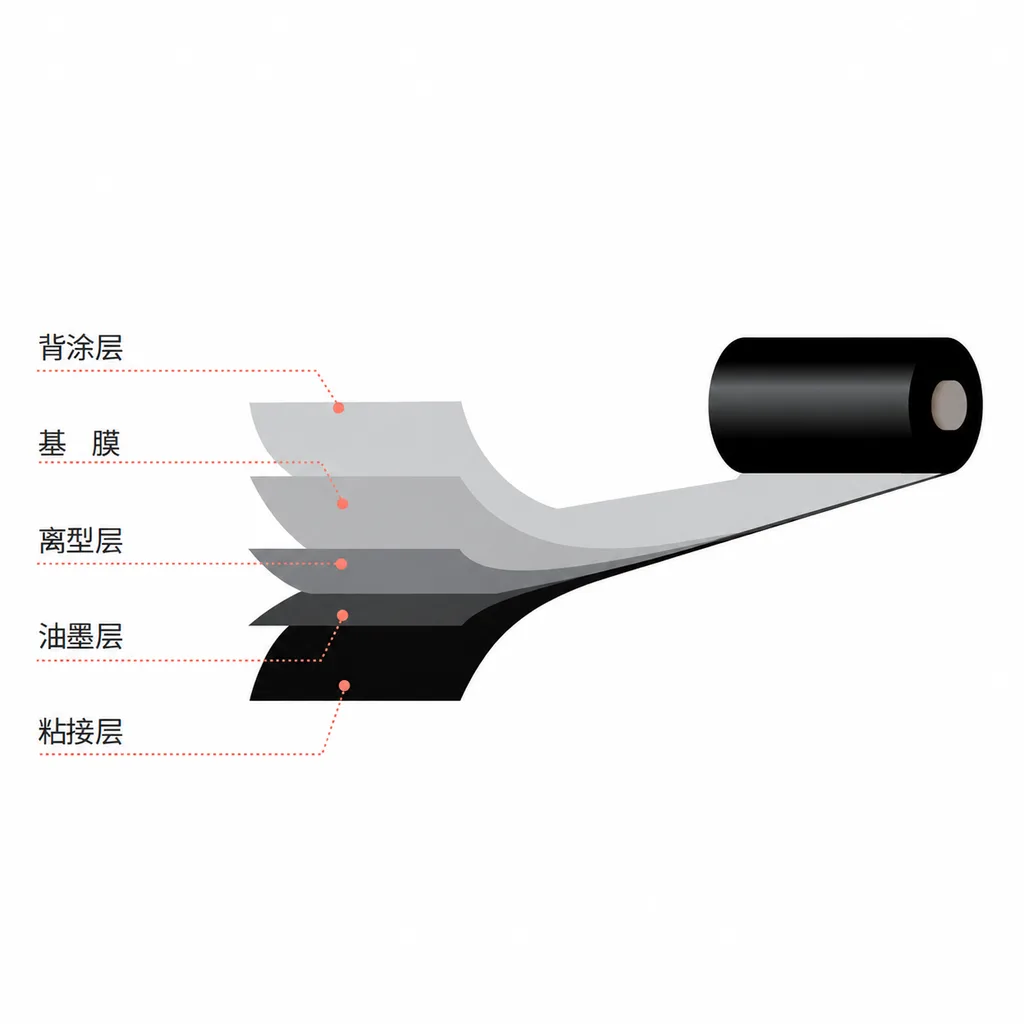
CL-Z312 Resin Thermal Transfer Ribbon for Packaging Printing
CL-Z312 is a black, general-purpose resin ribbon for thermal transfer overprinting (TTO), with packaging and retail label applications listed in the product information. Its abrasion, alcohol and oil resistance data were obtained on polyethylene terephthalate (PET). Select it against your actual packaging material, printer and production speed: print quality and image durability can vary with the printer and substrate, and the material chart percentages are not defined as pass rates.
View detailsNeed the right ribbon for your label application?
Share the label material, printer and operating environment. Our team will recommend a tested combination.
