
Industrieetiketten Explained: Labels, Materials, and Printing Methods
Request a solution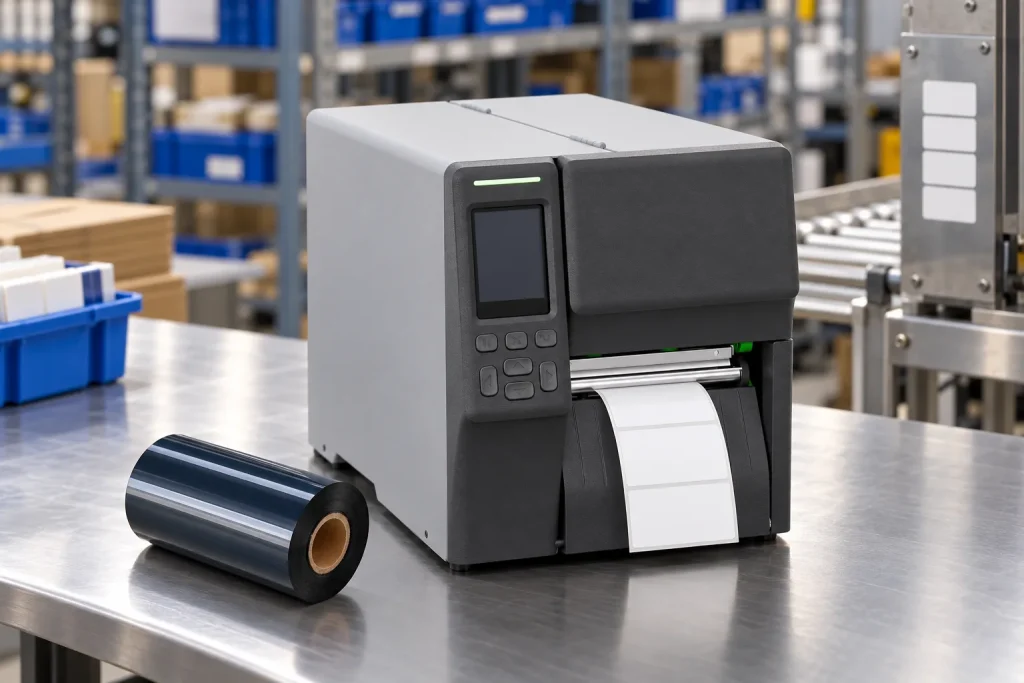
- Original TTR manufacturer since 2013
- Automated coating and slitting
- IQC / IPQC / OQC control
- ANSI barcode grade testing
- -20°C to 120°C environmental testing
- Batch-level traceability
- ANSI barcode grade
- Batch traceability
- RoHS / REACH compliance
- SGS and MSDS documents on request
Industrieetiketten are industrial labels used to identify equipment or products and communicate safety information. For buyers printing their own labels, the useful distinction is between the label's purpose, its material construction, and the method that creates the image. Select a ribbon only after identifying the facestock and printer, then validate the printed combination on the intended surface.
Key Takeaways
- Industrial labels identify equipment or products and carry critical safety information.
- Thermal transfer uses ribbon ink, while direct thermal printing applies heat to specially treated label stock.
- Wax, wax-resin, and full resin are ribbon families with different material applications.
- Ribbon performance depends on the complete printed construction and requires validation with the actual facestock, printer, and settings.
Understand what Industrieetiketten describes
Industrieetiketten means industrial labels, whose common functions include equipment identification, product identification, and clear safety communication. The term describes the job of the label rather than a single material or printing process. For a purchasing or technical team, that distinction prevents an application name from becoming an incomplete consumables specification.
Start by separating the information you need to communicate from the physical label you will print. Ask whether the label identifies a product, identifies equipment, or warns the person handling it. Write that purpose beside the intended location and exposure conditions. This creates a useful description of the application without assuming that every industrial label needs the same construction.
Manufacturing and warehousing labels may identify parts, track inventory, or warn about hazardous equipment while facing oil, dust, and rough handling. Those examples explain why an ordinary-looking label can have demanding requirements. They do not establish a universal temperature rating, chemical resistance level, or service life for anything sold under the industrial-label name.
For self-printing, turn the broad term into a short application brief. Specify the information to print, the surface receiving the label, and the conditions the finished label must face. Keep material and printing decisions open until those requirements are clear.
Separate the label material from the printing method
Thermal transfer printing creates an image by using printhead heat to transfer ink from a ribbon onto a label. Direct thermal printing instead applies heat directly to specially treated label material. These are distinct methods, even though both can appear under the broader description of thermal printing.
This difference explains where the visible image comes from and which consumable you need to evaluate. For thermal transfer, consider the label surface and ribbon together. For direct thermal, identify the appropriate heat-sensitive stock rather than adding a ribbon simply because the application is industrial.
A printer description also needs to be more specific than “thermal.” The supplied printer-media compatibility specification lists thermal transfer and direct thermal as separate modes. Check the actual machine and its supported media before choosing stock. A general method name does not confirm that a particular roll fits or that a particular label surface will print satisfactorily.
Keep three descriptions separate in your records: industrial label is the application category, facestock is the material that receives the image, and thermal transfer or direct thermal is the imaging method. Ask a replacement supplier to identify each one. That makes comparisons clearer than accepting “compatible industrial labels” as the whole specification.

Explain ribbon differences without assuming interchangeability
Thermal transfer ribbons fall into three broad families: full wax, wax-resin blends, and full resin. These names describe ribbon formulations, not complete label specifications. The facestock provides a starting point, but printer architecture, print settings, and required durability also affect the final choice.
The supplied material guidance associates wax with porous and coated paper, wax-resin with coated paper and selected synthetics, and full resin with demanding synthetic films such as polyester, polyimide, and vinyl. Use these associations to narrow a sample request. They do not qualify every product within a material family or establish the performance of an untested combination.
For example, if you change from a paper label to a synthetic label, revisit the ribbon choice rather than copying the previous order description. If you change suppliers while retaining the nominal material, keep the existing ribbon as a candidate and evaluate the replacement surface. The important question is whether the proposed combination meets your application requirements.
Record the ink formulation, ribbon width, core size, and roll length required for the printer and label material. A matching formulation alone does not settle the roll specification. For a detailed follow-up, use the guide to choosing wax-resin ribbon for labels and printers after establishing that wax-resin is a relevant candidate.
Know what an industrial label description cannot prove
Ribbon performance belongs to the complete printed construction, so validation must use the intended facestock, printer, and settings. An industrial-label description or a ribbon-family name does not provide that combination-specific evidence. Treat a product description as the beginning of an evaluation rather than its final result.
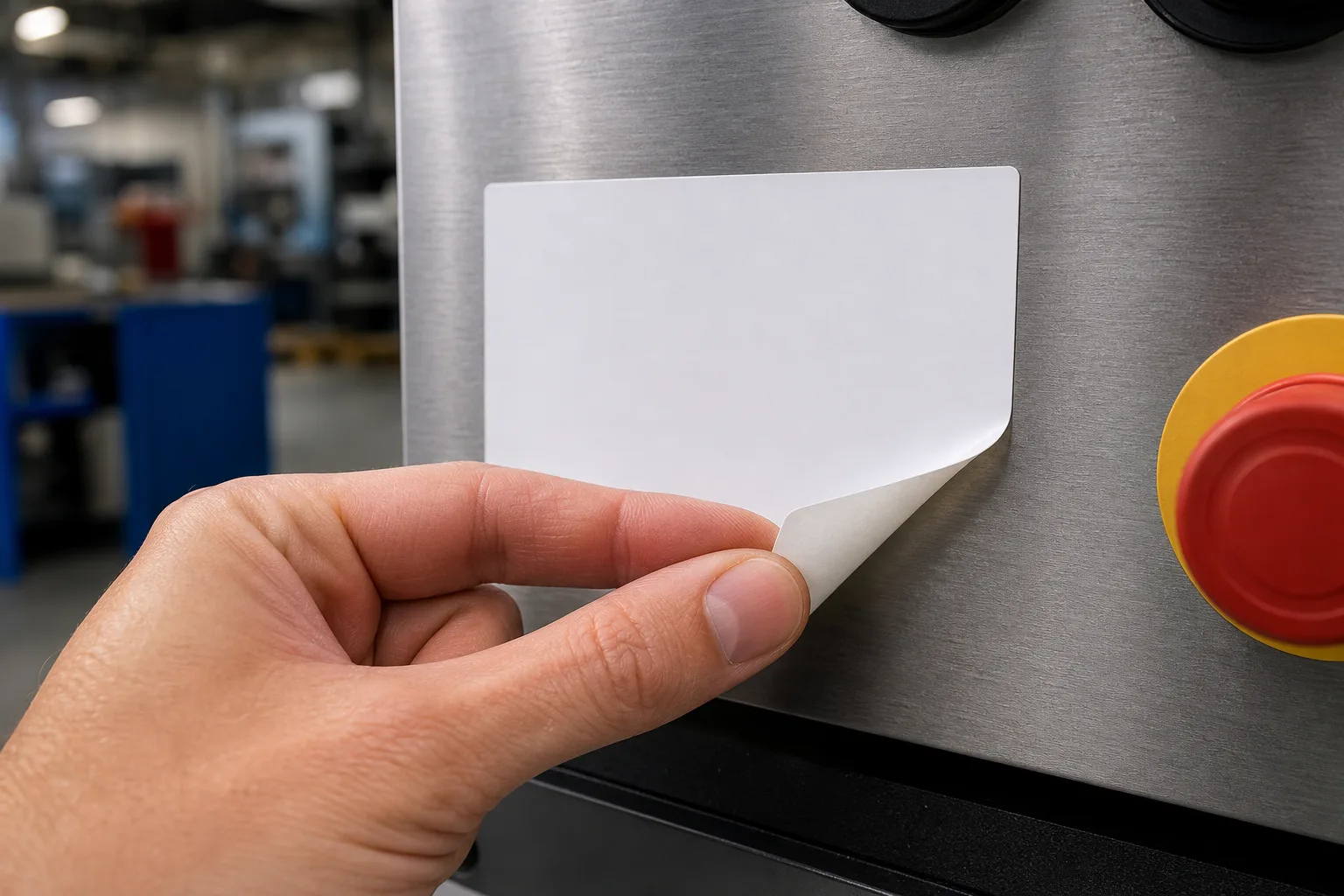
Attachment needs attention alongside the image. Temperature cycling, chemical contact, and surface energy affect adhesion, so evaluate samples with the same material construction on the actual application surface. Keeping a printed sample on a desk does not reproduce the surface to which the production label will be attached.
Use a simple comparison record when assessing a supplier change. Identify what remains the same and what changes, including label stock, ribbon, printer, settings, and application surface. Then assess the candidate against the requirements written in the application brief. Avoid introducing a universal pass value when the application's acceptance requirements have not been defined.
If the evidence is incomplete, name the unanswered question precisely: image performance on the replacement stock, attachment on the production surface, or resistance to a specified exposure. Your next step is to obtain and evaluate that sample combination. This keeps the decision tied to the label's job rather than the word “industrial.”
Data and Evidence
The supplied evidence supports material-family starting points and combination-specific validation, rather than a universal industrial-label performance rating. The following distinctions help turn the concept into a practical self-printing specification.
| Question | Supported distinction | What to establish for your application |
|---|---|---|
| What is the label for? | Equipment or product identification and safety communication | Required information and intended location |
| Where does the image come from? | Ribbon ink in thermal transfer; specially treated stock in direct thermal | Printer mode and matching consumables |
| Which ribbon family is a candidate? | Wax for paper; wax-resin for coated paper and selected synthetics; resin for demanding synthetic films | Actual facestock and printer suitability |
| What supports approval? | Evaluation of the complete printed construction on the production surface | Recorded printer settings and application-specific acceptance requirements |
Evidence basis: the supplied “Industrial labels -” material describes identification and safety functions; “Wax ribbons -” describes material-family associations; “Ribbon performance -” and “adhesion -” specify validation scope. The printer-mode distinction is also documented in 公司打印机介质兼容性与材质规格(已审第一方来源). These sources do not supply a single durability threshold for all Industrieetiketten.
Before ordering a production quantity, prepare one application brief and request samples identified by their exact stock and ribbon combination. Record the printer and settings used, then evaluate the printed label on the intended production surface.
Frequently Asked Questions
Does Industrieetiketten mean that I need a thermal transfer printer?
No. The term describes industrial labels and their application. Direct thermal and thermal transfer are different printing methods; confirm the method required by your label stock and printer.
Can I keep the same ribbon when switching industrial label suppliers?
Treat the existing ribbon as a candidate. Validate it on the replacement facestock using your production printer and recorded settings before approving the new combination.
Does a readable barcode prove that an industrial label is durable?
A readable print alone does not establish adhesion or resistance to the intended environment. Evaluate the printed image and attachment on the actual production surface.
Related Products & Guides
Recommended products for this industry
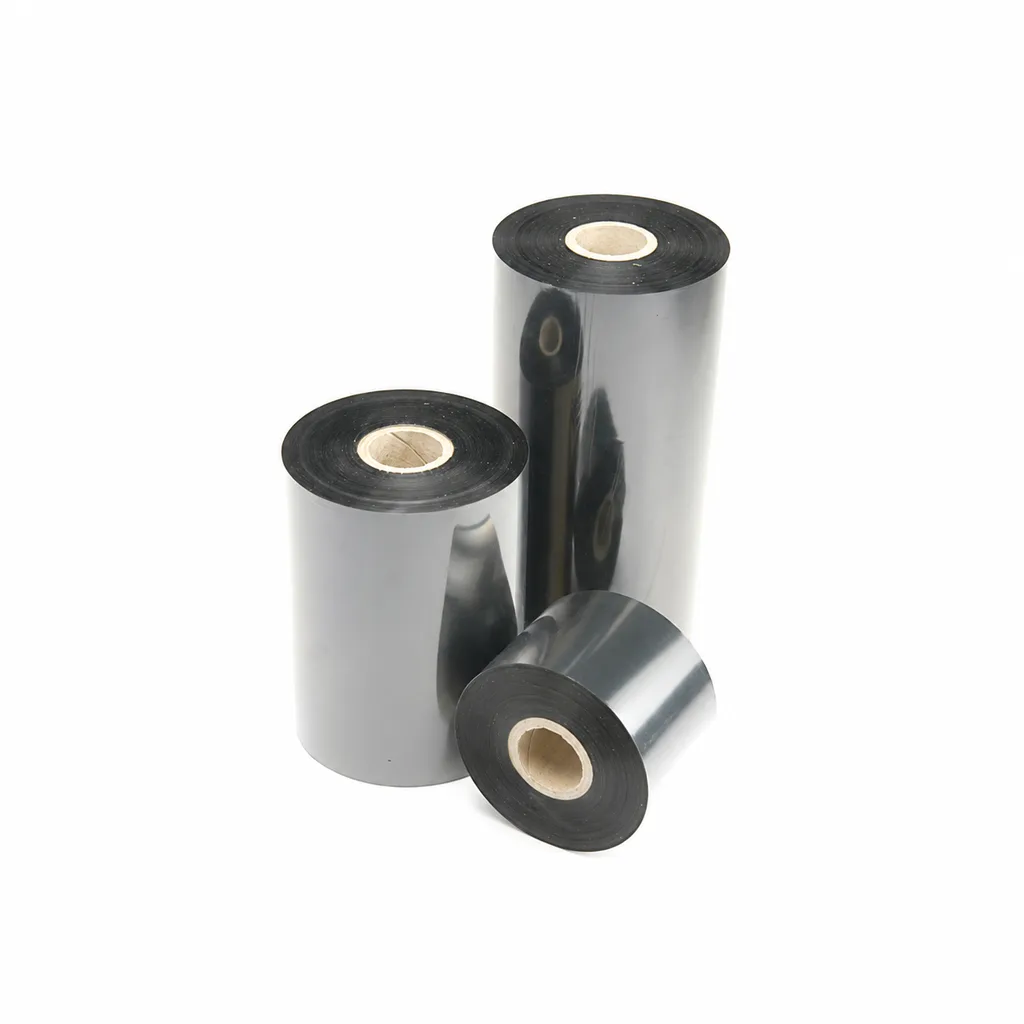
CL-Z213 Near-Edge Wax-Resin Thermal Transfer Ribbon for Barcode Labels
An enhanced black near-edge wax-resin thermal transfer ribbon for near-edge barcode printers and low- to medium-speed thermal transfer overprinting (TTO). Listed applications include retail labels, warehousing, garment tags and packaging identification. Match the printer, actual print medium and operating speed before selection: print quality and image durability can vary with the printer and substrate.
View details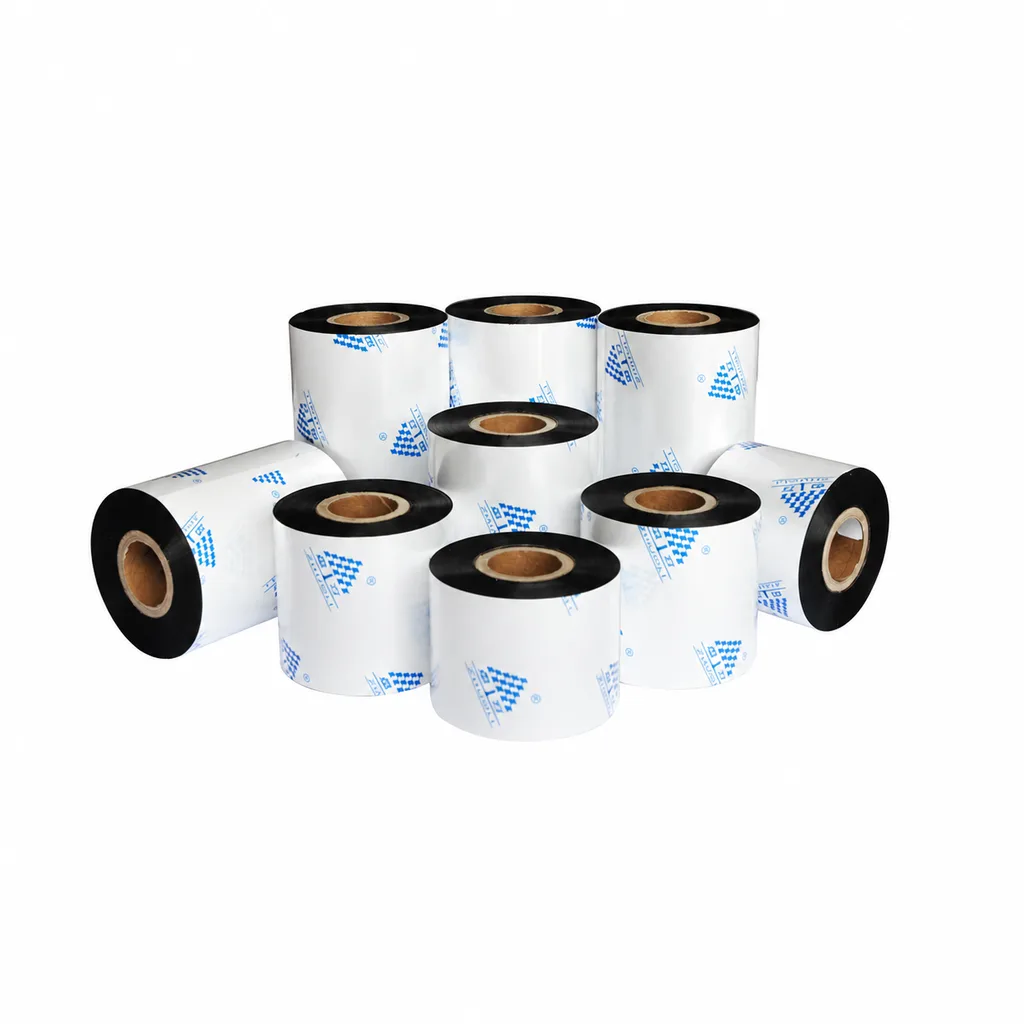
Near-Edge Wax-Resin Thermal Transfer Ribbon CL-Z212 for Barcode Labels
CL-Z212 is a general-purpose black wax-resin thermal transfer ribbon primarily for near-edge barcode printers, with use also described for low- to medium-speed thermal transfer overprinting (TTO). Listed applications include retail labels, garment tags, warehouse identification and packaging printing. Select according to printer type, actual printing speed and substrate: recommended conditions list near-edge printing at ≤10 inches per second (ips) and TTO at ≤20 ips. Print quality and image durability can vary with the printer and printing material, so trial printing on the intended substrate is necessary for selection.
View details
Acid and Alkali Resistant Label
Chemical-resistant label construction for acid baths, paint-stripping solutions, alkali…
View details
Aluminum Foil High-Temperature Label
Coated aluminum label for metal processing, heat treatment and high-temperature part…
View detailsNeed the right ribbon for your label application?
Share the label material, printer and operating environment. Our team will recommend a tested combination.
