
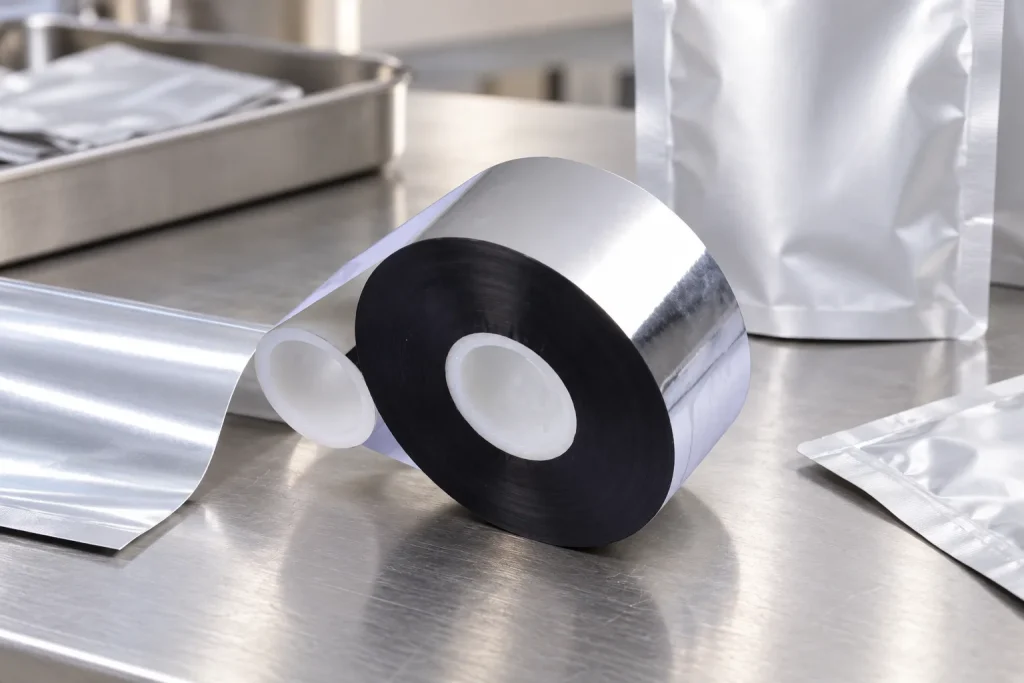
- Original TTR manufacturer since 2013
- Automated coating and slitting
- IQC / IPQC / OQC control
- ANSI barcode grade testing
- -20°C to 120°C environmental testing
- Batch-level traceability
- ANSI barcode grade
- Batch traceability
- RoHS / REACH compliance
- SGS and MSDS documents on request
For packaging buyers and printing teams, TTO means Thermal Transfer Overprinting: heat transfers ink from a ribbon onto flexible packaging. The term identifies a printing process, while near-edge describes the associated printhead technology and wax-resin or resin describes the ribbon formulation. Confirm the machine architecture and packaging surface before treating a ribbon as a compatible replacement.
Key Takeaways
- TTO applies codes to flexible film or labels using a thermal printhead and a ribbon.
- TTR names the thermal transfer ribbon consumable rather than the overprinting process.
- Near-edge ribbons use a release layer to transfer ink quickly to the substrate.
- Ribbon selection depends on the printing surface, formulation, printer architecture, settings and required durability.
What TTO means on a packaging specification
TTO stands for Thermal Transfer Overprinting, a digital printing technology that applies a code to flexible packaging using a thermal printhead and a wax-resin or resin ribbon. A Thermal Transfer Overprinter is the machine that performs this process. Its heat melts the ribbon coating so that the transferred material remains on the packaging surface.
The name describes how the print is made. “Thermal” points to heat, “transfer” points to ink moving from a ribbon, and “overprinting” identifies the application of a code to packaging. This gives a buyer a useful starting point when a machine specification or supplier quotation mentions TTO, but it does not identify a complete consumable specification.
Production dates, batch numbers and product parameters are applications listed in COLORFULTTR’s TTO product matrix. These examples explain why the term appears in packaging discussions: the buyer needs to print information on the packaging material itself. They do not establish which particular ribbon will work on an unidentified machine or film.
Read a reference to “TTO ribbon” as a category requiring further identification. Ask which overprinter and which packaging surface the description refers to. Keep that distinction clear when discussing a replacement: naming the process answers what kind of printing is involved, while the machine and material details define the application to evaluate.

Separate the process, printhead and ribbon terms
TTO, TTR, near-edge and wax-resin describe different parts of a thermal transfer application. TTR means Thermal Transfer Ribbon, the consumable that supplies the ink. Near-edge identifies printhead technology used in thermal transfer overprinters. Wax-resin and resin describe ribbon formulations used in the process.
These terms can appear together without meaning the same thing. A description such as “near-edge wax-resin ribbon for TTO” gives three pieces of information: the intended printhead architecture, the formulation and the printing application. Removing one of those details makes the description less useful when comparing alternatives.
Thermal transfer is also broader than this packaging application. In thermal transfer label printing, heat from the printhead melts ribbon ink onto the label. Direct thermal printing instead applies heat directly to a specially treated label material. Therefore, a specification that says only “thermal printer” still needs clarification before ribbon selection begins.
For flat-head versus near-edge selection, start with the printer’s head requirement. COLORFULTTR’s TDS overview distinguishes CL926 as a near-edge TTO ribbon from the flat-head ribbons in the same comparison. A shared ink-family name does not remove that architecture distinction. If two quotations both say “wax-resin,” compare their intended printhead use before discussing whether they are alternatives.
Why near-edge construction matters to the definition
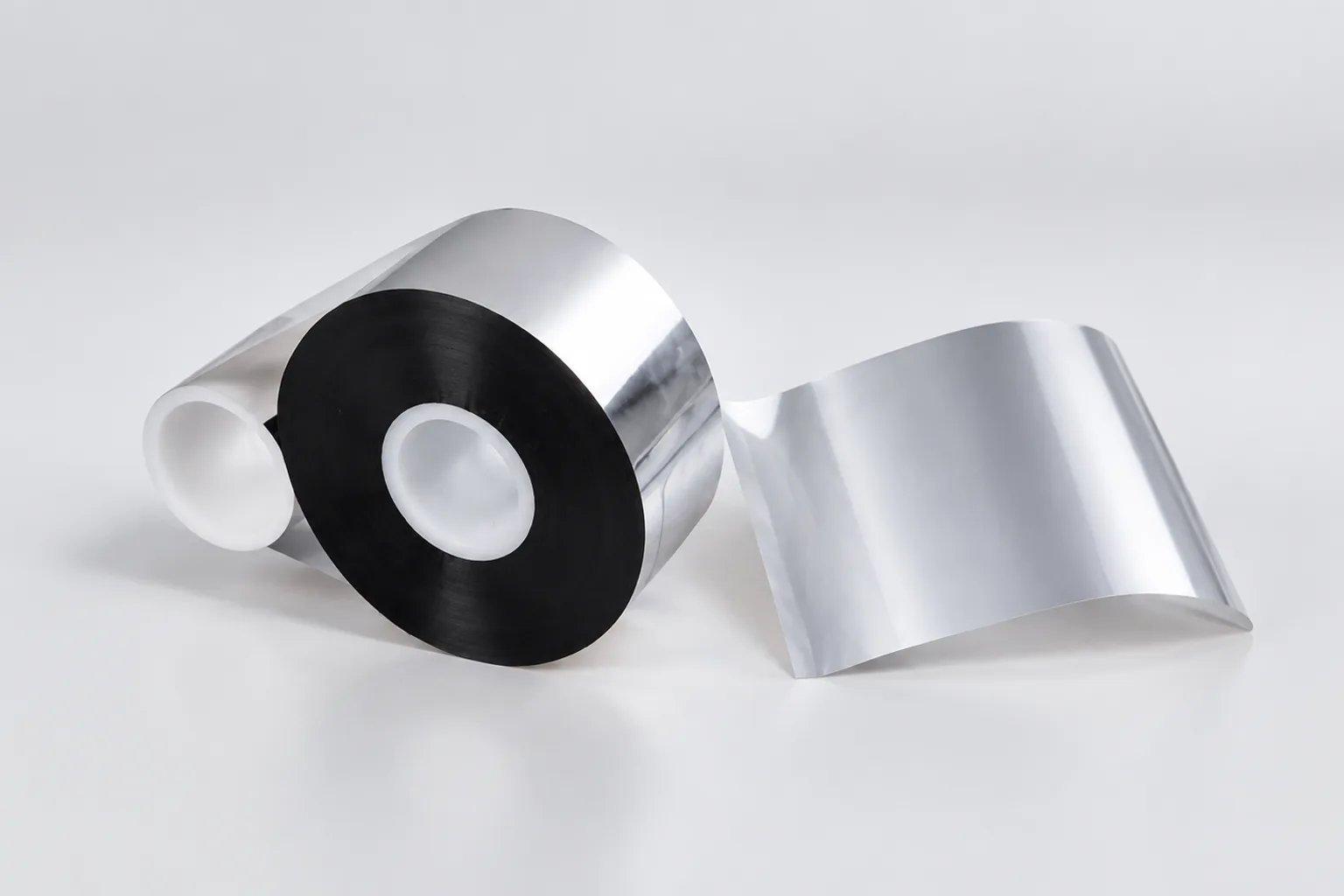
Near-edge ribbon construction includes a release layer that allows ink to transfer quickly to the substrate. The supplied technical explanation states that the media contacts the ribbon as it passes under the printhead’s heating elements, so the transfer must occur within that contact period. This connects the printhead description to the consumable requirement.
The practical point is the relationship between the components. The ribbon does more than carry a named ink formulation; its layer construction contributes to how ink leaves the carrier and reaches the packaging. That is why a broad description such as “resin ribbon” does not fully describe a TTO consumable.
This relationship also explains what the acronym cannot tell you. TTO alone supplies no universal machine setting, no approval for every film surface and no agreed durability result. The final ribbon choice depends on formulation, printer architecture, print settings and the durability required for the application, alongside the material being printed.
Use those factors to frame a supplier discussion rather than starting with a claimed one-for-one replacement. Identify the exact printer and packaging material, describe the intended printed information, and state what the print must withstand. Treat the proposed ribbon as a candidate to verify under those conditions. This keeps the explanation useful when a packaging specification changes or an existing supply source is replaced.
Data and Evidence
The supplied evidence supports the TTO definition and a distinction between application, architecture and formulation; it does not establish a universal ribbon specification. The table separates the supported meaning of each term from the information a buyer should still check.
| Term | Supported meaning | What to verify for your application |
|---|---|---|
| TTO | Thermal Transfer Overprinting on flexible film or labels | The exact overprinter and intended packaging surface |
| TTR | The thermal transfer ribbon consumable | The ribbon specification for the identified machine |
| Near-edge | Printhead technology used in thermal transfer overprinters | Whether the proposed ribbon is intended for that architecture |
| Wax-resin or resin | Ribbon formulations used in TTO | Suitability for the actual material and required durability |
Definition and mechanism references: Thermal Transfer Overprinting - 经核验事实资产(内部), TTO - 经核验事实资产(内部), and near edge ribbons - 经核验事实资产(内部). The company-specific architecture example comes from 公司碳带TDS与原始规格入口; the coding applications come from 公司现行产品矩阵(2026-10-02校订).
For a practical check, record the printer identity, packaging material, proposed ribbon and intended print conditions together. Compare the candidate’s stated application with that record, then print on the intended material and assess the result against your actual use requirements. Keep the result attached to that combination rather than extending it to every product sold under the same acronym.
Your next step is to turn any quotation that says only “TTO ribbon” into a specific application record. Confirm the printhead architecture first, then document the material and durability requirement before evaluating the proposed consumable.
Frequently Asked Questions
Does TTO mean the printer or the ribbon used on flexible packaging?
TTO names Thermal Transfer Overprinting, while a Thermal Transfer Overprinter is the machine. A TTO ribbon is the consumable selected for that printing system.
Can a wax-resin ribbon for a flat-head label printer be selected just because TTO also uses wax-resin?
No. Wax-resin identifies an ink formulation, while flat-head and near-edge identify printer architectures. Check the required printhead type before considering a ribbon substitute.
Does the TTO name specify a universal printing speed for packaging film?
No. The process name supplies no universal speed setting. Use the exact printer instructions and ribbon data, then verify the result on the intended packaging material.
Recommended products for this industry
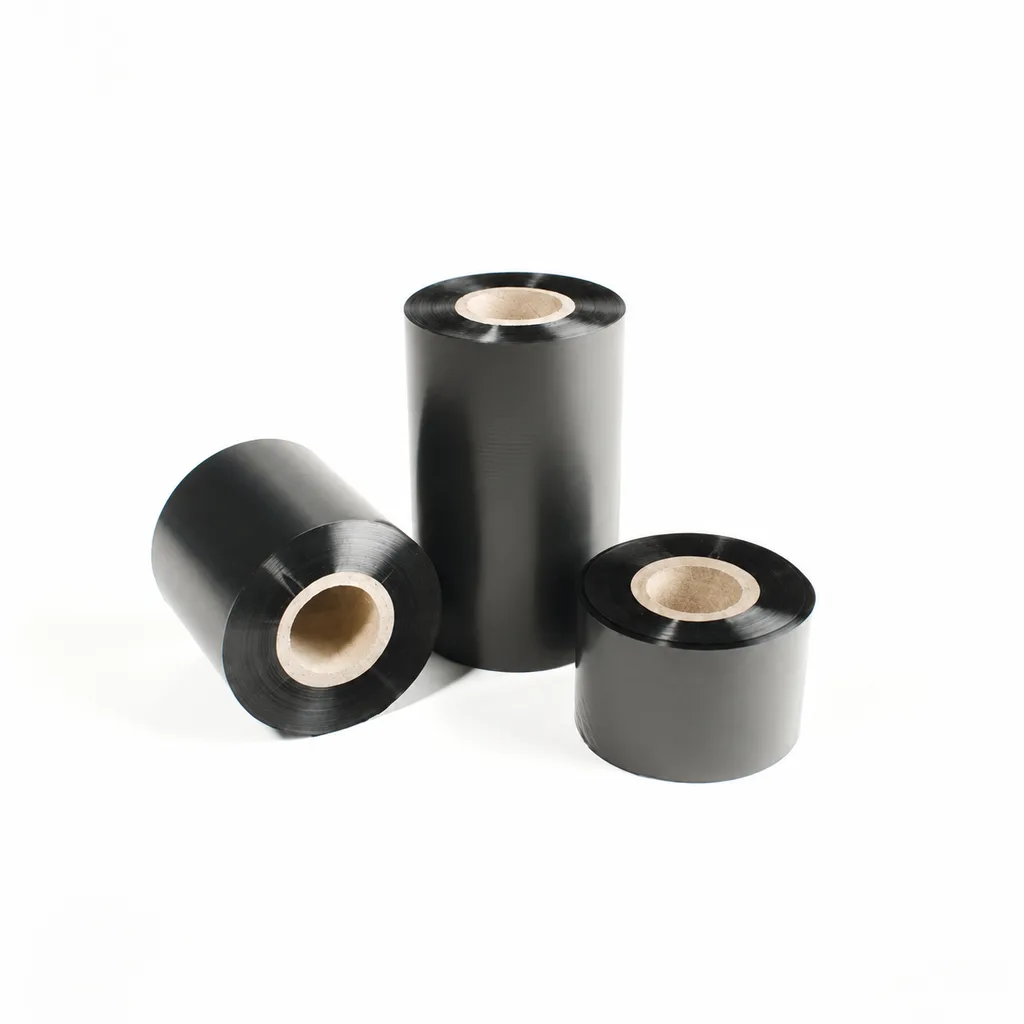
CL-Z112 Enhanced Wax Thermal Transfer Ribbon for Paper Labels and Tags
An enhanced wax thermal transfer ribbon with black ink for paper labels and tags used in retail, warehousing and logistics. It is specified for flat-head printing on desktop or industrial barcode printers at ≤8 inches per second (ips). Select it by checking the actual label material, printer configuration and handling conditions: image-quality, rub-resistance and cold-chamber results were obtained on coated paper, and print quality and image durability may vary with the printer and print medium.
View details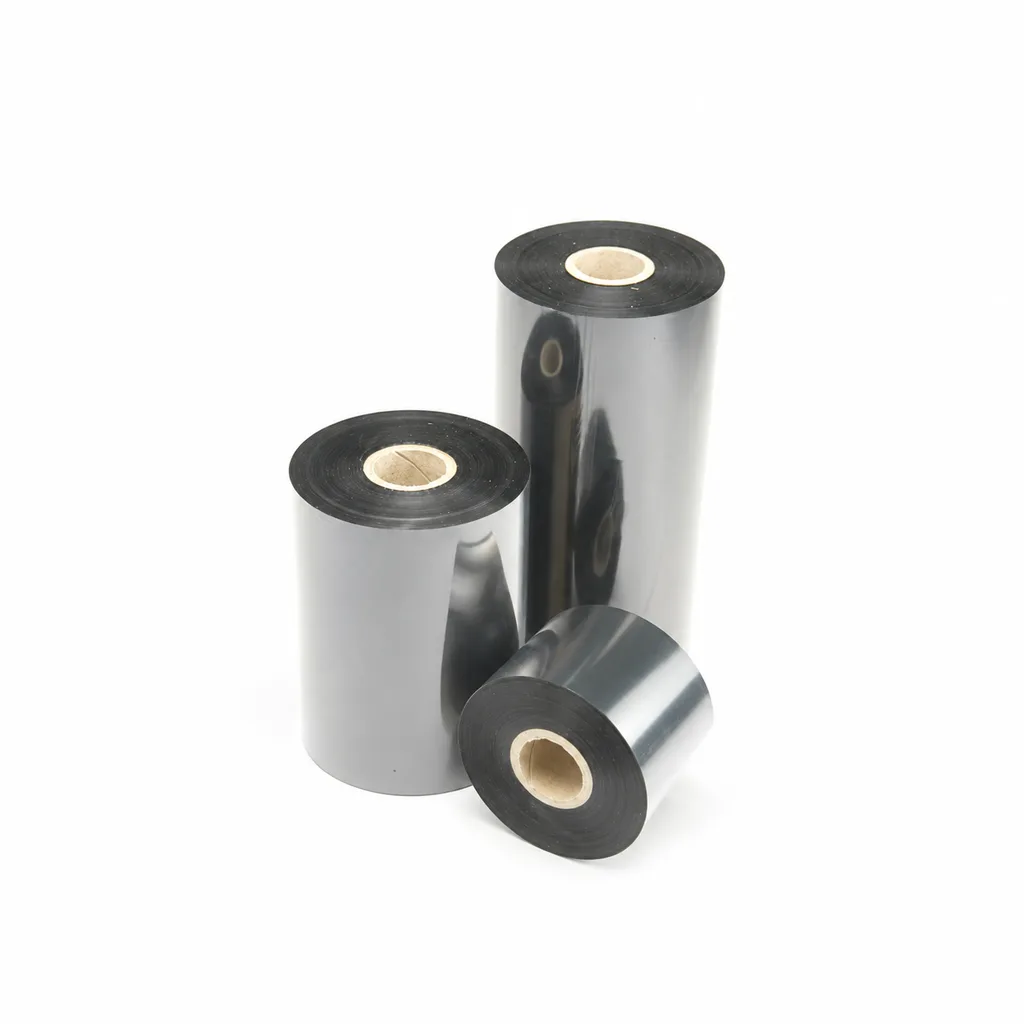
CL-Z203 Wax-Resin Thermal Transfer Ribbon for Barcode Labels
A black wax-resin thermal transfer ribbon for flat-head printing, with listed applications including retail, warehousing, logistics and garment tags. Select it against your actual label material and desktop or industrial barcode printer at speeds ≤6 ips (inches per second). Fine-line, small-text and durability results were obtained on coated paper; print quality and image durability may vary with the printer and printing substrate.
View details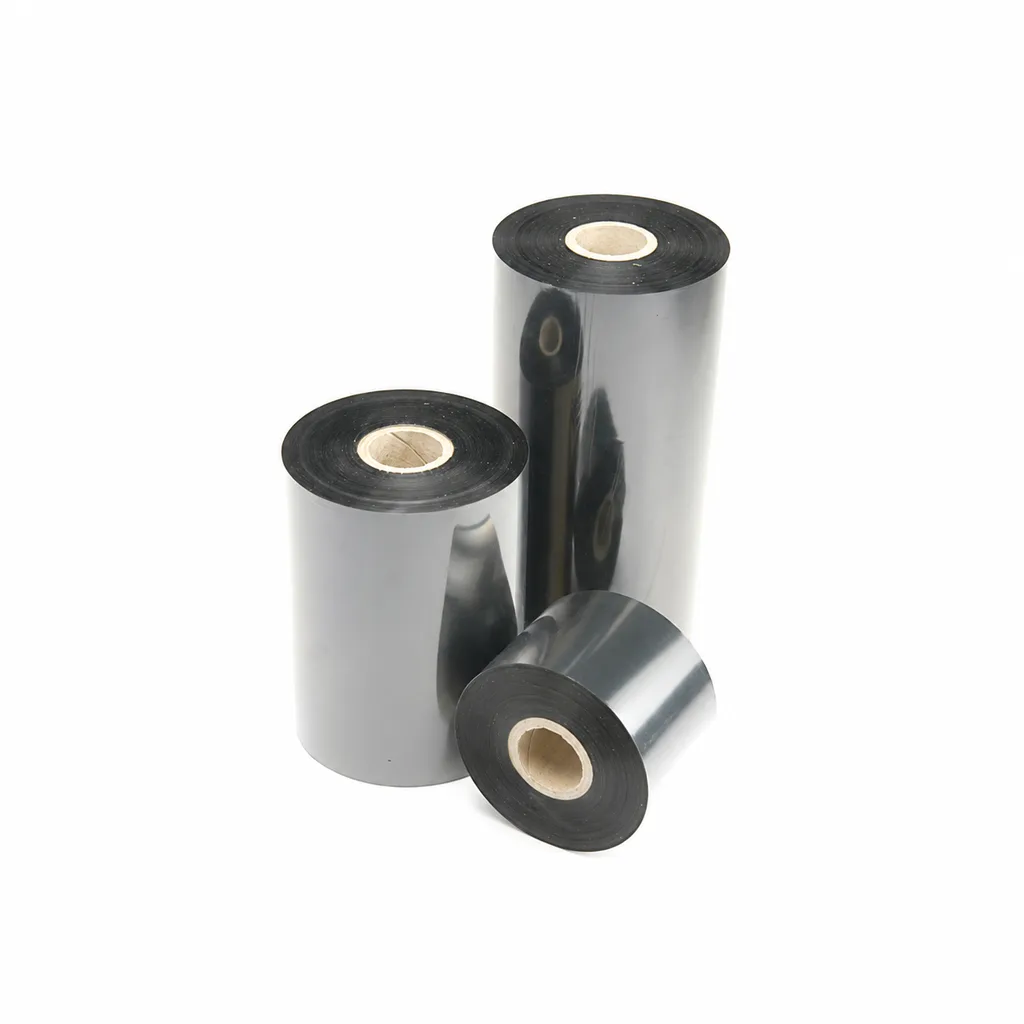
CL-Z213 Near-Edge Wax-Resin Thermal Transfer Ribbon for Barcode Labels
An enhanced black near-edge wax-resin thermal transfer ribbon for near-edge barcode printers and low- to medium-speed thermal transfer overprinting (TTO). Listed applications include retail labels, warehousing, garment tags and packaging identification. Match the printer, actual print medium and operating speed before selection: print quality and image durability can vary with the printer and substrate.
View details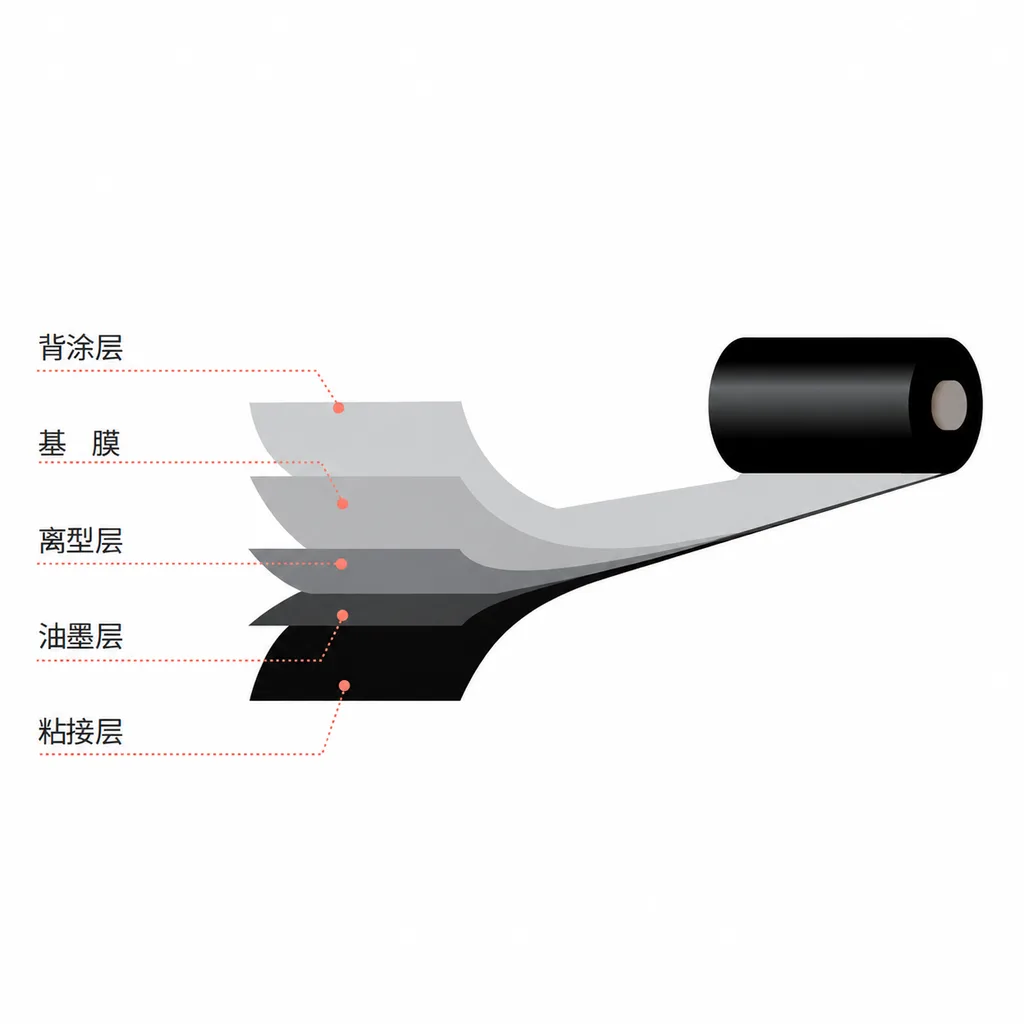
CL-Z312 Resin Thermal Transfer Ribbon for Packaging Printing
CL-Z312 is a black, general-purpose resin ribbon for thermal transfer overprinting (TTO), with packaging and retail label applications listed in the product information. Its abrasion, alcohol and oil resistance data were obtained on polyethylene terephthalate (PET). Select it against your actual packaging material, printer and production speed: print quality and image durability can vary with the printer and substrate, and the material chart percentages are not defined as pass rates.
View detailsNeed the right ribbon for your label application?
Share the label material, printer and operating environment. Our team will recommend a tested combination.
