
Barcode Ribbon Explained: Ink, Printing Methods, and Compatibility
Request a solution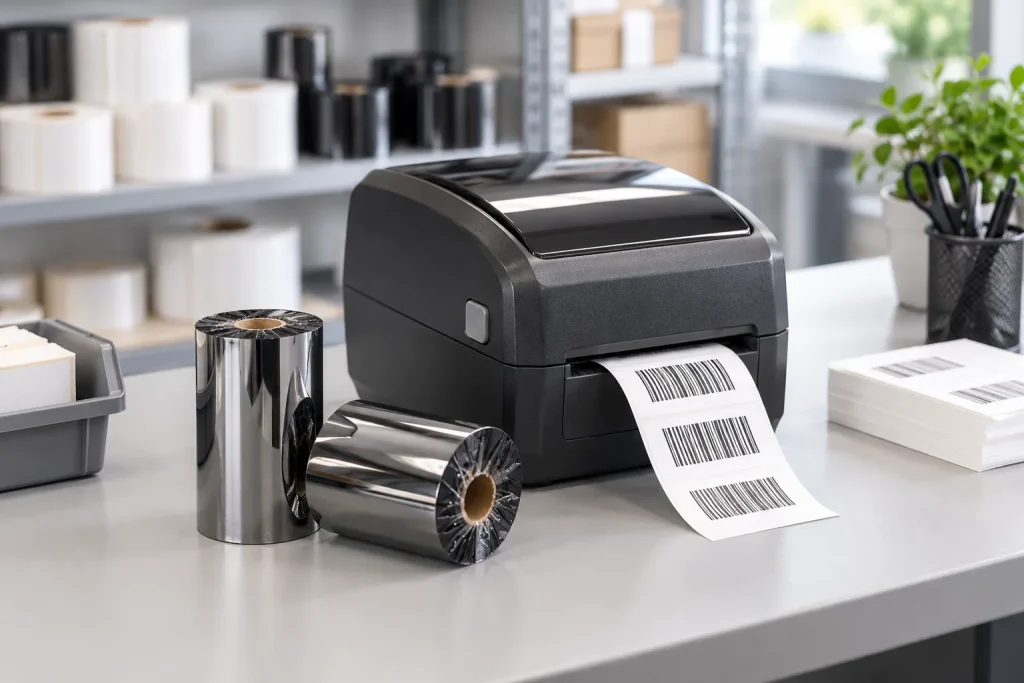
- Original TTR manufacturer since 2013
- Automated coating and slitting
- IQC / IPQC / OQC control
- ANSI barcode grade testing
- -20°C to 120°C environmental testing
- Batch-level traceability
- ANSI barcode grade
- Batch traceability
- RoHS / REACH compliance
- SGS and MSDS documents on request
A barcode ribbon supplies the ink used to print barcodes by thermal transfer; its suitability depends on the printer, label surface, and required durability. For buyers and print-room technicians, the useful distinction is between the printing method, the ribbon formulation, and the roll specification. Confirm the printer's ribbon requirements and validate the chosen ribbon on your own label stock before approving a replacement.
Key Takeaways
- Thermal transfer uses a separate ribbon, while direct thermal printing uses specially treated media without a ribbon.
- Wax, wax-resin, and resin describe ink families with different material and durability applications.
- Matching ribbon width, core size, and roll length is part of compatibility, alongside the ink formulation.
- Ribbon performance must be validated on the actual facestock, printer, and settings used for production.

What a barcode ribbon is and where the printed image comes from
A barcode ribbon is a thermal transfer consumable that carries ink onto a label under the printer's heated printhead. The ribbon and the label are separate materials: one supplies the ink, and the other receives the image. Calling a product a “barcode ribbon” identifies its printing use, but leaves its formulation and physical specification to be established.
The construction explains the transfer process. A typical ribbon has a polyester film coated with wax-based, resin-based, or mixed ink on one side. Its opposite side carries a lubricating coating to help protect the printhead. During printing, the head applies heat and pressure to transfer the image onto the label. These construction and process details are described in COLORFULTTR's 生产工艺与品质(2025).
The name therefore does not mean that the roll contains a ready-made barcode. The printhead's individual heating elements activate in selected areas to form the required image. The label receives the transferred ink in those areas. This distinction matters when discussing a replacement: specify the consumable separately from the information or artwork you intend to print.
It also explains why two questions need separate answers. “Is this a barcode ribbon?” asks about the product category. “Will this ribbon work in our printing process?” asks about the combination of printer, ink, label surface, and settings. Answer the category question first, then use the remaining details to judge the proposed combination.
Separate barcode ribbon from direct thermal media and TTO ribbon
Thermal transfer printing requires a ribbon, while direct thermal printing applies heat to specially treated label material without one. The general description “thermal printer” can refer to either method. A label carrying a barcode therefore does not, by itself, establish that a ribbon was used to print it.
For an existing installation, check the printer's supported method and the mode used for the job. If the job uses direct thermal media in direct thermal mode, a barcode ribbon is not the ink source for that process. If it uses thermal transfer, identify the ribbon requirements before comparing replacement rolls. COLORFULTTR's 公司打印机介质兼容性与材质规格(已审第一方来源) explicitly distinguishes these two modes.
TTO means Thermal Transfer Overprinting and is another term buyers encounter around ribbon-based coding. It applies codes to flexible packaging using a thermal printhead and wax-resin or resin ribbon. Sharing an ink-family description with a label ribbon does not establish that the two products fit the same printer architecture.
A concrete example is COLORFULTTR's CL926: its technical documentation identifies it as a near-edge TTO ribbon, whereas CL507 and CL807A are flat-head resin ribbons. The current specification list states that its TTO range cannot be used in flat-head barcode printers. When a supplier proposes a substitution, ask which printhead architecture the proposed grade supports before comparing its advertised speed or resistance.
Read wax, wax-resin, and resin as formulation names
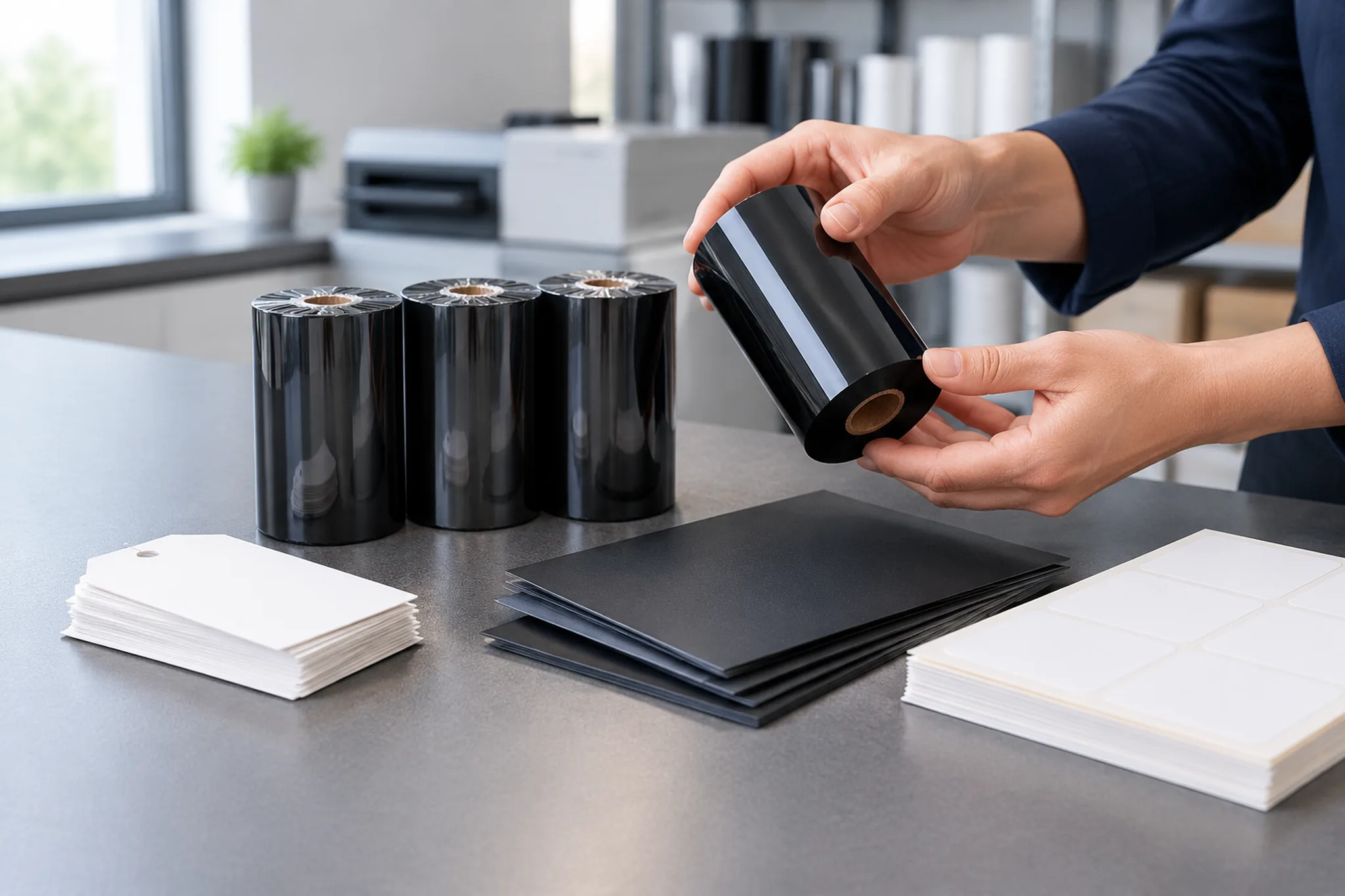
Wax, wax-resin, and full resin are three general thermal transfer ribbon families selected for different label materials and durability needs. These names describe the ink formulation rather than a complete printer compatibility specification. They help narrow a comparison, but they do not identify every property of a particular grade.
For paper-label work, wax provides an economical starting point; the supplied material describes wax ribbons as designed for high-speed paper printing. COLORFULTTR's product matrix also describes its wax category as economical but not scratch-resistant. That combination makes both the label surface and the handling requirement relevant when considering wax.
Wax-resin combines wax and resin and offers greater durability than wax in the supplied category description. Its stated material scope includes coated paper and some film types. The word “some” is important: do not turn that description into approval for every film label. Identify the actual stock before treating wax-resin as a suitable replacement.
Full resin is generally associated with demanding synthetic films, including polyester, polyimide, and vinyl. COLORFULTTR also separates wash-care resin from its general resin category, so a textile washing requirement deserves a grade-specific discussion. A broad family name does not establish an exact washing or chemical-resistance result.
Use the family name to frame the requirement: paper with limited scratch demands, coated paper or selected film needing more durability, or a demanding synthetic application. Then compare the documented grade and validate the actual printed construction. For a more detailed comparison, see the guide to choosing wax-resin ribbon for labels and printers.
Data and Evidence
Ribbon compatibility depends on ink formulation, width, core size, and roll length matched to the printer and label material. The table separates what each description tells you from the evidence still needed. It is a reading aid for specifications, rather than a set of universal printer settings.
| Description | What it establishes | What to confirm |
|---|---|---|
| Barcode ribbon | An ink-carrying consumable for thermal transfer barcode printing | Exact ribbon grade and printer requirements |
| Wax | An economical paper-printing family | Suitability for the actual paper and scratch demands |
| Wax-resin | A blended family with greater durability than wax | The specific coated paper or film supported |
| Full resin | A family generally used for demanding synthetic films | Grade-specific resistance and media suitability |
| Roll specification | Width, length, core, and winding information | A match to the exact printer model |
The physical details deserve their own comparison when switching suppliers. COLORFULTTR's 公司现行数字系型号规格清单 lists both ink-side-in (CSI) and ink-side-out (CSO) winding. Record the required winding alongside width, core, and length instead of approving a roll from its formulation name alone.
The construction and mode distinctions above draw on 生产工艺与品质(2025) and 公司打印机介质兼容性与材质规格(已审第一方来源). The TTO example and formulation examples follow 公司碳带TDS与原始规格入口 and 公司现行数字系型号规格清单. Those product descriptions identify intended applications; they do not supply a universal acceptance threshold for your labels.
For a supplier change, prepare a comparison record with the printer model, current roll specification, label stock, and durability requirement. Print the candidate on that facestock using your printer and intended settings, then assess the result against your application's requirements. Record the tested combination before release. Your next step is to complete that comparison record for the existing ribbon and the proposed replacement.
Frequently Asked Questions
Does a thermal barcode printer always need a ribbon?
No. Thermal transfer printing needs a ribbon, while direct thermal printing uses specially treated media without one. Check the printer's supported method and the mode used for the job.
Can I approve a replacement wax-resin ribbon from the formulation name alone?
No. Match the formulation, width, core size, roll length, and required winding to the printer and label stock, then validate the combination on your own printer and settings.
Does one successful barcode scan prove the replacement ribbon meets print-quality requirements?
No. A barcode verification grade measures how closely the printed symbol meets a readability standard, rather than whether a particular scanner reads it once. Assess the printed sample against the requirements for your application.
Related Products & Guides
Recommended products for this industry
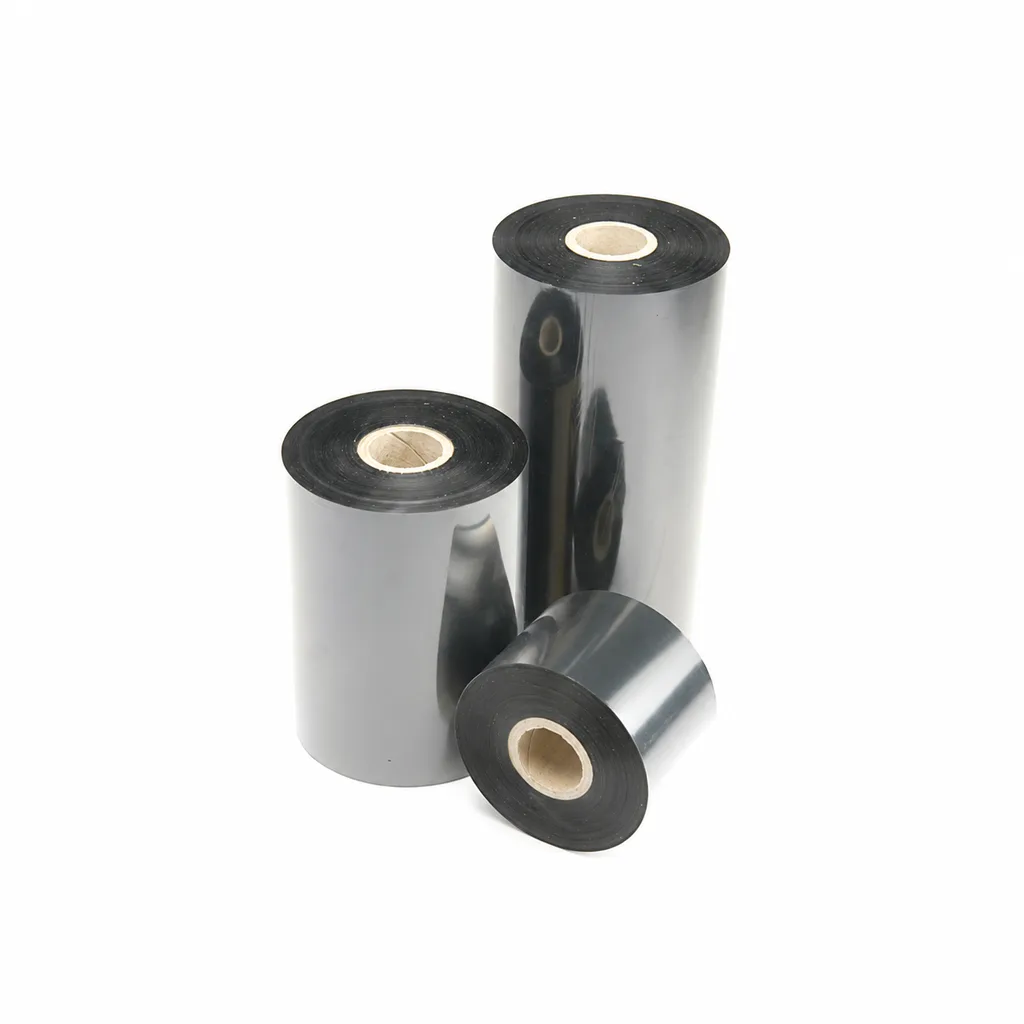
CL-Z213 Near-Edge Wax-Resin Thermal Transfer Ribbon for Barcode Labels
An enhanced black near-edge wax-resin thermal transfer ribbon for near-edge barcode printers and low- to medium-speed thermal transfer overprinting (TTO). Listed applications include retail labels, warehousing, garment tags and packaging identification. Match the printer, actual print medium and operating speed before selection: print quality and image durability can vary with the printer and substrate.
View details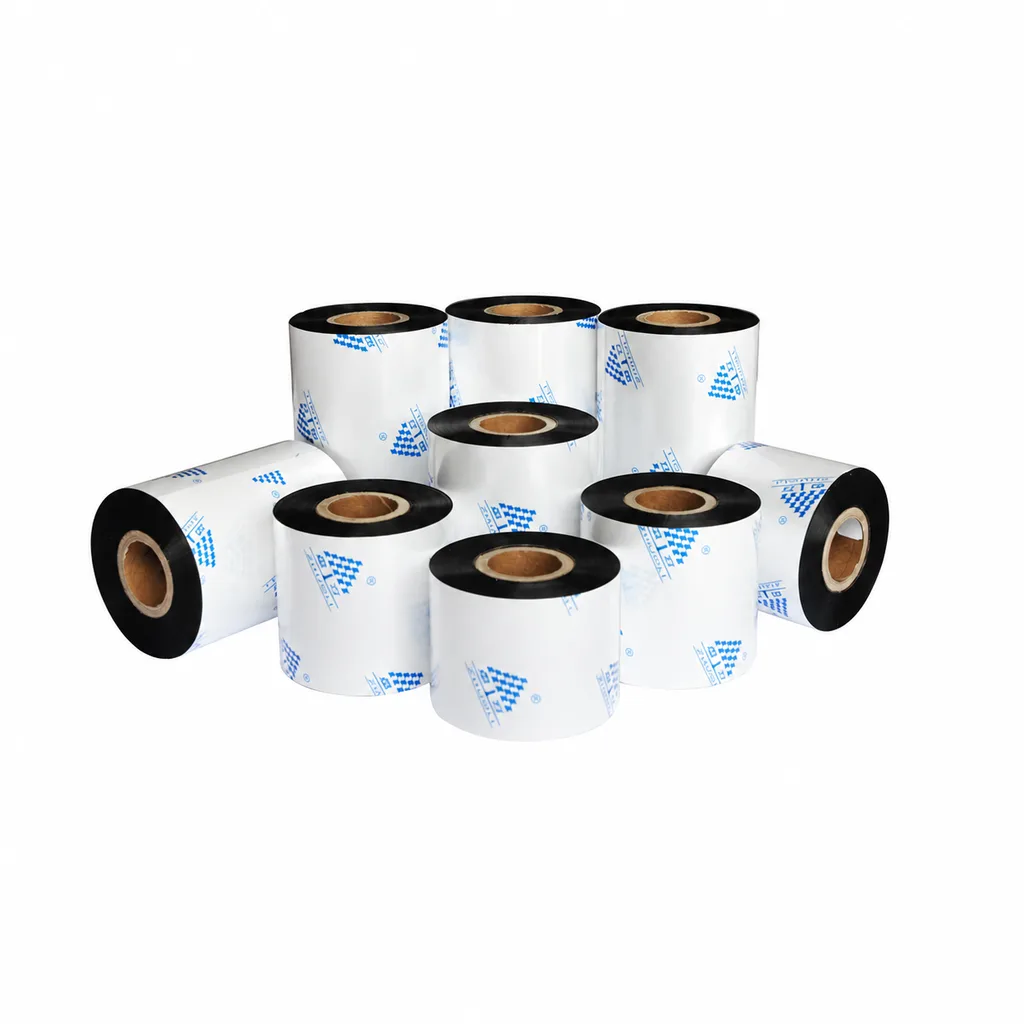
Near-Edge Wax-Resin Thermal Transfer Ribbon CL-Z212 for Barcode Labels
CL-Z212 is a general-purpose black wax-resin thermal transfer ribbon primarily for near-edge barcode printers, with use also described for low- to medium-speed thermal transfer overprinting (TTO). Listed applications include retail labels, garment tags, warehouse identification and packaging printing. Select according to printer type, actual printing speed and substrate: recommended conditions list near-edge printing at ≤10 inches per second (ips) and TTO at ≤20 ips. Print quality and image durability can vary with the printer and printing material, so trial printing on the intended substrate is necessary for selection.
View details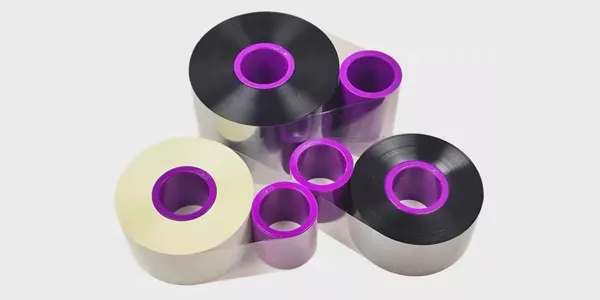
TTO Barcode Printer Thermal Transfer Colour Ribbon High-Speed Customisation
This TTO thermal transfer ribbon is suitable for a variety of label materials across…
View details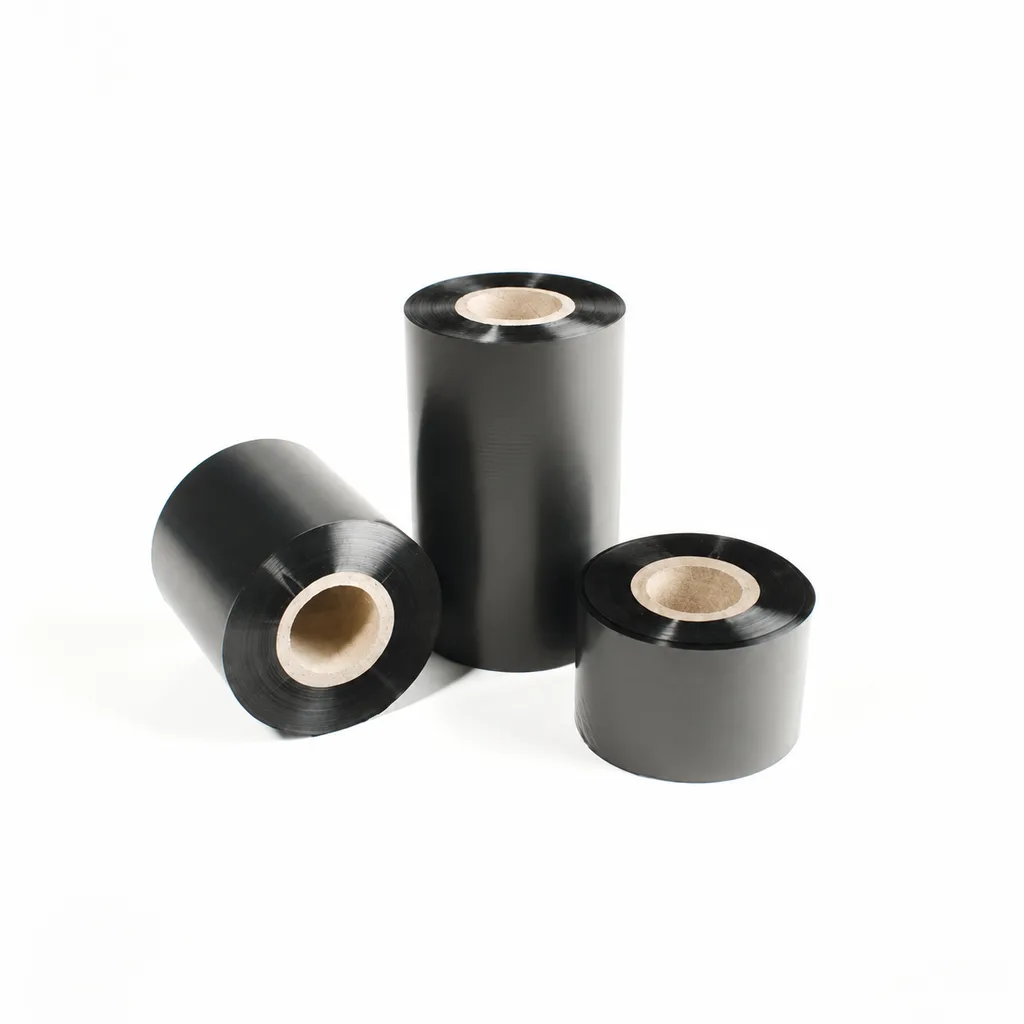
CL-Z112 Enhanced Wax Thermal Transfer Ribbon for Paper Labels and Tags
An enhanced wax thermal transfer ribbon with black ink for paper labels and tags used in retail, warehousing and logistics. It is specified for flat-head printing on desktop or industrial barcode printers at ≤8 inches per second (ips). Select it by checking the actual label material, printer configuration and handling conditions: image-quality, rub-resistance and cold-chamber results were obtained on coated paper, and print quality and image durability may vary with the printer and print medium.
View detailsNeed the right ribbon for your label application?
Share the label material, printer and operating environment. Our team will recommend a tested combination.
