
What Is a Hybrid Ribbon? Wax-Resin Thermal Transfer Ribbons vs. Wax and Resin Explained
Request a solution
- Original TTR manufacturer since 2013
- Automated coating and slitting
- IQC / IPQC / OQC control
- ANSI barcode grade testing
- -20°C to 120°C environmental testing
- Batch-level traceability
- ANSI barcode grade
- Batch traceability
- RoHS / REACH compliance
- SGS and MSDS documents on request
This explainer is written for B2B buyers and print-shop technical leads who meet the term "hybrid ribbon" while choosing thermal transfer consumables. Here the term means a wax/resin thermal transfer ribbon: one ink layer blending both bases, typically 60% wax and 40% resin, positioned between wax and full resin in durability and substrate range. The article separates the term from wax, resin, and near-edge (TTO) products, maps its typical applications and label stocks, and lists the width, core, and ink-side checks to finish before ordering. Catalog figures are starting points, so validate settings and durability on your own printer and labels.
Key Takeaways
- A hybrid ribbon is a thermal transfer ribbon whose ink layer blends wax and resin, typically 60% wax and 40% resin, instead of using one pure chemistry.
- The hybrid category adds moderate scratch, smudge, and moisture resistance and good performance on synthetic materials, placing it between wax and full resin.
- Typical hybrid applications include pharmaceutical labels, medical device labels, apparel hang tags, manufacturing WIP labels, and asset tracking.
- "Hybrid" describes ink chemistry only; it does not fix the ribbon's width, core size, ink side, or print-head type (flat head vs. near-edge TTO).
- Extreme chemicals, high temperatures, and long-term outdoor exposure stay in full-resin territory, and garment care fabrics need a dedicated wash-care hybrid grade.
What a Hybrid Ribbon Is in Thermal Transfer Printing
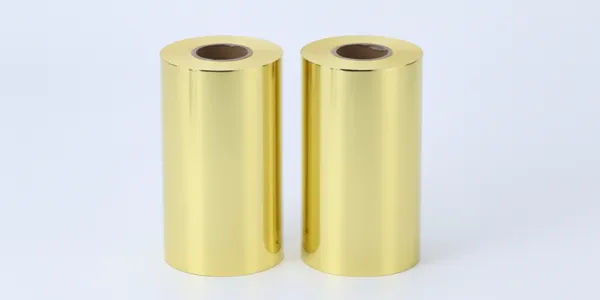
A hybrid ribbon is a thermal transfer ribbon whose ink layer blends wax and resin chemistry instead of relying on a single base material. In thermal transfer printing, the ribbon is the printer consumable that carries the ink and transfers it to the label, so the ink formulation largely decides how durable the printed image is. The same consumable is also known as a hot stamping ribbon, or simply a ribbon.
COLORFULTTR's wax and wax-resin catalog describes the hybrid category as combining the best properties of wax and resin to deliver balanced print quality and durability. The formulation is typically about 60% wax and 40% resin. That blend places hybrid in the middle of the ribbon family: it keeps wax-like print quality across many label stocks while adding scratch, smudge, and moisture behavior that pure wax does not offer. The same category is also sold under the name wax/resin ribbon, so the two terms point to one product family.
One scoping note prevents most confusion: "hybrid" describes the ink chemistry, nothing else. It does not tell you the ribbon's width, core size, ink-side orientation, or print-head type. Flat-head printers and near-edge (TTO) overprinters each need ribbons formulated for their head type, and hybrid chemistry exists for both.
How Hybrid Ribbons Differ from Wax and Resin Ribbons
The wax, hybrid, and resin categories differ in ink chemistry, and that difference drives durability, tolerable label materials, and cost position. Wax ribbons are the most economical thermal transfer option, pairing high sensitivity with excellent print density on paper labels, and the catalog scopes them to general purpose applications where extreme durability is not required. Full resin ribbons sit at the opposite end: 100% resin-based ink with the highest level of durability, resisting scratching, chemicals, high temperatures, and outdoor exposure for permanent identification on synthetic materials.
Hybrid ribbons occupy the middle ground. They target applications that need moderate scratch and moisture resistance, they list superior scratch and smudge resistance among their key features, they print small fonts and barcodes crisply, and they hold good performance on synthetic materials where wax is not rated.
| Attribute | Wax ribbons | Wax/resin hybrid ribbons | Full resin ribbons |
|---|---|---|---|
| Ink formulation | Wax-based | Blend, typically 60% wax / 40% resin | 100% resin-based ink |
| Positioning | Most economical option; high sensitivity and print density on paper labels | Balanced print quality and durability | Highest level of durability |
| Rated for | General purpose applications where extreme durability is not required | Applications requiring moderate scratch and moisture resistance | Scratching, chemicals, high temperatures, and outdoor exposure |
| Label materials | Paper labels | Synthetic materials plus a wide range of label stocks | Synthetic materials, for permanent identification |
| Typical applications | Logistics and shipping labels; warehouse inventory; retail price marking | Pharmaceutical labels; medical device labels; apparel hang tags; WIP labels; asset tracking | Automotive VIN labels; electronics PCB marking; outdoor asset tags; chemical container labeling |
Read the table as a category map rather than a guarantee for one product: within the hybrid family, separate grades differ in chemical resistance and substrate ratings, so confirm the specific grade against your label material before ordering.

Where Hybrid Ribbons Fit: Materials and Applications
The catalog lists the hybrid category's typical applications as pharmaceutical product labels, medical device labeling, apparel hang tags, manufacturing WIP labels, asset tracking, and premium retail products. The common thread is moderate abuse: labels face repeated handling, light moisture, and small text or barcodes that must stay scannable, but not solvents or years outdoors. If your job list looks like the wax column but keeps failing scuffs and damp handling, hybrid is the usual next step.
On label stocks, the category is described as versatile across a wide range of label stocks, with good performance on synthetic materials. The catalog's compatibility chart rates its general hybrid grades excellent on synthetic paper, good to excellent on matte PP, and split on PET/PVC, where one grade rates fair and the other good, so film labels are where grade selection starts to matter. The same chart rates the hybrid grades excellent and good on coated paper, which makes the category a practical default when one printer serves mixed paper and synthetic jobs.
One fabric boundary matters for apparel buyers: nylon taffeta and polyester satin are rated "No" for the general hybrid grades. Garment care labels belong to a dedicated wash-care hybrid ribbon designed specifically for those fabrics, not to the general-purpose grades.
What the Hybrid Label Does Not Tell You
Knowing that a ribbon is hybrid settles its ink chemistry, and four practical decisions still stay open.
- Head type. Hybrid chemistry exists for flat-head printers and for near-edge (TTO) overprinters, but a single ribbon is formulated for one head type. Near edge ribbons must contain a release layer that lets the ink transfer to the substrate quickly, and TTO ribbons are supplied as their own wax/resin blends. Match the ribbon to your print head, not just to the chemistry; see what a TTO ribbon is and how near-edge overprinting works.
- Ordering dimensions. Width, length, core size, and ink side are independent of chemistry. The hybrid grade is offered in standard and custom widths from 30mm to 220mm, in standard lengths of 300m and 450m with custom lengths available, on 0.5" and 1" core options, and with ink coated inside (CSI) or outside (CSO). Check the printer's required width, core, and ink side before ordering; the ribbon core size comparison for B2B buyers covers that check in detail.
- Print settings. The catalog marks recommended darkness as a range that varies by printer, so treat catalog settings as starting points and adjust on your own machine until barcodes scan cleanly and the ink does not smear.
- Durability boundaries. The extremes described above route to full resin, and garment care fabrics route to the wash-care hybrid grade; both are grade decisions, not things the word "hybrid" settles.
"Hybrid" also appears beyond black ribbons: color thermal transfer ribbons come in wax, hybrid, and resin bases. Specify both the chemistry and the product form when you request a quotation.
Data and Evidence
The table and checks below condense the hybrid grade's catalog ordering options and the verification steps to run before a production order.
| Ordering parameter | Catalog options for the hybrid grade |
|---|---|
| Width | Standard and custom, 30mm to 220mm |
| Length | Standard 300m and 450m; custom lengths available |
| Core | 0.5" and 1" options |
| Ink side | Ink coated inside (CSI) or outside (CSO) |
- Record your printer model, head type (flat or near edge), and label material before requesting a quotation.
- Confirm the ribbon's width, core size, and ink-side orientation against the printer's requirements.
- Print samples on your actual labels and adjust darkness and speed from the catalog starting range until the codes scan cleanly.
- Test the printed label against the specific abuse it will face, such as rubbing, moisture, or the chemicals in your process, before placing a full order.
Your next step: assemble the printer model, head type, label material, and the resistances the label must survive, then request samples of the shortlisted grade together with its current technical data sheet.
Source note: category descriptions, application lists, substrate ratings, and customization ranges come from the COLORFULTTR wax and wax-resin product catalog and the COLORFULTTR resin, TTO and color ribbon catalog. Catalog values describe product families, so confirm the current model codes and technical data sheet figures for the specific grade you select.
Frequently Asked Questions
What does "hybrid ribbon" mean in thermal transfer printing?
It means a wax/resin ribbon: a thermal transfer ribbon whose ink layer blends wax and resin, typically 60% wax and 40% resin, to balance print quality with moderate durability. "Hybrid ribbon" and "wax/resin ribbon" name the same category.
What is the difference between hybrid, wax, and resin ribbons?
The difference is ink chemistry and durability. Wax is the most economical option for paper labels where extreme durability is not required. Full resin uses 100% resin-based ink for the highest durability against scratching, chemicals, high temperatures, and outdoor exposure. Hybrid sits between them, adding moderate scratch, smudge, and moisture resistance plus good performance on synthetic materials.
Are hybrid ribbons more resistant to smudging than wax ribbons?
Yes, within their rated range. Superior scratch and smudge resistance is a listed feature of the hybrid category, which targets moderate scratch and moisture resistance. For aggressive chemicals or long-term outdoor exposure, the catalog's answer is full resin.
Can I use a hybrid ribbon in a near-edge TTO overprinter?
Choose a hybrid formulated for your head type. Near edge ribbons must contain a release layer so the ink transfers to the substrate quickly, and wax/resin blends optimized for TTO overprinters are supplied as their own products. A flat-head hybrid ribbon is not automatically that product.
Do hybrid ribbons work on garment wash-care labels?
Not the general-purpose grades. The compatibility chart rates them "No" on nylon taffeta and polyester satin; garment care labels use a dedicated wash-care hybrid ribbon designed specifically for those fabrics.
Recommended products for this industry
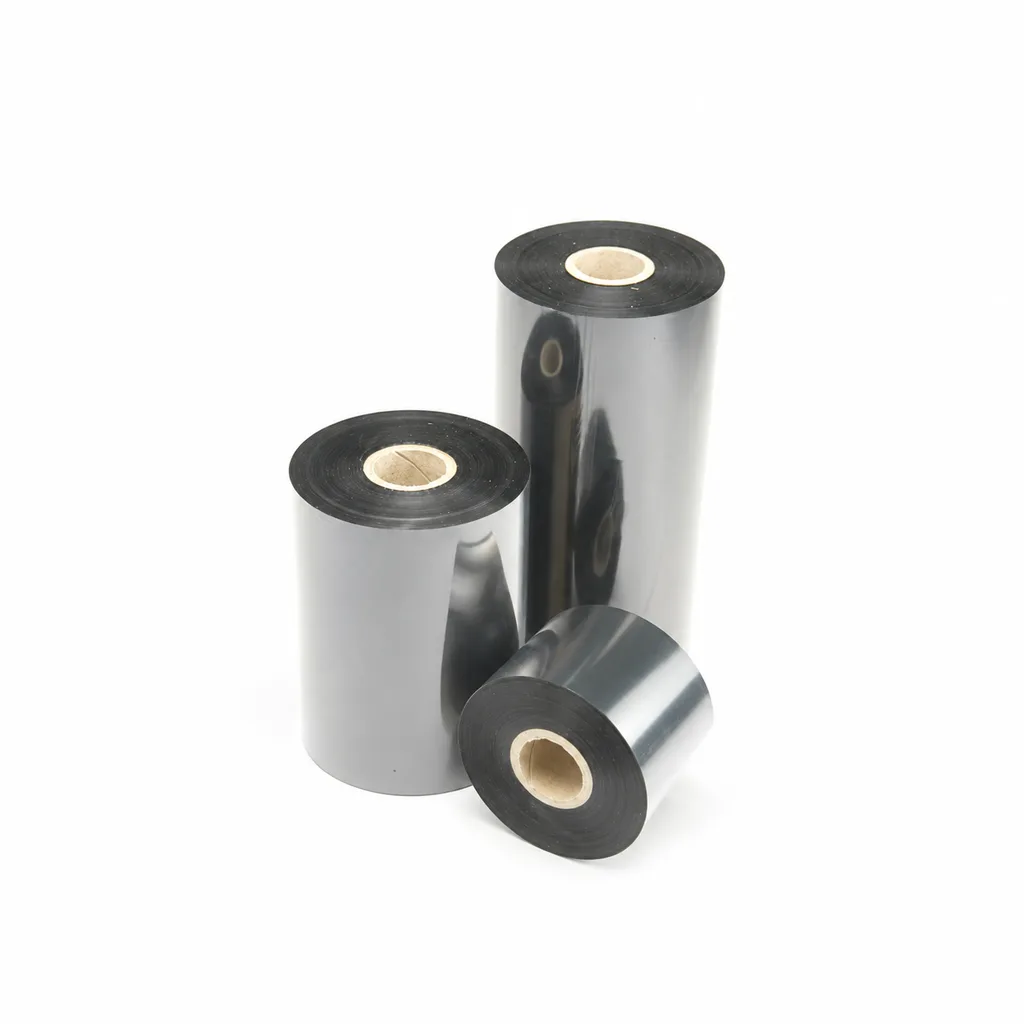
CL-Z203 Wax-Resin Thermal Transfer Ribbon for Barcode Labels
A black wax-resin thermal transfer ribbon for flat-head printing, with listed applications including retail, warehousing, logistics and garment tags. Select it against your actual label material and desktop or industrial barcode printer at speeds ≤6 ips (inches per second). Fine-line, small-text and durability results were obtained on coated paper; print quality and image durability may vary with the printer and printing substrate.
View details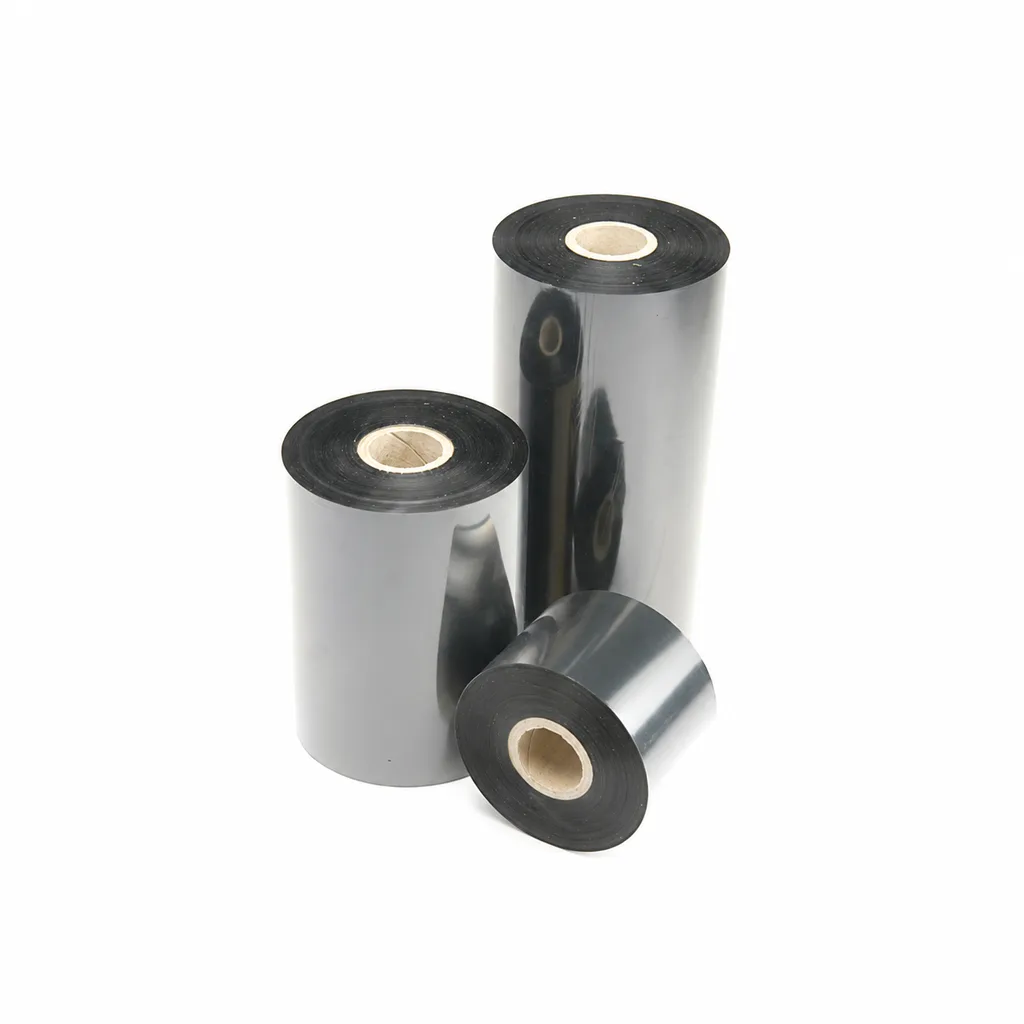
CL-Z213 Near-Edge Wax-Resin Thermal Transfer Ribbon for Barcode Labels
An enhanced black near-edge wax-resin thermal transfer ribbon for near-edge barcode printers and low- to medium-speed thermal transfer overprinting (TTO). Listed applications include retail labels, warehousing, garment tags and packaging identification. Match the printer, actual print medium and operating speed before selection: print quality and image durability can vary with the printer and substrate.
View details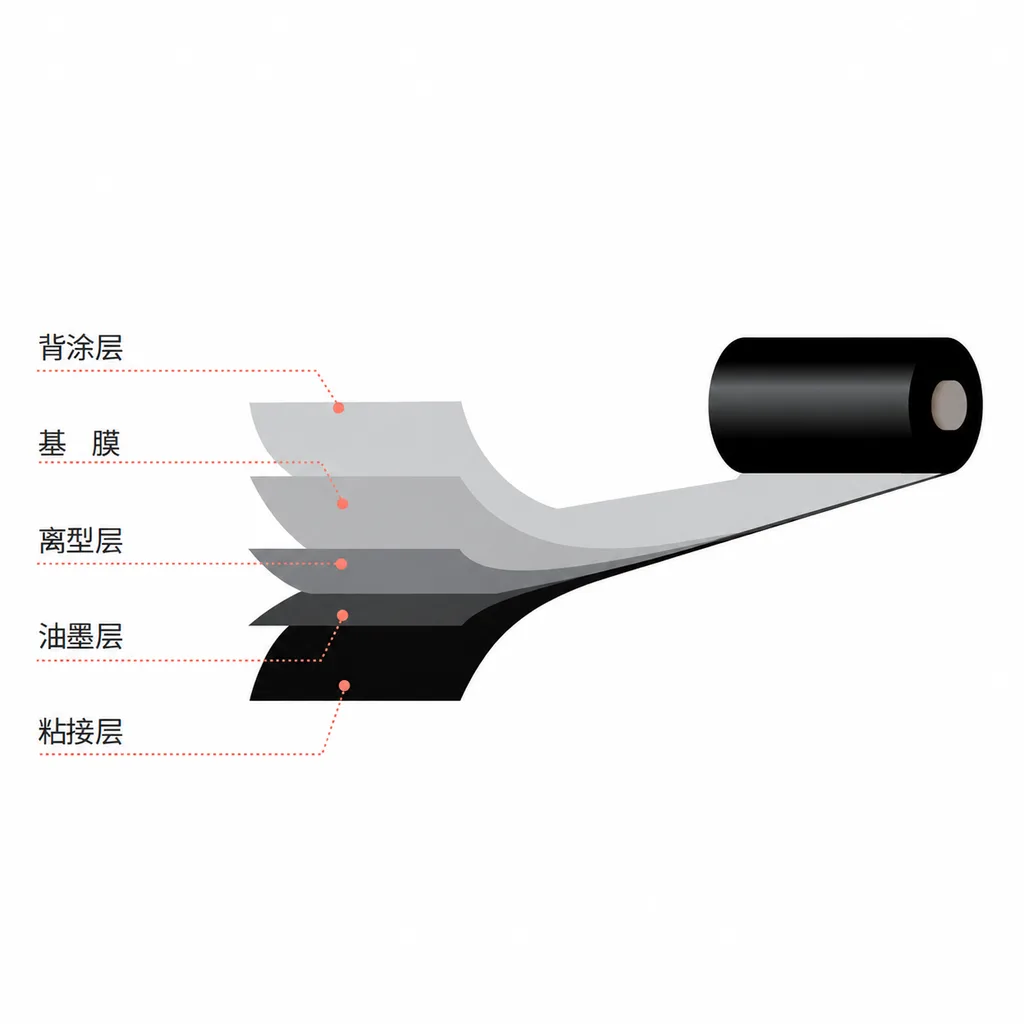
CL-Z312 Resin Thermal Transfer Ribbon for Packaging Printing
CL-Z312 is a black, general-purpose resin ribbon for thermal transfer overprinting (TTO), with packaging and retail label applications listed in the product information. Its abrasion, alcohol and oil resistance data were obtained on polyethylene terephthalate (PET). Select it against your actual packaging material, printer and production speed: print quality and image durability can vary with the printer and substrate, and the material chart percentages are not defined as pass rates.
View details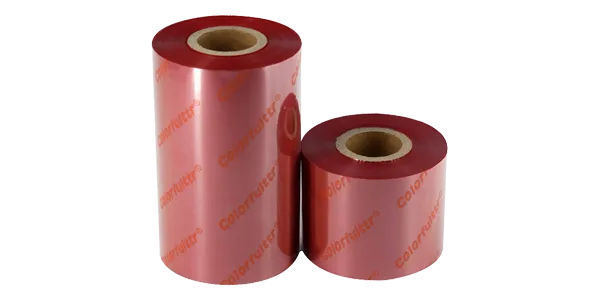
High-grade wax resin thermal transfer ribbon
Premium wax-resin thermal transfer ribbons are specifically engineered for diverse…
View detailsNeed the right ribbon for your label application?
Share the label material, printer and operating environment. Our team will recommend a tested combination.
