
Thermal Transfer Ribbon Manufacturer: What the Term Means and What It Does Not Tell You
Request a solution
- Original TTR manufacturer since 2013
- Automated coating and slitting
- IQC / IPQC / OQC control
- ANSI barcode grade testing
- -20°C to 120°C environmental testing
- Batch-level traceability
- ANSI barcode grade
- Batch traceability
- RoHS / REACH compliance
- SGS and MSDS documents on request
Key Takeaways
- A thermal transfer ribbon manufacturer produces the ribbon itself — ink chemistry, coating, slitting to width and packing — instead of reselling rolls made elsewhere.
- Wax is the economical grade for coated and uncoated paper labels; wax-resin hybrid adds scratch and moisture resistance for synthetic materials and tougher workflows.
- COLORFULTTR lists flat-head ribbons as compatible with Zebra, SATO, Honeywell/Intermec and TSC printer series, and offers custom widths from 30mm to 220mm and lengths from 70m to 600m.
- The catalog marks recommended darkness as varying by printer, so catalog settings are starting points to test, not universal settings or batch acceptance thresholds.
- COLORFULTTR's range includes ribbons plus the blank label stock it also sells; the printing happens on your machines, because finished printing services sit outside a ribbon manufacturer's role.

What a Thermal Transfer Ribbon Manufacturer Actually Does
A thermal transfer ribbon manufacturer is the factory that makes the ribbon you load into your printer: it formulates the ink, coats the ink and back layers onto the carrier film, slits wide film into rolls at your width, and packs the rolls to order. COLORFULTTR's catalog shows what that control means in practice. Grades are defined by ink composition — wax and wax-resin hybrid — and a buyer can specify width, length, core size, ink side and packaging for each order.
Chemistry and geometry, not brand names, are the manufacturer's real offer. The same factory that ships an economical wax grade for paper shipping labels also balances wax and resin in hybrid grades for synthetic label materials, and formulates a wash-care grade specifically for nylon taffeta and polyester satin garment labels. You choose the grade and roll format that match your printers and substrates; the manufacturer produces to that specification. What the factory does not decide is your print content — that stays with you.
Manufacturer, Label Material Supplier, Distributor and Print Shop: Four Different Roles
The supply chain behind one printed label contains four supplier roles — ribbon manufacturer, label material supplier, distributor and print shop — and each answers a different buying need.
- Ribbon manufacturer. Produces the consumable itself: ink formulation, coating, slitting, winding and packaging, plus the customization options collected later in this article.
- Label material supplier. Sells the substrate you print on, such as blank nylon or satin wash-care label stock. COLORFULTTR sells this stock factory-direct, so you print it yourself.
- Distributor. Resells rolls made by manufacturers. A reseller is convenient for small quantities but does not control the formulation or the slitting of the rolls it stocks.
- Print shop. Prints finished labels for you. A ribbon manufacturer is not a print shop: COLORFULTTR supplies ribbons and blank label materials and does not print finished labels for you, and the printing happens on your machines.
The distinction drives two sourcing decisions. Custom geometry — an unusual width, a specific core, your own branding on the packaging — starts with the role that controls slitting and packing, which is the manufacturer. Finished printed labels are the one item this role does not supply, so plan to print in-house with your own printers and quality checks.
Where the Search Term Comes From and What Buyers Mean by It
"Manufacturier rubans transfert thermique clé" is the French search phrase this article answers: "rubans transfert thermique" names the product, "manufacturier" narrows the search to the factory that makes the ribbons rather than a business that resells them, and the trailing "clé" (key) signals that the buyer wants the decisive facts, not another product page.
Buyers reach for this phrase at the moment supplier questions start to matter: which chemistries the factory formulates, which printers its rolls fit, and which specifications it will customize. In COLORFULTTR's catalog those answers are concrete. Flat-head ribbons are listed as compatible across Zebra lines (ZT200 series, ZT400 series, ZT600 series, ZD420, ZD620, GK/GX), SATO (CL4NX, CL6NX, CT4LX, WS4 series), Honeywell/Intermec (PM42, PM43, PC43, PD43 series) and TSC (TTP-244 Pro, TTP-342 Pro, MA2400, MH240), and OEM clients can order pre-printed cores and cartons.
Read the term this way and sourcing stays on track: "manufacturer" opens the evaluation, and the printer list plus the customization table — not the word itself — carry the proof.
What "Manufacturer" Alone Does Not Tell You
A supplier's manufacturing status does not prove that a specific ribbon will run on your printer, hold up in your process, or arrive printed with your content. Verify four things in order.
- Compatibility is per machine, not per brand. A catalog can list Zebra, SATO, Honeywell/Intermec and TSC families and still not fit your line, because the order stands or falls on the ribbon width, core size and ink-side orientation your specific model requires. Check those three parameters before ordering.
- Catalog settings are starting points. COLORFULTTR marks its recommended darkness as varying by printer. Run a short test on your own printer and label stock, and treat the catalog value as an initial setting — not as a fixed number, and not as an acceptance threshold for a whole batch.
- Chemistry claims carry conditions. The wash-care grade is designed for nylon taffeta and polyester satin, and its resistance to industrial washing, dry cleaning and ironing is a catalog claim for those materials. The same grade is not automatically the answer for other fabrics or coatings.
- The printing stays with you. COLORFULTTR ships rolls and the blank label stock it also carries; your printers and your quality checks produce the finished labels.
Data and Evidence
The specifications below come from COLORFULTTR's published wax and wax-resin ribbon catalog and its wash-care label stock list, and they are catalog values rather than test reports. Use them to check what a manufacturer actually controls.
| Ribbon grade | Ink chemistry | Catalog applications | Key condition |
|---|---|---|---|
| Wax | Standard wax formulation | Coated and uncoated paper labels: logistics, shipping, warehouse and retail marking | General-purpose use where extreme durability is not required |
| Wax-resin hybrid | Wax/resin blend, typically 60% wax / 40% resin | Synthetic label materials; pharmaceutical labels, medical device labeling, apparel hang tags, manufacturing WIP labels | Applications needing moderate scratch and moisture resistance |
| Order specification | Standard options | Custom range |
|---|---|---|
| Width | 40mm, 50mm, 60mm, 70mm, 80mm, 90mm, 100mm, 110mm | 30mm-220mm |
| Length | 74m, 90m, 300m, 450m | 70m-600m |
| Core | 0.5" (12.7mm), 1" (25.4mm) | Custom cores available |
| Ink side | Ink coated inside (CSI) or outside (CSO) | Chosen per order |
| Packaging | Neutral, white label, or private label | Pre-printed cores and cartons for OEM clients |
Verification method: match your label material against the first table, match your printer's width, core and ink-side requirements against the second, then request a sample roll and test it on your own line before committing a production quantity.
Frequently Asked Questions
Will a thermal transfer ribbon manufacturer's rolls work in Zebra, SATO, Honeywell and TSC printers?
COLORFULTTR lists its flat-head ribbons as compatible with Zebra ZT200, ZT400 and ZT600 series, ZD420 and ZD620; SATO CL4NX, CL6NX, CT4LX and WS4 series; Honeywell/Intermec PM42, PM43, PC43 and PD43 series; and TSC TTP-244 Pro, TTP-342 Pro, MA2400 and MH240. You still need to match the ribbon width, core size and ink side to your specific model.
Can a ribbon manufacturer cut custom widths, lengths and cores for my printers?
Yes. The catalog lists custom widths from 30mm to 220mm, custom lengths from 70m to 600m, 0.5" (12.7mm) and 1" (25.4mm) cores with custom cores available, and winding with ink coated inside (CSI) or outside (CSO).
Does buying from a thermal transfer ribbon manufacturer include printing my labels for me?
No. COLORFULTTR supplies ribbons and blank label stock, such as blank sewn-in nylon wash-care marks sold factory-direct, and you print them on your own thermal transfer printers.
Are the recommended darkness settings in a ribbon catalog universal for every printer?
No. The catalog marks recommended darkness as varying by printer, so treat it as a starting point and confirm the final setting with a test on your own printer and label material.
Which ribbon grade should I choose for paper labels and which for synthetic labels?
Use the wax grade for economical printing on coated and uncoated paper labels where extreme durability is not required. Use the wax-resin hybrid for synthetic materials and applications that need moderate scratch and moisture resistance, such as pharmaceutical labels, medical device labeling and apparel hang tags.
Recommended products for this industry

Thermal Transfer Intelligent Coding Machine
This series of thermal transfer coders represents a cost-effective intelligent coding…
View details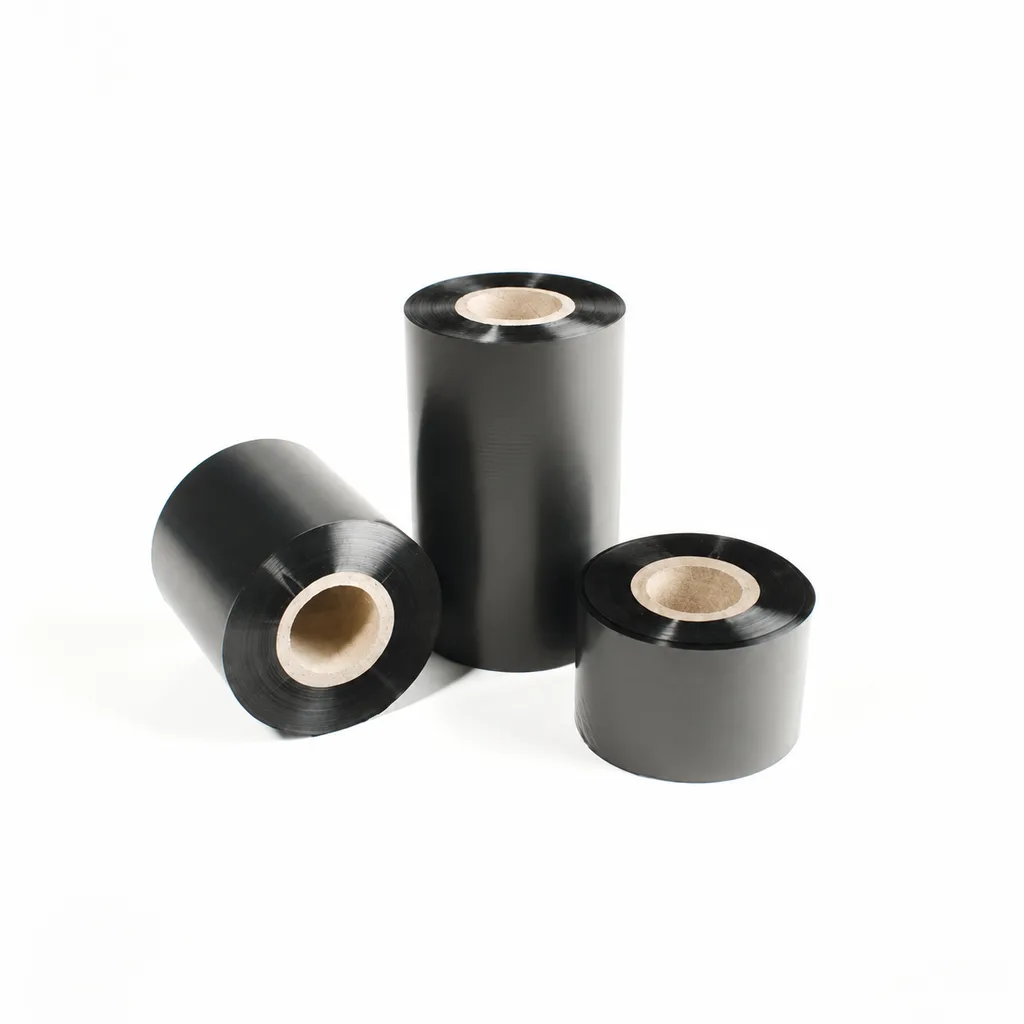
CL-Z112 Enhanced Wax Thermal Transfer Ribbon for Paper Labels and Tags
An enhanced wax thermal transfer ribbon with black ink for paper labels and tags used in retail, warehousing and logistics. It is specified for flat-head printing on desktop or industrial barcode printers at ≤8 inches per second (ips). Select it by checking the actual label material, printer configuration and handling conditions: image-quality, rub-resistance and cold-chamber results were obtained on coated paper, and print quality and image durability may vary with the printer and print medium.
View details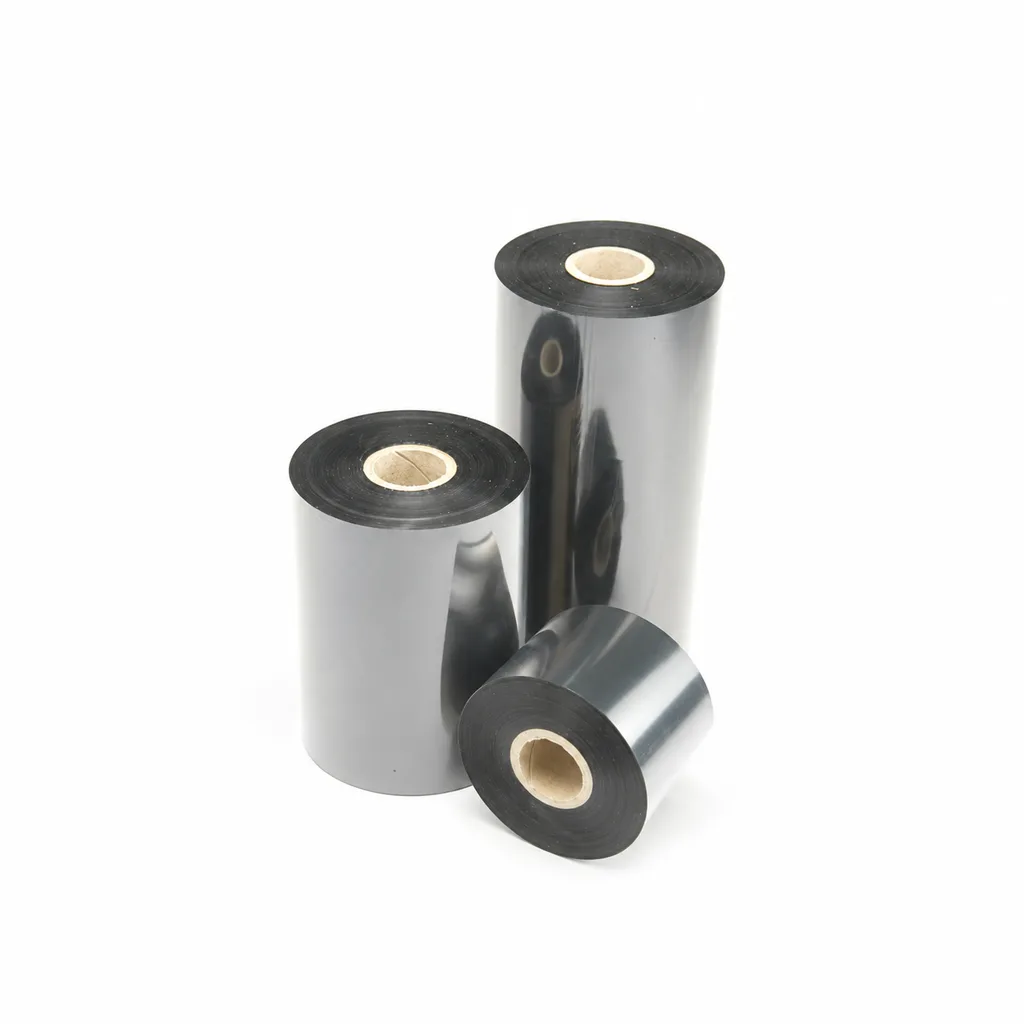
CL-Z203 Wax-Resin Thermal Transfer Ribbon for Barcode Labels
A black wax-resin thermal transfer ribbon for flat-head printing, with listed applications including retail, warehousing, logistics and garment tags. Select it against your actual label material and desktop or industrial barcode printer at speeds ≤6 ips (inches per second). Fine-line, small-text and durability results were obtained on coated paper; print quality and image durability may vary with the printer and printing substrate.
View details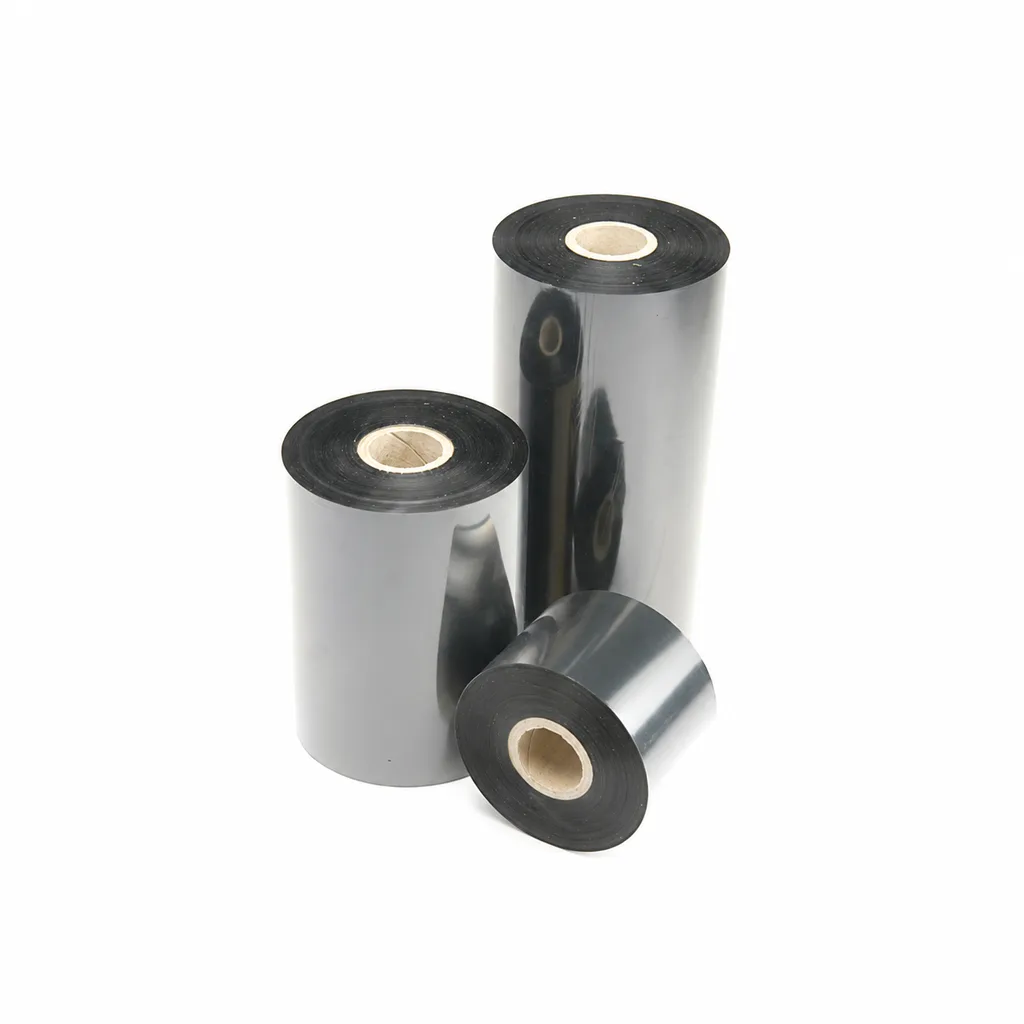
CL-Z213 Near-Edge Wax-Resin Thermal Transfer Ribbon for Barcode Labels
An enhanced black near-edge wax-resin thermal transfer ribbon for near-edge barcode printers and low- to medium-speed thermal transfer overprinting (TTO). Listed applications include retail labels, warehousing, garment tags and packaging identification. Match the printer, actual print medium and operating speed before selection: print quality and image durability can vary with the printer and substrate.
View detailsNeed the right ribbon for your label application?
Share the label material, printer and operating environment. Our team will recommend a tested combination.
