
How to Choose a Ribbon for Wash Care Label Printing: A Buyer's Checklist
Request a solution
- Original TTR manufacturer since 2013
- Automated coating and slitting
- IQC / IPQC / OQC control
- ANSI barcode grade testing
- -20°C to 120°C environmental testing
- Batch-level traceability
- ANSI barcode grade
- Batch traceability
- RoHS / REACH compliance
- SGS and MSDS documents on request
This guide is for apparel and textile buyers who must choose a thermal transfer ribbon for wash care label printing. It answers three questions: how to match the ribbon to your label material (polyester-satin, non-woven or TPU), how much washing, dry cleaning and ironing resistance the garment will actually need, and how ribbon width and core size have to fit your printer. The short answer is to pick a resin ribbon whose specification covers your substrate and your care cycle, then prove it on a test roll. Every check below can be verified against your label supplier's substrate name and the ribbon data sheet.
Key Takeaways
- Wash care labels are typically made from polyester-satin (PS), non-woven (NT), or TPU materials, and that substrate decides which ribbon will hold.
- Resin ribbons for wash care use are specifically formulated for synthetic fibers and can offer superior resistance against industrial solvents and dry cleaning applications.
- Resin-based care tag ribbons withstand repeated washing, dry cleaning, and ironing, keeping labels readable over time.
- Confirm the ribbon width and core your thermal transfer printer accepts before ordering; one wash care ribbon listing is sized 55mm x 300 meters with a 1-inch core.
- Print a short test roll and run it through the real care cycle before committing to a full production run.
Identify Your Care Label Material Before You Compare Ribbons
Wash care labels are typically made from polyester-satin (PS), non-woven (NT), or TPU materials, and that substrate decides which ribbon will hold an image.
Those substrates are exposed to repeated laundering, heat, and chemicals, which makes label durability a top priority, so the material name should come before any ribbon comparison.
Getting the substrate right takes three calls to your supply chain:
- Ask your label supplier or converter to state the exact face stock: polyester-satin, non-woven or TPU, plus any coating applied so the label accepts thermal transfer printing.
- Ask which ribbon class the material maker recommends for that face stock, and request the matching data sheet rather than a product name.
- Record the substrate and its recommended ribbon class on the order file, so reorders and any second-source ribbon are judged against the same baseline.
If the supplier cannot name the face stock, treat the label as unqualified until a sample has been printed and washed. A ribbon chosen without a named substrate has no baseline to be measured against.
Decide How Much Washing, Dry-Cleaning and Ironing Resistance You Need
Resin ribbons for wash care labels are specifically formulated for synthetic fibers, and the resistance you buy should match the harshest cycle the garment will meet.
Resin options described for wash care use offer superior resistance against industrial solvents and dry cleaning applications, which matters when a garment goes to industrial cleaning rather than home laundry. Resin-based care tag ribbons also provide high-quality prints on materials like nylon, satin, and polyester, and they withstand repeated washing, dry cleaning, and ironing, keeping labels readable over time.
That difference drives the trade-off. A childrenswear line washed at home needs wash and iron resistance; a suit or outerwear program that goes through solvent cleaning needs the solvent claim as well. Compare the resistance wording on the data sheet with the care symbols on your own garment, and buy the narrower scope that still covers them.
Print coverage deserves the same attention. Care content is small text and dense symbol blocks, so the ribbon has to hold fine edges on your substrate. The ribbons described for care tags resist smudges, which is what keeps narrow strokes from filling in during printing and handling.
Check Ribbon Width, Core Size and Printer Compatibility
Care tag resin ribbons are compatible with most thermal transfer printers, but "most" is a catalog statement, so confirm it against your own machine before ordering.
- Read your printer manual for the maximum ribbon width, the accepted core diameter and the maximum roll length; these three limits rule out more ribbons than any performance claim.
- Choose a ribbon at least as wide as the label plus its margins. One wash care ribbon listing is sized 55mm x 300 meters, which shows the format these rolls come in.
- Confirm the core. That listing's 1-inch core size is described as allowing easy compatibility with standard printers, so a printer built for a different core needs an adapter or a different roll.
- Ask the supplier to confirm the winding direction your printer requires, then run one roll before committing to a carton.
Fit errors are cheap to prevent and expensive to discover, because a roll that fits badly prints badly on every label in the run.
Verify the Choice With a Wash, Dry-Clean and Iron Test
A data sheet is the starting point; your own labels through your own cycles are the decision.
- Print 20 to 30 labels with the real artwork, including the smallest care symbol and the longest care line you use.
- Send half through the washing cycle the garment will get and half through dry cleaning and ironing, then read every label at arm's length.
- Look for smudging, edge fill-in and fading in the darkest text; a suitable ribbon keeps the text readable after the cycles.
- Print a batch with changing style, size or care codes. Thermal transfer carries variable data and withstands heavy washing, which suits care content that changes by style.
- Keep one washed sample as the reference for future reorders and for any second-source ribbon you evaluate later.
Why this matters at the garment level: these labels provide customers with essential care instructions, ensuring garments are maintained properly and have a longer lifespan. A care label that fades costs the customer the instruction and costs you the complaint.
Data and Evidence
The table below collects the decision points above, what the source material supports for each, and how to check it on your own line. Numbers appear only where a source states them, and resistance wording belongs to the specific listing that states it.
| Decision point | What the sources support | How to check it on your line |
|---|---|---|
| Label substrate | Polyester-satin (PS), non-woven (NT) or TPU, exposed to repeated laundering, heat, and chemicals | Ask your label supplier for the exact face stock name and the ribbon class recommended for it |
| Ribbon class for synthetics | Resin ribbons specifically formulated for synthetic fibers; one range offers superior resistance against industrial solvents and dry cleaning applications | Compare the resistance wording on the data sheet with the care cycle your garment will get |
| Durability through care cycles | Resin-based ribbons withstand repeated washing, dry cleaning, and ironing, keeping labels readable over time, and resist smudges | Put a printed sample through your own washing, dry cleaning and ironing steps and read it after each cycle |
| Material coverage | Care tag resin ribbons print on nylon, satin and polyester; one listing also covers acetate, rayon and synthetic fibers | Match the listing's material list to your label material, not to the ribbon name |
| Printer fit | Compatible with most thermal transfer printers; one listing cites a 1-inch core and a size of 55mm x 300 meters | Confirm maximum ribbon width, core diameter and roll length in your printer manual before ordering |
| Variable content | Thermal transfer printing supports variable data and withstands heavy washing | Print a batch with changing style, size or care codes and check every code reads |
Next step: get the face stock name from your label supplier, shortlist two resin ribbons whose data sheets cover that substrate and your care cycle, and order one sample roll of each to run through washing, dry cleaning and ironing.
Frequently Asked Questions
Which ribbon should I use for wash care label printing on polyester-satin labels?
Choose a resin or resin-based ribbon whose specification lists polyester or satin among its materials. Resin-based care tag ribbons provide high-quality prints on materials like nylon, satin, and polyester and withstand repeated washing, dry cleaning, and ironing. Confirm the material list on the data sheet, because the ribbon name alone does not tell you which face stocks it covers.
Do thermal transfer wash care labels survive dry cleaning?
They can, if the ribbon's specification covers it. Resin options for wash care use are described as offering superior resistance against industrial solvents and dry cleaning applications. Since that wording belongs to the specific product that states it, run your own printed labels through the dry cleaning cycle your garments will receive and read them afterwards before you place the full order.
What ribbon size and core should I order for my thermal transfer printer?
Start from your printer manual, not from the ribbon listing: it sets the maximum ribbon width, the accepted core diameter and the maximum roll length. One wash care ribbon listing gives a size of 55mm x 300 meters with a 1-inch core described as compatible with standard printers, so use that as a format reference and confirm the same three values on your own machine.
Can I print different care codes on every label in one run?
Yes, if you print with thermal transfer. Thermal Transfer Ribbons (TTR) bring the ability to print variable data and withstand heavy washing, which is why they suit care content that changes by style, size or market. Test one short run with your longest care line and your smallest symbol to confirm the variable fields stay legible.
How should I test a wash care ribbon before a full production run?
Print 20 to 30 labels with the real artwork, put half through the washing cycle the garment will get and half through dry cleaning and ironing, then check for smudging, edge fill-in and fading. Keep one washed label as your reference sample so later reorders or a second-source ribbon can be compared against the same benchmark.
Recommended products for this industry
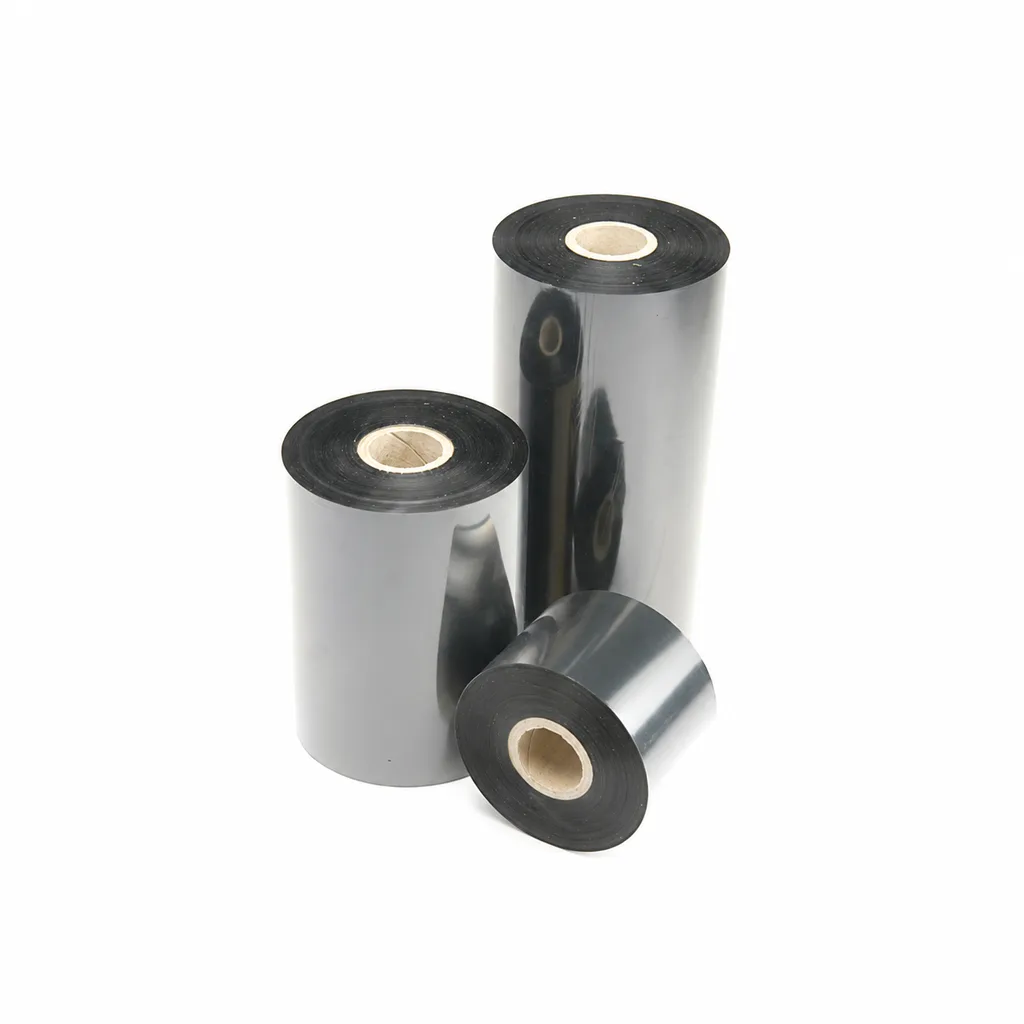
CL-Z213 Near-Edge Wax-Resin Thermal Transfer Ribbon for Barcode Labels
An enhanced black near-edge wax-resin thermal transfer ribbon for near-edge barcode printers and low- to medium-speed thermal transfer overprinting (TTO). Listed applications include retail labels, warehousing, garment tags and packaging identification. Match the printer, actual print medium and operating speed before selection: print quality and image durability can vary with the printer and substrate.
View details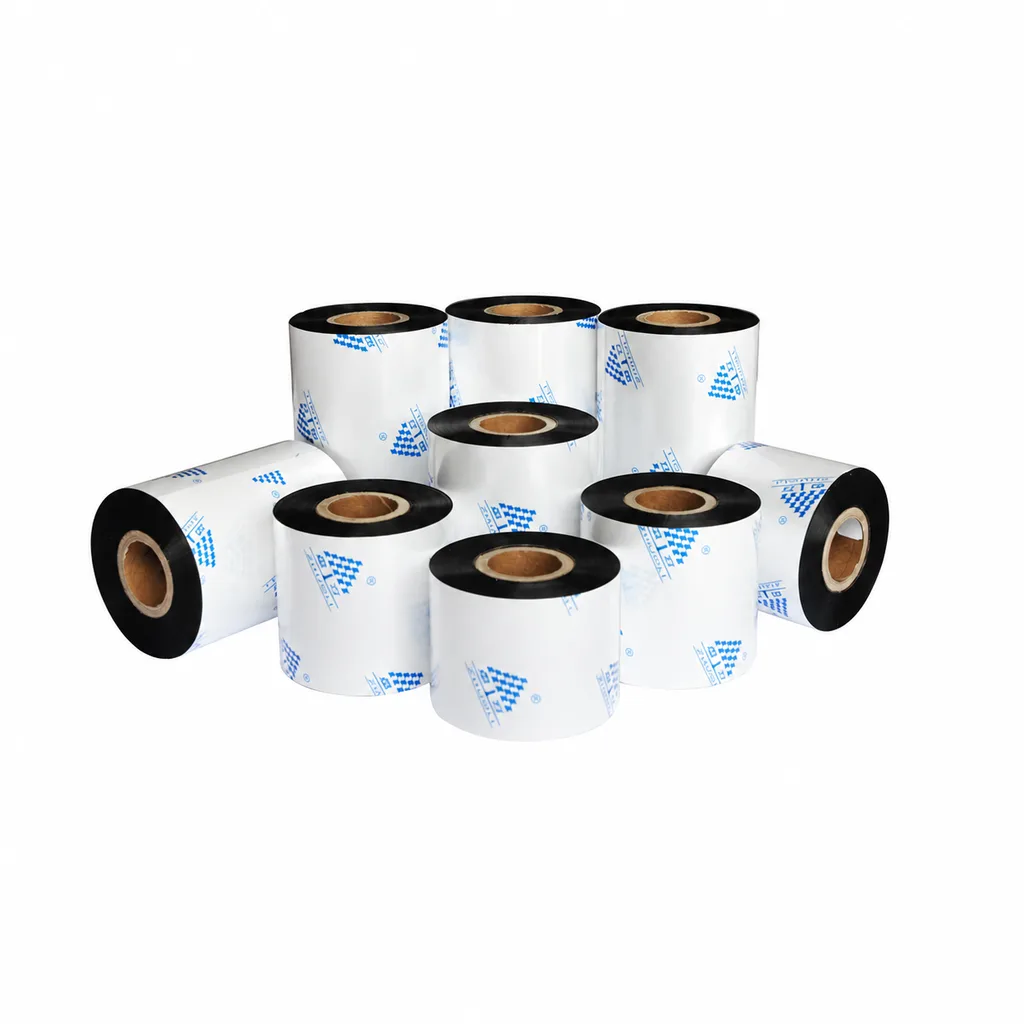
Near-Edge Wax-Resin Thermal Transfer Ribbon CL-Z212 for Barcode Labels
CL-Z212 is a general-purpose black wax-resin thermal transfer ribbon primarily for near-edge barcode printers, with use also described for low- to medium-speed thermal transfer overprinting (TTO). Listed applications include retail labels, garment tags, warehouse identification and packaging printing. Select according to printer type, actual printing speed and substrate: recommended conditions list near-edge printing at ≤10 inches per second (ips) and TTO at ≤20 ips. Print quality and image durability can vary with the printer and printing material, so trial printing on the intended substrate is necessary for selection.
View details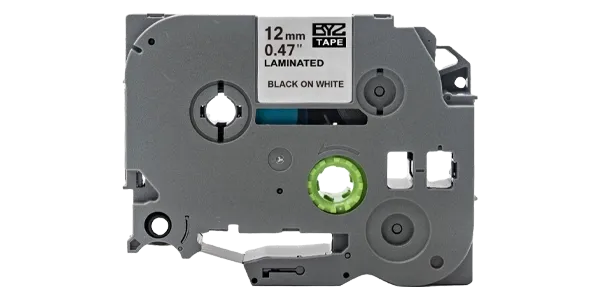
Brother Compatible Label Ribbons (TZe Series)
This Brother-compatible label ribbon (TZe series) is manufactured using high-quality…
View details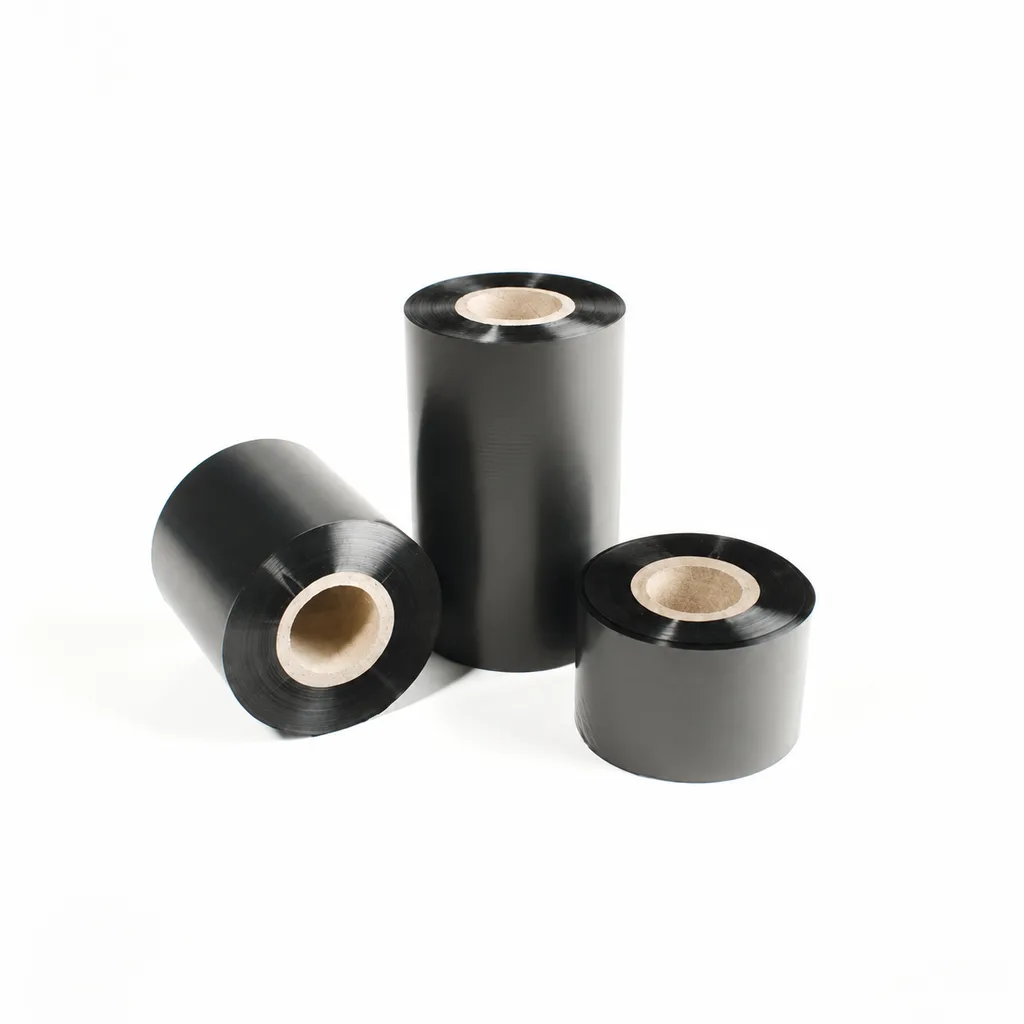
CL-Z112 Enhanced Wax Thermal Transfer Ribbon for Paper Labels and Tags
An enhanced wax thermal transfer ribbon with black ink for paper labels and tags used in retail, warehousing and logistics. It is specified for flat-head printing on desktop or industrial barcode printers at ≤8 inches per second (ips). Select it by checking the actual label material, printer configuration and handling conditions: image-quality, rub-resistance and cold-chamber results were obtained on coated paper, and print quality and image durability may vary with the printer and print medium.
View detailsNeed the right ribbon for your label application?
Share the label material, printer and operating environment. Our team will recommend a tested combination.
