
Asma Tag Etiketleri Explained: What Hang Tags Are and Which Thermal Transfer Ribbons Print Them
Request a solution
- Original TTR manufacturer since 2013
- Automated coating and slitting
- IQC / IPQC / OQC control
- ANSI barcode grade testing
- -20°C to 120°C environmental testing
- Batch-level traceability
- ANSI barcode grade
- Batch traceability
- RoHS / REACH compliance
- SGS and MSDS documents on request
Key Takeaways
- An asma tag etiketi is a hang tag: a stiff, non-adhesive tag printed on board or card stock and attached with a cord through a punched hole.
- Wax ribbon CL110A delivers excellent performance on coated paper, uncoated paper, and rough tag stock, which covers most paper hang tags.
- Hybrid CL210A is the catalog match for clothing tag stock and coated cardboard, with small fonts down to 4pt and ANSI A grade barcodes.
- Wash-care ribbon CL230A is designed for nylon taffeta and polyester satin care labels, and the compatibility chart rates it “no” on paper and synthetic stocks.
- Catalog darkness values are starting ranges that vary by printer, so validate them with a test print on the real tag stock.
Distinguish Hang Tags From Adhesive Labels and Care Labels
An asma tag etiketi — Turkish for “hang tag” — is a tag cut from board or heavy card, printed on one or both faces, punched with a hole, and hung on the product with string, cord, or a plastic fastener. It carries no adhesive and leaves the product at the point of sale, so it does not have to survive washing or permanent bonding. That design difference drives every later decision in the print shop: without an adhesive layer or a liner, the printable surface is the tag stock itself, and the ribbon must match that surface.
The neighboring label types differ in exactly this dimension. A self-adhesive label sticks to the product or its packaging and stays with the product through its life. A garment care label is sewn into the garment and must survive industrial washing, so it prints on fabric: the wash-care ribbon CL230A is designed specifically for nylon taffeta and polyester satin, and its compatible materials list contains fabrics only — nylon taffeta, polyester satin, acetate, coated fabrics. Hang tags occupy a third position: printed once on card, read at retail, then removed and discarded.
The COLORFULTTR catalogs place hang tags firmly in the paper-tag family. Hybrid ribbons list apparel hang tags among their typical applications, the wax grade CL110A names rough tag stock among its substrates, and the hybrid CL210A names clothing tag stock and coated cardboard among its recommended label materials. A hang tag is therefore not an exotic substrate; it is tag stock, and the standard wax-versus-hybrid decision applies to it directly.
Match the Ribbon to the Tag Stock: Wax for Paper, Hybrid for Premium Boards
For hang tag printing, the tag stock surface determines which ribbon family can print it. On uncoated kraft-style board and plain tag stock, wax ribbons are the economical route: the catalog describes wax as the most economical thermal transfer option, with high sensitivity and excellent print density on paper labels. CL110A, the premium wax grade, extends that coverage to rough tag stock and prints at low darkness settings, which reduces print head wear. CL100A economy wax is the chart’s budget option on coated paper for high-volume, price-driven tag work.
Premium clothing tag stock shifts the answer toward hybrid. CL210A, a blend of 60% premium wax and 40% high-performance resin, lists clothing tag stock, coated cardboard, and matte polypropylene among its recommended materials, and the catalog recommends it for apparel hang tags and size labels. The resin content earns its place in three situations: tags carrying small type or dense codes, because CL210A resolves fonts down to 4pt and high-density 2D barcodes; tags handled repeatedly in store, because its scratch resistance is rated excellent at 50+ passes in a 500g rub test; and tags facing temperature swings, because printed codes maintain legibility from -10°C to 60°C.
Plastic hang tags shift the decision again. The compatibility chart gives the wax grades no rating on matte PP or PET/PVC stocks: matte PP pairs with CL210A (good) or the chemical-resistant hybrid CL220A (excellent), and PET/PVC with CL220A (good) or CL210A (fair). Brand-color tags add one more layer, because the JT700 color series comes in wax, hybrid, and resin bases, and any Pantone solid color can be matched with an MOQ.
What a Hang Tag Spec Cannot Tell You, and How to Verify It
Several conclusions that buyers routinely draw from hang tag specifications do not follow from the catalog data. First, “it is paper, so any wax ribbon works” fails: the compatibility chart splits hard by stock — uncoated paper is excellent with CL100A and CL110A but not recommended with CL210A, while matte PP and PET/PVC exclude wax entirely. Second, printer settings do not transfer between machines: the CL110A specification lists recommended darkness as 10-14 with the explicit note that it varies by printer, and CL210A lists 12-16. Treat both as starting ranges for your own printer, stock, and speed, not as fixed values.
Third, wash durability is not a hang tag property. The 50+ wash cycles at 60°C quoted for CL230A describe ink bonded to nylon taffeta and polyester satin care labels; a hang tag is removed before washing, and nothing in the catalog extends laundry resistance to prints on card. Judging a hang tag ribbon on wash-test results misreads the application. Fourth, a compatibility result on one stock does not carry over to another: a ribbon rated excellent on coated paper is rated fair or no on PET/PVC, so re-check the chart — and run a fresh sample — whenever the tag stock changes.
Verification is cheap and decisive. Print a sample on the actual tag stock at the intended width and speed, rub the printed face the way retail handling would, and scan any barcodes on the tag: the catalog grades CL210A barcodes to ANSI A, so a clean scanner read is the practical acceptance check. If the image prints light, raise the darkness inside the recommended range before switching ribbons.
Data and Evidence
The ratings below come from the COLORFULTTR wax and wax-resin product catalog; they are catalog compatibility ratings, not field tests on any specific tag lot. To act on them, find your tag stock in the first table, shortlist the grades rated excellent or good, and run the test-print check described above before committing a full run.
| Tag stock | CL100A wax | CL110A wax | CL210A hybrid | CL220A hybrid | CL230A wash-care |
|---|---|---|---|---|---|
| Uncoated paper / tag stock | Excellent | Excellent | Not recommended | No | No |
| Coated paper | Good | Excellent | Excellent | Good | No |
| Matte PP | No | No | Good | Excellent | No |
| PET/PVC | No | No | Fair | Good | No |
| Parameter | CL110A premium wax | CL210A hybrid |
|---|---|---|
| Recommended darkness | 10-14 (varies by printer) | 12-16 |
| Tag stock coverage | Coated paper, uncoated paper, rough tag stock | Clothing tag stock, coated cardboard, matte PP |
| Fine detail | — | Fonts down to 4pt, high-density 2D barcodes |
| Scratch resistance | — | Excellent, 500g rub test, 50+ passes |
| Temperature range | — | -10°C to 60°C legibility |
| Custom widths | 30mm-220mm | 30mm to 220mm |
Source: COLORFULTTR wax and wax-resin product catalog; COLORFULTTR resin, TTO and color ribbon product catalog.
Frequently Asked Questions
Which thermal transfer ribbon should I use for uncoated hang tag board?
A wax ribbon. The compatibility chart rates uncoated paper excellent with CL100A and CL110A, CL110A is specified for rough tag stock, and CL210A is not recommended on uncoated paper.
Can I print a PVC hang tag with a wax ribbon?
No. The chart rates the wax grades “no” on PET/PVC; use hybrid CL220A (good) or CL210A (fair) on those stocks.
Do hang tags and sewn garment care labels use the same ribbon?
No. CL230A is designed for nylon taffeta and polyester satin care labels and is rated “no” on paper stocks, while hang tags print with wax or hybrid ribbons matched to the tag stock.
What darkness setting should I start with when printing hang tags?
Start inside the catalog ranges — 10-14 for CL110A and 12-16 for CL210A — then adjust, because the specification states that darkness varies by printer.
Can thermal transfer hang tags be printed in brand colors?
Yes. The JT700 color series offers wax, hybrid, and resin bases, and any Pantone solid color can be matched with an MOQ.
Recommended products for this industry
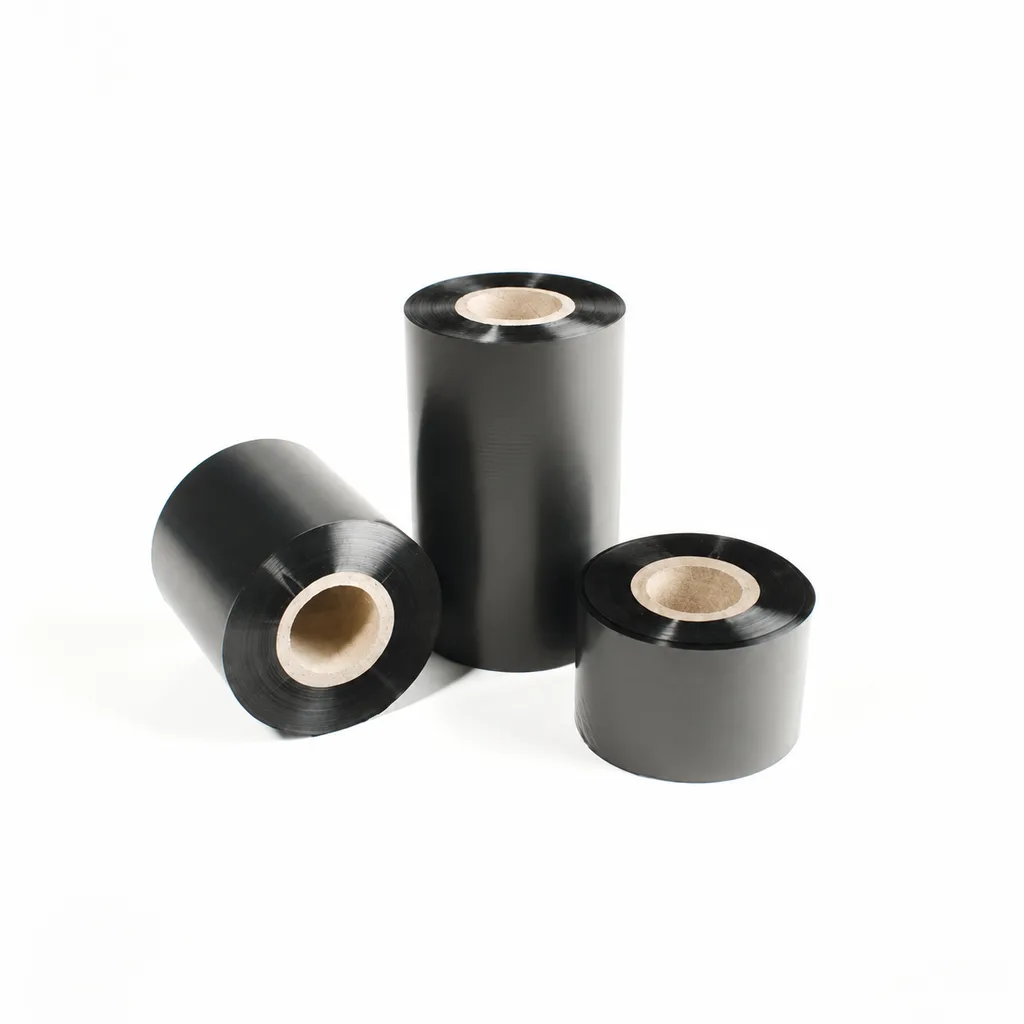
CL-Z112 Enhanced Wax Thermal Transfer Ribbon for Paper Labels and Tags
An enhanced wax thermal transfer ribbon with black ink for paper labels and tags used in retail, warehousing and logistics. It is specified for flat-head printing on desktop or industrial barcode printers at ≤8 inches per second (ips). Select it by checking the actual label material, printer configuration and handling conditions: image-quality, rub-resistance and cold-chamber results were obtained on coated paper, and print quality and image durability may vary with the printer and print medium.
View details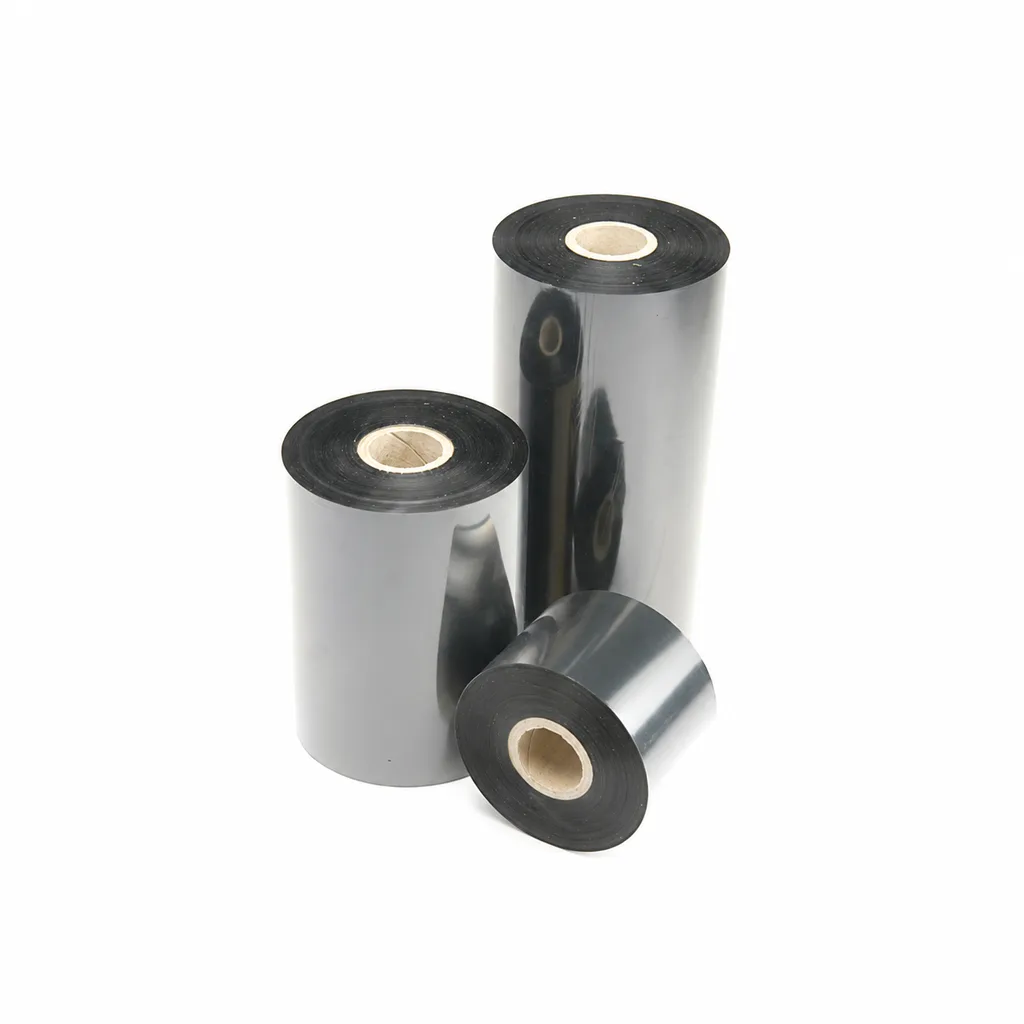
CL-Z213 Near-Edge Wax-Resin Thermal Transfer Ribbon for Barcode Labels
An enhanced black near-edge wax-resin thermal transfer ribbon for near-edge barcode printers and low- to medium-speed thermal transfer overprinting (TTO). Listed applications include retail labels, warehousing, garment tags and packaging identification. Match the printer, actual print medium and operating speed before selection: print quality and image durability can vary with the printer and substrate.
View details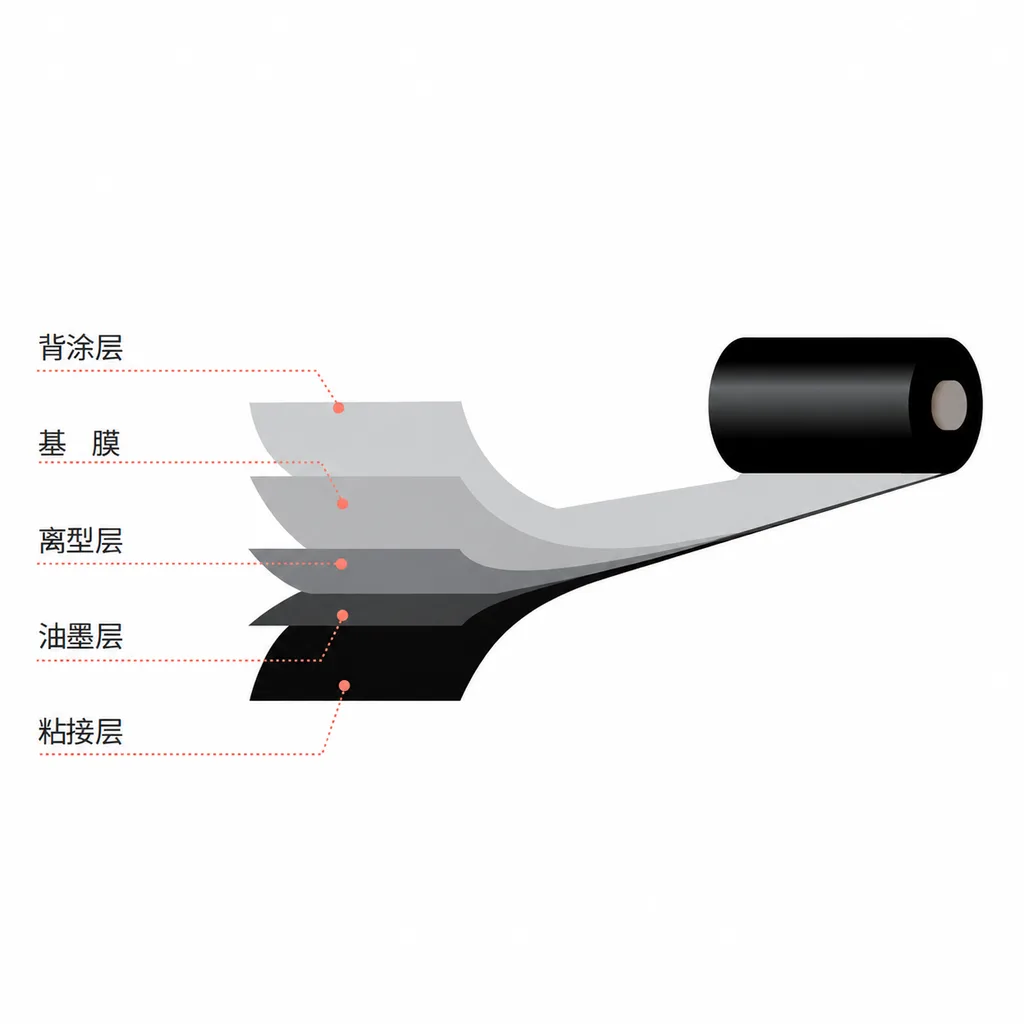
CL-Z312 Resin Thermal Transfer Ribbon for Packaging Printing
CL-Z312 is a black, general-purpose resin ribbon for thermal transfer overprinting (TTO), with packaging and retail label applications listed in the product information. Its abrasion, alcohol and oil resistance data were obtained on polyethylene terephthalate (PET). Select it against your actual packaging material, printer and production speed: print quality and image durability can vary with the printer and substrate, and the material chart percentages are not defined as pass rates.
View details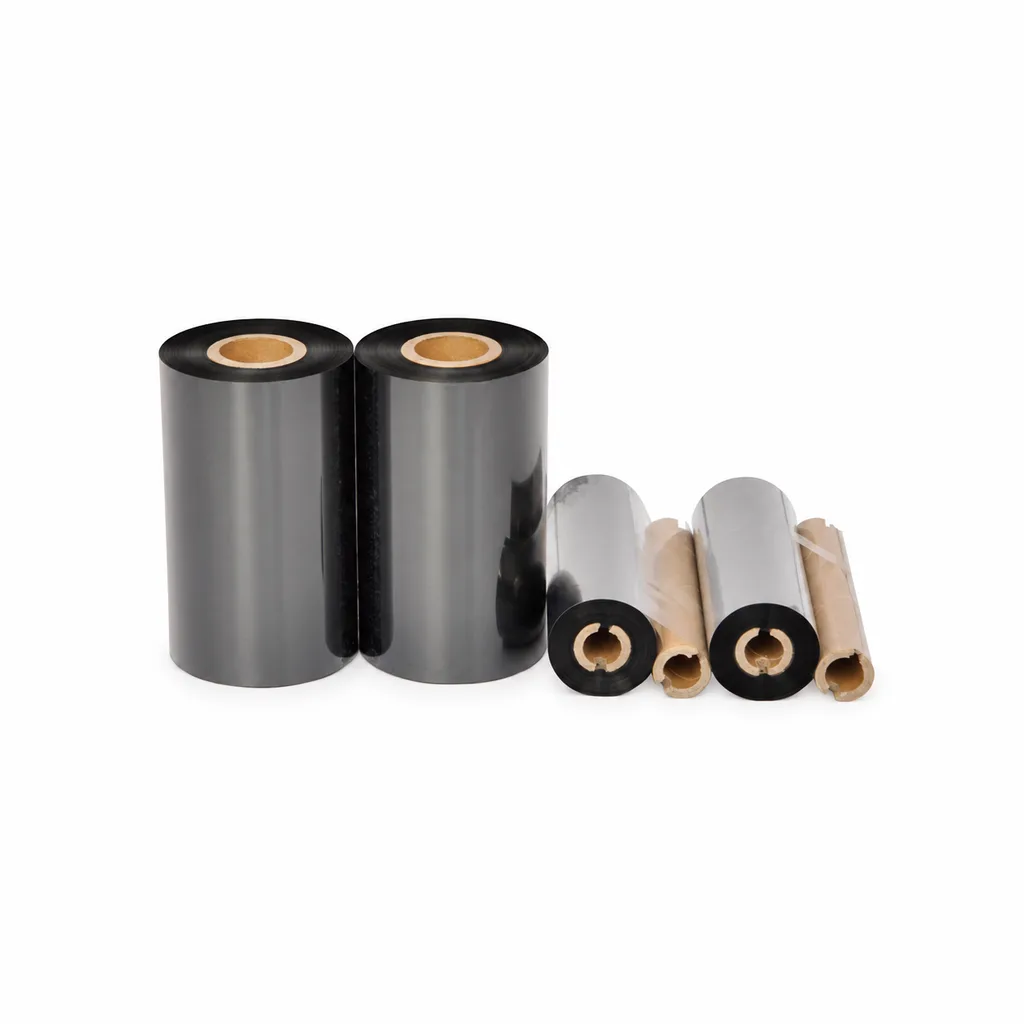
CL-Z908 Wax Thermal Transfer Ribbon for Barcode Labels and Tags
CL-Z908 is an economical black wax thermal transfer ribbon for label and tag printing. Listed applications include retail, warehousing, logistics, clothing tags, simple packaging and production line identification. It is intended for flat-head printing on desktop or industrial barcode printers at speeds of ≤6 inches per second (ips). Select it against your actual paper stock, printer and required image durability: print quality and image durability may vary with the printer and printing substrate.
View detailsNeed the right ribbon for your label application?
Share the label material, printer and operating environment. Our team will recommend a tested combination.
