
Asma Tag Etiketleri Explained: What Hang Tags Are, How They Differ From Care Labels, and Which Ribbons Print Them
Request a solution
- Original TTR manufacturer since 2013
- Automated coating and slitting
- IQC / IPQC / OQC control
- ANSI barcode grade testing
- -20°C to 120°C environmental testing
- Batch-level traceability
- ANSI barcode grade
- Batch traceability
- RoHS / REACH compliance
- SGS and MSDS documents on request
Asma tag etiketleri is the Turkish trade term for hang tags: stiff card tags fixed to a product with a cord or loop instead of an adhesive or a sewn seam. This page defines the term, separates hang tags from care labels and adhesive labels, and shows which ribbons print them — wax and wax-resin hybrid ribbons cover paper tag stock, while taffeta and satin care labels need the wash-care ribbon CL230A. Every match below can be checked against the compatibility table in the Data and Evidence section.
Key Takeaways
- Asma etiket is Turkish for hanging label; asma tag etiketleri names the hang tag — a card tag fixed with a cord or loop, not an adhesive label and not a sewn-in care label.
- Hang tags print on paper tag stock, where the chart rates the wax ribbons CL100A and CL110A and the hybrid CL210A as the matching family.
- CL210A is tied directly to this application: its recommended uses include apparel hang tags, size labels and clothing tag stock, with scratch resistance rated at 50+ passes in a 500g rub test (catalog value).
- Wash care labels are a different job — they sit on nylon taffeta or polyester satin, where the chart approves only CL230A, a ribbon rated for 50+ wash cycles at 60°C.
- Recommended darkness ranges (10–14 for CL110A, 12–16 for CL210A) vary by printer, so confirm settings with test prints on your own tag stock.
What Asma Tag Etiketleri Means in a Cross-Border Label Order
'Asma etiket' literally means 'hanging label' in Turkish: 'asma' is the word for hanging and 'etiket' the word for label. Add the English word 'tag' and you get 'asma tag etiketleri', the mixed trade phrase used in Turkish B2B inquiries for hang tags — stiff tags hung from a product on a cord, string, or plastic loop. English-speaking buyers call the same item a hang tag or swing tag.
Hang tags typically show brand identity, price, size, and scannable codes such as barcodes or QR codes, and the consumer removes them after purchase. The printing surface is tag stock — cardboard-like paper, coated (semi-gloss or high-gloss) or uncoated and rough — and that paper face pulls hang tags into the wax and wax-resin territory of thermal transfer printing rather than the synthetic-focused resin grades.
When a Turkish-speaking customer specifies 'asma tag etiketleri', confirm the tag's face material, thickness, and finish before quoting, because the ribbon recommendation follows the face material rather than the word 'tag' itself.
How Hang Tags Differ From Wash Care Labels and Adhesive Labels
A hang tag, a sewn-in care label, and a self-adhesive label serve three different jobs, and each one points to a different ribbon family. A hang tag hangs on a cord and carries brand, price, and size data the consumer discards. A wash care label is sewn into the garment and must stay legible for the garment's whole service life. An adhesive label sticks to packaging or the product surface and carries logistics and shipping data.
The material split is what matters at the printer. Care labels print on nylon taffeta or polyester satin, and CL230A, COLORFULTTR's wash-care ribbon, is designed specifically for those two fabrics; it withstands 50+ wash cycles at 60°C with detergents and bleach, professional dry cleaning, and 150°C ironing on the reverse side. The chart draws the same line from the other direction, rating every wax and hybrid ribbon 'No' on those fabrics. The two applications can share a printer, but not a ribbon.
| Label type | Attachment | Typical face material | Ribbon family |
|---|---|---|---|
| Hang tag (asma etiket) | Cord, string, or plastic loop | Coated or uncoated paper tag stock | Wax or wax-resin hybrid |
| Wash care label | Sewn into the garment | Nylon taffeta, polyester satin | Wash-care ribbon (CL230A) |
| Adhesive label | Pressure-sensitive adhesive | Paper or synthetic label stock | Wax, hybrid, or resin by material |
An order that lists both hang tags and care labels is therefore two print jobs with two ribbon specifications; confirming the split early avoids buying one ribbon for everything and finding the satin or taffeta labels outside its rated materials.
How to Match the Ribbon to Your Hang Tag Stock
The tag's face material, not the printer brand, decides which ribbon family prints a hang tag cleanly. Work through the specification in four steps:
- Identify the face material: coated paper (semi-gloss or high-gloss artboard), uncoated or rough tag stock, or a synthetic tag face.
- Match that material to its row in the compatibility chart before comparing prices (see Data and Evidence below).
- Start printing inside the ribbon's recommended darkness range — 10–14 for CL110A, 12–16 for CL210A — and adjust on your own printer.
- Release the batch after a rub check and a successful barcode scan on samples.
On coated paper tags, wax — the most economical thermal transfer option for paper labels — covers short-life retail tags: economy CL100A uses a standard wax formulation, is specified for coated paper labels, and holds optical density above 1.6. Premium CL110A combines 90% premium wax with 10% resin additives, raises optical density above 1.8, and prints at low darkness settings (10–14), which reduces print head wear. On uncoated or rough tag stock, CL110A is the wax answer: the catalog lists excellent performance on coated paper, uncoated paper, and rough tag stock. High-speed lines can specify CL120A, engineered for up to 16 ips on premium coated paper labels.
When the tag must survive handling, shipping, or premium retail display, step up to the wax-resin hybrid CL210A. Hybrid ribbons list apparel hang tags among their typical applications, and CL210A names clothing tag stock among its recommended materials and apparel hang tags and size labels among its recommended uses; it prints small fonts down to 4pt, with scratch resistance rated at 50+ passes in a 500g rub test and a stated legibility range of -10°C to 60°C. One boundary condition: the chart rates CL210A 'not recommended' on uncoated paper, so a rough kraft-style tag points back to CL110A, while a coated artboard tag can take the hybrid.
If the print looks light or the barcode fails to scan, raise the darkness inside the ribbon's range in small steps and reprint; if ink smears on a coated tag, lower the darkness or slow down before changing ribbons.
What a Ribbon Catalog Cannot Tell You About Your Hang Tag Job
A catalog entry proves performance on tested materials under stated test conditions, and it stops there. Four limits matter when you turn a chart into a production decision.
First, settings do not transfer between printers. The CL110A darkness range of 10–14 is marked 'varies by printer' in the catalog, so another site's working number is only a starting point for yours. Second, chart grades attach to label materials, not to your tag board: a 'coated paper' rating does not certify your particular artboard finish or thickness, and the chart rates CL210A 'not recommended' on uncoated paper despite scoring excellent on coated stock.
Third, the resistance figures are catalog test values, not acceptance criteria for your batch. The 500g rub test passes for CL210A and the 50+ wash cycles at 60°C for CL230A come from tests on the manufacturer's materials; your tag stock, printer condition, and handling line can change the outcome, so keep a rub check on printed samples in your release routine. Fourth, hang-tag suitability does not extend to plastic tags: the chart rates wax CL100A 'No' on synthetic paper and matte PP, which moves a synthetic tag face into the hybrid columns — CL210A and CL220A — and out of the wax price band.
Treat the chart as a shortlist that eliminates ribbon families, then let test prints on the actual tag stock settle the final choice.
Data and Evidence
All ratings and specifications below come from the COLORFULTTR wax and wax-resin product catalog. Read each row as a label-material match, then confirm with test prints on your own tag stock.
| Label material | CL100A | CL110A | CL120A | CL210A | CL220A | CL230A |
|---|---|---|---|---|---|---|
| Uncoated paper | Excellent | Excellent | Good | Not recommended | No | No |
| Coated paper | Good | Excellent | Excellent | Excellent | Good | No |
| Synthetic paper | No | Fair | No | Excellent | Excellent | No |
| Matte PP | No | No | No | Good | Excellent | No |
| Nylon taffeta | No | No | No | No | No | Excellent |
| Polyester satin | No | No | No | No | No | Excellent |
Grades are the catalog's own ratings per ribbon and label material. Source: COLORFULTTR wax and wax-resin product catalog.
| Parameter | CL100A (economy wax) | CL110A (premium wax) | CL210A (hybrid) |
|---|---|---|---|
| Ink composition | Standard wax | 90% premium wax + 10% resin additives | 60% wax / 40% resin hybrid |
| Recommended darkness | Not stated | 10–14 (varies by printer) | 12–16 |
| Optical density | >1.6 | >1.8 | >1.9 |
| Scratch resistance | Not stated | Not stated | 500g rub test, 50+ passes |
To verify any recommendation: match the tag face material to the first table, check width, core, and ink-side orientation against your printer, print at the starting darkness, then rub the printed face and scan the barcode. Repeat whenever tag stock or supplier changes — chart grades attach to materials, not brands.
Frequently Asked Questions
Can I print asma tag etiketleri with a standard wax ribbon?
Yes, when the tag face is coated paper — the catalog specifies CL100A for coated paper labels. For uncoated or rough tag stock, move up to CL110A, which lists excellent performance on coated, uncoated, and rough tag stock. The hybrid CL210A adds scratch resistance, but the chart rates it not recommended on uncoated paper.
Are hang tags and wash care labels the same product in a Turkish apparel order?
No. Hang tags are card stock attached by a cord; wash care labels are sewn into the garment on nylon taffeta or polyester satin. CL230A is designed for those two fabrics and withstands 50+ wash cycles at 60°C with detergents and bleach, while the chart rates the wax and hybrid ribbons no on them.
What darkness setting should I start with for hang tag printing?
Start inside the ribbon's recommended range — 10–14 for CL110A and 12–16 for CL210A — then adjust after test prints. The catalog marks the CL110A range as varying by printer, so another machine's setting is only a starting point.
Will the catalog's scratch-resistance rating hold on my own hang tags?
The 50+ passes in a 500g rub test for CL210A is a catalog value on tested stock, not a guarantee for your batch. Rub-check printed samples from your own tag stock and printer before you release production.
Can one ribbon cover both paper hang tags and synthetic retail tags?
Not with a wax ribbon. The chart rates CL100A no on synthetic paper and matte PP; synthetic faces sit in the hybrid columns, where CL210A and CL220A are rated excellent on synthetic paper. Plan two ribbons when an order mixes card and plastic tags.
Recommended products for this industry
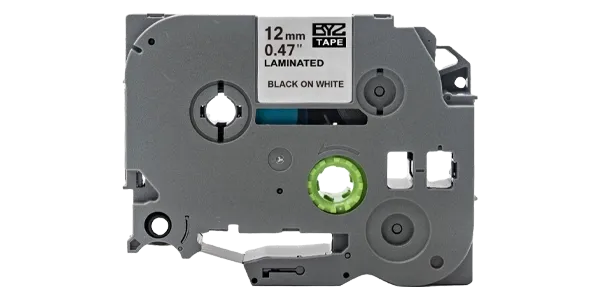
Brother Compatible Label Ribbons (TZe Series)
This Brother-compatible label ribbon (TZe series) is manufactured using high-quality…
View details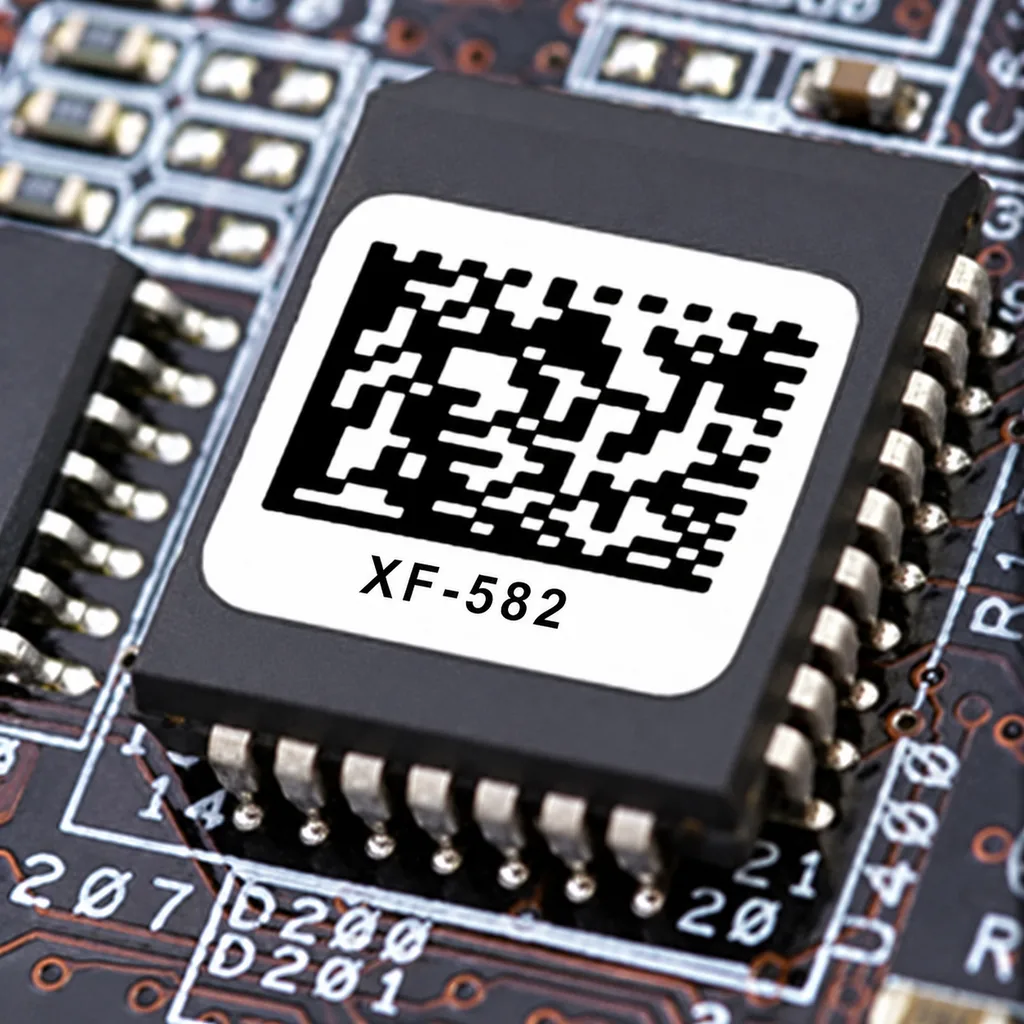
CL-582 High-Temperature Polyimide Labels for Printed Circuit Board Traceability
CL-582 is a high-temperature polyimide (PI) label material for printed circuit board (PCB) and sensitive electronic component process control and product traceability. It has a gloss white coating, a listed thickness of 2mil and an acrylic adhesive. The source identifies wave soldering and reflow soldering as applications. Selection requires confirmation of the actual heat exposure and chemical conditions: the listed temperature range has no specified exposure duration, and solvent resistance is qualitative.
View details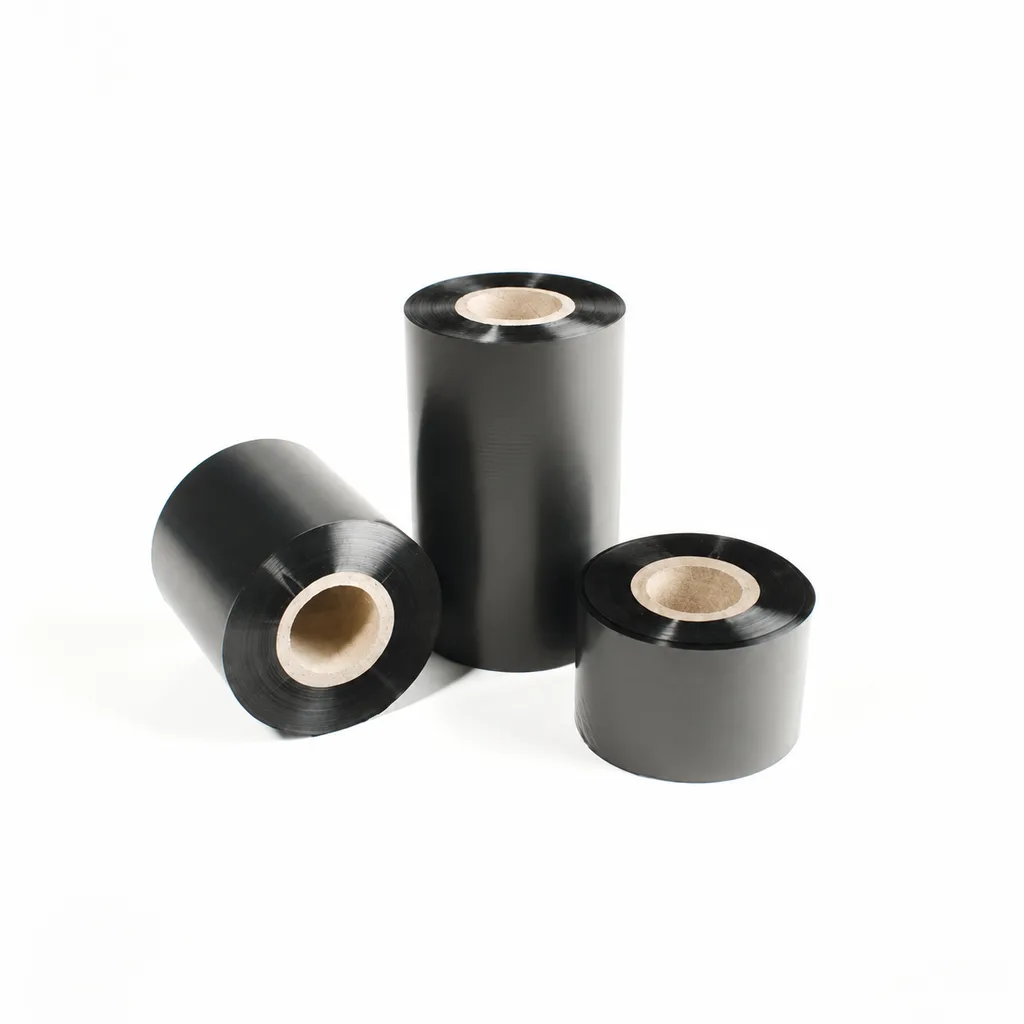
CL-Z112 Enhanced Wax Thermal Transfer Ribbon for Paper Labels and Tags
An enhanced wax thermal transfer ribbon with black ink for paper labels and tags used in retail, warehousing and logistics. It is specified for flat-head printing on desktop or industrial barcode printers at ≤8 inches per second (ips). Select it by checking the actual label material, printer configuration and handling conditions: image-quality, rub-resistance and cold-chamber results were obtained on coated paper, and print quality and image durability may vary with the printer and print medium.
View details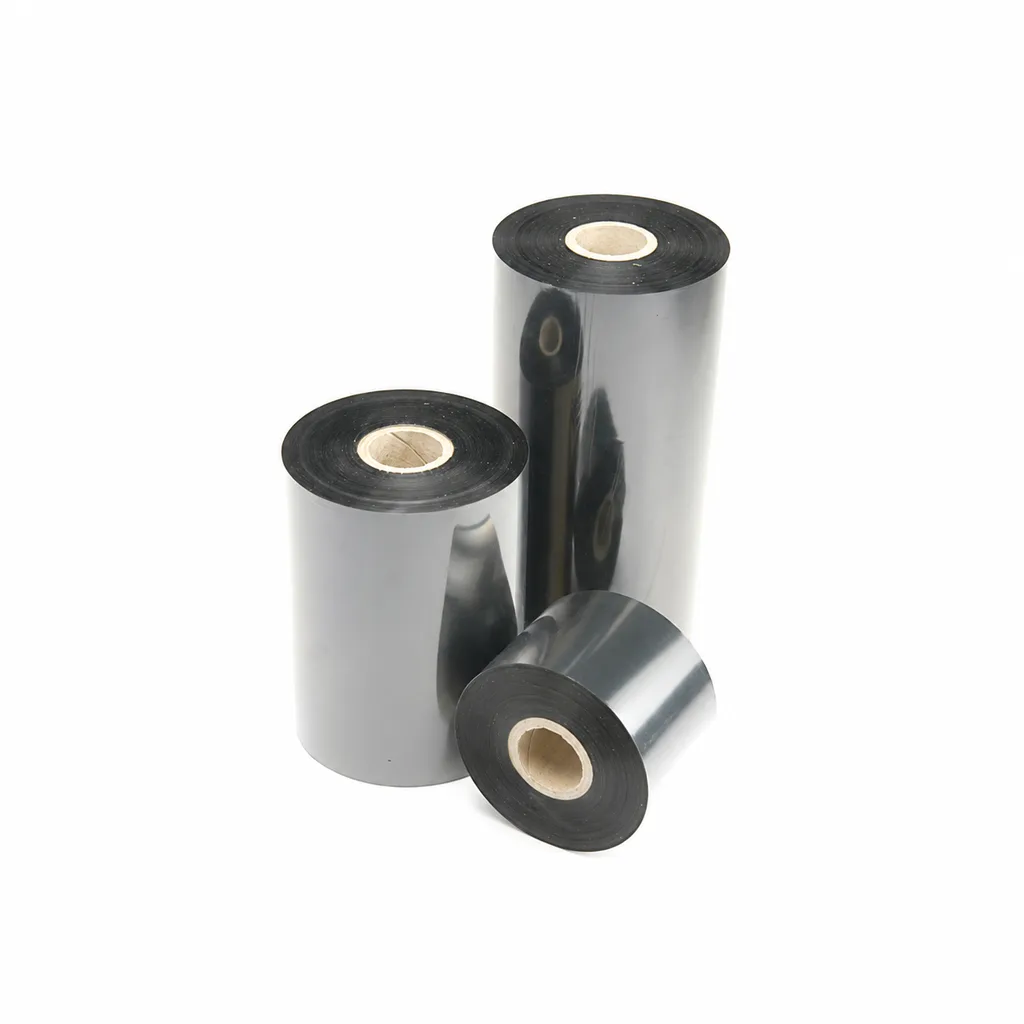
CL-Z213 Near-Edge Wax-Resin Thermal Transfer Ribbon for Barcode Labels
An enhanced black near-edge wax-resin thermal transfer ribbon for near-edge barcode printers and low- to medium-speed thermal transfer overprinting (TTO). Listed applications include retail labels, warehousing, garment tags and packaging identification. Match the printer, actual print medium and operating speed before selection: print quality and image durability can vary with the printer and substrate.
View detailsNeed the right ribbon for your label application?
Share the label material, printer and operating environment. Our team will recommend a tested combination.
