
Asma Tag Etiketleri: What Hang Tags Are and How They Differ From Labels, Care Labels, and Ribbons
Request a solution
- Original TTR manufacturer since 2013
- Automated coating and slitting
- IQC / IPQC / OQC control
- ANSI barcode grade testing
- -20°C to 120°C environmental testing
- Batch-level traceability
- ANSI barcode grade
- Batch traceability
- RoHS / REACH compliance
- SGS and MSDS documents on request
Asma tag etiketleri is the Turkish phrase for hang tags: printed tags that hang from a product on a cord or fastener instead of adhering to it. This explainer serves B2B buyers and print-house technologists who meet the term while sourcing thermal transfer consumables. It defines the tag type, separates it from self-adhesive labels and sewn care labels, and maps each tag stock to the ribbon family COLORFULTTR's catalogs assign to it. Verify the chosen family against your own printer, ribbon width, core, and ink-side orientation before ordering.
Key Takeaways
- “Asma tag etiketleri” is Turkish for hang tags: tags attached by a cord or fastener rather than self-adhesive labels.
- In thermal transfer printing a hang tag is a substrate job: uncoated or coated paper and board on the economy side, synthetic sheets on the durable side.
- COLORFULTTR's catalog lists apparel hang tags as an application of its wax/resin hybrid family, which balances print quality against moderate scratch and moisture resistance.
- Wax ribbons suit economy paper tags, hybrid ribbons suit premium hang tags, and sewn care labels in nylon taffeta or polyester satin require the separate wash-care family.
- The phrase itself specifies no material, size, or ribbon chemistry: match the ribbon to the tag stock, not to the word.
What “Asma Tag Etiketleri” Means in a Printing Supply Chain
Asma tag etiketleri is the Turkish phrase for hang tags — printed tags that hang from a product rather than adhering to it. In Turkish, “asma” conveys hanging, “etiket” means label, and the borrowed English word “tag” narrows the phrase to the hanging type. A buyer searching this term is usually sourcing one of two things: the printed tags themselves, or the thermal transfer ribbon that prints them on tag stock.
In a printing operation, a hang tag is defined by its stock rather than by adhesive. Tag stock is board or heavy paper — uncoated, coated, or matte — or a synthetic sheet, finished so a cord, string, or plastic fastener can attach it to the product. Because the tag hangs through retail handling, the print must survive rubbing and light moisture, which is the requirement level the wax/resin hybrid family (typically about 60% wax to 40% resin) is built around: balanced print quality with moderate scratch and moisture resistance.
For a thermal transfer buyer the practical reading is simple: an asma tag job is a paper-or-synthetic substrate job. The ribbon decision follows the stock, and supplier catalogs treat hang tags exactly that way — as an application line under a ribbon family, not as a separate product category.
How Hang Tags Differ From Self-Adhesive Labels and Care Labels
Hang tags differ from self-adhesive labels in attachment and stock, and from care labels in material and durability demands. A self-adhesive label sticks onto the product or its packaging; a hang tag hangs from it. A care label is sewn into a garment and must survive the garment's whole washing life, which places it on fabric materials and on a dedicated ribbon family.
The distinction is visible in the compatibility chart of the COLORFULTTR wax and wax-resin catalog. On coated paper, wax and hybrid ribbons both rate good to excellent, so a coated hang tag and a coated self-adhesive label can share a ribbon family. On uncoated paper the split appears: wax grades rate good to excellent while both hybrid grades are rated “Not recommended” or “No”, which is why economy hang tags on rough tag stock stay with wax. On synthetic paper the direction reverses — wax grades rate no to fair and hybrid grades rate excellent — so synthetic hang tags move to the hybrid family.
Care labels sit outside this comparison entirely. The catalog assigns them to a wash-care ribbon formulated for nylon taffeta, polyester satin, acetate, and coated fabrics, because that ribbon withstands repeated industrial washing, dry cleaning, and ironing. In the chart, every wax and hybrid option rates “No” on taffeta and satin, and only the wash-care family rates “Excellent.” A hang-tag ribbon is therefore not automatically a care-label ribbon, even though both serve the same garment.
Where the Term Comes From and Why Ribbon Catalogs List It
“Asma tag” pairs the Turkish word for hanging with the English word “tag,” and the mixed phrase reaches English-language supplier material because Turkish buyers search it in that form. The catalog answer to the phrase is an application entry: the wax/resin hybrid overview lists “Apparel hang tags” among its typical applications, and the premium grade of that family names “Apparel hang tags and size labels” as a recommended use, with “Clothing tag stock” and “Coated cardboard” among its recommended label materials.
The entry exists because printing a hang tag is a thermal transfer application like any other. The tag stock feeds through the printer, and the ribbon's ink chemistry must match that stock for the price, code, or brand mark to transfer cleanly. A supplier who lists hang tags is documenting which ink chemistry its ribbons deposit onto tag board and synthetic tag sheets — the same documentation that carries wash-care and resin families for their own substrate groups.
So when a Turkish buyer asks a ribbon supplier about asma tag etiketleri, the actionable answer is a three-part cross-reference: which stock the tags use, which ribbon family prints that stock, and in which widths, cores, and ink-side orientations the ribbon can be supplied for the buyer's printers.
What “Asma Tag” Does Not Tell You
The phrase “asma tag etiketleri” fixes only the attachment style — it specifies no material, size, print process, or ribbon chemistry. Treating the phrase as a specification leads to four common wrong turns.
- It does not name the stock. Uncoated tag board, coated paper, synthetic paper, matte PP, and PET all appear in hang-tag-adjacent applications, and the chart rates them differently: wax runs from good to excellent on uncoated paper to fair at best on synthetics, with the hybrid family roughly the reverse. Order ribbon for the stock, not for the word.
- It does not mean one hybrid fits every tag. The hybrid family spans grades for different substrates; its premium grade is not recommended on uncoated paper even though the family as a whole carries the hang-tag application.
- It does not extend to care labels. Sewn labels in taffeta or satin need the wash-care family; no wax or hybrid option is rated for those fabrics.
- It is not a durability rating. Hybrid delivers moderate scratch and moisture resistance, the level retail handling demands. Resin serves a different group — permanent identification on synthetic materials, with resistance to scratching, chemicals, high temperatures, and outdoor exposure — so a paper hang tag does not need resin by default.
Data and Evidence
The table below condenses the COLORFULTTR compatibility chart to ribbon-family level, with each cell spanning the grades within that family, covering the stocks a hang-tag buyer actually meets. Ratings are catalog suitability entries, so confirm them on your own printer and stock before committing a production order.
| Tag or label stock | Wax family | Wax/resin hybrid family | Wash-care family |
|---|---|---|---|
| Uncoated paper, tag stock | Good to excellent | Not recommended to No | No |
| Coated paper | Good to excellent | Good to excellent | No |
| Synthetic paper | No to fair | Excellent | No |
| Matte PP | No | Good to excellent | No |
| PET / PVC | No | Fair to good | No |
| Nylon taffeta | No | No | Excellent |
| Polyester satin | No | No | Excellent |
Sources: COLORFULTTR wax and wax-resin product catalog (family descriptions, compatibility chart, tag-stock material lists) and COLORFULTTR resin, TTO and color product catalog (resin family scope, covering PET, PP, and PVC synthetics for permanent identification). To act on the table, work in order: identify the tag stock, pick the ribbon family from that row, then match the ribbon's width, core, and ink-side orientation to the printer that will run the job.
Frequently Asked Questions
What does “asma tag etiketleri” mean in English?
It is Turkish for hang tags — printed tags that hang from a product on a cord or fastener instead of adhering to it. In sourcing terms the phrase covers both the printed tag and the thermal transfer ribbon that prints tag stock.
Which thermal transfer ribbon should I use for paper hang tags?
Match the ribbon to the stock: wax ribbons for economy uncoated and coated paper tags, and a wax/resin hybrid for premium coated tags. The hybrid family is the one COLORFULTTR lists for apparel hang tags.
Are hang tags and garment care labels the same application?
No. Hang tags hang from the garment, while care labels are sewn into it and must survive industrial washing, dry cleaning, and ironing. Care labels use nylon taffeta or polyester satin with a dedicated wash-care ribbon, rated separately from hang-tag ribbons in the compatibility chart.
Can one ribbon print both hang tags and self-adhesive product labels?
Yes, when both use coated paper, where wax and hybrid families both rate well. The match is by material rather than label type — wax grades rate no to fair on synthetic paper, and taffeta or satin labels need the wash-care family.
Do hang tags ever need resin ribbons?
Only when the tag itself is a durable synthetic. Resin targets permanent identification on materials such as PET, PP, and PVC; standard paper and board hang tags sit with the wax and hybrid families.
Recommended products for this industry
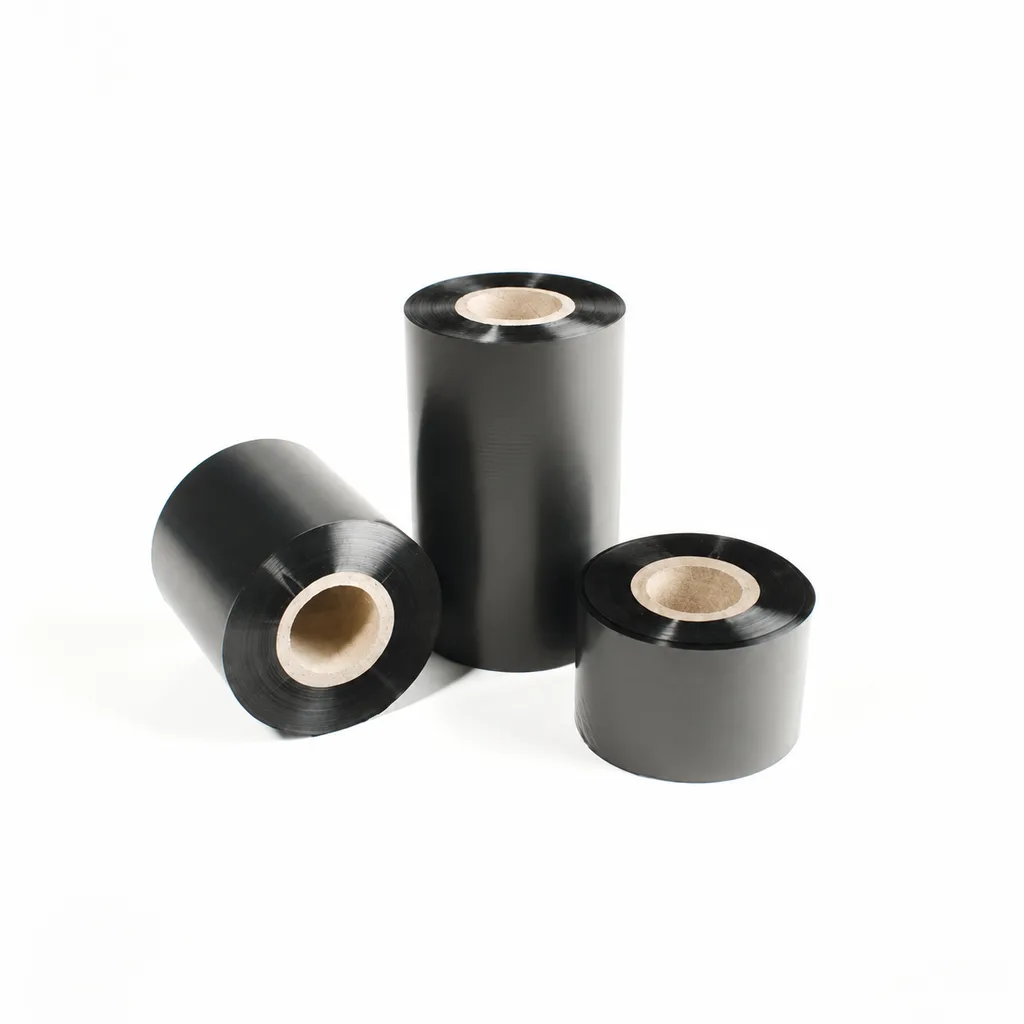
CL-Z112 Enhanced Wax Thermal Transfer Ribbon for Paper Labels and Tags
An enhanced wax thermal transfer ribbon with black ink for paper labels and tags used in retail, warehousing and logistics. It is specified for flat-head printing on desktop or industrial barcode printers at ≤8 inches per second (ips). Select it by checking the actual label material, printer configuration and handling conditions: image-quality, rub-resistance and cold-chamber results were obtained on coated paper, and print quality and image durability may vary with the printer and print medium.
View details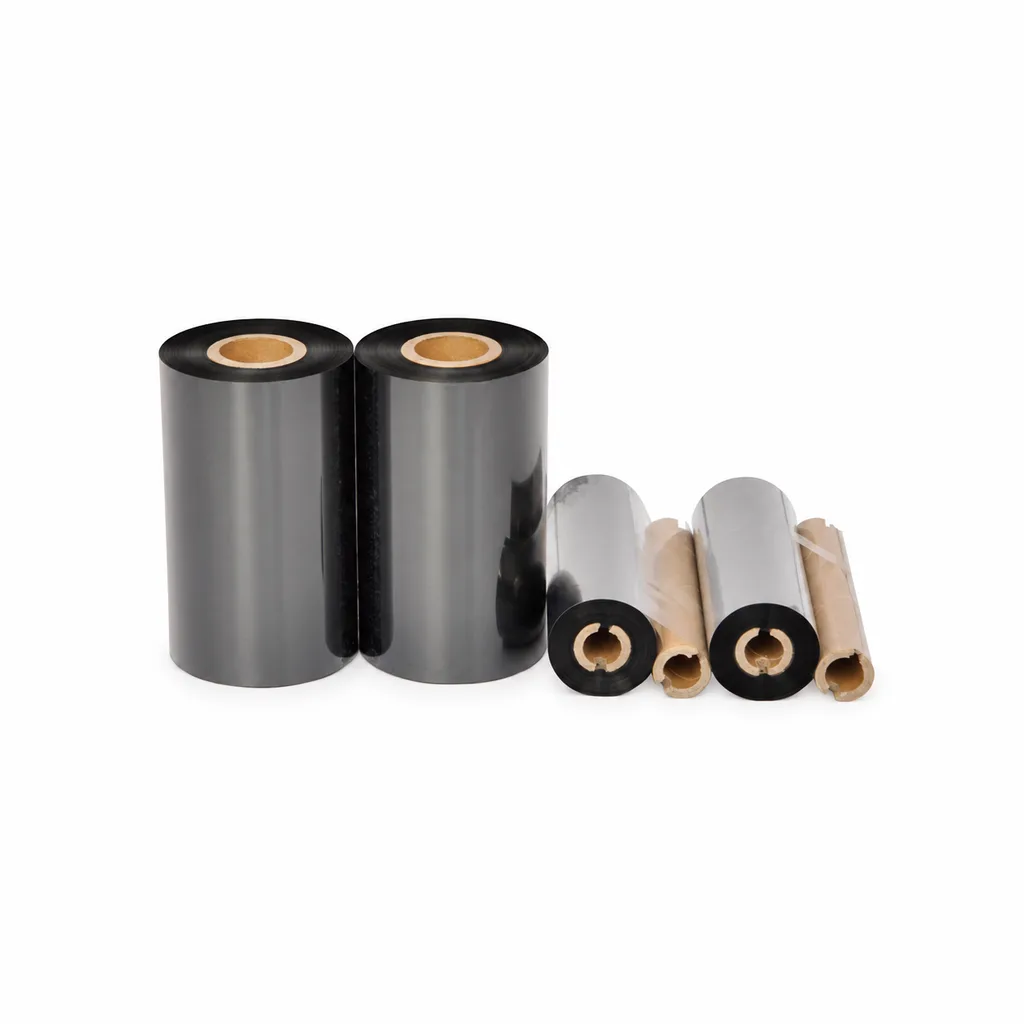
CL-Z908 Wax Thermal Transfer Ribbon for Barcode Labels and Tags
CL-Z908 is an economical black wax thermal transfer ribbon for label and tag printing. Listed applications include retail, warehousing, logistics, clothing tags, simple packaging and production line identification. It is intended for flat-head printing on desktop or industrial barcode printers at speeds of ≤6 inches per second (ips). Select it against your actual paper stock, printer and required image durability: print quality and image durability may vary with the printer and printing substrate.
View details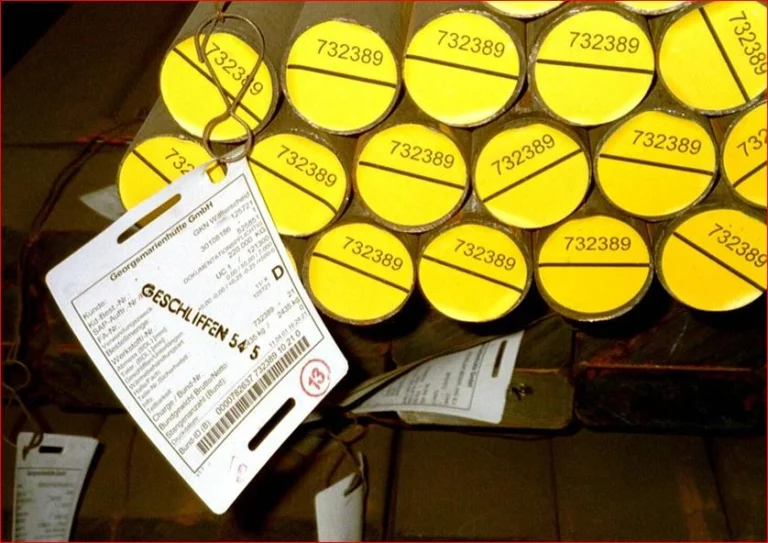
Economical Paper and PET Hang Tag
Cost-efficient paper or PET hang tag for general industrial identification up to moderate…
View details
Metal High-Temperature Hang Tag
Metal foil hang tag for steel, galvanized and high-temperature metal processing…
View detailsNeed the right ribbon for your label application?
Share the label material, printer and operating environment. Our team will recommend a tested combination.
