
Fabricant de Ruban Transfert Thermique Cire: What the Term Means, and How Wax Ribbons Differ from Wax-Resin and Resin
Request a solution
- Original TTR manufacturer since 2013
- Automated coating and slitting
- IQC / IPQC / OQC control
- ANSI barcode grade testing
- -20°C to 120°C environmental testing
- Batch-level traceability
- ANSI barcode grade
- Batch traceability
- RoHS / REACH compliance
- SGS and MSDS documents on request
Key Takeaways
- A thermal transfer ribbon is a thin, durable polyester base film with an ink layer of wax, resin or a wax-resin blend, plus a lubricant back coating that protects the printhead.
- Wax, wax-resin and resin differ in the ink layer only, so the chemistry — not the supplier label — decides how a printed image behaves in service.
- What a fabricant can answer that a reseller usually cannot: made-to-order color, width, length and packaging, slitting tolerance control, and traceability back to a coating or slitting step.
- Handling is part of the specification: print at 5°C–35°C and 45%–85% RH, store at -5°C–40°C and 20%–85% RH for no more than one year, and keep ribbon out of sunlight and damp.
- Calling a supplier a manufacturer says who coats and slits the ribbon; it does not say stock is held in Europe, that a grade passed a given durability test, or what your printer settings should be.

What “Fabricant de Ruban Transfert Thermique Cire” Means
“Fabricant de ruban transfert thermique cire” is French for a manufacturer of wax thermal transfer ribbon. The phrase names three things: who makes it (fabricant), what the product is (ruban transfert thermique, a ribbon that releases ink when a printhead heats it), and which ink chemistry (cire, wax). Buyers typing it are rarely looking for a dictionary entry — they are trying to reach a factory that can supply a specific width, core and length for an installed printer fleet.
A thermal transfer ribbon has three working parts. The base is a thin and durable film made of polyester or other high-density materials. One face carries the ink layer, which is made of wax, resin or a wax-resin blend. The reverse face carries a lubricating coating that protects the printhead as the ribbon passes under it. In printing, the printhead applies heat and pressure and moves the text or barcode image from the ribbon onto the label.
Calling a company a fabricant says it coats and slits the ribbon itself rather than only reselling. That distinction matters for three questions a distributor often cannot answer: whether width, length, core and packaging can be produced to your specification, whether the ink formulation is fixed or adjustable for your substrate, and whether a print defect can be traced back to a coating or a slitting step.

How Wax Differs from Wax-Resin and Resin Ribbons
The three grades are defined by one thing: the ink layer, which is made of wax, resin, or a wax-resin blend. Chemistry drives the practical difference. Wax-based ink releases at lower print energy, which is why wax is the first grade to test for general-purpose labels; resin-based ink needs more energy and is tested when the image has to stay intact through abrasion, scratches or chemicals. Wax-resin sits between the two and is the usual second test when wax fails your handling check.
| Grade | Ink layer | Starting point in a test plan | Evidence to request from the supplier |
|---|---|---|---|
| Wax (cire) | Wax | Test first on general-purpose labels that only need to stay legible through normal handling | Print density and clarity on your label stock, plus rub behaviour under your packing line |
| Wax-resin (mixte) | Wax-resin blend | Test second, when wax does not hold up in your own handling test or on a slicker face stock | Which blend, and the substrate it was qualified on |
| Resin (résine) | Resin | Test when the label must survive abrasion, scratches or chemicals in service | Documented test scope run on the actual container or film material |
Read the table as a test sequence, not a verdict. The ink layer tells you what to expect; your printer, your face stock and your handling decide whether the expectation holds. Ask the manufacturer which substrate each grade was qualified on, and never turn a catalog value into a printer setting or into an acceptance limit for a finished label batch — both have to be confirmed on your own run.
How to Qualify a Wax Ribbon Manufacturer Before Switching Suppliers
Qualifying a wax ribbon maker is a five-step check that always ends with a print run on your own machine.
- Fix the printer constraints before you discuss price: required ribbon width, core size, length, ink-side orientation, and the label stock you actually run. The printer sets these, not the ribbon catalog.
- Confirm customization scope. Ask whether color, width, length and packaging are made to your order or only available as stock items.
- Ask how slitting is controlled: width tolerance, the tension range recorded for each slitting machine, rewinding flatness against the core, and whether slitting runs in a dust-free area.
- Run samples on your own printer, stock and speed. Check density and clarity, barcode edge definition and scanner readability, and how the image behaves when rubbed the way your line handles it.
- Confirm handling and batch discipline: the storage and transport windows the ribbon is specified for, batch identification, and packaging protection in transit.
If a sample fails, work through causes in a fixed order. First rule out orientation and print settings, since a wrong ink-side orientation looks like a ribbon problem. Next read the defects: wrinkles, white lines and creases point to rewinding or tension problems, and scattered white spots point to dust in slitting. Too much tension during slitting can stretch the PET base film and change the ink layer, which shows up as powder shedding and ink contamination; too little tension produces wrinkles, white lines and core shift in transit or on the spindle. If none of that fits, check how the rolls were stored and shipped — direct sunlight and damp both degrade print quality.
Data and Evidence
The figures below come from Colorfulttr's production and quality documentation and define the conditions under which the ribbon is specified to be used, stored and transported.
| Stage | Temperature | Relative humidity | Time limit |
|---|---|---|---|
| Use (printing) | 5°C–35°C | 45%–85% | — |
| Storage | -5°C–40°C | 20%–85% | No more than one year |
| Transport | -5°C–40°C | 20%–85% | No more than one month |
Ribbon should not be left directly exposed to sunlight or damp, because both affect print quality. Two further sets of facts are worth requesting in writing before you commit a batch. The first is process control: slitting width tolerance, the recorded tension range per machine, rewinding flatness to the core, a dust-free slitting environment, and an anti-static back coating. The second is test scope — ask which grades were run through abrasion testing with sand and salt exposure, adhesion testing on various container materials, and seawater immersion for up to three months, and on which substrate. Treat every reply as supplier documentation: it describes the product as supplied, not a setting for your printer and not a pass line for your finished labels.
What the Term Does Not Tell You
Calling a supplier a fabricant de ruban transfert thermique cire tells you that a company coats and slits wax thermal transfer ribbon itself; it does not tell you where stock sits, which grade passed which test, or how to configure your printer. Four assumptions are worth dropping before you send an enquiry.
- It does not imply European inventory. Colorfulttr is headquartered with its plant in Shenzhen, and its coverage of France, Germany, the Netherlands and the UK runs through partner agents, which are partner agents and not subsidiaries.
- It does not set your print settings. Energy, speed and darkness are found on your printer with your stock.
- It does not say a given grade passed a given durability test. Tests are run per grade and per substrate, so ask for the pairing.
- It does not cover every ribbon job. Wax is one line; hybrid, resin, wash-care resin, TTO and card ribbons are separate product lines with separate specifications.
OEM and ODM capability is real but narrow: it means the maker can produce to your brand and packaging specification, including neutral, blank or custom packaging, while authorization to carry a third-party brand is a separate commercial question.
Concrete next step: send your printer model, required ribbon width, core, ink-side orientation and label stock to [email protected] or WhatsApp +86 181 2644 9912, and ask for one sample roll slit to your specification so you can run steps four and five on your own line.
Frequently Asked Questions
Does “fabricant de ruban transfert thermique cire” mean the ribbon is stocked in France or Europe?
Not by itself — the phrase describes who makes the ribbon, not where inventory sits. Colorfulttr manufactures in Shenzhen and covers France, Germany, the Netherlands and the UK through partner agents, which are partner agents and not subsidiaries. Ask your contact where your specific width and core are held before you plan lead times.
Can I buy wax thermal transfer ribbon directly from the manufacturer instead of a distributor?
Yes. Specifying width, length, core, color and packaging, and discussing OEM/ODM, is the point of contacting a fabricant rather than accepting stock sizes. Reach Colorfulttr at [email protected] or WhatsApp +86 181 2644 9912; the Alibaba storefront (colorfulttr1688) is another channel.
How do I choose between cire, cire-résine and résine ribbon for my labels?
Start from what the label has to survive, then test in order: wax first, wax-resin if wax fails your handling test, resin when abrasion, scratches or chemicals are part of the service life. Ask which substrate each grade was qualified on, and confirm on your own printer — no catalog figure replaces that run.
What storage conditions keep wax thermal transfer ribbon usable?
Store at -5°C to 40°C and 20%–85% RH for no more than one year, print at 5°C to 35°C and 45%–85% RH, and keep transport within -5°C to 40°C and 20%–85% RH for no more than one month. Keep ribbon out of direct sunlight and damp areas, since both affect print quality.
What should I check first when switching wax ribbon suppliers?
Match width, core, length and ink-side orientation to your printer first, then ask how slitting width tolerance, tension and rewinding flatness are controlled, then run a sample roll on your own stock and speed. Confirm the storage and transport windows the supplier specifies before you commit to a batch.
Recommended products for this industry
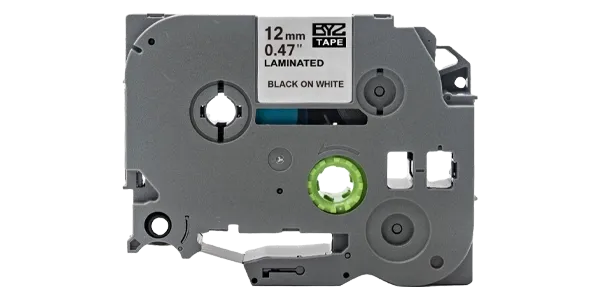
Brother Compatible Label Ribbons (TZe Series)
This Brother-compatible label ribbon (TZe series) is manufactured using high-quality…
View details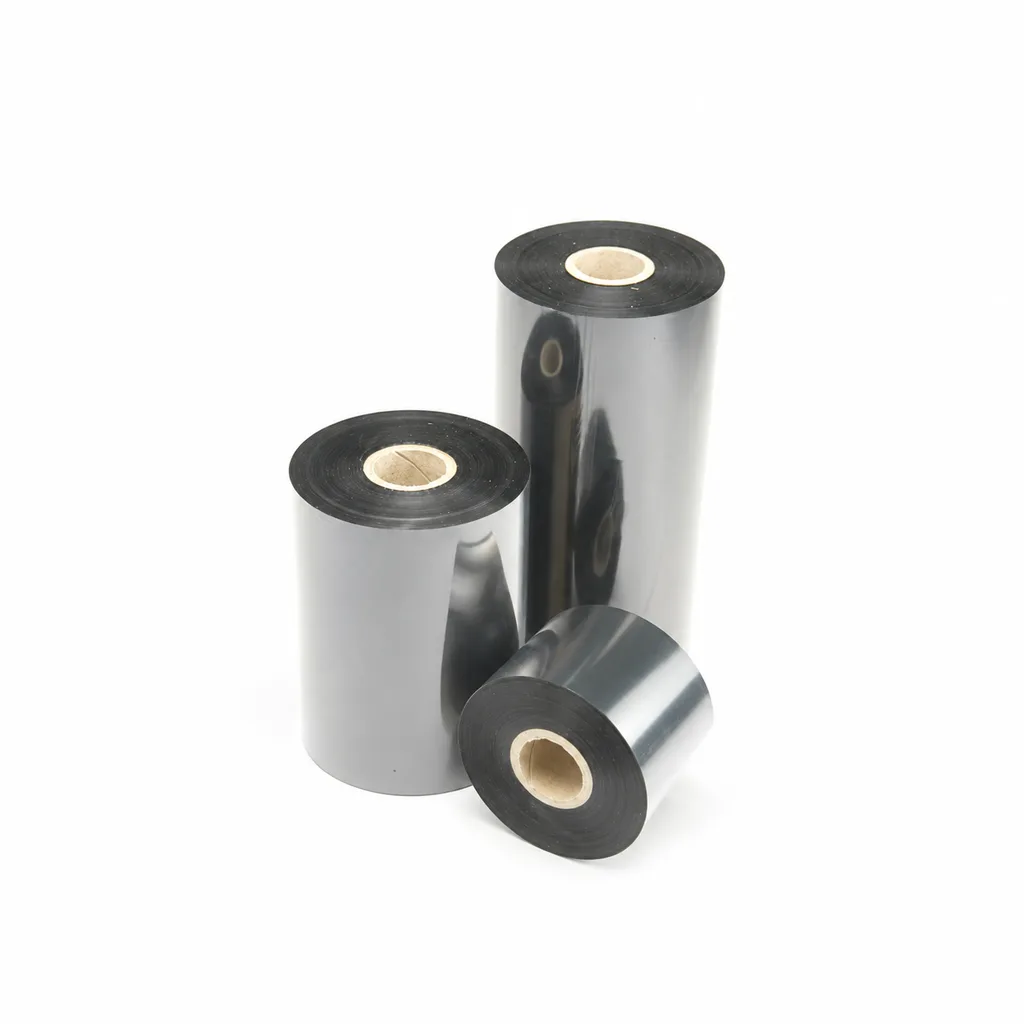
CL-Z203 Wax-Resin Thermal Transfer Ribbon for Barcode Labels
A black wax-resin thermal transfer ribbon for flat-head printing, with listed applications including retail, warehousing, logistics and garment tags. Select it against your actual label material and desktop or industrial barcode printer at speeds ≤6 ips (inches per second). Fine-line, small-text and durability results were obtained on coated paper; print quality and image durability may vary with the printer and printing substrate.
View details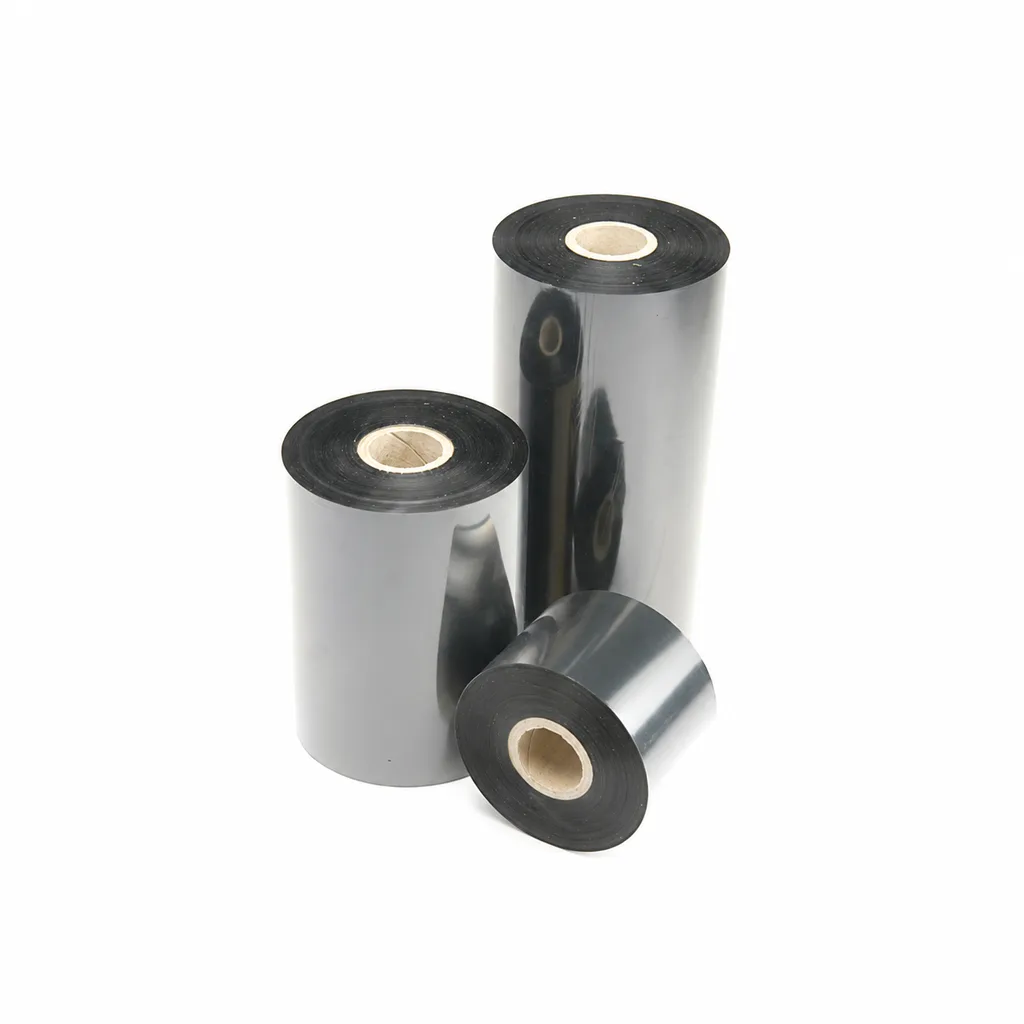
CL-Z213 Near-Edge Wax-Resin Thermal Transfer Ribbon for Barcode Labels
An enhanced black near-edge wax-resin thermal transfer ribbon for near-edge barcode printers and low- to medium-speed thermal transfer overprinting (TTO). Listed applications include retail labels, warehousing, garment tags and packaging identification. Match the printer, actual print medium and operating speed before selection: print quality and image durability can vary with the printer and substrate.
View details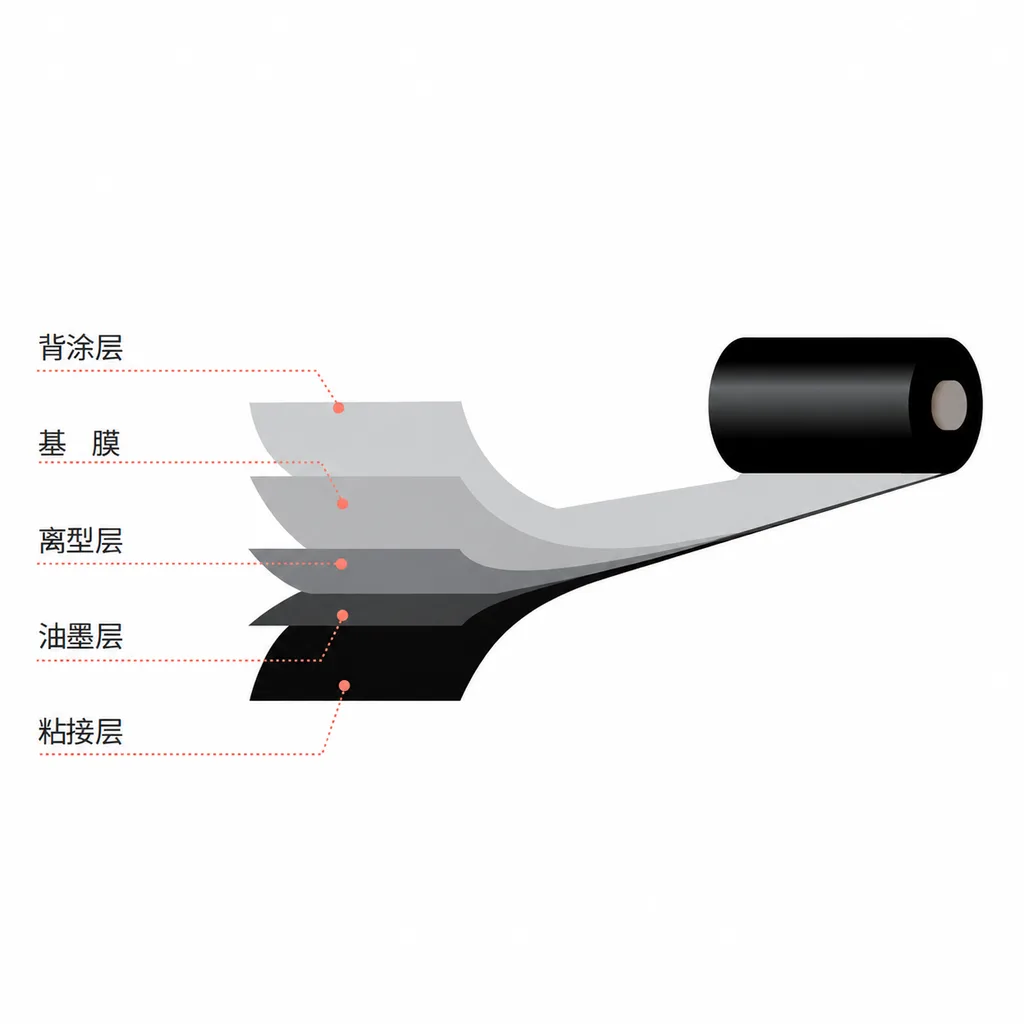
CL-Z312 Resin Thermal Transfer Ribbon for Packaging Printing
CL-Z312 is a black, general-purpose resin ribbon for thermal transfer overprinting (TTO), with packaging and retail label applications listed in the product information. Its abrasion, alcohol and oil resistance data were obtained on polyethylene terephthalate (PET). Select it against your actual packaging material, printer and production speed: print quality and image durability can vary with the printer and substrate, and the material chart percentages are not defined as pass rates.
View detailsNeed the right ribbon for your label application?
Share the label material, printer and operating environment. Our team will recommend a tested combination.
