
Fabricant de Ruban Transfert Thermique Cire: What the Term Means, Who Qualifies, and What It Does Not Tell You
Request a solution
- Original TTR manufacturer since 2013
- Automated coating and slitting
- IQC / IPQC / OQC control
- ANSI barcode grade testing
- -20°C to 120°C environmental testing
- Batch-level traceability
- ANSI barcode grade
- Batch traceability
- RoHS / REACH compliance
- SGS and MSDS documents on request
Key Takeaways
- A thermal transfer ribbon consists of a polyester base film, an ink layer made of wax, resin or a wax-resin blend, and a lubricating backcoat that protects the printhead.
- A fabricant in the full sense runs the chain from raw materials, ink coating and slitting to the finished roll, and customizes color, width, length and packaging per order.
- Wax, wax-resin and resin name the ink chemistry only; the base film and the coating platform stay the same.
- Available verified test records cover seawater immersion for up to three months, abrasion with sand and salt exposure, and adhesion on various container materials.
- European coverage for buyers in France runs through cooperation agents, not subsidiaries.
What a Fabricant de Ruban Transfert Thermique Cire Actually Produces
A fabricant de ruban transfert thermique cire is a manufacturer that produces wax thermal transfer ribbon itself instead of trading rolls made elsewhere. The product is the consumable a barcode printer feeds: during printing, the printhead applies heat and pressure to transfer text and barcode information from the ribbon onto the label. Every ribbon is built in three layers. A thin, durable base film made of polyester or other high-density materials carries the structure. An ink layer made of wax, resin, or a wax-resin blend forms the printed image. On the face without ink, the maker coats a lubricating material that protects the printhead.
In production, the factory coats wax-based, resin-based or blended ink onto one side of a polyester film and coats the protective material on the other side. One company that fits the definition is Shenzhen Colorfulttr Technology Co., Ltd., founded on January 22, 2013 and headquartered in Shenzhen, which concentrates on thermal transfer ribbon R&D, production and sales. Its range covers wax, wax-resin blend, resin, wash-resistant resin, TTO and card ribbons, and it operates the complete chain from raw materials, coating and slitting to the finished roll. The word cire in the search phrase only selects the wax member of that range, so a buyer using it can still be served every chemistry from the same factory.

How to Tell a Ribbon Manufacturer from a Converter or Reseller
The practical test of a fabricant is which production steps — ink coating, slitting, packaging — the supplier runs in-house. A full manufacturer formulates ink, coats film, slits rolls and packs them under one roof. A converter slits jumbo rolls it has bought, so it controls widths but not the ink formulation or the coating behind them. A reseller trades finished rolls as they are. One question separates the three roles: which steps do you run yourself?
Slitting quality is where manufacturing skill becomes visible. The factory controls slitting width tolerance to keep ribbon specifications stable between batches. Rewind tension matters in both directions: excessive tension stretches the PET base film and can leave ink powder dropping off and contaminating prints, while insufficient tension produces wrinkles, white lines and press marks and can let the core shift during transport or installation. Suitable tension windows are recorded for each slitting machine and kept as a maintenance reference. The slitting workshop is kept dust-controlled, because contamination later shows up as white-dot print defects. Packaging is a quieter signal: a supplier that can ship neutral packaging, its own branded packaging, fully blank packaging or customer-specific packaging is finishing rolls itself.
OEM and ODM records extend the same point. The factory's private-label records include Ricoh, Domino and SATO, which shows it has produced ribbon to other brands' specifications. Read that as production capability, not as an endorsement of any specific roll, for the reasons in the next section.
Wax, Wax-Resin and Resin: the Chemistry Behind the Word Cire
The word cire selects one of three ink chemistries: the ink layer of a thermal transfer ribbon is made of wax, resin, or a wax-resin blend, and all three are coated onto the same type of polyester base film. A wax ribbon is therefore a ribbon whose ink layer is wax-based; it feeds and winds through the printer like any other chemistry. A wax-resin blend contains both wax and resin in the ink layer, and pure resin forms the third family.
Which chemistry fits a job depends on the label material and the durability the printed label must survive, so treat chemistry as a choice to verify rather than a ranking to assume. The batch checks that expose real differences are print density and clarity, together with abrasion, scratch and chemical resistance, and the maker also emphasizes print clarity, abrasion durability and anti-static backcoat technology. Beyond the three base chemistries, the catalog extends the platform by application with wash-resistant resin, TTO and card ribbons. Before you switch chemistry or supplier, print a trial on your own printer with your own labels and compare density, edge sharpness and resistance under your real handling conditions.
What the Term Fabricant de Ruban Transfert Thermique Cire Does Not Tell You
The phrase confirms that wax ribbon production capability exists; it confirms nothing about fit with your printers, your labels or your region, so close four gaps before ordering.
- Compatibility stays per machine and per media. Confirm the printer's required ribbon width, core and ink-side orientation, then the label material. The manufacturer customizes color, width, length and packaging, but only against requirements you supply.
- Published storage and transport ranges are handling conditions for the product, not print settings. Dial in heat and speed on your own printer with test prints, because a catalog range cannot state the settings an individual machine needs.
- OEM brand names in a capability list record private-label production, not those brands' approval of the roll you are buying. Trust the specification written for your order.
- Test records describe their own conditions only. Seawater immersion for up to three months, abrasion testing with sand and salt exposure, and adhesion testing on various container materials are evidence for those scenarios; match the conditions to yours before extending any result.
The term also says nothing about local support. European coverage in the United Kingdom, France, the Netherlands and Germany runs through cooperation agents rather than subsidiaries, so confirm with the Shenzhen team or the local agent who handles spec checks and claims in your market. A concrete next step: request the width-tolerance spec, the batch quality checklist and the handling conditions for the exact chemistry you need, then run a trial roll before committing a full order.
Data and Evidence
The verified records behind this explainer cover ribbon structure, handling conditions and durability test items, and the tables below list them for direct reuse in a supplier questionnaire.
| Ribbon layer | Material on record | Function |
|---|---|---|
| Base film | Polyester or other high-density materials | Carries the ribbon through the printer |
| Ink layer | Wax, resin, or a wax-resin blend | Forms the printed image under printhead heat and pressure |
| Backcoat | Lubricating material on the face without ink | Protects the printhead; anti-static backcoat is a quality checkpoint |
| Handling stage | Temperature | Relative humidity | Time limit |
|---|---|---|---|
| Use | 5°C to 35°C | 45% to 85% | Not stated |
| Storage | -5°C to 40°C | 20% to 85% | No more than one year |
| Transport | -5°C to 40°C | 20% to 85% | No more than one month |
Keep ribbon away from direct sunlight and damp, because exposure affects print quality.
| Verified test item | Condition on record |
|---|---|
| Seawater immersion | Up to three months |
| Abrasion testing | Sand and salt exposure |
| Adhesion testing | Various container materials |
Company evidence you can ask to see: founded January 22, 2013 in Shenzhen; the complete chain from raw materials, coating and slitting to finished rolls; width-tolerance control and documented tension windows at slitting; OEM/ODM private-label records covering Ricoh, Domino and SATO; and European points in the United Kingdom, France, the Netherlands and Germany operated as cooperation agents. Sources: Colorfulttr's 2025 company profile, production and quality documentation, and contact and network records.
Frequently Asked Questions
Does a fabricant de ruban transfert thermique cire also make wax-resin and resin ribbons?
Yes. A full-line factory covers wax, wax-resin blend, resin, wash-resistant resin, TTO and card ribbons, because the chemistry changes only the ink layer coated onto the same type of polyester base film.
How do I check whether a wax ribbon supplier really manufactures instead of reselling?
Ask which steps it runs itself: ink coating, slitting with width-tolerance control, recorded tension windows and dust-controlled workshops. The ability to customize color, width, length and packaging, plus OEM/ODM records, indicates real production.
Which details must I confirm before ordering wax ribbon for a specific printer?
Confirm the printer's required ribbon width, core and ink-side orientation, plus the label material, then verify print density and clarity with a trial on your own machine. Storage ranges in catalogs are handling limits, not print settings.
Do the seawater, abrasion and adhesion test records apply to my labels?
Only as capability evidence. Those records state their own conditions — immersion up to three months, sand and salt abrasion, adhesion on container materials — so match them against your application or repeat the test on your substrate.
Can a French buyer get local support from a Chinese ribbon fabricant?
Colorfulttr lists France among its European points, alongside the United Kingdom, the Netherlands and Germany, all operated as cooperation agents rather than subsidiaries. Confirm spec checks and claims handling with the agent or the Shenzhen team.
Related Products & Guides
Recommended products for this industry

Thermal Transfer Intelligent Coding Machine
This series of thermal transfer coders represents a cost-effective intelligent coding…
View details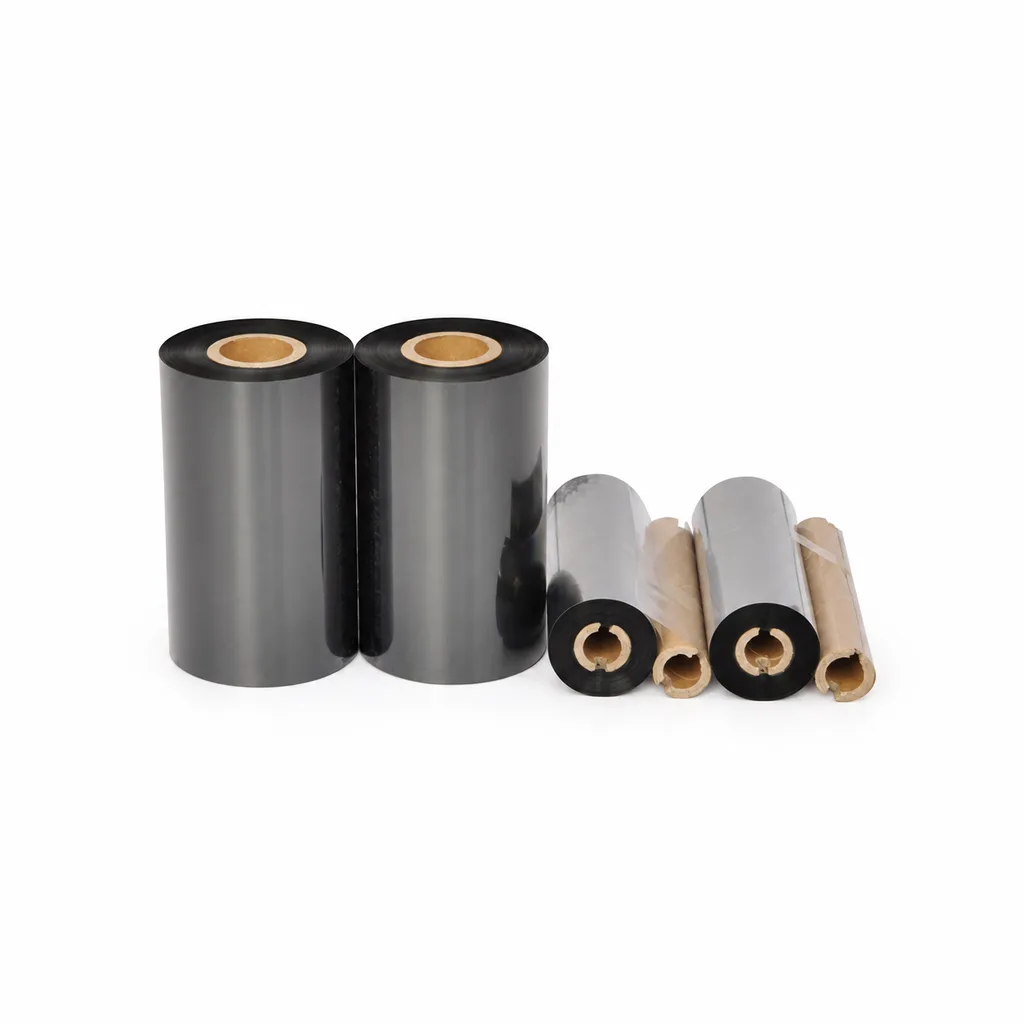
Enhanced Wax Thermal Transfer Ribbon for Paper Labels — CL-Z109
CL-Z109 is a black, abrasion-resistant enhanced wax thermal transfer ribbon for coated paper, uncoated paper and synthetic paper. Listed applications include retail, warehousing, logistics, garment hangtags, simple packaging and production-line identification. Select it for flat-head printing on desktop or industrial barcode printers at ≤6 ips (inches per second), and check the actual label material and handling conditions. Print quality and image durability can vary with the printer and print medium.
View details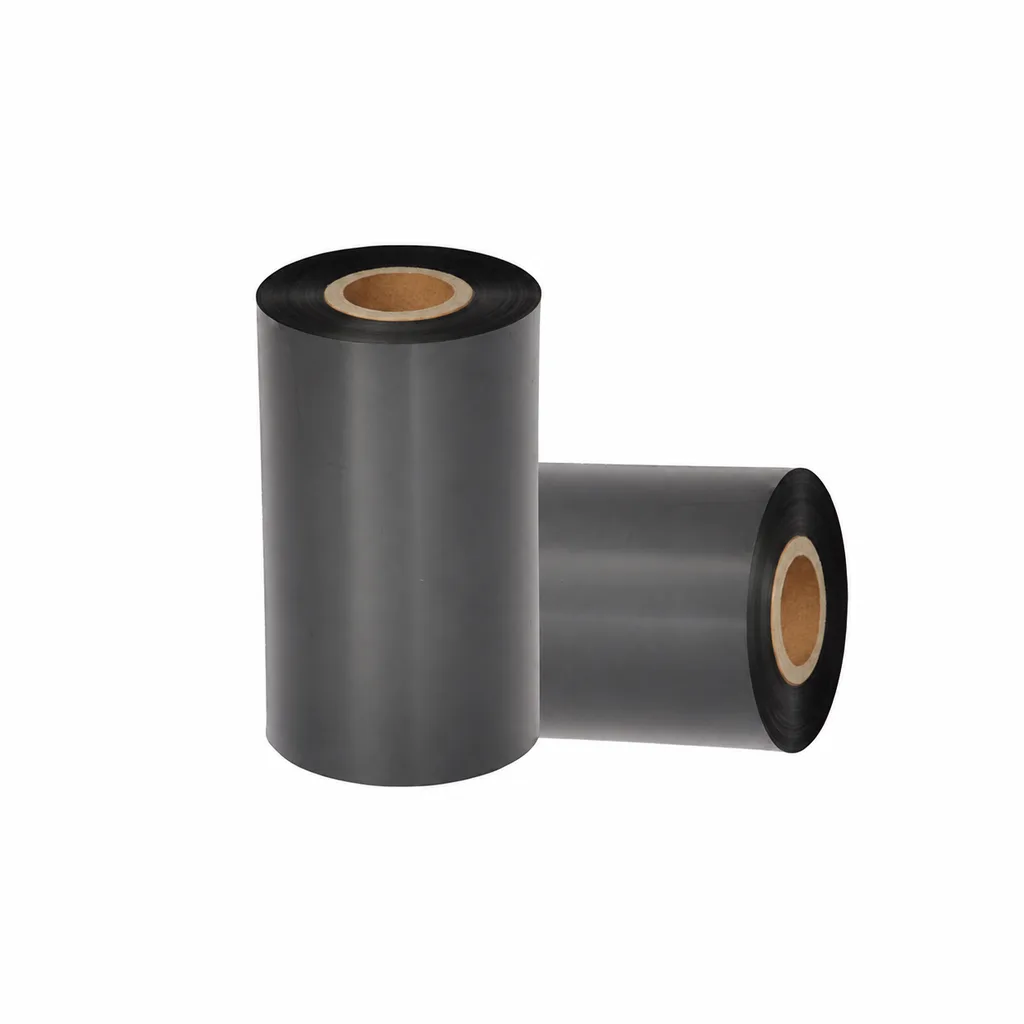
Enhanced Wax Thermal Transfer Ribbon for Paper Labels | CL-Z110A
CL-Z110A is an economical black enhanced wax thermal transfer ribbon for paper labels and tags. Listed applications include retail, warehousing, logistics, apparel tags, simple packaging and production-line identification. Select it for flat-head desktop or industrial barcode printing at ≤6 inches per second (ips), then verify results on your actual printer and media: print quality and image durability can vary with both.
View details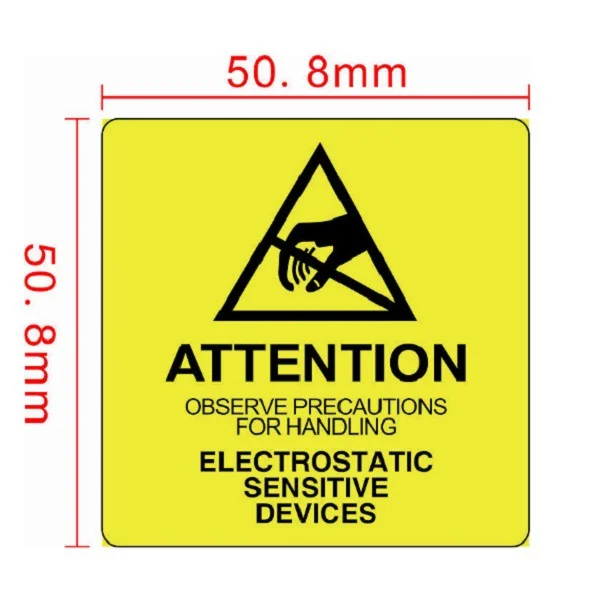
ESD Polyimide PCB Label
Anti-static polyimide label for electrostatic-sensitive electronics and high-temperature…
View detailsNeed the right ribbon for your label application?
Share the label material, printer and operating environment. Our team will recommend a tested combination.
