
Thermal Transfer Ribbon Supplier in France: A Factory-Grade Buying Guide
Request a solution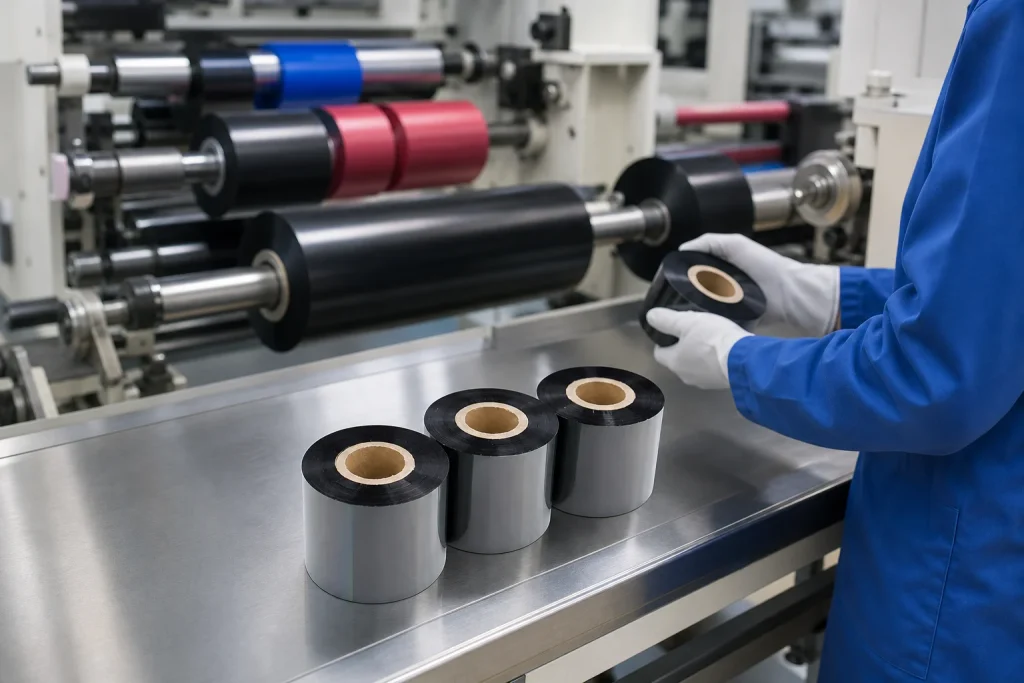
- Original TTR manufacturer since 2013
- Automated coating and slitting
- IQC / IPQC / OQC control
- ANSI barcode grade testing
- -20°C to 120°C environmental testing
- Batch-level traceability
- ANSI barcode grade
- Batch traceability
- RoHS / REACH compliance
- SGS and MSDS documents on request
Key Takeaways
- This buying guide helps French B2B buyers select a dependable thermal transfer ribbon supplier.
- It explains the three main ribbon types—wax for general paper labels, wax-resin for added scratch resistance, and resin for harsh chemical, heat, and abrasion environments.
- It also covers TTO and color ribbons for packaging coding and branding.
Understanding Thermal Transfer Ribbon Types for French Industrial Applications
Thermal transfer ribbons are essential consumables for barcode labeling, product identification, and packaging coding. The choice of ribbon directly affects print quality, durability, and cost efficiency. For French manufacturers and logistics operators, selecting the right ribbon type is the first step toward optimizing labeling operations.
There are three primary ribbon categories: wax, wax-resin, and resin. Wax ribbons are the most economical and are typically used for paper labels in general logistics, such as shipping and inventory tags. Wax-resin ribbons offer enhanced scratch resistance and are suitable for labels that face moderate handling or occasional exposure to moisture. Resin ribbons provide the highest level of resistance to chemicals, heat, and abrasion, making them ideal for harsh environments l…
In addition to these, thermal transfer overprint (TTO) ribbons are used for printing variable information directly on flexible packaging films, while color ribbons serve branding and coding applications. Understanding these types helps buyers match the ribbon to the specific label material and end-use environment.
- Wax ribbons: cost-effective for paper labels in general logistics
- Wax-resin ribbons: added scratch resistance for moderate durability
- Resin ribbons: maximum chemical, heat, and abrasion resistance
- TTO ribbons: for packaging coding on flexible films
- Color ribbons: for branding and visual coding

Key Selection Criteria: Print Quality, Durability, and Compatibility
When evaluating a thermal transfer ribbon supplier, the first consideration is product quality. A professional supplier should ensure consistent ink formulation, coating technology, and production control. These factors directly influence print density, edge definition, and resistance to smudging or fading.
Durability requirements vary by application. For example, labels exposed to sunlight, heat, or chemicals require resin or wax-resin ribbons with higher resistance. Buyers should also consider the printer model and print head type—flat-head or near-edge—as this affects ribbon compatibility. Additionally, the label material (paper, film, or synthetic) must be matched with the appropriate ribbon to achieve optimal adhesion and print quality.
Compatibility extends to ribbon dimensions. Suppliers should offer a range of widths and lengths to fit different printers and label sizes. Customization options, such as custom widths from 30 mm to 220 mm and lengths from 70 m to 600 m, allow buyers to minimize waste and reduce downtime.
- Evaluate ink formulation and coating technology for consistent print quality
- Match ribbon type to label material and operating environment
- Ensure compatibility with printer model and print head type
- Consider custom widths and lengths to reduce waste
- Check for scratch, chemical, and heat resistance as needed
Factory Capabilities: What a Reliable Supplier Should Offer
A reliable thermal transfer ribbon supplier should have strong manufacturing capabilities. Original manufacturers with years of experience are better positioned to control quality and offer customization. For instance, a supplier with over 10 years of experience and an annual production capacity of 50 million square meters can ensure stable supply for bulk orders.
Customization is a key differentiator. Look for suppliers that offer OEM and private label packaging, custom Pantone color matching, and custom formulation support. These services allow buyers to tailor ribbons to specific branding or performance requirements. Additionally, flexible lead times for samples and production are important—confirm current schedules with the sales team to avoid delays.
Quality certifications are non-negotiable. Reputable suppliers should hold ISO 9001:2015 for quality management, RoHS 2.0 and REACH for environmental compliance, and SGS testing for product safety. For food contact applications, FDA compliance and MSDS reports are essential. These certifications demonstrate a commitment to quality and regulatory compliance.
- Original manufacturer with 10+ years of experience
- Annual production capacity of 50 million square meters
- Custom widths from 30 mm to 220 mm and lengths from 70 m to 600 m
- OEM and private label packaging, custom Pantone color matching
- ISO 9001:2015, RoHS 2.0, REACH, SGS, FDA compliance, MSDS reports

Supplier Verification: How to Validate a Thermal Transfer Ribbon Partner
Before committing to a supplier, conduct a thorough verification process. Start by requesting samples to test print quality, durability, and compatibility with your printers and labels. A professional supplier will provide samples and support during the testing phase.
Review the supplier's quality certifications and ask for documentation. Verify that the certifications are current and relevant to your industry. For example, if you require food-safe labels, confirm FDA compliance and request MSDS reports for the ribbon materials.
Assess the supplier's production capacity and lead times. A supplier with high monthly output can handle large orders and reduce the risk of supply chain disruptions. Also, inquire about their ability to customize ribbons to your specifications, as this indicates flexibility and technical expertise.
- Request samples for testing print quality and durability
- Verify certifications: ISO, RoHS, REACH, SGS, FDA, MSDS
- Check production capacity and lead times
- Assess customization capabilities
- Evaluate communication and after-sales support
Cost Considerations and Long-Term Supply Security
While price is a factor, the lowest-cost ribbon may not be the most economical in the long run. Poor-quality ribbons can cause print head damage, label jams, and reprints, increasing operating costs. A reliable supplier helps reduce total cost of ownership by providing consistent quality and minimizing waste.
Long-term supply security is critical for uninterrupted operations. Choose a supplier with sufficient production capacity and a track record of reliable delivery. Consider establishing a framework agreement to secure pricing and availability.
Additionally, consider the supplier's ability to support future needs, such as new label materials or printer upgrades. A supplier with a broad product range and technical expertise can adapt to changing requirements.
- Balance price with quality to reduce total operating costs
- Ensure supply security through reliable production capacity
- Establish long-term agreements for stable pricing
- Choose a supplier with a broad product range for future needs
Conclusion: Making the Right Choice for Your French Operations
Selecting the right thermal transfer ribbon supplier in France involves careful evaluation of product quality, factory capabilities, and supplier reliability. By understanding ribbon types and their applications, you can match the ribbon to your specific labeling needs.
A supplier with strong manufacturing credentials, customization options, and compliance certifications will provide stable print quality and long-term value. Take the time to verify samples and documentation, and build a partnership that supports your operational efficiency.
With the right supplier, you can achieve lower operating costs, better customer satisfaction, and uninterrupted supply—key factors for success in the competitive French market.
Frequently Asked Questions
What is the difference between wax, wax-resin, and resin thermal transfer ribbons?
Wax ribbons are cost-effective and best for paper labels in general logistics. Wax-resin ribbons offer added scratch resistance and are suitable for labels with moderate durability needs. Resin ribbons provide the highest resistance to chemicals, heat, and abrasion, making them ideal for harsh environments.
How do I choose the right ribbon for my printer?
Check your printer's print head type (flat-head or near-edge) and the label material. The ribbon must be compatible with both. Also, ensure the ribbon width and length match your printer's specifications. Consult the supplier for guidance.
What certifications should a thermal transfer ribbon supplier have?
Look for ISO 9001:2015 for quality management, RoHS 2.0 and REACH for environmental compliance, and SGS testing for product safety. For food contact applications, FDA compliance and MSDS reports are essential.
Can I get custom-sized thermal transfer ribbons?
Yes, many suppliers offer custom widths and lengths. For example, custom widths from 30 mm to 220 mm and lengths from 70 m to 600 m are common. Custom Pantone color matching and OEM packaging are also available.
How can I verify a supplier's reliability?
Request samples for testing, review certifications, check production capacity and lead times, and assess their customization capabilities. Good communication and after-sales support are also indicators of reliability.
Related Products & Guides
Recommended products for this industry
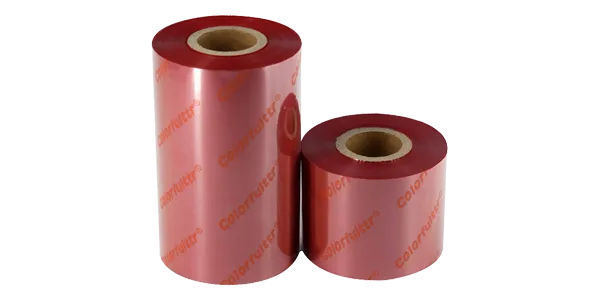
High-grade wax resin thermal transfer ribbon
Premium wax-resin thermal transfer ribbons are specifically engineered for diverse…
View details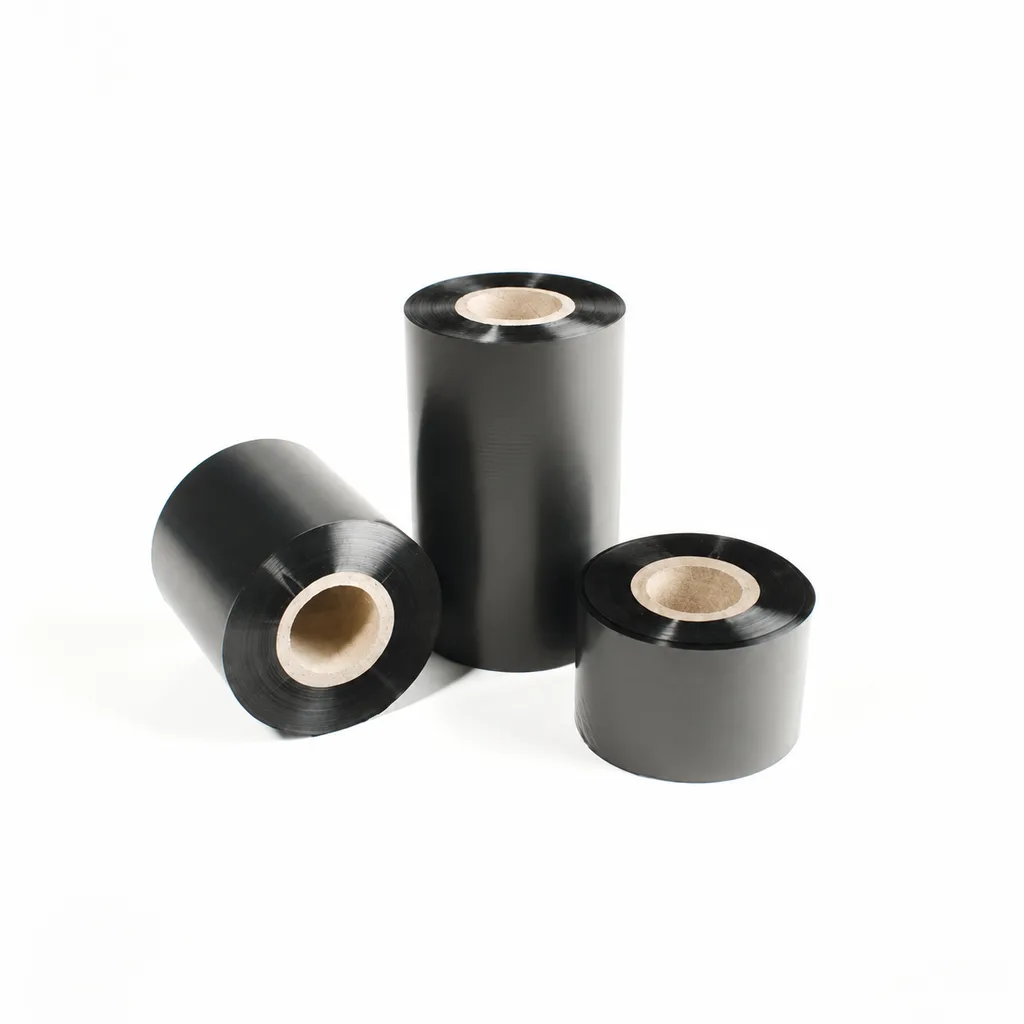
CL-Z112 Enhanced Wax Thermal Transfer Ribbon for Paper Labels and Tags
An enhanced wax thermal transfer ribbon with black ink for paper labels and tags used in retail, warehousing and logistics. It is specified for flat-head printing on desktop or industrial barcode printers at ≤8 inches per second (ips). Select it by checking the actual label material, printer configuration and handling conditions: image-quality, rub-resistance and cold-chamber results were obtained on coated paper, and print quality and image durability may vary with the printer and print medium.
View details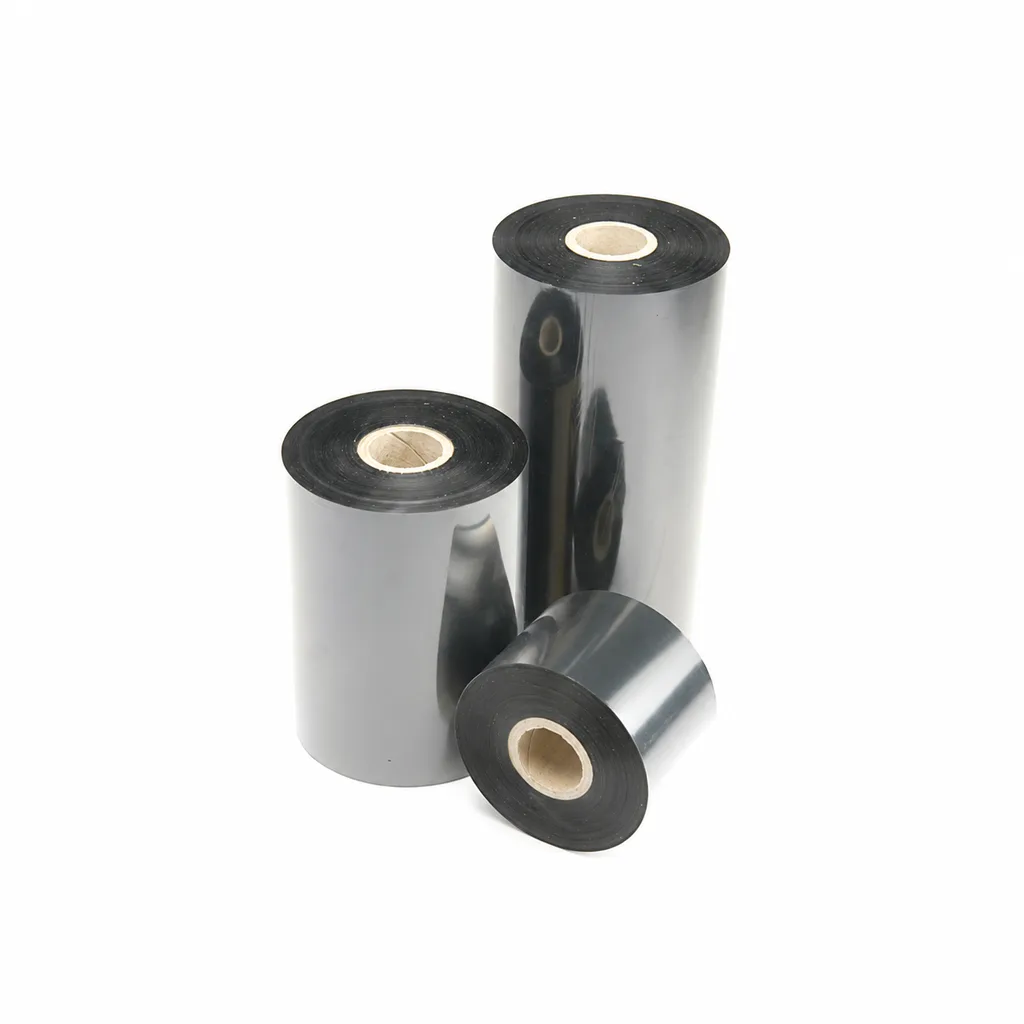
CL-Z213 Near-Edge Wax-Resin Thermal Transfer Ribbon for Barcode Labels
An enhanced black near-edge wax-resin thermal transfer ribbon for near-edge barcode printers and low- to medium-speed thermal transfer overprinting (TTO). Listed applications include retail labels, warehousing, garment tags and packaging identification. Match the printer, actual print medium and operating speed before selection: print quality and image durability can vary with the printer and substrate.
View details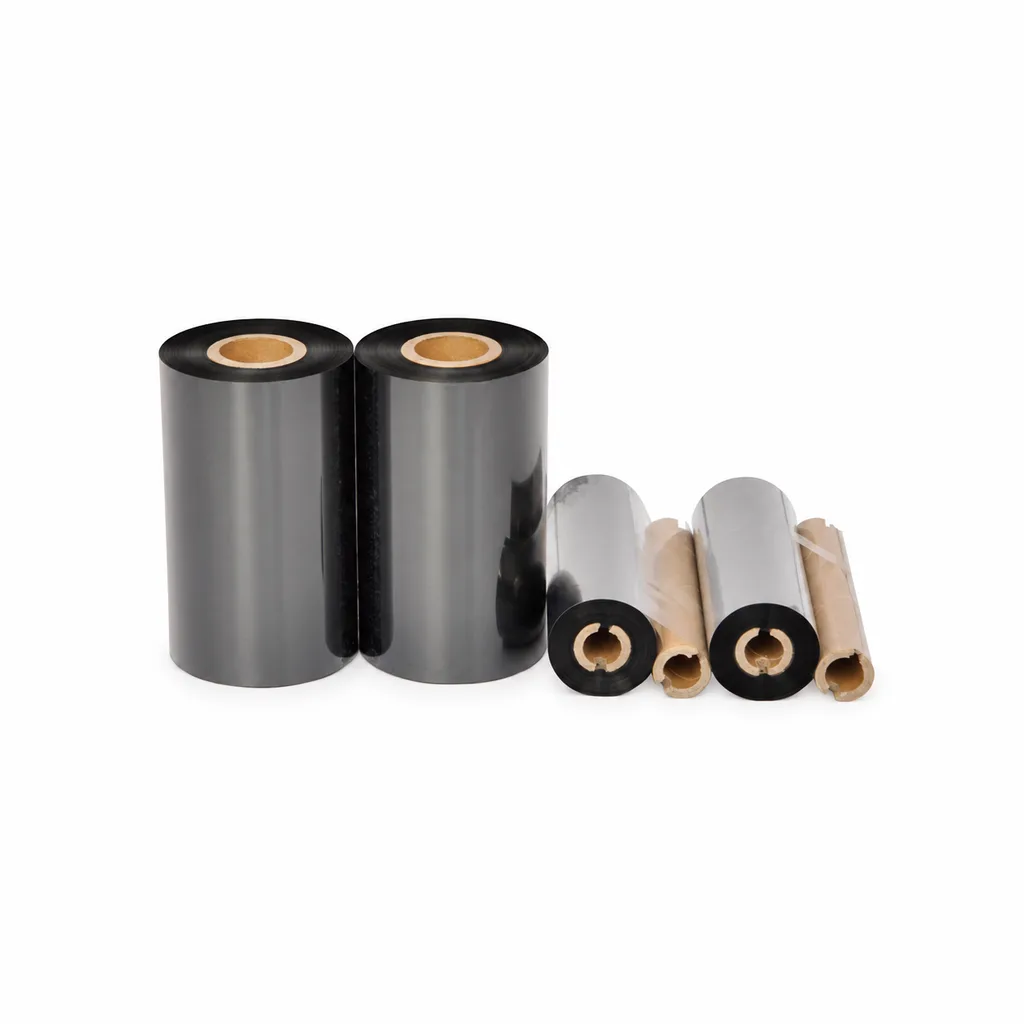
CL-Z908 Wax Thermal Transfer Ribbon for Barcode Labels and Tags
CL-Z908 is an economical black wax thermal transfer ribbon for label and tag printing. Listed applications include retail, warehousing, logistics, clothing tags, simple packaging and production line identification. It is intended for flat-head printing on desktop or industrial barcode printers at speeds of ≤6 inches per second (ips). Select it against your actual paper stock, printer and required image durability: print quality and image durability may vary with the printer and printing substrate.
View detailsNeed the right ribbon for your label application?
Share the label material, printer and operating environment. Our team will recommend a tested combination.
