
Thermal Transfer Ribbon Buying Guide for Barcode Printers in Turkey
Request a solution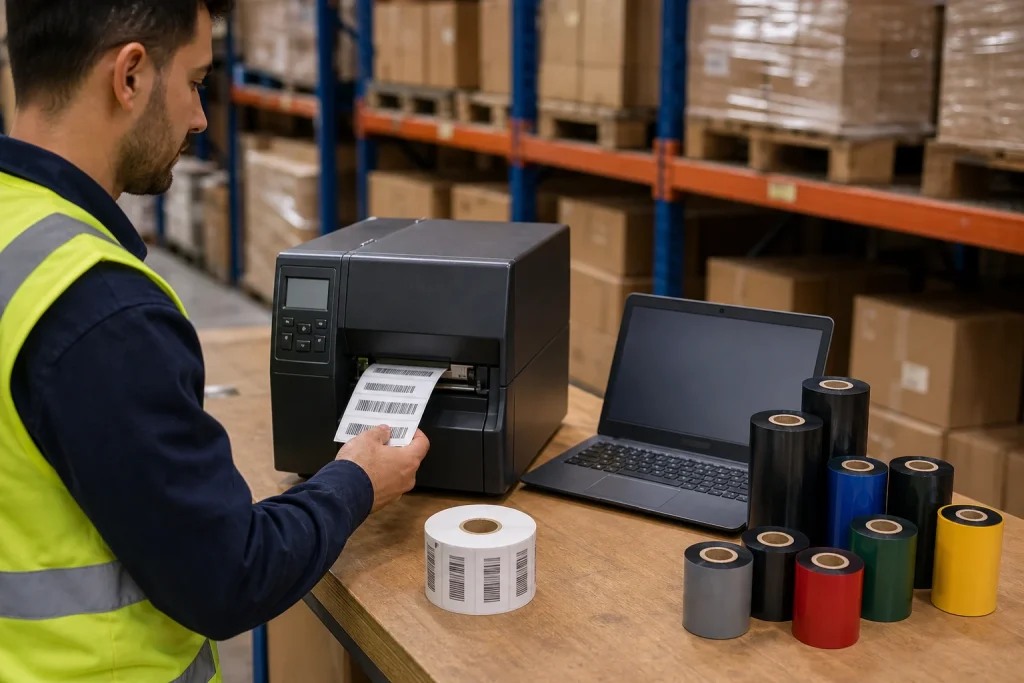
- Original TTR manufacturer since 2013
- Automated coating and slitting
- IQC / IPQC / OQC control
- ANSI barcode grade testing
- -20°C to 120°C environmental testing
- Batch-level traceability
- ANSI barcode grade
- Batch traceability
- RoHS / REACH compliance
- SGS and MSDS documents on request
Key Takeaways
- This guide helps Turkish procurement professionals choose the correct thermal transfer ribbon for barcode printers.
- It explains wax, wax-resin, and resin formulations, highlights the importance of matching ribbon to label and printer, and
Understanding Thermal Transfer Ribbon Types for Barcode Printing
Thermal transfer printing uses a ribbon coated with wax, resin, or a combination of both to transfer ink onto labels. The choice of ribbon directly affects print quality, durability, and cost. For general logistics and paper labels, wax ribbons are the most economical option. They produce crisp barcodes on paper labels but are less resistant to scratching, smudging, and chemicals.
Wax-resin ribbons offer a balance between cost and durability. They are ideal for labels that may face moderate abrasion, moisture, or mild chemical exposure. Resin ribbons provide the highest level of resistance to heat, chemicals, and abrasion, making them suitable for harsh industrial environments, asset tracking, and outdoor applications. Understanding these differences is the first step in selecting the right ribbon for your barcode printer.
In Turkey, where supply chains often involve varying temperatures and handling conditions, choosing the correct ribbon type can prevent label failures and reprints. For example, a wax ribbon may be sufficient for shipping labels, but a resin ribbon is recommended for labels exposed to solvents or extreme temperatures.
- Wax ribbons: economical, best for paper labels in standard logistics.
- Wax-resin ribbons: enhanced scratch resistance, suitable for moderate environments.
- Resin ribbons: maximum durability against chemicals, heat, and abrasion.
- TTO ribbons: designed for thermal transfer overprinting on flexible packaging.
- Color ribbons: used for branding, coding, and visual identification.
Matching Ribbon to Your Barcode Printer and Label Material
Not all ribbons work with every printer. The printer's print head technology, resolution, and ribbon width must be compatible. Most industrial barcode printers use thermal transfer technology, but the ribbon's coating formulation must match the print speed and energy settings. For example, a high-speed printer may require a ribbon with a lower melting point to ensure proper ink transfer.
Label material is equally important. Paper labels typically work well with wax or wax-resin ribbons. Synthetic labels such as polyester or polypropylene require resin or wax-resin ribbons because they are smoother and less absorbent. Using the wrong ribbon can result in poor adhesion, smudging, or faded barcodes.
When selecting a ribbon, consider the label's surface energy and the printer's print darkness settings. A quick test print is always recommended before committing to a large order. Many suppliers, including original manufacturers, offer sample rolls for testing. This ensures that the ribbon performs as expected under your specific conditions.
- Check printer compatibility: ribbon width, core size, and print head type.
- Match ribbon formulation to label material: paper, polypropylene, polyester.
- Consider print speed and energy settings for optimal ink transfer.
- Always request samples for real-world testing before bulk purchase.
Key Factors for Barcode Durability in Turkish Industrial Environments
Barcode labels in Turkey may be exposed to sunlight, heat, friction, oils, and chemicals. These factors can degrade print quality over time. For outdoor logistics or manufacturing settings, a resin ribbon is often necessary to withstand UV exposure and abrasion. Wax-resin ribbons can handle moderate conditions but may fail under extreme stress.
The adhesive on the label also plays a role. If the label is applied to a curved or rough surface, the ribbon must produce a durable image that does not crack or peel. Testing under actual environmental conditions is crucial. For example, a label on a chemical drum may need a resin ribbon that resists solvent spills.
Another consideration is the shelf life of the printed label. Some applications require labels to remain legible for years, such as asset tags or compliance labels. Resin ribbons offer the longest-lasting prints, while wax ribbons are more suitable for short-term use like shipping labels.
- Evaluate exposure to heat, sunlight, friction, oils, and chemicals.
- Choose resin for harsh environments and long-term durability.
- Wax-resin for moderate conditions, wax for standard logistics.
- Test labels under real-world conditions to ensure performance.
How to Choose a Reliable Thermal Transfer Ribbon Manufacturer
When sourcing thermal transfer ribbons, it is essential to work with a manufacturer that has proven experience and production capacity. An original manufacturer with over 10 years of experience and an annual production capacity of 50 million square meters can offer consistent quality and supply stability. Monthly output of more than 200,000 rolls indicates a robust production capability.
Customization options are also important. A manufacturer that offers custom widths from 30 mm to 220 mm and lengths from 70 m to 600 m can accommodate various printer models and label sizes. Additionally, OEM and private label packaging, custom Pantone color matching, and custom formulation support allow you to tailor the ribbon to your specific needs.
Quality certifications are a key indicator of reliability. Look for ISO 9001:2015, RoHS 2.0, REACH, SGS testing, FDA compliance for food contact, and MSDS reports. These certifications ensure that the ribbon meets international safety and quality standards, which is particularly important for food packaging and export-oriented businesses.
- Verify manufacturer experience and production capacity.
- Check customization options: width, length, packaging, and color.
- Look for quality certifications: ISO 9001, RoHS, REACH, SGS, FDA.
- Request samples and confirm lead times with the sales team.
Practical Steps for Testing and Validating Ribbon Performance
Before making a bulk purchase, it is wise to conduct a trial run. Obtain sample rolls from the manufacturer and test them on your actual printer and label stock. Print a variety of barcodes, including different sizes and densities, to evaluate print quality. Use a barcode verifier to check that the barcodes meet industry standards such as ISO/IEC 15416.
Simulate real-world conditions: expose the printed labels to heat, moisture, and abrasion. For example, rub the label with a cloth or expose it to a heat source to see if the ink smears or fades. This will help you determine the appropriate ribbon type for your application.
Also, consider the printer's maintenance. Using a ribbon that is too abrasive can wear out the print head prematurely. A quality ribbon should have a smooth coating that protects the print head. Check the manufacturer's recommendations for print speed and energy settings to optimize ribbon life and print quality.
- Request samples and test on your own printer and labels.
- Use a barcode verifier to ensure compliance with standards.
- Simulate environmental conditions to test durability.
- Monitor print head wear to avoid premature damage.
Specialty Ribbons: TTO and Color Options for Packaging and Branding
Thermal transfer overprinting (TTO) ribbons are used in packaging lines to print variable information such as expiration dates, batch numbers, and barcodes directly onto flexible films. These ribbons are designed to work with TTO printers and offer high-speed printing with excellent adhesion to various packaging materials. They are available in wax-resin and resin formulations to suit different film types.
Color ribbons, such as red, green, and yellow, are used for branding and coding applications where color coding is required. For example, a manufacturer might use a red ribbon to print 'Expired' labels or a green ribbon for 'Organic' certification. Color ribbons can also be used for decorative purposes on labels.
When selecting TTO or color ribbons, ensure they are compatible with your printer and the substrate. TTO ribbons typically have a back coating that protects the print head and ensures smooth feeding. Color ribbons may have different coating formulations to achieve the desired color intensity and durability. Always test these ribbons under your production conditions to ensure they meet your requirements.
- TTO ribbons for variable data printing on packaging films.
- Color ribbons for branding, coding, and visual identification.
- Ensure compatibility with printer and substrate.
- Test TTO and color ribbons for adhesion and durability.
Frequently Asked Questions
What is the difference between wax, wax-resin, and resin thermal transfer ribbons?
Wax ribbons are economical and best for paper labels in standard logistics. Wax-resin ribbons offer enhanced scratch resistance and are suitable for moderate environments. Resin ribbons provide maximum durability against chemicals, heat, and abrasion, making them ideal for harsh industrial applications.
How do I know which ribbon is compatible with my barcode printer?
Check your printer's specifications for ribbon width, core size, and print head type. Also, consider the label material and print speed. Most manufacturers provide compatibility charts, and it is always recommended to test a sample before bulk purchase.
Can I use a wax ribbon on synthetic labels?
It is not recommended. Synthetic labels like polyester or polypropylene have a smoother surface that requires a resin or wax-resin ribbon for proper ink adhesion. Using a wax ribbon may result in poor print quality and smudging.
What certifications should I look for in a thermal transfer ribbon manufacturer?
Look for ISO 9001:2015, RoHS 2.0, REACH, SGS testing, FDA compliance for food contact, and MSDS reports. These certifications ensure quality and safety standards are met.
How can I test a ribbon before making a large order?
Request sample rolls from the manufacturer and test them on your own printer and label stock. Print barcodes and evaluate print quality, then simulate environmental conditions to check durability. Use a barcode verifier to ensure compliance with standards.
Related Products & Guides
Recommended products for this industry
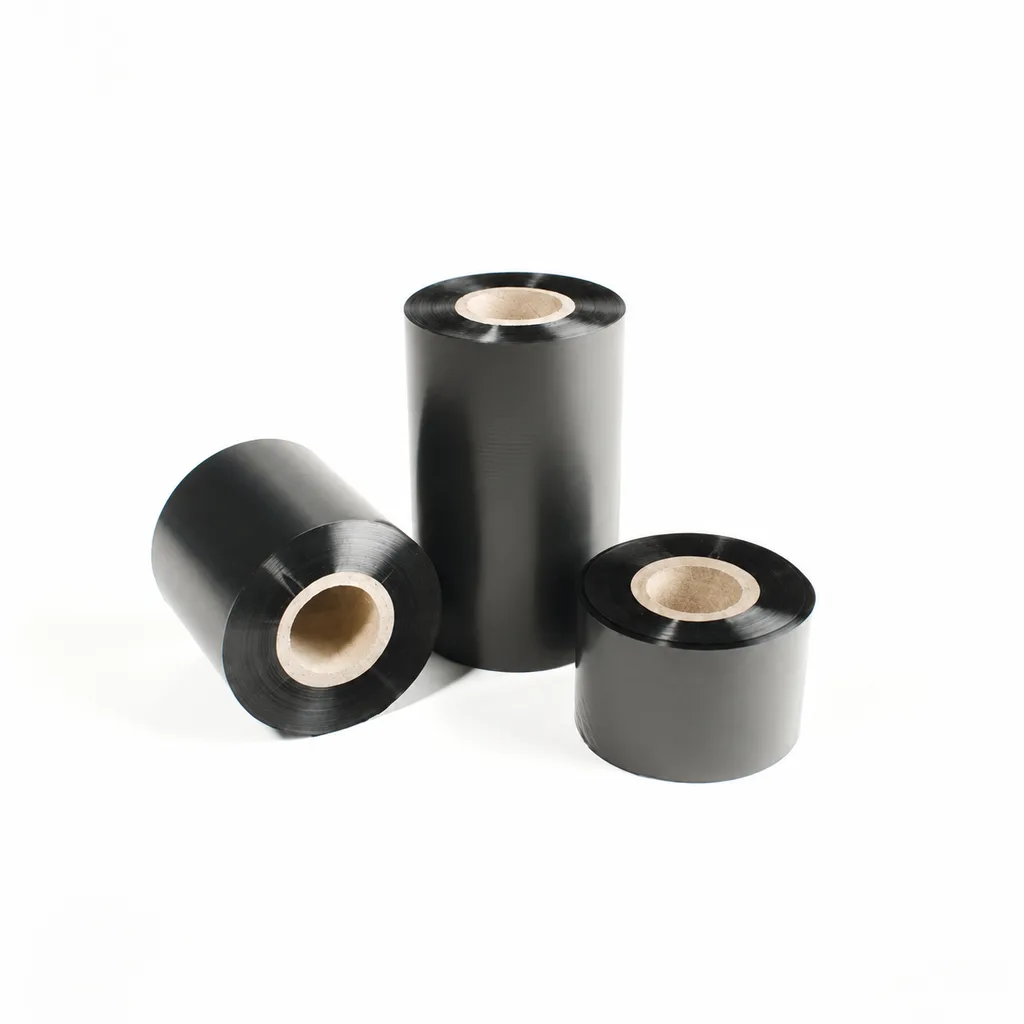
CL-Z112 Enhanced Wax Thermal Transfer Ribbon for Paper Labels and Tags
An enhanced wax thermal transfer ribbon with black ink for paper labels and tags used in retail, warehousing and logistics. It is specified for flat-head printing on desktop or industrial barcode printers at ≤8 inches per second (ips). Select it by checking the actual label material, printer configuration and handling conditions: image-quality, rub-resistance and cold-chamber results were obtained on coated paper, and print quality and image durability may vary with the printer and print medium.
View details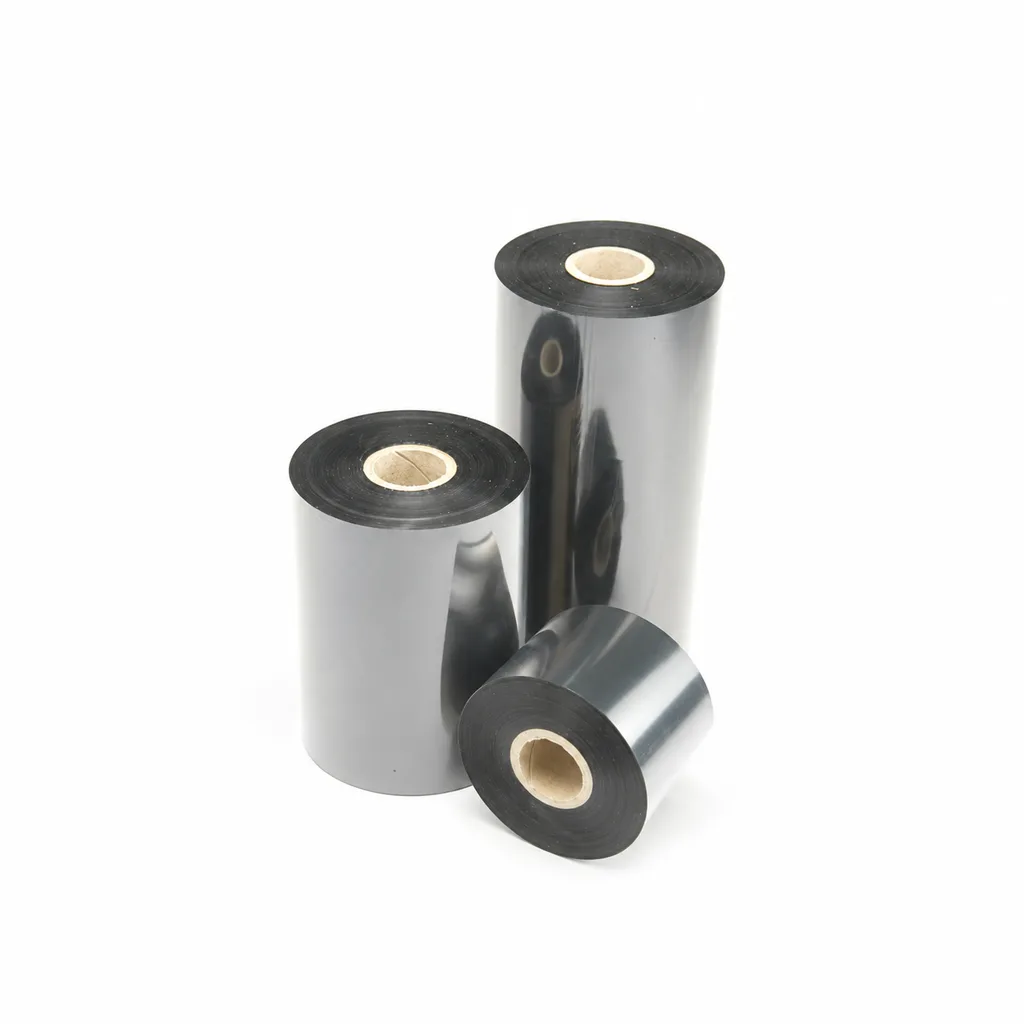
CL-Z203 Wax-Resin Thermal Transfer Ribbon for Barcode Labels
A black wax-resin thermal transfer ribbon for flat-head printing, with listed applications including retail, warehousing, logistics and garment tags. Select it against your actual label material and desktop or industrial barcode printer at speeds ≤6 ips (inches per second). Fine-line, small-text and durability results were obtained on coated paper; print quality and image durability may vary with the printer and printing substrate.
View details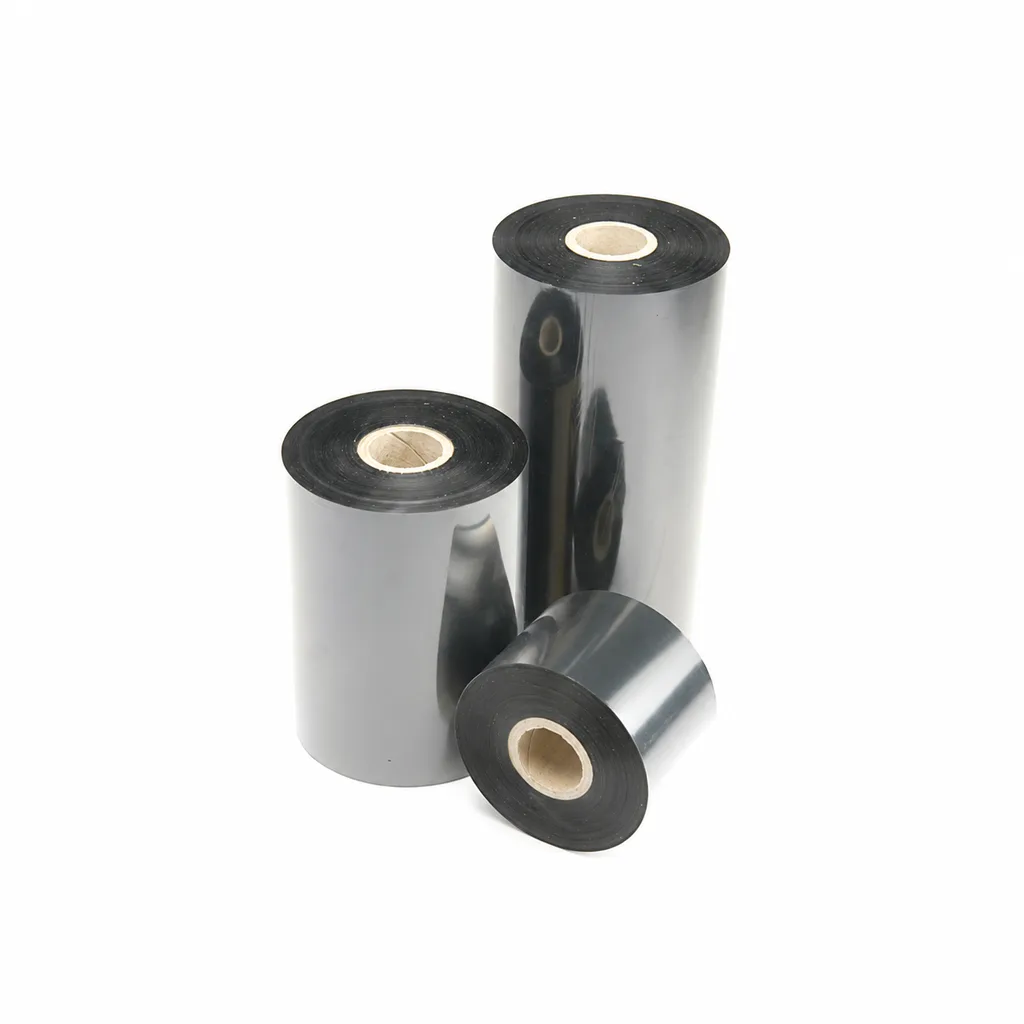
CL-Z213 Near-Edge Wax-Resin Thermal Transfer Ribbon for Barcode Labels
An enhanced black near-edge wax-resin thermal transfer ribbon for near-edge barcode printers and low- to medium-speed thermal transfer overprinting (TTO). Listed applications include retail labels, warehousing, garment tags and packaging identification. Match the printer, actual print medium and operating speed before selection: print quality and image durability can vary with the printer and substrate.
View details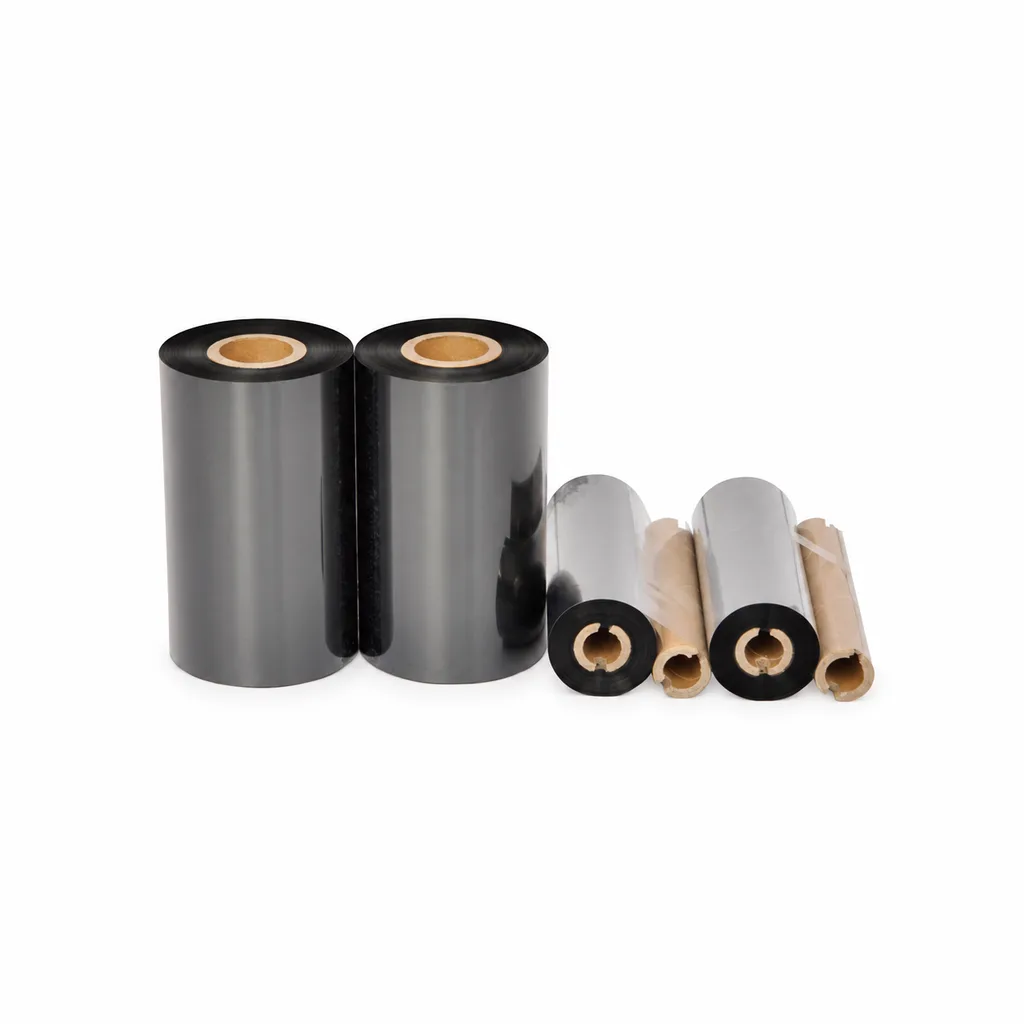
CL-Z908 Wax Thermal Transfer Ribbon for Barcode Labels and Tags
CL-Z908 is an economical black wax thermal transfer ribbon for label and tag printing. Listed applications include retail, warehousing, logistics, clothing tags, simple packaging and production line identification. It is intended for flat-head printing on desktop or industrial barcode printers at speeds of ≤6 inches per second (ips). Select it against your actual paper stock, printer and required image durability: print quality and image durability may vary with the printer and printing substrate.
View detailsNeed the right ribbon for your label application?
Share the label material, printer and operating environment. Our team will recommend a tested combination.
