
Thermal Transfer Ribbon Supplier in Brazil: A Factory Buyer's Guide
Request a solution
- Original TTR manufacturer since 2013
- Automated coating and slitting
- IQC / IPQC / OQC control
- ANSI barcode grade testing
- -20°C to 120°C environmental testing
- Batch-level traceability
- ANSI barcode grade
- Batch traceability
- RoHS / REACH compliance
- SGS and MSDS documents on request
Key Takeaways
- This guide helps Brazilian industrial buyers select a dependable thermal transfer ribbon supplier.
- It explains the main ribbon categories—wax, wax-resin, resin, TTO, and color ribbons—and their best applications, from general logistics labels to chemical-resistant and high-heat environments.
- Key supplier evaluation criteria include production capacity, customization options, quality certifications, and technical support.
Understanding Thermal Transfer Ribbon Types for Your Application
Selecting the right thermal transfer ribbon is the first step in ensuring print quality and durability. The three primary categories are wax, wax-resin, and resin ribbons, each designed for specific label materials and environmental conditions.
Wax ribbons are the most economical and are commonly used for paper labels in general logistics, shipping, and retail. They produce good print quality on coated paper but offer limited resistance to scratching, smudging, and chemicals.
Wax-resin ribbons provide enhanced scratch resistance and are suitable for a wider range of materials, including some synthetic labels. They are often chosen for applications where labels may face moderate handling or exposure to oils and mild chemicals.
- Wax: best for paper labels in dry, indoor conditions
- Wax-resin: adds scratch resistance for moderate durability
- Resin: for chemical, heat, and abrasion resistance
- TTO: for high-speed packaging coding on flexible films
- Color ribbons: for branding and color-coded labels

Key Criteria for Evaluating a Thermal Transfer Ribbon Supplier
When sourcing thermal transfer ribbons in Brazil, the supplier's reliability directly impacts your production uptime and label quality. A poor supplier choice can lead to printing failures, customer complaints, and costly downtime.
Start by assessing the supplier's production capacity. A manufacturer with an annual capacity of 50 million square meters and monthly output exceeding 200,000 rolls can handle bulk orders and maintain consistent supply, which is crucial for large-scale operations.
Customization is another important factor. Look for suppliers that offer custom widths from 30 mm to 220 mm and custom lengths from 70 m to 600 m, as well as OEM and private label packaging. This flexibility allows you to tailor ribbons to your specific printer models and application needs.
- Production capacity and monthly output
- Custom width and length options
- OEM and private label support
- Technical expertise and after-sales support
- Delivery reliability and lead times
Verifying Factory Capabilities and Quality Certifications
A credible thermal transfer ribbon supplier should have verifiable quality management systems. Look for certifications such as ISO 9001:2015, which indicates a commitment to consistent quality control processes.
Environmental and safety compliance is also important. RoHS 2.0 and REACH certifications ensure that the ribbons meet European restrictions on hazardous substances, which is relevant for international trade and corporate sustainability goals.
For food contact applications, FDA compliance is essential. If your labels come into contact with food products, the ribbon must be safe for indirect food contact. MSDS reports provide safety data for handling and storage.
- ISO 9001:2015 for quality management
- RoHS 2.0 and REACH for environmental compliance
- FDA compliance for food contact safety
- SGS testing for independent performance verification
- MSDS reports for safe handling

The Importance of Sample Testing and Pilot Runs
Before committing to a large order, always request samples and conduct pilot runs. This step is critical to verify that the ribbon performs well with your printers, label materials, and environmental conditions.
Test the ribbon under real-world conditions, including different print speeds, temperatures, and handling scenarios. Check for print clarity, smudge resistance, and adhesion to the label substrate.
Pay attention to ribbon winding direction and core size. These specifications must match your printer's requirements. Common core sizes include 1 inch and 0.5 inch, but confirm with your equipment manual.
- Request samples for each ribbon type you are considering
- Test with your actual printers and label materials
- Verify core size, width, and winding direction
- Assess print quality and durability under your conditions
- Use pilot runs to fine-tune settings and avoid bulk order mistakes
Procurement Checklist for Brazilian Buyers
To streamline your purchasing process, use a structured checklist. This ensures you cover all critical aspects and avoid common pitfalls.
First, define your label material and application environment. This will determine the ribbon type—wax, wax-resin, or resin—and the required durability level.
Next, specify your ribbon dimensions: width, length, core size, and winding direction. Confirm these with your printer's specifications to ensure compatibility.
- Define label material and durability needs
- Specify ribbon dimensions and core size
- Check customization options (OEM, private label, colors)
- Verify quality certifications and test reports
- Confirm lead times and MOQ
Common Mistakes to Avoid When Choosing a Supplier
Many buyers make avoidable mistakes when sourcing thermal transfer ribbons. One common error is choosing the cheapest option without considering print quality and durability, leading to higher replacement costs and downtime.
Another mistake is ignoring the printer specifications. Using a ribbon with the wrong width or core size can cause jams and poor print quality. Always match the ribbon to your printer's requirements.
Overlooking the label material is also problematic. Wax ribbons on synthetic labels may not adhere properly, resulting in smudging or fading. Use the appropriate ribbon type for your substrate.
- Don't choose solely on price; consider total cost of ownership
- Match ribbon specifications to your printer
- Use the correct ribbon type for your label material
- Verify supplier certifications and test samples
- Plan for lead times and maintain safety stock
Frequently Asked Questions
What is the difference between wax, wax-resin, and resin thermal transfer ribbons?
Wax ribbons are economical and best for paper labels in dry conditions. Wax-resin ribbons offer better scratch resistance and are suitable for some synthetic labels. Resin ribbons provide the highest durability against chemicals, heat, and abrasion, making them ideal for demanding applications.
How do I know which ribbon width and length to order?
Check your printer's specifications for the maximum ribbon width and core size. The ribbon width should match or slightly exceed the label width. Length depends on your usage volume and roll capacity. Custom options are available, such as widths from 30 mm to 220 mm and lengths from 70 m to 600 m.
What certifications should a reliable thermal transfer ribbon supplier have?
Look for ISO 9001:2015 for quality management, RoHS 2.0 and REACH for environmental compliance, FDA compliance for food contact applications, and SGS testing for independent performance verification. MSDS reports are also important for safe handling.
Why is sample testing important before placing a bulk order?
Sample testing allows you to verify that the ribbon performs well with your printers, label materials, and environmental conditions. It helps identify compatibility issues, print quality problems, and durability concerns before you commit to a large order, saving time and money.
Can I get custom colors or private labeling for thermal transfer ribbons?
Yes, many manufacturers offer OEM and private label packaging, custom Pantone color matching, and custom formulations. This is useful for branding and specific application requirements. Confirm these options with the supplier before ordering.
Related Products & Guides
Recommended products for this industry
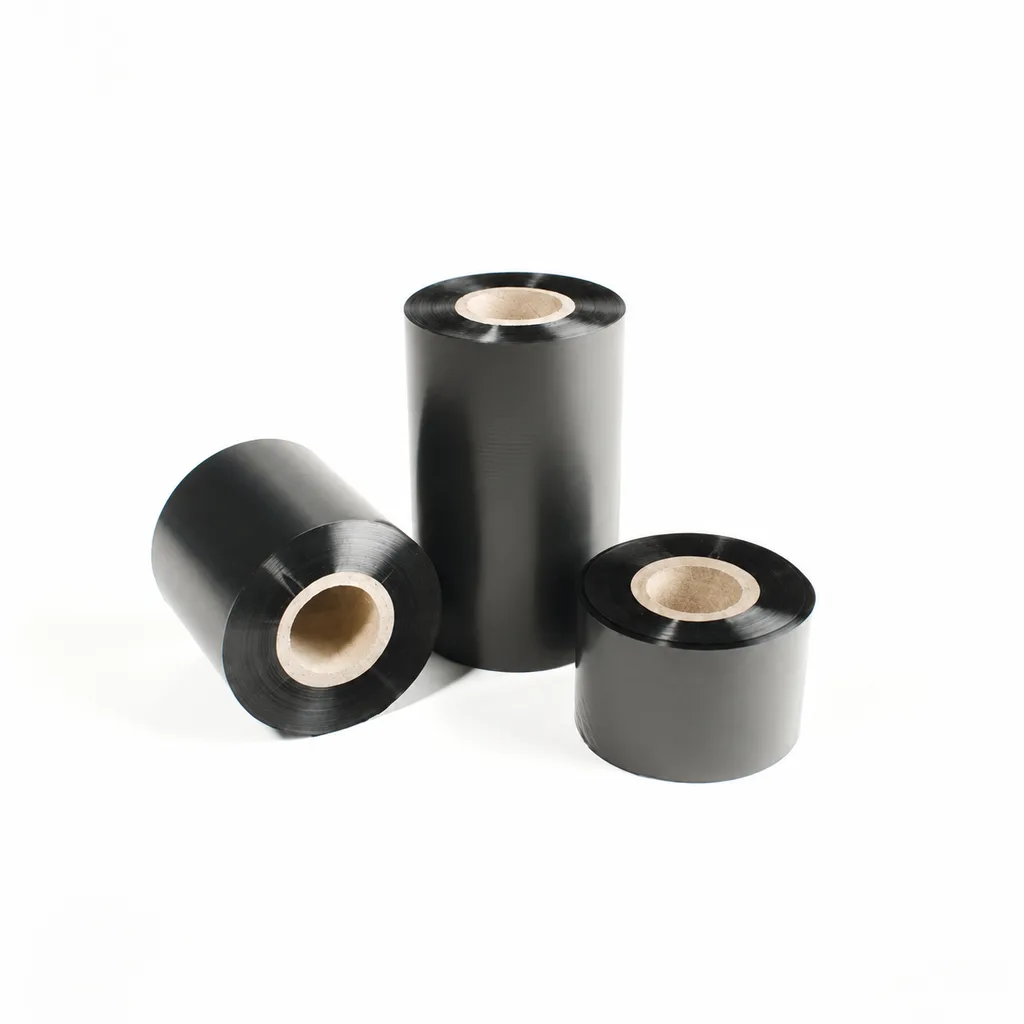
CL-Z112 Enhanced Wax Thermal Transfer Ribbon for Paper Labels and Tags
An enhanced wax thermal transfer ribbon with black ink for paper labels and tags used in retail, warehousing and logistics. It is specified for flat-head printing on desktop or industrial barcode printers at ≤8 inches per second (ips). Select it by checking the actual label material, printer configuration and handling conditions: image-quality, rub-resistance and cold-chamber results were obtained on coated paper, and print quality and image durability may vary with the printer and print medium.
View details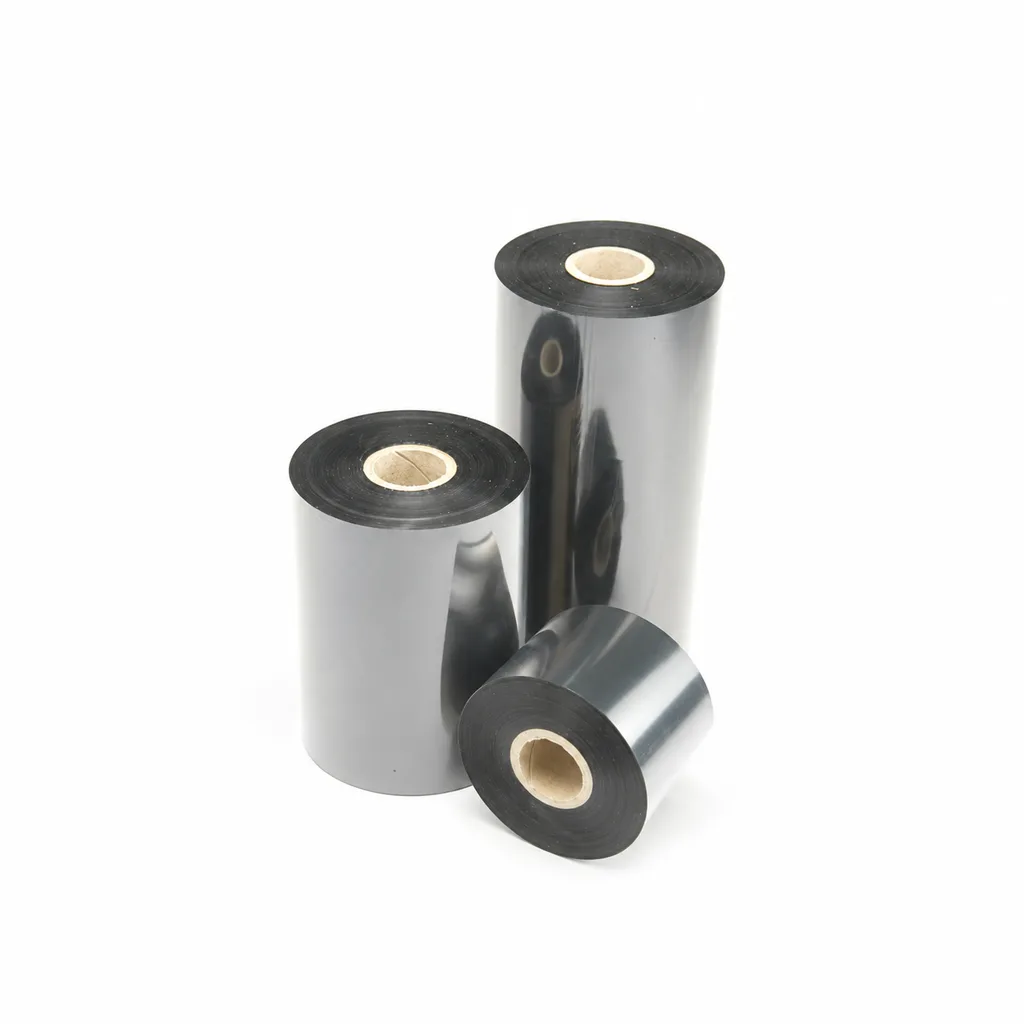
CL-Z203 Wax-Resin Thermal Transfer Ribbon for Barcode Labels
A black wax-resin thermal transfer ribbon for flat-head printing, with listed applications including retail, warehousing, logistics and garment tags. Select it against your actual label material and desktop or industrial barcode printer at speeds ≤6 ips (inches per second). Fine-line, small-text and durability results were obtained on coated paper; print quality and image durability may vary with the printer and printing substrate.
View details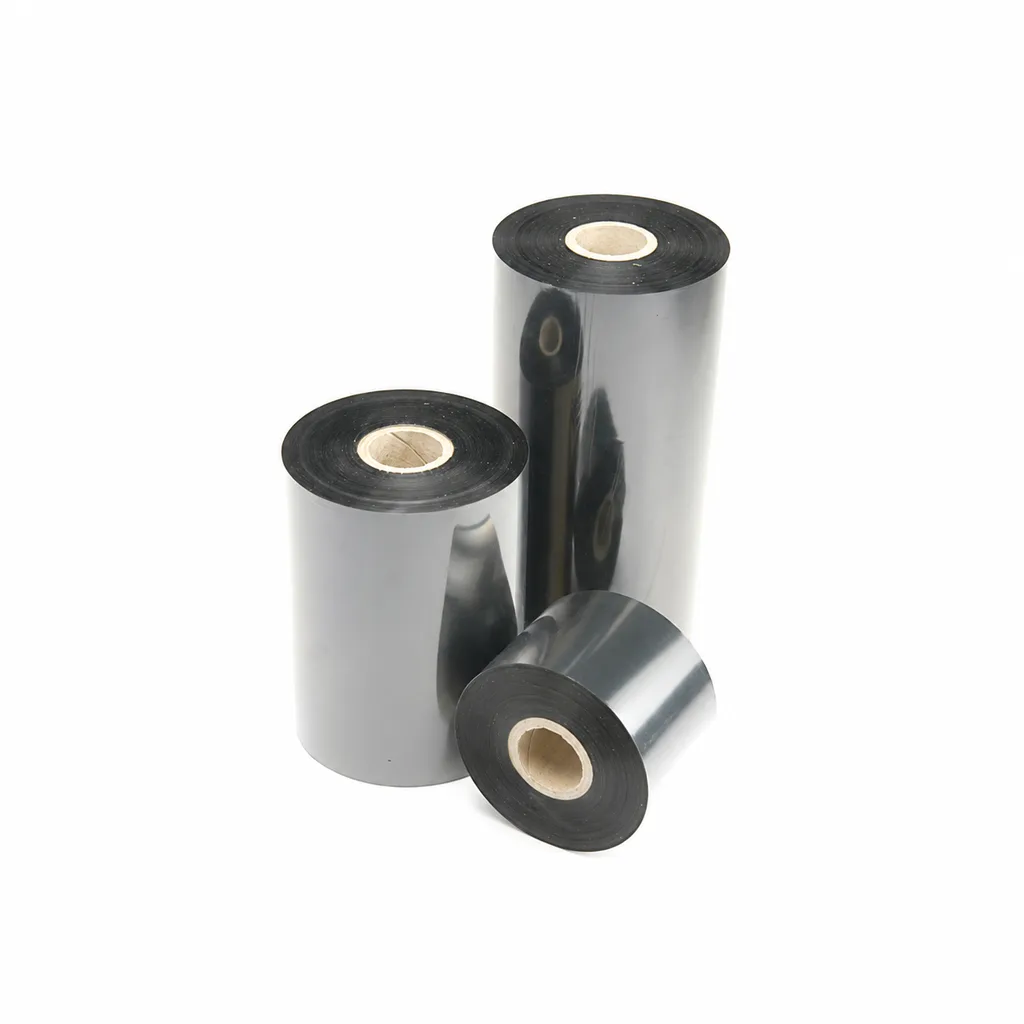
CL-Z213 Near-Edge Wax-Resin Thermal Transfer Ribbon for Barcode Labels
An enhanced black near-edge wax-resin thermal transfer ribbon for near-edge barcode printers and low- to medium-speed thermal transfer overprinting (TTO). Listed applications include retail labels, warehousing, garment tags and packaging identification. Match the printer, actual print medium and operating speed before selection: print quality and image durability can vary with the printer and substrate.
View details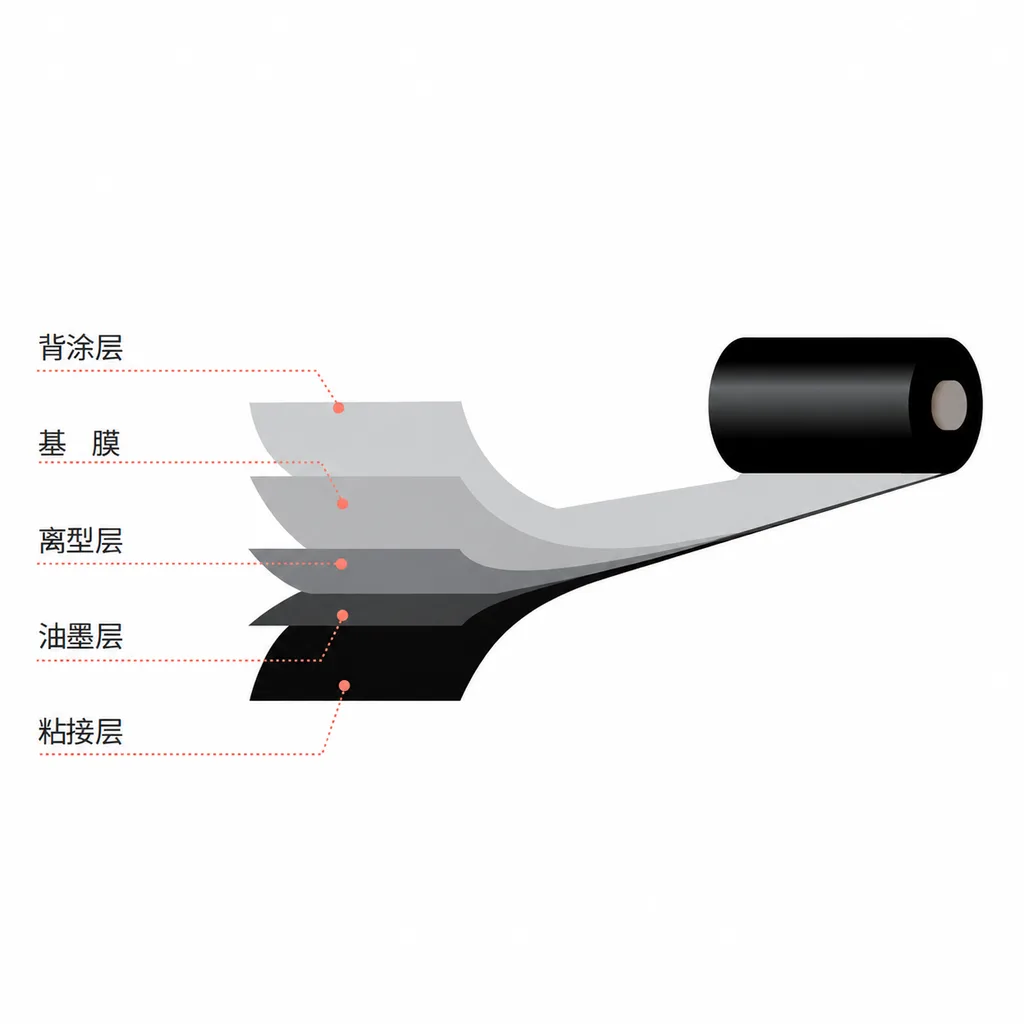
CL-Z312 Resin Thermal Transfer Ribbon for Packaging Printing
CL-Z312 is a black, general-purpose resin ribbon for thermal transfer overprinting (TTO), with packaging and retail label applications listed in the product information. Its abrasion, alcohol and oil resistance data were obtained on polyethylene terephthalate (PET). Select it against your actual packaging material, printer and production speed: print quality and image durability can vary with the printer and substrate, and the material chart percentages are not defined as pass rates.
View detailsNeed the right ribbon for your label application?
Share the label material, printer and operating environment. Our team will recommend a tested combination.
