
Thermal Transfer Ribbon Manufacturer Selection Guide for Wash Care and Textile Labels
Request a solution
- Original TTR manufacturer since 2013
- Automated coating and slitting
- IQC / IPQC / OQC control
- ANSI barcode grade testing
- -20°C to 120°C environmental testing
- Batch-level traceability
- ANSI barcode grade
- Batch traceability
- RoHS / REACH compliance
- SGS and MSDS documents on request
Key Takeaways
- This guide helps procurement professionals select a reliable thermal transfer ribbon manufacturer for wash care and textile labels.
- It explains the critical difference between hybrid and resin ribbons, emphasizing that resin ribbons offer superior resistance to washing, dry cleaning, and ironing, while hybrid ribbons suit less demanding wash cycles.
- The guide outlines key purchasing decisions: label material compatibility, ribbon wax/resin ratio, width and length customization, and core size.
Why Ribbon Selection Matters for Wash Care Labels
Wash care labels are subjected to repeated washing, dry cleaning, and ironing. The printed information must remain legible throughout the garment's life. Thermal transfer printing is the preferred method for durable labels, and the ribbon type directly determines print durability.
For textile labels, two main ribbon categories are used: hybrid and resin. Hybrid ribbons offer good durability for moderate wash conditions, while resin ribbons provide superior resistance to chemicals, heat, and abrasion. The final choice depends on the label material and the wash test standard your products must meet.
Selecting the wrong ribbon can lead to faded labels, smudged barcodes, or delamination. This guide helps procurement teams understand the technical requirements and evaluate manufacturers accordingly.
- Hybrid ribbons balance cost and durability for standard wash cycles.
- Resin ribbons withstand aggressive washing, dry cleaning, and ironing.
- Label material (polyester, nylon, or cotton) affects ribbon compatibility.
Key Purchasing Decisions for Thermal Transfer Ribbons
When sourcing thermal transfer ribbons for wash care labels, several parameters must be defined. First, confirm the label width and length. Ribbons are available in custom widths from 30 mm to 220 mm and lengths from 70 m to 600 m, allowing exact matching to your label dimensions and reducing waste.
Second, determine the ribbon formulation. For textile labels, a wash care hybrid or resin ribbon is typically selected. Resin ribbons are recommended for labels that must survive industrial laundering or frequent ironing. Hybrid ribbons are suitable for less demanding applications.
Third, consider the ribbon's core size and winding direction. These must match your printer model. Most thermal transfer printers use a 1-inch core, but some require 0.5-inch or 0.75-inch cores. Verify the outside diameter to ensure compatibility with your printer's ribbon supply hub.
- Custom widths and lengths reduce material waste and cost.
- Resin ribbons are essential for high-temperature ironing resistance.
- Core size and winding direction must match printer specifications.
- Custom colors and private label packaging support brand identity.
Evaluating Factory Capabilities and Production Capacity
A reliable thermal transfer ribbon manufacturer must demonstrate consistent production capacity and technical expertise. Look for an original manufacturer with a proven track record, such as one operating since 2014 with over 10 years of experience. Annual production capacity of 50 million square meters and monthly output exceeding 200,000 rolls indicate a stable supply chain.
Custom formulation support is crucial for wash care labels. A manufacturer that can adjust the ribbon's resin ratio or coating to meet specific wash test standards adds significant value. Ask about their ability to develop custom formulations for unusual label materials or extreme wash conditions.
Quality management systems are non-negotiable. Certifications like ISO 9001:2015 ensure consistent production processes. Environmental and safety compliance, including RoHS 2.0 and REACH, is essential for exporting to international markets. SGS testing and FDA compliance for food contact may be relevant if your labels come into contact with food products.
- Production capacity of 50 million m²/year ensures supply stability.
- Custom formulation support allows tailoring to wash standards.
- ISO 9001:2015, RoHS, REACH, and SGS testing demonstrate quality commitment.
- Confirm lead times for samples and bulk orders before committing.
Supplier Verification and Quality Assurance
Before finalizing a manufacturer, request samples and conduct your own wash tests. Simulate the exact conditions your labels will face: washing temperature, detergent type, drying method, and ironing temperature. Compare the print quality before and after these tests.
Review the manufacturer's test reports and certifications. SGS testing provides independent verification of ribbon performance. MSDS reports confirm safe handling and storage. If your labels are used on food products, FDA compliance is a must.
Visit the factory if possible or request a virtual tour. A transparent manufacturer will share production floor photos, quality control procedures, and equipment details. Check their response time and willingness to answer technical questions—this indicates their customer support quality.
- Conduct independent wash tests on samples before bulk ordering.
- Verify certifications: ISO 9001:2015, RoHS, REACH, SGS, FDA.
- Assess manufacturer transparency and technical support.
- Ensure scalability of production to meet future demand.
Checklist for Procurement Teams
Use this checklist to streamline your supplier selection process. First, define your label specifications: material, size, and wash durability requirements. Second, shortlist manufacturers that offer custom widths and lengths. Third, request samples and test them under your specific wash conditions.
Fourth, verify the manufacturer's certifications and request copies of test reports. Fifth, confirm lead times and minimum order quantities. Sixth, evaluate their communication and responsiveness. Finally, negotiate pricing based on volume and long-term partnership.
By following this checklist, you can secure a reliable thermal transfer ribbon supplier that meets your quality and cost objectives.
- Define label material and wash test standards.
- Shortlist manufacturers with custom capabilities.
- Test samples under real conditions.
- Verify certifications and test reports.
- Confirm lead times and MOQs.
- Assess communication and support.
Frequently Asked Questions
What is the difference between hybrid and resin thermal transfer ribbons for wash care labels?
Hybrid ribbons have a wax-resin coating that offers good durability for moderate washing. Resin ribbons use a pure resin coating that provides superior resistance to washing, dry cleaning, and ironing. For garments that undergo industrial laundering or high-temperature ironing, resin ribbons are recommended. The choic…
How do I choose the right ribbon width and length for my labels?
The ribbon width should match or slightly exceed the label width to ensure full coverage. Custom widths from 30 mm to 220 mm are available. The length depends on your label size and print volume; lengths range from 70 m to 600 m. Choosing the correct length reduces roll changes and waste. Also, verify the core size an…
What certifications should a thermal transfer ribbon manufacturer have?
Look for ISO 9001:2015 for quality management, RoHS 2.0 and REACH for environmental compliance, and SGS testing for independent performance verification. If your labels may contact food, FDA compliance is important. MSDS reports ensure safe handling. These certifications indicate a manufacturer's commitment to quality…
Can a manufacturer provide custom ribbon formulations for specific wash requirements?
Yes, reputable manufacturers offer custom formulation support. They can adjust the resin ratio or coating to meet specific wash test standards or label materials. This is particularly useful for textile labels that must withstand aggressive washing or ironing. Discuss your requirements with the manufacturer's technica…
Related Products & Guides
Recommended products for this industry
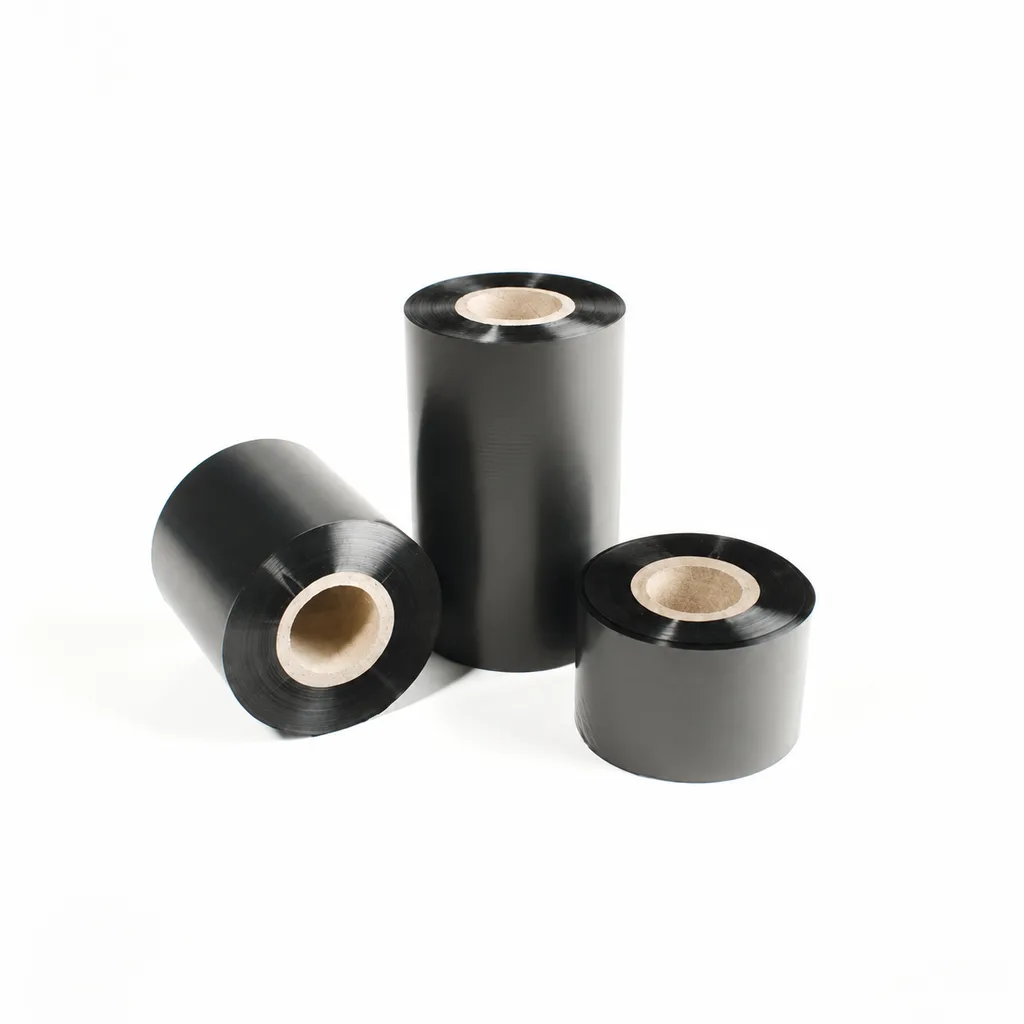
CL-Z112 Enhanced Wax Thermal Transfer Ribbon for Paper Labels and Tags
An enhanced wax thermal transfer ribbon with black ink for paper labels and tags used in retail, warehousing and logistics. It is specified for flat-head printing on desktop or industrial barcode printers at ≤8 inches per second (ips). Select it by checking the actual label material, printer configuration and handling conditions: image-quality, rub-resistance and cold-chamber results were obtained on coated paper, and print quality and image durability may vary with the printer and print medium.
View details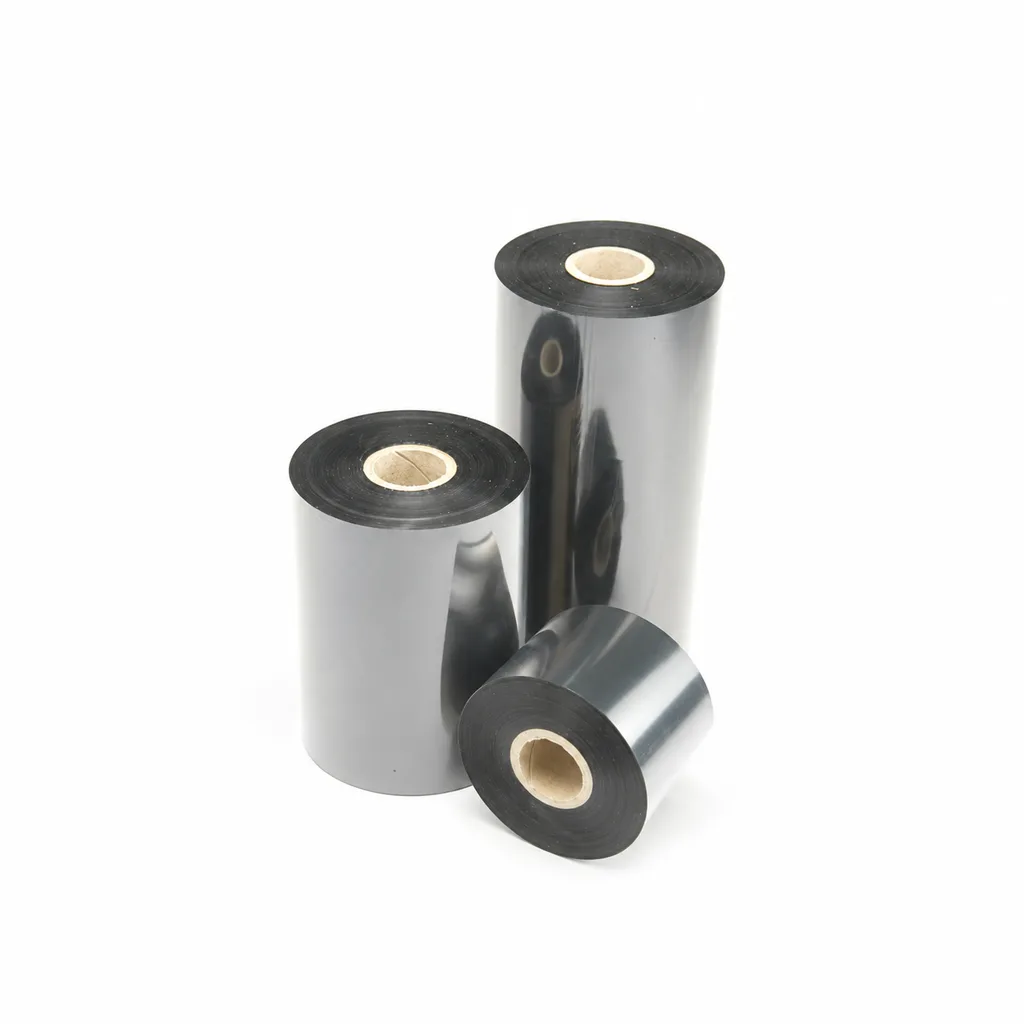
CL-Z203 Wax-Resin Thermal Transfer Ribbon for Barcode Labels
A black wax-resin thermal transfer ribbon for flat-head printing, with listed applications including retail, warehousing, logistics and garment tags. Select it against your actual label material and desktop or industrial barcode printer at speeds ≤6 ips (inches per second). Fine-line, small-text and durability results were obtained on coated paper; print quality and image durability may vary with the printer and printing substrate.
View details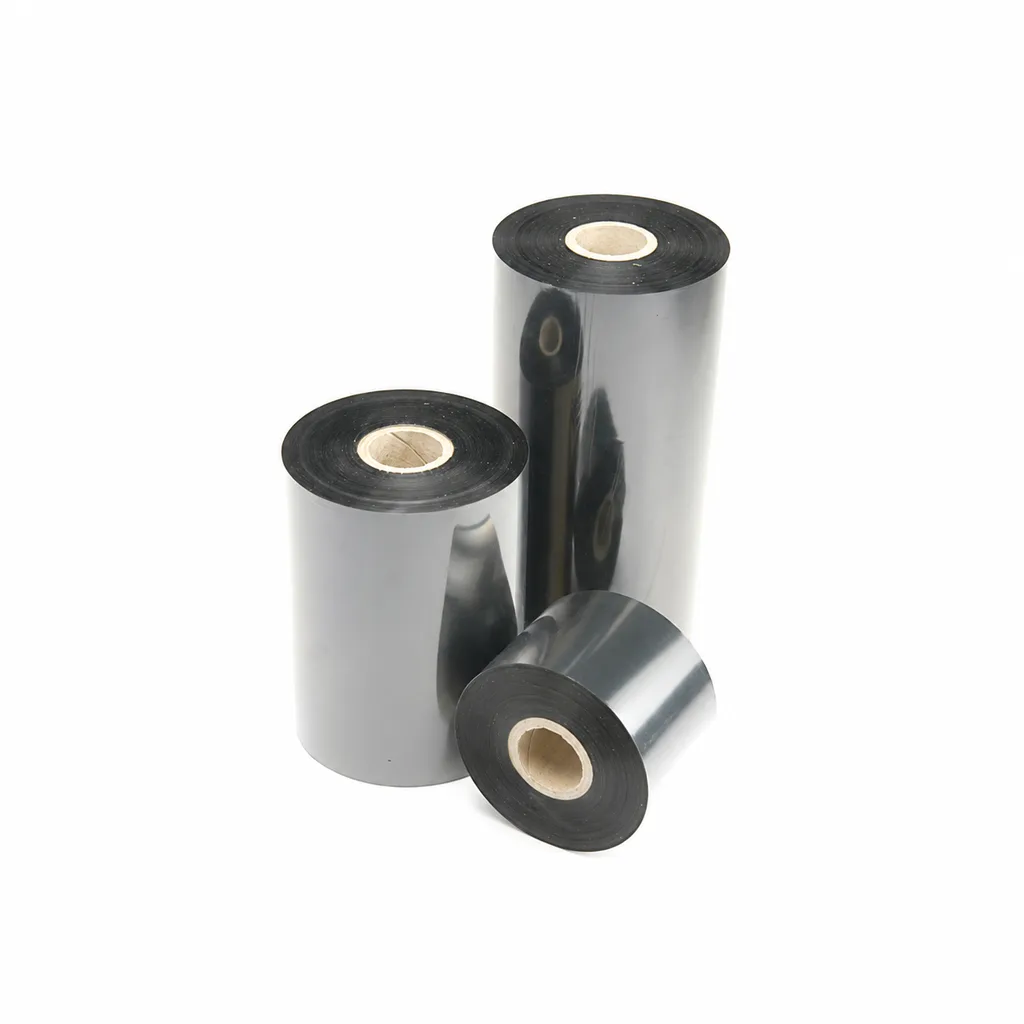
CL-Z213 Near-Edge Wax-Resin Thermal Transfer Ribbon for Barcode Labels
An enhanced black near-edge wax-resin thermal transfer ribbon for near-edge barcode printers and low- to medium-speed thermal transfer overprinting (TTO). Listed applications include retail labels, warehousing, garment tags and packaging identification. Match the printer, actual print medium and operating speed before selection: print quality and image durability can vary with the printer and substrate.
View details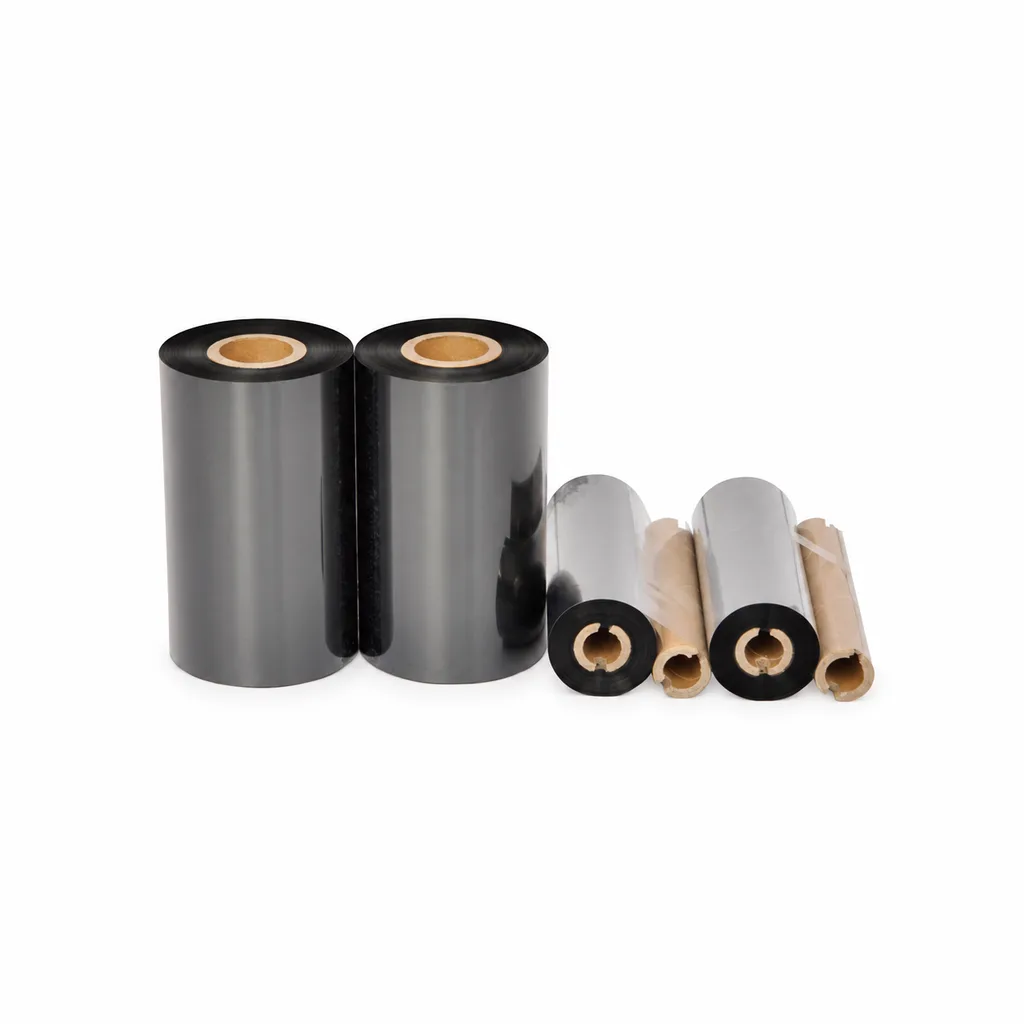
CL-Z908 Wax Thermal Transfer Ribbon for Barcode Labels and Tags
CL-Z908 is an economical black wax thermal transfer ribbon for label and tag printing. Listed applications include retail, warehousing, logistics, clothing tags, simple packaging and production line identification. It is intended for flat-head printing on desktop or industrial barcode printers at speeds of ≤6 inches per second (ips). Select it against your actual paper stock, printer and required image durability: print quality and image durability may vary with the printer and printing substrate.
View detailsNeed the right ribbon for your label application?
Share the label material, printer and operating environment. Our team will recommend a tested combination.
