
Thermal Transfer Ribbon Wax vs Resin: Choose by Material and Use
Request a solution
- Original TTR manufacturer since 2013
- Automated coating and slitting
- IQC / IPQC / OQC control
- ANSI barcode grade testing
- -20°C to 120°C environmental testing
- Batch-level traceability
- ANSI barcode grade
- Batch traceability
- RoHS / REACH compliance
- SGS and MSDS documents on request
For buyers comparing thermal transfer ribbon wax vs resin, wax is an economical starting point for everyday paper labels, while resin merits consideration for synthetic labels exposed to chemicals or heat. Wax-resin bridges the gap where paper or compatible synthetic labels need greater resistance to handling. Choose by label surface and exposure, confirm printer requirements, and approve a sample printed under your actual operating conditions.
Key Takeaways
- Thermal transfer ribbons fall into wax, wax-resin and resin categories.
- Wax suits everyday paper labeling, including carton and retail price labels.
- Wax-resin offers a harder print and better smear resistance than wax on compatible materials.
- Resin formulations target demanding heat and chemical exposure.
- High-speed TTO printing requires ribbons designed for the printing process.
Choose Wax or Resin by Label Surface and Exposure
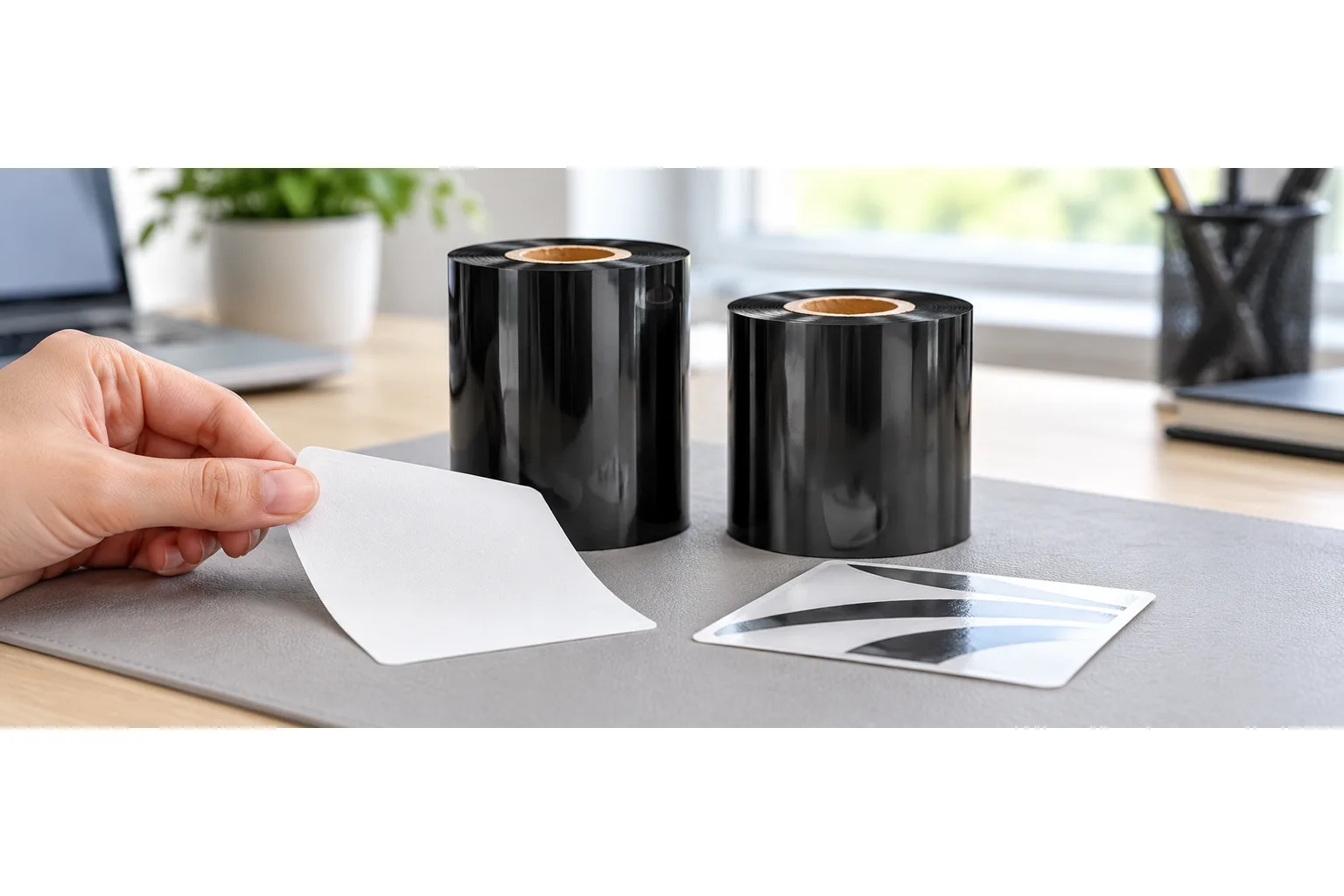
Wax ribbons are used mainly on matte and semi-gloss paper labels, while resin formulations address more demanding heat and chemical exposure. That makes the label material your first selection question. Start with the exact paper or film you will purchase, including its printable surface, rather than choosing a ribbon from the application name alone.
For a paper carton label or retail price label, shortlist wax first. Able Label describes wax as an economical solution for these everyday paper applications. The useful comparison is whether that combination meets your handling needs, not whether another ribbon carries a higher durability description. Ask for a sample on your intended stock before committing to a production order.
For synthetic labels facing chemical contact or heat, shortlist a compatible resin grade. ETISOFT describes resin ribbons as resistant to high temperature and chemicals, and Technicode associates full resin with these durability needs on synthetic labels. Neither description supplies a universal exposure limit. Give the supplier the actual substance and service conditions so the proposed grade can be evaluated against the job.
Thermal transfer printing uses a heated printhead to melt ribbon ink and transfer it to the label. The ribbon and receiving surface therefore need to work together. A dark image immediately after printing is useful evidence of initial print quality, but your approval should also consider what happens during handling and use.
Use Wax-Resin When Wax Needs More Handling Resistance
Wax-resin combines wax and resin to produce a harder print with better smear resistance than wax on compatible media. TSC identifies semi-gloss paper and some synthetic materials as suitable applications. This makes wax-resin a practical comparison sample when paper labels need more durability, without assuming that every such job requires full resin.
For example, if your paper label must remain readable through repeated handling, compare wax and wax-resin on the same stock. ETISOFT specifically describes wax-resin for matte and semi-gloss paper where the print needs more abrasion resistance. Keep the decision tied to that requirement: choose the combination that survives your handling check and produces the required text and barcode.
A synthetic label does not automatically rule out every wax-resin formulation. Some formulations cover some synthetic materials, but that is a conditional capability. Ask the supplier to identify a candidate for your exact surface. If the job also involves chemical or heat exposure, include a suitable resin candidate instead of choosing from the material name alone.
Wax-resin proportions vary by manufacturer, according to ETISOFT. Treat the category as a shortlist, then compare specific grades. When reviewing quotations, include the sample results and any observed need for reprinting in your purchasing decision. A low ribbon quotation is useful only alongside evidence that the printed label will perform the required job.
Confirm Printer Fit and Prove the Actual Combination
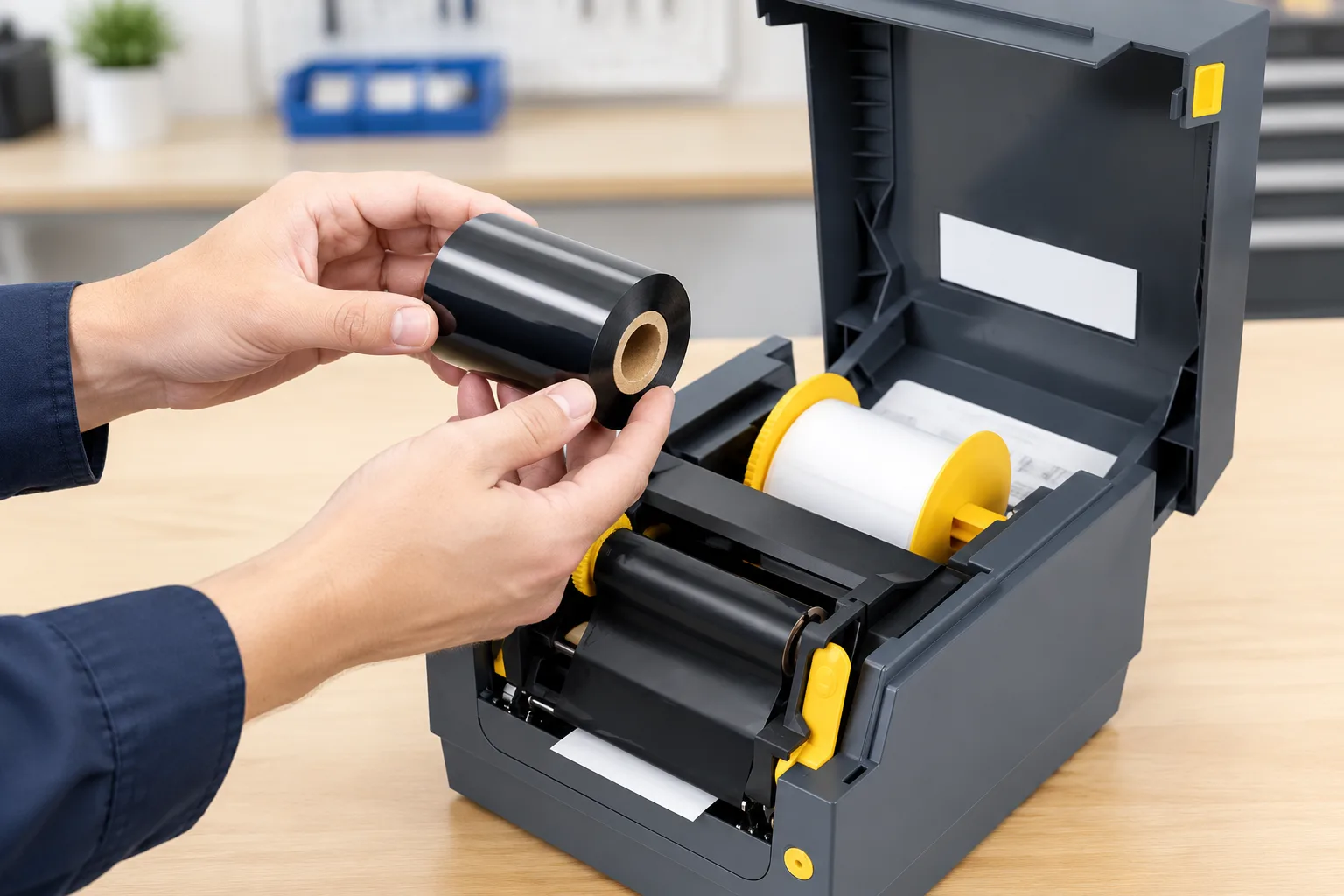
Ribbon selection includes physical printer requirements as well as ink chemistry: width, roll length and ink-side orientation all require checking. Use the exact printer model and its approved ribbon requirements when requesting samples. Termedia identifies width and length as matching factors, while Technicode lists both ink-side-in and ink-side-out options.
Do not choose a production printing speed from the words wax or resin alone. Ask for the candidate grade's operating guidance for your printer and material, then test at the conditions you intend to run. Record the speed and print settings used for each sample so a successful result can be reproduced.
Thermal transfer overprinting, or TTO, applies variable information to flexible packaging. DNP describes wax-resin as a primary choice for high-speed inline TTO and explains that this process needs specially designed ribbons. If you print packaging on a production line, provide the overprinter model and film specification; a ribbon described simply as wax-resin does not establish that it fits your machine.
- Identify the stock. Obtain the exact label or packaging material and describe its printable surface.
- Define the exposure. List handling, abrasion, moisture, heat and any chemical contact that the printed information must withstand.
- Confirm the machine. Check ribbon format and orientation, and request a grade intended for the printer and process.
- Compare samples. Print the intended text and barcode, inspect the image, and check readability after representative handling and exposure.
If a sample fails, keep it and record when the loss of readability occurred. Ask the supplier to review the material, ribbon grade and settings together. Retest the revised combination before approving the order; do not assume that changing to resin alone resolves every failed print.
Data and Evidence
The available category evidence supports a material-and-exposure comparison, rather than a universal ranking of wax, wax-resin and resin. The table gives starting points for sample selection. It does not replace a grade-specific specification or a test on your purchased stock.
| Decision factor | Wax | Wax-resin | Resin |
|---|---|---|---|
| Ink basis | Wax-based; some formulations include a little resin | Wax and resin; proportions vary | Resin-based with additives |
| Material starting point | Matte and semi-gloss paper | Semi-gloss paper and some compatible synthetics | Compatible synthetics for demanding exposure |
| Reason to shortlist | Economical everyday paper labeling | More abrasion or smear resistance than wax | Heat and chemical resistance |
| What to verify | Readability after normal handling | Surface compatibility and handling resistance | Performance under the actual exposure |
ETISOFT supports the formulation and paper-application distinctions. TSC supports the wax-resin comparison for hardness, smear resistance and selected synthetic materials. Able Label supports the economical paper-label role of wax. These are category descriptions, not COLORFULTTR test results or guarantees for a particular roll.
For approval, keep a reference print and the tested material identification with the ribbon grade and printer settings. Inspect the actual information your team needs to read, including the barcode if used, before and after the relevant exposure. Agree on the required result with the people who receive or scan the labels. Your next step is to obtain candidate ribbons and the intended stock, then document which combination meets that requirement before buying production quantities.
Frequently Asked Questions
Is resin ribbon always better than wax for paper shipping labels?
No. Wax is an economical starting point for everyday paper labels. Compare wax-resin if handling demands more abrasion resistance; select resin when the material and exposure justify it, then verify the actual combination.
Can wax-resin ribbon print on synthetic labels?
Some wax-resin formulations suit some synthetic materials, as well as semi-gloss paper. Confirm the exact label surface with the ribbon supplier and test it rather than treating every synthetic label as interchangeable.
Should I order a TTO ribbon by chemistry alone?
No. High-speed flexible-packaging printing needs a ribbon intended for that printer and process. Wax-resin is a common TTO choice, but the formulation category does not establish machine compatibility.
Recommended products for this industry
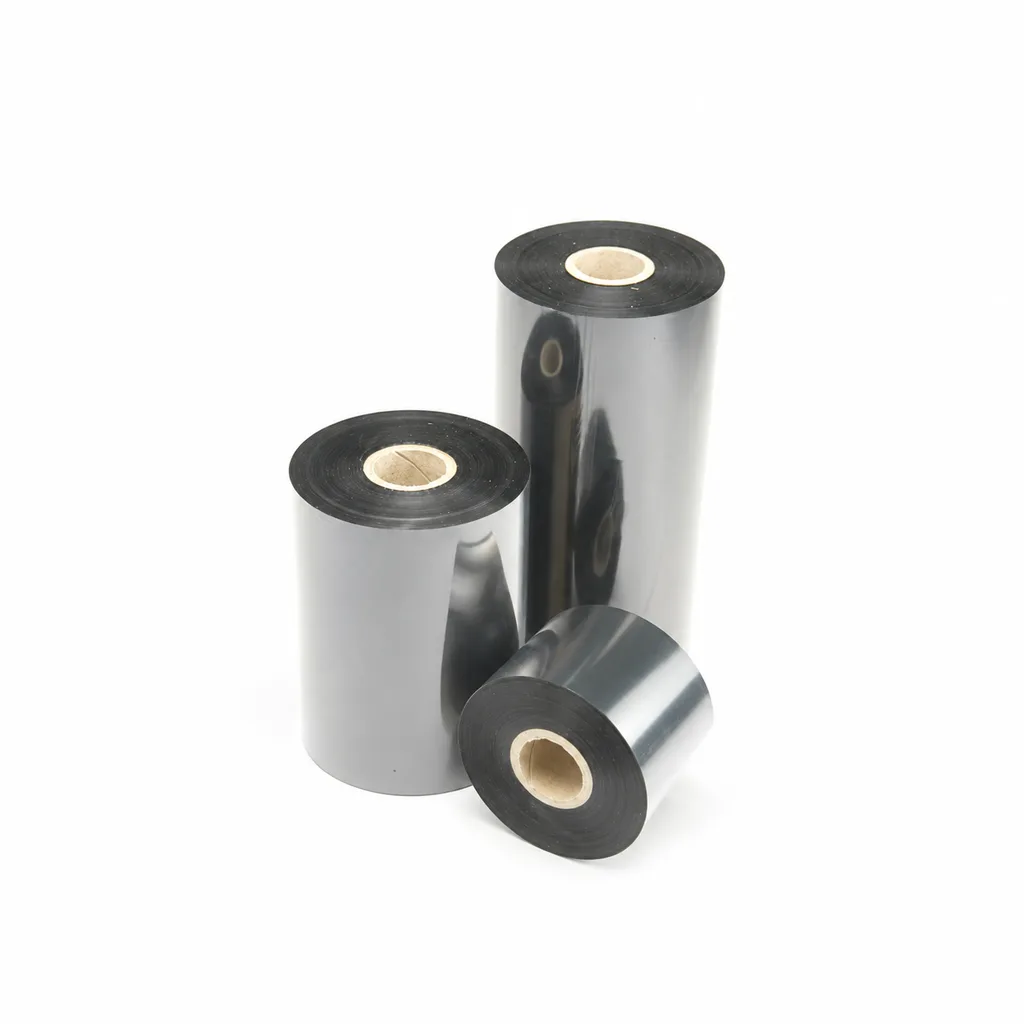
CL-Z203 Wax-Resin Thermal Transfer Ribbon for Barcode Labels
A black wax-resin thermal transfer ribbon for flat-head printing, with listed applications including retail, warehousing, logistics and garment tags. Select it against your actual label material and desktop or industrial barcode printer at speeds ≤6 ips (inches per second). Fine-line, small-text and durability results were obtained on coated paper; print quality and image durability may vary with the printer and printing substrate.
View details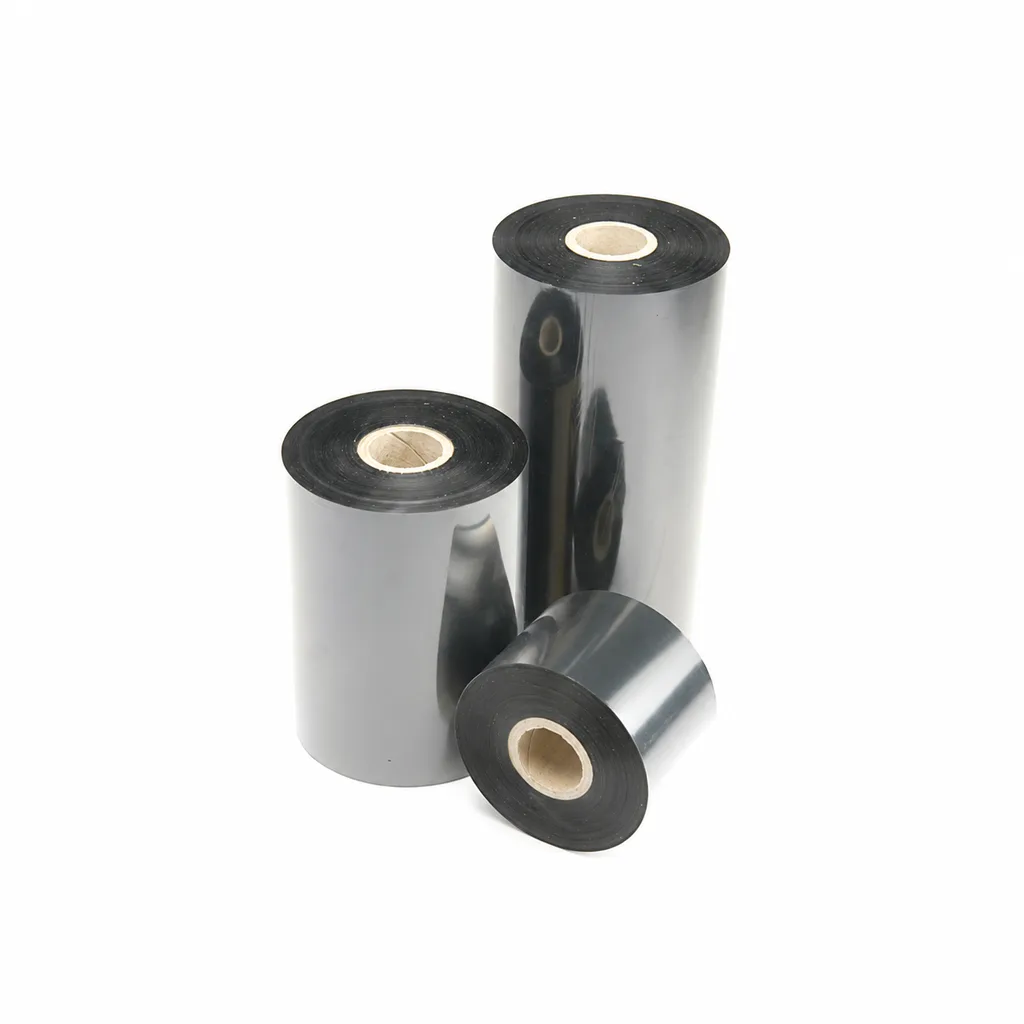
CL-Z213 Near-Edge Wax-Resin Thermal Transfer Ribbon for Barcode Labels
An enhanced black near-edge wax-resin thermal transfer ribbon for near-edge barcode printers and low- to medium-speed thermal transfer overprinting (TTO). Listed applications include retail labels, warehousing, garment tags and packaging identification. Match the printer, actual print medium and operating speed before selection: print quality and image durability can vary with the printer and substrate.
View details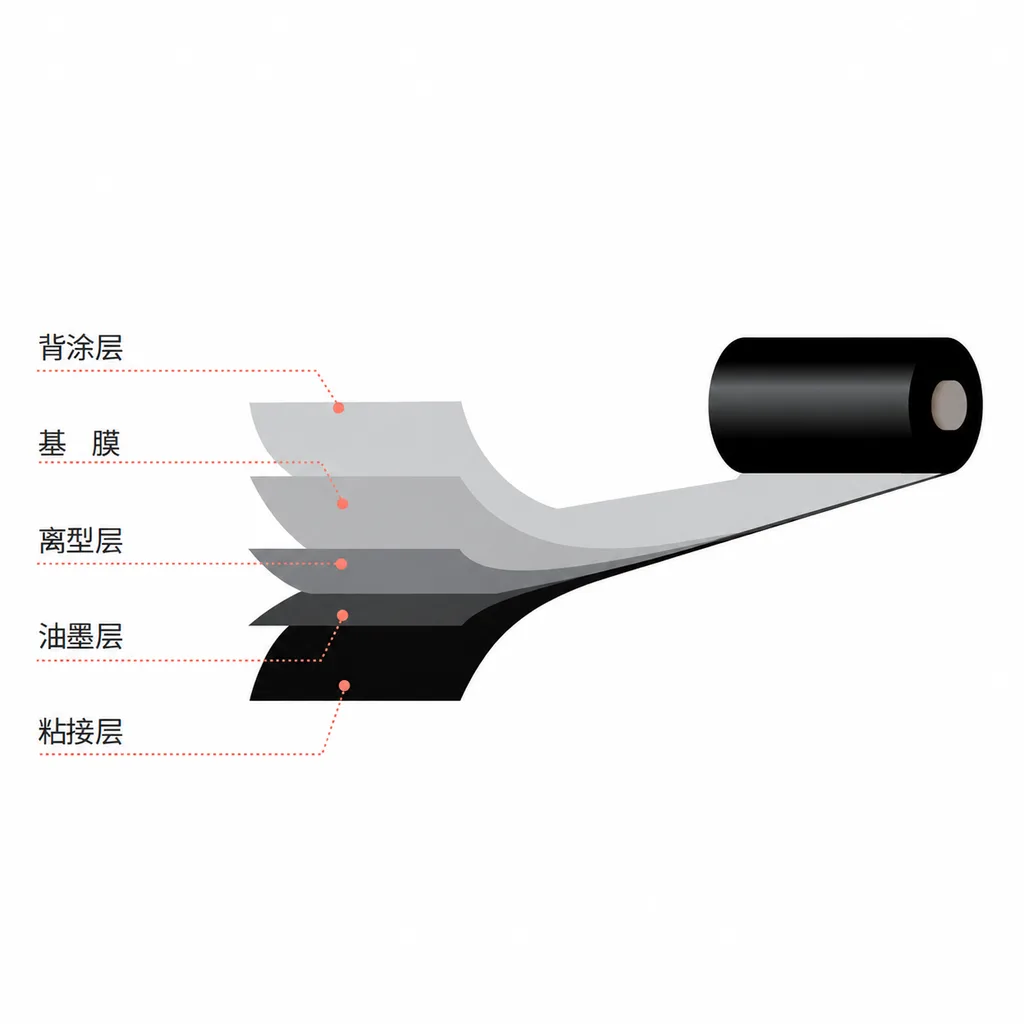
CL-Z312 Resin Thermal Transfer Ribbon for Packaging Printing
CL-Z312 is a black, general-purpose resin ribbon for thermal transfer overprinting (TTO), with packaging and retail label applications listed in the product information. Its abrasion, alcohol and oil resistance data were obtained on polyethylene terephthalate (PET). Select it against your actual packaging material, printer and production speed: print quality and image durability can vary with the printer and substrate, and the material chart percentages are not defined as pass rates.
View details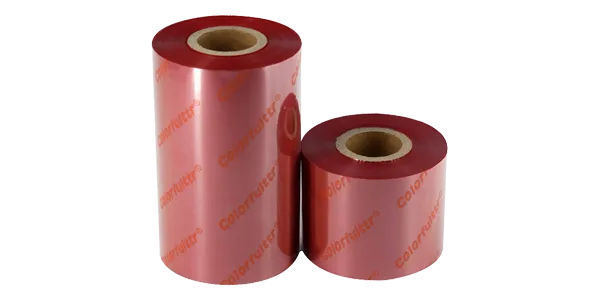
High-grade wax resin thermal transfer ribbon
Premium wax-resin thermal transfer ribbons are specifically engineered for diverse…
View detailsNeed the right ribbon for your label application?
Share the label material, printer and operating environment. Our team will recommend a tested combination.
