
The Upgraded Value of Thermal Transfer Ribbon in New Energy Battery Traceability: From
Request a solution
- Original TTR manufacturer since 2013
- Automated coating and slitting
- IQC / IPQC / OQC control
- ANSI barcode grade testing
- -20°C to 120°C environmental testing
- Batch-level traceability
- ANSI barcode grade
- Batch traceability
- RoHS / REACH compliance
- SGS and MSDS documents on request
Key Takeaways
- Battery traceability labels must survive handling, storage and chemical exposure while remaining scannable.
- This buyer guide explains how wax, wax-resin and resin thermal transfer ribbons differ, when TTO and color ribbons apply, and how distributors can verify ribbon-to-label and ribbon-to-printer compatibility.
- It also covers sample validation, compliance documentation and OEM support from an original ribbon manufacturer.
Data and Evidence
For distributors evaluating thermal transfer ribbon suppliers for new energy battery traceability projects, verified manufacturing capacity and compliance documentation are practical starting points. The following facts come from the manufacturer profile and should be confirmed against current sales documentation before quotation.
- Original manufacturer since 2013 with 13+ years of thermal transfer ribbon experience.
- Annual production capacity of 50 million square meters and monthly output of more than 200,000 rolls.
- Custom widths from 30 mm to 220 mm and custom lengths from 70 m to 600 m.
- OEM and private label packaging, custom Pantone color matching and custom formulation support.
- Quality references include ISO 9001:2015, RoHS 2.0, REACH, SGS testing, FDA compliance for food contact and MSDS reports.
- Sample and production lead times vary by product type, so confirm the current schedule with the sales team.
Ribbon Types and Battery Traceability Requirements
Battery traceability labels are not ordinary shipping labels. They may be applied to cell surfaces, module housings or pack exteriors, and they must remain readable through handling, storage and downstream processes. The ribbon choice depends on the label material, the printer, and the exposure conditions the label will face.
Wax ribbons are commonly used for paper labels in general logistics. They offer good printability on uncoated and coated paper, but they are not the first choice for surfaces that will be rubbed, heated or exposed to chemicals. For battery traceability, wax ribbons may suit internal paperwork or temporary labels, but distributors should verify the customer's acceptance specification before recommending them for permanent identification.
Wax-resin ribbons add scratch resistance compared with wax ribbons. They can print on coated paper and some synthetic materials, making them a practical middle option when the label needs better durability than wax but does not face aggressive chemical or heat exposure. The exact performance depends on the label face stock and the printer settings, so distributors should request a sample test on the customer's actual material.
Resin ribbons are used when stronger chemical, heat and abrasion resistance is needed. They are typically paired with synthetic label materials such as polyester or polyimide. For battery traceability, resin ribbons are often considered for labels that must survive electrolyte exposure, cleaning processes or elevated temperatures. However, the ribbon alone does not guarantee performance; the combination of ribbon, label and printer must be validated.
TTO (thermal transfer overprinting) ribbons are designed for flexible packaging coding, not for battery traceability labels. TTO ribbons are used on packaging films and pouches where variable data such as dates, batch codes and barcodes are printed directly onto the package. Distributors should treat TTO and battery label applications as separate product lines with different printers, substrates and validation requirements.
Color ribbons, including water-washable resin ribbons, serve branding and coding applications. Water-washable resin ribbons are used in textile and garment labeling where the printed label must withstand washing. This is a different application from battery traceability and should not be confused with TTO or standard barcode ribbons. Distributors should match the ribbon type to the end-use requirement rather than assuming one ribbon can serve all applications.
- Verify the label face stock and adhesive with the customer before recommending a ribbon type.
- Confirm the printer model and print head specifications from the equipment manual.
- Request a sample test on the customer's actual label material and printer.
- Check whether the label will face chemicals, heat, abrasion or washing.
- Keep TTO, water-washable resin and standard barcode ribbon applications separate.
Matching Ribbons to Printers and Label Materials
Ribbon selection starts with the printer. Different printers have different print head resolutions, ribbon widths and core sizes. Distributors should obtain the printer model and the print head specification from the customer's equipment manual before quoting. The ribbon width must match the printer's ribbon supply specifications, and the ribbon length must fit the printer's take-up capacity.
Label material is the second critical factor. Paper labels, coated paper, synthetic films and textile labels each have different surface energy and ink acceptance characteristics. A ribbon that performs well on coated paper may not adhere properly to polyester or polyimide. Distributors should ask the customer for the label material specification, including face stock, adhesive and liner, and then request a sample ribbon for testing.
For battery traceability, the label may be applied to a curved surface, a textured surface or a surface that will be cleaned. The ribbon must be compatible with the label material and the application method. Distributors should verify whether the customer uses a standard barcode printer or a specialized labeling system, and whether the label will be printed before or after application.
Custom widths from 30 mm to 220 mm and custom lengths from 70 m to 600 m are available from the manufacturer. This range allows distributors to match ribbon dimensions to common printer models and label sizes. For non-standard printers, distributors should confirm the required dimensions with the sales team and request a sample for validation.
OEM and private label packaging, custom Pantone color matching and custom formulation support are available. Distributors serving battery manufacturers may need private label ribbons with specific packaging and branding. Custom formulation can address specific adhesion or durability requirements, but it requires a sample validation process and a confirmed production schedule.
- Obtain the printer model and print head specification from the equipment manual.
- Confirm ribbon width and length against the printer's supply specifications.
- Request the label face stock, adhesive and liner specification from the customer.
- Test the ribbon on the customer's actual label material and printer.
- Confirm custom width, length and formulation requirements with the sales team.

Sample Validation and Quality Verification
Sample validation is the most practical way to reduce after-sales risk. Distributors should request a sample ribbon and test it on the customer's actual label material and printer. The test should cover print quality, barcode readability, adhesion and resistance to the specific exposure conditions the label will face. The acceptance criteria should come from the customer's acceptance specification, not from assumptions.
Print quality verification should include visual inspection and barcode scanning. The distributor should confirm that the printed barcode meets the customer's scanning requirements. If the customer uses a specific scanner or verification standard, the distributor should obtain that specification and test accordingly. Without a customer-provided standard, the distributor should document the test conditions and results for both parties.
Adhesion and durability testing should reflect the actual use case. For battery traceability, this may include rubbing, chemical exposure or heat exposure. The specific test parameters should come from the customer's acceptance specification or the label material supplier's recommendations. Distributors should not invent test values or assume that a ribbon will pass a test without validation.
Quality references include ISO 9001:2015, RoHS 2.0, REACH, SGS testing, FDA compliance for food contact and MSDS reports. These documents support the manufacturer's quality system and material compliance. Distributors should request the relevant documents for the specific ribbon model and confirm their validity with the sales team. Not every sample shipment includes all reports, so documentation should be confirmed per order.
Sample and production lead times vary by product type. Distributors should confirm the current schedule with the sales team before committing to a delivery date. For urgent projects, the distributor should ask whether expedited sampling or production is possible and what the minimum order quantity would be.
- Request a sample ribbon and test on the customer's actual label material and printer.
- Use the customer's acceptance specification for print quality and durability criteria.
- Document test conditions and results for both parties.
- Request compliance documents for the specific ribbon model and confirm validity.
- Confirm sample and production lead times with the sales team.
TTO and Color Ribbon Applications for Distributors
TTO ribbons are used in flexible packaging coding, where variable data is printed directly onto films and pouches. This is a different application from battery traceability labels. Distributors should treat TTO as a separate product line and match the ribbon to the packaging film and the TTO printer. The printer manufacturer's specifications and the customer's acceptance criteria should guide the selection.
Color ribbons, including water-washable resin ribbons, serve branding and coding applications. Water-washable resin ribbons are used in textile and garment labeling where the printed label must withstand washing. Distributors should not assume that a water-washable resin ribbon is suitable for battery traceability or that a battery label ribbon is suitable for textile washing. The applications have different substrates, printers and validation requirements.
For TTO and color ribbon projects, distributors should follow the same validation approach: obtain the printer model, the substrate specification and the customer's acceptance criteria, then request a sample for testing. Custom Pantone color matching is available for color ribbon projects, but the color match should be confirmed on the customer's actual substrate and printer.
The manufacturer offers OEM and private label packaging, custom Pantone color matching and custom formulation support. Distributors can use these services to build their own brand for TTO and color ribbon product lines. The sales team can provide guidance on minimum order quantities and lead times for custom projects.
- Keep TTO, water-washable resin and battery label ribbon applications separate.
- Obtain the printer model and substrate specification for TTO and color projects.
- Request a sample and test on the customer's actual substrate and printer.
- Confirm custom Pantone color matching on the customer's substrate.
- Ask the sales team about OEM and private label options for TTO and color ribbons.
Procurement Checklist for Ribbon Distributors
A structured procurement checklist helps distributors avoid mismatches and reduce after-sales issues. The checklist should cover the application, the printer, the label material, the ribbon type, the sample validation and the compliance documentation. Each item should be confirmed with the customer or the manufacturer before the order is placed.
The first step is to identify the application. Is the ribbon for battery traceability labels, TTO packaging coding, color branding or water-washable textile labels? Each application has different requirements. The distributor should document the end-use conditions, including exposure to chemicals, heat, abrasion or washing.
The second step is to confirm the printer and label material. The distributor should obtain the printer model, print head specification, ribbon width and length requirements, and the label face stock, adhesive and liner specification. This information should come from the customer's equipment manual and label material datasheet.
The third step is to select the ribbon type and request a sample. Wax, wax-resin and resin ribbons have different performance characteristics. The distributor should match the ribbon type to the application and request a sample for validation on the customer's actual printer and label material.
The fourth step is to verify compliance documentation. The distributor should request the relevant documents for the specific ribbon model, such as ISO 9001:2015, RoHS 2.0, REACH, SGS testing, FDA compliance for food contact and MSDS reports. The availability of these documents should be confirmed with the sales team per order.
The fifth step is to confirm lead times and order details. Sample and production lead times vary by product type. The distributor should confirm the current schedule with the sales team and clarify the minimum order quantity, packaging requirements and shipping terms.
- Identify the application: battery traceability, TTO, color branding or water-washable textile.
- Confirm printer model, print head specification and ribbon dimensions.
- Obtain label face stock, adhesive and liner specification.
- Select ribbon type and request a sample for validation.
- Verify compliance documents for the specific ribbon model.
- Confirm lead times, minimum order quantity and packaging with the sales team.
Frequently Asked Questions
What ribbon type is best for new energy battery traceability labels?
The best ribbon type depends on the label material and the exposure conditions. Wax ribbons are commonly used for paper labels in general logistics. Wax-resin ribbons add scratch resistance. Resin ribbons are used when stronger chemical, heat and abrasion resistance is needed.
Can TTO ribbons be used for battery traceability labels?
TTO ribbons are designed for flexible packaging coding, not for battery traceability labels. They are used on packaging films and pouches. Battery traceability labels typically use standard barcode ribbons matched to the label material and printer.
What is a water-washable resin ribbon used for?
Water-washable resin ribbons are used in textile and garment labeling where the printed label must withstand washing. This is a different application from battery traceability and TTO packaging coding.
How can distributors verify ribbon quality before ordering?
Distributors should request a sample ribbon and test it on the customer's actual label material and printer. The test should cover print quality, barcode readability, adhesion and resistance to the specific exposure conditions. The acceptance criteria should come from the customer's acceptance specification.
What custom options are available for thermal transfer ribbons?
Custom widths from 30 mm to 220 mm and custom lengths from 70 m to 600 m are available. OEM and private label packaging, custom Pantone color matching and custom formulation support are also offered. Distributors should confirm the specific requirements and lead times with the sales team.
Related Products & Guides
Recommended products for this industry
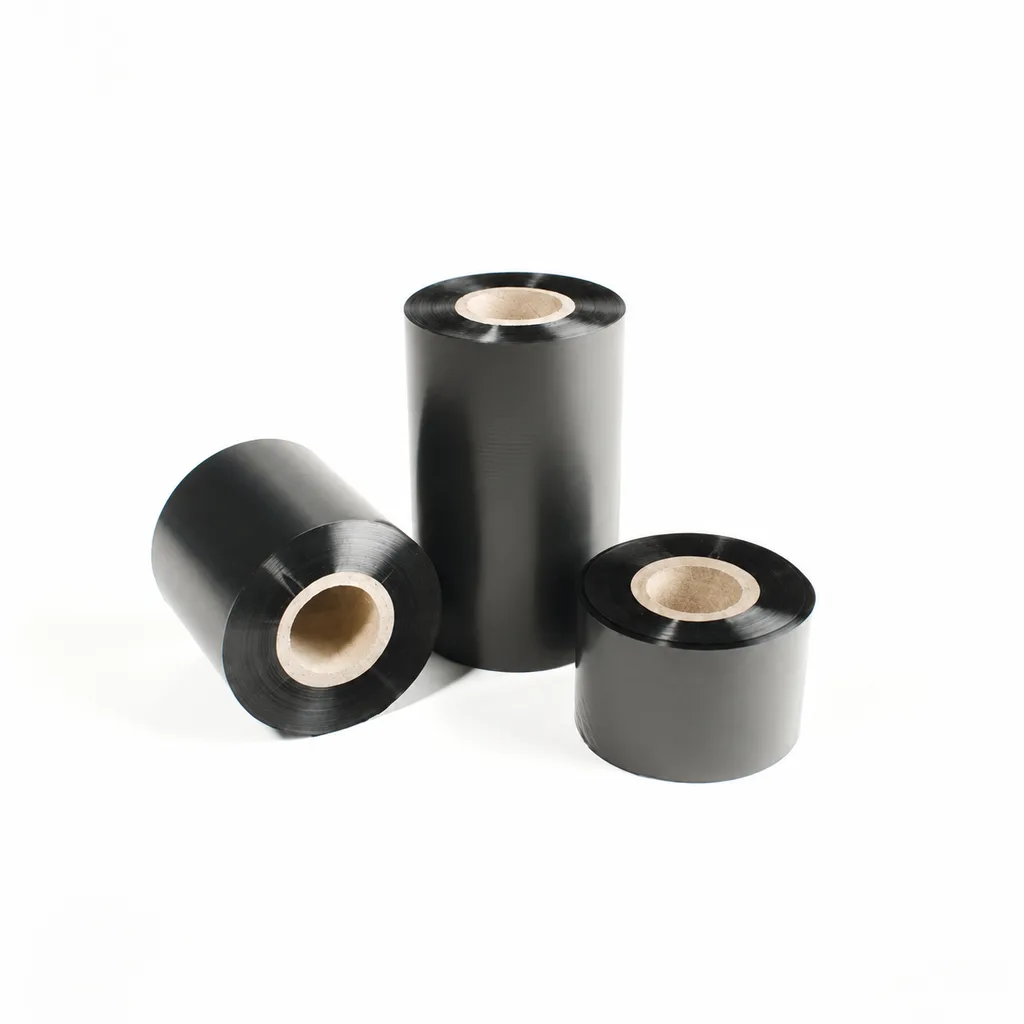
CL-Z112 Enhanced Wax Thermal Transfer Ribbon for Paper Labels and Tags
An enhanced wax thermal transfer ribbon with black ink for paper labels and tags used in retail, warehousing and logistics. It is specified for flat-head printing on desktop or industrial barcode printers at ≤8 inches per second (ips). Select it by checking the actual label material, printer configuration and handling conditions: image-quality, rub-resistance and cold-chamber results were obtained on coated paper, and print quality and image durability may vary with the printer and print medium.
View details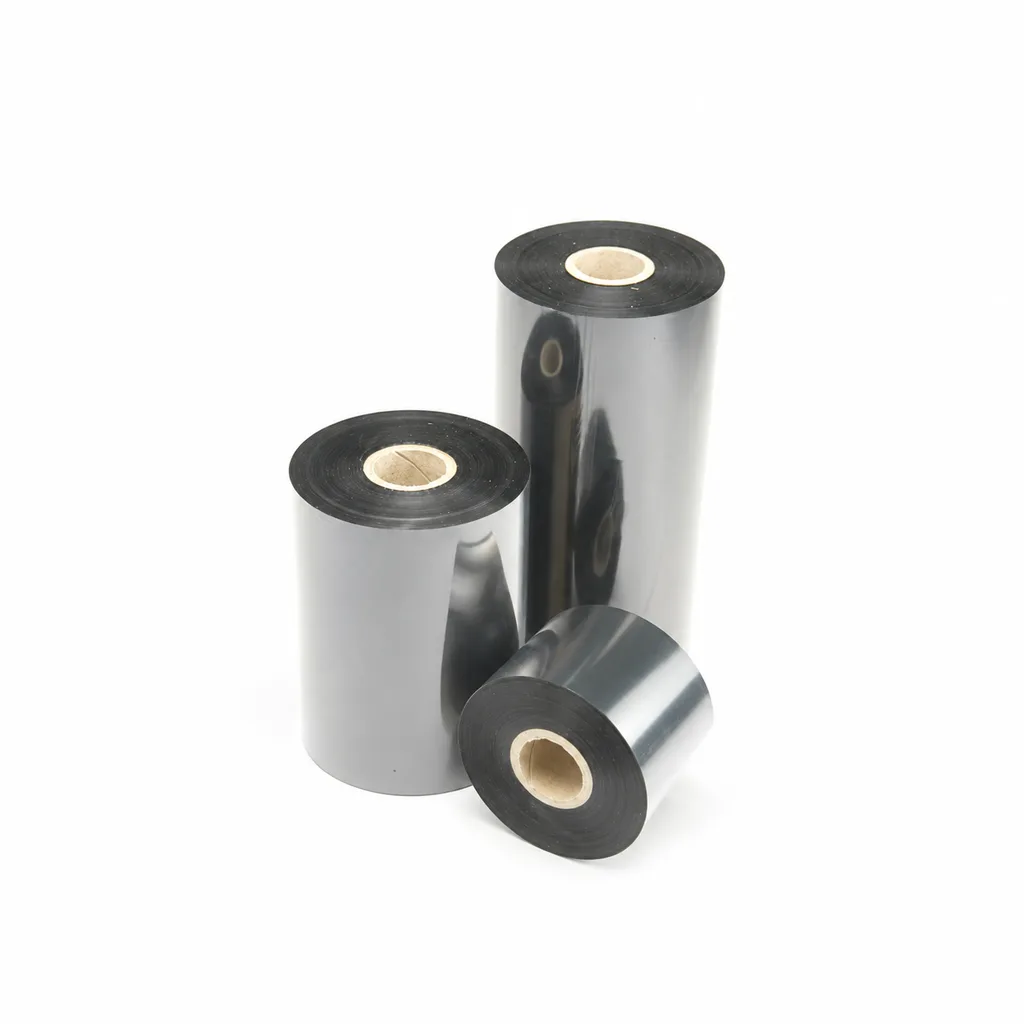
CL-Z203 Wax-Resin Thermal Transfer Ribbon for Barcode Labels
A black wax-resin thermal transfer ribbon for flat-head printing, with listed applications including retail, warehousing, logistics and garment tags. Select it against your actual label material and desktop or industrial barcode printer at speeds ≤6 ips (inches per second). Fine-line, small-text and durability results were obtained on coated paper; print quality and image durability may vary with the printer and printing substrate.
View details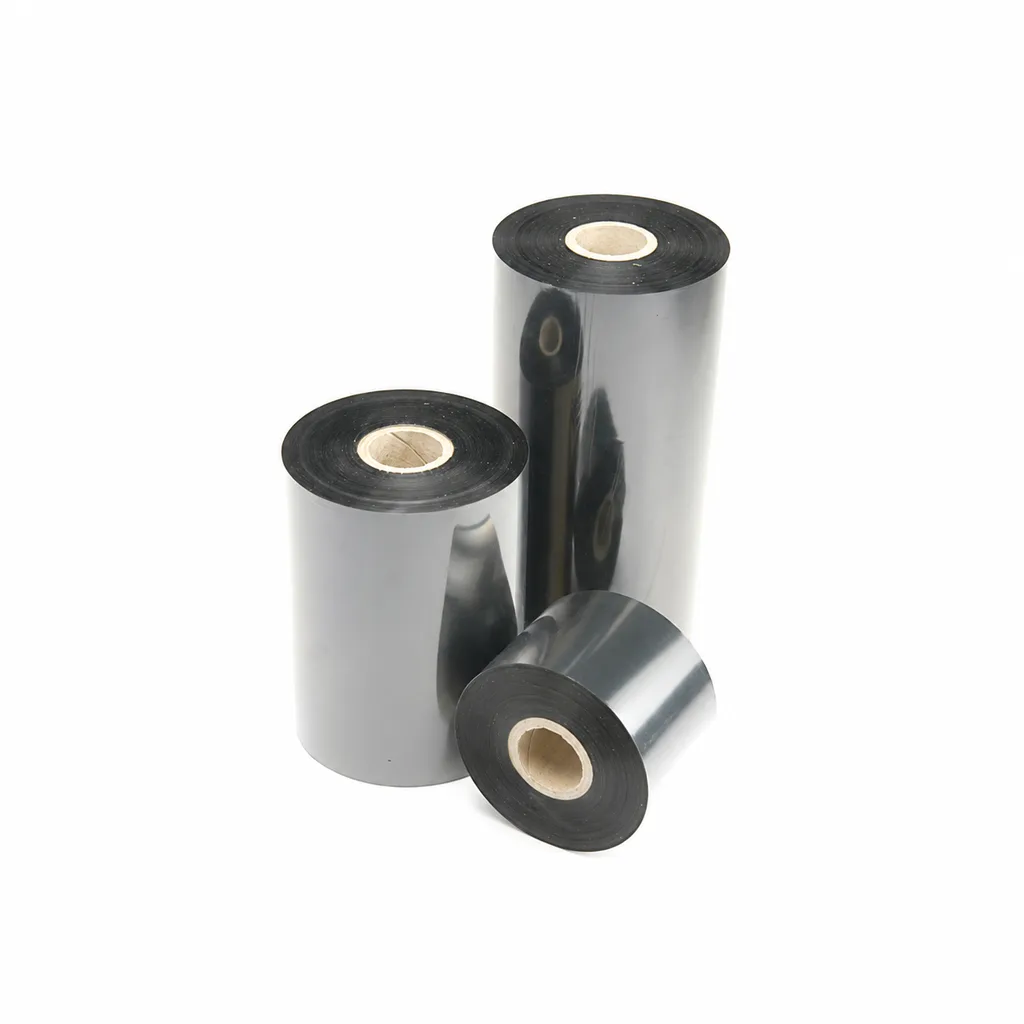
CL-Z213 Near-Edge Wax-Resin Thermal Transfer Ribbon for Barcode Labels
An enhanced black near-edge wax-resin thermal transfer ribbon for near-edge barcode printers and low- to medium-speed thermal transfer overprinting (TTO). Listed applications include retail labels, warehousing, garment tags and packaging identification. Match the printer, actual print medium and operating speed before selection: print quality and image durability can vary with the printer and substrate.
View details
CL-Z312 Resin Thermal Transfer Ribbon for Packaging Printing
CL-Z312 is a black, general-purpose resin ribbon for thermal transfer overprinting (TTO), with packaging and retail label applications listed in the product information. Its abrasion, alcohol and oil resistance data were obtained on polyethylene terephthalate (PET). Select it against your actual packaging material, printer and production speed: print quality and image durability can vary with the printer and substrate, and the material chart percentages are not defined as pass rates.
View detailsNeed the right ribbon for your label application?
Share the label material, printer and operating environment. Our team will recommend a tested combination.
