
Thermal Transfer Ribbon for Barcode Printers: Distributor Selection and Verification Guide
Request a solution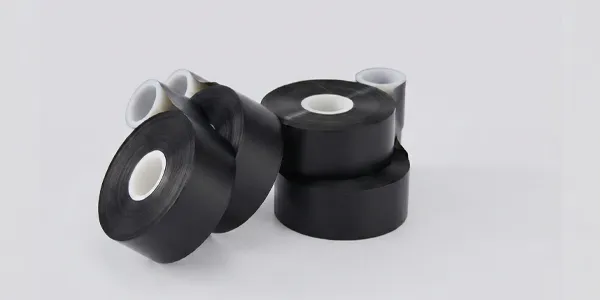
- Original TTR manufacturer since 2013
- Automated coating and slitting
- IQC / IPQC / OQC control
- ANSI barcode grade testing
- -20°C to 120°C environmental testing
- Batch-level traceability
- ANSI barcode grade
- Batch traceability
- RoHS / REACH compliance
- SGS and MSDS documents on request
Key Takeaways
- This guide helps distributors and channel partners select thermal transfer ribbon for barcode printers.
- It covers wax, wax-resin and resin ribbons for paper and synthetic labels, TTO ribbons for flexible packaging coding, and color ribbons for branding.
- It explains how to match ribbon chemistry to substrate and printer, verify samples against customer acceptance specifications, and confirm compliance documents by model.
Data and Evidence
Distributors evaluating thermal transfer ribbon for barcode printers need verifiable supplier facts before quoting downstream customers. The following points summarize the manufacturer profile and the verification actions that should accompany any sample or bulk order discussion.
Use these facts as the baseline for supplier qualification. Where a customer requires performance data beyond the supplied facts, request the equipment manual and the customer acceptance specification rather than assuming a universal value.
- Original manufacturer since 2013 with 13+ years of thermal transfer ribbon experience.
- Annual production capacity of 50 million square meters and monthly output of more than 200,000 rolls.
- Custom widths from 30 mm to 220 mm and custom lengths from 70 m to 600 m.
- OEM and private label packaging, custom Pantone color matching and custom formulation support.
- Quality references include ISO 9001:2015, RoHS 2.0, REACH, SGS testing, FDA compliance for food contact and MSDS reports.
- Sample and production lead times vary by product type, so confirm the current schedule with the sales team.

Matching Ribbon Chemistry to Label Material and Printer
The first decision in any barcode printer ribbon selection is the label substrate. Wax ribbons are commonly used for paper labels in general logistics, where the printed image is read by scanners and does not face harsh abrasion. Wax-resin ribbons add scratch resistance, making them suitable for coated paper and some synthetic labels where handling is more demanding. Resin ribbons are used when stronger chemical, heat and abrasion resistance is needed, such as labels exposed to solvents, heat or repeated friction.
Printer compatibility is the second decision. Ribbon width, length, core diameter and winding direction must match the printer model. Distributors should obtain the printer manual or the customer's technical sheet and confirm the ribbon specification before ordering. Do not assume that a ribbon used on one printer will fit another without checking the spindle, core and ribbon path.
For TTO applications, the ribbon is used in thermal transfer overprinting on flexible packaging, not on standard label printers. TTO ribbons are formulated for the print head and packaging film combination used in the customer's line. Color ribbons for branding and coding may use different resin systems and are often specified by Pantone color reference. Keep TTO and color ribbon applications separate from general barcode label ribbon selection, because the printer, substrate and acceptance criteria differ.
- Confirm the label substrate: paper, coated paper, synthetic or film.
- Confirm the required resistance: general logistics, scratch resistance, or chemical, heat and abrasion resistance.
- Confirm printer model, ribbon width, length, core size and winding direction from the equipment manual.
- For TTO, verify the packaging film and overprinter model; do not use standard label printer ribbon assumptions.
- For color ribbons, confirm the Pantone reference and the customer's color acceptance method.
- Request a sample and run it on the customer's actual printer and substrate before bulk ordering.
Sample Verification and Print Quality Checks for Distributors
Sample verification is the most practical way to reduce after-sales issues. Distributors should define a simple test protocol with the customer before the sample is shipped. The protocol should record the printer model, ribbon grade, label material, print speed, darkness setting and the acceptance criteria used by the customer. Because specific test values depend on the equipment and the customer's specification, the distributor should ask the customer to provide the equipment manual and acceptance specification rather than applying a generic setting.
Print quality checks should include visual inspection of bar code sharpness, edge definition and uniformity across the label. If the customer requires scratch, chemical or heat resistance, the test method and pass threshold must come from the customer's acceptance specification. The distributor should not invent a cycle count, temperature or chemical exposure time. Instead, document the customer's method and record the result.
For TTO and color ribbon samples, the verification should be run on the actual packaging line or the actual printer used in production. Color matching should be checked against the approved Pantone reference under the customer's lighting condition. If the customer has no written specification, the distributor should request one before making performance claims.
- Record printer model, ribbon grade, substrate, print speed and darkness setting for every sample.
- Ask the customer for the equipment manual and acceptance specification before testing.
- Inspect bar code sharpness, edge definition and print uniformity across the label.
- For resistance claims, use the customer's test method and pass threshold; do not invent values.
- For color ribbons, verify against the approved Pantone reference under the customer's lighting.
- Keep a signed sample approval record to support future reorders and quality discussions.
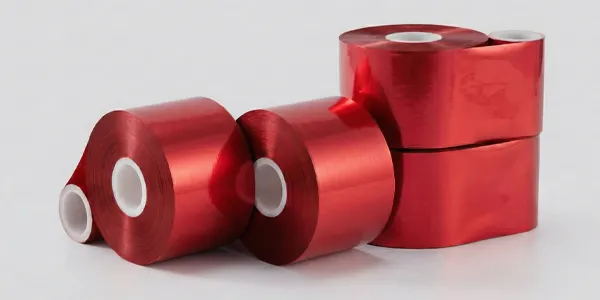
TTO Ribbon for Flexible Packaging Coding
TTO ribbons are used in thermal transfer overprinting for flexible packaging coding. This is a different application from barcode label printing. The ribbon must match the overprinter model and the packaging film, and the print quality depends on the interaction between the ribbon, the print head and the film surface. Distributors should not treat TTO ribbon as a generic label ribbon.
When quoting TTO ribbon, confirm the overprinter brand and model, the film structure, the required print area and the customer's acceptance criteria. If the customer asks for performance data that is not in the supplied facts, request the equipment manual and the customer's acceptance specification. The manufacturer offers custom formulation support, so specific TTO requirements can be discussed with the sales team.
Color TTO ribbons are available for branding and coding applications. Color matching should follow the customer's Pantone reference and be verified on the actual packaging material. As with all TTO projects, the sample should be run on the production line or a representative setup before approval.
- Confirm the overprinter model and the flexible packaging film structure.
- Verify the print area and the customer's acceptance criteria for code quality.
- Use custom formulation support for specific TTO requirements.
- For color TTO, match the Pantone reference and verify on the actual film.
- Run the sample on the production line or a representative setup before approval.
- Do not assume a standard label printer ribbon will work in a TTO application.
Color Ribbons for Branding and Coding
Color ribbons are used for branding and coding applications where the printed image must match a brand color. These ribbons may use different resin systems from standard black ribbons, and the color match is usually specified by Pantone reference. Distributors should confirm the Pantone number, the substrate and the printer model before ordering.
Color matching is not only a ribbon property; it also depends on the substrate, print speed, darkness setting and the customer's lighting condition. The distributor should request a sample and have the customer verify the color under the agreed lighting. If the customer has a written color tolerance, that tolerance should be used as the acceptance criterion.
The manufacturer supports custom Pantone color matching and custom formulation. For color ribbon projects, the distributor should provide the Pantone reference, the substrate sample and the printer details to the sales team. Sample and production lead times vary by product type, so the current schedule should be confirmed before committing to a delivery date.
- Confirm the Pantone reference, substrate and printer model.
- Verify color under the customer's agreed lighting condition.
- Use the customer's written color tolerance as the acceptance criterion.
- Provide a substrate sample and printer details for custom color matching.
- Confirm sample and production lead times with the sales team.
- Keep an approved color sample for future reorders.
Compliance Documentation and Order Verification
Compliance documentation is often required by downstream customers, especially for food contact and regulated markets. The manufacturer's quality references include ISO 9001:2015, RoHS 2.0, REACH, SGS testing, FDA compliance for food contact and MSDS reports. These documents should be requested by actual model and confirmed with the sales team, because the applicable reports depend on the specific ribbon grade and the destination market.
Distributors should not promise that every sample shipment includes all reports. Instead, confirm the document package required for the order and request it from the sales team before shipment. For food contact applications, confirm the specific ribbon grade and the customer's regulatory requirement, then request the corresponding FDA compliance document.
Order verification should include the ribbon grade, width, length, core size, winding direction, packaging format and labeling requirements. For OEM and private label orders, confirm the artwork, Pantone colors and packaging specification. Custom widths from 30 mm to 220 mm and custom lengths from 70 m to 600 m are available, so the order specification should be written clearly to avoid mismatches.
- Request compliance documents by actual model and confirm with the sales team.
- Do not promise that every sample shipment includes all reports.
- For food contact, confirm the ribbon grade and the customer's regulatory requirement.
- Verify ribbon grade, width, length, core size, winding direction and packaging format.
- For OEM and private label, confirm artwork, Pantone colors and packaging specification.
- Confirm sample and production lead times before committing to a delivery date.
Frequently Asked Questions
What is the difference between wax, wax-resin and resin thermal transfer ribbons?
Wax ribbons are commonly used for paper labels in general logistics. Wax-resin ribbons add scratch resistance. Resin ribbons are used when stronger chemical, heat and abrasion resistance is needed. The correct choice depends on the label substrate and the customer's acceptance criteria.
Can I use a standard barcode label ribbon for TTO flexible packaging coding?
No. TTO ribbons are used in thermal transfer overprinting on flexible packaging, which is a different application from barcode label printing. The ribbon must match the overprinter model and the packaging film. Confirm the equipment manual and customer acceptance specification before selecting a TTO ribbon.
How should distributors verify a color ribbon sample?
Confirm the Pantone reference, substrate and printer model. Run the sample on the customer's actual printer and substrate, and verify the color under the customer's agreed lighting condition. Use the customer's written color tolerance as the acceptance criterion.
What compliance documents are available?
Quality references include ISO 9001:2015, RoHS 2.0, REACH, SGS testing, FDA compliance for food contact and MSDS reports. Documents should be requested by actual model and confirmed with the sales team, because the applicable reports depend on the ribbon grade and destination market.
What custom sizes and packaging options are available?
Custom widths from 30 mm to 220 mm and custom lengths from 70 m to 600 m are available. OEM and private label packaging, custom Pantone color matching and custom formulation support are also offered. Confirm the exact specification with the sales team before ordering.
Related Products & Guides
Recommended products for this industry
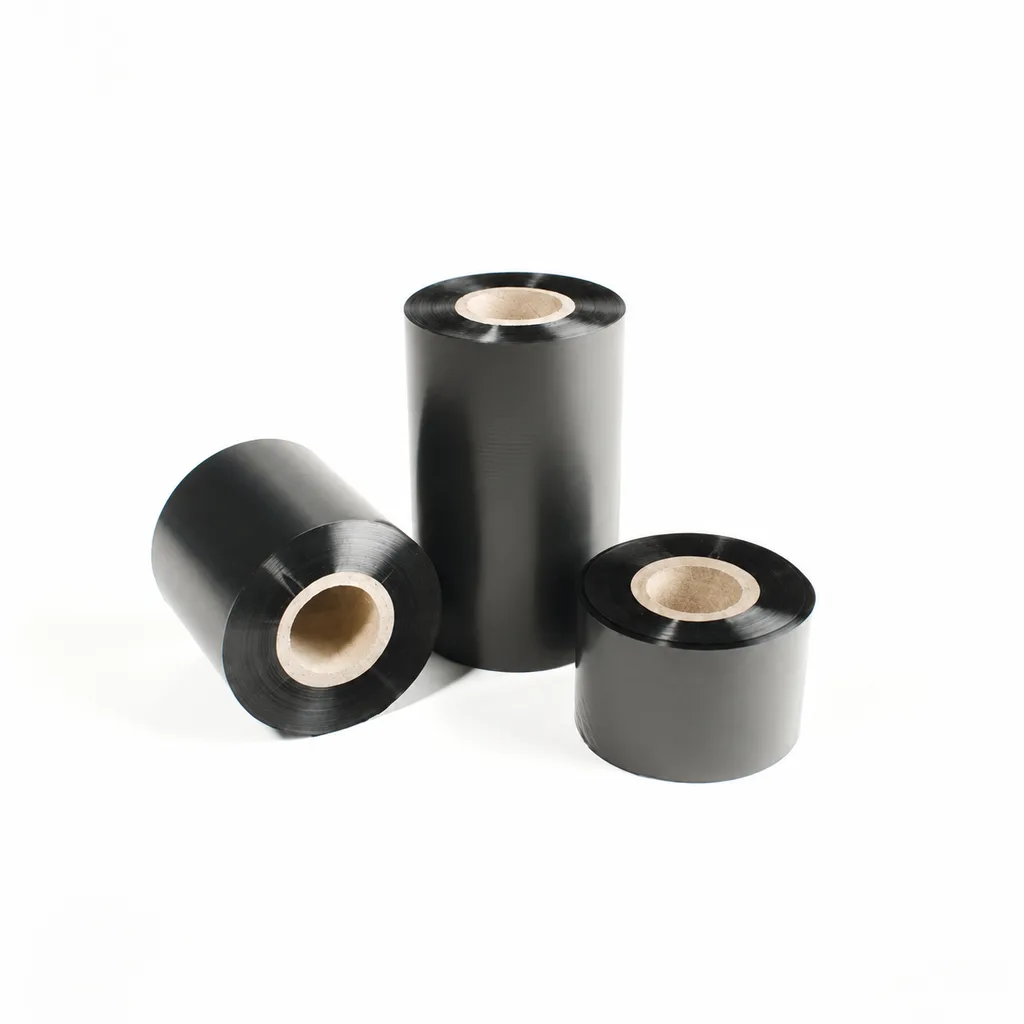
CL-Z112 Enhanced Wax Thermal Transfer Ribbon for Paper Labels and Tags
An enhanced wax thermal transfer ribbon with black ink for paper labels and tags used in retail, warehousing and logistics. It is specified for flat-head printing on desktop or industrial barcode printers at ≤8 inches per second (ips). Select it by checking the actual label material, printer configuration and handling conditions: image-quality, rub-resistance and cold-chamber results were obtained on coated paper, and print quality and image durability may vary with the printer and print medium.
View details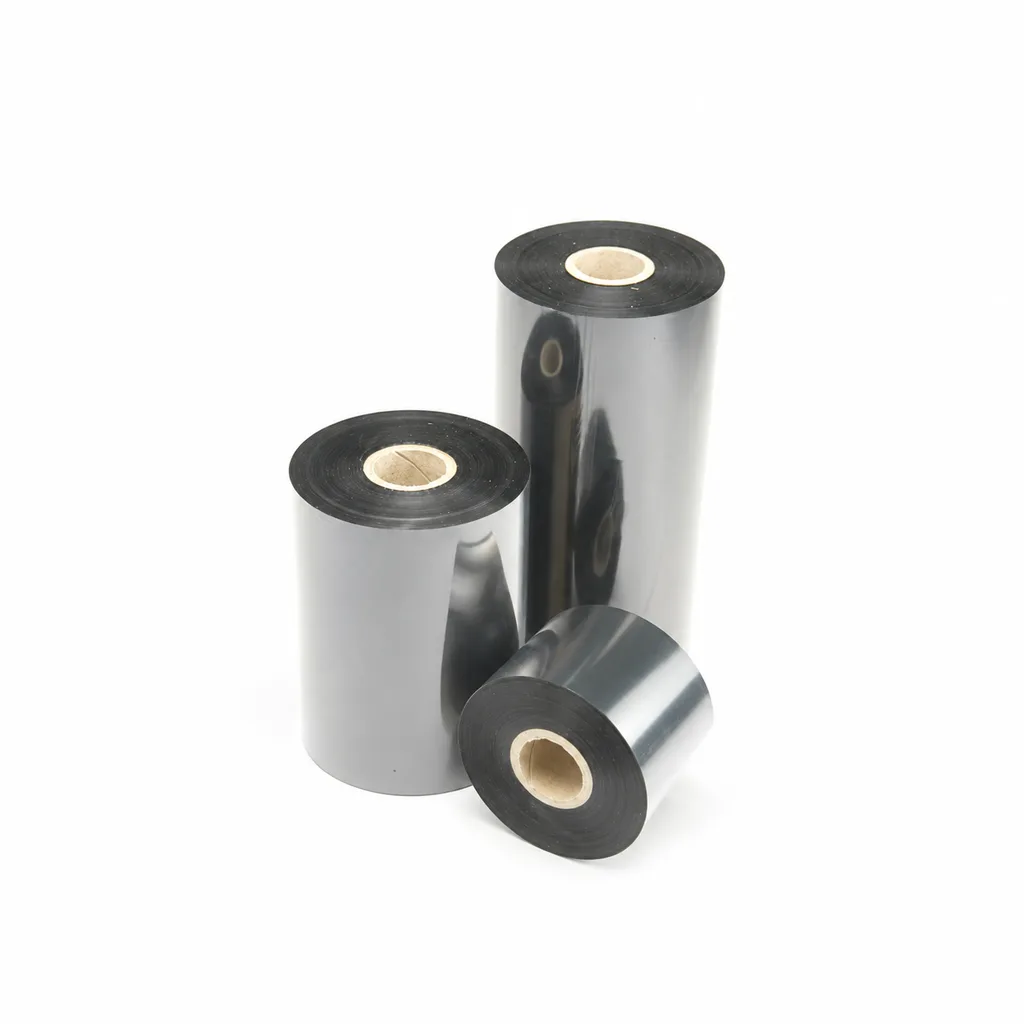
CL-Z203 Wax-Resin Thermal Transfer Ribbon for Barcode Labels
A black wax-resin thermal transfer ribbon for flat-head printing, with listed applications including retail, warehousing, logistics and garment tags. Select it against your actual label material and desktop or industrial barcode printer at speeds ≤6 ips (inches per second). Fine-line, small-text and durability results were obtained on coated paper; print quality and image durability may vary with the printer and printing substrate.
View details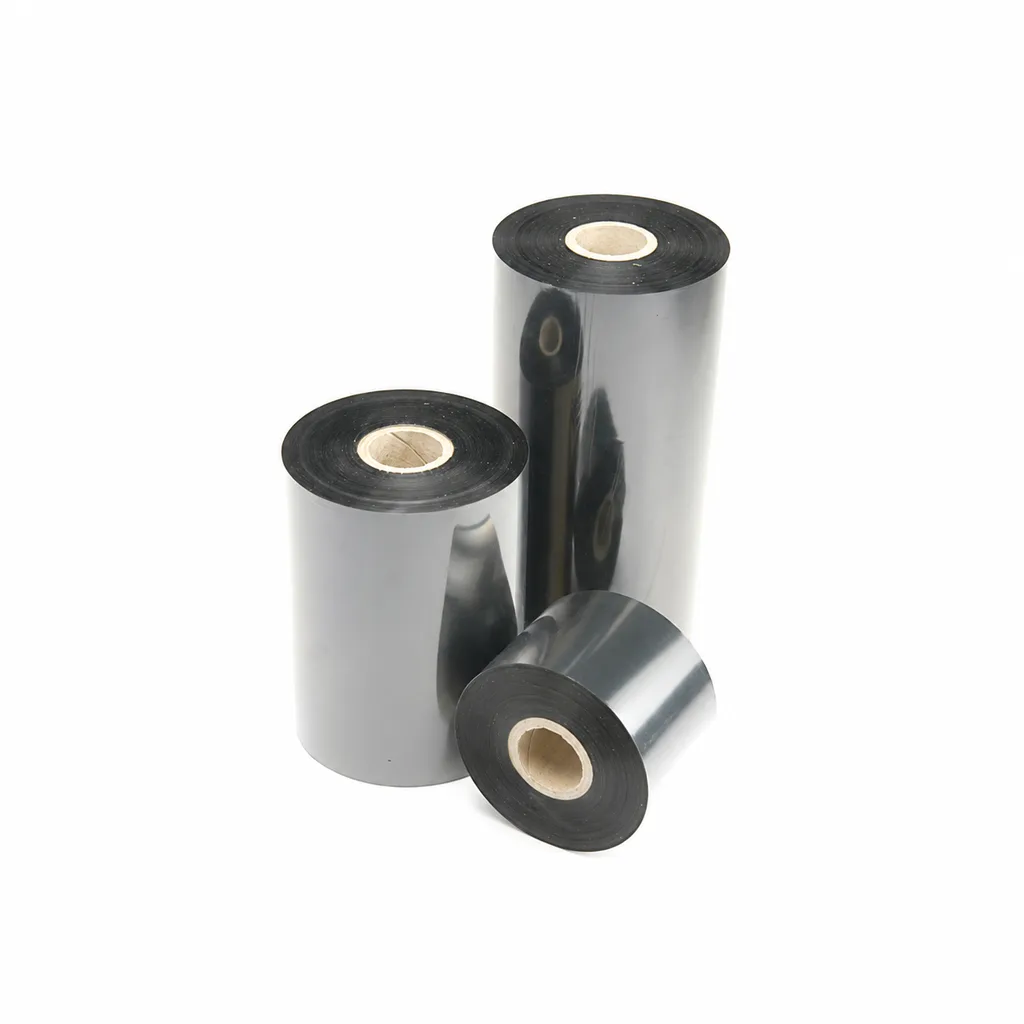
CL-Z213 Near-Edge Wax-Resin Thermal Transfer Ribbon for Barcode Labels
An enhanced black near-edge wax-resin thermal transfer ribbon for near-edge barcode printers and low- to medium-speed thermal transfer overprinting (TTO). Listed applications include retail labels, warehousing, garment tags and packaging identification. Match the printer, actual print medium and operating speed before selection: print quality and image durability can vary with the printer and substrate.
View details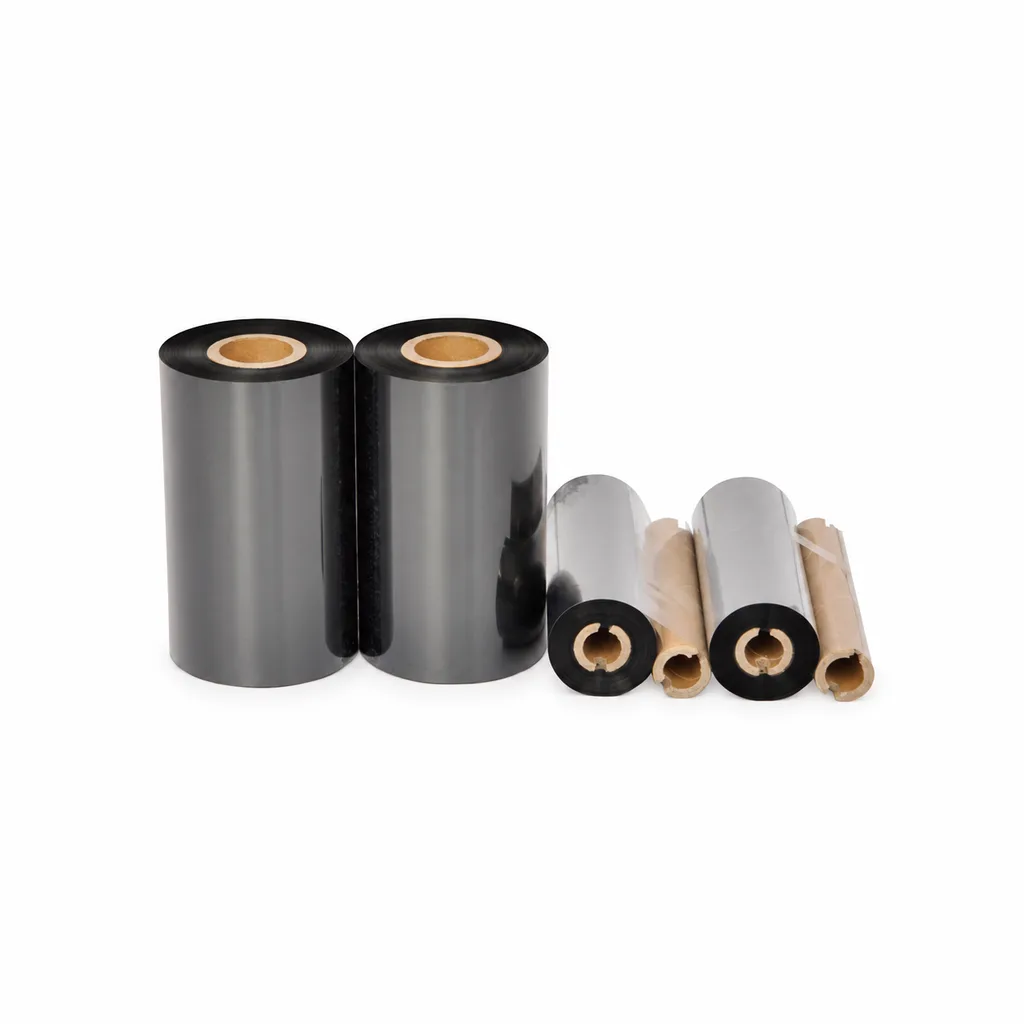
CL-Z908 Wax Thermal Transfer Ribbon for Barcode Labels and Tags
CL-Z908 is an economical black wax thermal transfer ribbon for label and tag printing. Listed applications include retail, warehousing, logistics, clothing tags, simple packaging and production line identification. It is intended for flat-head printing on desktop or industrial barcode printers at speeds of ≤6 inches per second (ips). Select it against your actual paper stock, printer and required image durability: print quality and image durability may vary with the printer and printing substrate.
View detailsNeed the right ribbon for your label application?
Share the label material, printer and operating environment. Our team will recommend a tested combination.
