
Barcode Label Ribbon Explained: What the Term Covers and What It Does Not
Request a solution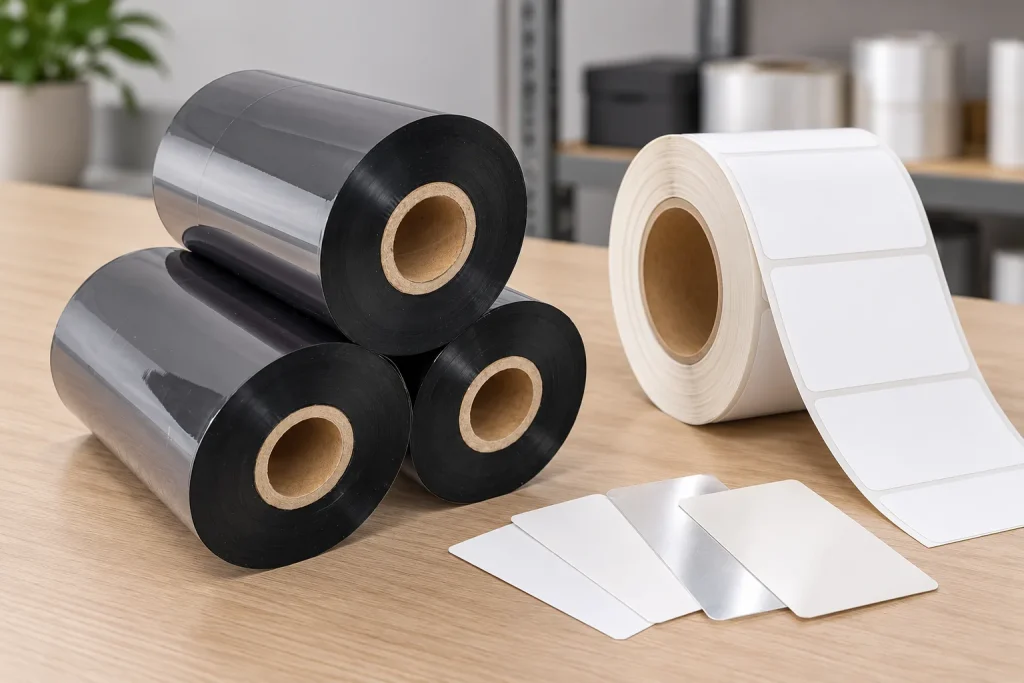
- Original TTR manufacturer since 2013
- Automated coating and slitting
- IQC / IPQC / OQC control
- ANSI barcode grade testing
- -20°C to 120°C environmental testing
- Batch-level traceability
- ANSI barcode grade
- Batch traceability
- RoHS / REACH compliance
- SGS and MSDS documents on request
Key Takeaways
- A barcode label ribbon is a thermal transfer ribbon — a polyester film coated with wax, wax-resin, or resin ink — used to print barcodes on labels.
- The ribbon supplies the ink and the label receives it; direct thermal printing uses treated label material and consumes no ribbon.
- Wax suits porous and coated paper, wax-resin suits coated paper and selected synthetics, and full resin suits synthetic films such as polyester, polyimide, and vinyl.
- Near-edge TTO ribbons fit near-edge coders and must not be loaded into flat-head barcode label printers.
- A ribbon datasheet cannot predict your result; validate each ribbon on your own facestock, printer, and settings before release.
What a Barcode Label Ribbon Actually Is
A barcode label ribbon is the thermal transfer ribbon (TTR) that a barcode label printer consumes to print barcodes, text, and graphics on labels. It is a printer consumable, not a label, and quotations also list it as a barcode ribbon, TTR, or simply ribbon. It consists of a polyester or other high-density thin film coated on one side with a wax-based, resin-based, or wax-resin mixed ink, while the reverse side is coated with a lubricant to prevent wear and damage to the printhead.
Three functional layers do most of the work. The thin, durable base film is made of polyester or other high-density materials and carries the roll. The ink layer is made of wax, resin, or a wax-resin blend and holds the image. A backcoat on the reverse side of the base film prevents static buildup, distributes heat evenly, and reduces friction, thereby protecting the printhead.
Printing runs on heat. Heat from the printhead melts ink from the ribbon onto the label, and the spent film rewinds inside the printer. This process ensures long-lasting, durable prints ideal for barcodes, text, and graphics that must remain readable over time.
How a Barcode Label Ribbon Differs From Adjacent Terms
Three neighboring terms cause most of the confusion on a quotation: label stock, direct thermal, and TTO ribbon. Each one draws a different boundary around the same product family, so settling it first prevents ordering errors.
Ribbon vs. label stock
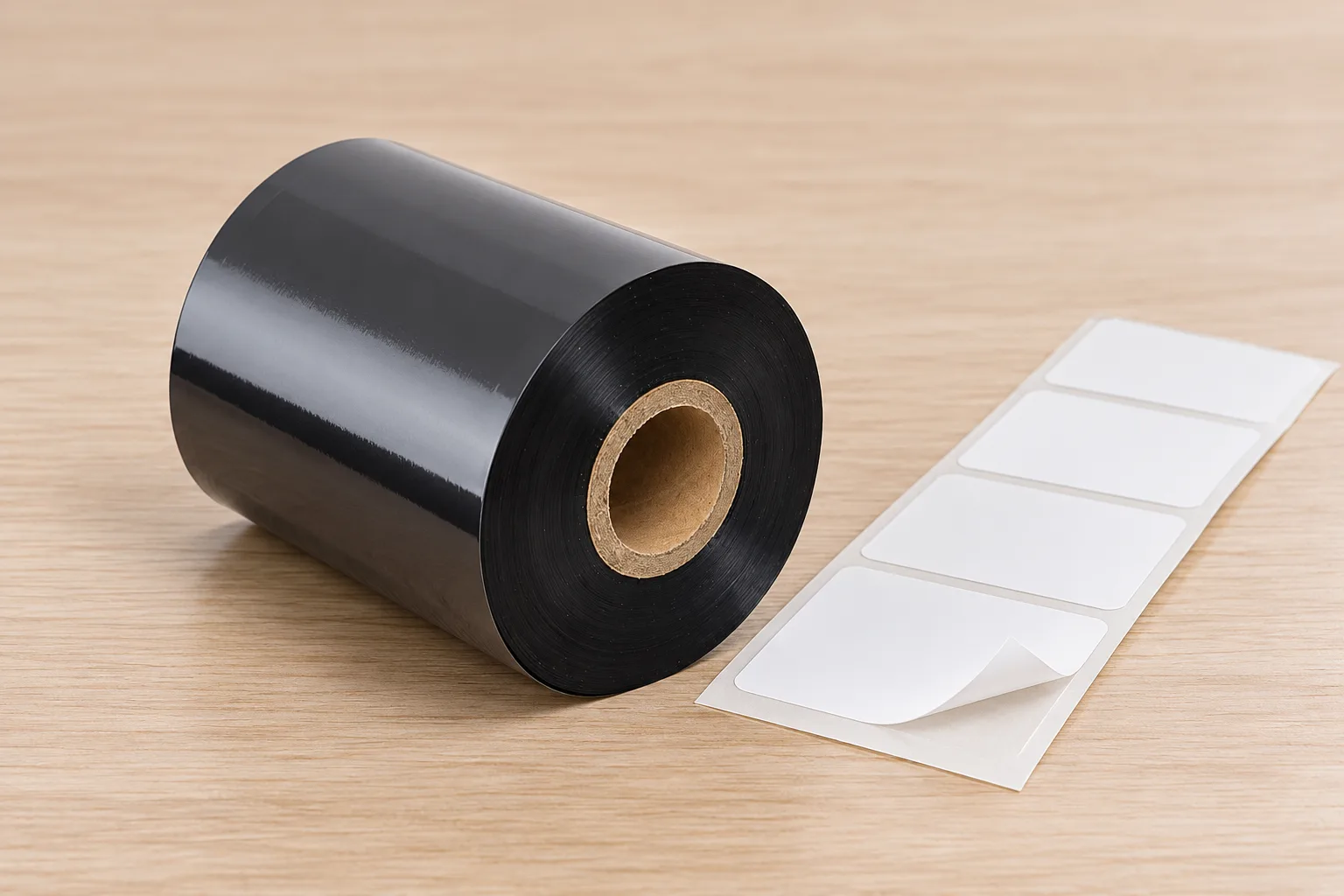
The ribbon is the consumable that supplies the ink, and it is used up as it prints. The label is the material that receives the image. Buying labels therefore does not cover printing unless the print method is direct thermal, which needs no ribbon.
Thermal transfer vs. direct thermal
The two types of thermal printing are direct thermal and thermal transfer. Thermal transfer uses the ribbon described above, because thermal transfer printing requires a ribbon. Direct thermal printing applies heat directly to a specially treated label material that has ink set in the material, so no ribbon is consumed. Check which paper you hold before ordering.
Flat-head ribbon vs. near-edge TTO ribbon
There are flat-head printers and near-edge printers available on the market, and their ribbons are not interchangeable. Near edge printing and TTO (Thermal Transfer Overprinting) are interchangeable names for the near-edge method used on packaging lines. The company compatibility sheet lists TTO near-edge ribbon as unsupported on its desktop and light-industrial label printers and states that it cannot be mixed into flat-head printers. Choose the ribbon according to your specific printer's printhead type and compatibility specifications; when your real task is coding flexible packaging on a coder, start with the near-edge ribbon selection guide.
Why Wax, Wax-Resin, and Resin Versions Exist
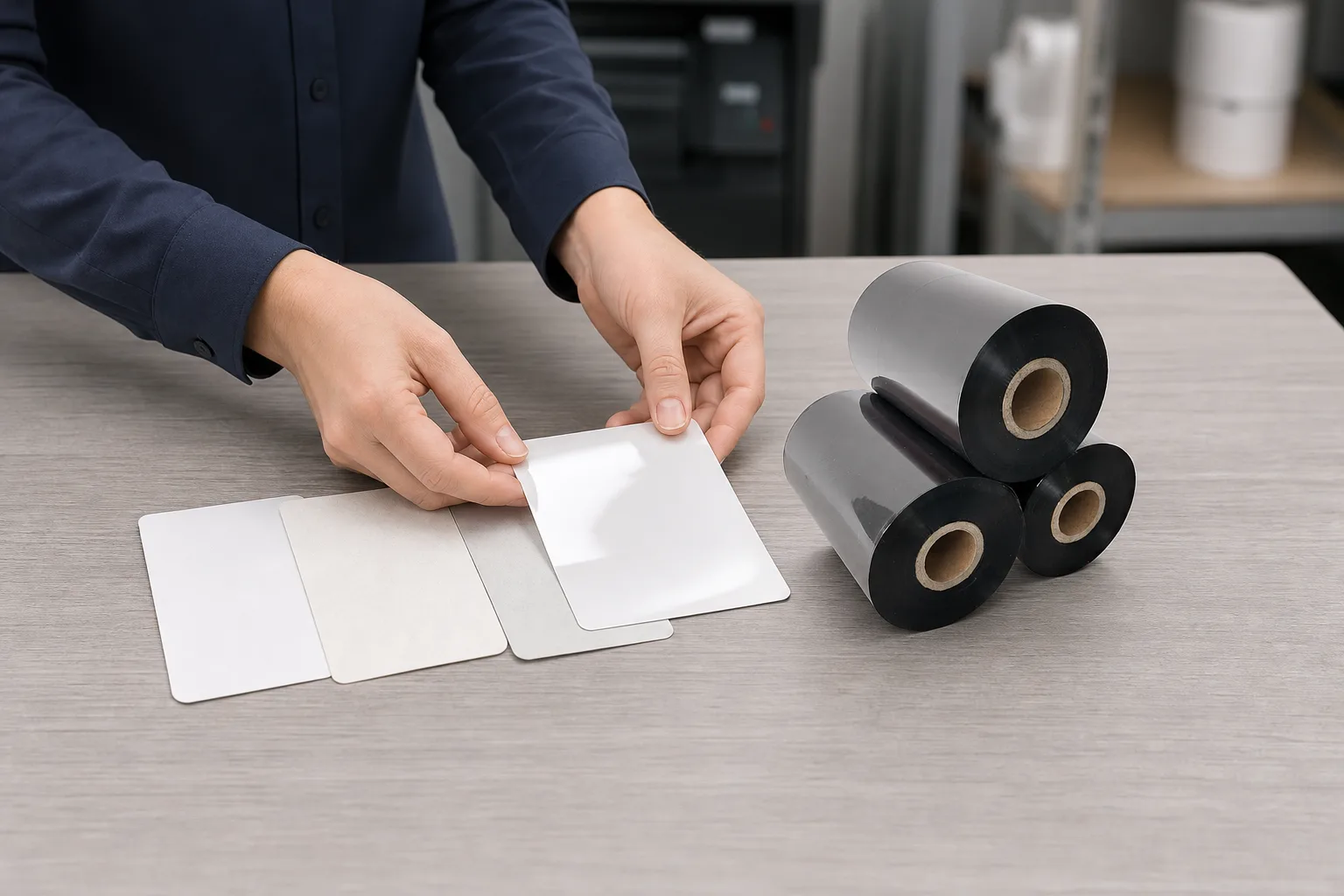
In general, there are three types of thermal transfer ribbons to choose from: full wax, wax-resin blend, and full resin. Three versions exist because the ink must anchor to the receiving surface: wax inks generally anchor into porous paper fiber, while resin formulations are designed to adhere strongly to compatible synthetic surfaces.
Wax ribbons are the most economical option, designed for high-speed printing on paper labels. They fit high-volume paper labeling where cost per roll matters more than long-term durability, and wax-resin ribbons add enhanced durability compared with wax when labels face more handling.
The standard matching map reads as follows: wax ribbons are generally suited to porous and coated paper, wax resin ribbons to coated paper and selected synthetics, and full resin ribbons to demanding synthetic films such as polyester, polyimide, and vinyl. Resin ribbons also require a higher level of heat and pressure during printing, so confirm your printer can drive them before standardizing on resin.
A mismatch shows up fast. Using a wax ribbon on a glossy plastic substrate will almost certainly result in smudging as the ink cannot properly adhere to the surface. And selecting the wrong type goes beyond cosmetics: using the wrong type can result in poor print quality, faded labels, or printer damage.
What a Ribbon Specification Cannot Tell You
A ribbon datasheet describes the ribbon, not your result. Ribbon performance belongs to the complete printed construction, so validate any combination on your own facestock, printer, and settings before release. A ribbon that prints cleanly in a supplier's demonstration can still print poorly on your synthetic stock on your line.
Hardware fit is a separate check from print performance. Ribbon core size follows the printer class: desktop label printers typically accept ribbons on a ½ inch core whereas industrial printer ribbons are supplied on a 1 inch core. Match the ink formulation to the label material first, then check ribbon width, core, and roll length against the specific printer's specifications. Consider changeover frequency only within the roll lengths that the printer supports.
Once you know your label material and printer model, the practical selection guide for thermal transfer ribbons walks the decision path in more detail.
Data and Evidence
The table below matches each ribbon type to the label materials and durability level it is specified for.
| Ribbon type | Ink chemistry | Typical label materials | Positioning |
|---|---|---|---|
| Wax | Wax-based ink | Porous and coated paper | Most economical option; high-speed printing on paper labels |
| Wax-resin | Wax-resin blend | Coated paper and selected synthetics | Enhanced durability compared with wax |
| Resin | Full resin ink | Demanding synthetic films such as polyester, polyimide, and vinyl | Long-lasting durability; needs higher heat and pressure |
Supply ranges from the current company specification list give the practical sourcing envelope.
| Item | Standard range |
|---|---|
| Ribbon width | 40–110 mm standard; 20–220 mm × 70–600 m custom |
| Roll length | 74 / 90 / 300 / 450 m standard |
| Core | 0.5 / 1 / 1.5 inch (standard ribbons use a single 1 inch core; TTO uses a double core) |
Source notes: the ribbon-type comparison uses the verified material-matching and durability entries. Supply dimensions come from the company ribbon specification list, under standard and custom sizes and core structures. The printer media compatibility sheet, dated September 25, 2026, identifies the desktop and light-industrial series and their TTO exclusion.
As a next step, collect the label material, printer model, and print speed for each label SKU, then request ribbon samples and test them on your own line before the next order.
Frequently Asked Questions
Is a barcode label ribbon the same as a thermal transfer ribbon?
Yes, for flat-head barcode label printers the two names describe the same consumable: an ink-coated polyester film. The printhead heats the ribbon and transfers ink from the film onto the label. Near-edge TTO ribbon belongs to near-edge coders, not flat-head label printers.
Do I need a ribbon for direct thermal labels?
No. Direct thermal printing applies heat directly to a specially treated label material that has ink set in the material, so no ribbon is consumed. Thermal transfer labels do require a ribbon.
Which ribbon type should I use for synthetic labels?
Use full resin for demanding synthetic films such as polyester, polyimide, and vinyl, and wax-resin for coated paper and selected synthetics. A wax ribbon on a glossy plastic surface will almost certainly smudge.
Can I approve a ribbon from its datasheet alone?
No. Ribbon performance belongs to the complete printed construction, so validate the ribbon on your own facestock, printer, and settings before you release a production batch.
Recommended products for this industry
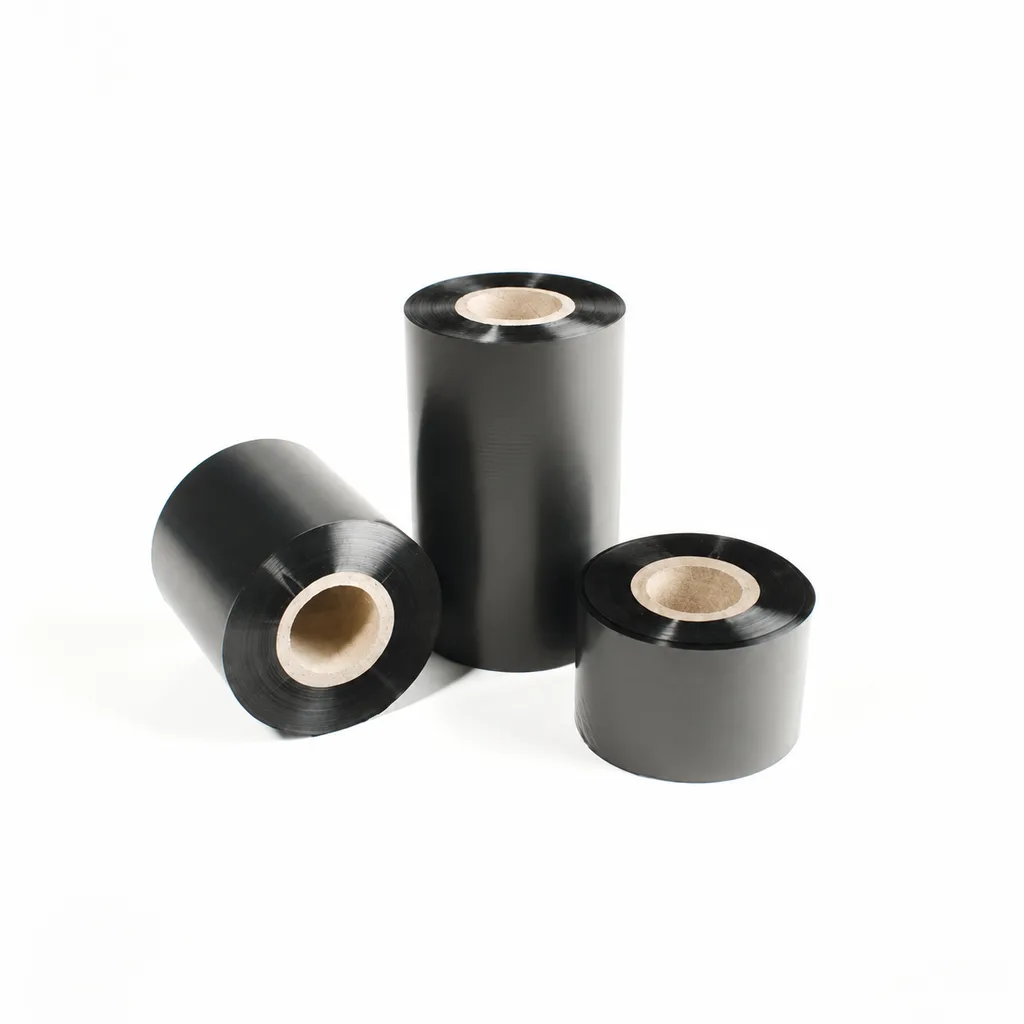
CL-Z112 Enhanced Wax Thermal Transfer Ribbon for Paper Labels and Tags
An enhanced wax thermal transfer ribbon with black ink for paper labels and tags used in retail, warehousing and logistics. It is specified for flat-head printing on desktop or industrial barcode printers at ≤8 inches per second (ips). Select it by checking the actual label material, printer configuration and handling conditions: image-quality, rub-resistance and cold-chamber results were obtained on coated paper, and print quality and image durability may vary with the printer and print medium.
View details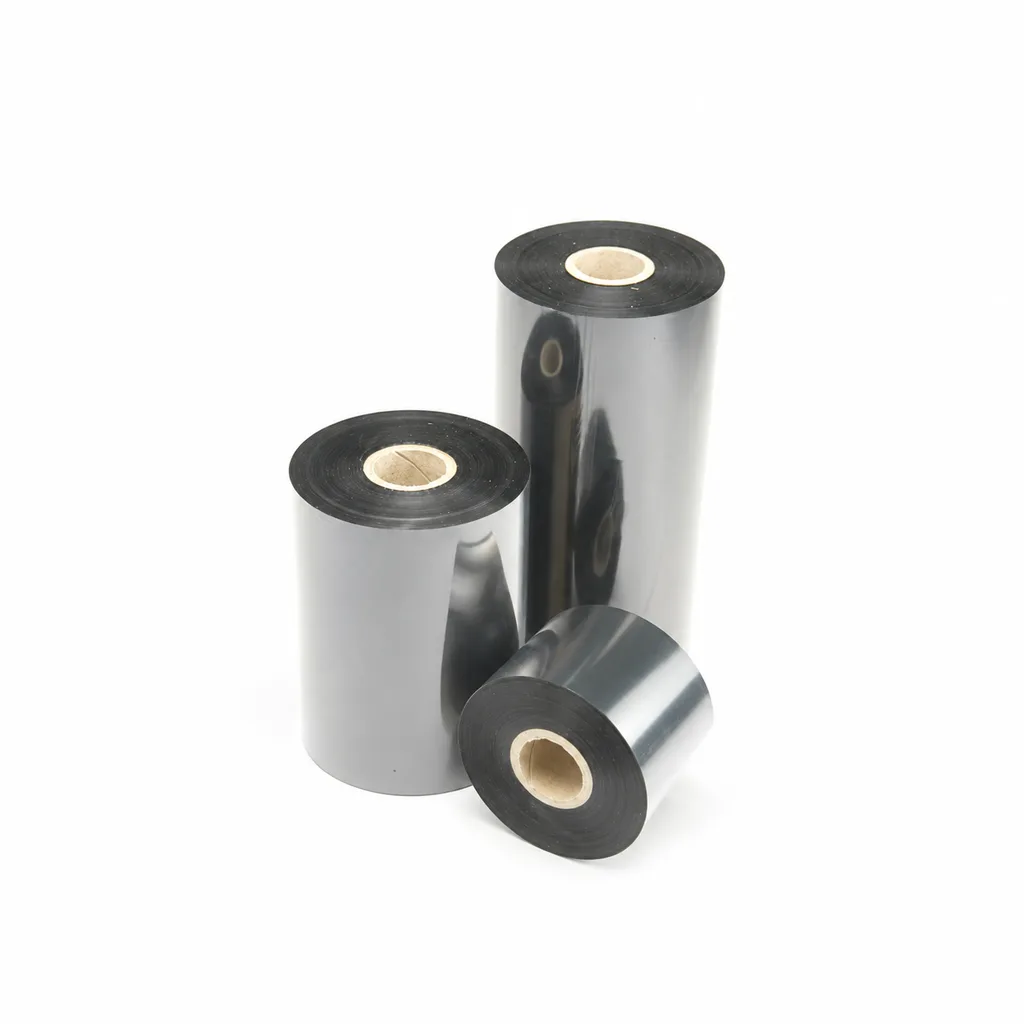
CL-Z203 Wax-Resin Thermal Transfer Ribbon for Barcode Labels
A black wax-resin thermal transfer ribbon for flat-head printing, with listed applications including retail, warehousing, logistics and garment tags. Select it against your actual label material and desktop or industrial barcode printer at speeds ≤6 ips (inches per second). Fine-line, small-text and durability results were obtained on coated paper; print quality and image durability may vary with the printer and printing substrate.
View details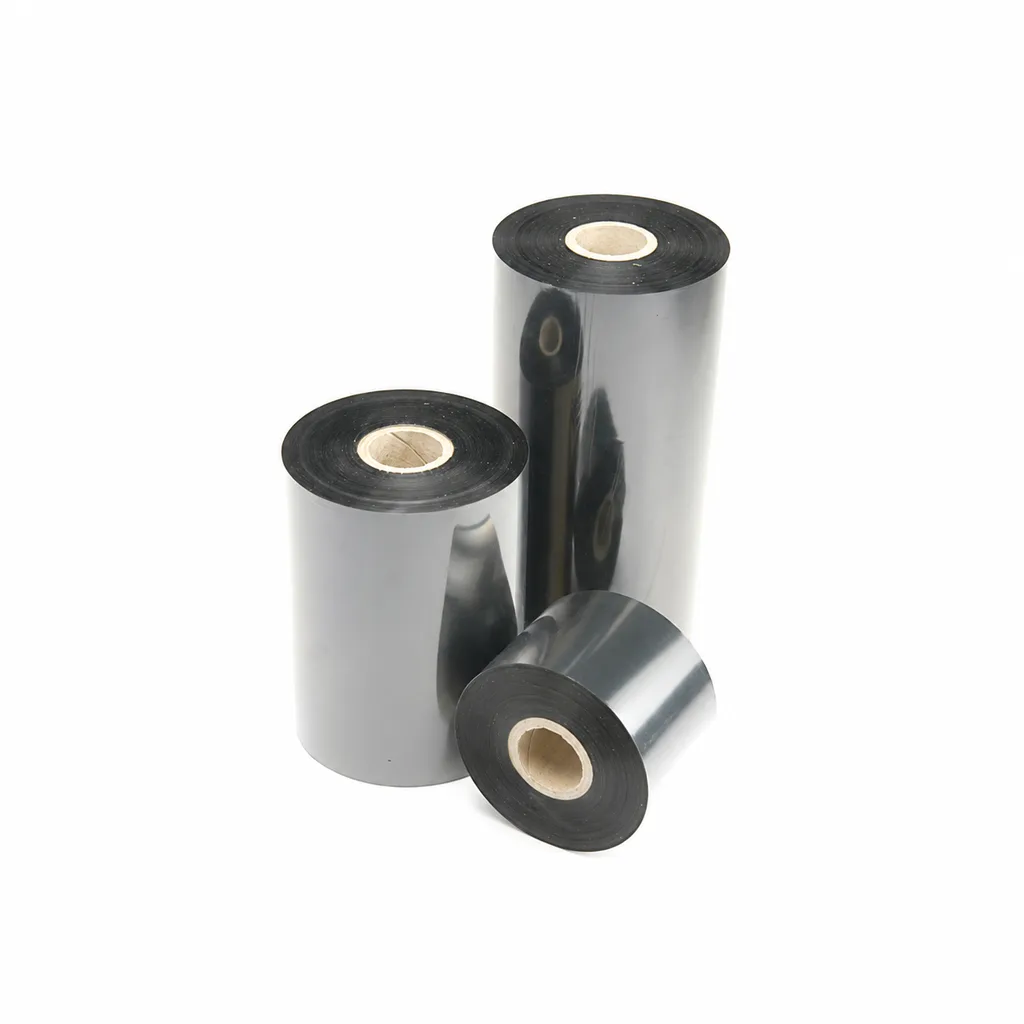
CL-Z213 Near-Edge Wax-Resin Thermal Transfer Ribbon for Barcode Labels
An enhanced black near-edge wax-resin thermal transfer ribbon for near-edge barcode printers and low- to medium-speed thermal transfer overprinting (TTO). Listed applications include retail labels, warehousing, garment tags and packaging identification. Match the printer, actual print medium and operating speed before selection: print quality and image durability can vary with the printer and substrate.
View details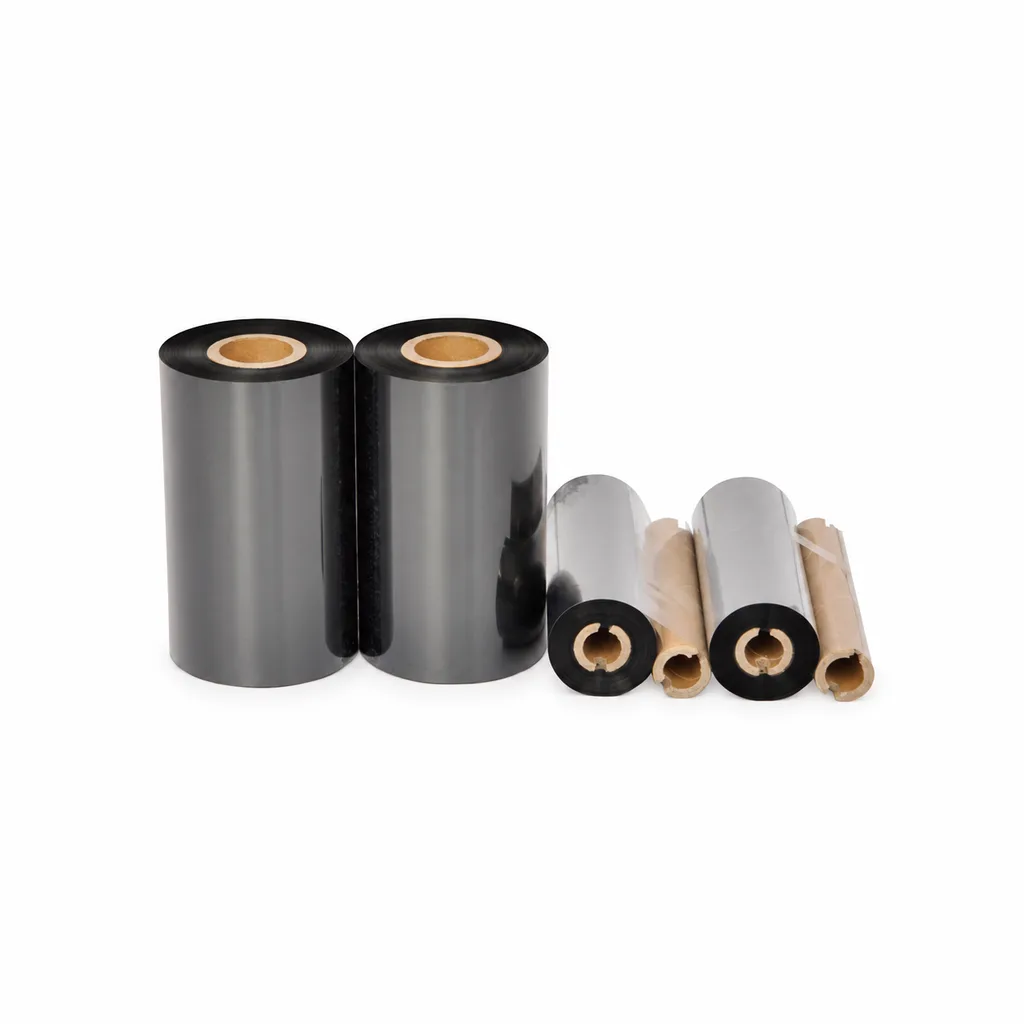
CL-Z908 Wax Thermal Transfer Ribbon for Barcode Labels and Tags
CL-Z908 is an economical black wax thermal transfer ribbon for label and tag printing. Listed applications include retail, warehousing, logistics, clothing tags, simple packaging and production line identification. It is intended for flat-head printing on desktop or industrial barcode printers at speeds of ≤6 inches per second (ips). Select it against your actual paper stock, printer and required image durability: print quality and image durability may vary with the printer and printing substrate.
View detailsNeed the right ribbon for your label application?
Share the label material, printer and operating environment. Our team will recommend a tested combination.
