
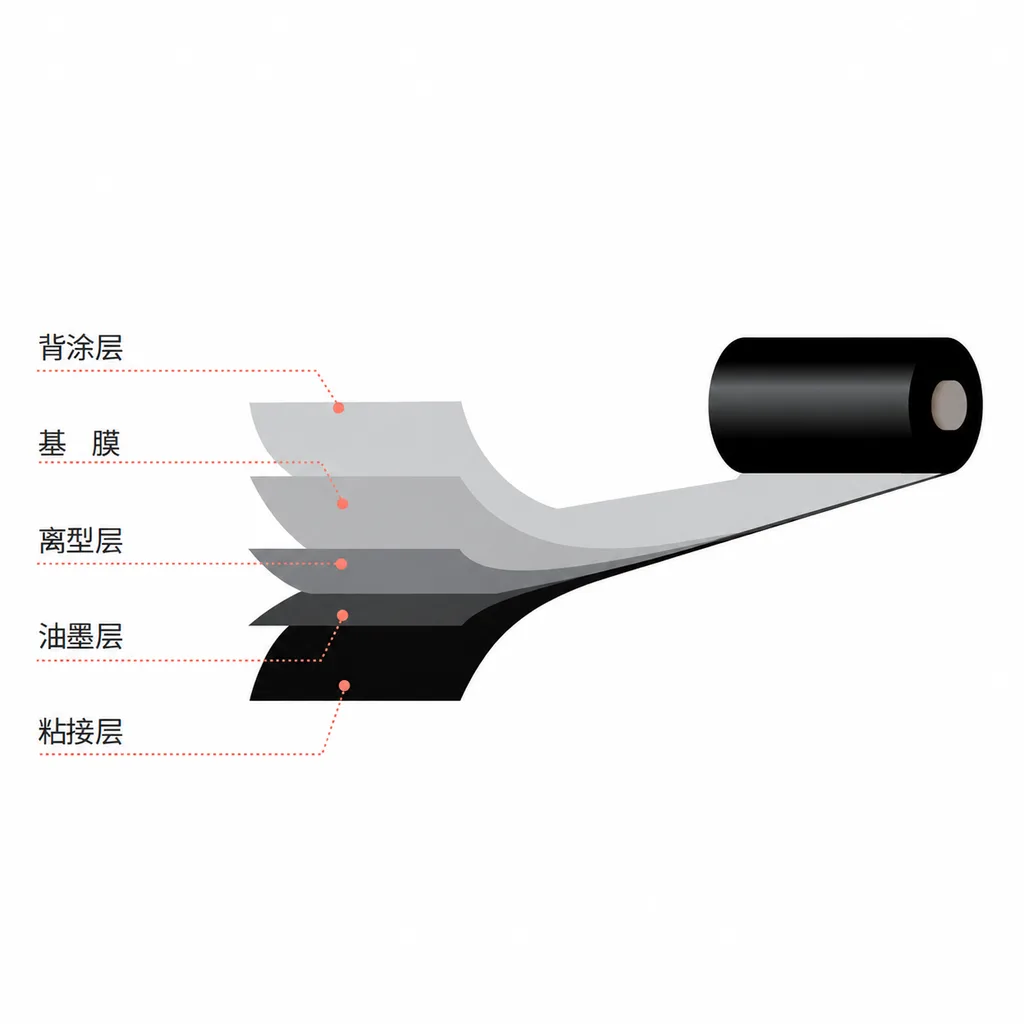
CL-Z312 Resin Thermal Transfer Ribbon for Packaging Printing
CL-Z312 is a black, general-purpose resin ribbon for thermal transfer overprinting (TTO), with packaging and retail label applications listed in the product information. Its abrasion, alcohol and oil resistance data were obtained on polyethylene terephthalate (PET). Select it against your actual packaging material, printer and production speed: print quality and image durability can vary with the printer and substrate, and the material chart percentages are not defined as pass rates.
Product Overview
For packaging identification, this general-purpose TTO resin ribbon offers black printing with documented resistance tests on PET. The listed application areas include heat packaging, retail labels, the frozen-goods industry, pharmaceutical packaging, prepackaging and food packaging. These application descriptions do not establish food-contact approval, medical certification or a specified low-temperature operating range.
Compare the resistance data with the contact conditions your printed image will encounter. The PET results are 1000 abrasion cycles with A4 paper at a 9N load; 50 alcohol-resistance cycles with 95% ethanol at a 9N load; 50 smudge-resistance cycles with 200877 cotton cloth under dry rubbing at a 500g load; and >30 oil-and-grease-resistance cycles at a 500g load. Results on other substrates or with other printers may differ.
The material adaptability chart lists PET at 80%, polyvinyl chloride (PVC) at 80%, aluminum-plastic film at 80%, polypropylene (PP) at 60%, coated paper at 60% and polyethylene (PE) at 40%. The chart does not define the percentages, test methods or conditions. Use these as chart values for initial material screening, rather than acceptance rates or guaranteed compatibility.
The recommended printing conditions list edge-head printing at ≤8 ips and TTO at ≤13 ips, where ips means inches per second. The speed illustration names AVERY 6404 / Videojet 6320 together; it does not assign a separate speed to each machine or establish these speeds for every printer. Print quality and image durability may vary with printer and substrate type, so evaluate the intended combination before production. Ribbon width, length, core dimensions and winding direction are not specified in the available product information and require confirmation for an order.
The ribbon uses a polyester film base with a base-film thickness of 4.2±0.2 μm and a total thickness of 5.5±0.5 μm. The ink-layer melting point is 90℃; this is not a continuous service-temperature rating. Store at -5℃~40℃ and 20%~85% humidity in a ventilated location, protected from light and away from heat sources. The stated shelf life is one year.
Core Advantages
Abrasion data for handling-related selection
The reported abrasion result is 1000 cycles using A4 paper under a 9N load on PET. Use this defined test condition when comparing requirements for handling and rubbing; image durability may differ with printer and substrate type.
Alcohol resistance with a stated concentration
The reported result is 50 cycles with 95% ethanol under a 9N load on PET. This result does not establish resistance to every cleaning liquid or exposure condition.
Oil and grease resistance under a defined load
The reported oil and grease resistance is >30 cycles under a 500g load on PET. Evaluate the intended substrate and actual contact conditions because print quality and image durability can vary.
Technical Specifications
| Ink color | Black |
|---|---|
| Optical density | 1.4 (standard-version spectrodensitometer X-rite exact) |
| Abrasion resistance | 1000 cycles (A4 paper, load: 9N) |
| Alcohol resistance | 50 cycles (load 9N, 95% ethanol) |
| Smudge resistance | 50 cycles (load 500g, dry rubbing, 200877 cotton cloth) |
| Oil and grease resistance | >30 cycles (load 500g) |
| Base material | Polyester film |
| Base-film thickness (μm) | 4.2±0.2 |
| Total thickness (μm) | 5.5±0.5 |
| Ink-layer melting point | 90℃ |
| Storage conditions | Temperature -5℃~40℃, humidity 20%~85%, ventilated, protected from light, away from heat sources |
| Shelf life | One year |
| PET | 80% |
| PVC | 80% |
| Aluminum-plastic film | 80% |
| PP | 60% |
| Coated paper | 60% |
| PE | 40% |
| Edge-head printing | ≤8 ips |
| TTO | ≤13 ips |
Typical Applications
Heat packaging, prepackaging and food packaging
Listed application areas for packaging printing. Evaluate the intended film, printer and speed; the application listing does not establish direct food-contact suitability or a packaging-process temperature limit.
Retail labels
Listed for retail labeling applications. Check image quality and durability on the actual label substrate, as the published resistance results were obtained on PET.
Frozen-goods industry packaging
The frozen-goods industry is a listed application area. No specific low-temperature performance range is provided, so suitability under the intended conditions requires evaluation.
Pharmaceutical packaging
Listed for pharmaceutical packaging printing. Confirm the actual packaging material and required documentation; the application listing does not establish medical certification.
Frequently Asked Questions
Do the material chart percentages guarantee compatibility with my packaging film?
No. The chart lists PET, PVC and aluminum-plastic film at 80%, PP and coated paper at 60%, and PE at 40%, but does not define the percentages or their test methods and conditions. They cannot be treated as pass rates. Evaluate print quality and image durability with your actual printer and substrate.
Can I apply the published resistance results to every substrate?
No. The published image-characteristic tests were performed on PET. Abrasion was tested with A4 paper at 9N, alcohol resistance with 95% ethanol at 9N, smudge resistance with 200877 cotton cloth under dry rubbing at 500g, and oil and grease resistance at 500g. Printer and substrate differences may change print quality and image durability.
Does the 90℃ ink-layer melting point define the printed image's heat resistance?
No. The specified 90℃ value is the ink-layer melting point. The available product information does not provide a continuous service-temperature rating or a printed-image heat-resistance test.
What should I confirm before ordering for a packaging line?
Confirm the actual substrate, printer and operating speed because these can affect print quality and image durability. Also confirm ribbon width, length, core dimensions and winding direction: these ordering details are not specified in the available product information.
Explore
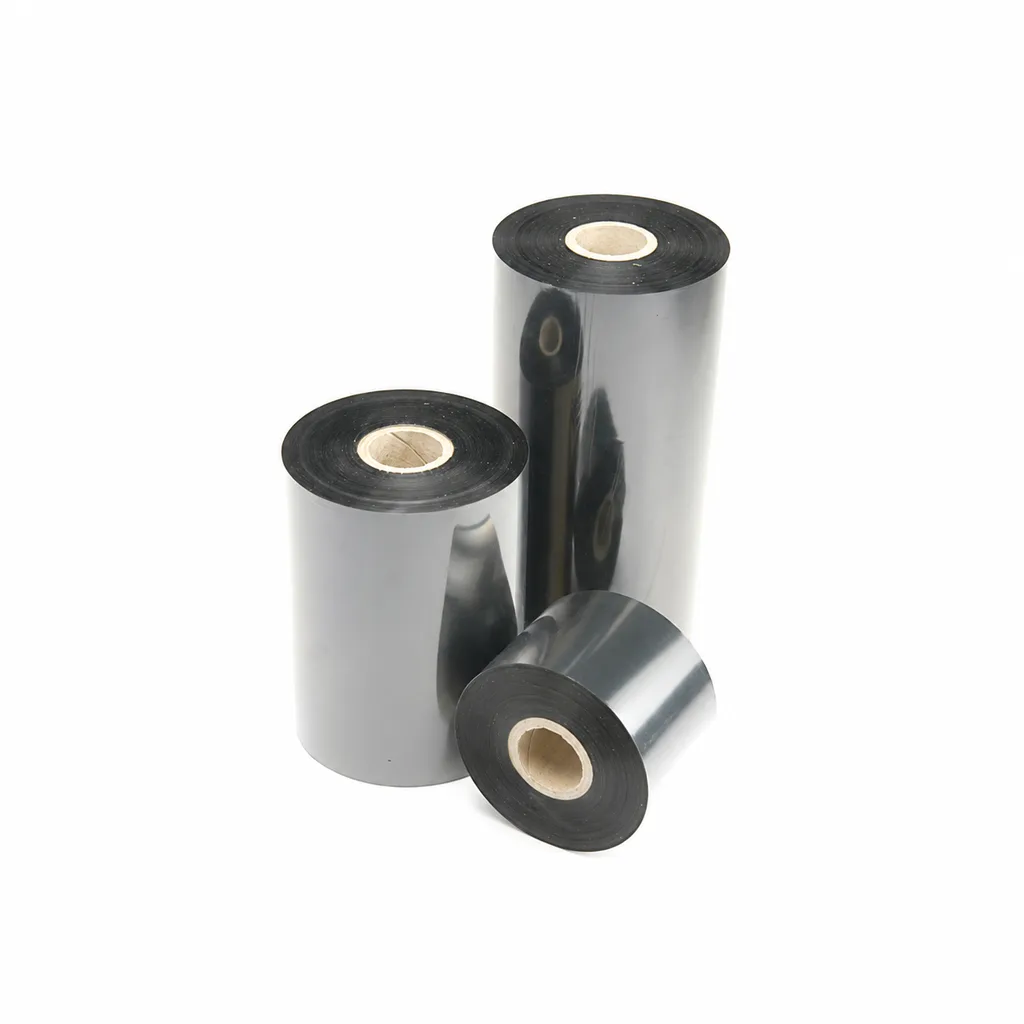
CL-Z213 Near-Edge Wax-Resin Thermal Transfer Ribbon for Barcode Labels
An enhanced black near-edge wax-resin thermal transfer ribbon for near-edge barcode printers and low- to medium-speed thermal transfer overprinting (TTO). Listed applications include retail labels, warehousing, garment tags and packaging identification. Match the printer, actual print medium and operating speed before selection: print quality and image durability can vary with the printer and substrate.
View details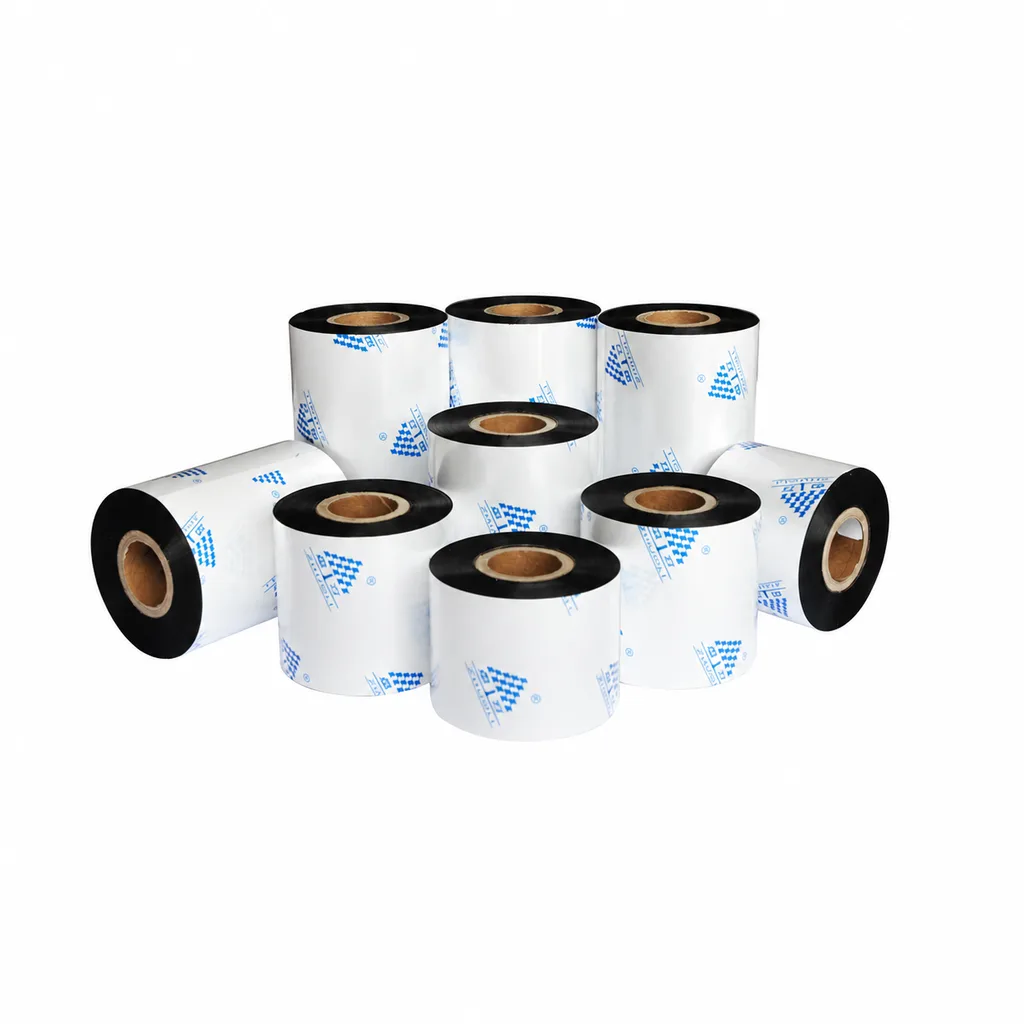
Near-Edge Wax-Resin Thermal Transfer Ribbon CL-Z212 for Barcode Labels
CL-Z212 is a general-purpose black wax-resin thermal transfer ribbon primarily for near-edge barcode printers, with use also described for low- to medium-speed thermal transfer overprinting (TTO). Listed applications include retail labels, garment tags, warehouse identification and packaging printing. Select according to printer type, actual printing speed and substrate: recommended conditions list near-edge printing at ≤10 inches per second (ips) and TTO at ≤20 ips. Print quality and image durability can vary with the printer and printing material, so trial printing on the intended substrate is necessary for selection.
View details
Thermal Transfer Intelligent Coding Machine
This series of thermal transfer coders represents a cost-effective intelligent coding…
View detailsNot sure which grade fits your printer and label?
Tell us the label material, printer model, environment and expected durability. We will recommend the right option.
