
Shipping Contaminated Water by Sea: Drum Label Example and Ribbon Selection
Request a solution
- Original TTR manufacturer since 2013
- Automated coating and slitting
- IQC / IPQC / OQC control
- ANSI barcode grade testing
- -20°C to 120°C environmental testing
- Batch-level traceability
- ANSI barcode grade
- Batch traceability
- RoHS / REACH compliance
- SGS and MSDS documents on request
For buyers preparing contaminated-water drums for sea shipment, the label example must follow the confirmed cargo classification. A conditional UN 3082 example combines the approved shipping description with the applicable hazard label and environmental marking. For self-printing, shortlist resin ribbon for durable chemical drum identification, then verify the selected stock, printer and finished label together.
Key Takeaways
- UN 3082 identifies environmentally hazardous substance, liquid, n.o.s.; use this example only when that entry is confirmed for the shipment.
- Hazard labels communicate the hazard class, while markings identify the cargo.
- Resin ribbon is a candidate for chemical drum labels that require long-lasting printed identification.
- Ribbon selection depends on label material, required durability and exposure conditions.

Confirm the classification before copying a drum label example
The IMDG Code governs the transport of dangerous goods by vessel, so a sea-shipping label starts with the cargo assessment. For a shipping contaminated water by sea drum label example, use the conditional layout below only after the responsible shipping specialist confirms UN 3082. Then choose the label stock and ribbon for the actual drum and exposure conditions.
Do not turn the everyday description “contaminated water” into an approved shipping description by copying a template. Ask for the assessed identity of the mixture, the approved UN entry and shipping name, and the applicable hazard and environmental marking instructions. Keep those approved details alongside the artwork request so the person printing labels does not have to infer them.
UN 3082 is associated with the proper shipping name Environmentally Hazardous Substance, Liquid, N.O.S. and hazard class 9 in the available transport reference. That provides a useful conditional example, rather than evidence about the contents of a particular drum. If the classification review assigns a different entry, replace the example with artwork based on that decision.
Before ordering consumables, separate unresolved cargo questions from printing questions. Missing classification information calls for a shipping review; missing stock compatibility information calls for a label-and-ribbon sample. Buying a more durable ribbon does not resolve an unknown shipping description.
Build a conditional UN 3082 drum label example
Hazard labels communicate the hazard class, while markings provide the cargo identity. Treat the following as an artwork briefing example for a shipment already confirmed as UN 3082, not as a finished graphic ready to apply. Square brackets identify information or artwork that must be supplied and approved.
| Artwork element | Conditional example or instruction | Approval needed before printing |
|---|---|---|
| UN identification | UN 3082 | Confirm this is the assigned entry for the mixture. |
| Shipping description | ENVIRONMENTALLY HAZARDOUS SUBSTANCE, LIQUID, N.O.S. ([approved technical name]) | Supply the approved technical name and check the complete description. |
| Hazard label | [Approved Class 9 hazard label artwork] | Verify the artwork against the applicable sea-transport requirements. |
| Environmental marking | [Applicable environmentally hazardous substance mark] | Confirm applicability and approve the mark for this shipment. |
The UN 3082 reference entry carries a technical-name flag in the consulted transport table. Obtain the actual approved name rather than printing “contaminated water” inside the parentheses by default. Keep unresolved text visibly marked in the working file, and remove every placeholder only after approval.
This example deliberately gives no universal label size, symbol dimensions or placement measurement. Have the shipping reviewer specify those details for the actual package and transport conditions. Ask the artwork supplier for approved hazard graphics rather than drawing symbols from a written description. Keep internal inventory fields separate in the design review so they do not get mistaken for approved cargo identification.
Choose label stock and ribbon as a printing system
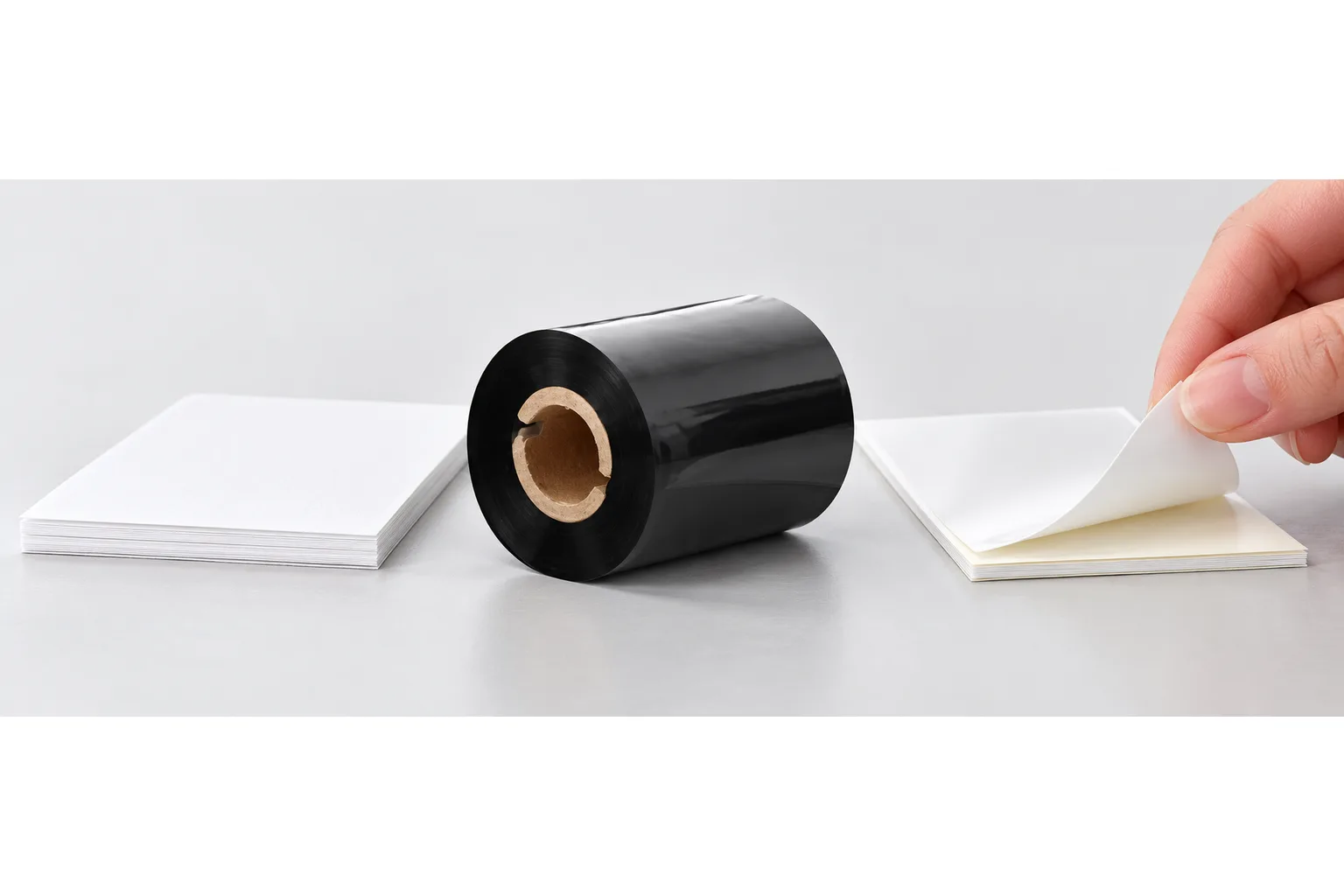
Thermal transfer printing uses a ribbon to create the image on the label, and ribbon selection depends on the substrate and required durability. For chemical drum identification that needs a long-lasting image, put resin ribbon on the sample shortlist. That is a material-selection starting point, not a shipment approval.
Wax and wax-resin remain useful options in their supported applications. Wax is formulated primarily for coated and uncoated paper used under normal handling. Wax-resin works with coated paper and synthetic stocks when more handling resistance is needed but full resin-level chemical resistance is not required. Do not extend those general applications into a claim that any listed ribbon will withstand your drum's exposure.
| Ribbon candidate | Supported starting application | Buyer decision for this project |
|---|---|---|
| Wax | Paper labels under normal handling | Consider for a separate, protected identification task; do not select it merely because the job includes shipping. |
| Wax-resin | Coated paper and synthetic labels needing more handling durability | Request evidence for the actual exposure before including it in the drum-label trial. |
| Resin | Long-lasting applications such as chemical drum labels | Shortlist with compatible stock and evaluate the printed sample. |
Give the consumables supplier the printer model, label material and expected service conditions in the same request. Printer head type matters: flat-head and near-edge heads are distinct considerations in ribbon selection. Ask the supplier to identify the matching ribbon version before purchasing a production quantity.
Compare quotations for the proposed combinations, including sample stock and ribbon. Evaluate the cost of producing an acceptable label on your own equipment rather than choosing solely by ribbon roll price. Keep material selection open until the sample review is complete.
Data and Evidence
The available references support a conditional UN 3082 example and a ribbon-selection route, but they do not establish the classification of your contaminated water. CHEMTREC describes the IMDG framework for dangerous goods at sea; the UN 3082 transport reference supplies the example shipping name and class. The distinction between hazard labels and identity markings comes from a dangerous-goods labeling guide.
The consulted HazMat Tool entry supports checking the technical name, but describes itself as reference material rather than a shipping paper. Use the shipping assessment to resolve the actual mixture and sea-transport requirements. No seawater-test duration, complete-system certification or company-specific performance result is established here.
For the purchasing decision, use a documented trial rather than an assumed universal pass value:
- Freeze the approved text and hazard artwork, and record the selected printer, stock and ribbon identities.
- Print a sample on the intended equipment and apply it to a representative drum surface.
- Ask the reviewer to check the cargo information and artwork; separately check text clarity and any operational barcode.
- Agree exposure and handling checks with the supplier that reflect the shipment, then inspect both label attachment and printed legibility.
- If the print or attachment fails, return the observed failure to the supplier and trial a revised combination before ordering the production quantity.
These are proposed purchasing checks, not a substitute test standard or a claim of proven durability. Record what was checked and what remains unverified. Your next step is to obtain the approved shipping description and request a matched label-stock and ribbon sample for your printer.
Frequently Asked Questions
Can I use UN 3082 for any drum of contaminated water?
Use the UN 3082 example only after the shipment assessment confirms that entry and its proper shipping name. The phrase contaminated water alone does not supply that confirmation; keep the print job on hold until the classification is resolved.
Does a Class 9 label identify the contaminant inside a drum?
The hazard label communicates the class, while markings identify the cargo. For the example shown here, obtain the approved technical name before replacing the placeholder in the shipping description.
Should I buy a resin ribbon before choosing the drum label stock?
Choose and test the ribbon with the label stock and printer. Resin is a suitable candidate for durable chemical drum printing, but the ribbon family alone does not establish that the complete label system suits your shipment.
Recommended products for this industry
Brother Compatible Label Ribbons (TZe Series)
This Brother-compatible label ribbon (TZe series) is manufactured using high-quality…
View details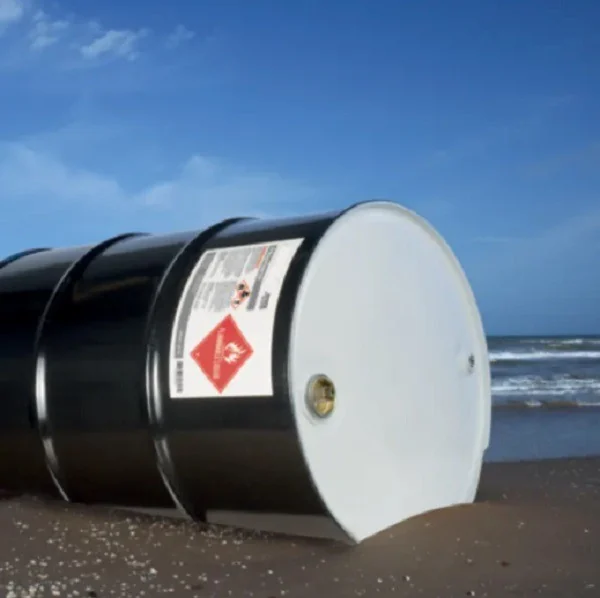
Chemical Drum Marine Label
Durable drum label for hazardous chemical containers and marine transport; BS 5609…
View details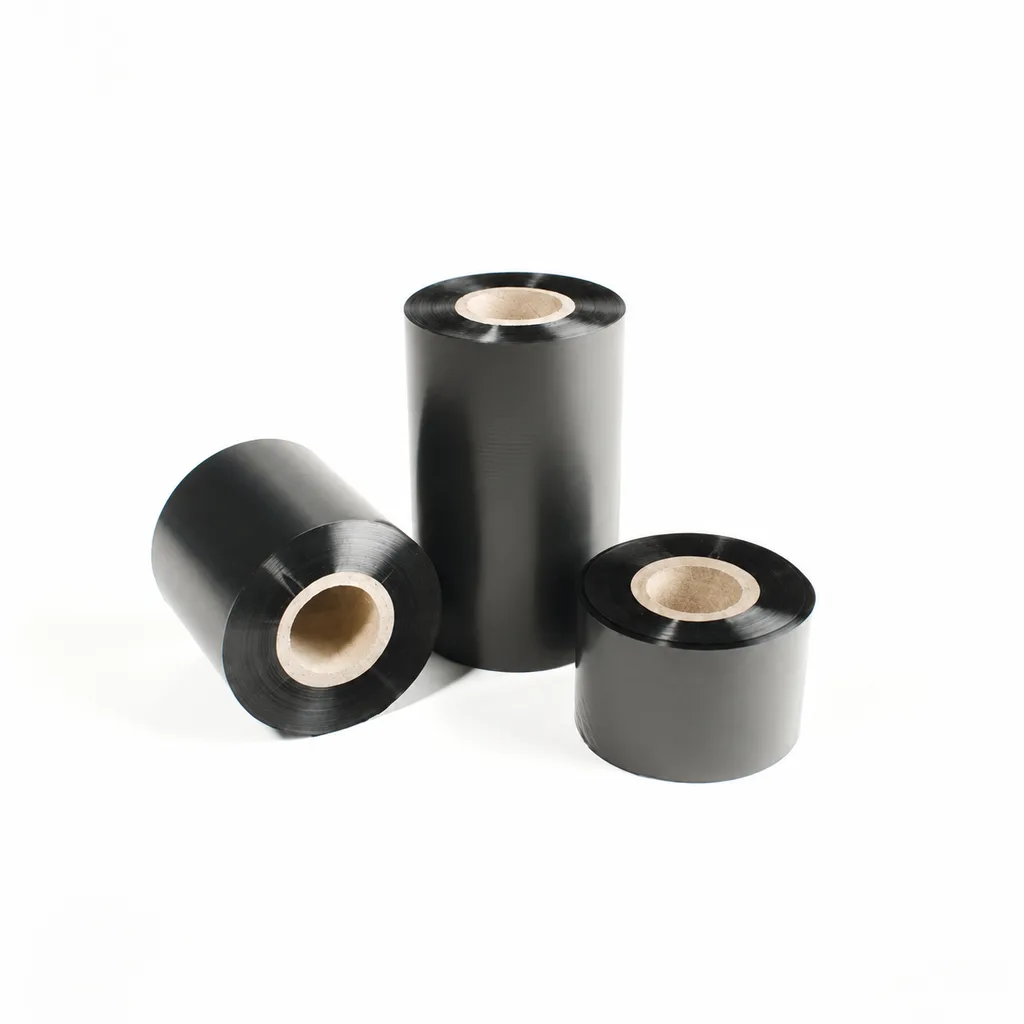
CL-Z112 Enhanced Wax Thermal Transfer Ribbon for Paper Labels and Tags
An enhanced wax thermal transfer ribbon with black ink for paper labels and tags used in retail, warehousing and logistics. It is specified for flat-head printing on desktop or industrial barcode printers at ≤8 inches per second (ips). Select it by checking the actual label material, printer configuration and handling conditions: image-quality, rub-resistance and cold-chamber results were obtained on coated paper, and print quality and image durability may vary with the printer and print medium.
View details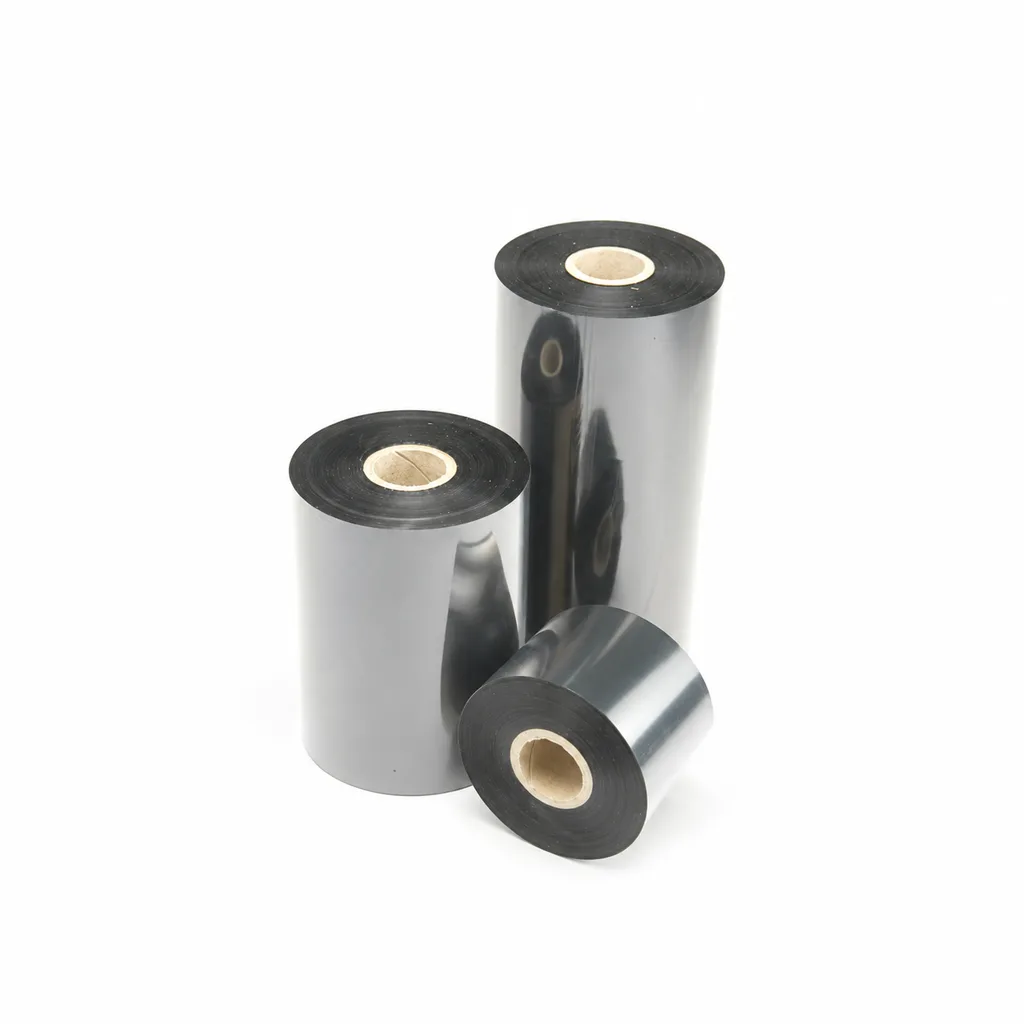
CL-Z203 Wax-Resin Thermal Transfer Ribbon for Barcode Labels
A black wax-resin thermal transfer ribbon for flat-head printing, with listed applications including retail, warehousing, logistics and garment tags. Select it against your actual label material and desktop or industrial barcode printer at speeds ≤6 ips (inches per second). Fine-line, small-text and durability results were obtained on coated paper; print quality and image durability may vary with the printer and printing substrate.
View detailsNeed the right ribbon for your label application?
Share the label material, printer and operating environment. Our team will recommend a tested combination.
