
How to Choose Identification Labels and Ribbons for In-House Printing
Request a solution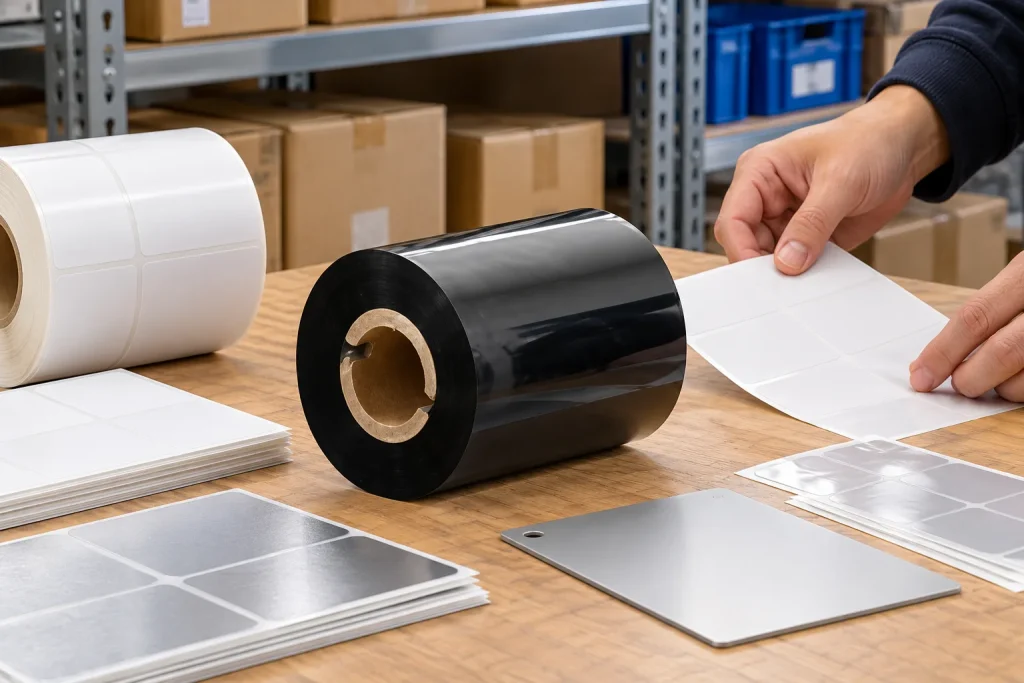
- Original TTR manufacturer since 2013
- Automated coating and slitting
- IQC / IPQC / OQC control
- ANSI barcode grade testing
- -20°C to 120°C environmental testing
- Batch-level traceability
- ANSI barcode grade
- Batch traceability
- RoHS / REACH compliance
- SGS and MSDS documents on request
For buyers printing identification labels in-house, begin with the label stock and its working environment, then shortlist a compatible thermal transfer ribbon. Wax suits paper under normal handling; wax-resin covers paper and synthetic stock with greater handling demands; resin deserves evaluation for synthetic labels exposed to chemicals, heat or prolonged outdoor use. Approve the proposed combination through a trial on the intended surface before committing to production quantities.
Key Takeaways
- Wax ribbons are primarily intended for coated and uncoated paper labels under normal handling.
- Wax-resin ribbons cover coated paper and synthetic stocks where more handling durability is needed.
- BIS Labels identifies resin as the grade for synthetic labels facing chemicals, heat or extended outdoor exposure.
- Specialty label descriptions identify candidates for review, rather than proving performance for an entire application.
Define what the identification label must survive
Paper labels under normal handling and synthetic labels facing harsh exposure occupy different branches of ribbon selection. For your identification label, write down the actual use conditions before comparing consumables. Start with what will be identified, where the label will be attached, and who or what will read it.
Prepare a short application brief for the buyer, operator and supplier to share. State whether the job concerns warehouse stock, repeatedly handled products, equipment or outdoor identification. Include the intended surface, available label area, required text or barcode, expected handling, and exposure to moisture, cleaning agents or heat. Describe the intended period of use without turning it into an unsupported durability promise.
Separate requirements from assumptions. If outdoor exposure matters, ask for a candidate with evidence relevant to that exposure. If a label will be attached before a cold process, describe that sequence explicitly in the request. Ask the supplier to address both attachment conditions and later use conditions for the proposed construction.
Finish this stage with a written acceptance description: what must remain readable, whether the label must remain attached, and how the operator will check it. Agree those requirements before ordering samples. Keep any unresolved condition visible in the request so that a supplier can propose a relevant sample rather than answer a broad request for a durable label.

Choose a ribbon family from the stock and exposure
Wax-resin ribbons print on coated paper and synthetic label stocks, according to BIS Labels, and suit applications needing more handling durability than wax. Use that middle category when your application involves repeated handling but does not call for full resin-level chemical resistance. Technicode also describes wax-resin as accommodating a wider range of substrates.
For paper warehouse identification under normal handling, start by evaluating wax. BIS Labels places coated and uncoated paper within its primary uses. If the brief calls for more handling durability, shortlist wax-resin and compare samples against the same requirements. Avoid choosing from the word “industrial” alone; identify the actual exposure behind it.
For synthetic labels facing chemicals, heat or prolonged outdoor exposure, evaluate a compatible resin ribbon. BIS Labels assigns that exposure category to resin. Treat the family recommendation as a shortlist, then request documentation for the exact stock and ribbon proposed. It does not supply a universal temperature setting or establish that every resin formulation will pass your particular trial.
Before purchasing, ask for confirmation against your printer model and the proposed consumable specifications. Request the required roll format, ribbon dimensions and loading information from the equipment or consumable supplier. Resolve that information before placing a bulk order; this guide does not assign printer settings or promise compatibility with an unspecified machine.
Compare samples before choosing production consumables
The available specialty label descriptions include separate entries for pipe flow identification, vehicle frame identification and outdoor power identification. These are useful starting points for a supplier discussion, but the descriptions do not provide a common tested specification across those applications. Ask for the exact candidate’s documentation instead of combining claims from different entries.
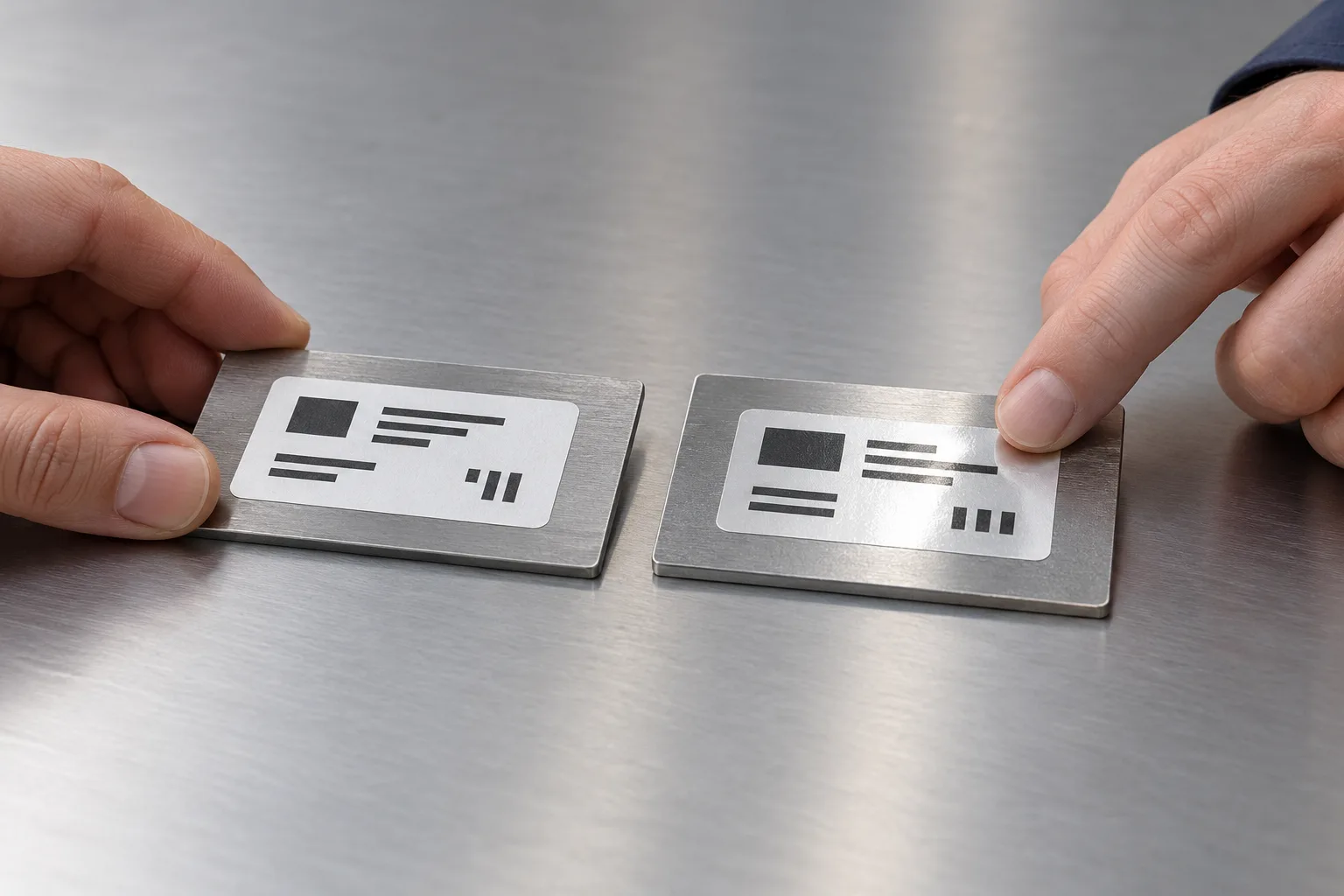
Use the following trial sequence as a purchasing procedure, with acceptance conditions agreed for your own job:
- Request the shortlisted label and ribbon together, identifying each sample clearly so that the successful combination can be reordered.
- Print the intended text or barcode on the production printer using documented guidance for that combination.
- Apply the samples to the intended surface, following the proposed label’s application instructions.
- Evaluate attachment and readability after the handling and exposure described in your brief; use the intended reader where machine reading is required.
- Record the sample identities, printer configuration, trial conditions and observed result before making the purchase decision.
If the trial fails, describe what failed before requesting another sample. Report detachment separately from lost print readability, and report a reading failure separately from the appearance of the printed text. Ask the supplier to review the failed requirement and propose a targeted change. Repeat the relevant comparison with the revised combination, preserving the same acceptance requirements so that the decision remains useful.
Data and Evidence
BIS Labels provides ribbon-family guidance for paper, synthetic stock and different exposure levels; it does not provide application-specific acceptance limits in the available excerpt. The table maps that guidance to a shortlist and the evidence to request before approval.
| Application condition | Starting candidate | Evidence needed for purchase |
|---|---|---|
| Coated or uncoated paper with normal handling | Wax ribbon | Compatibility confirmation and a printed sample for the intended job |
| Coated paper or synthetic stock with increased handling demands | Wax-resin ribbon | A trial addressing the stated handling and moisture conditions |
| Synthetic stock with chemicals, heat or extended outdoor exposure | Resin ribbon | Documentation and trial results relevant to the specific exposure |
The specialty label descriptions distinguish application categories, including pipe flow, vehicle frame and outdoor power identification. Use these descriptions to ask more precise questions, not to establish a service-life guarantee, certification or printing specification. The available entries do not establish those results for your proposed combination.
Keep the commercial comparison tied to the approved sample: request quotations for the same consumable specification and stated quantity. Include the samples and any repeat trial work in your purchasing assessment rather than assuming a quoted roll price describes the full decision. Your next step is to send the application brief and printer details to the consumable supplier, obtain a documented sample combination, and approve it against the agreed attachment and readability requirements.
Frequently Asked Questions
What should I send a supplier when requesting identification labels for in-house printing?
Send the printer model, proposed label stock, application surface, artwork, expected handling and exposure, and intended period of use. Ask the supplier to identify the exact label and ribbon combination for sampling, together with its compatibility information.
Do I need resin ribbon for warehouse identification labels on paper?
Not automatically. BIS Labels describes wax as a fit for paper warehouse labels under normal handling. Consider wax-resin when handling demands increase, and decide from samples rather than choosing resin solely because the label is used in a warehouse.
Can an outdoor identification label description establish a printed label’s service life?
Request evidence for the specific construction and printed combination. The available outdoor product descriptions identify candidate applications but do not establish a verified service life for your installation.
Recommended products for this industry
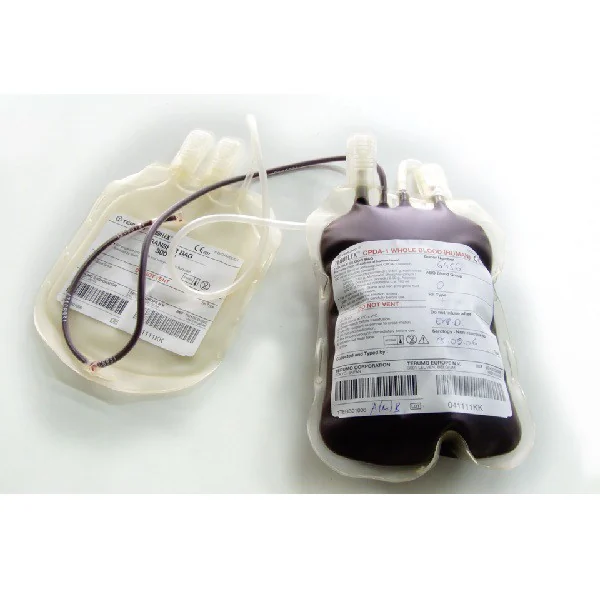
Blood Bag Identification Label
Cold-storage label for blood bags and transfusion containers where traceability remains…
View details
Cable Wrap and Outdoor Identification Label
Vinyl cable-wrap label for outdoor cables, harnesses and power infrastructure exposed to…
View details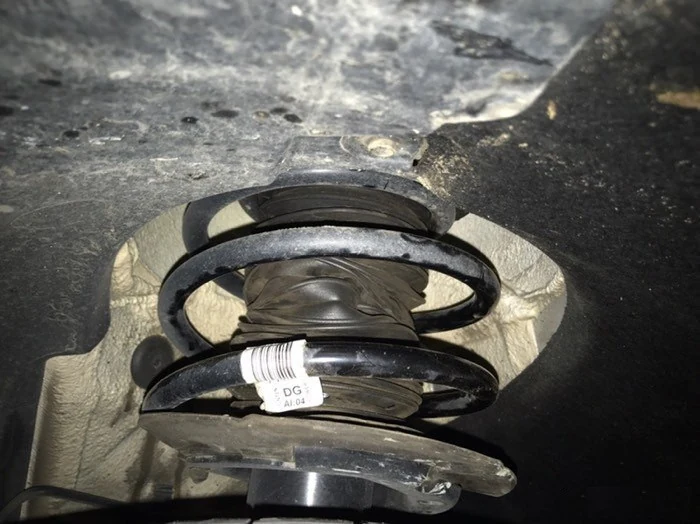
Chemical-Resistant PET Identification Label
Durable PET label for asset, rating-plate and component identification exposed to oils…
View details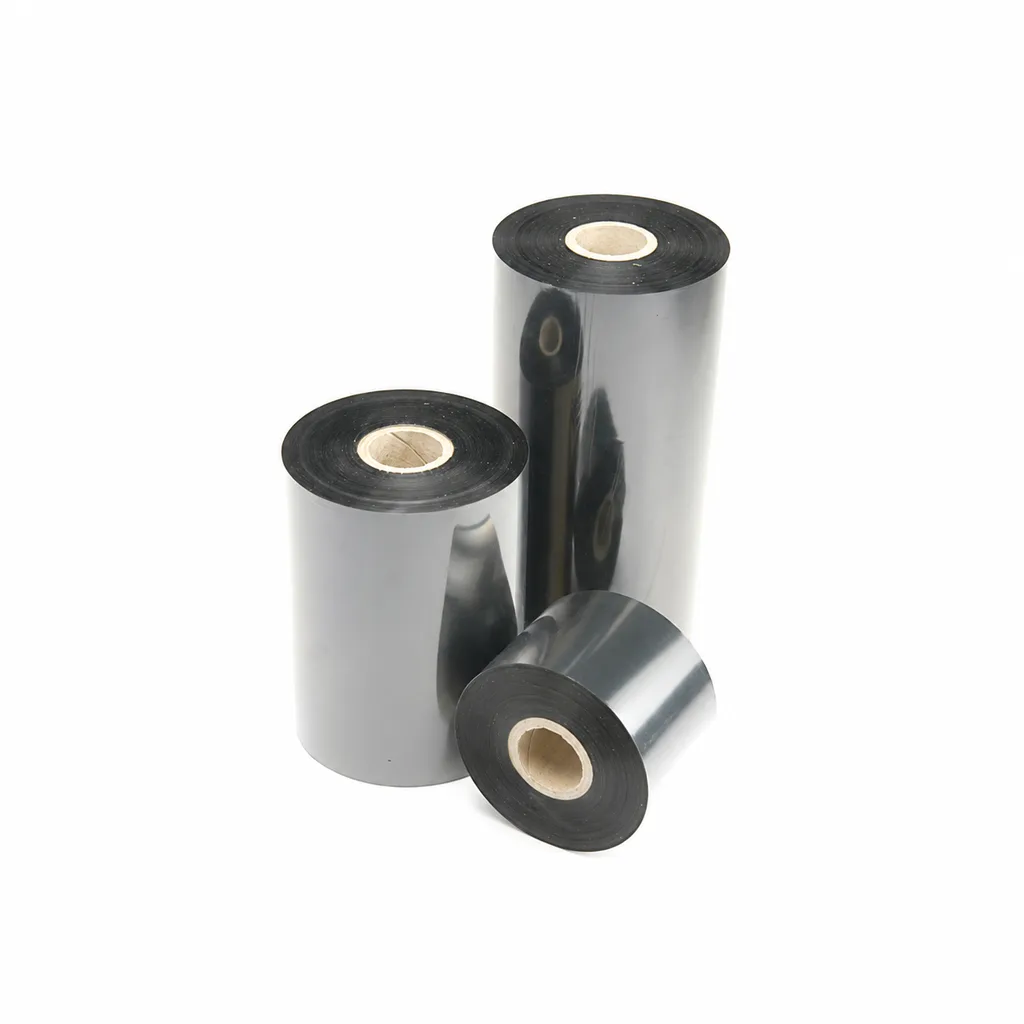
CL-Z213 Near-Edge Wax-Resin Thermal Transfer Ribbon for Barcode Labels
An enhanced black near-edge wax-resin thermal transfer ribbon for near-edge barcode printers and low- to medium-speed thermal transfer overprinting (TTO). Listed applications include retail labels, warehousing, garment tags and packaging identification. Match the printer, actual print medium and operating speed before selection: print quality and image durability can vary with the printer and substrate.
View detailsNeed the right ribbon for your label application?
Share the label material, printer and operating environment. Our team will recommend a tested combination.
