
What Is TTO (Thermal Transfer Overprinter)? A Buyer's Guide to Choosing the Right Ribbon
Request a solution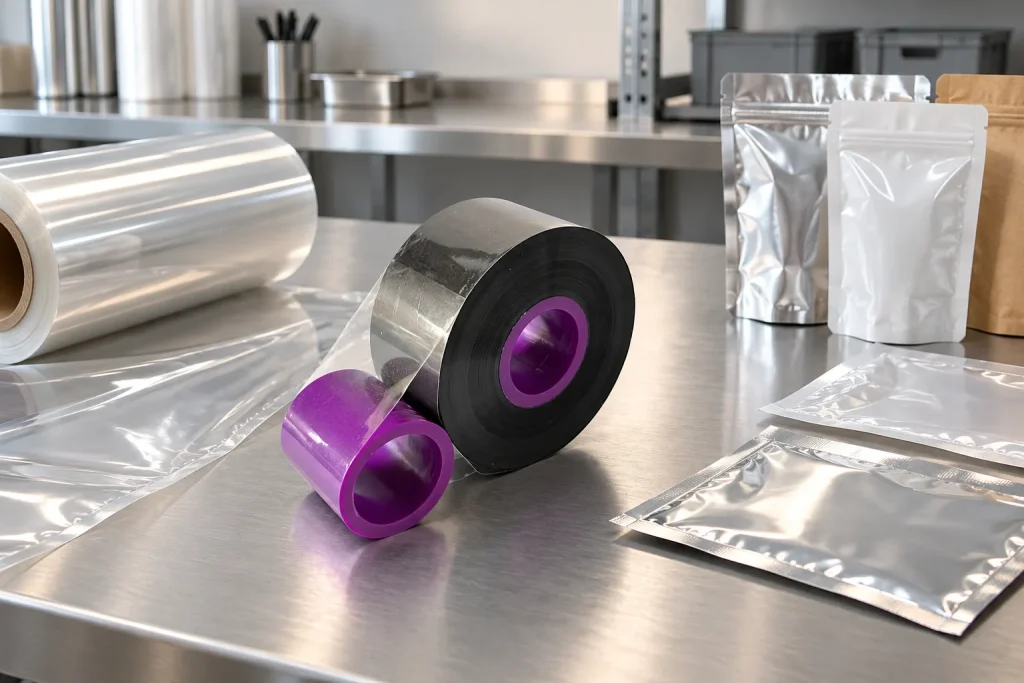
- Original TTR manufacturer since 2013
- Automated coating and slitting
- IQC / IPQC / OQC control
- ANSI barcode grade testing
- -20°C to 120°C environmental testing
- Batch-level traceability
- ANSI barcode grade
- Batch traceability
- RoHS / REACH compliance
- SGS and MSDS documents on request
Key Takeaways
- TTO stands for thermal transfer overprint: heat moves ink from a ribbon onto a flexible substrate such as food, beverage and medication packaging.
- Thermal transfer overprinters commonly require a ribbon to print, and the melted coating keeps the print surviving in harsh environments for a long time.
- The three main ribbon types are wax, wax-resin and pure-resin, and they are almost always black.
- Wax suits paper labels kept dry, while wax-resin prints a finer, more durable image on very smooth or coated paper and stands only slight water contact.
- Confirm every ribbon choice with a sample printed and rub-tested on your actual packaging material before ordering a full batch.
What TTO Is and How It Prints on Flexible Packaging
A thermal transfer overprinter (TTO) prints onto flexible packaging by melting a coating of ribbon so that it stays glued to the material once applied. The name spells out the principle: thermal transfer overprint is a method where heat is used to transfer ink from a ribbon onto a flexible substrate like food, beverage and medication packaging. Production lines rely on it for barcodes and variable information such as best-before dates and serial numbers.
Inside the printer, a fixed width thermal printhead presses onto the flexible packaging over a driven rubber roller called a platen. A very thin thermal transfer ribbon, sometimes called foil, sits between the printhead and the material. This ribbon is a polyester film coated on the label side with a wax, wax-resin or pure resin ink, and it is driven through the printing mechanism in sync with the packaging line.
As the material and ribbon move beneath the printhead together, tiny pixels across the width of the printhead are heated and cooled to melt the ink off the polyester film and onto the packaging. This process happens very quickly, which accounts for the fast speed of the printers. TTO printers are commonly used in the food, beverage, pharmaceuticals and cosmetics industries, and one coding and marking manufacturer lists them alongside continuous inkjet, high resolution and thermal inkjet printers.
How to Choose the Right Ribbon Type for Your Packaging
Your ribbon choice depends on the surface you print on and the conditions the print must survive, because each of the three main ribbon types carries documented surface and durability limits. Work through the following order before you order a production batch.
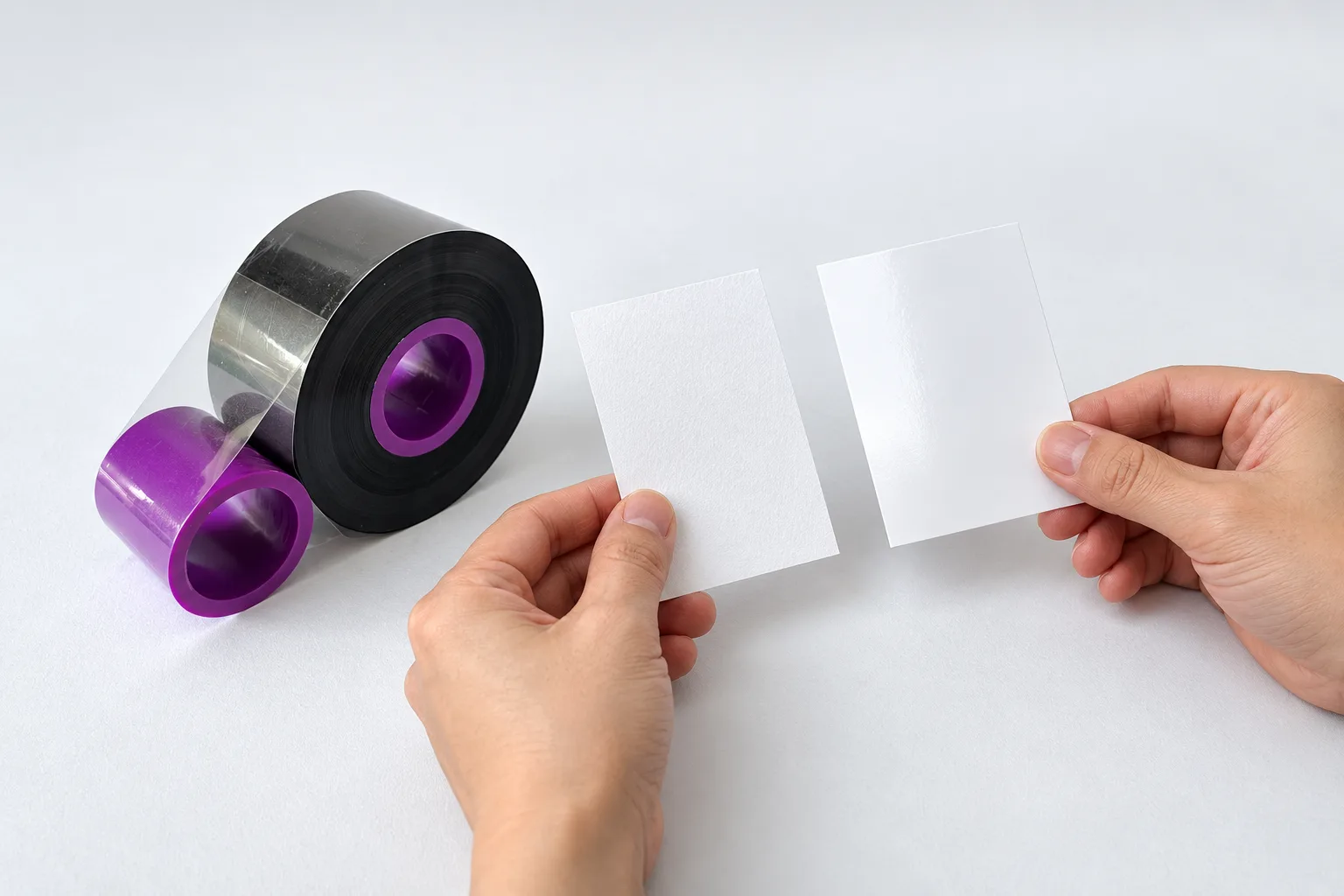
- Match the surface first. The documented ribbon guidance covers paper labels, very smooth paper and coated paper labels, so place your material into one of these groups before comparing ribbons.
- Choose wax for paper labels that stay dry. Wax ribbon prints onto paper labels and the label life can be years, but the print must be kept dry and must not be abraded or subjected to certain chemicals or oil, because these dissolve the wax image.
- Choose wax-resin for finer print or slight moisture. Wax-resin produces a finer image on very smooth paper or coated paper labels, and the printed image is much more durable than wax, but it can only stand slight contact with water.
- Treat pure-resin as a sample-test case. The references list pure-resin as the third main ribbon type but do not document its surfaces or durability, so verify it with a printed sample instead of assuming it is a straight upgrade.
- Check color needs early. Thermal ribbons are almost always black, so if your codes must be colored, confirm availability with your supplier before you commit to the application.
The main trade-off is durability against surface match. Moving from wax to wax-resin buys a finer image and stronger durability, but only on very smooth or coated paper, and it still tolerates just slight contact with water.
Limitations and How to Verify with a Sample Run
TTO printing carries three practical limits you should test before committing to a ribbon for production. First, the ribbon is a required consumable: thermal transfer overprinters commonly require a ribbon to print onto flexible packaging material, so ribbon supply and cost recur for as long as the line runs. Second, durability is conditional — wax print dissolves under abrasion, certain chemicals or oil, and wax-resin stands only slight contact with water. Third, color choice is narrow because thermal ribbons are almost always black.
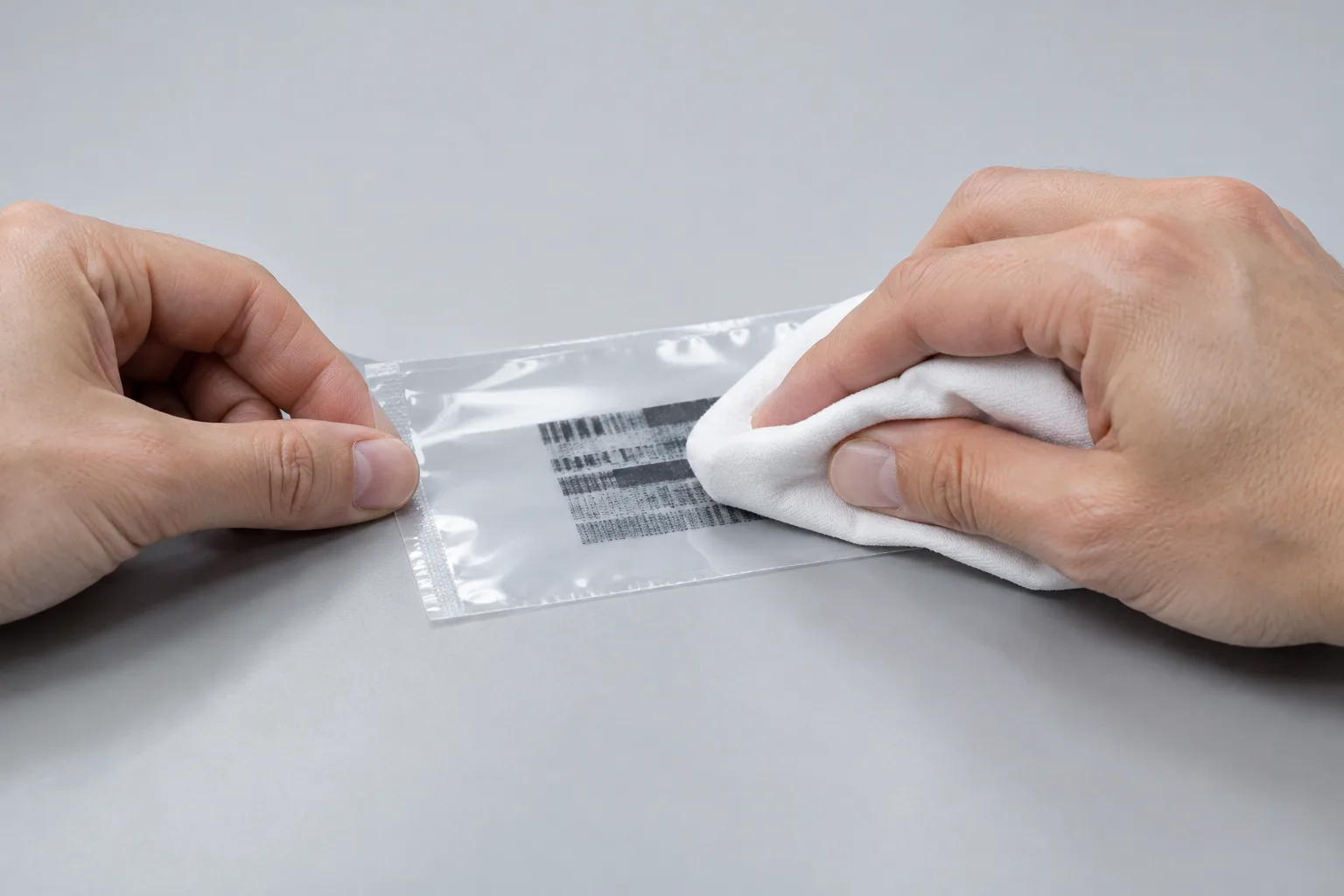
Verification is a sample run on your own material. Print each candidate ribbon on the exact film or label you run, then rub the print and expose it to the moisture, oil and abrasion the package will actually face in handling and transport. A ribbon that smears or rubs off under your real conditions is the wrong choice even when its surface match looks right on paper. Before ordering, also confirm the ribbon specification your printer requires, including width, core and ink-side orientation, with your supplier.
Data and Evidence
The facts in this guide come from published TTO references: a technical explainer of how thermal transfer overprinters work, a TTO video transcript, and the product profile of a coding and marking machine manufacturer. The key documented points are summarized below.
- Printing principle: the printhead melts a ribbon coating onto flexible packaging so that it stays glued to the material once applied, and the process happens fast enough to account for the printers' speed.
- Ribbon construction: the ribbon is a polyester film coated on the label side with wax, wax-resin or pure resin ink, driven in sync with the packaging line.
- Market context: one coding and marking manufacturer lists continuous inkjet, high resolution, thermal inkjet and thermal transfer overprinter products in the same range.
| Ribbon type | Documented surface | Documented durability conditions |
|---|---|---|
| Wax | Paper labels | Label life can be years; must stay dry; abrasion, certain chemicals or oil dissolve the wax image |
| Wax-resin | Very smooth paper or coated paper labels | Finer image; much more durable than wax; stands only slight contact with water |
| Pure-resin | Listed as the third main ribbon type | Surfaces and durability not documented in these references; confirm by sample |
All three ribbon types are almost always black. Your next step: print a sample with each candidate ribbon on your actual packaging material, rub-test the print against the moisture, oil and abrasion your product will face, and use that result to fix the ribbon type before placing a full order.
Frequently Asked Questions
What does TTO mean in packaging and coding?
TTO stands for thermal transfer overprint. It is a method where heat is used to transfer ink from a ribbon onto a flexible substrate like food, beverage and medication packaging, and it prints barcodes and variable information such as best-before dates and serial numbers.
Does a TTO printer need a ribbon to print?
Yes. Thermal transfer overprinters commonly require a ribbon to print onto flexible packaging material, and the melted ribbon coating keeps the print surviving in harsh environments over a long period of time.
Which ribbon type should I choose for paper labels that must last years?
Wax ribbon prints onto paper labels with a life that can be years, provided the print stays dry and avoids abrasion, certain chemicals and oil. If the label faces slight water contact, wax-resin on very smooth or coated paper is the documented alternative.
Which industries commonly use TTO printers?
TTO printers are commonly used in the food, beverage, pharmaceuticals and cosmetics industries.
Are thermal transfer ribbons available in colors other than black?
The three main thermal ribbon types — wax, wax-resin and pure-resin — are almost always black, so confirm any colored option with your supplier before planning color-coded marking.
Recommended products for this industry
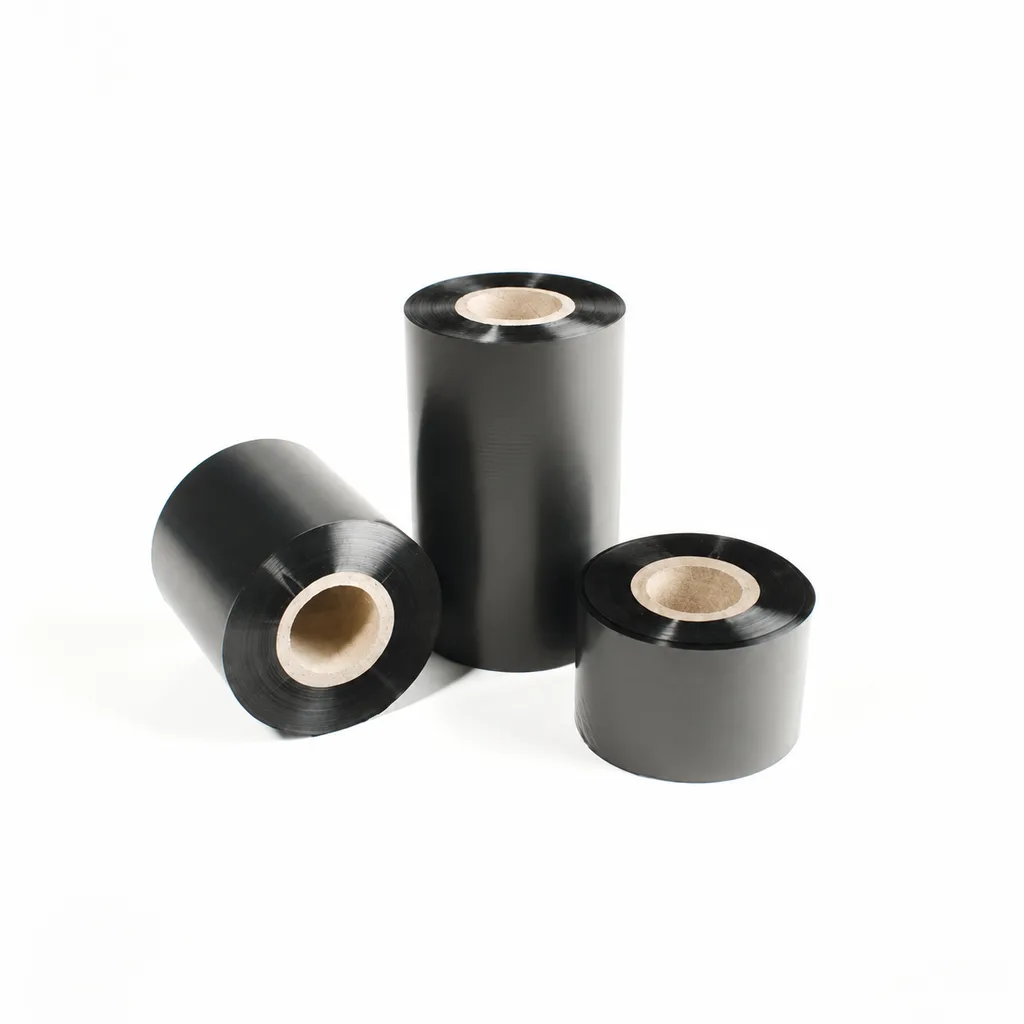
CL-Z112 Enhanced Wax Thermal Transfer Ribbon for Paper Labels and Tags
An enhanced wax thermal transfer ribbon with black ink for paper labels and tags used in retail, warehousing and logistics. It is specified for flat-head printing on desktop or industrial barcode printers at ≤8 inches per second (ips). Select it by checking the actual label material, printer configuration and handling conditions: image-quality, rub-resistance and cold-chamber results were obtained on coated paper, and print quality and image durability may vary with the printer and print medium.
View details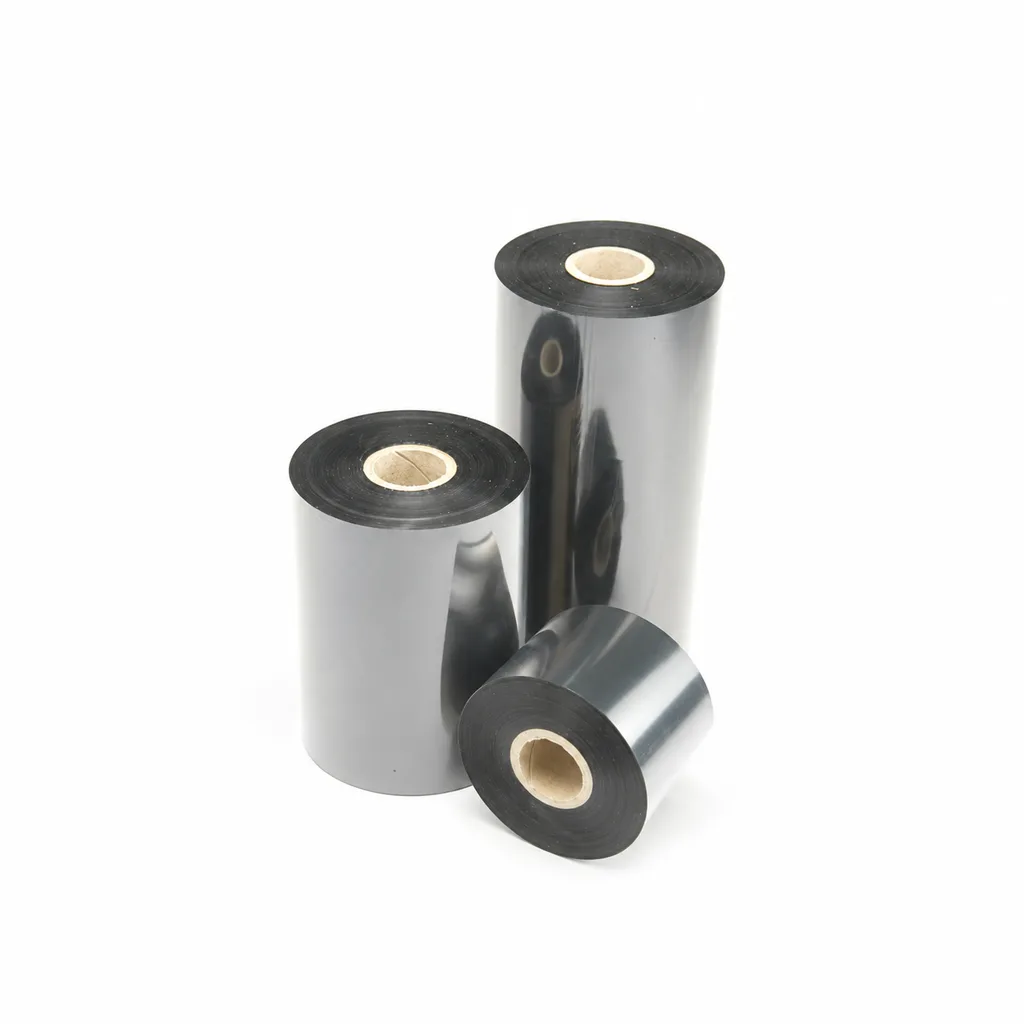
CL-Z203 Wax-Resin Thermal Transfer Ribbon for Barcode Labels
A black wax-resin thermal transfer ribbon for flat-head printing, with listed applications including retail, warehousing, logistics and garment tags. Select it against your actual label material and desktop or industrial barcode printer at speeds ≤6 ips (inches per second). Fine-line, small-text and durability results were obtained on coated paper; print quality and image durability may vary with the printer and printing substrate.
View details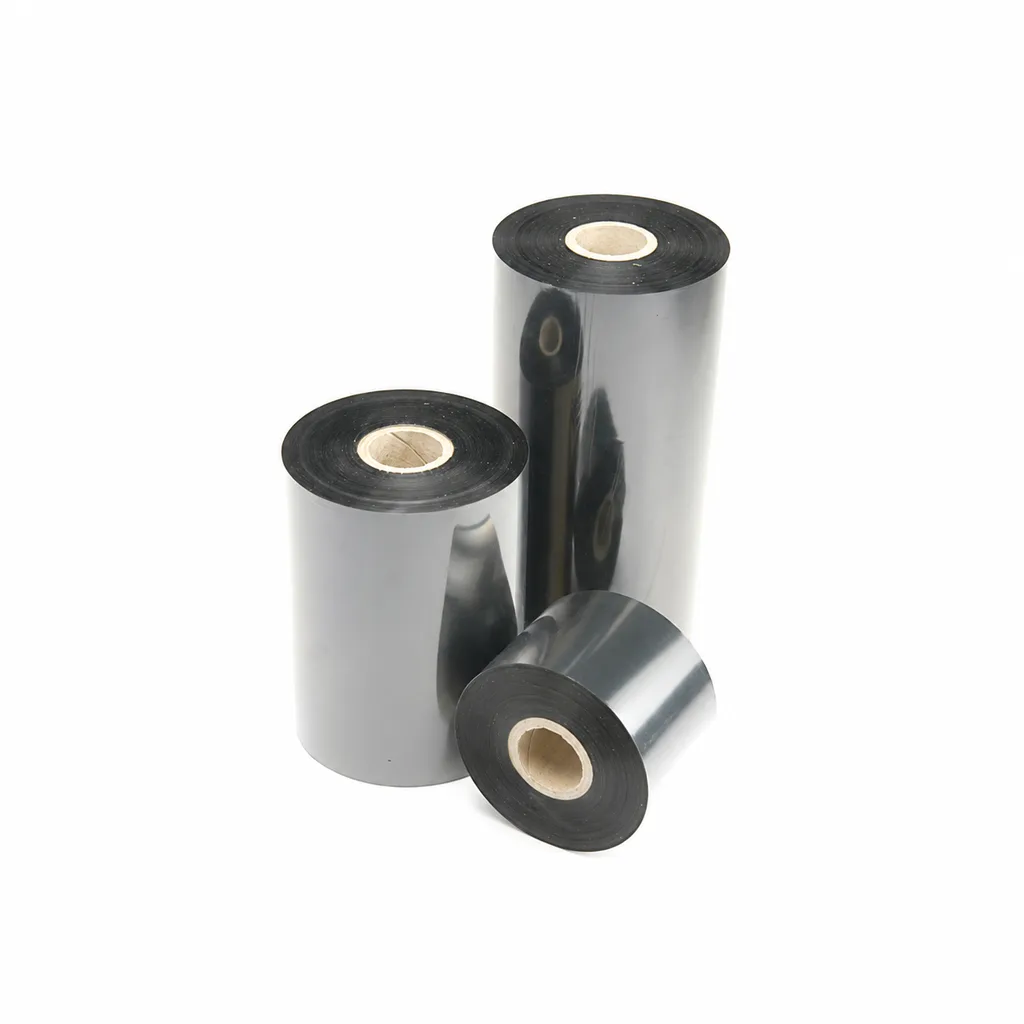
CL-Z213 Near-Edge Wax-Resin Thermal Transfer Ribbon for Barcode Labels
An enhanced black near-edge wax-resin thermal transfer ribbon for near-edge barcode printers and low- to medium-speed thermal transfer overprinting (TTO). Listed applications include retail labels, warehousing, garment tags and packaging identification. Match the printer, actual print medium and operating speed before selection: print quality and image durability can vary with the printer and substrate.
View details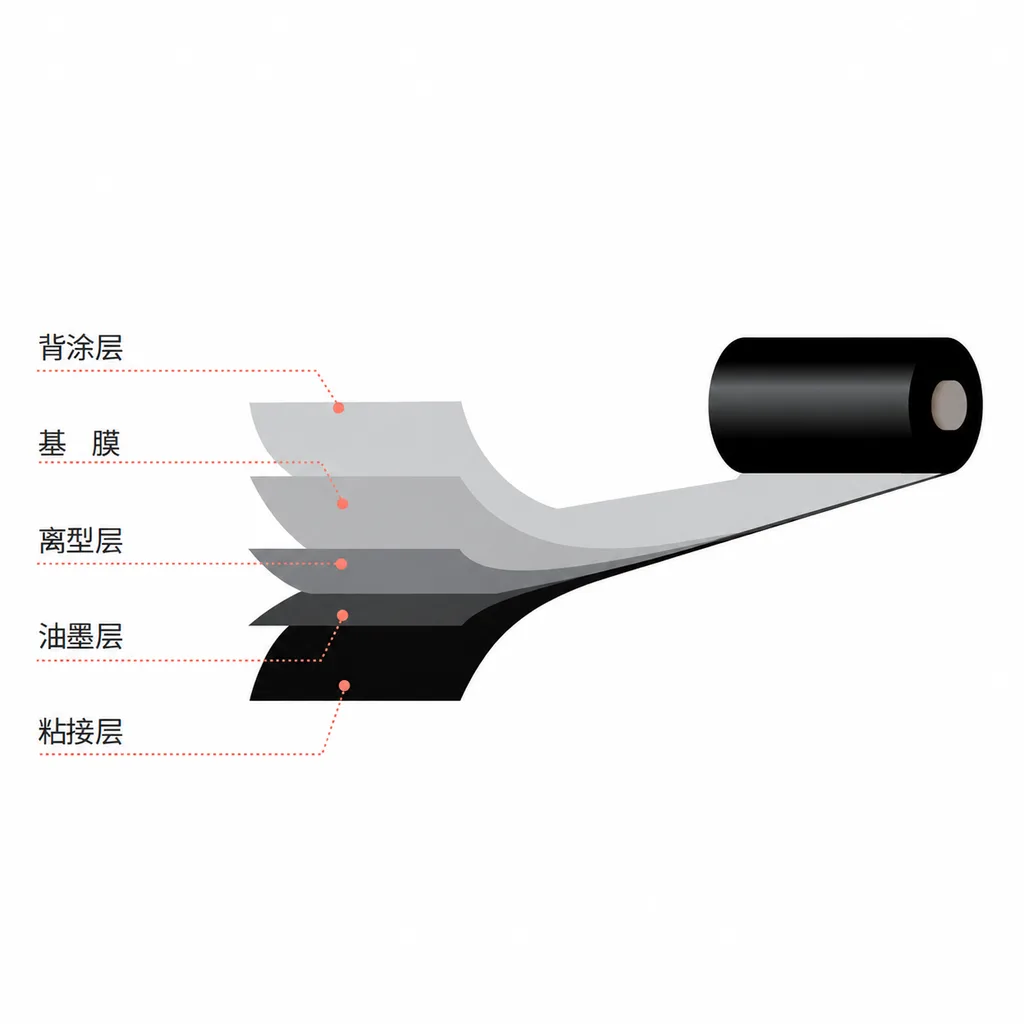
CL-Z312 Resin Thermal Transfer Ribbon for Packaging Printing
CL-Z312 is a black, general-purpose resin ribbon for thermal transfer overprinting (TTO), with packaging and retail label applications listed in the product information. Its abrasion, alcohol and oil resistance data were obtained on polyethylene terephthalate (PET). Select it against your actual packaging material, printer and production speed: print quality and image durability can vary with the printer and substrate, and the material chart percentages are not defined as pass rates.
View detailsNeed the right ribbon for your label application?
Share the label material, printer and operating environment. Our team will recommend a tested combination.
