
How to Compare TTO Printer Ribbon Suppliers for a Packaging Line
Request a solution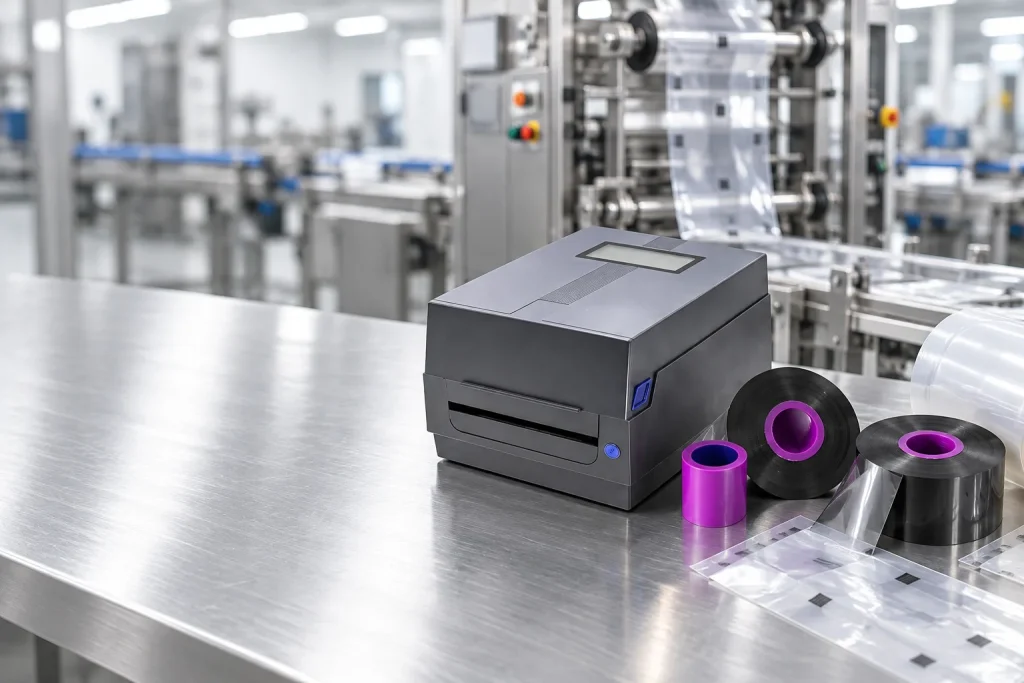
- Original TTR manufacturer since 2013
- Automated coating and slitting
- IQC / IPQC / OQC control
- ANSI barcode grade testing
- -20°C to 120°C environmental testing
- Batch-level traceability
- ANSI barcode grade
- Batch traceability
- RoHS / REACH compliance
- SGS and MSDS documents on request
Key Takeaways
- Ribbon width, core size, roll length and winding direction (IN or OUT) must match the TTO printer before any price comparison is meaningful.
- Wax-resin is the standard choice for in-line printing on flexible packaging; wax fits paper labels and resin serves chemical, heat or outdoor exposure.
- High line speeds need TTO grades with quick-release ink layers, so the rated print speed belongs in every request for quotation.
- Per-grade datasheets, substrate validation statements and free sample trials separate qualified suppliers from price-only quotes.
- The decisive check is a test against your actual label stock, printer settings and operating environment before you commit to volume.
Fix the Ribbon Specifications Your Printer and Line Require
A TTO ribbon comparison starts with hardware format, because the printer dictates the consumable. TTO machines typically serve continuous packaging lines such as vertical form-fill-seal, printing expiry dates, batch codes and logos directly on films. A thermal transfer overprinter melts a coating of ribbon onto flexible packaging so the print stays glued to the material, with a fixed-width printhead pressing over a driven platen while the ribbon advances in sync with the line. Every quote you collect should state the same values: ink formulation, ribbon width, core size, roll length and the substrate you print on, because matching these to the printer and label material is where a knowledgeable supplier earns its place on your shortlist.
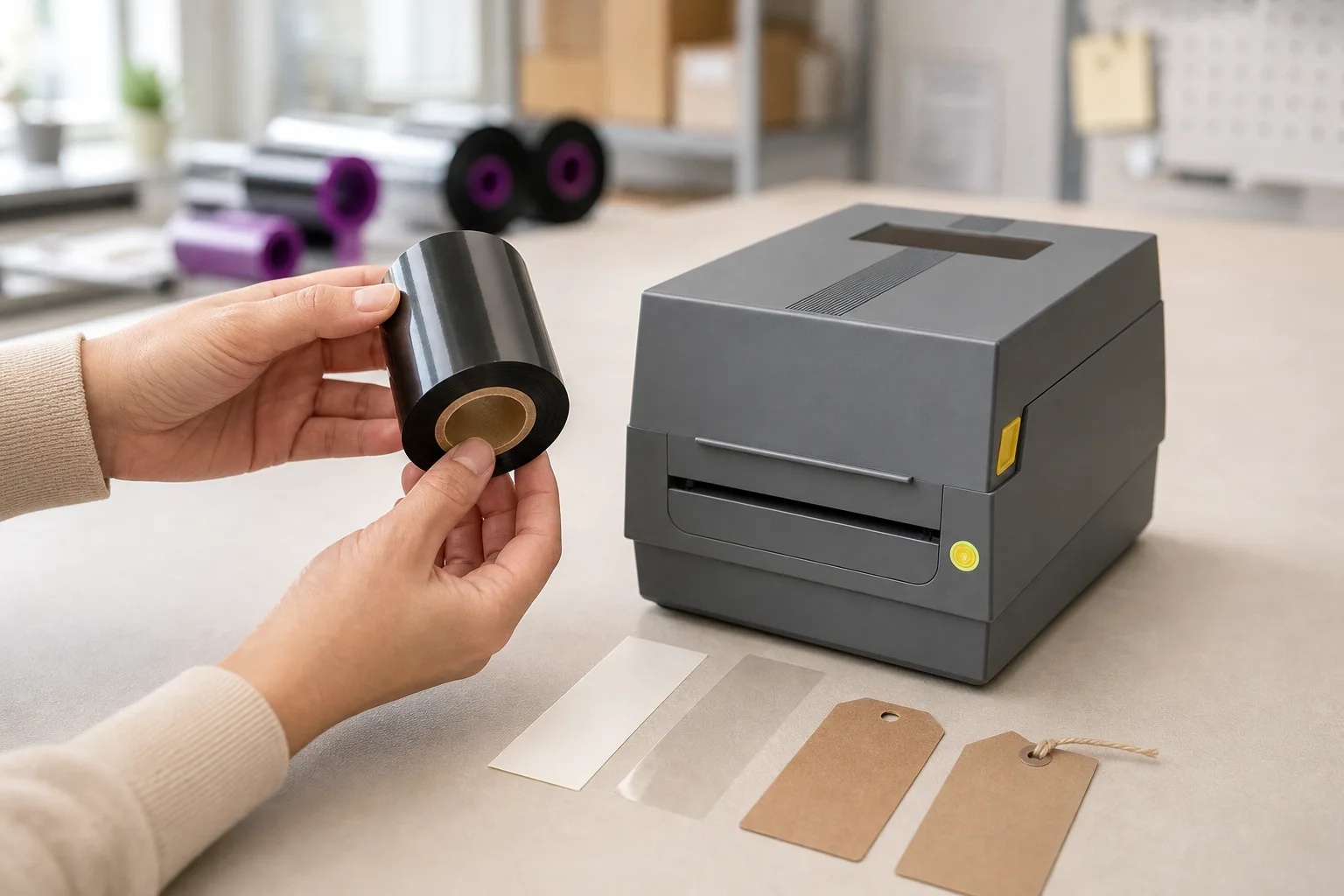
Winding orientation is part of that format. Converters slit TTO ribbons to printer manufacturers' guidelines in both IN and OUT winding, as one converter documents for the major printer brands, and stock is offered ink-side-in or ink-side-out for Zebra, Sato, Datamax, Intermec and Printronix machines. The orientation decides which side of the ribbon carries ink to the substrate, so copy the winding and ink-side values from your current roll or printer manual into the request for quotation.
Line speed is the final gate, and the ribbon formulation has to match the printer, the substrate and the line speed together. In-line TTO printing runs at high speeds — 20 IPS in one maker's specification — and needs grades that release ink fast enough for long production runs without changeovers, because very high TTO speeds place heavy demands on ink release. Near-edge grades are engineered for exactly this duty: one high-speed wax/resin grade is coated on a 4.0 micron PET carrier film for in-line near-edge printers at speeds up to 40 ips. State your print speed in the RFQ so suppliers propose grades rated for the machine you actually run.
Match Ribbon Formulation to Substrate and Line Environment
Wax, wax-resin and resin grades behave differently on packaging materials, and that spread decides which supplier can serve your substrate mix. TTO prints variable data at very high resolution on films such as polypropylene and polyethylene, flexible aluminium, labels, papers, tyvek and gloss cards, so start by naming your material. Wax ribbons work best with paper-based materials and struggle to adhere to synthetic substrates like polyester or polypropylene, which restricts them to paper label work. A wax-resin ribbon blends soft wax with hard resin for excellent print durability, and makers position it as the first choice for in-line print-on-packaging because it resists scratching, rubbing and chemicals in harsh conditions. Resin grades deliver exceptional durability against challenging environmental conditions and are matched to chemical, heat or outdoor exposure on synthetic labels.
Cost tracks the formulation: wax is the cost-effective route for paper labels, while wax-resin hybrids sit at a mid-range price point with moderate durability and versatile substrate compatibility. Application grading matters as much as chemistry. One TTO range lists a general-purpose grade available in 10 colors alongside a grade that delivers excellent print quality on rough texture substrates such as Tyvek and Kraft paper, and wax-resin lines include special formulations for coated papers and smooth or matte synthetic materials. Match the grade to the stresses on your line: continuous friction on high-speed fill-and-seal equipment and freeze-thaw cycles in frozen food distribution both demand documented durability, because the code must stay legible from production through final consumption. Ask each supplier which grade they would validate on your exact film and in your storage conditions.
Compare Suppliers on Documentation, Testing Support and Delivery
Once the grades are comparable, the support around them becomes the differentiator. Prefer suppliers who publish a dedicated datasheet for each grade so performance can be standardized across shifts and sites, state which substrates each formulation is validated on — coated papers, metallic foils and poly films in one maker's announcement — and specify backcoat technology that helps ensure print quality and extended printhead life. Replacement ranges from independent converters are sold as drop-in products for existing TTO printers and come with warranties to meet or exceed OEM specifications, so documented equivalence on your machine matters more than the badge on the box.
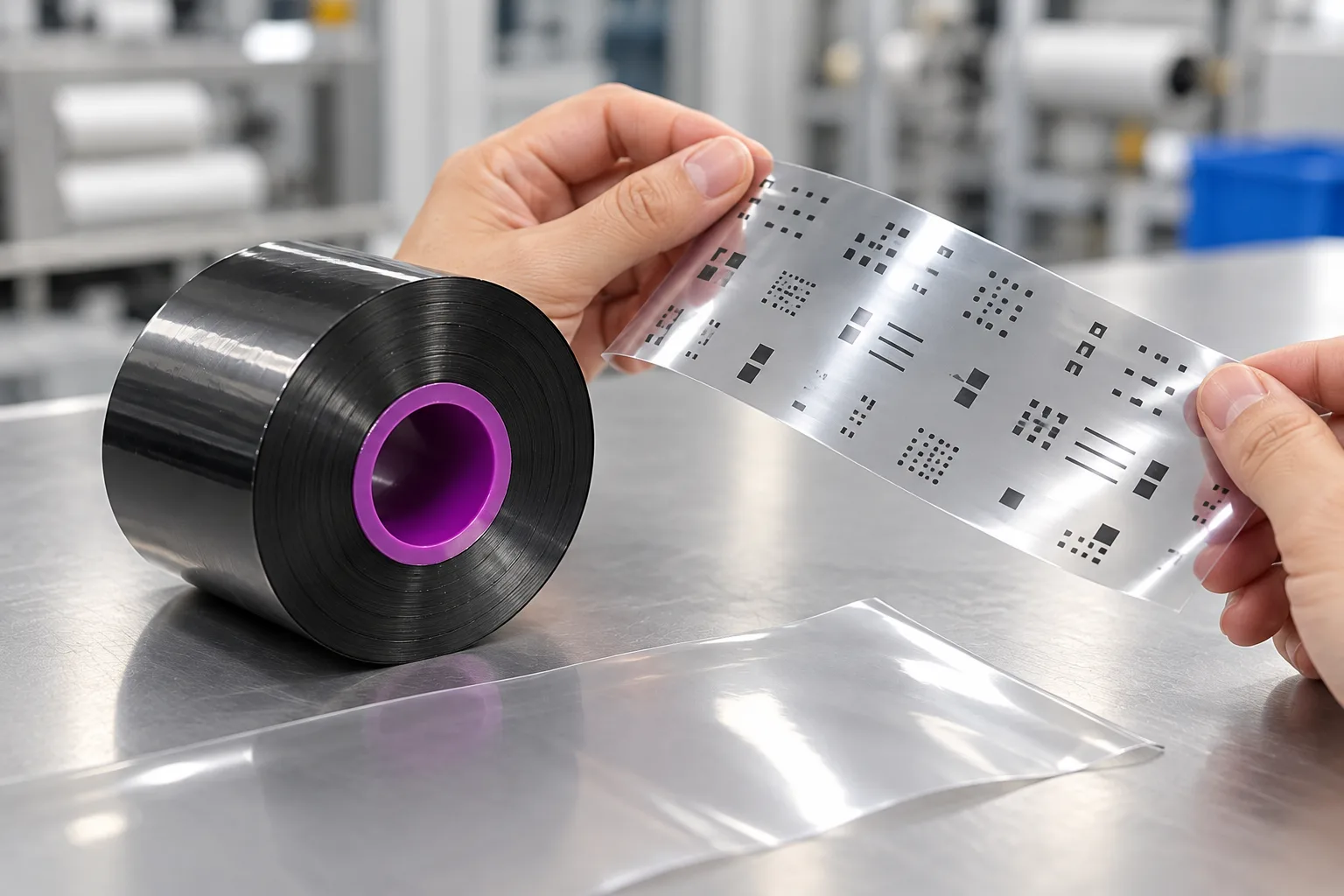
Testing support is the second criterion. Ribbon makers offer free samples of their thermal transfer ribbons, and their own application labs are blunt about method: the only reliable way to confirm a ribbon will perform in your application is to test it against your actual label stock, printer settings and operating environment. One ribbon maker's technical lab runs application-specific tests covering print quality, smudge and chemical resistance, speed compatibility and regulatory compliance guidance, and can test ribbon and label combinations against your application before you commit — ask whether your candidate supplier will do the same or support your own documented trial. For barcode-heavy lines, verify printed samples with an offline verification system rather than judging codes by eye, and tune the press for crisp, smudge-free output by balancing printhead pressure, temperature, ribbon-substrate compatibility and print speed. Delivery is the third criterion: buyer's guides report that most suppliers expedite critical orders in 5-10 business days domestically and 2-4 weeks internationally, so confirm that window for your region before you award volume.
Data and Evidence
The table consolidates the formulation trade-offs with the conditions the reviewed sources attach; grade-level values always come from the supplier's own datasheet for the specific product.
| Formulation | Typical fit | Durability and print behavior | Watch-outs |
|---|---|---|---|
| Wax | Paper-based labels | Cost-effective on paper; low printing temperature with label speeds up to 254 mm/s | Struggles to adhere to synthetic substrates such as polyester or polypropylene |
| Wax-resin | In-line print-on-packaging; semi-gloss paper and some synthetic materials, with special formulations for coated papers and smooth or matte synthetics | First choice for in-line print-on-packaging; resists scratching, rubbing and chemicals; prints at medium heat with abrasion, heat and solvent resistance above wax | Confirm the grade's validated substrate list before assuming film compatibility |
| Resin | Synthetic labels facing chemical, heat or outdoor exposure | Exceptional durability and resistance to challenging environmental conditions | Match the high-durability grade to the exposure actually present on your line |
Datasheet values that belong in a supplier scorecard: rated line speed (in-line TTO printing at 20 IPS; near-edge grades specified up to 40 ips), carrier-film thickness (4.0 micron PET on one high-speed near-edge grade), roll length (replacement ranges advertise 20-25% longer rolls that reduce total cost of ownership), and the validated substrate list per grade. Verify any shortlisted grade in the same order: print the sample, check code structure with an offline verification system that is not installed on the line, then run the trial on your actual label stock, printer settings and operating environment before committing.
Next step: build a one-page requirement sheet — printer model, ribbon width, core size, roll length, winding and ink-side orientation, substrate, line speed and durability environment — send it to two or three candidate suppliers with a sample request, and run the same documented line trial with each before awarding volume.
Frequently Asked Questions
Which ribbon formulation should I use for TTO printing on flexible poly film?
Start with wax-resin. It is positioned as the first choice for in-line print-on-packaging because it resists scratching, rubbing and chemicals, and it prints at medium heat settings with special formulations for coated papers and smooth or matte synthetic materials. Move to a resin grade when your code must survive chemical, heat or outdoor exposure on synthetic labels.
Can I buy replacement TTO ribbons from a third-party supplier for my existing printer?
Yes. Replacement ranges are sold as drop-in products for existing thermal transfer overprinters, with warranties to meet or exceed OEM specifications, including wax/resin, resin white and resin silver near-edge grades. Match width, core size, roll length, winding direction and ink-side orientation to your printer, then confirm with a sample on your own line.
How do I validate a TTO ribbon before ordering production quantities?
Request free samples, print on your actual film with your production settings, and verify code structure with an offline verification system rather than judging codes by eye. Ask the supplier whether they run application-specific tests covering print quality, smudge and chemical resistance, speed compatibility and regulatory compliance, and treat performance on your label stock, printer settings and operating environment as the deciding result.
What ribbon specifications do I need before requesting quotes from TTO ribbon suppliers?
Record the printer model plus ribbon width, core size and roll length, the winding direction (IN or OUT) and ink-side orientation, your substrate, the line's print speed, and the durability environment the printed code must survive. Suppliers need these to propose a validated grade instead of a generic price.
How fast can TTO ribbon suppliers deliver for a packaging line?
One industry buyer's guide reports that most suppliers offer expedited shipping for critical orders, with delivery timeframes of 5-10 business days domestically and 2-4 weeks internationally. Confirm the commitment for your region in writing before you award volume to a single supplier.
Recommended products for this industry
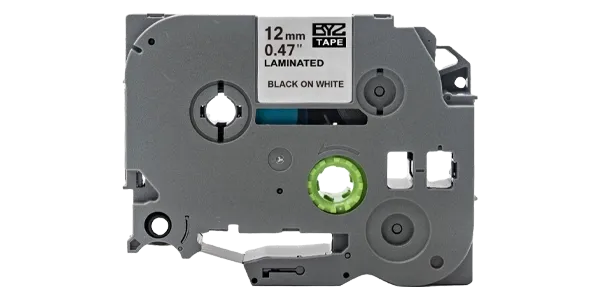
Brother Compatible Label Ribbons (TZe Series)
This Brother-compatible label ribbon (TZe series) is manufactured using high-quality…
View details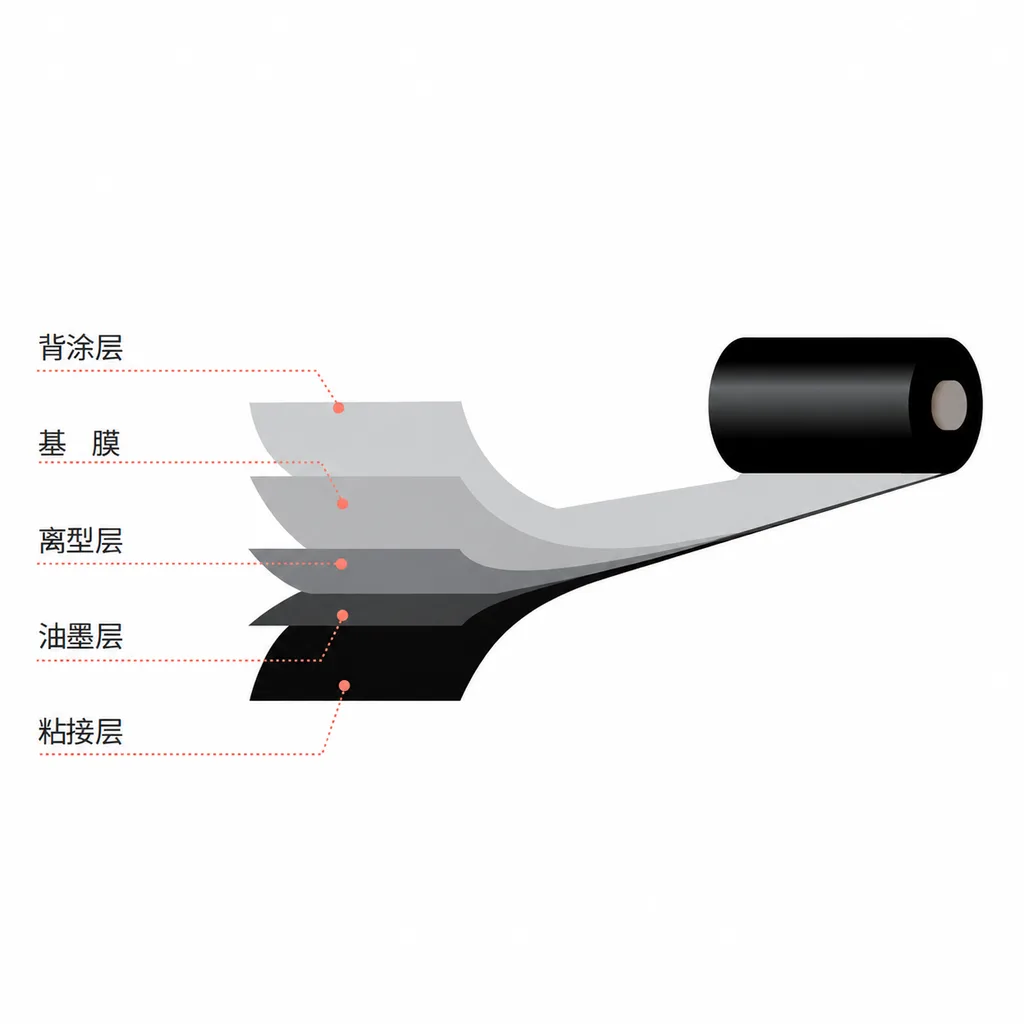
CL-Z312 Resin Thermal Transfer Ribbon for Packaging Printing
CL-Z312 is a black, general-purpose resin ribbon for thermal transfer overprinting (TTO), with packaging and retail label applications listed in the product information. Its abrasion, alcohol and oil resistance data were obtained on polyethylene terephthalate (PET). Select it against your actual packaging material, printer and production speed: print quality and image durability can vary with the printer and substrate, and the material chart percentages are not defined as pass rates.
View details
Full-colour card printer ribbon YMCKO
Compatible with Seaory S20/S21/S22/S22K card printers, supporting high-definition…
View details
Silver Thermal Transfer Colour Washable Resin Printer Ribbon
High-performance silver thermal transfer washable resin ribbon, specifically designed for…
View detailsNeed the right ribbon for your label application?
Share the label material, printer and operating environment. Our team will recommend a tested combination.
