

- Original TTR manufacturer since 2013
- Automated coating and slitting
- IQC / IPQC / OQC control
- ANSI barcode grade testing
- -20°C to 120°C environmental testing
- Batch-level traceability
- ANSI barcode grade
- Batch traceability
- RoHS / REACH compliance
- SGS and MSDS documents on request
For textile buyers, asma etiket points to the external hangtag rather than a complete printing specification. Separate its role from sewn-in care, size and barcode labels before choosing consumables. For in-house printing, identify the actual stock and printer, then confirm a ribbon combination with a production-stock sample.
Key Takeaways
- The Turkish textile-label reference identifies the external asma kart as a hangtag and lists it separately from care, size, price and barcode labels.
- A hangtag category name does not establish its material, printer compatibility or supplied accessories.
- COLORFULTTR lists hangtags within its wax, wax-resin and resin ribbon media ranges, subject to matching the particular application.
- Thermal transfer uses ribbon ink, while direct thermal printing uses specially treated heat-sensitive media.
- Confirm the proposed printing combination on the production stock before approving a consumable change.
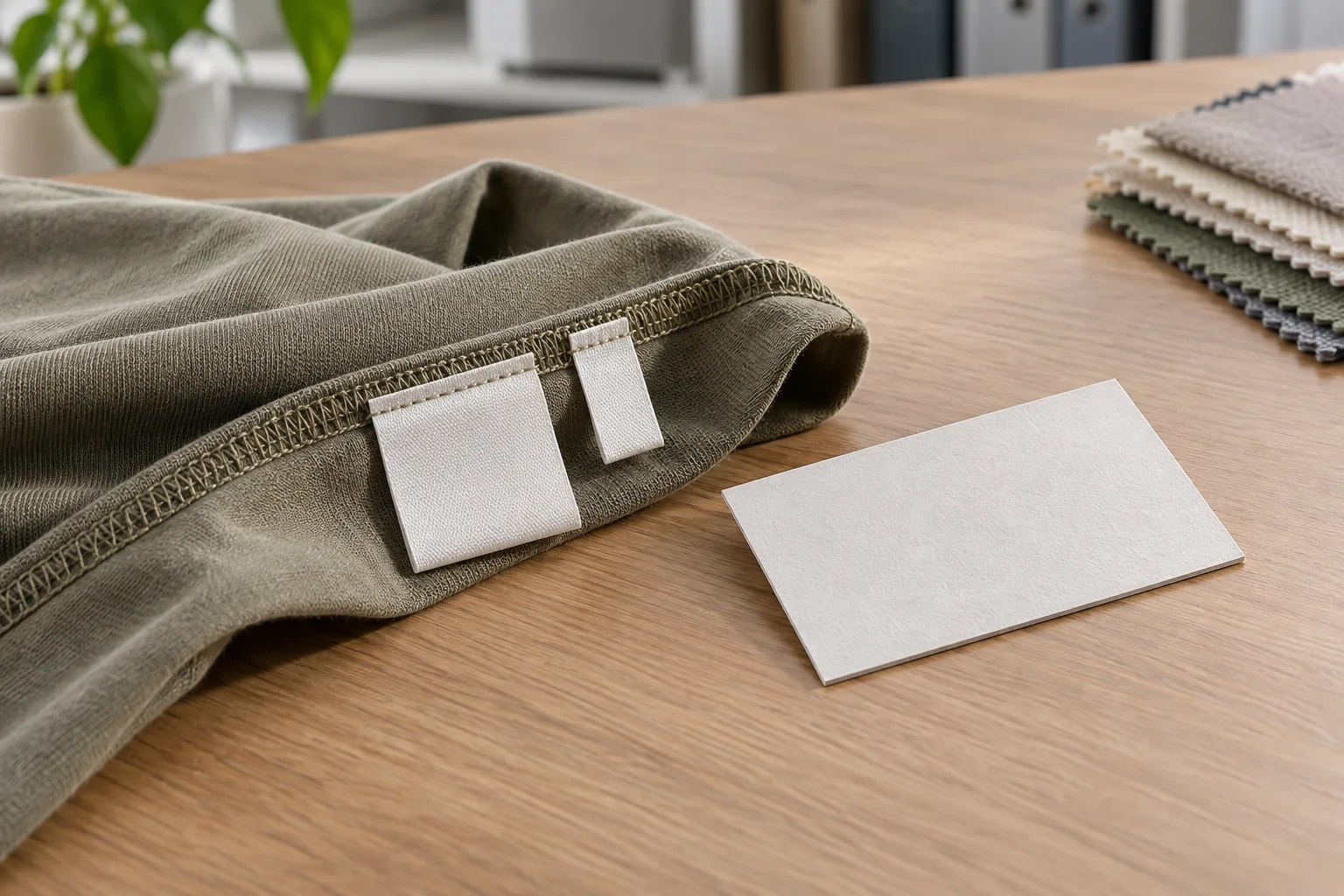
What asma etiket identifies in a textile brief
In the textile context, asma etiket refers to the external hangtag, described as “dış asma kart (hangtag)” in the Turkish textile-label reference. It identifies which part of the garment-label set the buyer is discussing. It does not provide enough information to choose a ribbon or approve a printer.
The reference describes a ready-made garment as having several label elements: a sewn-in care label, a size label, a brand logo, an external hangtag, a price label and a barcode label. Its wording is useful because it separates these elements rather than treating every garment label as one interchangeable item. When a supplier asks which label you need to print, identify the physical item before discussing consumables.
This distinction also explains why an apparently simple request can produce an incomplete quotation. “Asma etiket” can identify the intended item while leaving the printable surface, dimensions and supply format unstated. Treat those as questions for the specification, rather than filling them in from a product photograph or the category name.
For your own brief, write the term alongside “external garment hangtag” and attach a sample or drawing of the intended item. State which information you will print in-house and which parts, if any, you expect to arrive already printed. This gives both the stock supplier and the consumables supplier a concrete object to assess.
Separate the hangtag from the printing method
A hangtag describes the item being printed, whereas thermal transfer and direct thermal describe how the image is produced. Thermal transfer moves ink from a ribbon onto the label through printhead heat. Direct thermal printing applies heat to specially treated label material instead.
These are different purchasing questions. First establish whether you are buying blank tags for your own printer or finished printed tags. If you plan to print in-house, establish the printer mode and the stock intended for that mode before ordering ribbon. A request for a hangtag alone does not settle either point.
The distinction matters when changing suppliers. Keep the label role fixed while checking what the new proposal actually changes. Ask for the proposed stock identity and printable surface, rather than accepting “equivalent hangtag” as the entire specification. If the printer or print mode also changes, record that separately so the sample result can be traced to the combination tested.
For a practical in-house printing brief, request the following information:
- The exact printer model and intended printing mode.
- The tag stock identity, surface finish, dimensions and thickness.
- The information to print and the area available for it.
- The handling and exposure the printed information must withstand.
- The physical sample and agreed result used for approval.
This is a specification checklist, not a promise that every printer accepts every hangtag. Use it to establish what must be checked against the chosen equipment and stock.

Choose ribbon by the tag surface and required result
COLORFULTTR’s current product matrix lists hangtags among the media for wax, wax-resin and full-resin ribbons. That overlap means the word hangtag does not select one ribbon category by itself. The same matrix describes different performance characteristics for the categories, so selection should follow the actual surface and intended use.
The matrix describes wax as economical but not scratch resistant, and wax-resin as combining print quality with durability and friction resistance. It describes full resin as offering friction, heat and corrosion resistance. These are category descriptions for shortlisting, rather than measured acceptance results for your particular tag.
Begin with the actual stock sample and explain the handling the print must survive. Ask for a candidate ribbon that addresses that requirement, then check it with the intended printer. Avoid selecting full resin solely because its category description sounds more durable, or selecting wax solely because cost is the first concern. The relevant question is whether the proposed combination produces the result your tag needs.
A source on ribbon selection identifies stock material, required print durability and environmental exposure as relevant inputs. Use those inputs to keep the discussion specific: describe the surface you will print, the handling you expect and the information that must remain readable. Do not replace them with a broad request for “good quality.”
When changing consumables, retain an approved printed sample and record the stock and ribbon used. Compare the replacement on the same production stock before accepting the change. The supplied validation guidance specifically calls for testing on the production substrate rather than a separate test panel.
Data and Evidence
The evidence supports a textile hangtag meaning and a conditional route to in-house printing, but it does not establish a universal hangtag specification. The comparison below separates supported facts from the details a buyer still needs to confirm.
| Decision | Supported evidence | Buyer verification |
|---|---|---|
| Which garment label? | The Turkish textile reference lists the external hangtag separately from sewn-in care, size, price and barcode labels. | Identify the physical item in the brief with a sample or drawing. |
| Which printing method? | Thermal transfer uses ribbon ink; direct thermal uses specially treated media. | Confirm the printer mode and the proposed stock before ordering consumables. |
| Which ribbon category? | The current product matrix lists hangtags under wax, wax-resin and full resin. | Shortlist against the actual surface and required handling resistance. |
| What proves suitability? | The supplied validation guidance calls for the production substrate. | Agree the expected printed result and evaluate the proposed combination on that stock. |
Source basis: the Turkish textile-label reference, identified by “dış asma kart (hangtag),” supplies the terminology distinction. COLORFULTTR’s current product matrix, revised October 2, 2026, supplies the ribbon-category descriptions and hangtag media listings. The supplied thermal-transfer and direct-thermal explanations support the printing-method distinction; production-substrate validation guidance supports the sample check.
None of those category descriptions specifies a standard shape, included string, finished-printing service, order quantity or delivery time for an asma etiket order. Keep those items explicit in the quotation. For an in-house project, the next step is to assemble the tag sample, printer identity and intended print requirement, then request a matching consumable sample for evaluation.
Frequently Asked Questions
Does asma etiket mean the same thing as a sewn-in care label?
In the textile context discussed here, it refers to the external hangtag. The Turkish textile-label reference lists the external hangtag separately from the sewn-in care label, size label, price label and barcode label.
Can I print an asma etiket with thermal-transfer ribbon?
Hangtags are listed among the supported media for COLORFULTTR wax, wax-resin and resin ribbon categories. Choose a candidate against the actual tag surface and printer, then validate it on production stock; the category listing is not approval for every tag.
Does an asma etiket order automatically include string or custom printing?
Do not assume either item from the category name. Ask the quotation to state whether attachment components, artwork and finished printing are included, or whether it covers blank stock for in-house printing.
Recommended products for this industry
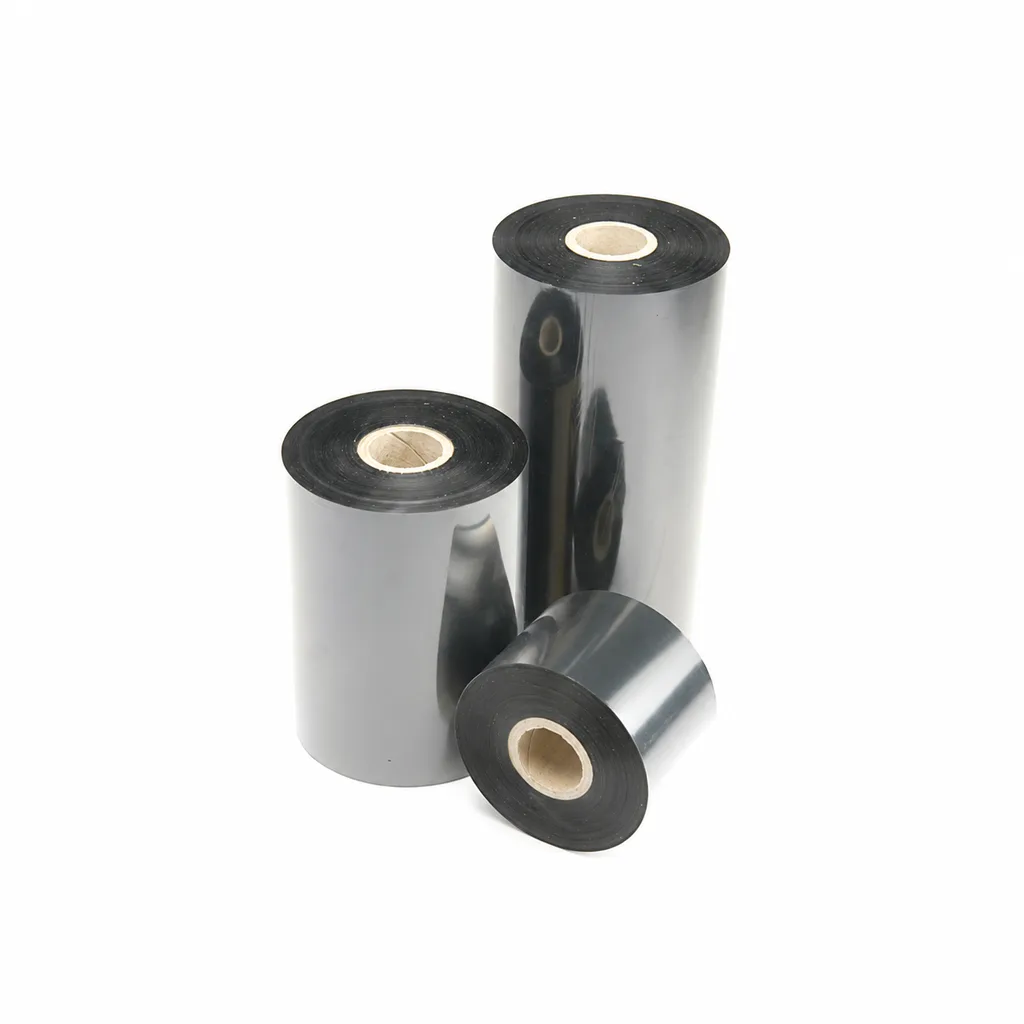
CL-Z213 Near-Edge Wax-Resin Thermal Transfer Ribbon for Barcode Labels
An enhanced black near-edge wax-resin thermal transfer ribbon for near-edge barcode printers and low- to medium-speed thermal transfer overprinting (TTO). Listed applications include retail labels, warehousing, garment tags and packaging identification. Match the printer, actual print medium and operating speed before selection: print quality and image durability can vary with the printer and substrate.
View details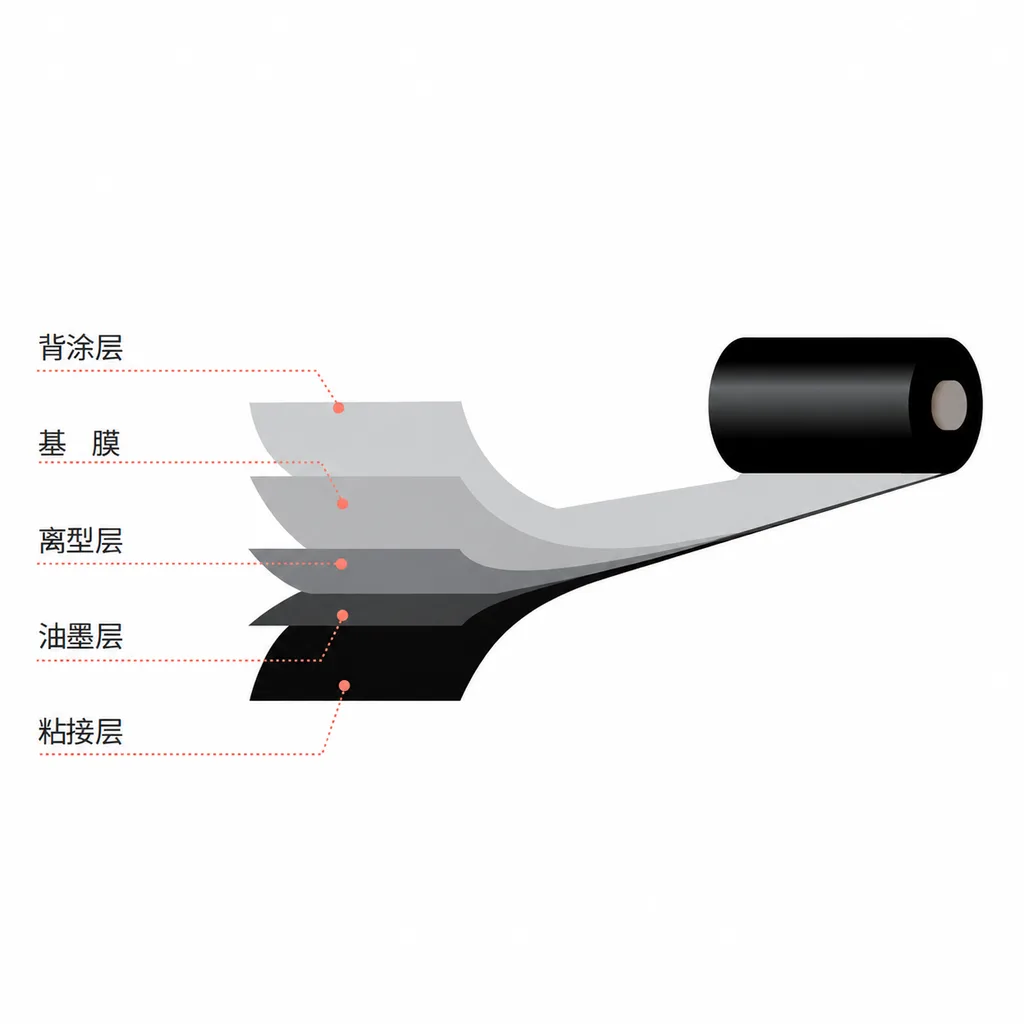
CL-Z312 Resin Thermal Transfer Ribbon for Packaging Printing
CL-Z312 is a black, general-purpose resin ribbon for thermal transfer overprinting (TTO), with packaging and retail label applications listed in the product information. Its abrasion, alcohol and oil resistance data were obtained on polyethylene terephthalate (PET). Select it against your actual packaging material, printer and production speed: print quality and image durability can vary with the printer and substrate, and the material chart percentages are not defined as pass rates.
View details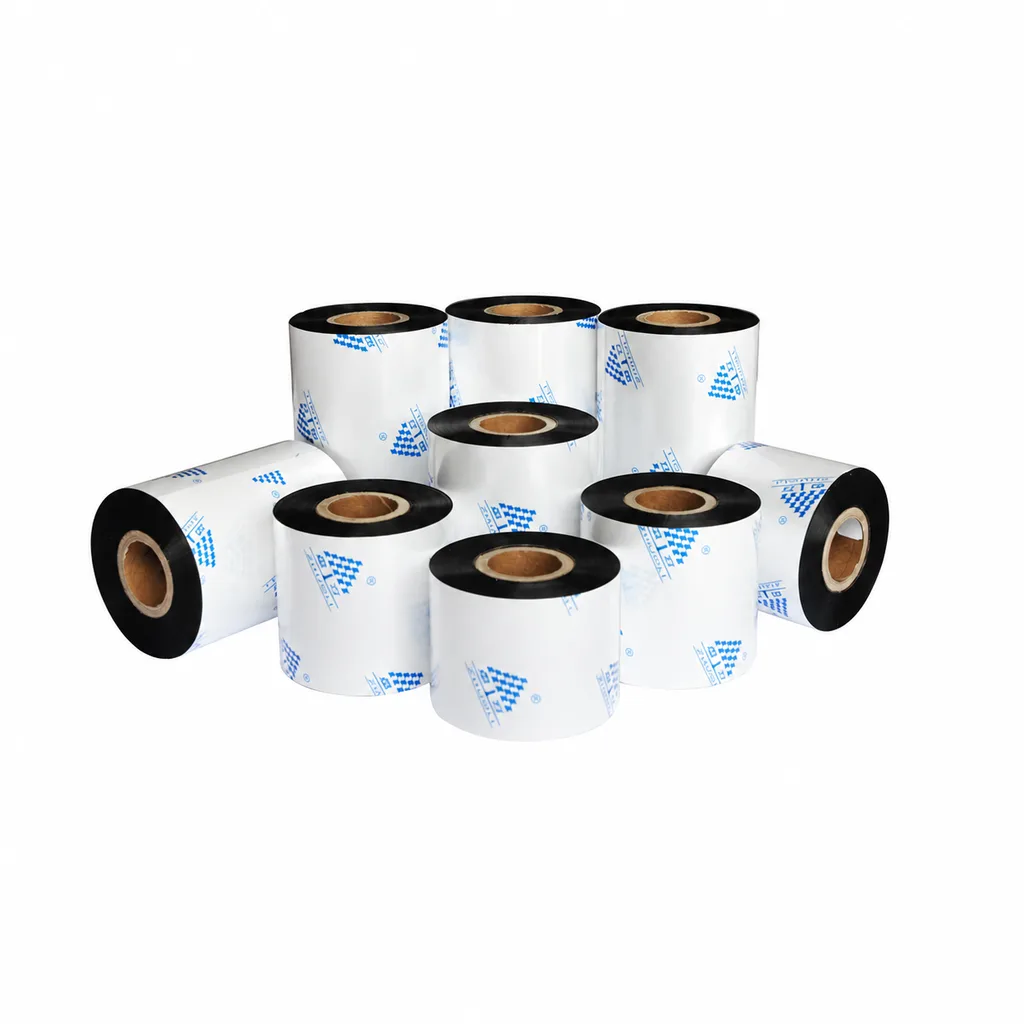
Near-Edge Wax-Resin Thermal Transfer Ribbon CL-Z212 for Barcode Labels
CL-Z212 is a general-purpose black wax-resin thermal transfer ribbon primarily for near-edge barcode printers, with use also described for low- to medium-speed thermal transfer overprinting (TTO). Listed applications include retail labels, garment tags, warehouse identification and packaging printing. Select according to printer type, actual printing speed and substrate: recommended conditions list near-edge printing at ≤10 inches per second (ips) and TTO at ≤20 ips. Print quality and image durability can vary with the printer and printing material, so trial printing on the intended substrate is necessary for selection.
View details
Thermal Transfer Intelligent Coding Machine
This series of thermal transfer coders represents a cost-effective intelligent coding…
View detailsNeed the right ribbon for your label application?
Share the label material, printer and operating environment. Our team will recommend a tested combination.
