
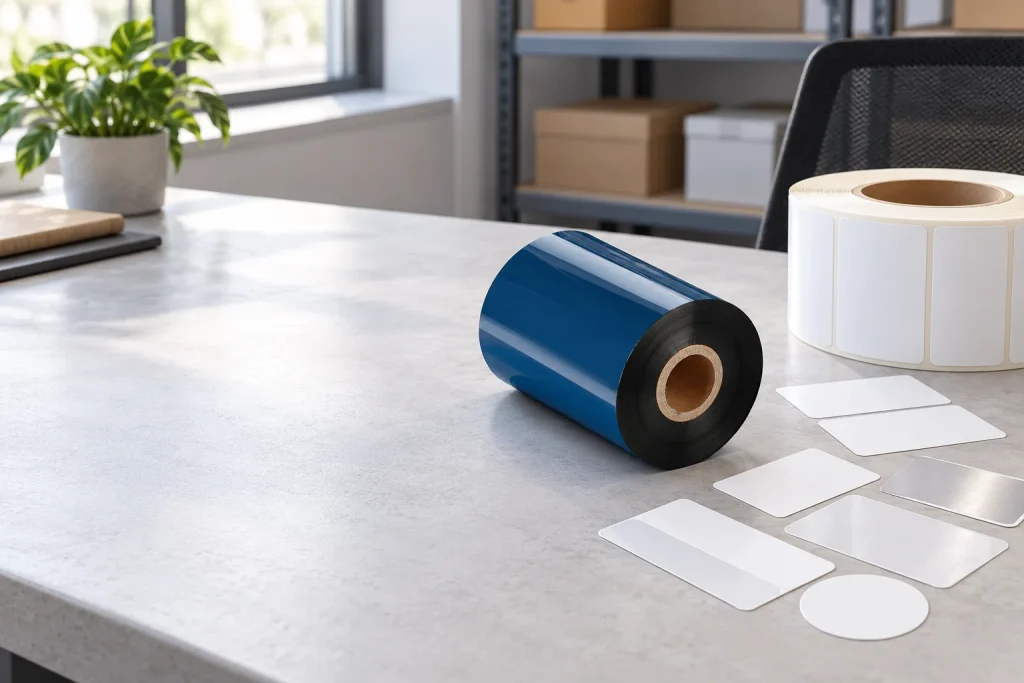
- Original TTR manufacturer since 2013
- Automated coating and slitting
- IQC / IPQC / OQC control
- ANSI barcode grade testing
- -20°C to 120°C environmental testing
- Batch-level traceability
- ANSI barcode grade
- Batch traceability
- RoHS / REACH compliance
- SGS and MSDS documents on request
For buyers running their own label printers, a barcode ribbon manufacturer is the business producing the thermal transfer consumable, rather than a description of a finished label service. The product name indicates an application, while wax, wax-resin and resin identify different ink families. Confirm production scope separately from printer fit, and validate a proposed ribbon with the label material and settings you will actually use.
Key Takeaways
- Thermal transfer ribbons carry ink that heat from a printhead transfers onto a label.
- Wax, wax-resin and full resin are the three broad thermal transfer ribbon families.
- Ribbon production includes more than cutting a roll to the requested width.
- Manufacturer identity does not establish compatibility with a particular printer and label combination.
- A replacement ribbon needs validation on the buyer’s own label material, printer and settings.
Understand what a barcode ribbon manufacturer produces
A barcode ribbon manufacturer produces the ink-bearing consumable used in thermal transfer printing. The ribbon supplies the ink; the printer transfers that ink onto the label. “Barcode” describes the intended marking application, rather than a separate ink chemistry. A request for barcode ribbon therefore still needs a material specification before it describes a usable product.
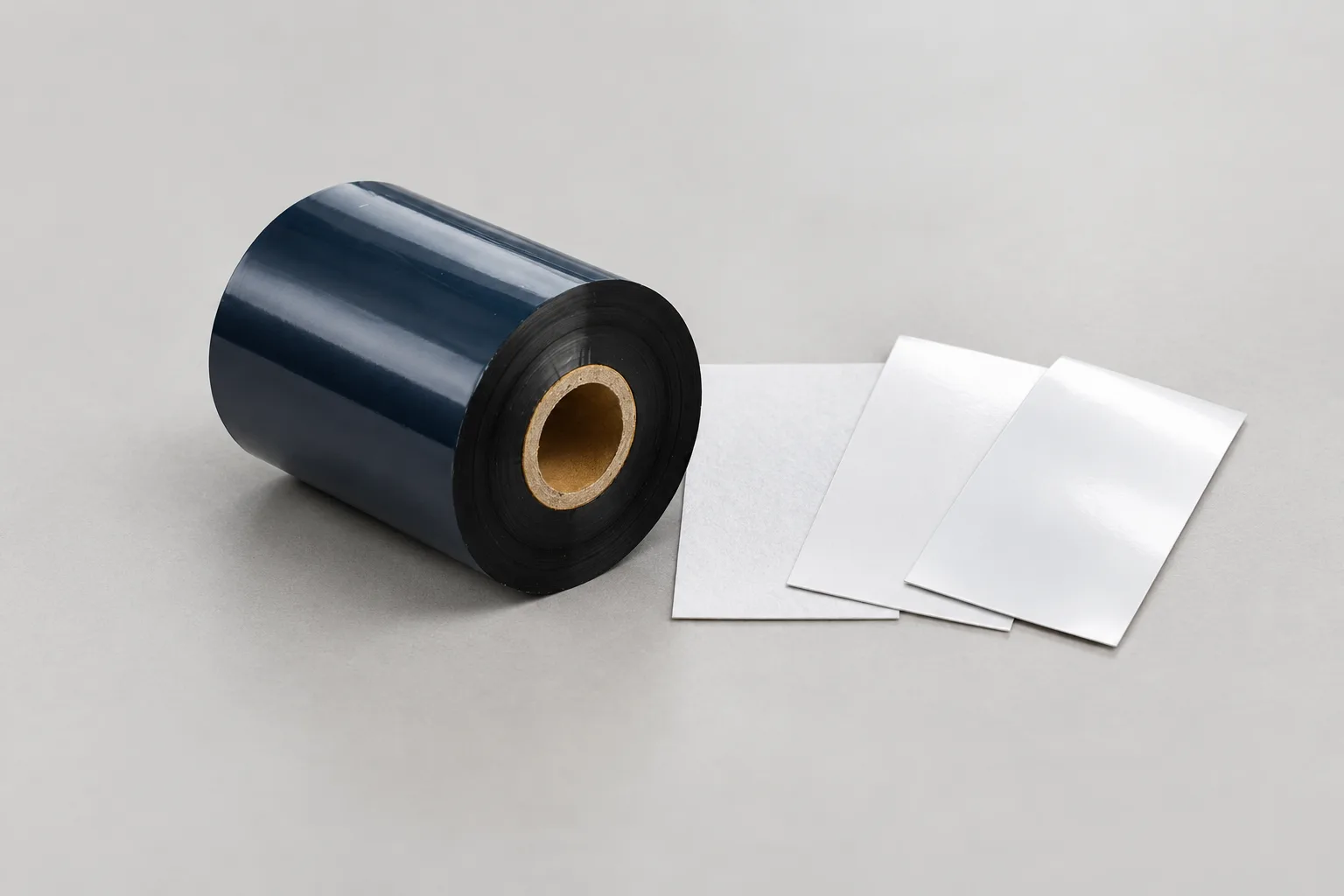
The basic construction explains why the producer matters. Ribbon commonly uses polyester film with a wax, resin or mixed ink coating on one side and a lubricating coating on the other. Heat and pressure from the printer transfer the image to the label. Beyond the ink itself, additional ribbon layers influence print quality and durability.
Production scope is a separate question from the name on a sales listing. Ask the supplier to identify which stages it performs: formulation, coating, slitting and final roll preparation. This is a request for evidence about that supplier, rather than a claim that every business advertising ribbon performs every stage.
COLORFULTTR provides one documented example. Its Company Profile (2025), published as 公司简介-2025, describes research, production and sales of thermal transfer ribbon and a production chain covering raw materials, coating, slitting and finished products. Its Production and Quality (2025), published as 生产工艺与品质-2025, also describes slitting and winding controls. Those statements identify a production scope; they do not approve a particular grade for your label.
Separate ribbon families from adjacent printing terms
Wax, wax-resin and full resin describe broad thermal transfer ribbon families with different material and durability applications. They answer a different question from “Who manufactures this ribbon?” A manufacturer’s range may include several families, so comparing company names alone leaves the consumable choice unresolved.
Wax is commonly associated with paper labels. Wax-resin is a blended formulation used mainly for coated paper and some films, while full resin is generally associated with demanding synthetic label applications. Treat these as starting categories, then identify the exact label surface and proposed grade. A family name does not establish that every member will work on every material within a broad group.
Direct thermal describes another printing method. It applies heat directly to specially treated label material, whereas thermal transfer uses a ribbon to transfer ink. Consequently, the words “thermal printer” alone do not tell a supplier which consumable your machine needs. Provide the model and printing method before discussing ribbon options.
TTO, or Thermal Transfer Overprinting, applies codes to flexible packaging using a thermal printhead and wax-resin or resin ribbon. It is a packaging coding application, not a fourth universal ink family. If your task involves film packaging rather than a label roll, state that context clearly. Keep the application, ribbon family and equipment description as separate entries in your specification instead of using one term to stand for all three.

Interpret manufacturing claims without assuming compatibility
Ribbon selection requires matching ink formulation, width, core size and roll length to the printer and label material. A manufacturing description answers who makes the consumable and how production is organized; it does not supply those missing application details. Keep a supplier identity check separate from a ribbon suitability check.
For a supplier change, begin with a written description of the current combination. Record the printer model, label material, existing ribbon grade and roll specification. Add the conditions the printed label will face and the result you need to preserve. This gives the proposed replacement a defined comparison, rather than leaving “equivalent” open to interpretation.
Ask the supplier to name a candidate grade and explain its intended material range. Request evidence for the specific claims that matter to your application instead of treating a general production statement as a performance report. For example, a statement about coating capability does not establish the durability of your printed label. A matching roll width does not settle the choice of ink formulation.
Then print with the candidate on your own label stock and equipment, recording the settings used. Ribbon performance belongs to the complete printed construction, so validate that combination before release. If the result is unsuitable, return the recorded combination and observed problem to the supplier. Avoid approving the replacement merely because its category name resembles the current ribbon or because the supplier describes itself as a factory.
Data and Evidence
The available evidence supports broad ribbon categories and production descriptions, while application approval requires a defined printer and label combination. The comparison below separates what each description establishes from the additional information needed for your project.
| Description | What it establishes | What to verify next |
|---|---|---|
| Barcode ribbon | A thermal transfer consumable for producing marks such as barcodes | The printing method and actual ribbon grade |
| Wax | A ribbon family commonly used on paper labels | The proposed grade on the actual paper surface |
| Wax-resin | A blended family mainly used on coated paper and some films | The specific coated paper or film and required durability |
| Full resin | A family generally used for demanding synthetic films | The intended synthetic material and compatible printer |
| Manufacturing scope | The production stages a company documents | Evidence for the supplier and product under consideration |
| Roll specification | Width, core size and length for the proposed roll | Fit together with ink formulation and label suitability |
Company-specific production statements above come from 公司简介-2025 and 生产工艺与品质-2025. The latter describes formulation, research, coating, slitting and print assembly as stages requiring technical support. It also identifies winding flatness, tension and slitting dimensions as quality concerns. These are descriptions of production work, rather than a measured result for your printer.
Use a short application record as the next step: identify the printer, blank label stock, existing roll specification and intended exposure, then request a named candidate for a controlled comparison. Keep the accepted sample and its recorded conditions as the reference for discussing the proposed replacement.
Frequently Asked Questions
Does a barcode ribbon manufacturer also supply printed labels?
The term identifies a ribbon production role; it does not establish that finished label printing is included. For an in-house printing project, specify the ribbon and blank label separately and confirm the actual supply scope.
Are wax-resin and full resin barcode ribbons the same category?
No. Wax-resin is a blend, while full resin is a separate ribbon family. Their names help narrow the search, but the exact grade still needs to match the label material and printer.
Can I approve a replacement ribbon using only its width and core size?
No. Matching dimensions addresses only part of the selection. Include ink formulation, roll length, label material and printer details, then validate the printed combination on your own equipment.
Related Products & Guides
Recommended products for this industry
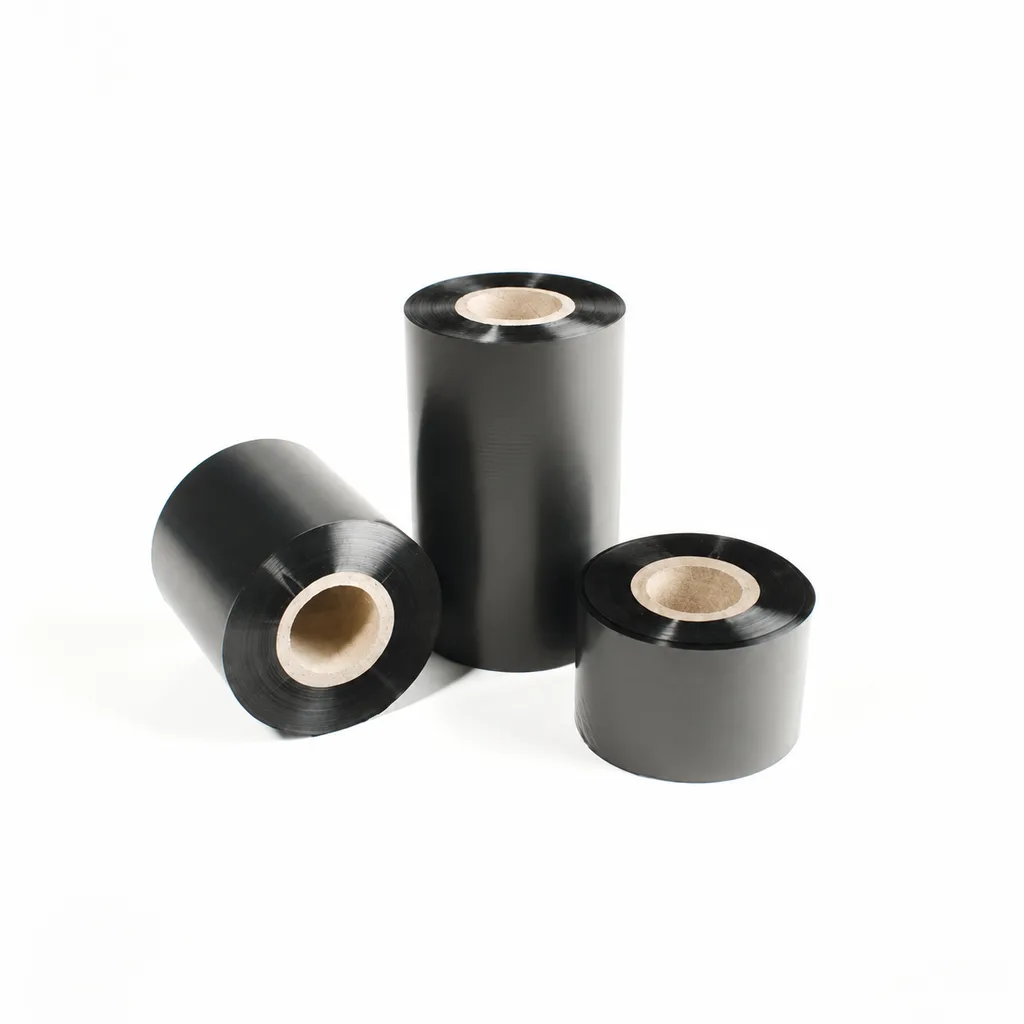
CL-Z112 Enhanced Wax Thermal Transfer Ribbon for Paper Labels and Tags
An enhanced wax thermal transfer ribbon with black ink for paper labels and tags used in retail, warehousing and logistics. It is specified for flat-head printing on desktop or industrial barcode printers at ≤8 inches per second (ips). Select it by checking the actual label material, printer configuration and handling conditions: image-quality, rub-resistance and cold-chamber results were obtained on coated paper, and print quality and image durability may vary with the printer and print medium.
View details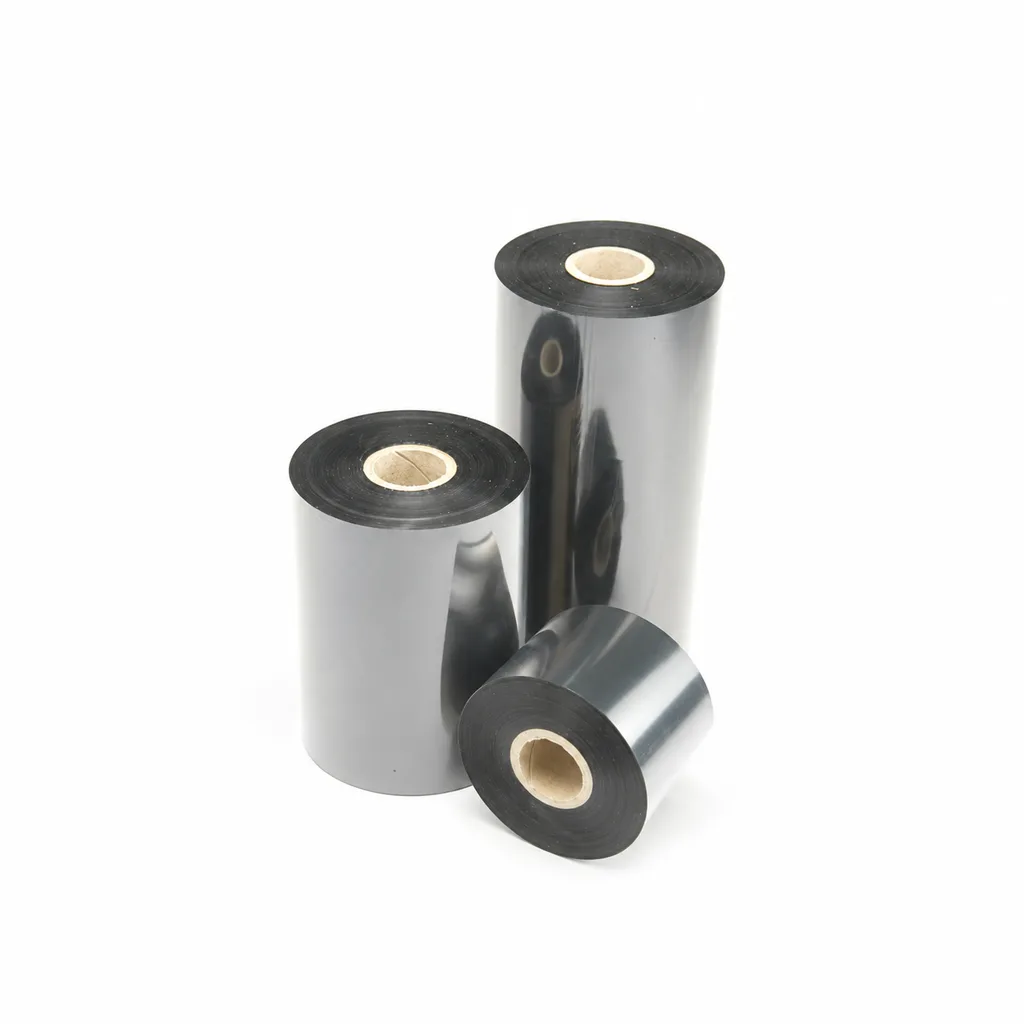
CL-Z203 Wax-Resin Thermal Transfer Ribbon for Barcode Labels
A black wax-resin thermal transfer ribbon for flat-head printing, with listed applications including retail, warehousing, logistics and garment tags. Select it against your actual label material and desktop or industrial barcode printer at speeds ≤6 ips (inches per second). Fine-line, small-text and durability results were obtained on coated paper; print quality and image durability may vary with the printer and printing substrate.
View details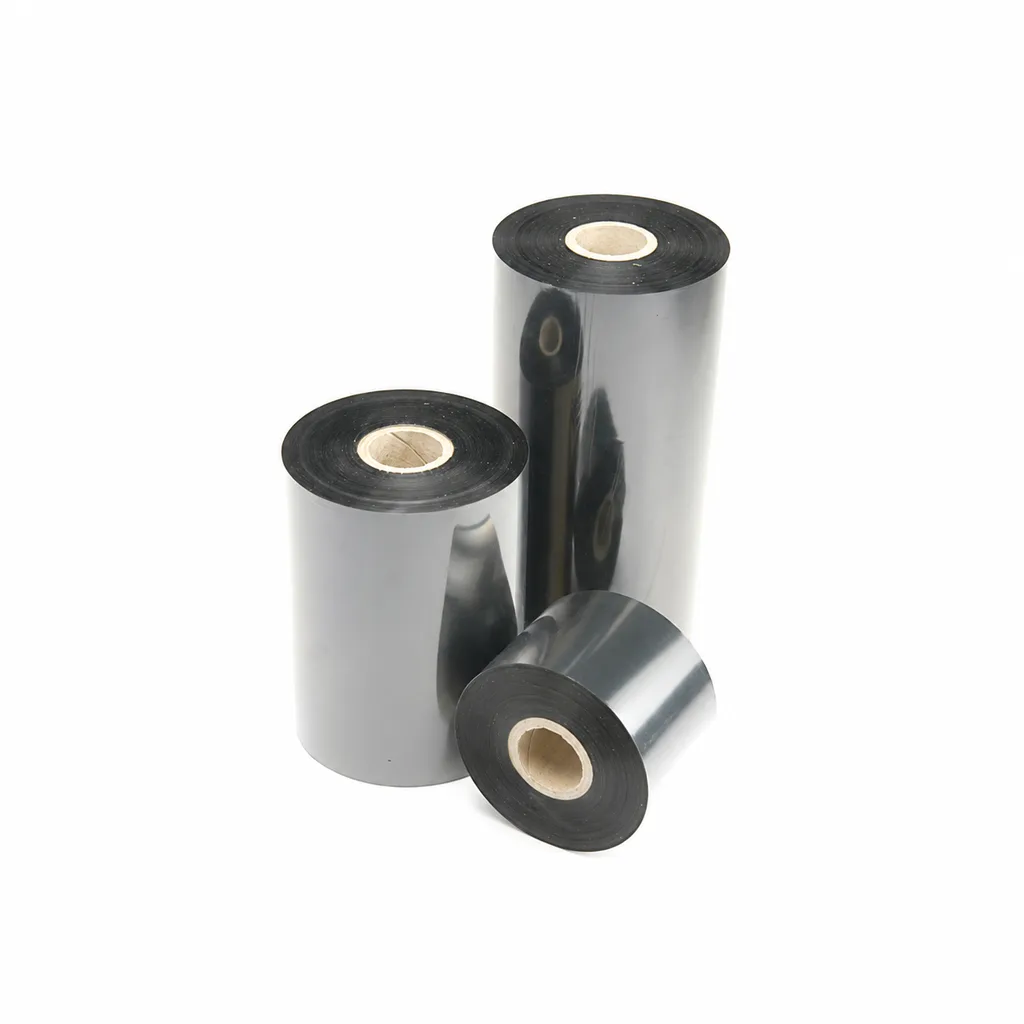
CL-Z213 Near-Edge Wax-Resin Thermal Transfer Ribbon for Barcode Labels
An enhanced black near-edge wax-resin thermal transfer ribbon for near-edge barcode printers and low- to medium-speed thermal transfer overprinting (TTO). Listed applications include retail labels, warehousing, garment tags and packaging identification. Match the printer, actual print medium and operating speed before selection: print quality and image durability can vary with the printer and substrate.
View details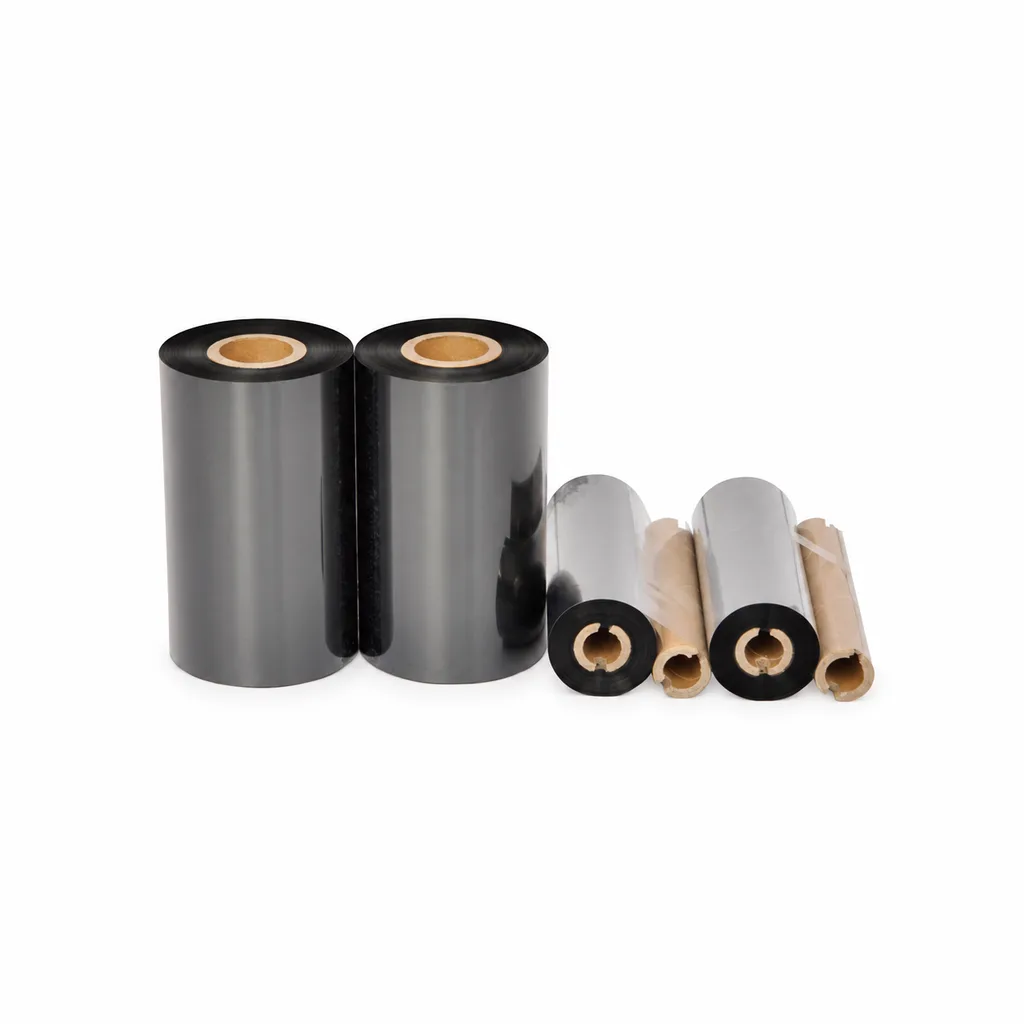
CL-Z908 Wax Thermal Transfer Ribbon for Barcode Labels and Tags
CL-Z908 is an economical black wax thermal transfer ribbon for label and tag printing. Listed applications include retail, warehousing, logistics, clothing tags, simple packaging and production line identification. It is intended for flat-head printing on desktop or industrial barcode printers at speeds of ≤6 inches per second (ips). Select it against your actual paper stock, printer and required image durability: print quality and image durability may vary with the printer and printing substrate.
View detailsNeed the right ribbon for your label application?
Share the label material, printer and operating environment. Our team will recommend a tested combination.
